 Effects of a multimodal Intervention on metabolic markers in older women under dietary control: a triple-blind clinical trial
Abstract
Objective To evaluate the effects of a multimodal intervention combining resistance exercise and protein supplementation on metabolic markers in older women under dietary control.
Methods A triple-blind, placebo-controlled clinical trial was conducted over 12 weeks. Participants were allocated to three groups: resistance exercise + whey protein (EW), exercise + placebo (EP), and whey protein only (WP). Metabolic markers (fasting glucose, fructosamine, total cholesterol, LDL-c, HDL-c, triglycerides), renal and hepatic function markers (for monitoring), and anthropometric parameters (body mass index [BMI], waist circumference [WC], calf circumference) were assessed. Dietary control was evaluated using three-day weighed food records.
Results Thirty-three older women participated (mean age 82 years), most with overweight (67%) and elevated WC (85%). After the intervention, HDL-c significantly decreased in the EW group (from 68 to 58 mg/dL; p=0.005) and in the EP group (from 52 to 49 mg/dL; p=0.018). LDL-c increased in the EW group (from 76 to 106 mg/dL; p=0.005), while fasting glucose decreased in the EP group (from 107 to 99 mg/dL; p=0.005). No significant differences were found between groups. Nutritional intake and renal and hepatic function monitoring were ensured.
Conclusion Twelve weeks of resistance exercise improved fasting glucose, whereas both exercise groups showed a worsening lipid profile regardless of supplementation. These effects may be related to the intervention duration or to participants’ age, overweight, and comorbidities, highlighting the need to better understand the impacts of exercise and protein supplementation in this population.
Keywords
Aged; Exercise; Nutritional Supplements; Lipid Metabolism; Blood Glucose; Overweight.
Resumo
Objetivo Avaliar efeitos de uma intervenção multimodal, combinando exercício físico e suplementação proteica, em marcadores metabólicos de mulheres idosas com controle dietético.
Método Ensaio clínico triplo cego, placebo-controlado, com idosas submetidas a um programa de 12 semanas, divididas em três grupos: exercício resistido + <italic>whey protein</italic> (EW), exercício + placebo (EP) e apenas <italic>whey protein</italic> (WP). Avaliaram-se marcadores metabólicos (glicemia de jejum, frutosamina, colesterol total, LDL-c e HDL-c e triglicérides) e de função renal e hepática para controle; e antropometria: índice de massa corporal, circunferências da cintura (CC) e panturrilha. Controle dietético foi avaliado por três dias de registro alimentar com pesagem direta.
Resultados participaram 33 idosas com média de idade de 82 anos de idade, predominância de excesso de peso (67%) e CC elevada (85%). Após a intervenção, observou-se redução significativa do HDL-c nos grupos EW (de 68 para 58mg/dL; p=0,005) e EP (de 52 para 49mg/dL; p=0,018), aumento do LDL-c no grupo EW (de 76 para 106 mg/dL; p=0,005) e redução da glicemia no grupo EP (De 107 para 99 mg/dL; p=0,005), sem diferenças estatísticas entre os grupos. O controle da ingestão nutricional e da função renal e hepática foi garantido.
Conclusão Exercício resistido por 12 semanas melhorou glicemia, enquanto ambos os grupos com exercício apresentaram piora no perfil lipídico independente da suplementação. Esses efeitos podem estar relacionados ao tempo de intervenção ou à idade, excesso de peso e comorbidades da amostra, apontando a necessidade de compreensão dos impactos do exercício e da suplementação proteica nessa população.
Palavras-chave
Idoso; Exercício Físico; Suplementos Nutricionais; Metabolismo dos Lipídeos; Glicemia; Sobrepeso.
INTRODUCTION
Aging is characterized by metabolic changes associated with increased susceptibility to chronic diseases1,2, which are exacerbated by excess body adiposity3 and inadequate lifestyle habits, including low levels of physical activity, sedentary behavior, and unhealthy dietary patterns4.
Multimodal interventions, typically defined as structured approaches combining two or more synergistic strategies such as exercise and nutritional supplementation, have been shown to improve not only musculoskeletal outcomes but also metabolic markers in older adults5-7. Regular physical activity enhances cellular function and promotes the oxidation of energy substrates such as carbohydrates and lipids, thereby reducing risk factors and the incidence of metabolic diseases8.
Resistance training has been shown to improve insulin sensitivity in older adults, with effects comparable to those of aerobic exercise9. However, regarding lipid profile, the literature more consistently supports the benefits of aerobic or combined training3,10. Moreover, although isolated resistance training suggests potential benefits, most existing studies include younger older adults, leaving a gap in the understanding of how resistance training may affect lipid metabolism in older women of advanced age8.
Furthermore, whey protein–based supplements contain high levels of essential amino acids and bioactive peptides and modulate intestinal incretins, conferring functional properties and benefits on lipid and glycemic profiles11. Although their effects on improving metabolic parameters have already been reported11-13, few studies have evaluated the isolated effect of protein supplementation in older women without concurrent exercise14.
Notably, many intervention studies have identified the lack of dietary pattern control as a limitation. Given the strong influence of diet on metabolic parameters, this represents a relevant bias in existing research. In light of these gaps, the objective of the present study was to evaluate the within-group effects of a multimodal intervention based on exercise and protein supplementation on metabolic markers in older women under dietary control, as well as to explore potential differences between intervention groups.
METHOD
This was a triple-blind, placebo-controlled clinical trial with dietary control, conducted among older women residing in a Home for the Aged in Salvador, Bahia, Brazil. The study was developed by the Study and Intervention Center on Aging (CEIAE), School of Nutrition, Universidade Federal da Bahia (ENUFBA). The project was approved by the ENUFBA Research Ethics Committee under approval number 5.781.842 (CAAE: 63312922.6.0000.5023). The study was conducted in accordance with the ethical and legal guidelines established by Resolution No. 466/12 of the National Health Council (CNS), which regulates research involving human subjects. This randomized clinical trial was registered with the Brazilian Clinical Trials Registry (ReBEC) under identifier RBR-5ztk3mw.
Participant recruitment occurred between July and August 2023, and the intervention protocol lasted 12 weeks. As a triple-blind study, participants, evaluators, and the statistician were unaware of which individuals received the supplement or placebo. No changes were made to the intervention protocol after the study began.
Eligible participants were women aged ≥60 years, clinically cleared to engage in the activities, who adhered to the standardized meals provided by the institution and agreed to sign the Informed Consent Form (ICF).
Exclusion criteria included individuals with prior contraindications or impairments limiting assessments, amputations, recent significant involuntary weight loss (<3 months), recent surgery (<6 months), severe neurological or muscular disorders, terminal illness, ongoing cancer treatment or palliative care, major infections, burns or trauma, continuous use of anti-inflammatory and/or immunosuppressive drugs, refusal to consume animal-based foods, milk allergy, or enteral/parenteral nutrition. Participants who failed to meet the minimum attendance requirement or experienced changes in continuous-use medications during the intervention were also excluded. Data on comorbidities and current medications were obtained from medical records. Additional clinical information was collected through interviews and meetings with the institution’s healthcare team.
Sample size was calculated based on an analysis of variance (ANOVA) with three intervention groups, assuming a medium effect size (f = 0.25), a significance level of 5% (α = 0.05), and statistical power of 80% (1-β = 0.80). Considering a finite population of 60 older women, a finite population correction was applied, resulting in an estimated total of 28 participants, with approximately 9 to 10 per group. Although the initial analysis plan anticipated the use of parametric tests, the data did not meet normality assumptions; therefore, nonparametric methods were applied. The initial sample consisted of 37 participants. During the study, four participants withdrew, resulting in a final sample of 33 participants, as illustrated in Figure 1.
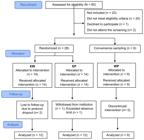
The intervention groups were: EW (resistance exercise + whey protein supplementation); EP (resistance exercise + placebo); and WP (whey protein supplementation only).
Participants enrolled in the exercise program offered by the Home for the Aged were randomly assigned to the EW and EP groups through sequential number drawing conducted by a staff member not involved in the study. Participants who were not part of the exercise program but met the eligibility criteria were allocated to the WP group. The multimodal intervention protocol lasted 12 weeks, combining resistance exercise with protein supplementation. A maximum absence rate of 25% was allowed to maintain participation. Participants were instructed to maintain their usual daily activities and refrain from engaging in other physical exercise or diets during the intervention period. Post-intervention assessments were conducted at the end of the study.
Data collection was conducted by a trained team using standardized procedures. Participant recruitment was based on medical records, interviews, and meetings with the Home for the Aged healthcare team. To characterize the sample, information was collected on age, marital status, self-reported race/skin color (White, Black, Mixed-race), alcohol consumption, smoking status, comorbidities, and current medications.
Dietary control was implemented to ensure data reliability and minimize the influence of dietary intake variations during the intervention period. All Home for the Aged residents received standardized meals planned by a registered dietitian, including breakfast, morning snack, lunch, afternoon snack, dinner, and evening snack. The intervention did not aim to modify participants’ habitual dietary intake; however, they were asked not to consume external foods and to rely exclusively on meals provided by the institution throughout the intervention. Nutritional intake at baseline and post-intervention was assessed using a three-day weighed food record (two weekdays and one weekend day). All foods and beverages consumed by each participant were weighed using a food scale, and plate waste was calculated by weighing leftovers. Data were tabulated in grams (g) and processed using nutritional composition software, based on food composition tables and technical sheets for meals prepared at the institution. Daily averages of energy intake (kcal/day) and macronutrients (% kcal/day and g/kg/day) were calculated.
A trained Home for the Aged staff member not involved in the study was responsible for preparing the supplement batches. Distribution occurred immediately after exercise sessions, and cups were pre-labeled with participant names and dates, separated by group. The EW and WP groups received 25 g of vanilla-flavored whey protein powder diluted in water, providing 20 g of protein, in accordance with recommendations for older adults15. The EP group received 20 g of skim milk powder diluted in water, flavored with vanilla essence and sweetened with sucralose. Each batch totaled 100 mL.
The Home for the Aged offered residents two weekly sessions of resistance exercise lasting 40 minutes, at low to moderate intensity. For this study, an additional weekly session was added for the EW and EP groups, totaling three 45-minute sessions per week (Tuesday and Friday mornings, and Wednesday afternoons), with a minimum interval of 24 hours between sessions. The WP group consisted of residents who voluntarily did not participate in the Home for the Aged exercise program and remained inactive during the study by personal choice, not due to study requirements.
The following exercise sequence was implemented: Dumbbell Bench Press, Squat, Standing Barbell Row, Knee Flexion, Biceps Curl, Calf Raise, Triceps Extension, Hip Bridge, Shoulder Press, and Abdominal Crunches. Initial training load was estimated using a one-repetition maximum (1RM) test for each exercise. After warm-up and subjective selection of initial load, participants performed as many repetitions as possible until concentric fatigue. The number of repetitions was used to estimate the 1RM load, based on the conversion table proposed by Baechle and Earle (2008)16. Load and repetition progression followed this schedule: Weeks 1–2: 3 × 18–20 RM; Weeks 3–4: 3 × 15–17 RM; Weeks 5–6: 3 × 12–14 RM; Weeks 7–8: 3 × 8–10 RM; Weeks 9–10: 3 × 6–8 RM; Weeks 11–12: 3 × 4–6 RM. This progression enabled gradual overload increase with a concomitant reduction in repetitions, respecting the principle of progressive resistance and participants’ functional capacity.
All interventions were conducted at a single Home for the Aged by the same trained research team, ensuring protocol standardization across groups.
The following metabolic markers were assessed: fasting glucose, fructosamine, total cholesterol, LDL cholesterol, HDL cholesterol, and triglycerides. For intervention safety and monitoring, renal function markers [urea, creatinine, and glomerular filtration rate (GFR)] and hepatic function markers [aspartate aminotransferase (AST), alanine aminotransferase (ALT), and gamma-glutamyl transferase (GGT)] were also analyzed.
Samples were collected on-site by venipuncture after a 12-hour fast. Analyses were performed at the Clinical and Toxicological Analysis Laboratory (LACTFAR), at the School of Pharmacy, Universidade Federal da Bahia (UFBA). Fasting glucose, total cholesterol, triglycerides, and urea were analyzed using enzymatic methods; fructosamine and GGT by colorimetric methods; HDL cholesterol by homogeneous method; creatinine by alkaline picrate method; and AST and ALT by UV kinetic method. LDL cholesterol was calculated using the Friedewald formula, and GFR using the CKD-EPI equation.
Body Mass Index (BMI) was assessed and classified according to PAHO criteria (2002)2,17: underweight: <23 kg/m²; normal: 23–28 kg/m²; overweight: 28–30 kg/m²; and obesity: >30 kg/m². For analytical purposes, overweight and obesity categories were grouped as excess weight. Calf Circumference (CC) was used as an indicator of muscle mass, considered reduced when ≤33 cm18, and Waist Circumference (WC) was classified according to WHO criteria (2000)19, considered elevated when >88 cm.
Descriptive statistics were used to characterize the sample. Normality of continuous variables was assessed using the Shapiro–Wilk test. Variables with normal distribution were presented as mean and standard deviation; those without normal distribution were described as median and interquartile range. Categorical variables were expressed as absolute and relative frequencies. For baseline homogeneity analysis, the Kruskal–Wallis test was used for continuous variables and Pearson’s chi-square test for categorical variables. For within-group comparisons (pre vs. post-intervention), the nonparametric Wilcoxon signed-rank test was applied. For between-group differences, delta values (post-intervention minus baseline) were calculated for each outcome and compared using the Kruskal–Wallis test for independent samples.
The significance level adopted was p<0.05. No corrections for multiple comparisons were applied due to the exploratory nature of the study. There were no missing data for primary or secondary outcomes, and all randomized participants completed the proposed assessments. No interim analyses were performed, and no stopping criteria were defined during the study.
DATA AVAILABILITY
The full dataset supporting the findings of this study is available upon request from the corresponding author.
RESULTS
A total of 33 older women participated in the study, with a mean age of 82 (±6.0) years. Most participants self-identified as Mixed-race (73%), were without a partner (94%), former alcohol users (58%), and had never smoked (55%). The prevalence of systemic arterial hypertension was 88%, osteoarthritis 76%, excess weight 67%, and elevated waist circumference (WC) 85%. Reduced calf circumference (CC) was observed in 12% of participants. The most commonly used medications were antihypertensives (76%), lipid-lowering agents (56%), and hypoglycemics (30%). Sociodemographic and clinical characteristics at baseline by intervention group are presented in Table 1, with no statistically significant differences observed.
Sociodemographic and clinical characteristics of participants by intervention group at baseline (N=33). Salvador, BA, 2023.
Regarding metabolic markers, within-group analysis (Table 2) showed a significant reduction in HDL cholesterol in the EW (p=0.005) and EP (p=0.018) groups, an increase in LDL cholesterol in the EW group (p=0.005), and a reduction in fasting glucose in the EP group (p=0.005). The evaluation of intervention effects between groups showed an HDL variation of -11.0 (-12.8; -8.0) in the EW group and -5.5 (-8.0; 2.0) in the EP group, with no statistically significant differences among the three groups (p=0.102). The LDL variation in the EW group was 14.8 (3.7; 28.1), and the fasting glucose variation in the EP group was -8.5 (-19.8; -2.8), also with no statistically significant differences among the three groups (p=0.652 and p=0.330, respectively).
Within-group variation in metabolic markers before and after the intervention (N=33). Salvador, BA, 2023.
Regarding dietary control, no significant differences in nutritional intake were observed between groups at baseline, nor were there significant within-group differences before and after the intervention, as shown in Table 3.
As for renal function markers, a significant reduction in creatinine levels (p=0.033) and a significant increase in glomerular filtration rate (GFR) (p=0.030) were observed in the EP group, with no changes in urea levels. Regarding hepatic function, AST and ALT levels significantly decreased in the EW (p=0.004; p=0.005), EP (p=0.003; p=0.013), and WP (p=0.008; p=0.028) groups. GGT levels decreased in the EW (p=0.049) and WP (p=0.046) groups. These findings are detailed in Table 4.
Within-group variation in renal and hepatic function markers before and after the intervention (N=33). Salvador, BA, 2023.
No adverse events related to the intervention (exercise or supplementation) were reported during the 12-week period. Safety was monitored through laboratory assessments, which did not reveal any harmful effects on renal or hepatic function in the intervention groups.
DISCUSSION
This study evaluated the effects of a resistance exercise program and whey protein supplementation, administered either in isolation or in combination, on metabolic markers in older women under dietary control. At baseline, the sample was homogeneous in terms of sociodemographic and clinical characteristics.
The main findings of this study were a significant reduction in fasting glucose in the EP group, a reduction in serum HDL cholesterol in the exercise groups (EW and EP), and an increase in LDL cholesterol in the EW group after the intervention. However, between-group comparisons of the intervention effects did not show statistically significant differences for these variables.
These results contrast with previous findings, which indicates that regular physical activity improves the lipid profile20. Nevertheless, the findings of this study should be interpreted in light of the sample characteristics, composed exclusively of long-lived older women with excess weight, a condition that influences both metabolism and responsiveness to interventions, and the possibility that the intervention period was insufficient to promote improvements in lipid parameters. Several factors may explain the results observed.
It is known that HDL levels generally decline gradually with aging, which also compromises their quality and anti-atherogenic potential21. Although there is evidence that regular exercise can delay this decline8, the intervention in the present study may not have been sufficient, especially considering that many participants presented with comorbidities22.
Furthermore, a meta-analysis by Prokopidis et al.12 showed that LDL reduction in response to whey protein supplementation and exercise was more effective in individuals under 50 years of age. Therefore, managing the lipid profile through multimodal interventions may become more challenging with advancing age.
There is considerable variability in the literature regarding the type, frequency, duration, and intensity of physical exercise for older adults, resulting in heterogeneous outcomes20,22,23. Aerobic exercise, particularly when combined with resistance training, is considered more effective in increasing HDL and improving the lipid profile8,24,25. Moreover, higher-intensity and longer-duration exercise may be more effective for this population21.
The resistance training protocol adopted in this study included three weekly sessions, based on evidence suggesting that this frequency can produce greater metabolic benefits in older adults compared to lower exercise volumes26. The decision to implement three sessions also considered the institutional context, as participants were accustomed to two weekly sessions as part of the Home for the Aged routine. Thus, the addition of one extra session allowed a feasible and progressive increase in exercise volume, potentially necessary to induce measurable metabolic adaptations.
Considering the physiological and metabolic changes associated with aging, and the impact of obesity and visceral adiposity on the lipid profile, it is presumed that the high prevalence of overweight, obesity, and increased abdominal circumference in the sample may have limited the effectiveness of the intervention. Different results might have been achieved if body weight and waist circumference had decreased3,22,27. However, this study did not aim to modify dietary patterns or promote weight loss, which may explain the findings. Although, the homogeneity of nutritional status reduces potential bias related to initial body composition, allowing the observed differences to be more directly attributed to the proposed intervention.
Similar findings have been reported previously: Berglund et al.28 observed a significant reduction in HDL after five years of continuous moderate-intensity training in older men and women. Suggested explanations include the variability of exercise programs described in the literature and the possibility that HDL levels in women respond less to exercise compared to men.
Regarding glycemic outcomes, fasting glucose levels decreased in all three groups, although statistical significance was reached only in the group that performed resistance training without supplementation (EP). Fructosamine levels increased in the supplemented groups (EW and WP) and decreased in the exercise-only group, although this reduction was not statistically significant. Aging is associated with metabolic alterations that favor insulin resistance and the development of type 2 diabetes. Resistance training can improve glucose metabolism through molecular mechanisms and by increasing mitochondrial oxidative capacity, resulting in greater uptake and efficient utilization of glucose by skeletal muscle9.
It is important to note that all participants were homogeneous in terms of medication use, and no changes in prescriptions occurred during the study period. This consistency minimizes potential confounding factors related to pharmacological treatment, strengthening the interpretation that the observed improvement in fasting glucose with exercise may reflect a true physiological response.
It is well established that, in addition to exercise, nutrition is a key factor in improving the lipid profile20. In this study, dietary control was ensured, as no differences in nutritional intake were observed among participants, either at baseline or after the intervention, eliminating one of the main sources of bias in studies of this nature.
Regarding protein intake, no total consumption target was established. The objective was to assess whether the addition of whey protein to the habitual diet, with an average baseline intake of 0.9 g/kg/day, would be sufficient to impact metabolic markers. With supplementation, total intake increased but did not reach the upper limit of the recommended range for all participants, which is ≥1.0–1.2 g/kg/day15. This approach reflects real-life dietary patterns of older adults, in which achieving optimal protein levels is often challenging. Instead of reaching a prescribed target, the goal was to determine whether supplementation could confer metabolic benefits even under suboptimal habitual intake.
Furthermore, the intervention proved to be safe with respect to renal and hepatic function. A significant reduction in creatinine and an increase in GFR were observed in the EP group, with no changes in urea levels, indicating preserved renal function. All groups showed significant reductions in AST and ALT, and the EP group also showed a significant reduction in GGT, with all hepatic enzyme levels remaining within reference ranges.
This study has several strengths, including the use of a triple-blind protocol. Recognizing the impact of diet on the effects of multimodal interventions, and considering this factor as an important source of bias in previous research, we selected a study site that provided standardized meals and implemented strict dietary control through direct weighing of foods and leftovers, using standardized preparation sheets.
Nevertheless, the study also has limitations, such as the absence of a control group, which would have allowed a better understanding of the trajectory of the metabolic profile in older women under dietary control but without intervention. Additionally, a potential behavioral bias related to food consumption may have occurred. The results should be interpreted in light of the specific characteristics of the sample, composed of older women with a mean age of 82 years and excess weight. This population is frequently underrepresented in clinical trials involving physical and nutritional interventions, which underscores the relevance of the present study and the need for further research in this group.
CONCLUSION
This study concluded that a 12-week resistance exercise intervention in older women improved fasting glucose levels in the group without protein supplementation, while both exercise groups showed a worsening lipid profile, regardless of supplementation. These findings highlight the complexity of metabolic responses in older adults and may be associated with age-related physiological changes, the high prevalence of overweight, the presence of comorbidities in the sample, and the possibly insufficient duration of the intervention. Despite these findings, the intervention was safe in terms of renal and hepatic function. Therefore, future studies are recommended to explore the effects of such interventions in older women with adequate weight or within structured weight-loss programs, ensuring dietary control to minimize methodological biases and enhance the understanding of the impacts of exercise and protein supplementation in this population.
References
-
1 Guo J, Huang X, Dou L, Yan M, Shen T, Tang W, et al. Aging and aging-related diseases: from molecular mechanisms to interventions and treatments. Signal Transduct Target Ther. 16 dez 2022;7(1):391. doi:10.1038/s41392-022-01251-0
» https://doi.org/10.1038/s41392-022-01251-0 -
2 Souza AF, Silva MG, Queiroz AC, Rodrigues SM, Forjaz CL, Silva CL. Pontos de corte de índice de massa corporal e suas relações com doenças crônicas não transmissíveis em idosos. Rev Bras Geriatr Gerontol. 2023 Jun;26:e230054. doi:10.1590/1981-22562023026.230054.pt
» https://doi.org/10.1590/1981-22562023026.230054.pt -
3 Waters DL, Aguirre L, Gurney B, Sinacore DR, Fowler K, Gregori G, et al. Effect of aerobic or resistance exercise, or both, on intermuscular and visceral fat and physical and metabolic function in older adults with obesity while dieting. J Gerontol A Biol Sci Med Sci. 07 jan 2022;77(1):131–9. doi:10.1093/gerona/glab111
» https://doi.org/10.1093/gerona/glab111 -
4 Dominguez LJ, Di Bella G, Veronese N, Giannelli G, Barbagallo M. Impact of Mediterranean diet on chronic non-communicable diseases and longevity. Nutrients. 12 jun 2021;13(6):2028. doi:10.3390/nu13062028
» https://doi.org/10.3390/nu13062028 -
5 Soares AL, Machado-Lima A, Brech GC, Greve JM, Dos Santos JR, Inojossa TR, et al. The influence of whey protein on muscle strength, glycemic control and functional tasks in older adults with type 2 diabetes mellitus in a resistance exercise program: randomized and triple blind clinical trial. Int J Environ Res Public Health. 20 mai 2023;20(10):5891. doi:10.3390/ijerph20105891
» https://doi.org/10.3390/ijerph20105891 -
6 Griffen C, Duncan M, Hattersley J, Weickert MO, Dallaway A, Renshaw D. Effects of resistance exercise and whey protein supplementation on skeletal muscle strength, mass, physical function, and hormonal and inflammatory biomarkers in healthy active older men: a randomised, double-blind, placebo-controlled trial. Exp Gerontol. Fev 2022;158:111651. doi:10.1016/j.exger.2021.111651
» https://doi.org/10.1016/j.exger.2021.111651 -
7 Delaire L, Courtay A, Humblot J, Aubertin-Leheudre M, Mourey F, Racine AN, et al. Implementation and core components of a multimodal program including exercise and nutrition in prevention and treatment of frailty in community-dwelling older adults: a narrative review. Nutrients. 22 set 2023;15(18):4100. doi:10.3390/nu15194100
» https://doi.org/10.3390/nu15194100 -
8 Yun H, Su W, Zhao H, Li H, Wang Z, Cui X, et al. Effects of different exercise modalities on lipid profile in the elderly population: a meta-analysis. Medicine (Baltimore). 21 jul 2023;102(29):e33854. doi:10.1097/MD.0000000000033854
» https://doi.org/10.1097/MD.0000000000033854 -
9 Consitt LA, Dudley C, Saxena G. Impact of endurance and resistance training on skeletal muscle glucose metabolism in older adults. Nutrients. 03 nov 2019;11(11):2636. doi:10.3390/nu11112636
» https://doi.org/10.3390/nu11112636 -
10 Smart NA, Downes D, Van Der Touw T, Hada S, Dieberg G, Pearson MJ, et al. The effect of exercise training on blood lipids: a systematic review and meta-analysis. Sports Med. Jan 2025;55(1):67-78. doi:10.1007/s40279-024-02115-z
» https://doi.org/10.1007/s40279-024-02115-z -
11 Kirk B, Mooney K, Vogrin S, Jackson M, Duque G, Khaiyat O, et al. Leucine-enriched whey protein supplementation, resistance-based exercise, and cardiometabolic health in older adults: a randomized controlled trial. J Cachexia Sarcopenia Muscle. Dez 2021;12(6):2022–33. doi:10.1002/jcsm.12805
» https://doi.org/10.1002/jcsm.12805 -
12 Prokopidis K, Morgan PT, Veronese N, Morwani-Mangnani J, Triantafyllidis KK, Kechagias KS, et al. The effects of whey protein supplementation on indices of cardiometabolic health: a systematic review and meta-analysis of randomized controlled trials. Clin Nutr. Jan 2025;44(1):109-21. doi:10.1016/j.clnu.2024.10.001
» https://doi.org/10.1016/j.clnu.2024.10.001 -
13 Gataa IS, Abdullah Z, González Cabrera MV, S R, Verma S, Arora I, et al. Impact of whey protein on lipid profiles: a systematic review and meta-analysis. Nutr Metab Cardiovasc Dis. Jun 2025;35(6):103858. doi:10.1016/j.numecd.2025.103858
» https://doi.org/10.1016/j.numecd.2025.103858 -
14 Fernandes RR, Nabuco HCG, Sugihara Junior P, Cavalcante EF, Fabro Paolo MC, Tomeleri CM. Effect of protein intake beyond habitual intakes following resistance training on cardiometabolic risk disease parameters in pre-conditioned older women. Exp Gerontol. Set 2018;110:9-14. doi:10.1016/j.exger.2018.05.003
» https://doi.org/10.1016/j.exger.2018.05.003 -
15 Bauer J, Biolo G, Cederholm T, Cesari M, Cruz-Jentoft AJ, Morley JE, et al. Evidence-based recommendations for optimal dietary protein intake in older people: a position paper from the PROT-AGE Study Group. J Am Med Dir Assoc. Ago 2013;14(8):542-59. doi:10.1016/j.jamda.2013.05.021
» https://doi.org/10.1016/j.jamda.2013.05.021 - 16 Baechle TR, Earle RW, National Strength & Conditioning Association, editors. Essentials of strength training and conditioning. 3rd ed. Champaign, IL: Human Kinetics; 2008.
- 17 Organización Panamericana de la Salud. XXXVI Reunión del Comité Asesor de Investigaciones en Salud – Encuesta Multicéntrica: Salud, Bienestar y Envejecimiento (SABE) en América Latina y el Caribe. Washington (DC): Organización Panamericana de la Salud; 2002.
-
18 Barbosa-Silva TG, Bielemann RM, Gonzalez MC, Menezes AMB. Prevalence of sarcopenia among community-dwelling elderly of a medium-sized South American city: results of the COMO VAI? study. J Cachexia Sarcopenia Muscle. Maio 2016;7(2):136–43. doi:10.1002/jcsm.12049
» https://doi.org/10.1002/jcsm.12049 - 19 World Health Organization. Obesity: preventing and managing the global epidemic: report of a WHO consultation. Geneva: World Health Organization; 2000. 253 p. (WHO Technical Report Series; 894).
-
20 Palazón-Bru A, Hernández-Lozano D, Gil-Guillén VF. Which physical exercise interventions increase HDL-cholesterol levels? A systematic review of meta-analyses of randomized controlled trials. Sports Med. Fev 2021;51(2):243–53. doi:10.1007/s40279-020-01364-y
» https://doi.org/10.1007/s40279-020-01364-y -
21 Cho KH, Nam HS, Kang DJ, Zee S, Park MH. Enhancement of high-density lipoprotein (HDL) quantity and quality by regular and habitual exercise in middle-aged women: improvements in lipid and apolipoprotein profiles. Int J Mol Sci. 2023 06 jan 2023;24(2):1151. doi:10.3390/ijms24021151
» https://doi.org/10.3390/ijms24021151 -
22 Velluzzi F, Cossu G, Fosci M, Montisci R, Zaccheddu R, Minerba L, et al. Effect of a low-moderate exercise program on dysmetabolism in older adults: results of a randomized controlled trial. Nutrients. 15 ago 2022;14(16):3337. doi:10.3390/nu14163337
» https://doi.org/10.3390/nu14163337 -
23 Porter RR, Sparks JR, Durstine JL, Custer SS, Thompson RW, Wang X, et al. Effect of exercise training on lipoprotein subclass particle concentrations and sizes in older women: results from a randomized controlled trial. Geriatrics. 29 nov 2023;8(6):116. doi:10.3390/geriatrics8060116
» https://doi.org/10.3390/geriatrics8060116 -
24 Liang M, Pan Y, Zhong T, Zeng Y, Cheng AS. Effects of aerobic, resistance, and combined exercise on metabolic syndrome parameters and cardiovascular risk factors: a systematic review and network meta-analysis. Rev Cardiovasc Med. 22 dez 2021;22(4):1523. doi: 10.31083/j.rcm2204156
» https://doi.org/ 10.31083/j.rcm2204156 -
25 Batrakoulis A, Jamurtas AZ, Metsios GS, Perivoliotis K, Liguori G, Feito Y, et al. Comparative efficacy of 5 exercise types on cardiometabolic health in overweight and obese adults: a systematic review and network meta-analysis of 81 randomized controlled trials. Circ Cardiovasc Qual Outcomes. Jun 2022;15(6). doi: 10.1161/CIRCOUTCOMES.121.008243
» https://doi.org/ 10.1161/CIRCOUTCOMES.121.008243 -
26 Ihalainen JK, Inglis A, Mäkinen T, Newton RU. Strength training improves metabolic health markers in older individuals regardless of training frequency. Front Physiol. 01 fev 2019;10:32. doi: 10.3389/fphys.2019.00032
» https://doi.org/ 10.3389/fphys.2019.00032 - 27 Villareal DT, Aguirre L, Gurney AB, Waters DL, Sinacore DR, Colombo E, et al. Aerobic or resistance exercise, or both, in dieting obese older adults. N Engl J Med. 18 Maio 2017;376(20):1943–55. doi: 10.1056/NEJMoa1616338
- 28 Berglund I, Vesterbekkmo EK, Retterstøl K, Anderssen SA, Fiatarone Singh MA, Helge JW, et al. The long-term effect of different exercise intensities on high-density lipoprotein cholesterol in older men and women using the per protocol approach: the Generation 100 Study. Mayo Clin Proc Innov Qual Outcomes. Out 2021;5(5):859–71. doi: 10.1016/j.mayocpiqo.2021.07.002
Edited by
-
Edited by
Camila Alves dos Santos

