
 If the Bays Could Speak Oral History and Noxious Deindustrialization in the Bays of Biskaia (Basque Country, Spain)
ABSTRACT
The article advocates for oral history as a valuable method for understanding the urban environmental history of the Bays of Bizkaia and Guanabara, focusing on their damaging deindustrialization processes. We highlight examples of how these processes have impacted and continue to impact both human and non-human communities, and the extent to which testimonies from social actors involved particularly environmentalists and residents of these areas between land and sea reveal social, environmental, and economic conflicts, inequalities, and forms of violence. Memories of the past, reactivated in the present, serve to problematise dynamic landscapes that, while unique, share similar experiences of environmental loss, displacement, and the rebuilding of collective identities. By valuing listening and subjective narratives, oral history supports an understanding of how emotions, belonging, and local practices intertwine with the material transformations of the territory. Its contribution to environmental history remains vital in times that demand swift responses, critical reflection, and collective organization amidst the global ecological crisis.
KEYWORDS:
Oral history; environmental history; deindustrialization
RESUMO
O artigo posiciona a história oral como prática valiosa para a compreensão da história ambiental urbana das Baías de Bizkaia e de Guanabara, com foco nos seus processos de desindustrialização nociva. Identificamos exemplos de como esses processos de desindustrialização afetaram e afetam comunidades humanas e não humanas, e em que medida os testemunhos dos atores sociais envolvidos, sobretudo ambientalistas e moradores destas áreas entre terra e mar, podem revelar conflitos, desigualdades e violências socioambientais. As memórias do passado que se atualizam no presente contribuem para problematizar paisagens dinâmicas que possuem singularidades, mas compartilham experiências semelhantes de perda ambiental, deslocamento e reconstrução de identidades coletivas. A história oral, ao valorizar a escuta e o relato subjetivo, permite compreender como emoções, pertencimentos e práticas locais se entrelaçam às transformações materiais do território. Sua contribuição à história ambiental é fundamental em tempos que exigem respostas rápidas, reflexão crítica e organização coletiva diante da crise ecológica global.
PALAVRAS-CHAVE:
História oral; história ambiental; desindustrialização
INTRODUCTION
Urban bays have human and non-human histories that are intertwined. Fish stocks, mangroves, and crustaceans sustain fishing communities, just as estuarine ecosystems can live or die on the effluent discharges from riverside industries. Located on two different continents, the waters of Biskaia1 Bay and Guanabara Bay have never mixed; however, they share common trajectories of the Great Acceleration, as defined by John McNeill and Peter Engelke (2016), which refers to the post-1945 period of radical transformations in human and planetary systems. The processes of industrialization and deindustrialization in Spain and Brazil have particularly marked these trajectories, permanently changing the two bays, their waters and their communities. Far from being a mere decline in production, deindustrialization has left a spectrum of noxious legacies that manifest themselves in complex and interconnected ways in territories that once pulsated with manufacturing activity. It is necessary to listen to the many voices of these bays (whether in the form of biological or political indicators) to understand these processes. These voices generate memories and, in doing so, encourage movements.
This article is part of an ongoing research project, methodologically grounded in oral history2. Using a combination of interviews and the analysis of printed and visual sources, we aimed to develop a comparative historical analysis of the destructive impacts of deindustrialization in the estuarine regions of Bizkaia, in the Basque Country, and Guanabara Bay, in Brazil3. As discussed by Mah, Feltrin, and Brown (2022), noxious deindustrialization refers not only to the direct effects of industrial activity on human health and the environment such as toxic emissions, plastic waste disposal, and industrial accidents which persist beyond the full operation of manufacturing activities. It also includes the closure of industries without adequate measures for environmental remediation, economic transition support for affected communities, and accountability for polluting companies. Consequently, the concept encompasses the social and subjective consequences of post-industrialization, such as the degradation of environmental conditions, the worsening of physical and psychological illnesses caused by mass unemployment, economic insecurity, occupational instability, and the fragmentation of community ties.
Bays serve as ideal analytical units for understanding the complex interactions between human activities and ecological dynamics. Located at the boundary between terrestrial and marine environments, these coastal zones support a diverse range of uses, from ports and industrial operations to residential areas and recreational spaces. By analysing them as a collective unit, we can gain a better understanding of how matter and energy flow, how contaminants disperse, and how interconnected ecosystems such as mangroves, sandbanks, and beaches rely on each other, along with the cumulative impacts of anthropogenic activities over time. Furthermore, the proximity of urban centres aggregates important socio-economic and political dimensions characterised by territorial disputes, diverse land uses, and inequalities in access to resources and infrastructure. In this context, a comparative analysis of different urban bays, such as Guanabara and Bizkaia, helps to identify common patterns, local particularities, and contrasting pathways of development, degradation, and resilience. This approach improves our understanding of the socio-environmental challenges faced by coastal regions under intense urbanisation and industrialization.
Marginalised social groups bear the environmental costs of industrial progress, while the benefits of economic growth are distributed unevenly. By examining the recollections of different social actors who have experienced these processes, we reveal forms of inequality and conflict that are often hidden, as well as various types of socio-environmental violence in the words of Knowles (2020), slow disaster, a disaster that unfolds gradually but has significant impacts. In fact, even disasters like a major oil spill or an unexpected fish kill are shaped by political and social processes that assign different risks to unequal groups, and these processes both precede and influence the event itself (Sedrez, 2013).
Drawing on oral history, a comparison between the cases of Guanabara Bay and Biskaia Bay highlights the forms of resistance, collective organization, and demands for environmental justice led by the affected populations. While deindustrialization is often simplified to a mere transition to post-industrial economies, it leaves behind a legacy of significant environmental and social problems. Environmental liabilities (soil, water, and air pollution), increased unemployment and job insecurity, social collapse, and loss of territorial identity persist.
Oral testimonies help us explore the specific aspects of deindustrialization processes in each context and identify the most severe effects, from the obvious ones, such as polluted waters, to the more subtle, like how communities living in bays perceive impacts on biodiversity in affected areas. By comparing the government’s proposed actions with the affected populations’ understanding of environmental changes, oral history enables the assessment of public policies and civil society efforts regarding their success in reducing socio-environmental impacts and protecting ecosystems. In this context, testimonies and interviews amplify the voices of marginalised communities that resist daily and create a kind of ‘escape route’ from official narratives.
MEMORY AND NARRATIVE: ORAL HISTORY FOR THE CONSTRUCTION OF A COMPARATIVE ENVIRONMENTAL HISTORY
Oral history is a key method for developing a comparative environmental history of urban bays undergoing deindustrialization, serving to preserve the memory of these experiences during a period of energy transition amidst the climate crisis. By collecting and analysing narratives from various social groups – workers who experienced industrial booms and declines, activists and social movements advocating for environmental justice, civil servants and experts involved in environmental management and land use planning, as well as local community members – it becomes possible to access memories and experiences often overlooked or silenced in research that mainly relies on traditional documentary sources. These narratives reveal perceptions of environmental changes over time, communities’ resistance and adaptation strategies, and the importance they ascribe to their territories. Thematic oral history, centred on experiences related to industrialization, pollution, deindustrialization, and their socio-environmental effects, allows for a deeper and more nuanced analysis of slow-moving disasters (Knowles, 2020), highlighting the unique aspects of each context alongside different ways of experiencing and narrating these processes.
According to Williams and Riley (2020), oral history encourages us to listen attentively and sensitively to those who have experienced environmental changes over time through their bodies and daily lives. By recognising these individuals as protagonists and witnesses of the landscapes they inhabit, we broaden our understanding of environmental degradation, as well as the forms of resistance, care, and reinvention that stem from these experiences. More than simply a methodological tool or ethical obligation, the connection that oral history fosters between narrator and listener can function as a powerful way to understand how people create meaning about the world — meanings shaped by memories, shared experiences, and inherited knowledge, all deeply embedded in their relationships with places and others.
In fact, oral accounts offer unique records of the relationships between humans and the environment. These memories arise from experience and reveal practices, gestures, and technologies that are often absent from official documents. Oral history challenges the very standards of what is deemed legitimate environmental knowledge. It shifts the focus of narratives and encourages us to listen to other voices — those that have historically been marginalised in authorised discourses on nature. Not viewed as just a tool for data collection, but as a lively and participatory practice, oral history has the potential to transform not only our knowledge but also how we connect with the world we inhabit.
Therefore, from a methodological perspective, we employed the environmental oral history methodology (Goodhal; Holmes, 2017). By the time this project was documented, five individuals in Brazil and five in Spain had been interviewed, but the project remains ongoing, with new interviews still being conducted. The interview technique used was a semi-structured, open-ended thematic interview, where certain guiding themes are set, while allowing flexibility for the interviewee to explore topics in more depth. This method facilitates the exploration of personal experiences related to specific themes, maintaining a balance between guidance and spontaneity. Additionally, we adopted a conversational storytelling interview method, which encourages a fluid and natural dialogue, enabling the interviewee to craft their account as a coherent narrative. This approach emphasises the narrator’s subjectivity, memory, and sociocultural context, resulting in a predominantly qualitative source
The comparative analysis of environmental dynamics in Guanabara and Bizkaia bays aims to identify both the distinctive features of each setting and the differences in their industrialization, deindustrialization, and social and political responses to environmental challenges. The unique features may include the specific geographic and ecological traits of each bay, the industrial development models adopted, the details of environmental legislation, and the sociocultural characteristics of local communities. The differences might be seen in the pace and severity of deindustrialization processes, the nature and scale of harmful legacies, forms of social organization and mobilization, and the success of remediation and revitalisation policies. Understanding environmental dynamics from this comparative perspective helps to uncover the contextual factors involved in both environmental degradation and recovery, as well as various forms of resistance, resilience, and the limits of adaptation in each studied territory.
In both the “maretories4-territories” of Biskaia and Guanabara, industrialization and deindustrialization have left lasting marks on the biophysical world. The contamination of aquatic and terrestrial ecosystems remains a key challenge. In Guanabara Bay, decades of industrial discharges and untreated urban effluents have resulted in high levels of pollution, affecting biodiversity and compromising the health of coastal ecosystems. The recurrence of events such as harmful algal blooms and fish kills highlights the ongoing ecological fragility (Klabin et al., 2017). Likewise, vigorous industrial activity in the Bay of Biskaia during the ‘long industrial century’ that began in the last third of the 19th century has left a legacy of soil and sediment contamination, impacting water quality and the health of coastal ecosystems. Although air pollution tends to decline with the closure of large industries, it can persist in remaining port areas due to increased vehicle traffic. Biodiversity loss is a widespread consequence that affects various forms of marine and coastal life in both contexts. Changes to the landscape are equally significant, with abandoned industrial structures, degraded areas, and often disorderly urban expansion into sensitive natural zones, as observed in some parts of Guanabara Bay and in the estuary areas of Bizkaia Bay. The degradation of ecosystem services directly impacts the resilience of human and non-human communities in these territories to extreme weather events.
In particular, deindustrialization has significant effects on the socio-economic structure of affected regions. The decline in job opportunities in key industries causes structural unemployment, which directly impacts the income and quality of life of local populations. In the Bay of Biskaia, the sharp fall in industrial sectors led to a notable rise in unemployment, necessitating retraining and professional requalification measures. In Guanabara Bay, deindustrialization has also resulted in the loss of traditional industrial jobs, often without the creation of formal employment alternatives with comparable wages and benefits. This situation challenges the capacity for sustainable economic recovery and worsens pre-existing social inequalities.
Faced with the damaging legacies of deindustrialization, affected communities are creating various forms of resistance and mobilization to seek environmental justice and reparations for damages. In the Bay of Biskaia, strong community resistance, organised into social movements and supported by local institutions, played a vital role in advocating for the responsibility of polluting industries. However, they have yet to succeed in implementing environmental remediation and urban transformation measures in the region, aside from the government’s plan to build the Guggenheim Museum, which has a strong resistance in the area. In the case of Guanabara Bay, many communities are turning to the defence of traditional secular activities (fishing) to justify their demands for compensation from public authorities, while industry is rapidly relocating to neighbouring Sepetiba Bay. In this area, industry activities have little connection with the local population.
The fascination with the case of the Bay of Biskaia, particularly the urban transformation of Bilbao and its metropolitan area, stems from it being a prime example of the shift from an Industrial Tough City to a ‘global city’, characterised by an economy centred on tourism and services. Central to this process is the construction of the Guggenheim Museum, a piece of postmodern architecture often called “the museum of the future” (Zulaika, 2011; Zulaika and Guasch, 2007).
Bizkaia Bay’s urban transformation is characterised by the revitalisation of abandoned port and industrial areas, as well as investments in sectors such as services, tourism, and technology. It showcases the potential of a collective strategic response to deindustrialization, despite the ongoing challenges of gentrification and the exploitation of the area for mass tourism. The insights from the Basque experience offer valuable lessons for Guanabara Bay and other urban bays, and vice versa, emphasising the significance of civil society participation, integrated planning, and effective public policies in mitigating the negative legacies of deindustrialization and promoting a more sustainable and equitable future. A thorough comparison of the factors that contributed to the successes (and eventual failures) of initiatives in both contexts can provide vital lessons for shaping recovery and development strategies in other areas affected by deindustrialization. Therefore, once again, we underscore the importance of establishing a collection of oral history interviews that capture the memory of these processes, whether in the Basque Country or Brazil, for cross-analysis.
THE PUBLIC DIMENSION OF NOXIOUS DEINDUSTRIALIZATION MEMORIES IN THE BAY OF BISKAIA AND THE ‘GUGGENHEIM EFFECT’
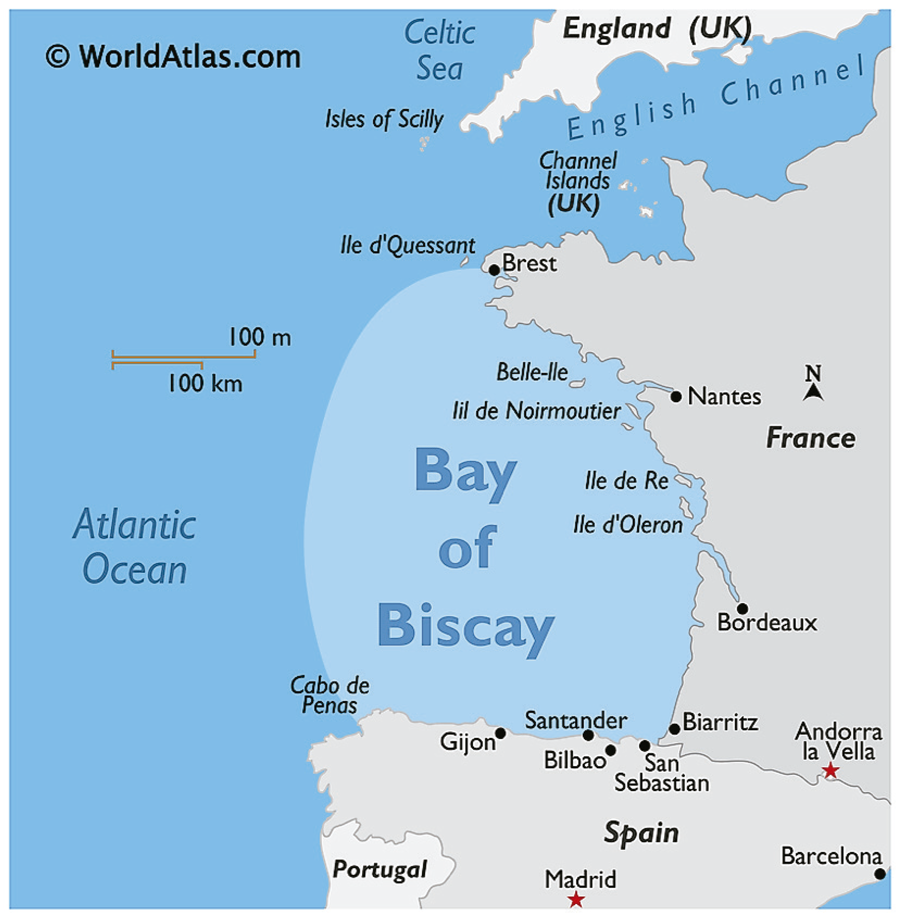
Since 1875, the Bay of Biskaia region has experienced intense industrialization and a rise in environmental awareness among its working community, alongside the start of the global environmental movement in the 1960s. Heavy industrial development, mainly in cities such as Bilbao, Barakaldo, Sestao, and Santurtzi (left bank) and Erandio (right bank), has transformed daily life for residents, and from early on, the harmful effects of pollution began to generate concern and resistance (see map 2). An example of this early resistance is the first demonstration against pollution in Erandio in 1969, which led to the tragic death of two protesters (Buces Cabello, 2021). During Francoism, an authoritarian regime that brutally suppressed dissent, the local community organised to protest industrial pollution, emphasising the seriousness of the issue and the bravery of those who challenged it.
The interview with Alejandro Kabiezes, a former worker and activist with the Asociación de Vecinos de Lutxana (Luchana Neighbourhood Association) in the Barakaldo district, illustrates the extent of industrial activity in his testimony. Kabiezes describes the concentration of chemical industries in the area:5
The factory (ammonia, Sefanitro) opened in 1955, I believe [...], and it was the largest company we had here. Besides that, another company manufactured explosives and fertilisers called Explosivos Rio Tinto. Additionally, there was the Sociedad Española de Oxígeno, Oxinorte. We had the lindane factory, which was originally called Standard Química. The paint factory, ISOC. All of these were situated here... Explosivos Rio Tinto, too. [...] There are more companies. A factory, Huesera, as we called it, which produced products such as soaps, etc., burned bones, viscera... creating an unbearable smell. AFO was a company that worked with chemicals and rubber, which moved to Gasteiz in the 1960s. All of this was in this neighbourhood, without reaching the rest of the city. [...] Here, we had the highest concentration of chemical companies in the Basque Country; there haven’t been so many together, Explosivos Rio Tinto, manufactured explosives and fertilisers.6
The testimony highlights residents’ awareness of the toxicity caused by industries near their homes, the scale and variety of chemical industrial production, and the complex nature of the region’s environmental crisis. It also emphasises widespread mistrust of information from authorities, rooted in a historical context from the late 1970s, characterised by the closure of certain industrial units and the expected growth of the most polluting ones. Today, these words still echo as part of a collective memory that integrates this toxic industrial legacy into the neighbourhood’s identity, shaping its public perception and revealing this community’s hidden history. The development of Bilbao (and the left bank of the Bay of Biskaia) in the latter half of the 20th century established it as Spain’s quintessential industrial city, almost by antonomasia. However, all cities industrial or otherwise are founded on territories, and the links between Bilbao, the surrounding municipalities, and the shores of the Bay of Biskaia remain part of what makes this narrative an urban environmental story.
Bays are not uniform entities. They include tributaries, basins, floodplains, water regimes, submerged channels, and a variety of unique features that differentiate, for example, the left bank from the right bank. To understand the history of Biskaia Bay, it is important to clarify the difference between ‘river’ and ‘estuary,’ a geographical term relevant to the region. A river is a freshwater watercourse that flows towards an ocean, lake, or another river. In contrast, a ‘ria’ is a river valley submerged by the sea, characterised by a narrow, elongated inlet with steep banks and notable tidal variations. Erandio and Barakaldo are situated on the Bilbao ria, which was formed by the flooding of the Nervión river valley by the sea. This specific geological formation, coupled with the presence of iron mines, influenced the area’s industrial development by creating a natural harbour that facilitated the transport of goods.
Regarding how the factories were distributed in the territory, the core of industrialization was on the left bank, particularly in the towns of Barakaldo and Sestao, where Spain’s largest company, Altos Hornos de Vizcaya, was situated, and in the area closest to Bilbao, reaching the neighbouring town of Erandio. Its history is deeply connected to the industrialization of the Basque Country, as it was a major centre for the steel and shipbuilding industries. The industrialization of Barakaldo began during the first wave at the end of the 19th century, characterised by shipyards and steelworks, continuing until the Francoist reindustrialization of the 1950s and 1960s. The region became one of Spain’s leading chemical industry hubs, alongside Tarragona and Huelva, with industrial activity also extending to Erandio on the right bank, near Bilbao.
Like Erandio, Barakaldo suffered severely from the effects of industrial pollution because of the concentration of Heavy Industry within its territory during the 1980s and 1990s. It also faced significant economic and social challenges due to deindustrialization, which led to the closure of many of its traditional industries. It also faced considerable economic and social challenges because of deindustrialization, which resulted in the closure of many traditional industries. By understanding the geographical context, with the prominent presence of the Bilbao ria, and the history of these municipalities, we can grasp the complexity of the environmental and social issues involved in the region. Erandio and Barakaldo serve as microcosms of the Bay of Bizkaia experience, illustrating both the advantages and drawbacks of industrialization and the difficulties of transitioning to a new development model. These processes exemplify industrialization and deindustrialization, as well as workers’ struggles to defend jobs and residents’ movements against pollution and for the right to the city and healthier neighbourhoods.
However, this rich legacy of memories related to industry, toxicity, and citizen mobilizations has not been incorporated into the new avant-garde image projected by the Guggenheim in post-industrial Bilbao, during a dizzying process of urban transformation. The imposition of this project, along with the suppression of critical voices through a triumphalist discourse promoted by local authorities, permanently changed the city’s layout, with the museum subsequently being portrayed as a success story that highlighted, among other aspects, the decontamination of much of the toxic legacy of industrial activity.
The current plan to replicate the Bilbao model in the neighbouring towns of Gernika and Murueta, located 30 kilometres from Bilbao, just over twenty years after the construction of the first museum, is based on similar premises: to establish museums in two industrial and highly contaminated areas, situated in a region experiencing economic decline since the deindustrialization process of the 1980s. However, the metropolitan area, including Bilbao and its surroundings, is home to about half of the Basque Country’s population (around one million people). In contrast, the ria that flows through Gernika has experienced less human intervention and has a much lower population density. There are also very important ecological areas in it that are very well protected as part of UNESCO’s World Network of Biosphere Reserves. As in Bilbao, the proposal to build facilities aimed at attracting more tourists to the region has faced strong opposition, highlighting a deep questioning of the so-called ‘Guggenheim effect’. This criticism focuses on gentrification and the greening (greenification) of former industrial spaces, as well as on the vulnerability of the estuary’s ecosystem and the importance of conserving natural salt marsh areas7. Another frequent criticism concerns the imposing scale of the project and the lack of engagement with local stakeholders.
From a public history perspective, it is interesting to note how the conflict triggered by the location of the Guggenheim in Gernika has given rise not only to strong opposition to the project, at the same time as it has also led to a questioning of the supposed virtues attributed to the “Guggenheim effect” in the case of Bilbao — which contrasts sharply with the narrative of success promoted by the authorities and the museum itself. In this regard, the words of Eider Gotxi,8 spokesperson for the Guggenheim Urdaibai Stop platform and one of the main voices of opposition to the project, stand out:
We always hear that the Guggenheim Museum in Bilbao generates enormous economic benefits. That is not true, and it is public knowledge. The Guggenheim Museum in Bilbao has annual losses of between €4 million and €6 million, which are covered every year by the Basque Government with public money. Another issue is that the people who come to visit the Guggenheim Museum in Bilbao stay in hotels, go to restaurants […] Urdaibai is not Bilbao, and they are comparing us to Bilbao. They say that there were also opponents in Bilbao at that time […]. We have 45,000 inhabitants, and they are proposing that we receive 150,000 people in four months…! 9
In addition to its tragic past as a symbol of the Spanish Civil War, Gernika also shares with Erandio, Bakaraldo, and other towns in the Bilbao ria this trajectory of industrialization and deindustrialization. The Dalia factory, where they want to build a new museum, has become emblematic of this process. Once an important local economic driver, its closure and that of other local facilities are an example of the noxious deindustrialization mentioned at the beginning of this text, in which little social or environmental support was offered to the communities that previously served the industrial park, even with repeated previous reports of visible economic decline (Zallo, 2021). In this context, projects such as the construction of the Guggenheim Museum in Bilbao, which began in the 1990s and is now one of the most visited places in Spain, can be seen as attempts to give the local economy a new direction, aiming to attract tourism and investment in culture. Thus, the old Dalia factory has become a symbol of this process. Its demolition erases part of the city’s industrial memory, obscuring the workers’ memories, the social relationships established there, and the (positive and negative) impacts of industry on local life. Far from resolving the disputes over the occupation of the Bizkaia Bay territory, the museum adds another layer that buries these conflicts in an accelerated process of gentrification.
The Dalia factory intervention provides a compelling case study for our analysis by connecting deindustrialization with the gentrification and greenification of former industrial spaces. How does society handle the remnants of its industrial past? Which memories are retained, and which are discarded? What are the effects of deindustrialization on local communities? How do cultural and tourism initiatives fit within this framework? What interests drive the dispute over the use of decommissioned industrial sites? How do diverse visions of the city’s future emerge?
Reinforcing our argument that oral history can bring to light hidden memories of the harmful deindustrialization processes in the region and conflicts, we analysed the interview with Txato Etxániz,10 a former industrial worker in Gernika, who testifies on the impact of industrial activity on workers’ health. Etxániz is a privileged interlocutor regarding the events at this company and the surrounding facilities, given that his labour and union life were shaped by his connection to the Dalia factory. He points out that he began working in September 1968 and retired in 2013.
I spent my entire working life at the Gernika goldsmithy and silversmithy, at the Dalia cutlery factory. I began as an administrative trainee, worked in the workshop, spent many years in administration, as a workshop technician, and ultimately, I was a labour activist and union leader at the company, before selling it to the government.11
His testimony sheds light on the consequences of noxious deindustrialization in Gernika, unveiling a legacy of suffering and injustice that persists long after the factories closed. Etxániz describes a disturbing pattern of liver cancer deaths among workers in the “silver baths”, an area of the factory where toxic substances such as cyanides were handled. The lack of redress is evident in the apparent neglect to protect workers’ health. Etxániz reports that concern for occupational safety and hygiene only intensified after the cancer cases were discovered, indicating a failure to prevent exposure to hazardous substances and to adequately monitor employees’ health, even after the factory closed. This demonstrates how the effects of harmful deindustrialization can persist for decades, with workers continuing to suffer the consequences of exposure to toxic substances long after leaving their jobs.
We discovered late at the factory that we were dying… Everyone who worked in the silver baths died ten years ago, and all from liver disease. It was because they metabolised the metals in their livers. Yes, we had several cases of liver cancer—eight or nine in at least twenty years. And all of them were silver bath workers. […] We found out later. […] There’s also… What’s it called? The pipes… Asbestos… [The factory] is closed now, isn’t it? But some people have developed cancer because of asbestos. Yes, we already have two or three individuals who have it.12
Continuing his account, the interviewee provides accurate information about the severe contamination of the aquifer that supplied water to the locality throughout nearly the entire industrial period — the same aquifer that, after years of neglect, is now being considered for decontamination to allow the construction of the new Guggenheim Museum headquarters. This concern expressed by the interviewee reveals a growing unease about the health and environmental impacts resulting from Bizkaia’s long industrial century, framed by the American museum’s plans for the area. In this regard, we cannot separate testimonies from the public dimension they acquire in conflict scenarios.
The aquifer is contaminated with cyanide and mercury. [...] Of course, they conducted a study of the products we used in the manufacture of cutlery, which were used in most factories, products that were used in the manufacture of pistols. But mercury appeared, and mercury does not… Then it dawned on me, and I said, “Well, of course they used mercury, damn it. Mercury was used in mercury fulminate, in the fuses of the aviation bombs produced at the Gernika Workshops, which began production during the Moroccan War in 1923-24 and continued until 1968. […] The waste policy was for the ria and the well. For example, all the waste from Dalia; now I said, ‘It may contain lindane.’ Why? Because I remember that they brought trucks from Dow Chemical and dumped a white powder. The factory was at a level next to the ria, and it was necessary to raise the level to prevent flooding. I remember that they dumped slag from Vasconia there… That is, all the waste from the furnaces at Vasconia (another nearby factory) … ‘Bring it to Dalia!’13
Also referring to the toxicity of aquifers as part of Gernika’s collective memory of deindustrialization, Edorta Jiménez,14 writer and long-time activist with the environmental organization Zain Dezagun, provided an insightful account of the social and environmental challenges that are inherently linked to the processes of deindustrialization and gentrification in the town. In this excerpt from the interview, his narrative begins with a description of the productive activities at the old Dalia factory, which manufactured jewellery, silverware, and cutlery, involving the handling of substances such as silver, chromium, lead, and acids. This industrial activity, typical of many areas of the Bay of Biskaia, has caused a significant environmental liability and poses a risk to public health. Jiménez criticises the authorities’ lack of transparency regarding the site’s contamination, denouncing the absence of information provided.
What did they work with? They made jewellery and silverware, that is, cutlery […] they obviously worked with silver. They had to treat it. They used chrome and lead. They used acids to treat everything. […] I believe there was benzene, too. We need to know what’s there because they didn’t tell us, Zain Dezagun. Suddenly, it was discovered that there was lindane. ‘And what is that?’ they asked. ‘There is poison down there; we are going to build, and we will not kill any more people,’ they said. That sparked the controversy about lindane. Here, in Gernika, we need to open the debate about what is down there and face up to it.15
These testimonies regarding the toxic legacy of the industries in Gernika take on a meaning that is unequivocally contrary to the establishment of a new museum in the town, while demanding that companies and authorities take responsibility for decontaminating the land, without subordinating this process to the construction of a new museum. Jiménez’s testimony is a plea for environmental justice. He advocates that the authorities and companies be held accountable for decontaminating the affected areas, protecting the health of local communities and ensuring that residents have the right to be fully informed about the risks to which they are exposed. The building of a museum on ‘poison’ is questioned in ethical terms, raising a debate about the values that should guide urban development and land management.
Amidst the discussions and conflicts surrounding the new Guggenheim, the testimonies have gained intense public resonance, giving new meaning to the toxic past and the process of deindustrialization.
As Anne Valk (2017) proposes in her work on contaminated areas in Rhode Island, contemporary awareness of industrial contamination among residents has been embodied in the collective memory and cultural meanings associated with this place. Continuing Jiménez’s testimony, the interviewee extends his analysis beyond the Dalia factory, mentioning the risks associated with asbestos at the Murueta Shipyards (another former factory planned to house a third new Guggenheim, next to Dalia, located at the mouth of the estuary on the sea) and questioning the morality of exposing workers to unhealthy conditions. This observation establishes a connection between deindustrialization, the precariousness of work and the persistence of occupational health problems in areas with an industrial history, continuously subject to flagrant environmental crimes, which have not been brought to trial or subjected to any form of redress, despite the existence of some conclusive investigations in the field of toxic contaminants.
Do you know what’s in the Murueta Shipyard? All the asbestos […] They must explain what it is and decontaminate it. […] They were investigating there about their metals deposited in the water. And they found an enormous, alarming amount of tin, statistically far above normal levels. What did they think? There was a tin mine in the Urdaibai estuary. Do you know what it was? From the shipyard, the welding. One of my brothers died of lung cancer this year.16
Edorta Jiménez and Chato Etxaniz’s testimonies offer a critical perspective on the noxious processes of deindustrialization in Bizkaia Bay, highlighting challenges such as environmental contamination, lack of transparency and risks to public health, and linking these problems to gentrification and disputes over the use of urban space. The reports shed light on the harmful legacy left by industrial activity in the region, specifically in the former cutlery factory and shipyards. The abandonment of industrial areas without adequate remediation measures leads to the persistence of an environmental liability that can have severe consequences for public health and surrounding ecosystems.
From a public history perspective, the stories circulating within the community about the discovery of toxic substances in the subsoil and waters of Gernika, as well as their public denunciation, aim to spark a debate about the negative impacts linked to the construction of the Guggenheim Museum in a contaminated area, raising ethical questions about prioritising economic development over the health and safety of the population. Proposals to expand the Guggenheim Museum, however, due to its success as a tourist attraction, have prompted authorities to re-examine the area and now promise decontamination efforts. In other words, concern about pollution is connected to the possibility of building a new cultural project, rather than to a history of contamination and risk to local communities.
FIGHTING VOICES FOR A CLEAN GUANABARA BAY: A PLURAL ORAL HISTORY FROM NITERÓI TO MAGÉ
Guanabara Bay shares with Bizcaia Bay the same rapid industrialization and equally rapid deindustrialization, particularly since the 1980s. Faced with a population neglected by the loss of coveted industrial jobs and the deterioration of quality marine ecosystems, promises of revitalisation and new beginnings are cyclical – as are attempts to erase inequalities and past responsibilities. At least since 1990, there have been a series of projects to clean up Guanabara Bay, accompanied by great fanfare and usually associated with major events with global visibility: The United Nations Conference on Environment and Development (UNCED), also known as the ‘Earth Summit’, the 2007 Pan American Games, and the Olympic Games Rio 2016. Like in the case of Bizkaia, there’s scarcely any interaction with the affected populations.

Interestingly, there was also a proposal to build a Guggenheim Museum in Rio de Janeiro, in the city’s old port, where the so-called ‘Museu do Amanhã [Museum of Tomorrow]’ was constructed. In the early 21st century, Rio de Janeiro prepared for urban renewal under Mayor Cesar Maia’s administration. The project included building a branch of the Guggenheim Museum at Pier Mauá, along with revitalising the Port Quay and further efforts to clean up Guanabara Bay. Indeed, the success of the Guggenheim Museum in Bilbao, beginning in 1991, undoubtedly served as inspiration for what had already become a cultural franchise. However, the plan to build the museum in Rio de Janeiro sparked debate, as the environmental historian José Augusto Pádua,17 a professor at the Federal University of Rio de Janeiro and one of the consultants for the Museum of Tomorrow, points out in an interview. According to Pádua, even without having closely followed the previous project, the idea seemed uncreative and the construction poor, lacking the architectural impact deemed necessary for the region. Pádua states:
I remember thinking that the Guggenheim concept itself was a bad idea at the time, because we would be reliant on the museum’s collection, exhibiting part of the Guggenheim collection. We remarked that Rio de Janeiro was a city with its own cultural life and vibrant artistic scene, and that it was unnecessary to spend money on a branch of an international museum. It was more important to create something of our own, something innovative, both artistically and architecturally.
The Guggenheim construction project was dropped in favour of the ‘Museu do Amanhã’ [Museum of Tomorrow], a museum that differed from the previous project because it was conceived and developed by Brazilian scholars, according to Pádua. Despite this, the architectural design is by the controversial Spanish architect Santiago Calatrava, who is often linked with large, expensive projects that are difficult to maintain. Alongside the construction of the museum, the central region of Rio de Janeiro was once again revitalised – the so-called Porto Maravilha project. When asked about the gentrification caused by the project, Pádua replied that every urban renewal effort involves a gentrification process in the area. However, he also believes it is important to recognise the value the area has gained for long-standing residents who have not moved away. The interviewee also comments on educational and economic stimulus initiatives developed by the museum and focused on the region, and suggests that building a strong relationship between the “Museu do Amanhã” and its neighbours could help mitigate, to some extent, the effects of gentrification.
Like the Bay of Biskaia, Guanabara is not a homogeneous entity, both in terms of its environmental characteristics and its history. Geologically, it is a sunken estuary (Amador, 1997), with islands, tributaries, a vast drainage basin, a blessed deep underwater channel that allows excellent water exchange with the sea, and large expanses of mangroves – less extensive after 500 years of European occupation. Indigenous peoples built vast mounds of sambaqui on its banks, which were mined centuries later in the 19th-century city for lime for its potteries. Islands were merged for the construction of the UFRJ University City, forever altering the water regime. Landfills on both the western and eastern banks expanded the urban territory at the expense of mangroves and rivers, many of which were rectified and buried (Capilé; Sedrez, 2021). On the western bank lies the city of Rio de Janeiro, a former colonial, imperial and republican capital, and one of the first industrial and chemical parks in the Americas during the Great Acceleration. On the eastern side is the city of Niterói, whose main attraction for industries in the 1960s was the low level of health inspection for those who wanted to set up there (Sedrez, 2005).
Since the beginning of the 20th century, there have been official records of the deterioration of Guanabara ecosystems, but only with the weakening of the military dictatorship (1964-1985) during the 1980s did these concerns translate into civil society movements, protests, and demonstrations. The most noticeable pollution was organic, due to the proximity of rubbish dumps in the bay and untreated effluent discharges from the metropolitan region’s growing population, which made it difficult to identify the industrial park as a significant polluting agent. However, government institutions recorded oil pollution from ships and refineries, chemical waste from pharmaceutical industries and tanneries, dumped mainly in the tributaries of Guanabara Bay, which eventually reached its waters. Many fishermen in the affected regions were forced to seek new fishing grounds further away from their homes, competing with other communities.
Nevertheless, in this article, we seek to understand how the experience of combating industrial pollution established political communities. Our first interviews were conducted in the region where industry had established itself earliest and most dominantly, on the western shore; we sought testimonies from environmentalists who began mobilising against pollution from Sardine factories in Jurujuba, a fishing beach in Niterói, in the 1980s, on the eastern shore, and from fishermen who today protest against industrial pollution at the bottom of the bay, in Magé, Baixada Fluminense.
Alba Simon, our first interviewee, was young when she joined the newly formed Movimento de Resistência Ecológica [Ecological Resistance Movement] (MORE) in the municipality of Niterói, Rio de Janeiro, in the early 1980s. Forty years later, the environmentalism that is still alive in Alba Simon today continues to dialogue with the ideas of the young Alba. Simon discovered the environmental movement while studying biology at university and realised that she had found something she had been searching for her whole life: environmentalism spoke to everyone, it dealt with human rights and education.
In Simon’s memory, Guanabara Bay had no industrial pollution problem in the 1980s. The pollution was organic, coming from debris and sewage. However, according to her, there was a specific problem caused by a few sardine factories in the Niterói neighbourhoods of Ilha da Conceição and Jurujuba, ‘which brought a volume of waste from the production, processing and handling of sardines and sardine industrialization products, which greatly aggravated the already historic problem of Guanabara Bay,’ she said.18 The sardine factories (Santa Iria, Atlantic, and Conservas Ribeiro S.A.) became an easier target for MORE because it was not feasible to revolt against the sanitation problem. It was not a minor problem. According to FEEMA, the environmental governmental agency at the time, the sardine industry complex dumped into Guanabara Bay the equivalent of the organic load of all the sewage from the city of Niterói.
The members of Simon’s group had evidence of the pollution in the bay. They knew who was responsible for the pollution, and they knew the faces of those who profited from it. However, MORE lacked a key element on its side in the fight: the industry employees. Alba Simon also say that:
With the factory workers, we had a kind of humanity. But we didn’t wear their shirts. We thought, ‘Well, what’s the thinking on unemployment? If it closes, they’ll have to pay compensation, they’ll have to pay.’ We were very silly. ‘They’ll have to pay. And they’ll look for another job.’ It was very simplistic. The struggle was to put filters in the factories, never to close them down. 19
The climax of this conflict between environmentalists and workers came on what Simon calls ‘D-Day.’ On this day, MORE used street demonstrations and public mobilizations as its best tactic, deciding to take direct action and return to the factory what it had thrown into the environment. The sands of Jurujuba beach formed a black, foul-smelling sludge because of the waste from sardine packaging and preservation processes. The environmentalists, in a collective and voluntary effort, carried buckets of this mud to the factory gates. In the context of the military dictatorship, the protesters had to deal with the presence of agents and the label of ‘subversives,’ that is, opponents of the government. However, the lack of ‘subversion’ was the biggest mistake committed by the collective, according to Simon:20
Everyone was shouting, and the employees were very angry, protesting against us inside the factory. The residents clapped their hands in their houses and said, ‘Congratulations to those of you who shouted, you were brave.’ The employees complained about us, saying: ‘I’m going to lose my job, I have a family, I have children, I’m going to starve to death.’ I said: ‘Your child will die of cancer, your grandchild too.’ […] The environmental movement did not get involved, and that was a criticism that we took to heart for the rest of our lives from our friends on the left. We were heavily criticised, [people said] the factory closed because it couldn’t afford to install filters. The laws became stricter, the authorities got better equipped, and the factories realised that it was cheaper when there were no laws, when there was no oversight, when they had to comply, profits were higher, so it was better to go to places where it was laxer.
The workers at the sardine factory in Jurujuba were doubly affected by the industry. They suffered from industrialization and deindustrialization. They were victims of pollution and unemployment, while the factory authorities, in addition to not being affected by pollution during their operations, simply left the area and moved production – and pollution – to a more leniently regulated and consequently cheaper location. In fact, the Rubi sardine factory, founded in 1934 a few kilometres north of Jurujuba, in the less visible municipality of São Gonçalo, continued to pollute the bay without much public reaction until 2013, despite numerous attempts to adjust its conduct.
MORE demanded that factories operate with the installation of industrial waste treatment stations (ETDI). A long legal battle followed Alba Simon’s ‘D-Day,’ and the jobs of factory workers were used as leverage in a veritable blackmail campaign waged by the factories against the public and the authorities: if they demanded compliance with environmental standards, the factories would close and the workers would be unemployed. Twenty years later, the companies went bankrupt, without ever having truly complied with environmental standards. Nevertheless, the environmental damage caused by decades of pollution remains, now compounded by the social damage of unemployment.
Simon’s interview also reveals the participation of another group of actors, in addition to factory workers, owners, public authorities and environmentalists themselves: the residents who applauded. Who are they? Jurujuba is home to a traditional fishing colony, Z-8. The sardine factory located in the area was a source of income for some, but also a disaster for the colonies’ activities. The sailors who joined MORE talk about the grease and rubbish that stuck to their boats, and something similar must have happened to the small fishing boats. Were these the residents who applauded MORE’s direct action? The totally different reactions of ‘residents’ and ‘employees’ in Simon’s interview make you think about a divided community. Today, without the factories, Jurujuba still has artisanal fishing, but on a polluted beach that’s not great for swimming. It’s become a seafood hub, but not much of what’s served in restaurants is caught in the waters right in front of it.
Fishing in Guanabara Bay underwent significant losses due to industrialization in the 1960s. The installation of the Duque de Caxias Refinery (REDUC) in 1961 on the right bank of the bay reduced shrimp fishing in that area by up to 60% in just a few years, according to complaints from fishermen in Ponta do Caju at the time (Sedrez, 2005). Gradually, the loss of mangroves (important nurseries for Guanabara fauna) due to landfills or rubbish, and oil spills from ships and submerged pipelines affected marine populations in areas increasingly distant from factories and refineries. These are slow disasters, noticeable on a larger time scale. Even so, several fishing colonies resist, and fishing persists in areas such as the bottom of Guanabara Bay, near the Guapimirim environmental protection area.
Even these more preserved areas are not immune to extreme disasters. As a fisherman in Magé, a municipality in the state of Rio de Janeiro at the bottom of the bay, Alexandre Leite21 witnessed at first hand one of the most serious environmental accidents to ever occur in Guanabara Bay: the REDUC oil spill on 18 January 2000. In the interview, he describes a vivid picture of the horrors of the accident:
Oh, the accident. I was at the beach, and the water was crystal clear. Suddenly, I saw people getting out of the water, which was black, like tar. That dark stuff came. Dark, like a black film screen. It reached the beach, I showed it to my father, and he started crying. […] That thick oil, really thick, which is difficult to wash off your body. And the herons… the oil covered the herons, and many of them died. The fish are dying here, all of them…
The disaster or event caused what the slow pace of everyday disasters had prevented: a noisy mobilization of the fishing community. On the 21st of the following month, fishermen from Magé protested outside Petrobras headquarters on Avenida Chile, in downtown Rio de Janeiro, because the company, claiming that Ibama had authorised the consumption of fish from the bay, had reduced compensation by half. The protest ended in a confrontation between the fishermen and policemen from the riot squad.22 Mr Alexandre remembers the protest:
There was a protest on Chile Avenue. Do you know what kind of protest it was? There was a fisherman who wanted to confront the police and got beaten up and pepper-sprayed. That’s wrong too. We’re not criminals. If we want to protest, it’s our right, isn’t it?
Eventually, the Ministry of the Environment, through IBAMA, fined Petrobras approximately BRL 50 million. In the following years, the company would still be sued and pay significant compensation to fishermen and the State. But not without conflict. Years after the accident, fishermen continue to fight against pollution in the Bay, organising protests and public demonstrations. In 2016, fishermen from the administrative region of Ilha do Governador, located in the municipality of Rio de Janeiro, used their boats to protest against water pollution and the state government’s failure to fulfil its promise to treat 80% of the sewage discharged before the Olympic Games, held in the city that year.23 Two years later, fishermen gathered in front of the Museum of Tomorrow to protest against yet another spill: 60,000 litres of oil were dumped into the Estrela River, which flows into the Bay, again from a Petrobras pipeline.24 Alexandre25 explained the relationship between the river and the bay and the difference between pollution in different ecosystems:
Don’t people say that rainwater and river water flow into the sea? So, it’s the same thing. Everything that flows into the river goes into the sea... the oil went into the sea. You get to the mangroves and, if you dig in the mud, you’ll see oil underneath. That oil will never leave the mangroves, unless you remove all the sludge, but no one is going to do that. Now, the bottom of Guanabara Bay can be cleaned up.
As in the rias of the Bay of Biskaia, the analysis unit needs to be expanded here to understand the impact of industrialization and deindustrialization processes on the bay: the Guanabara Bay basin absorbs pollution from industries located kilometres away from the mouth of the river, in its tributaries, thereby transforming the lives of the communities living in Guanabara.
In 2023, a group of artisanal fishermen from the Bay held a two-stage public demonstration: first, they gathered in front of Petrobras headquarters to protest against the profits the company makes while destroying the environment and polluting ecosystems that are vital to traditional communities. Then they headed to the Urca neighbourhood in Rio’s South Zone to advocate for the use of renewable energy instead of fossil fuels.26 There has been a noticeable change in the protesters’ discourse and demands over the years. Unlike previous protests, which called for compensation payments or the clean-up of the bay, this one was directly opposed to the very concept of Petrobras as a company, i.e., profit versus environmental damage. In addition, it proposed to use alternative energy sources. The demonstration, therefore, not only protested against the consequences of pollution but also highlighted its causes and proposed an alternative. Alexandre Leite,27 in an oral history interview given to our project in 2024, tells us about the continuity of the problem, the persistence of pollution even years after the biggest accident in the Bay:
Now, the fish that appear here are dirty water fish: catfish, mullet, the ones that managed to survive here. Parati used to be very productive, but since 2000, it has stopped because of the oil. There is a lot of oil at the bottom of the bay. They threw that Canadian powder to clean the water, but all the dirt and oil sank to the bottom. Everything is buried in the sludge. I pull the net, and sometimes a little oil comes up. It’s all at the bottom of the bay, plastic and Petrobras oil. If the oil is already in the sludge, how are the fish going to spawn? That’s why fishing is poor. The fish no longer breed here; before the accident, they did.
CONCLUSION
We argue that oral history plays an important role in research that includes both the actions of social movements and socio-environmental dynamics. Our “glocal” and comparative approach highlights both the uniqueness of local contexts and the many elements common to deindustrialization scenarios, including struggles for the right to the city, health, and the environment. The analysis reveals dynamics of exclusion, inequality, and slow disasters that affect human and non-human populations, with noxious deindustrialization constituting one of the main scenarios of social, political, economic, and environmental confrontation looming in the immediate future.
The testimonies from both Spain and Brazil reveal a disturbing pattern: noxious deindustrialization does not merely represent the end of an economic cycle, but rather constitutes a continuous social and environmental violence, the effects of which extend over decades. Both Bizkaia and Guanabara share a common legacy of abandonment and struggle. In the Basque context, the abrupt closure of metallurgical and chemical factories led to the dismissal of thousands of workers with no professional alternatives or social support. In Guanabara, the installation of the petrochemical complex led to a deterioration in traditional living conditions, with no share in the profits of capital.
Long-term contamination is another common feature. In the Basque Country, countless invisible toxins are still present in the soil, water, and memories of citizens, affecting even those born decades after industrial activities ceased. Similarly, oil and chemical waste from decades past remain present in the ecosystems of Guanabara Bay in Rio de Janeiro. Despite institutional negligence, the affected communities are organising forms of resistance, mobilization and actions to preserve the memory of the struggles to defend their territories. In Bizkaia, movements such as Zain Dezagun and Guggenheim Urdaibai Stop are demanding the decontamination of the territories. In Rio de Janeiro, partnerships between fishermen and scientists have produced independent environmental monitoring networks, and protests has led to a series of public hearings demanding action from factories still in operation.
The paths to fair redress involve a combination of environmental justice and citizen science, evidence-based public policies, and preservation of memory. It is essential to adopt an epistemology that values local knowledge such as fishermen’s traditional knowledge of ecosystems decentralises technical power, including communities in the monitoring process, and recognises the historical debt that industries owe to these territories. Among the urgent public policies, the following stand out: the creation of detailed epidemiological records that cross-reference health data with employment histories; the establishment of permanent compensation funds, financed by polluting companies; and the development of just transition programmes that promote professional training geared towards the green economy, such as solar energy, and the management and sewage treatment of wastewater.
The preservation of memory should be understood as a political act of resistance that includes the communities’ relationships with toxicity and the responsibilities arising from environmental disasters caused by factories, even if they are no longer active. If museums should not romanticise the industrial past, neither should they hide its human and ecological costs with the veneer of contemporary art proposals that erase the memory of industrial sites. Public archives with oral testimonies, labour documents and environmental reports can serve as a basis for legal and educational actions. Environmental education, in turn, must incorporate local history.
Bizkaia and Guanabara’s trajectories show that the path to reparation is arduous, but possible. The testimonies gathered here prove that memory is a weapon in the fight for rights and that resistance not only persists but also becomes a tool for transformation and justice.
References
- AMADOR, Elmo da Silva. Baía de Guanabara e Ecossistemas Periféricos: Homem e Natureza. Rio de Janeiro: E.S. Amador, 1997.
- BROWN, David; FELTRIN, Lorenzo; MAH, Alice. Noxious deindustrialization: Experiences of precarity and pollution in Scotland's petrochemical capital. Environmental and Planning C: Politics and Space, v. 40, n. 4, p. 950-969, 2022.
- BUCES CABELLO, Javier. Erandio, 1969: Una herida aberta. Sociedad de Ciencias Aranzadi: Ayuntamiento de Erandio, 2021.
- CAPILÉ, Bruno; SEDREZ, Lise. Os modernos rios cariocas. In: CAPILÉ, Bruno; KURY, Lorelai; MOTTA, Marcelo, SEDREZ, Lise. Os rios do Rio. Rio de Janeiro: Andrea Jakobsson Studio, 2021. p. 72-129.
- ENGELKE, Peter; MCNEILL, John Robert. The great acceleration. Boston: Harvard University Press, 2016.
- DAVIS, Thom; MAH, Alice. Toxic Truths. Environmental justice and citizen science in a post-truth age. Manchester: Manchester University Press, 2020.
- GOODALL, Heather; HOLMES, Katie (org.). Telling environmental histories: Intersections of memory, narrative and environment. Basingstoke: Palgrave Macmillan, 2017.
- GUASCH, Anna María; ZULAIKA, Joseba (Coord.). Aprendiendo del Guggenheim Bilbao Madrid: Akal, 2007.
- KLABIN, Israel et al. Baía de Guanabara: Passado, Presente e Futuros. Rio de Janeiro: Andrea Jakobsson, 2017.
- KNOWLES, Scott Gabriel. Slow Disaster in the Anthropocene: A Historian Witnesses Climate Change on the Korean Peninsula. Daedalus, v. 149, n. 4, p. 192-206, 2020.
- SEDREZ, Lise. Desastres socioambientais, políticas públicas e memória - contribuições para a história ambiental. In: CORREA, Silvio Marcus de Souza; NODARI, Eunice Sueli (org.). Migrações e Natureza. São Leopoldo: Oikos, 2013. p. 185-202.
- VALK, Anne. Industrial Remains: Community Narratives of Mashapaug Pond in Providence, Rhode Island. In: GODALL, Heather; HOLMES, Katie (org.). Telling Environmental Stories. Basingstoke: Palgrave Macmillan, 2017. p. 109-133
- RILEY, Mark; RILEY, Mark, The Challenge of Oral History to Environmental History. Environment and History, v. 26, n. 2, p. 207-231, 2020.
- ZALLO, Ramon. El declive económico de Busturialdea-Urdaibai: Dilemas y propuestas; Publicación: Gernika-Lumo: Gernika Gogoratuz, D.L. 2021
- ZULAIKA, Joseba. Tough Beauty: Bilbao as Ruin, Architecture and Allegory. In: RESINA, Joan Ramon (org.). Iberian Cities. London: Routledge, 2011. p. 1-18.
-
1
We prefer to keep the spelling in the Basque language (Euskera) because it is the most widely used and recognised form today. The same applies to cities and municipalities in the Basque Country, such as Guernica. We will use Gernika.
-
2
Following the ethical standards of the Associação Brasileira de História Oral (Brazilian Oral History Association). Available at: https://www.historiaoral.org.br/conteudo/view?ID_ CONTEUDO=542. Accessed on: 3 Nov. 2025.
-
3
This study is part of a larger project entitled Memória e experiência em Zonas de Sacrifício - Implicações Sociais e Ambientais num Estudo Histórico Comparativo da Desindustrialização Nociva entre Espanha (País Basco) e Brasil (Rio de Janeiro) [‘Memory and Experience in Sacrifice Zones: Social and Environmental Implications in a Comparative Historical Study of Harmful Deindustrialization between Spain (Basque Country) and Brazil (Rio de Janeiro)’] - funded by CNPq and FAPERJ, with the collaboration of Ana Clara Freitas B. Soares (Pibic/CNPq/UFRJ), under the supervision of Andréa Casa Nova Maia.
-
4
Translator’s note: Maretories” is a term used in social and environmental justice movements, particularly in Brazil, for territories (territoires) with a strong connection to both the marine and coastal environments. The word is a portmanteau of “mar” (sea) and “maretories,” referring to territories that have deep ties to both land and sea, and are often protected through social movements that fight for recognition of traditional communities, land demarcation, and the rights of nature.
-
5
KABIEZES, Alejandro. Interviewers: Andréa Casa Nova Maia and David Beorlegui Zarranz. Authors’ collection, interview conducted on 22 June 2023 in Luchana (Barakaldo).
-
6
Free translation by the authors: “La fábrica (de amoniacos, Sefanitro) creo que se inauguró en el 55 [...] Y fue la mayor empresa que tuvimos aquí. Además de esa, había otra empresa que fabricaba, además de explosivos, fertilizantes, que era Explosivos Río Tinto. Además, estaba la Sociedad Española de Oxígeno, Oxinorte. Teníamos la fábrica de lindano, que se llamaba al principio Standard Química. La fábrica de pinturas, ISOC. Todas aquí Explosivos Río Tinto, también. [...] Hay más empresas Una fábrica, la Huesera, que le llamábamos nosotros, que lo que hacía era productos, jabones etc etc, quemaban huesos, vísceras... un olor insoportable. Más. AFO, que era una empresa que trabajaba con productos químicos y cauchos, que en los años 60 se marchó a Gasteiz. Todas en este barrio, sin llegar al resto del pueblo [...] Aquí tuvimos la mayor concentración de químicas de Euskal Herria, fijo, no ha habido tantas juntas.”
-
7
Salt marshes are wet, marshy ecosystems, usually found in river deltas with a strong marine influence. They lie between the sea and the river, and between land and water.
-
8
GOTXI, Eider. Interviewers: David Beorlegui Zarranz and Elena Galán del Castillo. Authors’ collection. Interview conducted on 26 February 2024.
-
9
Free translation by the authors: “Porque siempre estamos escuchando que el Guggenheim de Bilbao trae muchísimo beneficio económico. Esto no es real, esto no es real y esto es un dato que es público. El Guggenheim de Bilbao, el museo, tiene unas pérdidas anuales de 4 o 6 millones de euros que todos los años las cubre el Gobierno Vasco con dinero de todos. Otra cosa es que esa gente que venga a visitar el museo Guggenheim de Bilbao se hospede en hoteles, utilice restaurantes... Porque Urdaibai no es Bilbao y nos lo están comparando con Bilbao. Nos dicen que en Bilbao también hubo opositores en aquella época [...] Nosotros somos 45.000 y nos están proponiendo 150.000 personas en cuatro meses.”
-
10
ETXÁNIZ, Txato. Interviewer: David Beorlegui Zarranz. Authors’ collection, interview conducted on 17 November 2023.
-
11
Free translation by the authors: “Todo el tiempo de trabajo lo he hecho en joyería y platería de Gernika, fábrica de cubiertos Dalia, en la cual empecé como aspirante administrativo, he pasado por el taller, he sido muchos años administrativo, oficinista y al final, bueno, también he sido militante obrero, dirigente sindical de la empresa y al final terminé vendiendo la empresa a la Diputación.”
-
12
Free translation by the authors: “Nosotros en la fábrica descubrimos tarde que se nos morían... Toda la gente que trabajaba en los baños del plateo, se moría hace 10 años. Y todos de… de hígado. Era porque metabolizaban los metales, metabolizaban en el hígado. Sí, tuvimos arios cánceres de hígado. 8 o 9 en 20 años o así. Y todos eran trabajadores de los baños. Claro, cuando preparaban los baños, los cianuros y tal, se metabolizaban. Luego lo hemos sabido. Cuando yo supe el tema, y estaba en el comité de empresa, aquí la seguridad higiene a rajatabla. Pero no sabemos por ejemplo tampoco que... ¿Cómo se llama? Las tuberías... El amianto. Se nos ha muerto la gente. (La fábrica) Está cerrada, ¿no? Pero tenemos gente que tiene cáncer, por el amianto. Sí, tenemos ya dos o tres…”
-
13
Free translation by the authors: “Y el acuífero está contaminado con cianuros, con mercurio [...][...] Claro habían hecho un estudio de los productos que utilizábamos en la cubertería, que era en la mayoría de las fábricas, productos que se utilizaban en la fabricación de la pistola. Pero aparecía el mercurio, y mercurio no.... Se me enciende a mí la luz y digo: “¡Cago en la hostia! ¡Claro que se utilizaba mercurio, joder! El mercurio se utilizaba en el fulminito de mercurio en las espoletas de las bombas de aviación que se hacían en Talleres de Gernika, que se empezaron a hacer en la época de la guerra de Marruecos en el 23-24, y se acabaron en el 68.[...][...] La política de residuos era a la ría y al pozo. O sea, por ejemplo, todo Dalia ahora, les dije: “puede haber lindane”, ¿por qué? Porque yo recuerdo que se traían camiones de Dow Chemical y se tiraba un polvo blanco. Porque la fábrica estaba a un determinado nivel, al lado de la ría, y había que subir el nivel para que no hubiera inundaciones. Allí se tiraban, yo me acuerdo, escorias de la Vasconia... O sea, todos los residuos que tenían todos los hornos y la Vasconia... “¡trae a Dalia!”
-
14
JIMÉNEZ, Edorta. Interviewers: David Beorlegui Zarranz and Elena Galán del Castillo. Authors’ collection, interview conducted on 1 December 2023.
-
15
Free translation by the authors: “Qué trabajaban? Hacían joyas y platerías, es decir, cuberterías en el momento del boom, del crecimiento de los años 70-60 junto con la construcción. Pues trabajarían evidentemente con algo de plata. Tendrían que hacer los tratamientos. Trabajarían con cromo. Trabajarían con plomo. Trabajarían con ácidos para tratar todo eso. [...] Parece ser que hay bencenos también. Hay que saber lo que hay porque a nosotros, a Zain Dezagun no nos lo han dicho. De pronto se descubrió que había lindane. ‘¿Y esto qué es?’ Dijeron, ‘aquí abajo hay veneno, que vamos a construir, no vamos a matar a más gente’. Y se generó la polémica del esto del lindane. Aquí, en Gernika, tiene que abrirse el debate de qué hay ahí abajo y afrontarlo.”
-
16
JIMÉNEZ, Edorta. Interviewers: David Beorlegui Zarranz and Elena Galán del Castillo. Authors’ collection, interview conducted on 1 December 2023. Free translation: ¿Sabes lo que hay en el astillero de Murueta? Todo el amianto [...] Tienen que decir qué es y descontaminarlo. [...] Allí han estado haciendo una investigación sobre los metales depositados en suspensión en el agua. Y encontraron una enorme y alarmante presencia de estaño, estadísticamente muy lejos de lo normal. ¿Qué pensaban? Que había una venta de estaño en la ría de Urdaibai. ¿Sabes de qué se trataba? Del astillero, de los soldadores. Un hermano mío murió de pulmones jodidos este año.
-
17
PÁDUA, José Augusto. Interviewer: Andréa Casa Nova Maia. Authors’ collection, interview conducted on 2 October 2024.
-
18
SIMON, Alba. Interviewers: Andréa Casa Nova Maia and Lise Fernanda Sedrez. Authors’ collection, interview conducted on 8 May 2024.
-
19
SIMON, Alba. Interviewers: Andréa Casa Nova Maia and Lise Fernanda Sedrez. Authors’ collection, interview conducted on 8 May 2024.
-
20
SIMON, Alba. Interviewers: Andréa Casa Nova Maia and Lise Fernanda Sedrez. Authors’ collection, interview conducted on 8 May 2024.
-
21
LEITE, Alexandre. Interviewer: Andréa Casa Nova Maia. Authors’ collection, interview conducted on 3 May 2024.
-
22
Jornal do Brasil, 1 February 2000.
-
23
O Globo, 5 August 2016.
-
24
Agência Brasil, 20 December 2018.
-
25
LEITE, Alexandre. Interviewer: Andréa Casa Nova Maia. Authors’ collection, interview conducted on 3 May 2024.
-
26
Diário Carioca, 3 November 2023.
-
27
LEITE, Alexandre. Interviewer: Andréa Casa Nova Maia. Authors’ collection, interview conducted on 3 May 2024.
-
DATA AVAILABILITY STATEMENT:
All interviewees signed the Session Letter, and at the end of the project, all interviews will be available in the IMAM-UFRJ Laboratory repository.
-
Editor in Charge:
Ely Bergo de Carvalho
All interviewees signed the Session Letter, and at the end of the project, all interviews will be available in the IMAM-UFRJ Laboratory repository.

 Source: Worldatlas.com, CC. Available at:
  Source: Wikimedia Commons. Available at: