 LANGUAGE EDUCATION AS A SPACE OF EXISTENCE
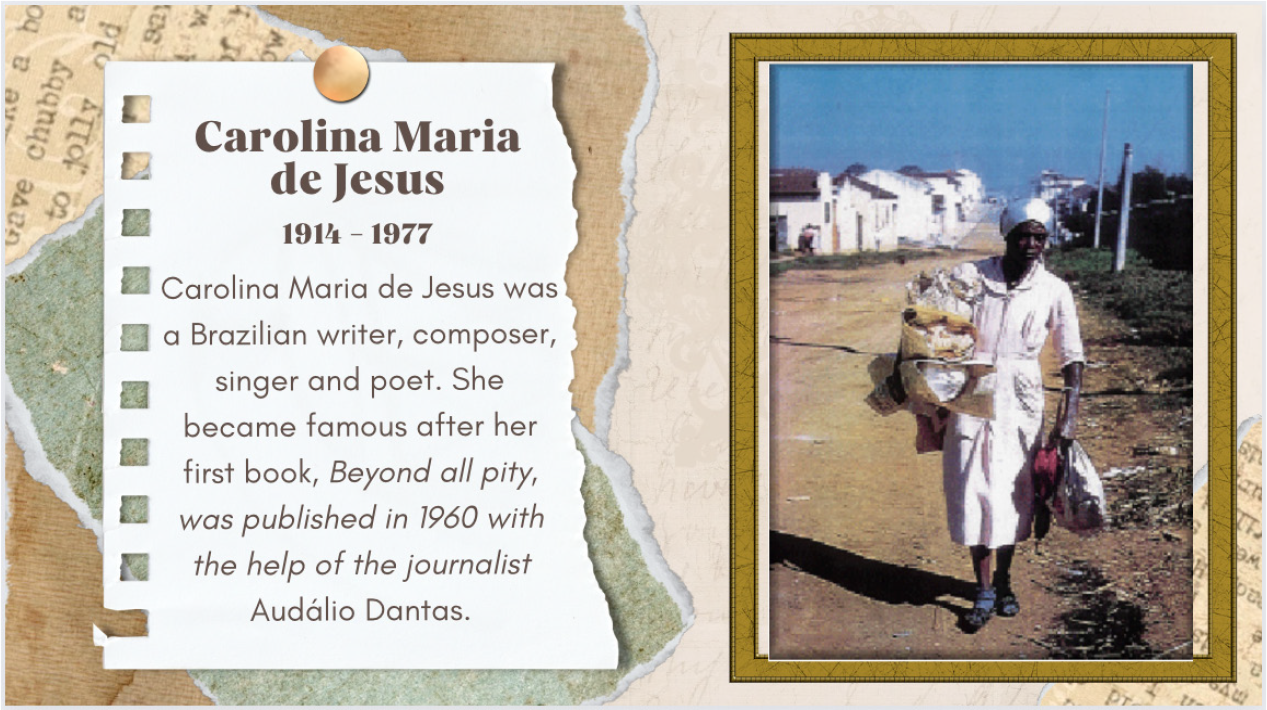
In this article, we share and problematize an experience of English language education as a space for existence, developed in a 4th-year class of the English Language Teacher Education Program (Letras: Inglês) at the Federal University of Rondonópolis. We start from the understanding of the classroom as a powerful space for the constitution of existences through language education and intertwine three praxiological perspectives: Albán’s (2013) pedagogy of existence, which involves emotion, creativity, and expression without constraints; Souza’s (2011, 2016) literacies of reexistence, which advocate the idea that to reexist is to create new forms of existence consistent with our ever-constructing history; and Jesus’s diary (2014), which materializes a new way of existing, breaking with the “inferno” in which the coloniality of power, being, and knowledge keeps the condemned (Maldonado-Torres, 2018). The classroom research narrated here, which we believe is committed to “the struggles for life” (Guerrero Arias, 2012), consisted of, together with the pre-service teachers, building an understanding of the existence of Carolina Maria de Jesus and discussing creative writing as a way to bear witness to facts (Hoffler, 2020). This process resulted in texts about conflicting events that made the student-teachers exist otherwise in the classroom and demanded from the teacher a new perspective on giving feedback on these texts.
Keywords:
language education; English language teaching; pedagogy of existence; coloniality/decoloniality.
 Thumbnail
 Thumbnail
 Thumbnail
 Fonte: arquivo das autoras
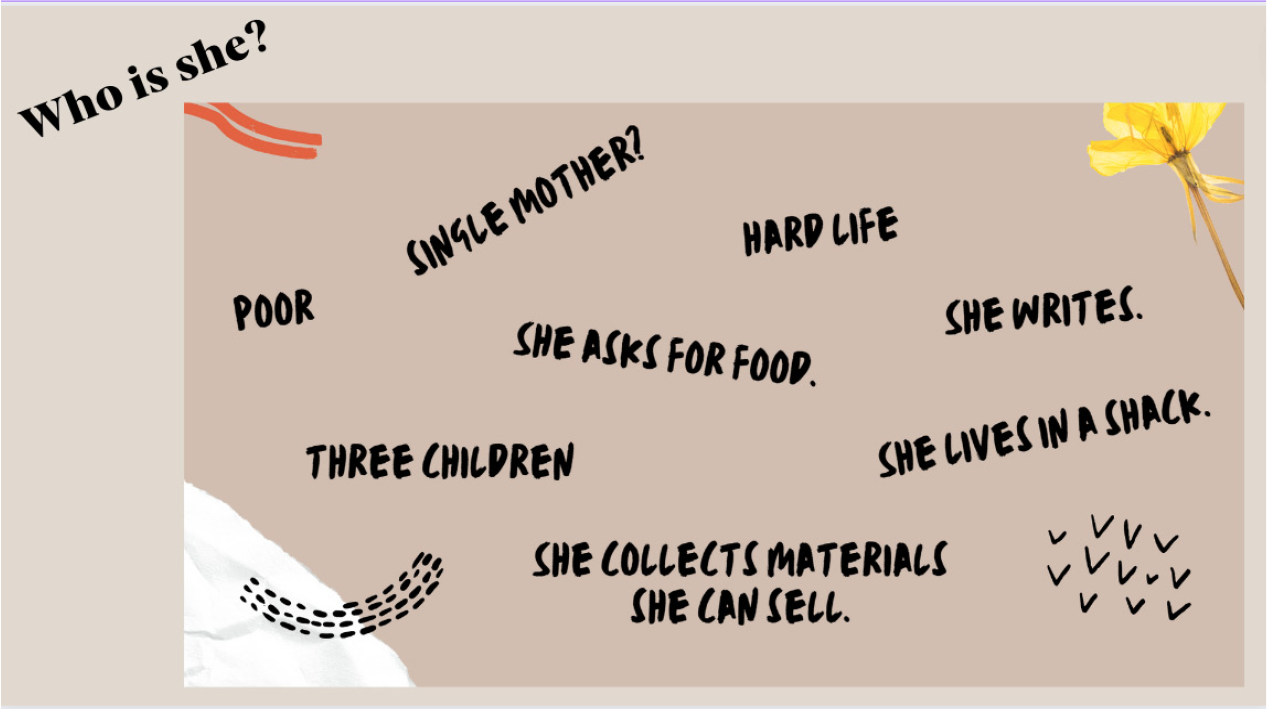 Fonte: arquivo das autoras