
 Sexual violence, pregnancy and abortion during adolescence: Reality of Brazilian society
ABSTRACT
Teenage pregnancy is linked to early sexual debut, low socioeconomic conditions, and sexual violence. In 2023, 32.5% of rape victims were between 10 and 13 years old, while the 14-19 age group ac-counted for 18.9% of the total victims. Therefore, this study aimed to systematize knowledge about the factors involved in sexual violence, pregnancy, and abortion in adolescence within the Brazilian context. This is an integrative literature review, conducted through a bibliographic survey of national and interna-tional databases. It was found that 11.9% of live births in Brazil in 2023 were to mothers between 10 and 19 years old, living in unfavorable socioeconomic conditions. Complications associated with pregnancy and childbirth were considered the second leading cause of death among adolescents. In Brazil, from 2020 to 2023, in 44.2% of registered rapes, the victim was between 10 and 19 years old, and it was shown that up to 15% of adolescents become pregnant after sexual violence. There is an association between teenage pregnancy and adverse maternal and neonatal outcomes, such as hypertensive disorders of pregnancy and low birth weight. Teenage pregnancy is a prevalent problem in Brazil, especially among Black and Indigenous adolescents and those from lower socioeconomic backgrounds.
KEYWORDS
Pregnancy in adolescence; Sex offenses; Abortion; Rape; Epidemiology.
RESUMO
A gravidez na adolescência está relacionada com sexarca precoce, condições socioeconômicas baixas e violência sexual. Em 2023, 32,5% das vítimas de estupro tinham entre 10 e 13 anos, enquanto a faixa etária de 14 a 19 anos correspondeu a 18,9% do total de vítimas. Assim, objetivou-se sistematizar o conhecimento sobre os fatores envolvidos na violência sexual, gravidez e aborto na adolescência na realidade brasileira. Trata-se de uma revisão integrativa da literatura, realizada por meio de levantamento bibliográfico em bases de dados nacionais e internacionais. Constatou-se que, em 2023, 11,9% dos nascidos vivos no Brasil tiveram mães entre 10 e 19 anos que viviam em condições socioeconômicas desfavoráveis. Complicações associadas à gestação e ao parto foram consideradas a segunda causa de morte entre adolescentes. No Brasil, de 2020 a 2023, em 44,2% dos estupros registrados, a vítima tinha entre 10 e 19 anos, e foi evidenciado que até 15% das adolescentes engravidam após violência sexual. Há associação entre a gravidez na adolescência e desfechos materno-neonatais adversos, como distúrbios hipertensivos da gestação e baixo peso ao nascer. A gravidez na adolescência é um problema preponderante no Brasil, especialmente entre adolescentes pretas e indígenas e de menor poder aquisitivo.
PALAVRAS-CHAVE
Gravidez na adolescência; Delitos sexuais; Aborto; Estupro; Epidemiologia.
Introduction
Despite differing definitions, adolescence is widely recognized as the period from 10 to 19 years of age. This stage is marked by individuals discovering autonomy and maturing physically and emotionally through different cultural and social experiences1,2.
The Statute of the Child and Adolescent (ECA) and the Youth Statute, by establishing duties and rights of adolescents, recognize these individuals as active and socially important subjects and determine that all adolescents are entitled to quality of life and universal, comprehensive health care in accordance with the principles of the Brazilian Unified Health System (SUS)3,4. Among the health rights to be ensured are sexual and reproductive rights, which support the understanding that any individual should have autonomy to decide how to experience their sexuality regardless of sociocultural factors. The goal is to ensure that sexuality, sexual activity, and the decision to have (or not have) children are positive, consensual, and healthy experiences1,5.
The World Health Organization (WHO) estimates that in Latin America and the Caribbean, 2% of women begin reproductive life before age 15. These regions are the only ones where pregnancies in this age group are rising. Among 15- to 19-year-olds, the region has the world’s second-highest global fertility rate, and this number is hardly decreasing6. Early sexual initiation before age 15 is associated with more unplanned pregnancies, a greater risk for sexually transmitted infections (STIs), and psychological and emotional harm7.
Adolescent pregnancy has also been associated with lower socioeconomic status and reduced educational attainment. For instance, Quilombola, riverside, and Indigenous adolescents have up to four times greater risk of pregnancy before age 20 compared to peers in urban centers with more stable education and housing conditions6,8.
High sexual violence rates in this age group also drive adolescent pregnancy indicators. According to the 2024 Brazilian Public Security Yearbook, 32.5% of rape victims were aged 10-13, and 18.9% were 14-19. The most prevalent consequences related to rape were psychiatric and behavioral disorders like post-traumatic stress disorder and unwanted pregnancy9-12.
The probability of pregnancy following rape with vaginal penetration ranges from 0.5% to 5%. In these cases, the option of legal abortion - provided there is consent from the pregnant individual or legal representative - is guaranteed under the Brazilian Penal Code9.
Thus, this study aimed to systematize knowledge on factors involved in sexual violence, pregnancy, and abortion during adolescence in the Brazilian context.
Materials and methods
This integrative literature review followed PRISMA guidelines. The literature search ran through December 2024 using Medline® via PubMed®, Google Scholar, and SciELO.
Inclusion and exclusion criteria
We included original articles, systematic reviews, and meta-analyses published in English and Portuguese, published from 2019 to 2024. We included only open-access articles available in full text that addressed the following question: Which factors are involved in sexual violence, pregnancy, and abortion during adolescence in Brazil? We excluded duplicate articles, studies with non-Brazilian target populations, and studies lacking clear association with sexual violence, pregnancy, and abortion in adolescence.
Search strategy and study selection
The search used English descriptors from Medical Subject Headings (MeSH) of the US National Library of Medicine (NLM): “teenage pregnancy”, “sexual abuse”, “abortion”, “Brazil”, “epidemiology”, “outcomes”, and respective translations. These were combined with Boolean operators (AND, OR). Titles and abstracts identified were screened by inclusion and exclusion criteria. Full-texts were then reviewed to confirm eligibility.
Data extraction and analysis
Data were analyzed descriptively and extracted from standardized main questions, which were organized into topics related to sexual violence, pregnancy, and abortion in adolescence. Additional questions included study type, period, language, main results and conclusions. We identified 789 studies using the search terms. After applying inclusion and exclusion criteria, we selected 22 articles, 11 in English and 11 in Portuguese (figure 1).

Results
Nineteen of the 22 selected articles were original studies, and three were systematic reviews.
The main conclusions are described in table 1.
Discussion
General overview
According to 2023 data, 0.5% among live births in Brazil were to mothers aged 10-14 years, and 11.4% were to mothers aged 15-19 years. These data represented a decline compared to previous years. However, Brazil remains one of the Latin American countries with the highest adolescent birth rate12.
The North recorded the highest proportion of live births to adolescent mothers (19.4%), followed by the Northeast (14.4%)12. Pregnancy and childbirth complications are considered the second leading cause of death for adolescents - especially mothers under 15 and black and brown mothers23. One explanation for this outcome was the association of adolescent pregnancy with unfavorable obstetric outcomes and gestational complications such as gestational hypertensive disorders and postpartum hemorrhage17,24,25.
Social context
Many factors cause adolescent pregnancy and are influenced by intrinsic and extrinsic components related to the mother and the partner. Adolescent pregnancy rates may be explained by socioeconomic and cultural differences, prevalence of violence situations, and individual decisions or occasional negligence. About 66% of adolescent pregnancies are estimated to be unintended26.
Black, brown, and Indigenous adolescents have higher adolescent pregnancy rates and slower birth rate declines than white or Asian peers. This finding may explain high adolescent pregnancy rates in North and Northeast, where populations are mostly non-white20,27.
About 60% of Brazilian adolescent mothers gave birth while having had 8-11 schooling years (i.e., incomplete secondary education). Roughly 36% of girls who dropped out of school did so because of pregnancy. School dropout increases the chance of repeat pregnancy and hinders access to higher education. The UN reports that nearly half of mothers aged 10-19 have only domestic duties. Moreover, adolescent pregnancy rates appear inversely proportional to maternal schooling level21,28-30.
Adolescents in poor socioeconomic situations are five times more likely to become pregnant than more affluent adolescents28,29. This fact may be due to little or no access to information on healthy sexual practices and contraceptive methods, or to the methods themselves. Approximately 70% of adolescents were not in stable relationships when they became pregnant; still, Brazil ranks fourth globally in the number of girls married before ages 15 and 1827,28,31.
Sexual violence
Sexual violence is also a relevant etiological factor for high adolescent pregnancy rates in Brazil. Only about 8.5% of rapes were reported, and 4.2% were identified by the health system31. From 2020 to 2023, 44.2% of cases involved victims aged 10-19, and 90% of victims were female12.
Moreover, the highest number of rape notifications involved children and adolescents, and most victims had less than eight schooling years24,32,33. Data indicate higher pregnancy rates in rape with vaginal penetration in children (10.6%) and adolescents (15%)34. From 1994 to 2015, adolescents made up over a third of legal abortion patients, and approximately 86% of procedures were linked to pregnancies from sexual violence15.
About 45% of abortions worldwide from 2010 to 2014 were unsafe, with procedures performed by untrained people or under inadequate technical or material conditions, and approximately 97% of these occurred in Africa, Asia, and Latin America. Due to risks of complications such as perforation, infection, and hemorrhage, abortion remains an major cause of maternal death in these regions13.
Available estimates on abortion mortality rates indicate that women at highest risk of death are Black and Indigenous women with low educational attainment, living without partners, and aged under 14 or over 40 years, especially in the North, Northeast, and Midwest13,18.
Although official abortion databases are lacking in Brazil, the 2021 National Abortion Survey found that approximately 52% of respondents were adolescents at the time of their first abortion, with a mean age of 17 years. Among women who had at least one abortion, about 21% had two or more, with higher prevalence among Black, less educated women. According to the survey, one in seven women terminated a pregnancy before age 4014. In 2019, the PNA conducted only in the Northeast found that approximately 12% of respondents reported at least one induced abortion35.
Despite the high prevalence of abortion in Brazilian society and several pieces of evidence of potentially fatal risks associated with unsafe abortion14,18, Bill N°1.904 presented in 2024, proposes equating abortion after 22 weeks of gestation to simple homicide, even in cases of sexual violence, potentially imposing greater penalties on rape victims than on perpetrators19.
Regardless of legislative approval, which has not yet occurred, the proposal contradicts the sexual and reproductive rights of Brazilian women, particularly adolescents, Black and Indigenous women, those with low income, and low education14. Current data on violence against women indicate the need for broader discussion regarding access to safe abortion beyond cases currently permitted by law, as women tend to continue undergoing the procedure36,37.
Unsafe abortion is the fifth leading cause of maternal mortality in Brazil and accounts for 4.7% to 13.2% of maternal deaths worldwide16,38. WHO estimates that 55% of pregnancies among mothers aged 15-19 years end in abortion, most considered unsafe23. It has been described that the younger the individual at the time of the procedure, the greater the complication risk, mainly due to methods used such as herbal preparations and insertion of objects, unlike older women who more frequently use vaginal medications39. Consequently, adolescents more often require hospital services for abortion completion, generating higher health system costs and greater vulnerability to adverse outcomes39,40.
Conclusions
We observed that Black and Indigenous adolescents, particularly those with lower socioeconomic status, have higher pregnancy rates following sexual violence and are more vulnerable to adverse consequences of pregnancy during this period. Moreover, these adolescents experience a concerning reality subject to policies that threaten their decision-making autonomy and fail to provide means to prevent recurrence.
The reviewed studies revealed the need for effective public policies and broader dissemination of discussion on adolescent pregnancy in Brazil, given its implications beyond physical health to social, cultural, and economic domains. Finally, we need to expand discussion on safe abortion, as evidence indicates women continue undergoing the procedure and must be ensured safety, respect, health protection, and sexual and reproductive rights.
-
Financial support:
Non-existent
Data availability:
The research data is contained in the manuscript itself
References
-
1 Presidência da República (BR). Lei nº 12.852, de 5 de agosto de 2013. Institui o Estatuto da Juventude e dispõe sobre os direitos dos jovens, os princípios e diretrizes das políticas públicas de juventude e o Sistema Nacional de Juventude [Internet]. Diário Oficial da União, Brasília, DF. 2013 ago 6 [acesso em 2025 mar 22]. Disponível em: https://www.planalto.gov.br/ccivil_03/_ato2011-2014/2013/lei/l12852.htm
» https://www.planalto.gov.br/ccivil_03/_ato2011-2014/2013/lei/l12852.htm -
2 Best O, Ban S. Adolescence: physical changes and neurological development. Br J Nurs. 2021;30(5):272-5. DOI: https://doi.org/10.12968/bjon.2021.30.5.272
» https://doi.org/10.12968/bjon.2021.30.5.272 -
3 Presidência da República (BR). Lei nº 8.069, de 13 de julho de 1990. Dispõe sobre o Estatuto da Criança e do Adolescente e dá outras providências [Internet]. Diário Oficial [da] República Federativa do Brasil, Brasília, DF. 1990 jul 16 [acesso em 2025 mar 22]; Edição 135; Seção I:13563. Disponível em: https://www.planalto.gov.br/ccivil_03/leis/l8069.htm
» https://www.planalto.gov.br/ccivil_03/leis/l8069.htm -
4 Ministério da Saúde (BR), Secretaria de Atenção à Saúde, Departamento de Ações Programáticas Estratégicas. Direitos Sexuais e Direitos Reprodutivos: uma prioridade do governo [Internet]. Brasília, DF: Ministério da Saúde; 2005 [acesso em 2025 mar 22]. Disponível em: https://bvsms.saude.gov.br/bvs/publicacoes/cartilha_direitos_sexuais_reprodutivos.pdf
» https://bvsms.saude.gov.br/bvs/publicacoes/cartilha_direitos_sexuais_reprodutivos.pdf -
5 Rocha KB, Gomes GA, Hamann C, et al. Sexualidade e direitos humanos: a SATZ-BR como estratégia interventiva em contexto escolar. Saúde Debate. 2025;49(144):e9063. DOI: https://doi.org/10.1590/2358-289820251449063P
» https://doi.org/10.1590/2358-289820251449063P -
6 Organização Pan-Americana da Saúde; Organização Mundial da Saúde. Estratégia e plano de ação para a saúde do adolescente e do jovem: relatório final [Internet]. Washington, DC: OPAS; 2019 [acesso em 2025 mar 22]. Disponível em: https://iris.paho.org/bitstream/handle/10665.2/51633/CD57-INF-8-eng.pdf
» https://iris.paho.org/bitstream/handle/10665.2/51633/CD57-INF-8-eng.pdf -
7 Alberti S, Silva HF. Sexuality and questions of gender in adolescence: contributions of psychoanalysis. Psicol Teor Pesq. 2019;35:e35434. DOI: https://doi.org/10.1590/0102.3772e35434
» https://doi.org/10.1590/0102.3772e35434 -
8 Arruda EPT, Brito LGO, Prandini TR, et al. Sexual practices during adolescence. Rev Bras Ginecol Obstet. 2020;42(11):731-8. DOI: https://doi.org/10.1055/s-0040-1713411
» https://doi.org/10.1055/s-0040-1713411 -
9 Fórum Brasileiro de Segurança Pública. 16º Anuário Brasileiro de Segurança Pública [Internet]. São Paulo: FBSP; 2022 [acesso em 2025 mar 22]. 16 p. Disponível em: https://publicacoes.forumseguranca.org.br/handle/fbsp/58
» https://publicacoes.forumseguranca.org.br/handle/fbsp/58 -
10 Fórum Brasileiro de Segurança Pública. 18º Anuário Brasileiro de Segurança Pública [Internet]. São Paulo: FBSP; 2024 [acesso em 2025 mar 22]. 18 p. Disponível em: https://publicacoes.forumseguranca.org.br/handle/123456789/253
» https://publicacoes.forumseguranca.org.br/handle/123456789/253 -
11 Spencer CN, Khalil M, Herbert M, et al. Health effects associated with exposure to intimate partner violence against women and childhood sexual abuse: a burden of proof study. Nat Med. 2023;29(12):3243-58. DOI: https://doi.org/10.1038/s41591-023-02629-5
» https://doi.org/10.1038/s41591-023-02629-5 -
12 TabNet [Internet]. Brasília, DF: DataSUS; 2024 [acesso em 2025 mar 22]. Disponível em: http://www.datasus.gov.br
» http://www.datasus.gov.br -
13 Cardoso BB, Vieira FMSB, Saraceni V. Aborto no Brasil: o que dizem os dados oficiais? Cad Saúde Pública. 2020;36:e00188718. DOI: https://doi.org/10.1590/01002-311X00188718
» https://doi.org/10.1590/01002-311X00188718 -
14 Diniz D, Medeiros M, Madeiro A. National Abortion Survey - Brazil, 2021. Ciênc saúde coletiva. 2023;28(6):1601-6. DOI: https://doi.org/10.1590/1413-81232023286.01892023
» https://doi.org/10.1590/1413-81232023286.01892023 -
15 Fonseca SC, Domingues RMSM, Leal MC, et al. Aborto legal no Brasil: revisão sistemática da produção científica, 2008-2018. Cad Saúde Pública. 2020;36:e00189718. DOI: https://doi.org/10.1590/0102-311X00189718
» https://doi.org/10.1590/0102-311X00189718 -
16 Veiga Junior NN, Baccaro LFC, MBCG. Abortion-related complications in Brazil: results from the World Health Organization Multi-country Survey on Abortion (MCS-A). Cad Saúde Pública. 2024;40(10):e00010624. DOI: https://doi.org/10.1590/0102-311XEN010624
» https://doi.org/10.1590/0102-311XEN010624 -
17 Lopes MCL, Oliveira RR, Silva MAP, et al. Tendência temporal e fatores associados à gravidez na adolescência. Rev Esc Enferm USP. 2020;54:e03639. DOI: https://doi.org/10.1590/S1980-220X2019020403639
» https://doi.org/10.1590/S1980-220X2019020403639 -
18 Nunes MDS, Madeiro A, Diniz D. Mortes maternas por aborto entre adolescentes no Piauí, Brasil. Saúde Debate. 2022;43(123):1132-44. DOI: https://doi.org/10.1590/0103-1104201912312
» https://doi.org/10.1590/0103-1104201912312 -
19 Montanher GO, Ronchi N, Mata LC, et al. A intersecção entre direitos das mulheres e a criminalização do aborto: breve análise do Projeto de Lei nº 1.904/2024. Obs Econ Latinoam. 2024;22(8). DOI: https://doi.org/10.55905/oelv22n8-151
» https://doi.org/10.55905/oelv22n8-151 -
20 Monteiro DLM, Monteiro IP, Machado MSC, et al. Trends in teenage pregnancy in Brazil in the last 20 years (2000-2019). Rev Assoc Med Bras. 2021;67(5):759-65. DOI: https://doi.org/10.1590/1806-9282.20210265
» https://doi.org/10.1590/1806-9282.20210265 -
21 Pacó BR, Rabelo AFA. Epidemiological profile of teenage pregnancy in northeastern Brazil: an ecological study. Res Soc Dev. 2022;11(7):e51411730188. DOI: https://doi.org/10.33448/rsd-v11i7.30188
» https://doi.org/10.33448/rsd-v11i7.30188 -
22 Taquette SR, Monteiro DLM, Rodrigues NCP, et al. The invisible magnitude of the rape of girls in Brazil. Rev Saúde Pública. 2021;55:19. DOI: https://doi.org/10.11606/s1518-8787.2021055003439
» https://doi.org/10.11606/s1518-8787.2021055003439 -
23 World Health Organization. Adolescent pregnancy [Internet]. Geneva: WHO; 2014 [acesso em 2025 mar 22]. Disponível em: http://www.who.int/mediacentre/factsheets/fs364/en
» http://www.who.int/mediacentre/factsheets/fs364/en -
24 Theme Filha MM, Baldisserotto ML, Leite TH, et al. Nascer no Brasil II: protocolo de investigação da saúde materna, paterna e da criança no pós-parto. Cad Saúde Pública. 2024;40(4):e00249622. DOI: https://doi.org/10.1590/0102-311XPT249622
» https://doi.org/10.1590/0102-311XPT249622 -
25 Secretaria da Saúde do Estado (BA). Boletim Epidemiológico: Vigilância Epidemiológica do Óbito (VEO) [Internet]. Salvador; Sesab; 2022 [acesso em 2025 mar 22]. Disponível em: https://www.saude.ba.gov.br/wp-content/uploads/2018/05/BOLETIM_VEO_No01_2022-1.pdf
» https://www.saude.ba.gov.br/wp-content/uploads/2018/05/BOLETIM_VEO_No01_2022-1.pdf -
26 Santos BR, Magalhães DR, Mora GG, et al. Gravidez na adolescência no Brasil - vozes de meninas e de especialistas [Internet]. Brasília, DF: Indica; 2017 [acesso em 2025 mar 22]. Disponível em: http://unfpa.org.br/Arquivos/br_gravidez_adolescencia_2017.pdf
» http://unfpa.org.br/Arquivos/br_gravidez_adolescencia_2017.pdf -
27 Centro de Integração de Dados e Conhecimentos para Saúde; Instituto de Saúde Coletiva da Universidade Federal da Bahia; Fundo de População das Nações Unidas. Sem deixar ninguém para trás - gravidez, maternidade e violência sexual na adolescência [Internet]. Bahia: Instituto de Saúde Coletiva da Universidade Federal da Bahia; 2023 [acesso em 2025 mar 22]. Disponível em: https://brazil.unfpa.org/sites/default/files/pub-pdf/cartilha-unfpa-digital.pdf
» https://brazil.unfpa.org/sites/default/files/pub-pdf/cartilha-unfpa-digital.pdf -
28 Organização Pan-Americana da Saúde; Fundo das Nações Unidas para a População; Fundo das Nações Unidas para a Infância. Accelerating progress toward the reduction of adolescent pregnancy in Latin America and the Caribbean: report of a technical consultation [Internet]. Washington (DC): OPAS; 2016 [acesso em 2025 mar 22]. Disponível em: https://lac.unfpa.org/sites/default/files/pub-pdf/Accelerating%20progress%20toward%20the%20reduction%20of%20adolescent%20pregnancy%20in%20LAC%20-%20FINAL.pdf
» https://lac.unfpa.org/sites/default/files/pub-pdf/Accelerating%20progress%20toward%20the%20reduction%20of%20adolescent%20pregnancy%20in%20LAC%20-%20FINAL.pdf -
29 Fundo das Nações Unidas para a População. Relatório Situação da População Mundial 2020: contra minha vontade - desafiando as práticas que prejudicam mulheres e meninas e impedem a igualdade [Internet]. Brasília, DF: UNFPA; 2020 [acesso em 2025 mar 22]. Disponível em: https://brazil.unfpa.org/sites/default/files/pub-pdf/situacao_da_populacao_mundial_2020-unfpa.pdf
» https://brazil.unfpa.org/sites/default/files/pub-pdf/situacao_da_populacao_mundial_2020-unfpa.pdf -
30 Instituto Brasileiro de Geografia e Estatística. Pesquisa Nacional de Saúde: 2019: percepção do estado de saúde, estilos de vida, doenças crônicas e saúde bucal [Internet]. Rio de Janeiro: IBGE; 2020 [acesso em 2025 mar 22]. Disponível em: https://www.pns.icict.fiocruz.br/wp-content/uploads/2021/02/liv101764.pdf
» https://www.pns.icict.fiocruz.br/wp-content/uploads/2021/02/liv101764.pdf -
31 Cabral CS, Brandão ER. Gravidez na adolescência, iniciação sexual e gênero: perspectivas em disputa. Cad Saúde Pública. 2020;36(8):e00029420. DOI: https://doi.org/10.1590/0102-311X00029420
» https://doi.org/10.1590/0102-311X00029420 -
32 Instituto de Pesquisa Econômica Aplicada. Elucidando a prevalência de estupro no Brasil a partir de diferentes bases de dados [Internet]. Brasília, DF: IPEA; 2023 [acesso em 2025 mar 22]. Disponível em: https://repositorio.ipea.gov.br/bitstream/11058/11814/4/TD_2880_web.pdf
» https://repositorio.ipea.gov.br/bitstream/11058/11814/4/TD_2880_web.pdf -
33 Silva GB, Nóbrega MWFS, Mangueira FFA, et al. The epidemiological profile of sexual violence notifications in the capitals of the Northeast of Brazil: an ecologic time series. Int J Innov Educ Res. 2020;8:440-50. DOI: https://doi.org/10.31686/ijier.vol8.iss11.2767
» https://doi.org/10.31686/ijier.vol8.iss11.2767 -
34 Cerqueira D, Coelho DSC. Estupro no Brasil: uma radiografia segundo os dados da saúde [Internet]. Brasília, DF: IPEA; 2014 [acesso em 2025 mar 22]. Disponível em: https://www.ipea.gov.br/atlasviolencia/artigo/75/estupro-no-brasil-uma-radiografia-segundo-os-dados-dasaude
» https://www.ipea.gov.br/atlasviolencia/artigo/75/estupro-no-brasil-uma-radiografia-segundo-os-dados-dasaude -
35 Diniz D, Medeiros M, Madeiro A. Abortion after the Zika virus epidemic in Northeast Brazil. Rev Saúde Pública. 2021;55:6. DOI: https://doi.org/10.11606/s1518-8787.2021055003053
» https://doi.org/10.11606/s1518-8787.2021055003053 -
36 Neves LS. 24 segundos no Brasil: o Projeto de Lei nº 1904/2024. Rev Int Vitimol Just Restor. 2024;2(2):394-417. DOI: https://doi.org/10.58725/rivjr.v2i2.99
» https://doi.org/10.58725/rivjr.v2i2.99 -
37 Lopes SDN, Oliveira MHB. Meu corpo, minhas regras: mulheres na luta pelo acesso ao serviço público de saúde para a realização do aborto seguro. Saúde Debate. 2019;43(Supl 4):20-33. DOI: https://doi.org/10.1590/0103-11042019S403
» https://doi.org/10.1590/0103-11042019S403 -
38 Organização Mundial da Saúde. Diretriz sobre cuidados no aborto: resumo [Internet]. Genebra: OMS; 2022 [acesso em 2025 mar 22]. Disponível em: https://iris.who.int/bitstream/handle/10665/355465/9789240051447-por.pdf
» https://iris.who.int/bitstream/handle/10665/355465/9789240051447-por.pdf -
39 Ministério da Saúde (BR), Secretaria de Vigilância em Saúde. Boletim Epidemiológico [Internet]. 2022 [acesso em 2025 mar 22];53(47):1-51. Disponível em: https://www.gov.br/saude/pt-br/centrais-de-conteudo/publicacoes/boletins/epidemiologicos/edicoes/2022/boletim-epidemiologico-vol-53-no47/view
» https://www.gov.br/saude/pt-br/centrais-de-conteudo/publicacoes/boletins/epidemiologicos/edicoes/2022/boletim-epidemiologico-vol-53-no47/view -
40 Diniz D, Medeiros M. Itinerários e métodos do aborto ilegal em cinco capitais brasileiras. Ciênc saúde coletiva. 2012;17(7):1671-81. DOI: https://doi.org/10.1590/S1413-81232012000700002
» https://doi.org/10.1590/S1413-81232012000700002
-
Editor in charge:
Nilson do Rosário Costa, Fundação Oswaldo Cruz (Fiocruz), Centro de Estudos Estratégicos Antônio Ivo de Carvalho (CEE) and Escola Nacional de Saúde Pública Sergio Arouca (Ensp) - Rio de Janeiro (RJ), Brasil. Lattes: http://lattes.cnpq.br/8824778325312068, Orcid: https://orcid.org/0000-0002-8360-4832, e-mail:nilsondorosario@gmail.com

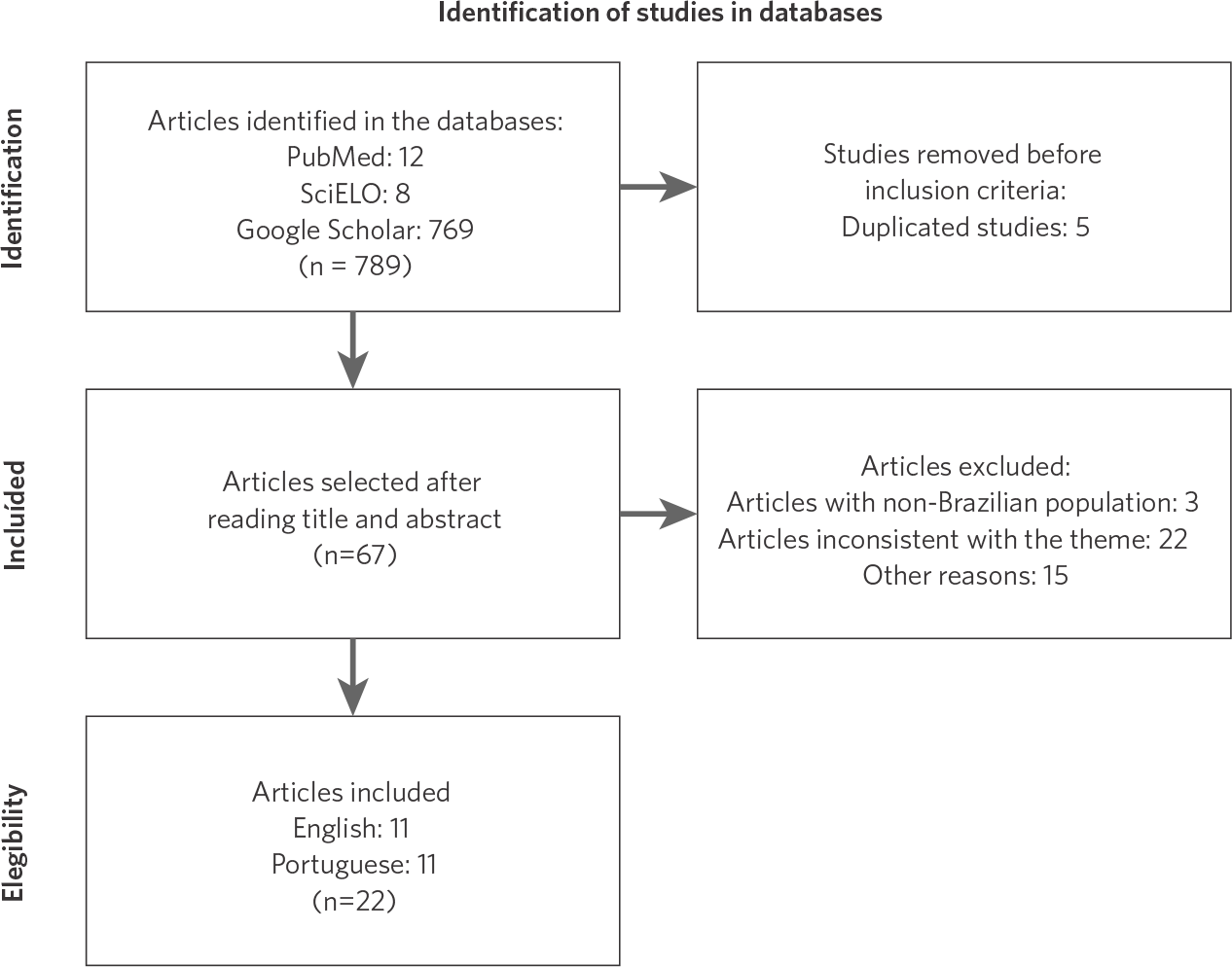 Source: Prepared by the authors, 2024.