Transcranial direct current stimulation combined with augmentative and alternative communication for children with cerebral palsy: Preliminary results
ABSTRACT
Purpose: to investigate the effects of anodal transcranial direct current stimulation (tDCS) over the left dorsolateral prefrontal cortex combined with speech-language interventions, using augmentative and alternative communication (AAC) at improving the communication level of children with cerebral palsy (CP) on levels III to V of the Communication Function Classification System (CFCS).
Methods: six children with CP, 6 to 12 years of age participated in a preliminary study. Ten sessions of tDCS (1 mA, 20 minutes) were performed in combination with essential word training via the TD Snap® software. Communication levels were assessed before and after the intervention, using the Communication Matrix. Safety was monitored through reports of adverse effects.
Results: all participants completed the protocol with good tolerability and no serious side effects. A trend was found toward an improvement in communication levels, with all cases advancing one level on the Communication Matrix. Most participants reported a tolerable tingling sensation and localized redness was transitory.
Conclusion: the combination of tDCS and AAC proved feasible, safe, and potentially effective at improving communication in children with moderate to severe CP. However, due to the limitations of this study, future studies with larger samples and controlled designs are needed to confirm these findings and optimize intervention protocols.
Keywords:
Cerebral Palsy; Transcranial Direct Current Stimulation; Nonverbal Communication; Child
RESUMO
Objetivo: investigar os efeitos da estimulação transcraniana por corrente contínua (tDCS) anódica sobre o córtex pré-frontal dorsolateral esquerdo, combinada a intervenções fonoaudiológicas com Comunicação Aumentativa e Alternativa (CAA), no nível de comunicação de crianças com paralisia cerebral (PC) classificadas entre os níveis III e V do Sistema de Classificação da Função de Comunicação (CFCS).
Métodos: seis crianças (6-12 anos) realizaram dez sessões de tDCS (1 mA; 20 min) associadas ao treino de vocabulário essencial via TD Snap®. O nível de comunicação foi avaliado antes e após a intervenção pela Matriz de Comunicação. A segurança foi monitorada por relatos de eventos adversos.
Resultados: todos os participantes concluíram o protocolo, com boa tolerabilidade e ausência de eventos adversos graves. Observou-se tendência de melhora no nível de comunicação, com progressão de pelo menos um nível na Matriz de Comunicação em todos os casos. Sensação de formigamento foi tolerável e a vermelhidão local apresentou-se transitória.
Conclusão: a combinação tDCS + CAA mostrou-se viável, segura e potencialmente eficaz para aprimorar a comunicação em crianças com PC moderada à grave. São necessários estudos controlados, com amostras maiores e seguimento prolongado, para confirmar a efetividade e otimizar os parâmetros de intervenção.
Descritores:
Paralisia Cerebral; Estimulação Transcraniana por Corrente Contínua; Comunicação Não Verbal; Criança
INTRODUCTION
Cerebral palsy (CP), is a motor development disorder of a cerebral origin that occurs primarily in children. CP is chronic and mutable, with impacts on various motor, sensory, and cognitive functions and communication. The prevalence ranges from 1.4 to 3.4 per thousand live births, with the spastic form accounting for approximately 80% of cases1,2. Besides motor difficulties, many children with CP have deficits in speech, language, and hearing that compromise communication and social participation throughout life3-5.
The Communication Function Classification System (CFCS) is used to assess the effectiveness of daily communication in different contexts and with different partners, including the use of strategies such as augmentative and alternative communication (AAC)6,7. The level I corresponds to an effective sender and receptor of information with familiar and unfamiliar communication partners. On level II, the individual is an effective sender and receiver with familiar and unfamiliar communication partners, but conversation is slower. On level III, the individual is an effective sender and receiver with familiar partners but not unfamiliar partners. On level IV, the individual is an inconsistent sender and receiver with familiar conversation partners. On Level V, the individual is a rarely effective sender and receiver even with familiar conversation partners6.
Speech/language interventions play a fundamental role in the rehabilitation of children with CP, seeking to maximize their communication skills through strategies involving speech, gestures, facial expressions, and AAC systems, such as symbol charts or specific software5,8. AAC is a tool that helps replace or complement natural speech and is effective at improving receptive and expressive communication, especially in children with severe deficits9-11. Technological advances, such as the TD Snap® software (Tobii Dynavox LLC, Sweden), have recently facilitated the implementation of AAC by offering customizable, accessible resources for healthcare providers and families, thus contributing to the cognitive development and literacy of these children.
Scientific evidence indicates that neurophysiological impairments in CP, characterized by a reduction in the activity of the central nervous system and abnormal cortical excitability, exert an influence on the outcomes of rehabilitation interventions12,13. Non-invasive brain stimulation methods, such as transcranial direct current stimulation (tDCS), are promising in the treatments of neurofunctional deficits, offering improvements in attention, working memory, executive functions, and communication14-16. The application of tDCS, especially over the left dorsolateral prefrontal cortex, favors the modulation of brain plasticity, enhancing the effects of neurofunctional training and contributing to advances in the rehabilitation of children with CP by enabling the optimization of improvements in cognitive and communication skills16.
However, scientific evidence on the use of tDCS in speech-language interventions involving AAC for children with CP remains limited. Specifically, no studies have investigated the effects of anodal tDCS over the left dorsolateral prefrontal cortex in this context, especially in children with moderate to severe levels of communication impairment (CFCS levels III to V). Therefore, the aim of the present study was to investigate the effects of anodal tDCS applied over the left dorsolateral prefrontal cortex, during speech-language interventions with an emphasis on the implementation of AAC strategies, in a case series of children with CP, classified on CFCS levels III to V.
This preliminary study sought to perform a systematic assessment on the safety and effectiveness of the combined intervention on communication levels to provide initial evidence that can serve as a basis for future larger-scale investigations. The approach aims to contribute to the understanding of the therapeutic potential of tDCS in the optimization of speech-language interventions in populations with moderate to severe communication deficits, recognizing the importance of methodological rigor and scientific control in the assessment of its clinical applications.
METHODS
This study received approval from the Human Research Ethics Committee of the Evangelical University of Goiás, Brazil (approval No. 7,259,969; CAAE No. 82708824.7.0000.5076), and complied with the ethical principles of the Declaration of Helsinki and the guidelines set forth in National Health Council Resolution No. 466/2012 (Brazil). Legal guardians and participants signed the informed consent form. No financial compensation was provided.
The participants of this preliminary study were recruited from a multidisciplinary neurofunctional rehabilitation service. The objectives of the study were presented to the guardians of children with a diagnosis of spastic CP confirmed through a specialized medical investigation. The children were screened for the eligibility criteria described below.
Inclusion criteria: 1) diagnosis of CP confirmed through a clinical examination; 2) magnetic resonance findings demonstrating a lesion in the pyramidal system without involvement of the extrapyramidal system or cerebellum; 3) age six to 12 years; 4) children on levels III, IV and V of the CFCS 6.
Exclusion criteria: 1) neurological or neuromuscular diseases or syndromes besides CP; 2) epilepsy; 3) metal implants in the head, neck, chest, or upper limbs; 4) use of hearing aids; 5) degree of cooperation incompatible with adequate performance in the activities proposed.
Outcome measures
All assessment and intervention procedures were performed at the neurofunctional rehabilitation clinic in an environment reserved for the development of the study. Individual scheduling was performed according to the availability of the participant’s guardian. The participants were assessed one week before and one week after the end of the intervention. The assessors were blinded to the objective and procedures of the intervention.
The primary outcome was a change in communication measured by the Communication Matrix, which is based on a pragmatic approach that considers various communicative behaviors, including alternative and pre-symbolic forms, besides conventional speech. The matrix identifies the current level of communication, encompassing seven developmental stages from pre-intentional behaviors to the use of abstract symbols, and classifies each category as “unused”, “emerging”, or “mastered”. Specifically, Level I corresponds to pre-intentional behavior to communicate; Level II corresponds to intentional behavior; Level III corresponds to unconventional communication; Level IV corresponds to conventional communication; Level V corresponds to communication through concrete symbols; Level VI corresponds to communication with abstract symbols; and Level VII refers to language17-21.
As a secondary outcome, the potential adverse effects of tDCS were investigated after each intervention session. With the use of AAC, the participants were asked about their perception of any of the following symptoms during the session: tingling sensation, burning sensation, headache, pain in the region where the electrodes were positioned, drowsiness, and altered mood. Considering the communication impairment of the participants, the guardians were also asked about their perceptions and the therapists responsible for the intervention were instructed to observe and report possible behaviors suggestive of discomfort.
Intervention procedures
The ten intervention sessions were held five times a week (Monday to Friday) over two consecutive weeks. Upon arrival, participants and their guardians received appropriate guidance and preparation for the intervention. The electrodes for tDCS were properly positioned on the child, followed by a twenty-minute intervention session. At the end of each session, the child answered a questionnaire addressing adverse effects, enabling the continuous monitoring of possible adverse reactions to the procedure.
Transcranial direct current stimulation:
Transcranial direct current stimulation (tDCS) was administered using a device from Soterix Medical Inc. (USA) with two sponge (non-metallic) surface electrodes measuring 5 x 7 cm² and moistened in saline solution. Based on the International 10-20 Electroencephalography System22, the anodal electrode was positioned over the left dorsolateral prefrontal cortex (area F3) and the cathode was placed over the right deltoid muscle. A current of 1 mA was applied throughout the 20-minute speech-language therapy session. The intensity of the current was gradually increased over 30 s until reaching 1 mA, remained at that level throughout the intervention, and was gradually reduced in the last 30 s, ensuring a smooth transition16.
Speech therapy intervention with AAC:
The intervention consisted of modeling training for five essential words - “yes,” “no,” “stop,” “more,” and “want” - initiated immediately after the start of transcranial stimulation, in line with the “Core Words” concept23. The modeling of these words was performed using a laptop equipped with the TD Snap® software (Tobii Dynavox LLC, Sweden), which is an AAC tool that is widely used in speech-language interventions. TD Snap® is an assistive technology that facilitates the process of learning and modeling communication in children with substantial disabilities. As the participant demonstrated mastery of the five essential words, the repertoire was expanded individually according to each child’s performance in each session. Progress was monitored and the repertoire was adjusted based on the results obtained. The intervention was conducted by a trained, experienced speech therapist in individualized sessions with each participant.
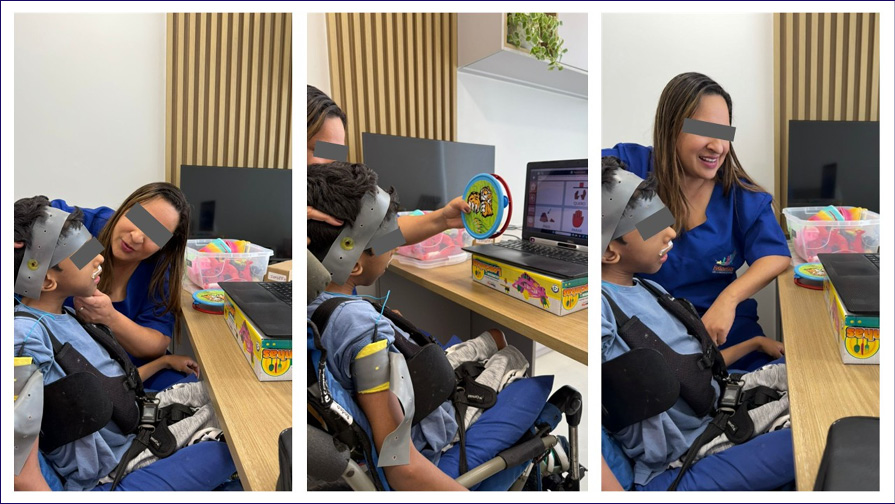
Figure 1 illustrates the aplication of tDCS during AAC.

Demonstration of the application of transcranial direct current stimulation during speech-language therapy that utilizes augmentative and alternative communication
RESULTS
Six children with cerebral palsy (mean age: 7.2 ± 1.8 years) participated in the present study, which focused on the feasibility and safety of augmentative and alternative communication combined with anodal tDCS. Table 1 shows the clinical characteristics of the participants.
All participants completed all phases of the study, which included two assessments and ten intervention sessions. The children demonstrated good compliance with the procedures, with no signs of pain or significant discomfort, such as crying, facial expressions of pain, or protection postures.
Due to impaired motor skills, four participants required the use of a visual tracking system as a facilitating interface for the use of the AAC communication program. With regards to tDCS, no moderate or severe adverse effects were observed or reported. Localized redness in the electrode region was found on all participants after tDCS, but this reaction diminished and disappeared within minutes after the end of the procedure. Moreover, 83% (N = 5) of the participants reported a tolerable tingling sensation, similar to an itch, during the tDCS session.
The results of the intervention were assessed using the Communication Matrix. Table 2 displays the highest levels of communication for each child before and after the intervention, demonstrating promising changes in the children’s communication levels.
DISCUSSION
The discussion of this preliminary study provides important insights into the feasibility, safety, and potential effect of the combination of anodal tDCS over the left dorsolateral prefrontal cortex and speech-language interventions involving AAC in children with CP on levels III to V of the CFCS. The results indicate that tDCS was well tolerated by the participants, with no moderate or severe adverse effects. The literature also reports the safety of this method in pediatric populations with neurological deficits24-26. The presence of localized redness, which was transitory, and the tingling sensation reported by most participants are common and considered mild effects, reinforcing the acceptability of the procedure.
The results of the Communication Matrix suggest a trend towards improvement in the communication levels of the participants after the intervention. A general progression in communication levels was found, with some cases advancing from one level to another, indicating a potential positive effect of the combination of tDCS and AAC in facilitating communicative development in children with severe impairments. Although preliminary, these findings are in line with data from previous studies demonstrating the ability of non-invasive brain stimulation to promote neural plasticity as well as improve cognitive and communicative functions in populations with brain damage14-16.
With regards to AAC, the TD Snap® software has proven to be an effective, accessible tool, especially when integrated with eye-tracking systems. Recent studies indicate that eye-tracking can facilitate communication in children with severe restrictions to active movements, as it enables the efficient selection of symbols and words even in the absence of broad voluntary body movements. This technology enables overcoming severe motor limitations, thus promoting greater communicative independence and social inclusion. The combination of the TD Snap® software and eye-tracking systems enhances the accessibility of AAC strategies, contributing to an improvement in the communicative interaction of individuals with complex motor deficits27-29. This demonstrates the relevance of this assistive technology in the context of speech-language and neuropsychological rehabilitation and inclusive education.
However, it is important to recognize the limitations of the present study, such as the small sample size, lack of a control group, and case-series design, which restrict the generalization of the results. Moreover, despite reflecting the diversity of the population with CP, the clinical heterogeneity of the participants may exert an influence on the observed outcomes. The absence of serious adverse effects confirmed the safety of the protocol, but future studies should explore different stimulation intensities, durations, and protocols, as well as include control groups to establish more robust causality.
The potential contribution of this study resides in the preliminary evidence that, when applied safely and combined with AAC strategies, tDCS can enhance the results of speech-language interventions in children with severe communication deficits. These findings can encourage the execution of studies with larger sample sizes, controlled designs, and longitudinal follow-up to assess the durability of the effects and optimize stimulation protocols. Future investigations should explore the neurophysiological mechanisms underlying the observed improvements, thus contributing to the development of more effective and personalized neurorehabilitation interventions for this population.
In summary, this study provides a promising basis for the combined use of tDCS and AAC in the rehabilitation of children with CP, highlighting the need for more in-depth scientific evidence to consolidate this approach as a safe, effective clinical strategy.
CONCLUSION
Based on the results of this preliminary study, the combination of anodal transcranial direct current stimulation (tDCS) over the left dorsolateral prefrontal cortex and speech-language interventions involving AAC strategies is a viable, safe, and potentially effective approach for improving communication in children with CP on levels III to V of the Communication Function Classification System. The administration of tDCS was well tolerated, with no serious adverse effects, and the data suggest a trend towards improvement in the communication levels of the children analyzed. However, it is important to emphasize that, due to the small sample size, lack of a control group, and case-series study design, the results cannot be definitively generalized. To confirm effectiveness, assess the durability of the effects, and optimize stimulation protocols, further studies are needed with larger sample sizes, controlled designs, and longitudinal follow-up.
ACKNOWLEDGEMENTS
The authors thank the State of Goiás Research Foundation (FAPEG), the National Foundation for the Development of Private Higher Education (FUNADESP), the National Council for Scientific and Technological Development (CNPq), the Center for Pediatric Neurostimulation (CENEPE REAB), and Follow Kids - Pediatric Neurorehabilitation Clinic for the support provided during the conduct of this study.
REFERENCES
-
1 Novak I, Morgan C, Fahey M, Finch-Edmondson M, Galea C, Hines A et al. State of the evidence traffic lights 2019: Systematic review of interventions for preventing and treating children with cerebral palsy. Curr Neurol Neurosci Rep. 2020;20(2):3. https://doi.org/10.1007/S11910-020-1022-Z PMID:32086598.
» https://doi.org/10.1007/S11910-020-1022-Z -
2 Jackman M, Sakzewski L, Morgan C, Boyd RN, Brennan S, Langdon K et al. Interventions to improve physical function for children and young people with cerebral palsy: International clinical practice guideline. Dev Med Child Neurol. 2022;64(5):536-549. https://doi.org/10.1111/dmcn.15055 PMID:34549424.
» https://doi.org/10.1111/dmcn.15055 -
3 Morgan C, Novak I, Dale RC, Guzzetta A, Badawi N. Single-blind randomised controlled trial of GAME (Goals-Activity-Motor Enrichment) in infants at high risk of cerebral palsy. Res Dev Disabil. 2016;55:256-67. https://doi.org/10.1016/j.ridd.2016.04.005 PMID:27164480.
» https://doi.org/10.1016/j.ridd.2016.04.005 -
4 Pennington L, Dave M, Rudd J, Hidecker MJC, Caynes K, Pearce MS. Communication disorders in young children with cerebral palsy. Dev Med Child Neurol. 2020;62(10):1161-9. https://doi.org/10.1111/dmcn.14635 PMID:32729634.
» https://doi.org/10.1111/dmcn.14635 -
5 Morgan C, Fetters L, Adde L, Badawi N, Bancali A, Boyd RB et al. Early intervention for children aged 0 to 2 years with or at high risk of cerebral palsy: International clinical practice guideline based on systematic reviews. JAMA Pediatr. 2021;175(8):846-58. https://doi.org/10.1001/jamapediatrics.2021.087 PMID:33999106.
» https://doi.org/10.1001/jamapediatrics.2021.087 -
6 Hidecker MJC, Paneth N, Rosenbaum PL, Kent RD, Lillie J, Eulenberg JB et al. Developing and validating the Communication Function Classification System for individuals with cerebral palsy. Dev Med Child Neurol. 2011;53(8):704-10. https://doi.org/10.1111/j.1469-8749.2011.03996.x PMID:21707596.
» https://doi.org/10.1111/j.1469-8749.2011.03996.x -
7 Cockerill H. Developing the Communication Function Classification System for individuals with cerebral palsy. Dev Med Child Neurol. 2011;53(8):675. https://doi.org/10.1111/j.1469-8749.2011.04035.x PMID: 21707607.
» https://doi.org/10.1111/j.1469-8749.2011.04035.x -
8 McCoy SW, Palisano R, Avery L, Tylkowski C, Gorton G, Novak I et al. Physical, occupational, and speech therapy for children with cerebral palsy. Dev Med Child Neurol. 2020;62(12):140-6. https://doi.org/10.1111/dmcn.14325 PMID: 31353456.
» https://doi.org/10.1111/dmcn.14325 -
9 Butt AK, Zubair R, Rathore FA. The role of augmentative and alternative communication in speech and language therapy: A mini review. J Pak Med Assoc. 2022;72(3):581-5. https://doi.org/10.47391/JPMA.22-023 PMID: 35320253.
» https://doi.org/10.47391/JPMA.22-023 -
10 Avagyan A, Mkrtchyan H, Shafa FA, Mathew JA, Petrosyan T. Effectiveness and determinant variables of augmentative and alternative communication interventions in cerebral palsy patients with communication deficit: A systematic review. CoDAS. 2021;33(5):e20200244. https://doi.org/10.1590/2317-1782/20202020244 PMID:34378726.
» https://doi.org/10.1590/2317-1782/20202020244 -
11 Hidecker MJC. Speech and augmentative and alternative communication needs in young children with cerebral palsy. Dev Med Child Neurol. 2022;64(9):1053. https://doi.org/10.1111/dmcn.15232 PMID: 35426117.
» https://doi.org/10.1111/dmcn.15232 -
12 Tang L, Wu Y, Ma J, Lu Y, Wang L, Shan C. Application of tDCS in children with cerebral palsy: A mini-review. Front Pediatr. 2022;10:966650. https://doi.org/10.3389/fped.2022.966650 PMID:36204667.
» https://doi.org/10.3389/fped.2022.966650 -
13 Duarte NdeAC, Collange Grecco LA, Zanon N, Galli M, Fregni F, Santos Oliveira C. Motor cortex plasticity in children with spastic cerebral palsy: A systematic review. J Mot Behav. 2017;49(6):641-55. https://doi.org/10.1080/00222895.2016.1219310 PMID:27703212.
» https://doi.org/10.1080/00222895.2016.1219310 -
14 Lima VLCC, Cosmo C, Lima KB, Maia MFM, Teixeira LC, Andrade SM et al. Neuromodulation: A combined-therapy protocol for speech rehabilitation in a child with cerebral palsy. J Bodyw Mov Ther. 2022;29:10-5. https://doi.org/10.1080/00222895.2016.1219310 PMID:27754798.
» https://doi.org/10.1080/00222895.2016.1219310 -
15 Lima VLC, Collange Grecco LA, Marques VC, Fregni F, Brandão de Ávila CR. Transcranial direct current stimulation combined with integrative speech therapy in a child with cerebral palsy: A case report. J Bodyw Mov Ther. 2016;20(2):252-7. https://doi.org/10.1016/j.jbmt.2015.03.007 PMID:27210840.
» https://doi.org/10.1016/j.jbmt.2015.03.007 -
16 Ko EJ, Hong MJ, Choi EJ, Yuk JS, Yum MS, Sung IY. Effect of anodal transcranial direct current stimulation combined with cognitive training for improving cognition and language among children with cerebral palsy and cognitive impairment: A pilot randomized, double-blind clinical trial. Front Pediatr. 2021;9:713792. https://doi.org/10.3389/fped.2021.713792 PMID:34513765.
» https://doi.org/10.3389/fped.2021.713792 -
17 Rowland C. Using the Communication Matrix to assess expressive skills in early communicators. Commun Disord Q. 2011;32(3):190-201. https://doi.org/10.1177/152574011039465
» https://doi.org/10.1177/152574011039465 -
18 Quinn ED, Rowland C. Exploring expressive communication skills in a cross-sectional sample of children and young adults with Angelman syndrome. Am J Speech Lang Pathol. 2017;26(2):369-82. https://doi.org/10.1044/2016_AJSLP-15-0075 PMID: 28384804.
» https://doi.org/10.1044/2016_AJSLP-15-0075 -
19 Rowland C, Fried-Oken M. Communication Matrix: A clinical and research assessment tool targeting children with severe communication disorders. J Pediatr Rehabil Med. 2010;3(4):319-29. https://doi.org/10.3233/PRM-2010-0144 PMID: 21791866.
» https://doi.org/10.3233/PRM-2010-0144 -
20 Quinn ED, Cook A, Rowland C. An online community of practice to improve intervention for individuals with complex communication needs. Augment Altern Commun. 2019;35(4):311-21. https://doi.org/10.1080/07434618.2019.1566400 PMID: 30900476.
» https://doi.org/10.1080/07434618.2019.1566400 -
21 Quinn ED, Cook A, Wiedrick J, Rowland C. An initial investigation into the feasibility of the Communication Matrix Professional Development Program for educational professionals working with students with complex communication needs. Lang Speech Hear Serv Sch. 2021;52(4):1080-94. https://doi.org/10.1044/2021_LSHSS-20-00154 PMID: 34623905.
» https://doi.org/10.1044/2021_LSHSS-20-00154 -
22 Homan RW, Herman J, Purdy P. Cerebral location of international 10-20 system electrode placement. Electroencephalogr Clin Neurophysiol. 1987;66(4):376-382. https://doi.org/10.1016/0013-4694(87)90206-9 PMID: 2435517.
» https://doi.org/10.1016/0013-4694(87)90206-9 -
23 Laubscher E, Light J. Core vocabulary lists for young children and considerations for early language development: A narrative review. Augment Altern Commun. 2020;36(1):43-53. https://doi.org/10.1080/07434618.2020.1737964 PMID: 32172598.
» https://doi.org/10.1080/07434618.2020.1737964 -
24 Buchanan D, Bogdanowicz T, Khanna N, Lockman-Dufour G, Robaey P, D'Angiulli A. Systematic review on the safety and tolerability of transcranial direct current stimulation in children and adolescents. Brain Sci. 2021;11(2):212. https://doi.org/10.3390/brainsci11020212 PMID: 33578648.
» https://doi.org/10.3390/brainsci11020212 -
25 Zhong M, Zhang Y, Luo J, Li H, Zhou J, Wang Y et al. Safety and effectiveness of non-invasive brain stimulation on mobility and balance function in children with cerebral palsy: A systematic review and meta-analysis. J Neuroeng Rehabil. 2025;22(1):111. https://doi.org/10.1186/s12984-025-01619-7 PMID: 40383797. PMCID: PMC12087172.
» https://doi.org/10.1186/s12984-025-01619-7 -
26 Metelski N, Gu Y, Quinn L, Friel KM, Gordon AM. Safety and efficacy of non-invasive brain stimulation for the upper extremities in children with cerebral palsy: A systematic review. Dev Med Child Neurol. 2024;66(5):573-97. https://doi.org/10.1111/dmcn.15720 PMID: 37528530.
» https://doi.org/10.1111/dmcn.15720 -
27 Borgestig M, Sandqvist J, Parsons R, Falkmer T, Hemmingsson H. Eye gaze performance for children with severe physical impairments using gaze-based assistive technology: A longitudinal study. Assist Technol. 2016;28(2):93-102. https://doi.org/10.1080/10400435.2015.1072011 PMID: 26496529.
» https://doi.org/10.1080/10400435.2015.1072011 -
28 Stevens-Hofer B, Wallen M, McInerney M, Karlsson P. Eyes on communication: Strategies to facilitate uptake of clinical practice guidelines for implementation of eye-gaze control technology by people with cerebral palsy. A mixed-methods study. Disabil Rehabil Assist Technol. 2025;20(8):1128-39. https://doi.org/10.1080/17483107.2024.2437142 PMID: 39645662.
» https://doi.org/10.1080/17483107.2024.2437142 -
29 Puttemans F, Copermans E, Karlsson P, Vanreusel B, De Vaan G, Van de Winckel A et al. An intensive eye-tracking intervention in children with dyskinetic cerebral palsy: A multiple case study. Disabil Rehabil Assist Technol. 2025;20(7):867-77. https://doi.org/10.1080/17483107.2024.2412073 PMID: 39395189.
» https://doi.org/10.1080/17483107.2024.2412073
The data are not shared.