person Valéria Ramos Soares Pinto
contributed to the conception of the study · the search, compilation, and organization of bibliographic and documentary sources, as well as their analysis and interpretation · the writing and critical revision of the manuscript · The authors have approved the final version and take full public responsibility for the work carried out and the content published.
school Fundação Jorge Duprat Figueiredo de Segurança e Medicina do Trabalho, Escritório Avançado no Estado de Santa Catarina. Florianópolis, SC, Brazil. Fundação Jorge Duprat Figueiredo de Segurança e Medicina do Trabalho, Escritório Avançado no Estado de Santa Catarina. Florianópolis, SC, Brazil.BrazilBrazil Fundação Jorge Duprat Figueiredo de Segurança e Medicina do Trabalho, Escritório Avançado no Estado de Santa Catarina. Florianópolis, SC, Brazil.
person Elizabeth da Silva Figueiredo
contributed to the conception of the study · the search, compilation, and organization of bibliographic and documentary sources, as well as their analysis and interpretation · the writing and critical revision of the manuscript · The authors have approved the final version and take full public responsibility for the work carried out and the content published.
school Fundação Jorge Duprat Figueiredo de Segurança e Medicina do Trabalho, Escritório Avançado no Estado de Santa Catarina. Florianópolis, SC, Brazil. Fundação Jorge Duprat Figueiredo de Segurança e Medicina do Trabalho, Escritório Avançado no Estado de Santa Catarina. Florianópolis, SC, Brazil.BrazilBrazil Fundação Jorge Duprat Figueiredo de Segurança e Medicina do Trabalho, Escritório Avançado no Estado de Santa Catarina. Florianópolis, SC, Brazil.
person Gustavo Sartori Pottker
contributed to the conception of the study · the search, compilation, and organization of bibliographic and documentary sources, as well as their analysis and interpretation · the writing and critical revision of the manuscript · The authors have approved the final version and take full public responsibility for the work carried out and the content published.
school Fundação Jorge Duprat Figueiredo de Segurança e Medicina do Trabalho, Escritório Avançado no Estado de Santa Catarina. Florianópolis, SC, Brazil. Fundação Jorge Duprat Figueiredo de Segurança e Medicina do Trabalho, Escritório Avançado no Estado de Santa Catarina. Florianópolis, SC, Brazil.BrazilBrazil Fundação Jorge Duprat Figueiredo de Segurança e Medicina do Trabalho, Escritório Avançado no Estado de Santa Catarina. Florianópolis, SC, Brazil.
person Leila Posenato Garcia
contributed to the conception of the study · the search, compilation, and organization of bibliographic and documentary sources, as well as their analysis and interpretation · the writing and critical revision of the manuscript · The authors have approved the final version and take full public responsibility for the work carried out and the content published.
school Fundação Jorge Duprat Figueiredo de Segurança e Medicina do Trabalho, Escritório Avançado no Estado de Santa Catarina. Florianópolis, SC, Brazil. Fundação Jorge Duprat Figueiredo de Segurança e Medicina do Trabalho, Escritório Avançado no Estado de Santa Catarina. Florianópolis, SC, Brazil.BrazilBrazil Fundação Jorge Duprat Figueiredo de Segurança e Medicina do Trabalho, Escritório Avançado no Estado de Santa Catarina. Florianópolis, SC, Brazil.
person Ricardo Luiz Lorenzi
contributed to the conception of the study · the search, compilation, and organization of bibliographic and documentary sources, as well as their analysis and interpretation · the writing and critical revision of the manuscript · The authors have approved the final version and take full public responsibility for the work carried out and the content published.
school Fundação Jorge Duprat Figueiredo de Segurança e Medicina do Trabalho, Escritório Avançado no Estado de Santa Catarina. Florianópolis, SC, Brazil. Fundação Jorge Duprat Figueiredo de Segurança e Medicina do Trabalho, Escritório Avançado no Estado de Santa Catarina. Florianópolis, SC, Brazil.BrazilBrazil Fundação Jorge Duprat Figueiredo de Segurança e Medicina do Trabalho, Escritório Avançado no Estado de Santa Catarina. Florianópolis, SC, Brazil.
personContact: Elizabeth da Silva FigueiredoE-mail: elizabeth.figueiredo@fundacentro.gov.br
Competing interests:
The authors declare that there are no competing interests.
Editor-in-chief:
Eduardo Algranti

 The hidden danger of asbestos in disaster situations: reflections for future responses
 Thumbnail
 Thumbnail
 Thumbnail
 Thumbnail
 Source: Bruno Peres/Agência Brasil (https://agenciabrasil.ebc.com.br/foto/2024-06/enchentes-no-rio-grande-do-sul-1718828937).
 Source: Gustavo Mansur/Palácio Piratini (https://www.flickr.com/photos/governo_rs/53730386008/).
 Source: Rogério Santana (https://www.flickr.com/photos/governodorio/51885673464/).
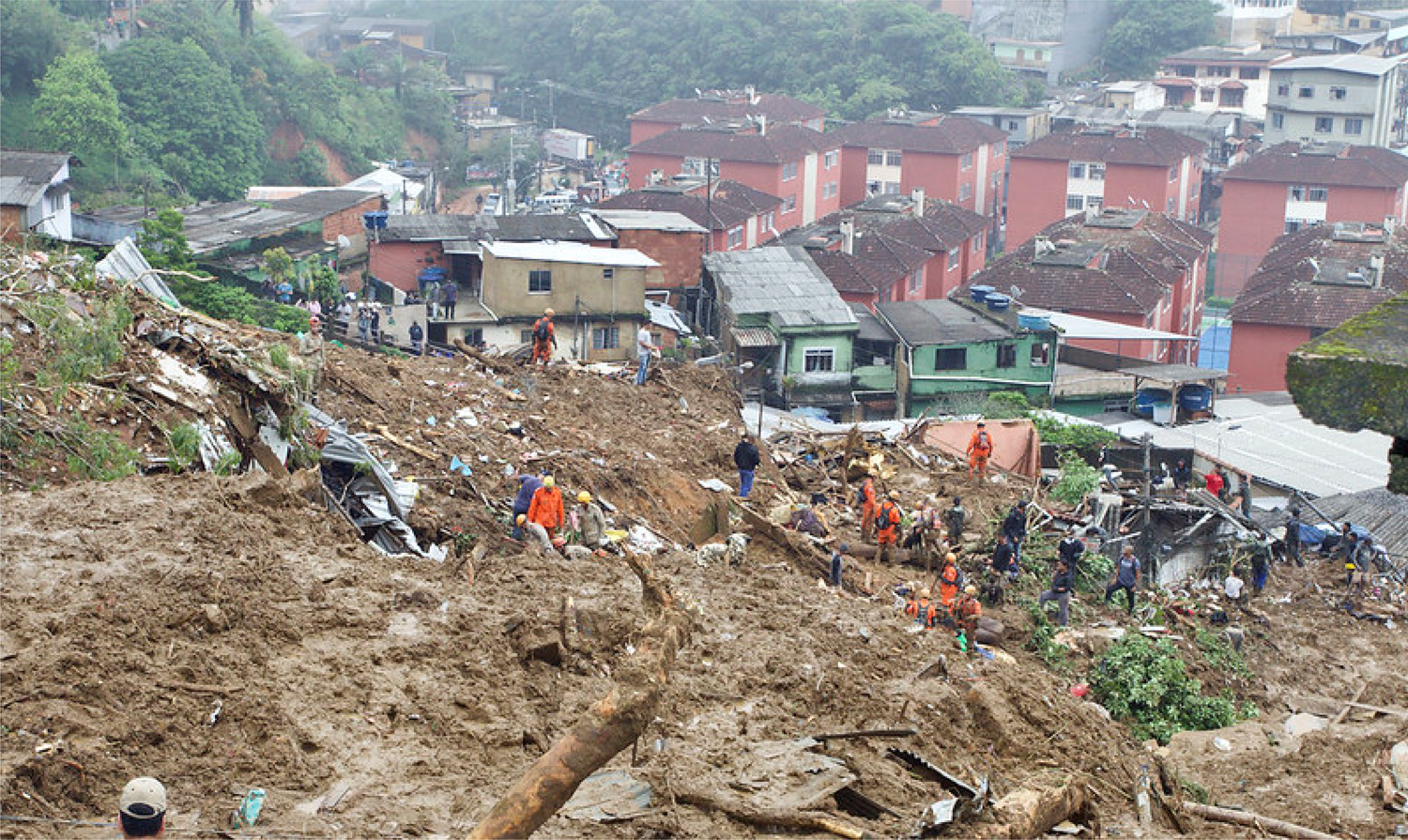 Source: Rogério Santana (https://www.flickr.com/photos/governodorio/51885674949/).