 The payment system for social organizations managing state-owned hospitals in São Paulo
Contracting private providers in public health systems poses regulatory challenges, especially regarding the design of the payment model for services. This article examines the payment system for social organizations contracted to run state-owned hospitals (Organizações Sociais de Saúde - OSS) in the Brazilian State of São Paulo. The research is based on the literature on hospital care financing in public health systems and examined contracts between the government and OSS, as well as semi-structured interviews with managers and technicians from the State Health Department. The aim was to understand the rationale of the payment system and the basis for decisions to transfer resources to the OSSs. The research indicates that the arrangement designed for the economic and financial regulation of OSS has significant flaws due to the lack of consistent references regarding the cost and complexity of the care provided by the hospitals. The absence of parameters results in weaknesses in the criteria guiding the transfer of resources to OSS, impairing the effectiveness of monitoring and control of the provision of services by the state.
Keywords:
Health Service Social Organization; public-private partnerships in health; health regulation; hospital management in the National Health System (SUS)
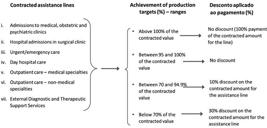 Thumbnail
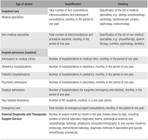 Thumbnail
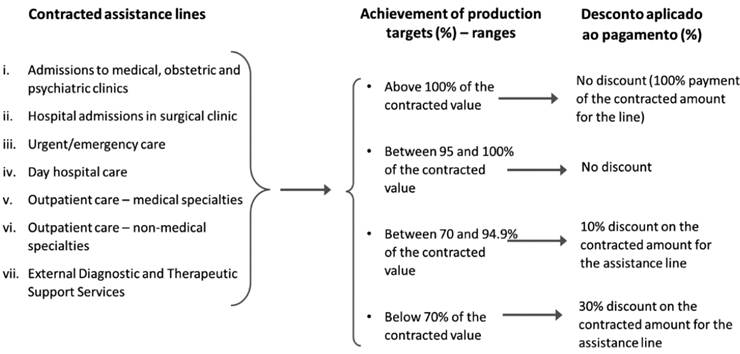 Source: Transparency Portal of the São Paulo State Health Department (n.d.).
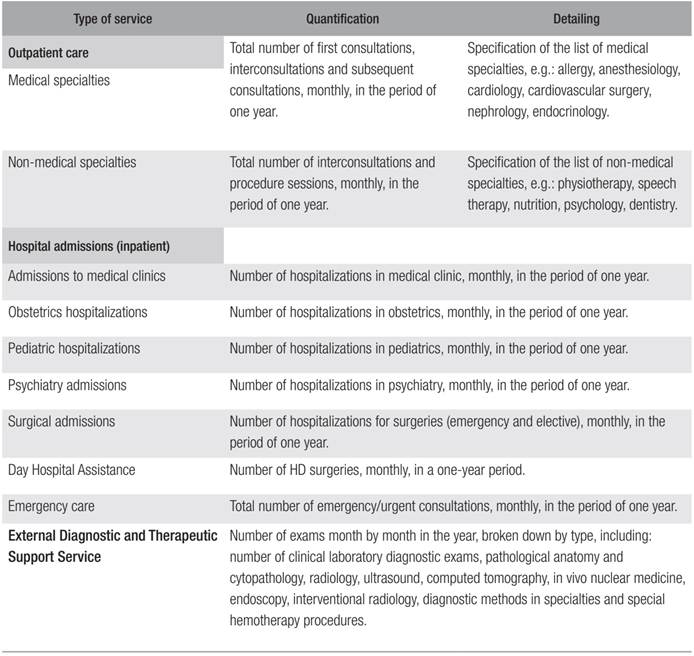 Source: Transparency Portal of the São Paulo State Health Department (n.d.).