
 An Integrative Review of Psychotherapeutic Interventions in Eating Disorder Care
Abstract
Psychotherapeutic interventions are one of the pillars of healthcare for people with eating disorders (EDs). It is important to map and analyze literature to know the strategies which have proven to be successful. An integrative review was conducted to analyze the scientific production on the psychotherapeutic interventions offered to patients diagnosed with EDs. PubMed/MEDLINE, PsycINFO, LILACS and SciELO indexing databases were consulted from 2011 to 2021. A total of 56 articles published in international journals were selected. The results were grouped into five categories: individual psychotherapies, group psychotherapeutic strategies, online psychotherapeutic strategies, inclusion of the family in psychotherapies, and therapeutic alliance. More studies are needed which focus on the therapeutic alliance and address patient, health professional, and family perspectives. Online and phone psychotherapies emerge as a growing field of interest.
Keywords:
eating disorders; psychotherapy; anorexia nervosa; bulimia; literature review
Resumo
Intervenções psicoterapêuticas constituem um dos pilares da atenção à saúde de pessoas com transtornos alimentares (TAs). Nesse contexto, é importante mapear e analisar a literatura para conhecer estratégias que se mostram exitosas. Foi realizada uma revisão integrativa com objetivo de analisar a produção científica sobre as intervenções psicoterapêuticas empregadas no tratamento de pessoas diagnosticadas com TAs. Foram consultadas as bases indexadoras PubMed/MEDLINE, PsycINFO, LILACS e SciELO no período de 2011 a 2021, e selecionados 56 artigos publicados em periódicos internacionais. Os resultados foram agrupados em cinco categorias: psicoterapias individuais, estratégias psicoterapêuticas grupais, estratégias psicoterapêuticas on-line, inclusão da família nas psicoterapias e aliança terapêutica. São necessários mais estudos focados na aliança terapêutica e que contemplem as perspectivas de pacientes, profissionais de saúde e familiares. Atendimentos on-line e por telefone emergem como campos de crescente interesse.
Palavras-chave:
distúrbios do ato de comer; psicoterapia; anorexia nervosa; bulimia; revisão de literatura
Introduction
Eating disorders (EDs) are complex suffering associated with high level disability, constituting one of the most relevant causes of hospitalization in developed countries (Filion & Haines, 2015). According to the Diagnostic and Statistical Manual of Mental Disorders - DSM-5-TR (American Psychological Association [APA], 2022), EDs are clinical entities characterized by persistent disturbances in eating behavior which significantly compromise physical health and psychosocial development.
The best-known types of EDs are: Anorexia Nervosa (AN), characterized by voluntary restriction of calorie intake, associated with intense distortion of body image and significant weight loss; and Bulimia Nervosa (BN), which is mainly the manifestation of frequent episodes of binge eating followed by purgative behaviors, such as self-induced vomiting and abusive use of laxatives and diuretics with the aim of avoiding weight gain (APA, 2022). However, some modifications were introduced in relation to the classification criteria of the previous version of DSM. For example, amenorrhea was removed as a criterion for AN in the most current manual (DSM-5), and the diagnosis of bulimia underwent changes in the criteria for frequency of binge eating episodes followed by purging, which is now only once a week (Araújo & Lotufo Neto, 2014).
The incidence of EDs has increased in recent years (López-Gil et al., 2023; Moraes et al., 2021; Peckmezian & Paxton, 2020), while difficulties in patient adherence to treatment persist (De Stefani et al., 2023; Leonidas & Santos, 2020a; Maia et al., 2023a; Manochio et al., 2020; Oliveira-Cardoso & Santos, 2019; Santos et al., 2020; Weeb et al., 2022). A recent systematic review (Peckmezian & Paxton, 2020) highlighted that patient dropout rates regarding care strategies proposed by healthcare teams remain high. The following are considered predictors of better results: greater resilience, body mass index closer to eutrophy (especially for AN), motivation for change, better psychosocial functioning and longer treatment time (Peckmezian & Paxton, 2020).
In relation to care strategies, it is noteworthy that care for people diagnosed with ED demands multidisciplinary attention with the adoption of interdisciplinary strategies due to its complex and multifactorial etiology (Leonidas & Santos, 2020b; Maia et al., 2023a). Specialized literature (Oliveira-Cardoso & Santos, 2019; Weeb et al., 2022) mentions psychiatry, nutrition and psychology professionals as basic components of the healthcare team. Strategies coordinated by psychologists are considered essential in the care network for people with AN/BN (Leonidas & Santos, 2023; Scorsolini-Comin & Santos, 2012).
Previous studies focused on mental healthcare for people with EDs highlight the importance of psychotherapies, as well as the inclusion of families in the care offered (Leonidas & Santos, 2020c; Leonidas et al., 2019; Peckmezian & Paxton, 2020; Scorsolini-Comin & Santos, 2012; Siqueira et al., 2020; Valdanha-Ornelas et al., 2021). Research results (Maia et al., 2023b; Souza & Santos, 2015; Weeb et al., 2022; Werz et al., 2022) endorse that a solid bond between the healthcare professional and the patient with ED is a fundamental requirement for producing care and establishing the therapeutic alliance. The importance of using approaches that focus on listening to the individual needs of patients is highlighted, guiding psychotherapeutic intervention based on the unique narrative of service users’ suffering (Goulart & Santos, 2012, 2015; Moretto, 2019; Santos, 2006; Santos et al., 2014; Souza & Santos, 2015).
Based on this principle, it is crucial to design research that reaffirms the therapeutic approach centered on the individual narrative of the person undergoing treatment, which, in recent years, has lost strength or has been underestimated and replaced by the descriptive approach to contemporary psychopathologies. According to the descriptive approach, each diagnosis of mental disorder presupposes pre-established intervention, often based on the use of medication to treat suffering (Dunker & Kyrillos Neto, 2011). On the other hand, it is widely recognized that understanding psychopathological criteria plays a crucial role in psychotherapist training, enabling the professional to acquire a repertoire of shared knowledge that promotes effective communication with other health professionals. This understanding is crucial to strengthening multidisciplinary care towards psychological suffering (Moretto, 2019; Santos et al., 2019).
Based on systematic literature review, Maia et al. (2023a) argue that qualified listening to the suffering of people diagnosed with AN/BN in the context of multidisciplinary care is a highly desirable condition, since working with this population can be exhausting due to the persistence of symptoms and the emotional intensity involved. This is a psychopathological configuration considered difficult to approach, in addition to carrying a high risk of morbidity and mortality (De Stefani et al., 2023; López-Gil et al., 2023; Santos & Pessa, 2022; Santos et al., 2023). This reinforces the assumption that consistent knowledge of appropriate psychotherapeutic management strategies for this population can assist psychology professionals in their work (Santos et al., 2020), in line with the basic principles of the Unified Health System (Sistema Único de Saúde - SUS): integrity, universality, equity and decentralization (Brazil, 1990).
The SUS was established by Law 8080/90 (Brazil, 1990) and was later organized into a psychosocial care network (Rede de Atenção Psicossocial - RAPS), which has a variety of services and equipment. In addition to individual and group psychotherapies, several other psychotherapeutic strategies are available from primary to hospital care. The term psychotherapeutic strategies is used in this study considering plurality of understandings, action and care models in the psychology area, especially those made available by the public health system (Santos et al., 2014).
Considering the scenario described, it is believed that conducting an integrative review of the knowledge produced in contemporary literature related to the topic can play a fundamental role in guiding the clinical practices of professionals in the field. Furthermore, this review will be able to highlight both the potential and knowledge gap areas accumulated over recent years, which - in turn - will make it possible to identify possible directions for future research (Broome, 2000). Given the relevance of health strategies and approaches in psychology with regard to the care of individuals with EDs, this study aimed to analyze the scientific production related to psychotherapeutic interventions used in treating people diagnosed with AN and BN.
Method
This study consists of descriptive and retrospective research with the period from 2011 to 2021 as its time frame. The choice of this period is justified because a review on psychotherapy application in EDs covering the years from 1999 to 2011 is available in literature (Scorsolini-Comin & Santos, 2012). Therefore, it is interesting to complement the findings by bringing together recent production in order to update the state of the art of academic publications in the area, describing contemporary trends and discussions on the topic. An integrative review enables mapping and synthesizing the burning issues that have emerged in the last decade or the persistence of themes which continue to be highlighted in literature, comparing them with the results obtained in the previous study.
Data collection procedure
The following six steps proposed by Broome (2000) were followed to achieve the proposed objective: (a) identification of the topic to be investigated and elaboration of the hypothesis or research question; (b) establishment of inclusion/exclusion criteria for primary studies and systematic literature search; (c) data collection and definition of the information to be extracted; (d) categorization of selected studies; (e) critical and descriptive evaluation/analysis of results and interpretation; (f) knowledge synthesis and identification of gaps in scientific production.
The PICO strategy was used to formulate the guiding question, in which P (Population) represents patients diagnosed with EDs; I (Intervention) covers psychotherapeutic interventions; C (Control) is not applicable in this integrative review; and O (Result) encompasses the main evidence found. The review was directed by the guiding question: What scientific evidence is available in literature on psychotherapeutic interventions offered to people with AN and BN? Data from primary sources was collected from journals indexed in the following regional and international bibliographic databases: PubMed/MELINE, PsycINFO, LILACS and SciELO. The search in the indexing databases was performed in September 2021 through the CAPES/MEC Portal, with institutional access by Virtual Private Network (VPN) or Virtual Private Network service provided by the University of São Paulo. This is a network of online services which allows access to databases and contents of indexed journals, enabling full articles to be extracted.
Primary studies were selected and evaluated by two independent reviewers: BBM and MAS, with experience in the task and investigation area. After surveying the articles in the databases, the titles and abstracts were reviewed and selected according to the eligibility criteria using the Rayyan tool (Ouzzani et al., 2016), a reference manager which assists in selecting articles in systematic reviews according to the established inclusion/exclusion criteria. The results were compared in order to validate the sample selection, and the studies were fully retrieved, constituting the research corpus.
Indexed articles were searched using the descriptors available in Health Sciences Descriptors (DeCS) and Medical Subject Headings (MeSH), as well as the entry terms and other keywords used in studies that address the topic. After setting up the search strategy, articles indexed with the following keywords were searched: ((“transtornos alimentares” OR“eating disorders” OR“bulimia” OR “anorexia nervosa”) AND (“psicoterapia” OR “psychoterapy”)). The descriptors were chosen according to their availability in DeCS. Due to the purpose of recording possible transformations in literature panorama, considering the publication of Scorsolini-Comin and Santos (2012), we chose to maintain the same descriptors used by the authors.
Data analysis procedure
First, the EndNote Basic software (Clarivate Analytics) was used to select and organize the primary studies. Duplicate studies and those which were consistent with the exclusion criteria were removed. The following inclusion criteria were considered in the literature search: (a) articles limited to the subtypes of EDs: anorexia and bulimia; (b) related to psychotherapeutic interventions; (c) written in English, Portuguese or Spanish; (d) published between January 2011 and September 2021; (e) empirical studies; (f) with summary available in the databases. Then, the exclusion criteria were: (a) book, chapter, thesis, dissertation, monograph, manual, review, editorial, letter, comment or news; (b) literature review articles; (c) studies that used other treatment strategies; (d) studies which were not directly related or only touched on the topic “psychotherapy and AN and/or BN”.
After carefully reading the articles, the data-of-interest extraction stage was conducted using an appropriate form. Then, the information extracted from the articles was organized in a spreadsheet and subjected to thematic content analysis (Minayo, 2015) using the QDA Miner Lite® qualitative analysis software (version 2.07). This analysis was developed in four steps: (a) pre-analysis, (b) exploration of the material, (c) treatment of the results obtained, and (d) interpretation of the semantic structures (signifiers) with the sociological structures (meanings) of the statements (Minayo, 2015). The results were organized according to the prevailing contents in the investigated corpus and carefully analyzed according to the parameters recommended in literature.
Results and Discussion
Results obtained during the methodological steps
A total of 5,027 articles were found from the search for descriptors in the listed databases. There was a difference in the effectiveness produced by keyword combinations according to the database consulted. Thus, the combinations “bulimia” and “psychotherapy”, as well as “anorexia nervosa” and “psychotherapy” proved to be the most promising in PubMed database. Differently, the correspondents in Portuguese in other databases (LILACS, PsycINFO and SciELO) brought more results. The combination “eating disorders” and “psychotherapy” resulted in few articles in each database (SciELO: eight articles and LILACS: none). Only 129 of the total number of articles found by the different arrangements of descriptors used met the inclusion/exclusion criteria and were preliminarily selected.
After completing the two data collection stages (searching the databases and applying the inclusion and exclusion criteria), the articles available in full were retrieved by the VPN system, totaling 74 studies. Finally, in the last collection stage, articles duplicated in different indexing databases were eliminated. Thus, the final sample was established at 62 articles. Then, 57 articles remained after manually removing those still repeated in the databases, which compose the corpus of the present study.
Figure 1 presents the flowchart of the integrative review prepared according to PRISMA guidelines, which enables visualizing the path taken in the process of capturing eligible studies and the results obtained in the different search refinement stages (Page et al., 2021).
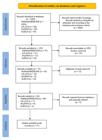
Flowchart with the article selection process through identification, screening, eligibility, and inclusion, in accordance with the PRISMA 2020 guidelines.
Analysis of study corpus characteristics
The selected articles were published in 24 different scientific journals. The journal with more publications was the International Journal of Eating Disorders, representing 21% (n = 12) of the selected sample. Other journals prominently appearing in the sample were all international, including: BMC Psychiatry (8.7%, n = 5), Psychological Medicine (7%, n = 4), Trails (7%, n = 4), Behavior Research and Therapy (7%, n = 4) and Journal of Eating Disorders Association (5.2%, n = 3). Regarding the origin of the journals, 45.6% (n = 26) were from European countries, especially the United Kingdom, followed by 36.8% (n = 21) from the United States. The journal concentrating the largest number of articles selected in the sample is also from the United States. Only 15.7% (n = 9) of the articles found were published in journals from Latin American countries, including Brazil.
When examining the areas focused on by the journals that publish the selected articles, it is observed that many journals are generalist, meaning they focus on general themes in the area of medicine or health (22.8%, n = 13), followed by journals in the field of psychiatry (17.5%, n = 10), psychology or psychopathology (15.7%, n = 9), and finally journals specifically focused on the field of psychotherapies (12.2%, n = 7). The largest number of articles is concentrated in journals specialized in the topic of EDs, composing 26.3% (n = 15).
No articles published in journals from other areas, such as anthropology or sociology, were found. Therefore, studies published in in the area of human sciences were not included in the selection, which could color the sample with other theoretical-methodological perspectives. We also highlight the fact that although we used the word “psychotherapy” as a descriptor, the journals identified were predominantly from medical and psychiatric areas. Journals in the field of psychology and psychotherapy represent the smallest part of the analysis corpus, despite generic knowledge bases such as SciELO and LILACS, and specific psychology bases, such as PsycINFO, being included in the search. Such data suggest the predominance of medical knowledge and psychiatric bias in the knowledge production about mental healthcare for people with EDs.
It is necessary to pay attention to the institutional affiliation country of the articles’ authors composing the study corpus, as these indicate the context and assumptions of the researchers’ analysis. Using the first author’s place of institutional affiliation as a criterion, approximately 35% (n = 20) of the studies come from the United States. Next, 31.5% (n = 18) are by European authors, coming from countries such as Switzerland, France, Spain, Germany, the Netherlands and Denmark. Another 12.2% (n = 7) were by researchers from Australia and 5.2% from the United Kingdom. The predominance of publications written by researchers from the United States and Europe may be related to the English language criterion chosen for the selection of articles, or even to the selected databases, especially PubMed, linked to the National Library of Medicine of the United States.
Even though two of the databases used in the study (SciELO and LILACS) predominantly publish articles produced in countries in Latin America and the Caribbean, only 15.7% (n = 9) of the corpus comes from that region. Still using the criterion of the institutional affiliation of the first author, most (n = 8) of these productions are Brazilian, in addition to one article of Mexican origin. Such data highlight a gap in terms of research conducted in the local and regional context. This could presumably be a consequence of chronic lack of investment in research in these countries, or even using the arguments of Boaventura Souza Santos (2020), it arises from the predominant epistemologies in the Global North, which makes it difficult to integrate knowledge that does not completely correspond to traditional methods of modern science.
Another piece of data that corroborates the scenario previously described concerns the language the articles were published. It was found that 84.3% were written in English. It is worth mentioning that the journals indexed in the PubMed and PsycINFO databases preferably publish in the English language. No article was found in Spanish and only 15.7% were articles published in Portuguese. Regarding the publication year, it was observed that the first five years researched (2011-2015) concentrated a greater number of publications (53.6%, n = 31) when compared to the last six years (2016-2021). Despite this, the publications were well distributed throughout the period studied, with emphasis on the years 2013 to 2015, which accounted for 41% (n = 23) of the publications selected.
Regarding the methodological studies design , 79% of the total used quantitative methods, with a predominance of descriptive and correlational studies, and 21% used a qualitative approach. Thus, publications published in international and English-language journals show a predominance of randomized clinical trials, meaning those in which participants are randomly divided into two or more groups to compare results obtained with different treatments or other interventions. The studies are mostly longitudinal, with robust samples and the use of instruments specifically validated for the research developed (measures of effectiveness, adherence and satisfaction with treatment, among others). A predominance of studies with qualitative approaches is evident in Brazilian articles, such as clinical case reports, in addition to research characterized as exploratory and descriptive, which often uses instruments such as semi-structured interviews.
The level of evidence (LE) was measured according to the classification proposed by Phillips et al. (2001). Results showed: 46 articles with LE 2b, a level that corresponds to cohort studies (including lower quality randomized clinical trials); seven articles with LE 3b, which comprises case-control studies; and four articles classified as LE 4 (case reports), which suggests that these studies do not yet have substantial LE.
Description and analysis of thematic categories
Category 1: Individual Psychotherapeutic Strategies (21 articles; 36.8%)
Most of the articles in this category (Accurso et al., 2016; Andony et al., 2015; Byrne et al., 2017; Carter et al, 2011; Chen et al., 2017; Dalle Grave et al., 2013; Egger et al., 2016; Jong et al., 2016, 2020; Marco et al., 2013; Mathisen et al., 2017, 2020; Palavras et al., 2015; Parling et al., 2016; Schmidt et al, 2012; Stein et al., 2013; Wonderlich et al., 2014) reported results obtained from randomized clinical studies, all written in English and published in international journals, based on empirical research conducted in countries such as Brazil, Australia, the United Kingdom and the United States. Samples ranged between 40 and 156 participants. The research had a longitudinal design and followed clinical groups, with the shortest period being three months and the longest, two years, although the majority focused on follow-up from six months to one year.
Still within the scope of psychotherapeutic intervention studies, some investigations used research designs to compare the effectiveness of Cognitive-Behavioral Therapy with other types of psychotherapies derived from this matrix, such as Enhanced Cognitive Behavior Therapy (CBT-E) (Andony et al., 2015; Byrne et al., 2017; Egger et al., 2016; Dalle Grave et al., 2013; Jong et al., 2016, 2020), Integrative Cognitive-Affective Therapy (ICAT) (Wonderlich et al., 2014), Guided Self-Help Cognitive Behavior Therapy (GSH) (Chen et. al., 2017), Healthy Approach to Weight Management and Food in Eating Disorders (HAPIFED) (Palavras et al., 2015) and Integrative Cognitive-Affective Therapy (ICAT) (Accurso et al., 2016).
Regarding effectiveness measured by symptom remission, several studies (Byne et al., 2017; Chen et al., 2017; Dalle Grave et al., 2013; Egger et al., 2016; Jong et al., 2016, 2020; Mathisen et al., 2020; Wonderlich et al., 2014) did not find significant differences between psychotherapy models when compared from the point of view of the results obtained. On the other hand, some authors, such as Palavras et al. (2015) and Accurso et al. (2016), reinforce the greater effectiveness of using different psychotherapies when compared to CBT, including: Healthy Approach to Weight Management and Food in Eating Disorders (HAPIFED) and Integrative Cognitive-Affective Therapy (IACT), respectively.
Using the same procedures, some studies have compared CBT with other types of psychotherapies, such as Individual Psychology Brief Psychotherapy (IBPP) (Brambilla et al., 2014), Interpersonal Psychotherapy (IPT) (Carter et al., 2011) and Maudsley Anorexia Nervosa Treatment for Adults (MANTRA) (Andony et al., 2015). The three studies did not find significant differences between the samples, analyzing different dimensions. Carter et al. (2011) and Brambilla et al. (2014) focus on clinical indicators of participants’ physical and psychological improvement, especially in the long term. The lack of proof of significant differences was specifically observed in relation to adherence to the therapeutic process (Andony et al., 2015).
Some research has tested the effectiveness of the individual modality of psychotherapy with randomized clinical trials, however without comparing the results with another type of intervention. The psychotherapeutic strategies investigated were: Identity Intervention Programme (IIP) (Stein et al., 2013), Acceptance and Commitment Therapy (ACT) (Parling et al., 2016), Emotion Acceptance Behavior Therapy (EABT) (Wildes et al., 2014), and again, Maudsley Model of Anorexia Nervosa Treatment for Adults (MANTRA) (Schmidt et al., 2012). These strategies proved to be effective in terms of symptom remission.
Most of the studies carried out found effectiveness, albeit at different levels, in the different individual psychotherapy models tested in the treatment of EDs. Furthermore, no relevant differences were found between the approaches. It is noteworthy that no study evaluated the participants’ subjective perception of the quality of care received, which is an interesting aspect to be explored in future research. Investigations in this scope are essential, since satisfaction with psychotherapy and factors related to the therapeutic relationship may be associated with improvement or worsening of symptoms (Maia et al., 2023a; Souza & Santos, 2015; Weeb et al., 2022; Werz et al., 2022). Therefore, these are important factors to evaluate the effectiveness of the care strategies offered based on another logic: valuing the subjective aspects involved in psychotherapeutic interventions to the detriment of the diagnostic and prescriptive logic that is dominant in the contemporary biomedical scenario (Dunker & Kyrillos Neto, 2011; Souza & Santos, 2012).
Some investigations have compared psychotherapy with other strategies that do not characterize psychological care, for example, involving supervised physical exercise and dietary therapy - Physical Exercise and Dietary Therapy (PED-t) (Mathisen et al., 2020), Specialist Supportive Clinical Management (SSCM) (Andony et al., 2015; Byrne et al., 2017), and psychopharmacological therapy, especially with the use of olanzapine, a medication classified as an antipsychotic (Brambilla et al., 2014). These are complementary procedures to psychotherapies, proposed to optimize patients’ recovery. This research (Andony et al., 2015; Brambilla et al., 2014; Byrne et al., 2017) reinforces the need to integrate resources of different natures in the therapeutic plan, preserving the principles of plurality and multidisciplinarity of interventions in these conditions.
Next, three publications of Brazilian origin were identified using a methodological design that differs from the previously mentioned studies (Alckmin-Carvalho et al., 2019; Goulart & Santos, 2015; Santos & Soares, 2017). These articles have in common the fact that they use clinical case studies.
Alckmin-Carvalho et al. (2019) report the care of a woman diagnosed with chronic BN. Pre- and post-treatment self-assessments were conducted, from which an anthropometric assessment of symptoms was created. The authors describe that psychotherapy produced positive effects, especially with regard to purging behaviors, even though cognitive symptoms persisted (Alckmin-Carvalho et al., 2019).
Goulart and Santos (2015) investigated the scope of psychodynamic psychotherapy in a chronic case of restrictive AN. The clinical narrative was organized based on the emotional experience lived by the psychotherapist with an adult woman, focusing on the development of resources in the relational space. This strategy proved to be effective, corroborating literature in the area (Souza & Santos, 2015; Werz et al., 2022).
Functional assessment was implemented with a woman diagnosed with AN in a study by Santos and Soares (2017). The authors concluded that this technique is useful because it enables evaluating the behavioral pattern throughout psychotherapy beyond psychiatric descriptions.
It is clear that a large part of the analyzed corpus focuses on individual psychotherapies as it is the category with the largest number of articles. Furthermore, the predominance of cognitive-behavioral theories and the focus on measures of efficacy/effectiveness of interventions based on symptom remission are evident, without a concern to refine the influence of other factors involved in the complex psychosocial dynamics of patients. This type of approach restricts the relevance of several dimensions that can impact the outcomes obtained with care strategies, such as: the social environment (Souza & Santos, 2015), family dynamics (Gil et al., 2022; Santos et al., 2016; Souza et al., 2019), and the bond between healthcare professional and patient (Werz et al., 2022).
It is noted that the emphasis in relation to research published in the period 1999-2011 (Scorsolini-Comin & Santos, 2012) remains on empirical studies which focus on examining the effectiveness of ED treatment techniques. This scenario does justice to the historical change in the scientific paradigm for classifying psychological suffering, which mainly occurred from DSM-III and became more accentuated with DSM-5, moving from a descriptive model of mental suffering to valuing medicine based in evidence (MBE), as argued by Dunker and Kyrillos Neto (2011).
Associated with treatments that seek the mere suppression of symptoms and standardization of clinical practices, this new paradigm is accompanied by suppression of listening to the patient’s discomfort and singular suffering, which is essential when we think about psychotherapies (Dunker & Kyrillos Neto, 2011; Goulart & Santos, 2015; Moretto, 2019). From the critical analysis of the results of this review, it is possible to deduce that there is a concentration of studies with this emphasis. Such data indicate that there is a need for new research with diversified theoretical-methodological designs able to encompass the heterogeneity of suffering involved in EDs preserving psychotherapy as a device for caring for human singularity.
Category 2: Group Psychotherapeutic Interventions (four articles; 7%)
The four articles grouped in the second category of this study (Davidsen et al., 2014; Goulart & Santos, 2012; Guimarães & Nery, 2021; Santos et al., 2014) have in common the concern to describe the potential of group psychotherapeutic interventions with people diagnosed with EDs, as well as to identify the therapeutic factors (or change inducers) involved in them. Three of the articles (Goulart & Santos, 2012; Guimaraes & Nery, 2021; Santos et al., 2014) are descriptive and exploratory qualitative studies carried out in the Brazilian context.
Research conducted in psychological support groups with patients with EDs indicates that group intervention was incorporated as part of the interdisciplinary care strategy offered by a specialized service in the context of the public health system (Goulart & Santos, 2012; Santos et al., 2014). The researchers scrutinized the content of group sessions (two in the first study and 21 in the second) carried out with people with AN and BN. From the results obtained, it is highlighted that contact with other patients mediated by the group device proved to be a way of accessing individual emotional content, creating a context which allows increasing possibilities of resizing experiences. It can be seen that the exchanges and interactions promoted in the group space favor new understandings, resignifications and insights.
The authors (Goulart & Santos, 2012; Santos et al., 2014) state that it is important to provide a permissive environment in which patients feel accepted and supported by group coordinators and peers so that they can benefit from a welcoming group climate fostered by the shared experience of suffering. This finding is in line with literature in the area which has increasingly valued perceived social support and the use of group strategies in caring for this population (Gonzaga & Nicoletti, 2019; Oliveira-Cardoso & Santos, 2019; Santos, 2006). Guimaraes and Nery (2021) presented a case study of an adolescent with BN treated with group psychodrama techniques and concluded that this approach proved to be effective in reframing suffering experiences.
Still referring to research with groups of patients with EDs, Davidsen et al. (2014) investigated the relevance of feedback for the development of the therapeutic alliance in groups through a randomized clinical study (n = 128) conducted in a Danish public hospital. They concluded that actively providing feedback throughout the development of groups strengthens the consolidation of working alliance and favors achieving therapeutic progress.
The articles collected in this category point to the potential of group interventions when incorporated into the healthcare scenario in EDs, corroborating findings in previous studies (Santos et al., 2014; Scorsolini-Comin et al., 2010; Souza & Santos, 2012). The application of the group instrument was identified in studies conducted in a natural care setting in public health systems, covering different realities in terms of human development index such as the Brazilian and Danish ones, which not only shows the relevance, but also the applicability breadth of this type of intervention. It is worth highlighting that the interventions are included in tertiary care, which also points to the lack of research in primary care and other public health areas.
There is also a need for more studies focusing on the mechanisms that induce changes in group interventions, as less research on the topic was identified in this review compared to the period of 1999-2011 (Scorsolini-Comin & Santos, 2012). Studies on this topic can contribute to better understanding of the scope and limitations of the group device, which has increasingly been incorporated into psychotherapeutic strategies in EDs (Gonzaga & Nicoletti, 2019). Group interventions promote universality, meaning a perception among members that everyone faces similar challenges. Recognizing similarities between group members strengthens identification processes and the sense of belonging, increasing sharing of difficulties and vital experiences. This generates the perception of instilling hope, which enhances the change processes in a broader health perspective (Santos et al., 2014).
Category 3: Online Psychotherapeutic Interventions (13 articles; 22.8%)
The studies grouped in this category (Aardoom et al., 2017; Ertelt et al., 2011; Ferrer-Garcia et al., 2019; Huurne et al., 2013, 2015; Jenkins et al., 2014; Kolar et al., 2017; Neumayr et al., 2019; Schlegl et al., 2020; Zerwas et al., 2017; Watson et al., 2017, 2018) have the general characteristic of being produced in an international context and published in English, as well as adopting a randomized clinical trial as methodological strategy. These studies had samples which varied between 30 and 273 participants who were monitored longitudinally for a follow-up period that varied from three months to a year. The only exception to this type of research design was the study carried out by McClay et al. (2013) in England with a qualitative and cross-sectional approach, using semi-structured interviews with a convenience sample of eight patients with EDs.
Among the articles which compose category 3, many compared face-to-face interventions with others performed through digital platforms (Ertelt et al., 2011; Ferrer-Garcia et al., 2019; Huurne et al., 2013, 2015; Jenkins et al., 2014; Zerwas et al., 2017; Watson et al., 2017). All previously mentioned articles concluded that interactions promoted by online psychotherapy are effective with regard to emotional regulation and symptom remission. Zerwas et al. (2017) and Watson et al. (2018) highlight that the remote modality is more economical when compared to in-person, offering an efficient alternative for patients who are geographically distant from care centers.
It is worth highlighting the results obtained by Zerwas et al. (2017), who show that online strategies take longer to generate results when compared to face-to-face psychotherapies. The conclusions of the study by Watson et al. (2017) point out that the use of technologies alone does not reduce patient engagement in treatment, but rather a lower educational level or incongruity between the treatment sought and offered. Another interesting result was obtained in the study by Ertelt et al. (2011), in which the authors concluded that there are more difficulties for psychotherapists than for patients in managing psychotherapeutic interactions remotely. It is worth noting that this last article is the oldest in this category, and that there has been an accelerated pace in the use of digital technologies in the last decade.
Unlike live and synchronous interactions, other studies investigate the use of applications for asynchronous post-hospitalization psychotherapy follow-up (Kolar et al., 2017; Neumayr et al., 2019; Schlegl et al., 2020). All studies agree that offering this type of intervention remotely and guided by experienced psychotherapists is interesting and tends to be well received by users of ED services. Some studies (Kolar et al., 2017; Neumayr et al., 2019; Schlegl et al., 2020) found high adherence rates to the use of applications post-hospitalization by patients, facilitating stabilized symptoms and contributing to preventing relapses. It is worth mentioning that, even if asynchronously, these strategies rely on a back-up psychotherapist.
Aardoom et al. (2017) analyzed feedback levels in online interventions with or without a back-up mental health professional. Among the results obtained, they highlighted that interventions without the support of a psychotherapist are less effective in remitting symptoms when compared to those that use virtual tools in a personalized way.
In view of these peculiarities, online interventions proved to be feasible and encouraging in all studies, taking as reference an examination of the effectiveness level (Ertelt et al., 2011; Ferrer-Garcia et al., 2019; Huurne et al., 2013, 2015; Jenkins et al., 2014; Zerwas et al., 2017; Watson et al., 2017), symptoms’ remission (Aardoom et al., 2017) or the satisfaction of the people served (Kolar et al., 2017; Neumayr et al., 2019; Schlegl et al., 2020).
The internet signal connection and the coverage quality stand out as limitations in analyzing the studies in this category globally. In addition, the following potentialities were identified: the possibility of establishing contact with patients who live in remote regions and far from the service, the opportunity to accompany them in the post-hospitalization period, and the fact that it is an economical type of intervention compared to face-to-face interventions, which could be interesting for public health service management.
As seen in the studies falling into the first category, almost all selected publications used standardized criteria to measure the effectiveness of interventions and did not incorporate users’ opinions about the quality of the health service provided. A single study was concerned with listening to the opinion and understanding the feelings of the people interviewed about the care offered (McClay et al., 2013), concluding that psychotherapies offered remotely are care options which are well accepted by patients.
All remote interventions reported in the analyzed studies were supported by psychotherapist, even if asynchronously. Therefore, the service is personalized for the needs of each person based on the construction of the professional-patient bond. Despite these considerations, the need to conduct more qualitative studies on this type of psychotherapeutic intervention is highlighted, and gained unprecedented prominence since 2020 with the emergence of the COVID-19 pandemic (Maia et al., 2023b; Oliveira-Cardoso et al., 2022a, 2022b; Sola et al., 2021), incorporating the perspective of users and health professionals on barriers and facilities found in ICT-mediated care. In this context, it is also necessary to understand the impact of changes in the bond in this type of care, with a view to providing subsidies to increase online clinical care.
The review by Scorsolini-Comin and Santos (2012) only presented one article on the use of e-mail as therapeutic support in the care of EDs. This strategy has acquired increasing interest in current discussions, especially after 2017. It is also important to highlight that no Brazilian studies were found on the topic, which may once again show the gap in the national literature.
Category 4: Inclusion of Family Members in Psychotherapeutic Strategies (14 articles; 4.5%)
Most of the articles grouped in this category (Ciao et al., 2015; Forsberg et al., 2015; Godart et al., 2012; Gorrell et al., 2019; Halmi et al., 2020; Hildebrandt et al., 2020; Hughes et al., 2014; Lock et al., 2018; Nyman-Carlsson et al., 2020) are characterized as randomized clinical studies, with a number of participants between 45 and 130, and a longitudinal design with follow-up between three months and two years. These studies were published in international journals and aimed to compare groups applying family therapy strategies and groups only conducting individual psychotherapy. The results show that the inclusion of the family in treatment is positively associated with improvement in symptoms. Halmi et al. (2020) emphasize that this inclusion may be especially relevant for the treatment adherence phase.
Corroborating this idea, González-Macías et al. (2021) presented a case study prepared from audio recordings of clinical sessions carried out with the family of a person with AN in a Mexican reference hospital. Supported by the systemic theory, the authors justify the choice of the case because it is emblematic to demonstrate the importance of parental involvement in the treatment, as symptoms’ remission was only observed when the parents started their own psychotherapy. Another qualitative study also conducted in the Latin American context, more specifically in Brazil, analyzed a group of mothers of ED patients in a public hospital institution based on a psychoanalytic understanding. The authors concluded that the approach proved to be appropriate and relevant in the attention and care for people with EDs and their mothers (Cobelo et al., 2012).
Other studies (Darcy et al., 2013; Forsberg et al., 2015; Le Grange et al., 2011) analyzed some specific issues related to family-based treatment models (Family Based Treatment - FBT), seeking to understand the factors that enhance effectiveness when using this resource. Forsberg et al. (2015) developed a randomized clinical trial to validate an instrument with the purpose to measure family members’ therapeutic adherence, constituting a variable considered critical in treatment. Darcy et al. (2013) also conducted a randomized study to identify the parental behaviors observed in the first sessions held with the family. They concluded that those family members who made fewer critical statements and did not repeatedly mention issues related to food during the initial sessions had children (children/adolescents) who showed faster responses in the first months of treatment. In a study using structured interviews (n = 86), Le Grange et al. (2011) analyzed the relationship between emotions expressed in FBT and the treatment outcome. The authors (Le Grange et al., 2011) concluded that parents of adolescents with AN do not express emotions frequently, but only rarely. The development of this type of socio-emotional skill can be a driving factor in the treatment of daughters.
It is observed that national and international literature from the last decade on the topic endorses the need to embrace the family as a treatment unit. Such data follow the transformations in the way of understanding the family role in the context of EDs over the last few decades (Gil et al., 2022). Souza et al. (2019) argue that we have evolved from a stance of blaming parents, which led to the exclusion of family members from treatment, to their current protagonism, when they are invited to engage as allies in the search for change. This is the basic assumption of family-based treatment models which appeared frequently in this study, often accompanied by quantitative evidence about the effectiveness of this type of psychotherapeutic intervention.
From the panoramic description of the publications grouped in this category, it is worth highlighting that none of the references analyzed were dedicated to investigating the opinion or understanding of family members regarding the treatment of the member affected by EDs, as well as the unique way in which they subjectify and deal with the treatment demands, constituting an area which requires more research. It is also important to highlight that the relevance of this topic has already been highlighted in the study by Scorsolini-Comin and Santos (2012), showing its consolidation in psychotherapeutic care in ED scenario. Most of the articles in this category were published from 2015 onwards, which indicates their relevance in the academic scenario.
Category 5: Therapeutic alliance (five articles; 8.8%)
The articles included in this category (Accurso et al., 2015; Raykos et al., 2014; Rosa & Santos, 2011; Souza & Santos, 2015; Stiles-Shields et al., 2013) focus on the importance of the therapeutic alliance in healthcare for people with EDs. Three studies (Accurso et al., 2015; Raykos et al., 2014; Stiles-Shields et al., 2013) developed randomized clinical trials (number of participants between 63 and 112), with a longitudinal design (interval between six months and one year) and the objective of evaluating the impact of the therapeutic alliance during the process and its possible effects on the remission of ED symptoms. The results obtained confirmed the hypothesis that the therapeutic alliance is a fundamental component for therapeutic progress, and therefore impacts the treatment as a whole, even in patients with serious difficulties in the sphere of interpersonal relationships.
Two other Brazilian studies (Rosa & Santos, 2011; Souza & Santos, 2015) used a qualitative approach. Through a clinical study, Rosa and Santos (2011) investigated treatment with psychoanalytic psychotherapy of a young patient with BN comorbid with borderline personality disorder. The authors highlighted the importance of the therapeutic alliance in conducting clinical management and the therapist’s role as a facilitator of a sufficiently good and safe environment in face of the patient’s hostile attacks. The analysis highlights the therapeutic challenge of balancing the framework and preserving a welcoming and trusting atmosphere when faced with violence from the patient’s uncontrolled outbreak of destructive impulses.
Souza and Santos (2015) applied semi-structured interviews to professionals from an outpatient care service specializing in EDs, in which they asked participants to describe successful stories they had experienced in treating people with AN and BN. The authors point out that focusing care on the professional-patient relationship and less on symptoms is a factor that promotes improvement, as well as the ability to learn from the patient and maintain a close and warm emotional relationship. Such results are interesting to clarify what is meant by professionals as “improvement” in the health status of the person with ED under their care, generally based on clinical indicators of evolution. It is necessary to investigate how the psychotherapist participates in this process, with an approach that distances himself from the measurement and classificatory logic of psychometric instruments.
Although only 8.8% of the total studies in the research corpus focus on the professional-patient bond, category 5 draws attention because the therapeutic alliance is implicated in all previous categories: in category 1, as a factor to be investigated by listening to the suffering of people with ED and the concerns of health professionals; in category 2, when considering the role of the bond with group coordinators and peers; in category 3, mainly on issues of changes in the bond with the patient when care is offered in an online context; and in category 4, the importance attributed to bonding and the formation of ties with family members to care for people with ED. The therapeutic alliance was also highlighted as a transversal element in the study by Scorsolini-Comin and Santos (2012), who pointed out that the quality of the bond established permeates the various centers of analysis described.
The working alliance should be a preferred topic when examining the bond between professionals and service users considering the high dropout rates observed in the treatment of EDs (Peckmezian & Paxton, 2020; Souza et al., 2019). The therapeutic alliance also deserves more attention in future research due to its special relevance when dealing with psychotherapeutic interventions in EDs (Maia et al., 2023a; Souza & Santos, 2015; Weeb et al., 2022; Werz et al., 2022). Sensitive and affective contact based on a solid and well-established bond between professionals, patients and families can strengthen psychosocial support actions and reinvigorate the motivational bases of the therapeutic alliance (Maia et al., 2023b; Souza & Santos, 2015), forming an important pillar of the proposed treatment, regardless of the format and approach used in psychotherapy.
From the analysis of the research corpus, it is also important to highlight the implications of the study results for clinical practice. There is evidence that examining the therapeutic bond in EDs more carefully can help construct a more humanized view of the role of psychotherapies in dealing with human suffering, moving away from the logic of diagnosis, pathologization and the metrics of symptom remission. The psychotherapist must focus on listening to suffering, directing their empathic compass towards the pathos of the person with ED in order to rescue the symbolic dimension of Eros care in healthcare.
Final considerations
From the results found, it seems that the relevance of psychotherapy in establishing healthcare strategies for people with ED remains in literature. This emphasis has already been identified in the literature review conducted in the decade prior to the present study. There also remains emphasis on the line of research focused on examining the effectiveness of interventions (analysis of processes and results). In this regard, research is still needed that includes longer follow-up periods in order to verify the stability of the results achieved and the comparison between different treatment settings.
The concern focused on results has its importance, but it must also be seen critically due to its ideological and marketing bias centered on the search for the best cost-benefit ratio and on territorial disputes which seek to establish supremacy of a certain theoretical aspect, without taking into account the diversity of approaches and challenges imposed in the clinical practice of psychologists. It is necessary to invest in analysis to look at dimensions that go beyond what quantitative logic and standardized instruments can measure, seeking to understand broader processes involved in the health-illness-care of populations diagnosed with EDs.
Some critical gaps in the knowledge produced were also identified. Most articles that address psychotherapy in EDs do not show concern about including the point of view of patients, family members and health professionals regarding the treatment, which could be of great value in improving the services offered. The insistence on imposing the explanatory-quantitative paradigm in defining parameters for measuring the outcomes of psychotherapeutic interventions tends to be limiting. In a complex field like psychotherapy, privileging a single epistemology can cover up gaps which are not even noticed or mentioned, such as subjective issues (unconscious conflicts, motivation and readiness for change, etc.) that require a comprehensive-qualitative paradigm to be better learned. Other gaps were identified, such as issues relating to the professional qualification of the psychotherapist and the need for rigorous theoretical training, with extensive personal psychotherapy and continued clinical supervision.
Although psychotherapy should preferably be involved in a multidisciplinary context in the field of EDs, a predominance of studies with a medical and psychiatric bias was observed, often in close association with techniques derived from cognitive-behavioral therapy, constituting a trend which already appeared in a previous review, but which proved to be more prominent in this study. On the other hand, group psychotherapies did not appear as frequently in this study’s sample compared to the 1999-2011 period. It is worth noting that the same descriptors as the latter were used, and adding the PubMed database, it returned (as expected) a substantial number of articles with a biomedical bias. This particularity must be credited as a strength of this study, as it gave visibility to a more realistic and current picture of the problem investigated, outlining the state of the art.
Transformations in some trends are also noted compared to what was observed in the review study of the previous decade. Among them, the growing concern with online psychotherapy strategies stands out, which appeared with emphasis in this review, especially from 2017 onwards. Such data suggest that interest in the topic of remote care has been growing in recent years and that there is a gap in the national literature in this area. The contemporary scenario is increasingly influenced by the mediation of ICTs in the psychotherapeutic process, as well as in teaching-learning processes. Therefore, there is a growing demand for studies on telecare and treatments via mobile applications.
In view of these results, and considering that psychotherapeutic strategies maintain their leading role in structuring care for people with EDs, we conclude that new studies must be developed in this area, especially with a qualitative focus in order to validate psychotherapy experiences both from the perspective of health professionals, as well as patients and their families. Thus, it is possible to extract subsidies to promote the therapeutic bond, adherence to treatment and comprehensive and humanized care strategies. Among the limitations of this study, we can mention the choice of databases more focused on medicine and nursing, which could be a bias in the analyzed corpus. New research is necessary to understand psychotherapy as a potential space for listening and transforming suffering in EDs.
References
- American Psychiatric Association - APA (2022). DSM-5: Manual diagnóstico e estatístico de transtornos mentais (5. ed., texto revisado) (M. I. C. Nascimento, P. H. Machado, R. M. Garcez, R. Pizzato, & S. M. M. Rosa, Trads.). Artmed.
-
Araújo, Á. C., & Lotufo Neto, F. (2014). A nova classificação americana para os transtornos mentais: O DSM-5. Revista Brasileira de Terapia Comportamental e Cognitiva, 16(1), 67-82. Retrieved from http://pepsic.bvsalud.org/scielo.php?pid=S1517-55452014000100007&script=sci_abstract&tlng=en
» http://pepsic.bvsalud.org/scielo.php?pid=S1517-55452014000100007&script=sci_abstract&tlng=en -
Ardoom, J. J., Dingemans, A. E., Fokkema, M., Spinhoven, P., & Van Furth, E. F. (2017). Moderators of change in an Internet-based intervention for eating disorders with different levels of therapist support: What works for whom?. Behaviour Research and Therapy, 89(1), 66-74. https://doi.org/10.1016/j.brat.2016.11.012
» https://doi.org/10.1016/j.brat.2016.11.012 -
Accurso, E. C., Fitzsimmons-Craft, E. E., Ciao, A., Cao, L., Crosby, R. D., Smith, T. L., Klein, M. H., Mitchell, J. E., Crow, S. J., Wonderlich, S. A., & Peterson, C. B. (2015). Therapeutic alliance in a randomized clinical trial for bulimia nervosa. Journal of Consulting and Clinical Psychology, 83(3), 637-642. https://doi.org/10.1037/ccp0000021
» https://doi.org/10.1037/ccp0000021 -
Accurso, E. C., Wonderlich, S. A., Crosby, R. D., Smith, T. L., Klein, M. H., Mitchell, J. E., Crow, S. J., Berg, K. C., & Peterson, C. B. (2016). Predictors and moderators of treatment outcome in a randomized clinical trial for adults with symptoms of bulimia nervosa. Journal of Consulting and Clinical Psychology, 84(2), 178-184. https://doi.org/10.1037/ccp0000073
» https://doi.org/10.1037/ccp0000073 -
Alckmin-Carvalho, F., Pereira, R. F., El Rafihi-Ferreira, R. E., & Melo, M. H. S. (2019). Terapia Cognitivo-Comportamental para bulimia nervosa crônica e severa: Estudo de caso. Revista Brasileira de Psicoterapia, 21(1), 85-98. https://doi.org/10.5935/2318-0404.20190002
» https://doi.org/10.5935/2318-0404.20190002 -
Andony, L. J., Tay, E., Allen, K. L., Wade, T. D., Hay, P., Touyz, S., McIntosh, V. V., Treasure, J., Schmidt, U. H., Fairburn, C. G., Erceg-Hurn, D. M., Fursland, A., Crosby, R. D., & Byrne, S. M. (2015). Therapist adherence in the Strong Without Anorexia Nervosa (SWAN) study: A randomized controlled trial of three treatments for adults with anorexia nervosa. International Journal of Eating Disorders, 48(8), 1170-1175. https://doi.org/10.1002/eat.22455
» https://doi.org/10.1002/eat.22455 -
Brambilla, F., Amianto, F., Dalle Grave, R., & Fassino, S. (2014). Lack of efficacy of psychological and pharmacological treatments of disorders of eating behavior: Neurobiological background. BMC Psychiatry, 14(1), 376. https://doi.org/10.1186/s12888-014-0376-7
» https://doi.org/10.1186/s12888-014-0376-7 -
Brasil. (1990). Lei n. 8.080 de 19 de setembro de 1990. Dispõe sobre as condições para a promoção, proteção e recuperação da saúde, a organização e o funcionamento dos serviços correspondentes e dá outras providências. Retrieved from http://www.planalto.gov.br/ccivil_03/leis/l8080.htm
» http://www.planalto.gov.br/ccivil_03/leis/l8080.htm - Broome, M. E. (2000). Integrative literature reviews in the development of concepts. In B. L. Rodgers & K. A. Knafl (Eds.), Concept development in nursing: Foundations, techniques and applications (2nd ed., pp. 231-250). Philadelphia, PA: W. B. Saunders.
-
Byrne, S., Wade, T., Hay, P., Touyz, S., Fairburn, C. G., Treasure, J., Schmidt, U., McIntosh, V., Allen, K., Fursland, A., Crosby, R. D., & Crosby, R. D. (2017). A randomised controlled trial of three psychological treatments for anorexia nervosa. Psychological Medicine, 47(16), 2823-2833. https://doi.org/10.1017/S0033291717001349
» https://doi.org/10.1017/S0033291717001349 -
Carter, F. A., Jordan, J., McIntosh, V. V., Luty, S. E., McKenzie, J. M., Frampton, C. M., Bulik, C. M., & Joyce, P. R. (2011). The long-term efficacy of three psychotherapies for anorexia nervosa: A randomized, controlled trial. International Journal of Eating Disorders, 44(7), 647-654. https://doi.org/10.1002/eat.20879
» https://doi.org/10.1002/eat.20879 -
Chen, E. Y., Cacioppo, J., Fettich, K., Gallop, R., McCloskey, M.S., Olino, T., & Zeffiro, T. A. (2017). An adaptive randomized trial of dialectical behavior therapy and cognitive behavior therapy for binge-eating. Psychological Medicine, 47(4), 703-717. https://doi.org/10.1017/S0033291716002543
» https://doi.org/10.1017/S0033291716002543 -
Ciao, A. C., Accurso, E. C., Fitzsimmons-Craft, E. E., & Le Grange, D. (2015). Predictors and moderators of psychological changes during the treatment of adolescent bulimia nervosa. Behaviour Research and Therapy, 69(1), 48-53. https://doi.org/10.1016/j.brat.2015.04.002
» https://doi.org/10.1016/j.brat.2015.04.002 -
Coberlo, A. W., & Gonzaga, A. P. (2012). The mother-daughter relationship in eating disorders: The psychotherapy group of mothers. Revista Latinoamericana de Psicopatologia Fundamental, 15(8), 657-667. https://doi.org/10.1590/S1415-47142012000500003
» https://doi.org/10.1590/S1415-47142012000500003 -
Dalle Grave, R., Calugi, S., Conti, M., Doll, H., & Fairburn, C. G. (2013). Inpatient cognitive behaviour therapy for anorexia nervosa: A randomized controlled trial. Psychotherapy and Psychosomatics, 82(6), 390-398. https://doi.org/10.1159/000350058
» https://doi.org/10.1159/000350058 -
Darcy, A. M., Bryson, S. W., Agras, W. S., Fitzpatrick, K. K., Le Grange, D., & Lock, J. (2013). Do in-vivo behaviors predict early response in family-based treatment for anorexia nervosa? Behaviour Research and Therapy, 51(11), 762-766. https://doi.org/10.1016/j.brat.2013.09.003
» https://doi.org/10.1016/j.brat.2013.09.003 -
Davidsen, A. H., Poulsen, S., Waaddegaard, M., Lindschou, J., & Lau, M. (2014). Feedback versus no feedback in improving patient outcome in group psychotherapy for eating disorders (F-EAT): Protocol for a randomized clinical trial. Trials, 15(1), 138-150. https://doi.org/10.1186/1745-6215-15-138
» https://doi.org/10.1186/1745-6215-15-138 -
De Stefani, M. D., Azevedo, L. D. S., Souza, A. P. L., Santos, M. A., & Pessa, R. P. (2023). Tratamento dos transtornos alimentares: Perfil sociodemográfico, desfechos e fatores associados. Jornal Brasileiro de Psiquiatria, 72(3), 143-151. https://doi.org/ 10.1590/0047-2085000000420
» https://doi.org/ 10.1590/0047-2085000000420 -
Dimitropoulos, G., Lock, J. D., Agras, W. S., Brandt, H., Halmi, K. A., Jo, B., Kaye, W. H., Pinhas, L., Wilfley, D. E., & Woodside, D. B. (2020). Therapist adherence to family-based treatment for adolescents with anorexia nervosa: A multi-site exploratory study. European Eating Disorders Review, 28(1), 55-65. https://doi.org/10.1002/erv.2695
» https://doi.org/10.1002/erv.2695 -
Dunker, C. I. L., & Kyrillos Neto, F. (2011). A crítica psicanalítica do DSM-IV: Breve história do casamento psicopatológico entre psicanálise e psiquiatria. Revista Latinoamericana de Psicopatologia Fundamental, 14(4), 611-626. https://doi.org/10.1590/S1415-47142011000400003
» https://doi.org/10.1590/S1415-47142011000400003 -
Egger, N., Wild, B., Zipfel, S., Junne, F., Konnopka, A., Schmidt, U., Zwaan, M., Herpertz, S., Zeeck, A., Löwe, B., von Wietersheim, J., Tagay, S., Burgmer, M., Dinkel, A., Herzog, W., & König, H. H. (2016). Cost-effectiveness of focal psychodynamic therapy and enhanced cognitive-behavioural therapy in out-patients with anorexia nervosa. Psychological Medicine, 46(16), 3291-3301. https://doi.org/10.1017/S0033291716002002
» https://doi.org/10.1017/S0033291716002002 -
Ertelt, T. W., Crosby, R. D., Marino, J. M., Mitchell, J. E., Lancaster, K., & Crow, S. J. (2011). Therapeutic factors affecting the cognitive behavioral treatment of bulimia nervosa via telemedicine versus face-to-face delivery. International Journal of Eating Disorders, 44(8), 687-691. https://doi.org/10.1002/eat.20874
» https://doi.org/10.1002/eat.20874 -
Ferrer-Garcia, M., Pla-Sanjuanelo, J., Dakanalis, A., Vilalta-Abella, F., Riva, G., Fernandez-Aranda, F., Forcano, L., Riesco, N., Sánchez, I., Clerici, M., Ribas-Sabaté, J., Andreu-Gracia, A., Escandón-Nagel, N., Gomez-Tricio, O., Tena, V., & Gutiérrez-Maldonado, J. (2019). A randomized trial of virtual reality-based cue exposure second-level therapy and cognitive behavior second-level therapy for bulimia nervosa and binge-eating disorder: Outcome at six-month follow-up. Cyberpsychology, Behavior, and Social Networking, 22(1), 60-68. https://doi.org/10.1089/cyber.2017.0675
» https://doi.org/10.1089/cyber.2017.0675 -
Filion, A. J., & Haines, J. (2015). Why prevention? The case for upstream strategies. In L., Smolak & M. P., Levine (Eds.), The Wiley Handbook of Eating Disorders (pp. 557-568). Wiley. https://doi.org/10.1002/9781118574089.ch41
» https://doi.org/10.1002/9781118574089.ch41 -
Forsberg, S., Fitzpatrick, K. K., Darcy, A., Aspen, V., Accurso, E. C., Bryson, S. W., Agras, S., Arnow, K. D., Le Grange, D., & Lock, J. (2015). Development and evaluation of a treatment fidelity instrument for family-based treatment of adolescent anorexia nervosa. International Journal of Eating Disorders, 48(1), 91-99. https://doi.org/10.1002/eat.22337
» https://doi.org/10.1002/eat.22337 -
Gil, M., Simões, M. D. M., Oliveira-Cardoso, E. A. D., Pessa, R. P., Leonidas, C., & Santos, M. A. D. (2022). Percepção de familiares de pessoas com transtornos alimentares acerca do tratamento: Uma metassíntese da literatura. Psicologia: Teoria e Pesquisa, 38, e38417. https://doi.org/10.1590/0102.3772e38417.pt
» https://doi.org/10.1590/0102.3772e38417.pt -
Godart, N., Berthoz, S., Curt, F., Perdereau, F., Rein, Z., Wallier, J., Horreard, A. S., Kaganski, I., Lucet, R., Atger, F., Corcos, M., Fermanian, J., Falissard, B., Flament, M., Eisler, I., & Jeammet, P. (2012). A randomized controlled trial of adjunctive family therapy and treatment as usual following inpatient treatment for anorexia nervosa adolescents. PLoS ONE, 7(1), e28249. https://doi.org/10.1371/journal.pone.0028249
» https://doi.org/10.1371/journal.pone.0028249 - Gonzaga, A. P., & Nicoletti, M. (2019). Grupo de psicoterapia de orientação psicodinâmica. In: C. Weinberg (Org.), Transtornos alimentares na infância e na adolescência: Uma visão multidisciplinar (pp. 66-75). Sá Editora.
-
González-Macías, L., Caballero-Romo, A., & García-Anaya, M. (2021). Group family psychotherapy during relapse: Case report of a novel intervention for severe and enduring anorexia nervosa. Salud Mental, 44(1), 31-37. https://doi.org/10.17711/sm.0185-3325.2021.006
» https://doi.org/10.17711/sm.0185-3325.2021.006 -
Gorrell, S., Kinasz, K., Hail, L., Bruett, L., Forsberg, S., Lock, J., & Le Grange, D. (2019). Rituals and preoccupations associated with bulimia nervosa in adolescents: Does motivation to change matter? European Eating Disorders Review, 27(3), 323-328. https://doi.org/10.1002/erv.2664
» https://doi.org/10.1002/erv.2664 -
Goulart, D. M., & Santos, M. A. (2012). Corpo e palavra: Grupo terapêutico para pessoas com transtornos alimentares. Psicologia em Estudo (Maringá), 17(4), 607-617. https://doi.org/10.1590/S1413-73722012000400007
» https://doi.org/10.1590/S1413-73722012000400007 -
Goulart, D. M., & Santos, M. A. (2015). Psicoterapia individual em um caso grave de anorexia nervosa: A construção da narrativa clínica. Psicologia Clínica, 27(2), 201-227. Retrieved from http://pepsic.bvsalud.org/scielo.php?script=sci_arttext&pid=S0103-56652015000200011&lng=pt&tlng=pt
» http://pepsic.bvsalud.org/scielo.php?script=sci_arttext&pid=S0103-56652015000200011&lng=pt&tlng=pt -
Guimaraes, J. S., & Nery, M. P. (2021). Psicodrama, bulimia nervosa na adolescência e afetividade. Revista Brasileira de Psicodrama, 29(1), 36-46. Retrieved from http://pepsic.bvsalud.org/scielo.php?script=sci_arttext&pid=S0104-53932021000100005&lng=pt&tlng=pt
» http://pepsic.bvsalud.org/scielo.php?script=sci_arttext&pid=S0104-53932021000100005&lng=pt&tlng=pt -
Hildebrandt, T., Michaeledes, A., Mayhew, M., Greif, R., Sysko, R., Toro-Ramos, T., & DeBar, L. (2020). Randomized controlled trial comparing health coach-delivered smartphone-guided self-help with standard care for adults with binge eating. American Journal of Psychiatry, 177(2), 134-142. https://doi.org/10.1176/appi.ajp.2019.19020184
» https://doi.org/10.1176/appi.ajp.2019.19020184 -
Hughes, E. K., Le Grange, D., Court, A., Yeo, M. S., Campbell, S., Allan, E., Crosby, R. D., Loeb, K. L., & Sawyer, S. M. (2014). Parent-focused treatment for adolescent anorexia nervosa: A study protocol of a randomised controlled trial. BMC Psychiatry, 14, 105. https://doi.org/10.1186/1471-244X-14-105
» https://doi.org/10.1186/1471-244X-14-105 -
Huurne, E. D., Postel, M. G., Haan, H. A., & DeJong, C. A. J. (2013). Effectiveness of a web-based treatment program using intensive therapeutic support for female patients with bulimia nervosa, binge eating disorder, and eating disorders not otherwise specified: Study protocol of a randomized controlled trial. BMC Psychiatry, 13, 310. https://doi.org/10.1186/1471-244X-13-310
» https://doi.org/10.1186/1471-244X-13-310 -
Huurne, E. D., Haan, H. A., Postel, M. G., van der Palen, J., VanDerNagel, J. E., & DeJong, C. A. (2015). Web-based cognitive behavioral therapy for female patients with eating disorders: Randomized controlled trial. Journal of Medical Internet Research, 17(6), e152. https://doi.org/10.2196/jmir.3946
» https://doi.org/10.2196/jmir.3946 -
Jenkins, P. E., Luck, A., Burrows, A., & Boughton, N. (2014). Comparison of face-to-face versus email guided self-help for binge eating: Study protocol for a randomised controlled trial. Trials, 15, 181-191. https://doi.org/10.1186/1745-6215-15-181
» https://doi.org/10.1186/1745-6215-15-181 -
Jong, M., Korrelboom, K., van der Meer, I., Deen, M., Hoek, H. W., & Spinhoven, P. (2016). Effectiveness of enhanced cognitive behavioral therapy (CBT-E) for eating disorders: Study protocol for a randomized controlled trial. Trials, 17(1), 573. https://doi.org/10.1186/s13063-016-1716-3
» https://doi.org/10.1186/s13063-016-1716-3 -
Jong, M., Spinhoven, P., Korrelboom, K., Deen, M., van der Meer, I., Danner, U. N., van der Schuur, S., Schoorl, M., & Hoek, H. W. (2020). Effectiveness of enhanced cognitive behavior therapy for eating disorders: A randomized controlled trial. International Journal of Eating Disorders, 53(5), 447-457. https://doi.org/10.1002/eat.23239
» https://doi.org/10.1002/eat.23239 -
Kolar, D. R., Hammerle, F., Jenetzky, E., & Huss, M. (2017). Smartphone-enhanced low-threshold intervention for adolescents with anorexia nervosa (SELTIAN) waiting for outpatient psychotherapy: Study protocol of a randomised controlled trial. BMJ Open, 7, e018049. https://doi.org/10.1136/bmjopen-2017-018049
» https://doi.org/10.1136/bmjopen-2017-018049 -
Le Grange, D., Hoste, R. R., Lock, J., & Bryson, S. W. (2011). Parental expressed emotion of adolescents with anorexia nervosa: Outcome in family‐based treatment.International Journal of Eating Disorders, 44(8), 731-734.https://doi.org/10.1002/eat.20877
» https://doi.org/10.1002/eat.20877 -
Le Grange, D., Lock, J., Agras, W. S., Bryson, S. W., & Jo, B. (2015). Randomized clinical trial of family-based treatment and cognitive-behavioral therapy for adolescent bulimia nervosa. Journal of the American Academy of Child & Adolescent Psychiatry, 54(11), 886-894.e2. https://doi.org/10.1016/j.jaac.2015.08.008
» https://doi.org/10.1016/j.jaac.2015.08.008 -
Leonidas, C., & Santos, M. A. (2020a). Percepção do apoio social e configuração sintomática na anorexia nervosa. Psicologia: Ciência e Profissão, 4, e207693. https://doi.org/10.1590/1982-3703003207693
» https://doi.org/10.1590/1982-3703003207693 -
Leonidas, C., & Santos, M. A. (2020b). Eating disorders and female sexuality: Current evidence-base and future implications. Psico-USF, 25(1), 101-113. https://dx.doi.org/10.1590/1413-82712020250109
» https://dx.doi.org/10.1590/1413-82712020250109 -
Leonidas, C., & Santos, M. A. (2020c). Symbiotic illusion and female identity construction in eating disorders: A psychoanalytical psychosomatics’ perspective. Ágora: Estudos em Teoria Psicanalítica, 23(1), 84-93. https://doi.org/10.1590/1809-44142020001010
» https://doi.org/10.1590/1809-44142020001010 -
Leonidas, C., & Santos, M. A. (2023). Cuidados maternos primários e gênese dos transtornos alimentares na perspectiva de mães de jovens com anorexia e bulimia. Psico-USF, 28(3), 435-448. http://dx.doi.org/10.1590/1413-82712023280302
» http://dx.doi.org/10.1590/1413-82712023280302 -
Lock, J., Fitzpatrick, K. K., Agras, W. S., Weinbach, N., & Jo, B. (2018). Feasibility study combining art therapy or cognitive remediation therapy with family-based treatment for adolescent anorexia nervosa. European Eating Disorders Review, 26(1), 62-68. https://doi.org/10.1002/erv.2571
» https://doi.org/10.1002/erv.2571 -
López-Gil, J. F., García-Hermoso, A., Smith, L., Firth, J., Trott, M., Mesas, A. E., Jiménez-López, E., Gutiérrez-Espinoza, H., Tárraga-López, P. J., & Victoria-Montesinos, D. (2023). Global proportion of disordered eating in children and adolescents: A systematic review and meta-analysis. JAMA Pediatrics, 177(4), 363-372. https://doi.org/10.1001/jamapediatrics.2022.5848
» https://doi.org/10.1001/jamapediatrics.2022.5848 -
Maia, B. B., Campelo, F. G., Rodrigues, E. C. G., Oliveira-Cardoso, É. A., & Santos, M. A. (2023a). Perceptions of health professionals in providing care for people with anorexia nervosa and bulimia nervosa: A systematic review and meta-synthesis of qualitative studies. Cadernos de Saúde Pública, 39, e00223122. https://doi.org/10.1590/0102-311XEN223122
» https://doi.org/10.1590/0102-311XEN223122 -
Maia, B. B., Oliveira-Cardoso, É. A., & Santos, M. A. (2023a). Eating disorders during the COVID-19 pandemic: Scoping review of psychosocial impact. Middle East Current Psychiatry, 30, 59. https://doi.org/10.1186/s43045-023-00334-0
» https://doi.org/10.1186/s43045-023-00334-0 -
Manochio, M. G., Santos, M. A., Valdanha-Ornelas, É. D., Santos, J. E., Dressler, W., & Pessa, R. P. (2020). Significados atribuídos ao alimento por pacientes com Anorexia Nervosa e por mulheres jovens eutróficas. Fractal: Revista de Psicologia, 32(2), 120-131. https://doi.org/10.22409/1984-0292/v32i2/5626
» https://doi.org/10.22409/1984-0292/v32i2/5626 -
Marco, J. H., Perpiñá, C., & Botella, C. (2013). Effectiveness of cognitive behavioral therapy supported by virtual reality in the treatment of body image in eating disorders: One year follow-up. Psychiatry Research, 209(3), 619-625. https://doi.org/10.1016/j.psychres.2013.02.023
» https://doi.org/10.1016/j.psychres.2013.02.023 -
Mathisen, T. F., Rosenvinge, J. H., Pettersen, G., Friborg, O., Vrabel, K., Bratland-Sanda, S., Svendsen, M., Stensrud, T., Bakland, M., Wynn, R., & Sundgot-Borgen, J. (2017). The PED‐t trial protocol: The effect of physical exercise and dietary therapy compared with cognitive behavior therapy in treatment of bulimia nervosa and binge eating disorder. BMC Psychiatry, 17(1), 180. https://doi.org/10.1186/s12888-017-1312-4
» https://doi.org/10.1186/s12888-017-1312-4 -
Mathisen, T. F., Rosenvinge, J. H., Friborg, O., Vrabel, K., Bratland-Sanda, S., Pettersen, G., & Sundgot-Borgen, J. (2020). Is physical exercise and dietary therapy a feasible alternative to cognitive behavior therapy in treatment of eating disorders? A randomized controlled trial of two group therapies. International Journal of Eating Disorders, 53(4), 574-585. https://doi.org/10.1002/eat.23228
» https://doi.org/10.1002/eat.23228 -
McClay, C. A., Waters, L., McHale, C., Schmidt, U., & Williams, C. (2013). Online cognitive behavioral therapy for bulimic-type disorders, delivered in the community by a nonclinician: Qualitative study. Journal of Medical Internet Research, 15(3), e46. https://doi.org/10.2196/jmir.2083
» https://doi.org/10.2196/jmir.2083 - Minayo, M. C. S. (2015). O desafio do conhecimento: Pesquisa qualitativa em saúde (14. ed.). Hucitec/Abrasco.
-
Moraes, R. B., Santos, M. A., & Leonidas, C. (2021). Repercussões do acesso às redes sociais em pessoas com diagnóstico de anorexia nervosa. Estudos e Pesquisas em Psicologia, 21(3), 1178-1199. https://doi.org/10.12957/epp.2021.62734
» https://doi.org/10.12957/epp.2021.62734 - Moretto, M. L. T. (2019). Abordagem psicanalítica do sofrimento nas instituições de saúde Zagodoni.
-
Neumayr, C., Voderholzer, U., Tregarthen, J., & Schlegl, S. (2019). Improving aftercare with technology for anorexia nervosa after intensive inpatient treatment: A pilot randomized controlled trial with a therapist-guided smartphone app. International Journal of Eating Disorders, 52(10), 1191-1201. https://doi.org/10.1002/eat.23152
» https://doi.org/10.1002/eat.23152 -
Nyman-Carlsson, E., Norring, C., Engström, I., Gustafsson, S. A., Lindberg, K., Paulson-Karlsson, G., & Nevonen, L. (2020). Individual cognitive behavioral therapy and combined family/individual therapy for young adults with anorexia nervosa: A randomized controlled trial. Psychotherapy Research, 30(8), 1011-1025. https://doi.org/10.1080/10503307.2019.1686190
» https://doi.org/10.1080/10503307.2019.1686190 - Oliveira-Cardoso, E. A., & Santos, M. A. (2019). Avaliação psicológica no contexto dos transtornos alimentares. In S. M., Barroso, F., Scorsolini-Comin, & E., Nascimento (Orgs.), Avaliação psicológica: Contextos de atuação, teoria e modos de fazer (Vol. 1, pp. 165-186). Sinopsys.
-
Oliveira-Cardoso, E. A., Freitas, I. S., Santos, J. H. C., Oliveira, W. A., Garcia, J. T., & Santos, M. A. (2022a). Chronic diseases and religiosity/spirituality during the early stages of the COVID-19 pandemic. Estudos de Psicologia (Campinas), 39, e200027. https://doi.org/10.1590/1982-0275202239e200230
» https://doi.org/10.1590/1982-0275202239e200230 -
Oliveira-Cardoso, E., Santos, J., Sola, P., & Santos, M. A. (2022b). Dificuldades percebidas por psicólogos brasileiros na transição do atendimento para modalidade online. Psicologia, Saúde & Doenças, 23(2), 551-559. https://doi.org/10.15309/22psd230226
» https://doi.org/10.15309/22psd230226 -
Ouzzani, M., Hammady, H., Fedorowicz, Z., & Elmagarmid, A. (2016). Rayyan: A web and mobile app for systematic reviews. Systematic Reviews, 5, article 210. https://doi.org/10.1186/s13643-016-0384-4
» https://doi.org/10.1186/s13643-016-0384-4 -
Page, M. J., McKenzie, J. E., Bossuyt, P. M., Boutron, I., Hoffmann, T. C., Mulrow, C. D., Shamseer, L., Tetzlaff, J. M., Akl, E. A., Brennan, S. E., Chou, R., Glanville, J., Grimshaw, J. M., Hróbjartsson, A., Lalu, M. M., Li, T., Loder, E. W., Mayo-Wilson, E., McDonald, S., McGuinness, L. A., Stewart, L. A., Thomas, J., Tricco, A. C., Welch, V. A., Whiting, P., & Moher, D. (2021). The PRISMA 2020 statement: An updated guideline for reporting systematic reviews. BMJ, 372, n160, e105906. https://doi.org/10.1136/bmj.n71
» https://doi.org/10.1136/bmj.n71 -
Palavras, M. A., Hay, P., Touyz, S., Sainsbury, A., Luz, F., Swinbourne, J., Estella, N. M., & Claudino, A. (2015). Comparing cognitive behavioural therapy for eating disorders integrated with behavioural weight loss therapy to cognitive behavioural therapy-enhanced alone in overweight or obese people with bulimia nervosa or binge eating disorder: Study protocol for a randomised controlled trial. Trials, 16, 578. https://doi.org/10.1186/s13063-015-1079-1
» https://doi.org/10.1186/s13063-015-1079-1 -
Parling, T., Cernvall, M., Ramklint, M., Holmgren, S., & Ghaderi, A. (2016). A randomised trial of Acceptance and Commitment Therapy for anorexia nervosa after daycare treatment, including five-year follow-up. BMC Psychiatry, 16, 272-285. https://doi.org/10.1186/s12888-016-0975-6
» https://doi.org/10.1186/s12888-016-0975-6 -
Peckmezian, T., & Paxton, S. J. (2020). A systematic review of outcomes following residential treatment for eating disorders. European Eating Disorders Review, 28(3), 246-259. https://doi.org/10.1002/erv.2733
» https://doi.org/10.1002/erv.2733 -
Phillips, B., Ball, C., Sackett, D., Badenoch, D., Straus, S, & Haynes, D. (2001).Oxford Centre for Evidence-Based Medicine: Levels of evidence (March 2009): Grades of recommendation Retrieved from http://www.cebm.net/?o=1025
» http://www.cebm.net/?o=1025 -
Raykos, B. C., McEvoy, P. M., Erceg-Hurn, D., Byrne, S. M., Fursland, A., & Nathan, P. (2014). Therapeutic alliance in Enhanced Cognitive Behavioural Therapy for bulimia nervosa: Probably necessary but definitely insufficient. Behavior Research and Therapy, 57, 65-71. https://doi.org/10.1016/j.brat.2014.04.004
» https://doi.org/10.1016/j.brat.2014.04.004 -
Rosa, B. P., & Santos, M. A. (2011). Comorbidade entre bulimia e transtorno de personalidade borderline: Implicações para o tratamento. Revista Latinoamericana de Psicopatologia Fundamental, 14(2), 268-282. https://doi.org/10.1590/S1415-47142011000200005
» https://doi.org/10.1590/S1415-47142011000200005 - Santos, B. S. (2020). O fim do império cognitivo: A afirmação das epistemologias do Sul (2. ed.). Autêntica.
-
Santos, D. R., & Soares, M. R. Z. (2017). Avaliação inicial e funcional de um caso clínico de transtorno alimentar sob a perspectiva da análise do comportamento. Revista Brasileira de Psicoterapia, 19(2), 45-58. Retrieved from https://rbp.celg.org.br/detalhe_artigo.asp?id=230
» https://rbp.celg.org.br/detalhe_artigo.asp?id=230 -
Santos, M. A. (2006). Sofrimento e esperança: Grupo de pacientes com anorexia e bulimia nervosas. Medicina (Ribeirão Preto), 39(3), 386-402. https://doi.org/10.11606/issn.2176-7262.v39i3p386-402
» https://doi.org/10.11606/issn.2176-7262.v39i3p386-402 -
Santos, M. A., Leonidas, C., & Costa, L. R. S. (2016). Grupo multifamiliar no contexto dos transtornos alimentares: A experiência compartilhada. Arquivos Brasileiros de Psicologia, 3(68), 43-58. Retrieved from http://pepsic.bvsalud.org/scielo.php?script=sci_arttext&pid=S1809-52672016000300005
» http://pepsic.bvsalud.org/scielo.php?script=sci_arttext&pid=S1809-52672016000300005 -
Santos, M. A., Marques, F. C., Pessa, R. P., Pillon, S. C., Peres, R. S., Oliveira, W. A., & Oliveira-Cardoso, E. A. (2023). Relações de amizade nos transtornos alimentares: Revisão integrativa da literatura. Psico-USF, 28(3), 599-618. http://dx.doi.org/10.1590/1413-82712023280313
» http://dx.doi.org/10.1590/1413-82712023280313 -
Santos, M. A., Oliveira, V. H., Peres, R. S., Risk, E. N., Leonidas, C., & Oliveira-Cardoso, E. A. (2019). Corpo, saúde e sociedade de consumo: A construção social do corpo saudável. Saúde e Sociedade, 28(3), 239-252. https://doi.org/10.1590/s0104-12902019170035
» https://doi.org/10.1590/s0104-12902019170035 - Santos, M. A., & Pessa, R. P. (2022). Clínica dos transtornos alimentares: Novas evidências clínicas e científicas. In S. S., Almeida, T. M. B., Costa, & M. F., Laus (Orgs.), Psicobiologia do comportamento alimentar (pp. 177-206, 2. ed.). Rubio.
-
Santos, M. A., Scorsolini-Comin, F., & Gazignato, E. C. S. (2014). Aconselhamento em saúde: Fatores terapêuticos em grupo de apoio psicológico para transtornos alimentares. Estudos de Psicologia (Campinas), 31(3), 393-403. https://doi.org/10.1590/0103-166x2014000300008
» https://doi.org/10.1590/0103-166x2014000300008 - Santos, M. A., Valdanha-Ornelas, E. D., Leonidas, C., & Oliveira-Cardoso, E. A. (2020). Adolescentes intransigentes: Revisitando as psicoterapias no contexto da anorexia e bulimia. In: D. M., Amparo, R. A. O., Morais, K. T., Brasil, & E. R., Lazzarini (Eds.), Adolescência: Psicoterapias e mediações terapêuticas na clínica dos extremos (pp. 57-74). TechnoPolitik.
-
Schlegl, S., Neumayr, C., & Voderholzer, U. (2020). Therapist-guided smartphone-based aftercare for inpatients with severe anorexia nervosa (SMART-AN): Study protocol of a randomized controlled trial. International Journal of Eating Disorders, 53(10), 1739-1745. https://doi.org/10.1002/eat.23357
» https://doi.org/10.1002/eat.23357 -
Schmidt, U., Oldershaw, A., Jichi, F., Sternheim, L., Startup, H., McIntosh, V., Jordan, J., Tchanturia, K., Wolff, G., Rooney, M., Landau, S., & Treasure, J. (2012). Out-patient psychological therapies for adults with anorexia nervosa: Randomised controlled trial. The British Journal of Psychiatry, 201(5), 392-399. https://doi.org/10.1192/bjp.bp.112.112078
» https://doi.org/10.1192/bjp.bp.112.112078 -
Scorsolini-Comin, F., & Santos, M. A. (2012). Psicoterapia como estratégia de tratamento dos transtornos alimentares: Análise crítica do conhecimento produzido. Estudos de Psicologia (Campinas), 29(suppl 1), 851-863. https://doi.org/10.1590/S0103-166X2012000500021
» https://doi.org/10.1590/S0103-166X2012000500021 -
Scorsolini-Comin, F., Souza, L. V., & Santos, M. A. (2010). A construção de si em um grupo de apoio para pessoas com transtornos alimentares. Estudos em Psicologia (Campinas), 27(4), 467-478. https://doi.org/10.1590/S0103-166X2010000400005
» https://doi.org/10.1590/S0103-166X2010000400005 -
Siqueira, A. B. R., Santos, M. A., & Leonidas, C. (2020). Confluências das relações familiares e transtornos alimentares: Revisão integrativa da literatura. Psicologia Clínica, 32(1), 123-149. http://dx.doi.org/10.33208/PC1980-5438v0032n01A06
» http://dx.doi.org/10.33208/PC1980-5438v0032n01A06 -
Sola, P. P. B., Oliveira-Cardoso, É. A., Santos, J. H. C., & Santos, M. A. (2021). Psicologia em tempos de COVID-19: Experiência de grupo terapêutico on-line. Revista da SPAGESP, 22(2), 73-88. Retrieved from http://pepsic.bvsalud.org/pdf/rspagesp/v22n2/v22n2a07.pdf
» http://pepsic.bvsalud.org/pdf/rspagesp/v22n2/v22n2a07.pdf -
Souza, A. P. L., Valdanha-Ornelas, E. D., Santos, M. A., & Pessa, R. P. (2019). Significados do abandono do tratamento para pacientes com transtornos alimentares. Psicologia: Ciência e Profissão, 39, e188749. https://doi.org/10.1590/1982-3703003188749
» https://doi.org/10.1590/1982-3703003188749 -
Souza, L. V., & Santos, M. A. (2012). Familiares de pessoas diagnosticadas com transtornos alimentares: Participação em atendimento grupal.Psicologia: Teoria e Pesquisa,28(3), 325-334. Retrieved from http://www.scielo.br/pdf/ptp/v28n3/a08v28n3.pdf
» http://www.scielo.br/pdf/ptp/v28n3/a08v28n3.pdf -
Souza, L. V., & Santos, M. A. (2015). Histórias de sucesso de profissionais da saúde no tratamento dos transtornos alimentares. Psicologia: Ciência e Profissão, 35(2), 528-542. https://doi.org/10.1590/1982-370300132013
» https://doi.org/10.1590/1982-370300132013 -
Stein, K. F., Corte, C., Chen, D.-G. D., Nuliyalu, U., & Wing, J. (2013). A randomized clinical trial of an identity intervention programme for women with eating disorders. European Eating Disorders Review, 21(2), 130-142. https://doi.org/10.1002/erv.2195
» https://doi.org/10.1002/erv.2195 -
Stiles-Shields, C., Touyz, S., Hay, P., Lacey, H., Crosby, R. D., Rieger, E., Bamford, B., & Le Grange, D. (2013). Therapeutic alliance in two treatments for adults with severe and enduring anorexia nervosa. International Journal of Eating Disorders, 46(8), 783-789. https://doi.org/10.1002/eat.22187
» https://doi.org/10.1002/eat.22187 -
Treasure, J., Parker, S., Oyeleye, O., & Harrison, A. (2020). The value of including families in the treatment of the anorexia nervosa. European Eating Disorders Review, 29(3), 393-401. https://doi.org/ 10.1002/erv.2816
» https://doi.org/ 10.1002/erv.2816 -
Valdanha-Ornelas, E., Squires, C., Barbieri, V., & Santos, M. A. (2021). Family relationships in bulimia nervosa. Psicologia em Estudo (Maringá), 26, e47361. https://doi.org/10.4025/psicolestud.v26i0.47361
» https://doi.org/10.4025/psicolestud.v26i0.47361 -
Watson, H. J., Levine, M. D., Zerwas, S. C., Hamer, R. M., Crosby, R. D., Sprecher, C. S., O'Brien, A., Zimmer, B., Hofmeier, S. M., Kordy, H., Moessner, M., Peat, C. M., Runfola, C. D., Marcus, M. D., & Bulik, C. M. (2017). Predictors of dropout in face-to-face and internet-based cognitive-behavioral therapy for bulimia nervosa in a randomized controlled trial. International Journal of Eating Disorders, 50(5), 569-577. https://doi.org/10.1002/eat.22644
» https://doi.org/10.1002/eat.22644 -
Watson, H. J., McLagan, N., Zerwas, S. C., Crosby, R. D., Levine, M. D., Runfola, C. D., Peat, C. M., Moessner, M., Zimmer, B., Hofmeier, S. M., Hamer, R. M., Marcus, M. D., Bulik, C. M., & Crow, S. J. (2018). Cost-effectiveness of internet-based cognitive-behavioral treatment for bulimia nervosa: Results of a randomized controlled trial. Journal of Clinical Psychiatry, 79(1), 16m11314. https://doi.org/10.4088/JCP.16m11314
» https://doi.org/10.4088/JCP.16m11314 -
Weeb, H., Dalton, B., Irish, M., Mercado, D., McCombie, C., Peachey, G., Arcelus, J., Au, K., Himmerich, H., Louise Johnston, A., Lazarova, S., Pathan, T., Robinson, P., Treasure, J., Schmidt, U., & Lawrence, V. (2022). Clinicians’ perspectives on supporting individuals with severe anorexia nervosa in specialist eating disorder intensive treatment settings. Journal of Eating Disorders, 10, 3. https://doi.org/10.1186/s40337-021-00528-z
» https://doi.org/10.1186/s40337-021-00528-z -
Werz, J., Voderholzer, U., & Tuschen-Caffier, B. (2022). Alliance matters: But how much? A systematic review on therapeutic alliance and outcome in patients with anorexia nervosa and bulimia nervosa. Eating Weight Disorders, 27(4), 1279-1295. https://doi.org/10.1007%2Fs40519-021-01281-7
» https://doi.org/10.1007%2Fs40519-021-01281-7 -
Wildes, J. E., Marcus, M. D., Cheng, Y., McCabe, E. B., & Gaskill, J. A. (2014). Emotion acceptance behavior therapy for anorexia nervosa: A pilot study.International Journal of Eating Disorders, 47(8), 870-873.https://doi.org/10.1002/eat.22241
» https://doi.org/10.1002/eat.22241 -
Wonderlich, S. A., Peterson, C. B., Crosby, R. D., Smith, T. L., Klein, M. H., Mitchell, J. E., & Crow, S. J. (2014). A randomized controlled comparison of integrative cognitive-affective therapy (ICAT) and enhanced cognitive-behavioral therapy (CBT-E) for bulimia nervosa. Psychological Medicine, 44(3), 543-553. https://doi.org/10.1017/S0033291713001098
» https://doi.org/10.1017/S0033291713001098 -
Zerwas, S. C., Watson, H. J., Hofmeier, S. M., Levine, M. D., Hamer, R. M., Crosby, R. D., Runfola, C. D., Peat, C. M., Shapiro, J. R., Zimmer, B., Moessner, M., Kordy, H., Marcus, M. D., & Bulik, C. M. (2017). CBT4BN: A randomized controlled trial of online chat and face-to-face group therapy for bulimia nervosa. Psychotherapy and Psychosomatics, 86(1), 47-53. https://doi.org/10.1159/000449025
» https://doi.org/10.1159/000449025
-
Funding Information
Coordenação de Aperfeiçoamento de Pessoal de Nível Superior (CAPES), Social Demand Program, No. 88887.666863/2022-00.
-
This article was derived from the master's thesis of the first author.
-
Data availability statement
The data supporting the findings of this study can be requested from the corresponding author upon reasonable request.
The data supporting the findings of this study can be requested from the corresponding author upon reasonable request.

