
 Economic liberalization in Haiti and its effects on rice production
Structural adjustment programs, implemented in different developing countries, had impacts of different orders and magnitudes. This article presents an exploratory analysis of the effects of neoliberal economic policies on rice production in Haiti from the 1980s onwards. To this end, in addition to literature review, data and information were collected on websites of different organizations and research institutes. Findings indicate that, as a result of the neoliberal economic policy implemented in Haiti, there was a drastic reduction in tariffs on rice imports, and currently the cereal enters the country without any duties. The massive entry of foreign rice, especially North American, has had a negative impact on domestic production, which is virtually paralyzed in view of the continuous and growing entry of the imported cereal that reaches local consumer at a lower price. This is a complex and dramatic process, given that the Haitian population, which has been facing a serious situation of food insecurity, has the supply of its main food product increasingly dependent on imports, which are controlled by a few transnational corporations.
Keywords
Neoliberal economic policy; imports; rice; Haiti.
 Thumbnail
 Thumbnail
 Thumbnail
 Thumbnail
 Thumbnail
 Thumbnail
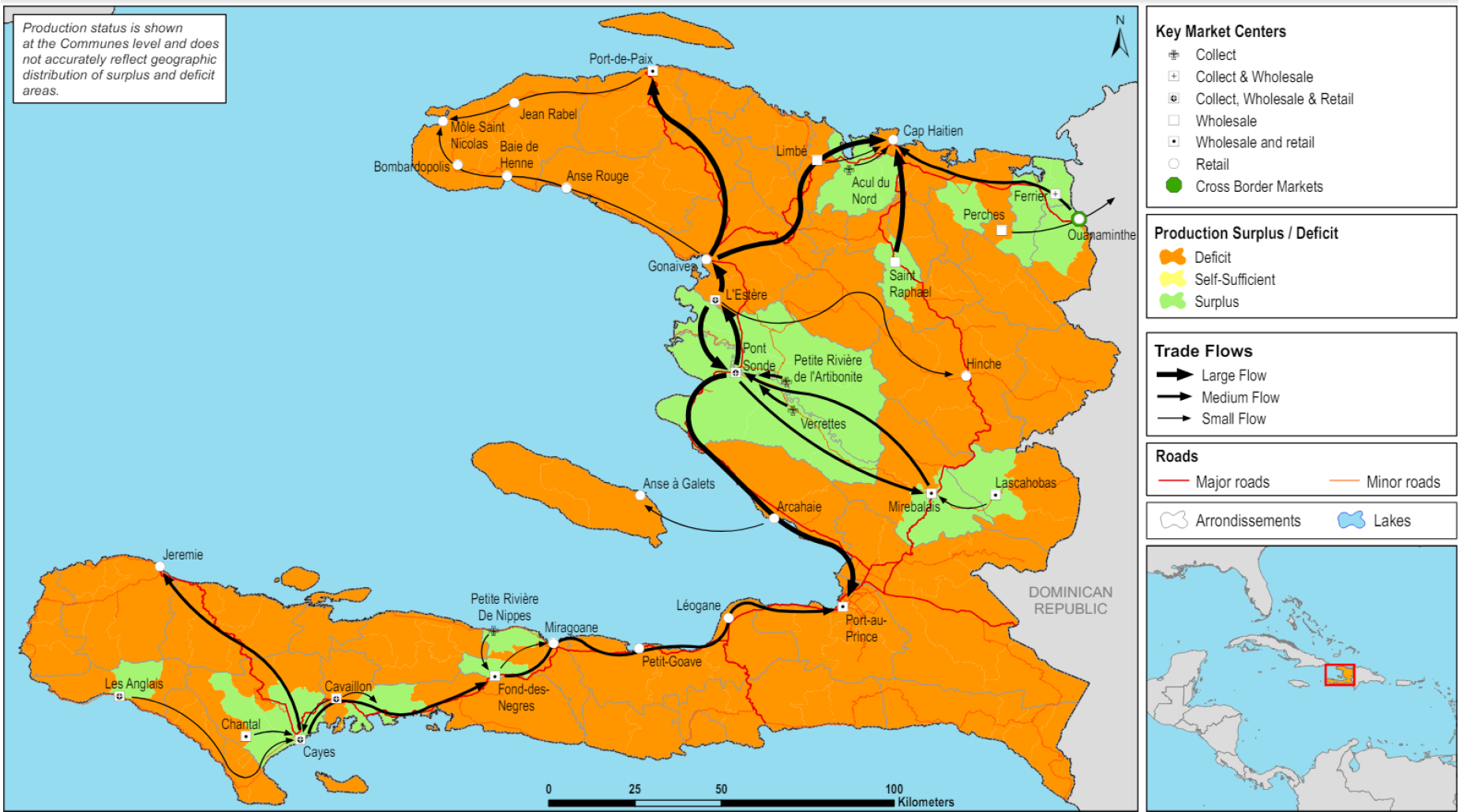 Source:
  Source:
  Source: Own elaboration based on
 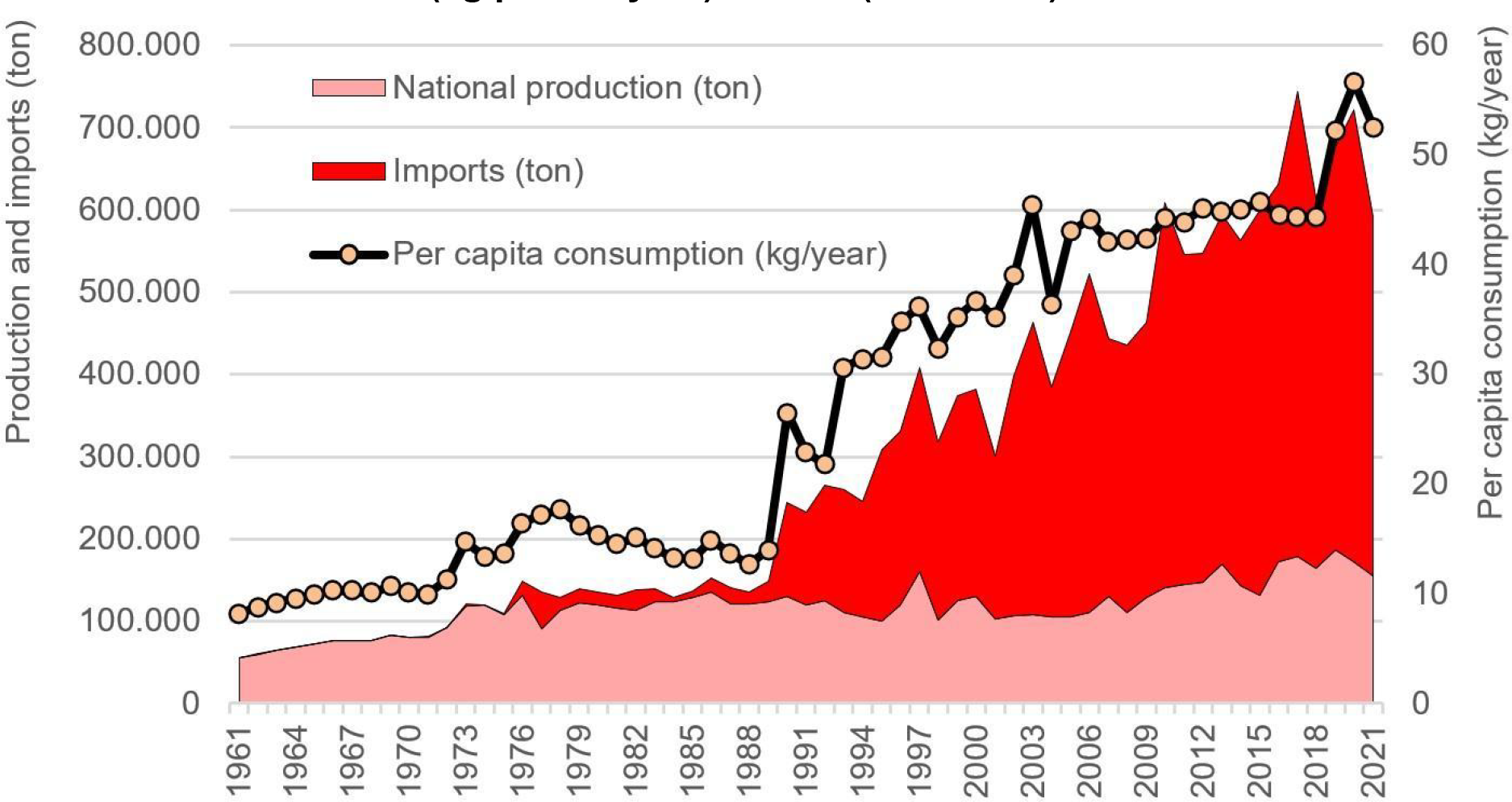 Source: Own elaboration based on
  Source: Own elaboration based on
  Source: Own elaboration based on