
 Geoheritage and Geopreservation: memories, geographic and environmental perceptions about the historical environmental heritage of Guanambi - Bahia
Abstract
The cultural historical heritage of a city needs to be linked to its historical, cultural, artistic and environmental memory, it must be understood as the heritage of a people, which enables man to understand time. With a view to identifying Bahian heritage, the Sec-BA structuring project: Patrimonial and Artistic Education (EPA), developed at Colégio Estadual Governador Luiz Viana Filho, in Guanambi-BA, provided the students involved with the understanding of Geoheritage and Geopreservation of heritage that characterizes the identity of the city of Guanambi. The EPA results contributed to the construction of significant learning in the production of knowledge. The research portrayed monuments of Guanambi's heritage through essential actions: exercise of the right to culture, conservation of historical, artistic and aesthetic values, the formation of a new cultural mentality.
Key words:
Patrimonial and artistic education; patrimony; preservation; geography
Resumo
O patrimônio histórico cultural de uma cidade precisa estar ligado à sua memória histórica, cultural, artística e ambiental, deve ser entendido como herança de um povo, que possibilita ao homem o entendimento do tempo. Com vistas à identificação do patrimônio baiano, o projeto estruturante da Sec-BA: Educação Patrimonial e Artística (EPA), desenvolvido no Colégio Estadual Governador Luiz Viana Filho, em Guanambi-BA, proporcionou aos estudantes envolvidos a compreensão do Geopatrimônio e da Geopreservação dos patrimônios que caracterizam a identidade da cidade de Guanambi. Os resultados do EPA colaboraram com a construção de uma aprendizagem significativa na produção do conhecimento. A pesquisa retratou monumentos do patrimônio de Guanambi através de ações essenciais: exercício do direito à cultura, conservação dos valores históricos, artísticos e estéticos, a formação de uma nova mentalidade cultural.
Palavras-chave:
Educação patrimonial e artística; patrimônio; preservação; geografia
Resumen
El patrimonio histórico cultural de una ciudad debe estar vinculado a su memoria histórica, cultural, artística y ambiental, debe entenderse como patrimonio de un pueblo, que permite al hombre comprender el tiempo. Con el objetivo de identificar el patrimonio bahiano, el proyecto estructurante del Sec-BA: Educación Patrimonial y Artística (EPA), desarrollado en el Colegio Estadual Governador Luiz Viana Filho, en Guanambi-BA, proporcionó a los estudiantes involucrados la comprensión del Geopatrimonio y la Geopreservación del patrimonio. que caracteriza la identidad de la ciudad de Guanambi. Los resultados de la EPA contribuyeron a la construcción de aprendizajes significativos en la producción de conocimiento. La investigación retrató monumentos del patrimonio guanambiano a través de acciones esenciales: ejercicio del derecho a la cultura, conservación de los valores históricos, artísticos y estéticos, formación de una nueva mentalidad cultural.
Palabras clave:
Educación patrimonial y artística; patrimônio; preservación; geografia
Introduction
Geoheritage, a new term that comes from English (geoheritage or geological heritage), defined by Eberhardt, from the 90s, whose meaning corresponds to the set of natural geological-geomorphological elements and their landscape systems. However, Rodrigues (2008) addresses the use of the term Geoheritage to the detriment of the term geological heritage, since geoheritage is made up of the entire set of abiotic natural elements existing on the Earth's surface that must be preserved due to their heritage value. In this sense, it is understood that geoheritage includes geological heritage, geomorphological heritage, hydrological heritage, and is made up of the components of geodiversity.
Geodiversity is the natural variation of geological appearance (rocks, minerals, fossils), geomorphology (form and dynamics of relief) and soil, also considering biotic and abiotic factors” (Araújo, 2005). In this way, geoheritage is recognized as historical records of the processes of interaction and cultural integration of humans with the conditions of the planet's surface.
Due to the need to include the planet's biodiversity wealth in global conservationist discussions and strategies, it also requires its own mechanisms for conserving and disseminating this heritage (geoconservation), so that it can be passed on to future generations as a collective inheritance, due to its scientific-educational, ecological or cultural value.
It is observed that geoconservation is a theme that involves practices aimed at preserving geodiversity, as it relates to the environment. In this sense, Munõz (1988) refers to the expression 'geoconservation' with a specific portion of geodiversity; therefore, geological heritage is:
[…] constituted by cultural georesources, which are non-renewable resources of a cultural nature, which contribute to the recognition and interpretation of the geological processes that shaped Planet Earth and which can be characterized according to their value (scientific, didactic), their usefulness (scientific, pedagogical, museological, tourist) and their relevance (local, regional, national and international). (Munõz, 1988, p. 85).
Considering the incorporation of heritage into different forms of cultural expression, associated with natural heritage, it can be seen that cultural historical heritage is in constant movement, from a construction perspective, through “diversified collective memories and policies of preservation and institutionalization of these national cultural symbols” (Fonseca, 2005, p. 35).
Natural heritage is an important factor and an exchange factor for cultural historical heritage. Fonseca (2009) refers to natural heritage as
a set of assets that belong to different domains, namely the biological (which stands out as the most developed), the geological (which is generally considered undervalued) and the landscape.
[…] natural heritage must be recognized and valued by all and, from this responsibility, rights and duties for citizens must arise. (Fonseca, 2009, p. 18-19).
To this end, geoconservation, that is, the conservation and protection of geoheritage, as well as the sustainable use of this heritage, aims to strengthen the identity of the Brazilian territory through memories: historical, cultural, artistic and environmental.
The historical and cultural heritage of a city needs to be linked to its historical, cultural, artistic and environmental memory, since heritage means inheritance. Thus, cultural heritage should be understood as the inheritance of a people, a set of assets and values that are representative of society.
With regard to legislation, Article 1, paragraph III of Law 7,347/85, cultural heritage encompasses all "assets and rights of artistic, aesthetic, historical, tourist and scenic value". And all cultural assets must be preserved in their entirety, with their essential characteristics.
According to Grunberg (2007), cultural heritage “is all the manifestations and expressions that society and people create” (Grunberg, 2007, 24. p) and that accumulate with previous generations.
However, each generation or social segment highlights this culture, modifies it according to its own needs and makes it a dynamic heritage that will be changed, valued and preserved over time. In this context, it is clear that understanding cultural heritage makes it possible to understand the triad of time: past-presentfuture, through the tripod: education-man-world, which allows man to know himself, others and the world.
Education is a permanent and systematic process of educational learning that, when focused on cultural heritage as the primary source of knowledge, becomes a heritage education. According to Horta (2004),
Heritage education is an instrument of “cultural literacy” that enables individuals to read the world around them, leading them to understand the socio-cultural universe and the historical-temporal trajectory in which they are inserted. This process leads to the reinforcement of the self-esteem of individuals and communities and to the appreciation of Brazilian culture, understood as multiple and plural (Horta, 2004, p. 3).
Based on experience and direct contact with evidence and manifestations of culture, and in its variety of aspects, senses and meanings, the Heritage and Artistic Education (EPA) project is a structuring project of the Bahia State Department of Education, SEC-BA, since 2012. In summary, the EPA, according to SEC-BA (2016), aims to revive debate and increase cultural practices in the fields of history, art, heritage, youth and the democratization of this knowledge and historical spaces, with a view to identifying Bahian heritage, preserving cultural memory and appropriating history and culture. The Heritage and Artistic Education (EPA) project, developed at Colégio Estadual Governador Luiz Viana Filho, in GuanambiBA, in 2022, through Geography classes, provided the students involved with an understanding of Geoheritage and Geopreservation of the numerous heritage sites that characterize the identity of the city of Guanambi, with the aim of encouraging students to research and learn in depth about the history and culture of the city, as well as the origins of the heritage chosen for their research object and present it to the school community at the local, regional and state levels.
Guanambi, a municipality located in the southwest of Bahia (Map 01) with 87,817 inhabitants (IBGE, 2022), has a considerable historical and environmental heritage4 collection, composed of landscape, historical, archaeological and artistic assets, which made it easier for students to choose the different types of heritage.

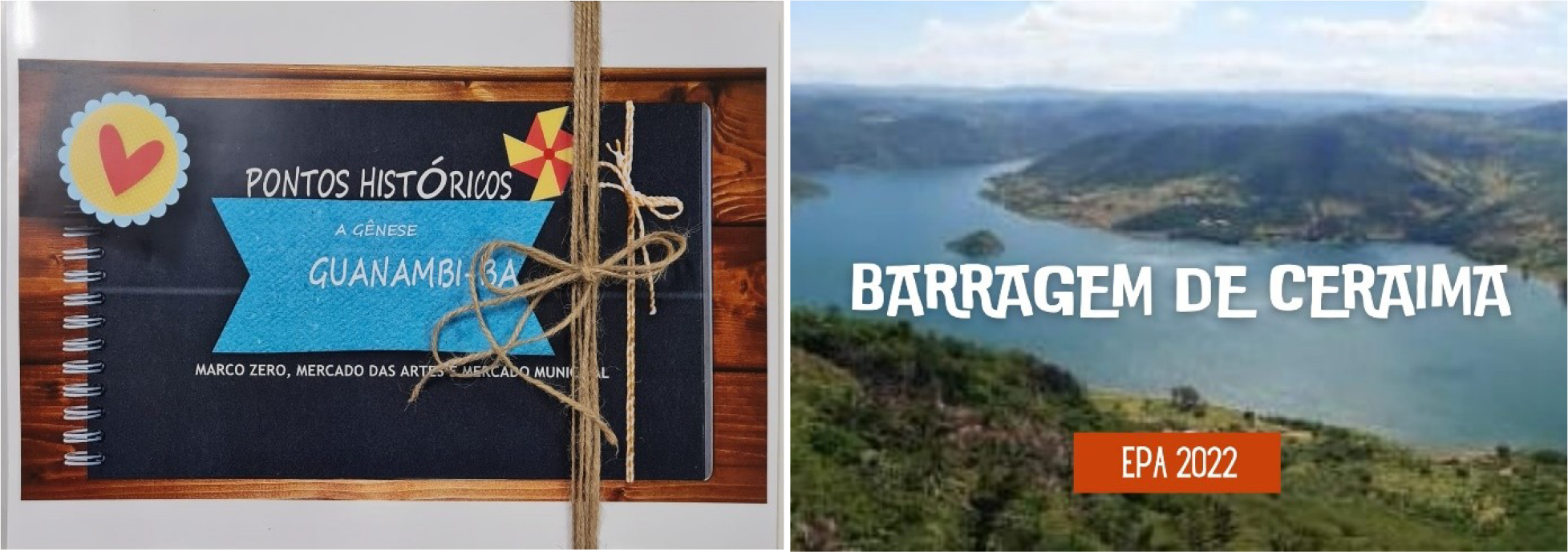
The heritage collections chosen by students from the 1st to 3rd year of high school in the daytime and evening shifts were: Pedra do Índio, the Ceraíma dam, Lajedo Novo, Parque da Cidade and Umbuzeiro, ecological and environmental heritage sites of the city. The historical and cultural heritage collections were a determining factor in the research: Casa do Escritor, Casa do Poço Comprido, Casa de Dona Dedé, Mercado das Artes, Mercado Municipal, the city's Marco Zero monument, Colégio Luiz Viana and Escola Getúlio Vargas, the oldest schools; and the Guanambi Administrative Center.
The intangible heritage also proved to be relevant in the research for the Knowledge Fair, with the Book of Stories and the grandmothers' homemade tea recipes.
Methodology
Guanambi has a considerable historical, cultural and environmental heritage collection, consisting of landscape, historical, archaeological and artistic assets, which made it easier for students to choose the different types of heritage.
The research in the heritage field adopted the following methodological procedures: bibliographic research, prior survey of heritage, analysis of documents and photographs, systematic observation followed by photographic records, on-site visits, interviews, preparation and construction of the results.
Under the guidance of the geography teacher, the students created albums (in a free format, using the creativity and originality of each team) with diagnostic records of the photographic views of the research collected in the field (maximum 10 pages with images and texts, totaling 20 pages). The research experiences culminated in the exhibition of the albums at the school for appreciation by the public and evaluators, since the works were produced for a competition among students from state schools in Bahia, in which the competition must first be local and then regional and state competitions.
Results and discussions
Historical heritage is a complex issue, since its diversity is often not proportional to the speed of social interests, and according to Kotherapud Paião 2010, as long as there is no perception that the appreciation of culture “can and should become an instrument of development, a transformative agent, generating concrete results in our economy, we will still have many difficulties in preserving our heritage” (Kother apud Paião 2010).
And to this end, the “participation and action of civil society is essential in this process”, as it balances the forces at the time of a preservation decision, since real estate speculation does not limit its actions nor respect a material and aesthetic value, which “preserves within itself elements of the history of the place and its population”. In view of this perspective, the development of the Heritage and Artistic Education structuring project of SEC - BA, based on the analysis of Guanambi’s cultural heritage and encouraging students to preserve it, allowed for the knowledge and appreciation of the historical and artistic heritage of cultural manifestations and also enabled an “active process of knowledge, appropriation and appreciation of their cultural heritage, enabling them to better enjoy these assets, and enabling the generation and production of new knowledge” (Bahia, 2016) in a continuous process of meaningful learning and cultural creation.
Based on article 216 of the Federal Constitution, the following constitute Brazilian cultural heritage:
material and immaterial assets, taken individually or as a whole, that represent the identity, action and memory of the different groups that make up Brazilian society, including:
I - forms of expression;
I - forms of expression;
II - ways of creating, doing and living;
III - scientific, artistic and technological creations;
IV - works, objects, documents, buildings and other spaces intended for artistic and cultural expressions;
V - urban complexes and sites of historical, scenic, artistic, archaeological, paleontological, ecological and scientific value. (Brazil, Federal Constitution, Art. 216)
Considering the discussions held in the classroom about the right to public heritage as a legacy for all generations, and the appreciation of nature as a monument of cultural heritage, the students, divided into teams, chose the heritage sites, considering the environmental heritage sites: Pedra do Índio and Lajedo Novo, and the historical heritage sites: Casa do Escritor, Colégio Luiz Viana and the Administrative Center.
According to the official documents of the municipality: the Organic Law of the Municipality, the Master Plan and the Environmental Defense Code, it is the responsibility of the municipality to protect the environmental heritage: flora, fauna, resources and natural beauty, as well as the preservation of the historical and cultural heritage of the areas of the archaeological sites (Pedra do Índio, Pedra do Cogumelo, Pedra do Leão and Leocádia).
According to Castro (2010), Pedra do Índio is part of the municipality's permanent cultural heritage, therefore, the research shows that Pedra do Índio (panel 1) is an ecological, environmental and historical heritage of the city, as it is considered an archaeological site due to its rock paintings.

The Toca do Índio, as it is also known, is located approximately 5 km from the city, “it was once an important home for the Indians who inhabited the region” and “its oval rock formation reveals a crack supported by many stone blocks on whose roof there are numerous cave drawings” (Ariel, 1999, p. 83). In photo C, you can see cave drawings, which were seen and recorded during the research by the team responsible for this heritage, who reported:
The largest stone is supported by several smaller stones. It looks like the top of an Indian den, hence its name. The stone has many cave paintings, probably made with red earth. The drawings give the impression of people and animals. They are simple, but they arouse a lot of curiosity about the place. Going to the stone was a challenge, something we had never experienced before. It was a great experience. We gained historical knowledge through the chosen heritage object and were surprised, because the meanings go beyond the material and aesthetic value, preserving elements of the history of the place and its population. (Team Report. Field Research, 2022).
Direct contact with the heritage encouraged the students to produce the album, with assessment indicators in accordance with the rules, although the discoveries and impacts of reality went beyond the objective of the heritage adventure, presenting solutions to the problems identified in the heritage. Therefore, heritage, as Candau (2002, p. 90) emphasizes, can also be considered a product of the work of memory that, over time and according to some very variable criteria, selects certain elements inherited from the past to include them in the category of heritage objects. Another natural heritage site questioned by the students was Lajedo Novo (Figure 2), a rock formation located in the central part of the city between the neighborhoods of Santo André, Marabá and Santa Luzia, which “was once a natural water reservoir that served the population for a long time” (Ariel, 1999, p. 84), in the distant past. Today it is an area of historical, cultural and environmental preservation.

A cauldron, as it was called in the past, can be seen, which should be valued as heritage, however it is neglected by the government in relation to its historical and environmental importance, as well as by the population surrounding the lajedo that no longer uses its waters to meet their daily needs, since the neighborhoods currently have a complete urban structure.
However, this inselberg portrays, according to Pelegrini (2006), how “the relationships between nature and culture have been manifested in the conceptions of heritage and guided specific actions in the sphere of rehabilitation of historical centers and in the scope of heritage and environmental education”, however these actions should be taken by society as instruments for the construction of citizenship and sustainable development. In this context, Borba (2011) emphasizes that
It is necessary to break with old conceptions about the concept of the environment, which is something that goes far beyond its simple natural aspect. Only in this way will we be able to protect it in its entirety, ensuring that assets of cultural value, which are also essential to the healthy quality of life of all of us, can be enjoyed by present and future generations. (Borba, 2011. p. 38)
It can be seen, in this understanding, that the notion of environment is very broad, encompassing all natural and cultural assets, although it is influenced by the culture of the people who build them. Therefore, this conception becomes a cultural product, the result of a process of consolidation of the action of human activity on the environment. This process was built over time and is loaded with symbolic references of importance in the history of society, since they are related to the identity of the place.
The spatial articulation between cultural assets, buildings and cultural manifestations forms the historical heritage of a city, and constitutes the image of belonging and identity of that city through the lived space.
The historical reference of Guanambi's heritage for the EPA (panel 3) consisted of reference icons for the research students: Writer's House, Poço Comprido House, Dona Dedé's House, Arts Market, Santo Antônio Parish, Municipal Market, the city's Marco Zero monument, Luiz Viana College and Getúlio Vargas School, the oldest schools; and Guanambi Administrative Center.

Regarding the Casa do Escritor (photo 1), a memorial to the writer and former mayor of Guanambi: Teixeirinha (Domingos Antonio Teixeira), it was built in 1930 and from 2006 onwards it became a private museum, organized and systematized with its own internal regulations, open to the public.
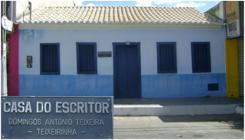
The museum is located in Praça Gercino Coelho, in the city center, and contains a historical architectural, documentary and artistic memorial about Teixeirinha's life and work, allowing visitors to go back in time and relive memories of the old Vila do Beija-Flor, the origin of Guanambi. With this in mind, the group dedicated themselves to creating an album, which is structured around a model of the house, containing biographical information about the writer's life and a photographic record of old objects belonging to Teixeirinha.
It is clear that the museum keeps the writer's memory alive through his family and, according to Nora (1993), memory is life, always carried by living groups and, in this sense,
It is in permanent evolution, open to the dialectic of remembrance and forgetfulness, unconscious of its successive deformations, vulnerable to all uses and manipulations, susceptible to long latencies and sudden revitalizations. History is the always problematic and incomplete reconstruction of what no longer exists. Memory is an ever-present phenomenon, a link lived in the eternal present: history, a representation of the past. (Nora, 1993, p. 9).
In agreement with Nora, Carsalade apud Paião 2010, makes a correlation between memory and history when he states that “heritage is responsible for the historical continuity of a people, of their cultural identity. In addition, it creates unique personalities for each city and favors the orientation and understanding of urban space” (Carsalade, apud Paião, 2010).
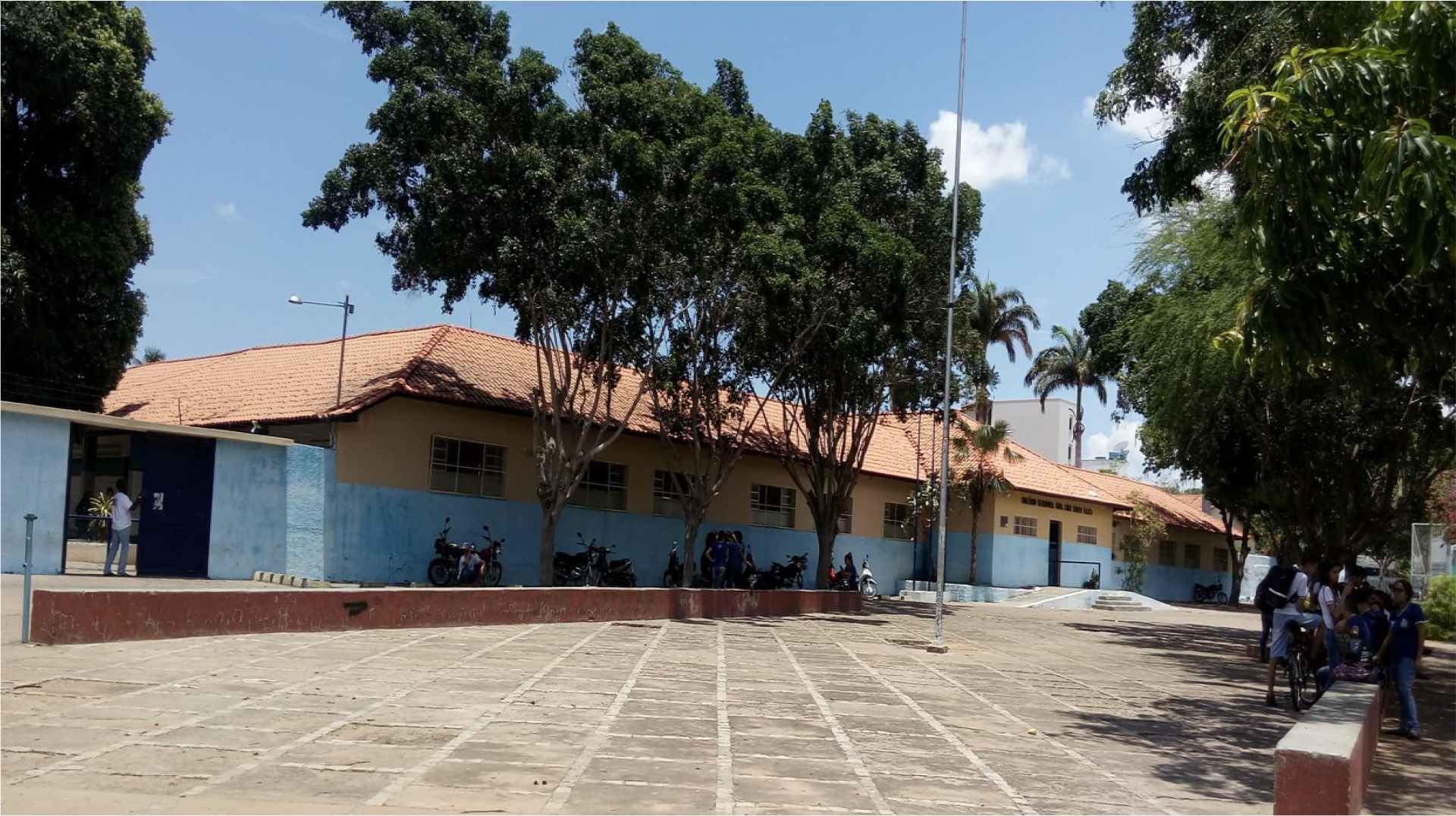
In view of the role of Guanambi's memory, in another group, the students listed the Colégio Estadual Governador Luiz Viana Filho as a reference of Guanambi's historical heritage. The city's first junior high school, founded in 1954, was called "Ginásio de Guanambi". In 1957, another one was created, the “Escola Normal São Lucas”, inaugurated in 1957, but both were private. In 1970, with the merger of these two educational establishments, the current Colégio Estadual Governador Luiz Viana Filho emerged, inaugurated during the administration of the governor of Bahia, Luiz Viana Filho (photo 2).

Halbwachs (1990, p. 27-52) states that “each individual memory is a point of view on collective memory, that this point of view changes according to the place I occupy there, and that this place itself changes according to the relationships I maintain with other media”.
The discovery of the school's history through the individual memories of each interviewee (older employees) and the collection of images, the research yielded significant work, with a collection of information that motivated the team to create the album in the shape of the school's shield, in order to show other students the social relevance of the school in the community.
For Reis (2012), the appreciation of heritage occurs according to the degree of importance it has for each person's life, “the feeling of joy and pride demonstrates the real value attributed to heritage, the strong emotional bond and the feeling of belonging to the place” (Reis, 2012, p.45).
The Administrative Center (photo 3) is a new reference for Guanambi's public heritage, having been inaugurated on May 11, 1986, and is located in Henrique Pereira Donato Square, downtown.
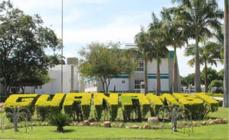
With regard to the geoconservation of heritage, the research found that environmental heritage is invaded, used and abused by society through acts that are not in keeping with the place (as observed by the teams). To this end, it is necessary to raise awareness and educate about heritage, with a commitment to future generations, since the devastation of heritage represents the loss of history and identity, and its conservation represents the materialization of history and collective cultural identity.
As Meira apud Paião 2010 states, “[...] it does not depend only on the government, but also on society”, because they promote debates and enhance preservation and restoration actions. However, the destruction of historical heritage means not only the loss of identity, but also of citizenship and belonging to places and community groups. Carsalade apud Paião 2010 focuses on the destruction of heritage as a drama of contemporary culture, as the accumulation and destruction of artistic assets affect consciousness and identity, ethics and aesthetics, feelings and the meaning of one's life.
Intangible heritage also proved to be relevant in the research for the Knowledge Fair, with the Book of Stories and the Grandmothers' Homemade Tea Recipes.
Final considerations
It is observed that the results of the EPA contributed to the construction of significant learning in the production of knowledge, since the research portrayed monuments of Guanambi's historical and cultural heritage through essential actions for the exercise of the right to culture, for the conservation of historical, artistic and aesthetic values, and the formation of a new cultural mentality. In this context, Le Goff (1997) emphasizes the importance of memory, to revive the past or to ensure that it is not forgotten. Thus, it is an essential element, for preparing man to update past impressions and information, making history eternal in the human conscience through the feeling of belonging and individual and collective identity, for human liberation. Therefore, the results highlight the social relevance of the historical and environmental heritage studied, since they are of such importance for the identity of Guanambi and its people. Although there is well-founded legislation for the defense and conservation of heritage, there are still many challenges and this is reflected in the construction of people as citizens, since everyone has rights to public heritage. It is worth considering awareness-raising movements so that people are aware of the importance of local monuments that were and are part of the city's history.
As with public policies, their effective applicability and monitoring, through the fencing off of environmental areas, will ensure that they are not invaded, since preserving a city's historical and cultural heritage or geoheritage means storing the marks of its history over time and, thus, ensuring the prospect of forming/building collective cultural identity and diversity.
References
- ARAUJO, Eugénia (2005) - Geoturismo: Conceptualização, Implementação e Exemplo de Aplicação ao Vale do Rio Douro no Sector Porto-Pinhão Dissertação de Mestrado, Escola de Ciências, Universidade doMinho, 213 p.
- ARIEL, Claúdio. [et all]. Guanambi: nossa terra, nossa gente, nosso orgulho Prefeitura Municipal de Guanambi: Gráfica Giordani,1999.
- BAHIA. Governo do Estado; SUPED - Superintendência de Políticas para a Educação Básica. Síntese EPA-2016, Estado da Bahia. Salvador: SUPED, 2016, 6p.
- BORBA, André weissheimer. Geodiversidade e geopatrimômio como bases para estratégias de conservação: conceitos, abordagens, métodos de avaliação e aplicabilidade no contexto do Estado do Rio Grande do Sul. Pesquisas em Geociências Instituto de Geociências, UFRS. Porto Alegre, RS, 2011.
- BRASIL. Constituição (1988). Constituição da República Federativa do Brasil. Brasília, DF: Senado Federal: Centro Gráfico, 1988. 292 p.
- BRASIL. Lei 7.347, de 24.07.85 Lei da Ação Civil Pública
- CANDAU, Joël. Antropologia de la memoria. Buenos Aires, Nueva Visión, 2002.
- CASTRO, Jane M. L.Bacias hidrográficas de Guanambi: uso, ocupação e conservação. Exlibris, 2010.
- FONSECA, Maria Helena (2009) - Estabelecimento de critérios e parâmetros para a valoração do património geológico português. Aplicação prática ao património geológico do Parque Natural de Sintra-Cascais. Dissertação de Mestrado. Faculdade de Ciências e Tecnologia da Universidade Nova de Lisboa, 166 p.
- FONSECA, Maria Cecília Londres. O Patrimônio em processo - Trajetória da política federal de preservação no Brasil. Rio de Janeiro: Editora UFRJ; MinC- IPHAN, 2005.
- GRUNBERG, Evelina. Manual de atividades práticas de Educação Patrimonial Brasília, DF: IPHAN, 2007.
- GUANAMBI. Plano Diretor Participativo de Guanambi Guanambi, 2009.
- GUANAMBI. Lei n.º 034/01. Código de Defesa do Meio Ambiente Guanambi, 2001.
- HALBWACHS, Maurice. A Memória coletiva. São Paulo: Vértice Editora, 1990.
- HORTA, M. L. P; GRUNBERG, Evelina; MONTEIRO, Adriane Q. Guia Básico da Educação Patrimonial Museu Imperial / IPHAN - MINC, Brasília, 1999.
-
IBGE (Instituto Brasileiro de Geografia e Estatística) Censo demográfico 2022 Disponível em:http://www.ibge.gov.br/home/ Acesso janeiro de 2024.
» http://www.ibge.gov.br/home/ -
IPHAN (Instituto do Patrimônio Histórico Artistico Nacional) Disponível em: http://portal.iphan.gov.br/pagina/detalhes/276 Acesso entreabril de 2017 a janeiro de 2018.
» http://portal.iphan.gov.br/pagina/detalhes/276 - LE GOFF, Jacques. Patrimônio histórico, cidadania e identidade cultural: o direito à memória. In: BITTENCOURT, Circe (Org.) O saber histórico na sala de aula São Paulo: Contexto, 1997. p.139 e 138.
- MUÑOZ, E. Georrecursos culturales. Geologia Ambiental. ITGE, Madrid, 1988.
- NORA, Pierre. Entre memória e história: a problemática dos lugares. Projeto história, São Paulo, n.10, 1993.
-
PAIAO, Cristiane. Patrimônio histórico: uma questão de cidadania.Disponível em: http://www.dicyt.com/noticia/patrimonio-historico-uma-questao-de-cidadania.Campinas, 05 de nov. de 2010. Acesso em 18 de abril de 2017.
» http://www.dicyt.com/noticia/patrimonio-historico-uma-questao-de-cidadania.Campinas -
PELEGRINI, Sandra C. A. Cultura e natureza: os desafios das práticas preservacionistas na esfera do patrimônio cultural e ambiental. Dispnível em: http://www.scielo.br/scielo.php?script=sci_arttext&pid=S0102-01882006000100007.Rev Bras. Hist. vol. 26 n.51. São Paulo, Jan./Jun 2006. Acesso em 26.01.2018.
» http://www.scielo.br/scielo.php?script=sci_arttext&pid=S0102-01882006000100007.Rev - REIS, Aline da Silva. Patrimônio histórico, cultural e ambiental de Palmas de Monte Alto: um olhar sob a luz das representações sociais. In: SILVA, Joaquim P. Territórios e ambientes da serra de Monte Alto Vitória da Conquista: Edições UESB, 2012.
-
RODRIGUES, Maria Luísa. FONSECA, André. A valorização do geopatrimónio no desenvolvimentosustentável de áreas rurais. Anais VII CIER - Cultura, Inovação e Território, Coimbra, Portugal, out. 2008. Disponivel: http://sper.pt/oldsite/actas7cier/PFD/Tema%20II/2_14.pdf Acessoem 16 de janeiro de 2018.
» http://sper.pt/oldsite/actas7cier/PFD/Tema%20II/2_14.pdf
-
Editor by:
Altemar A. Rocha


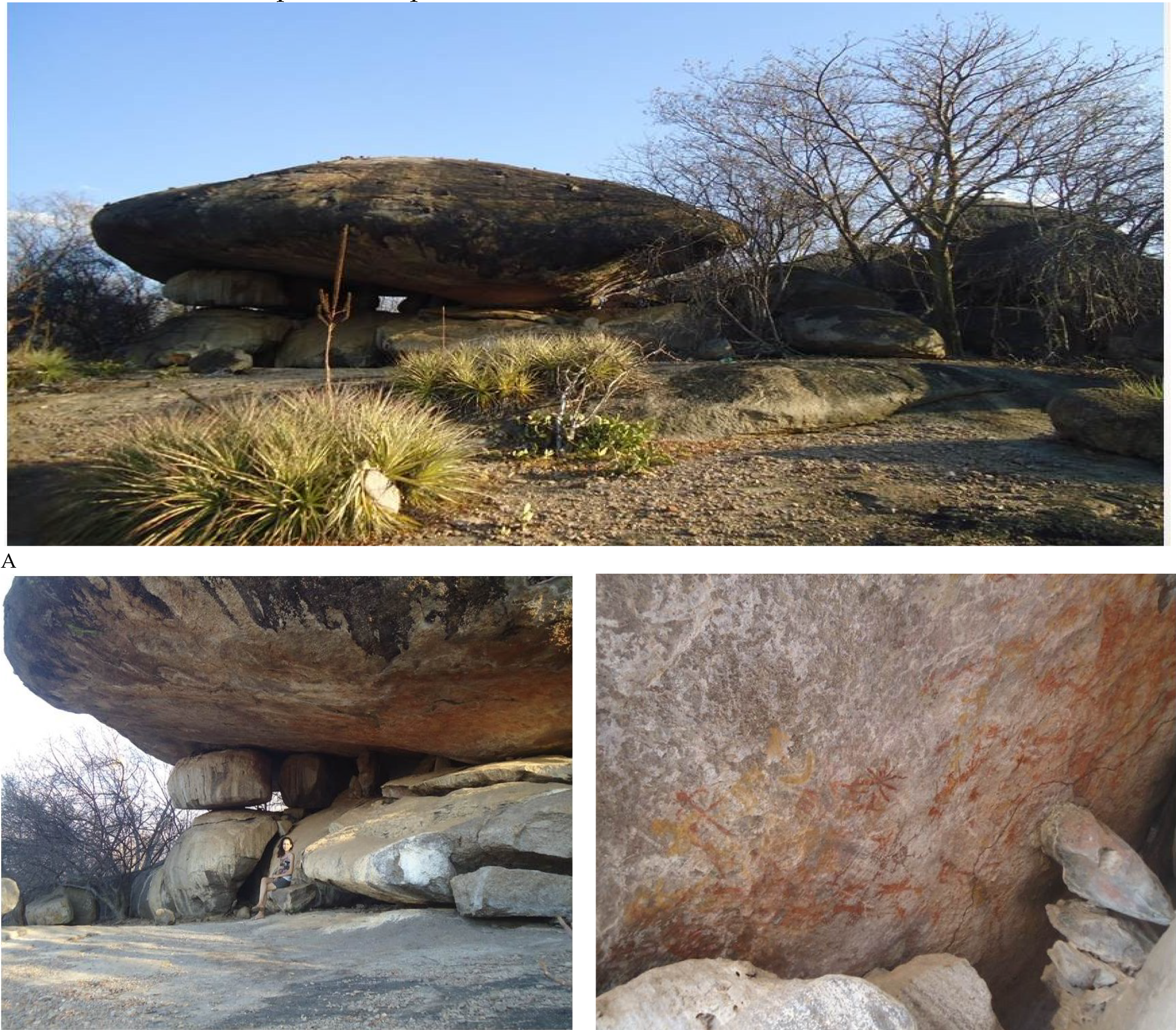 Source: Field research, 2022. Photos A, B and C. Fabrícia Souza, August 2022.
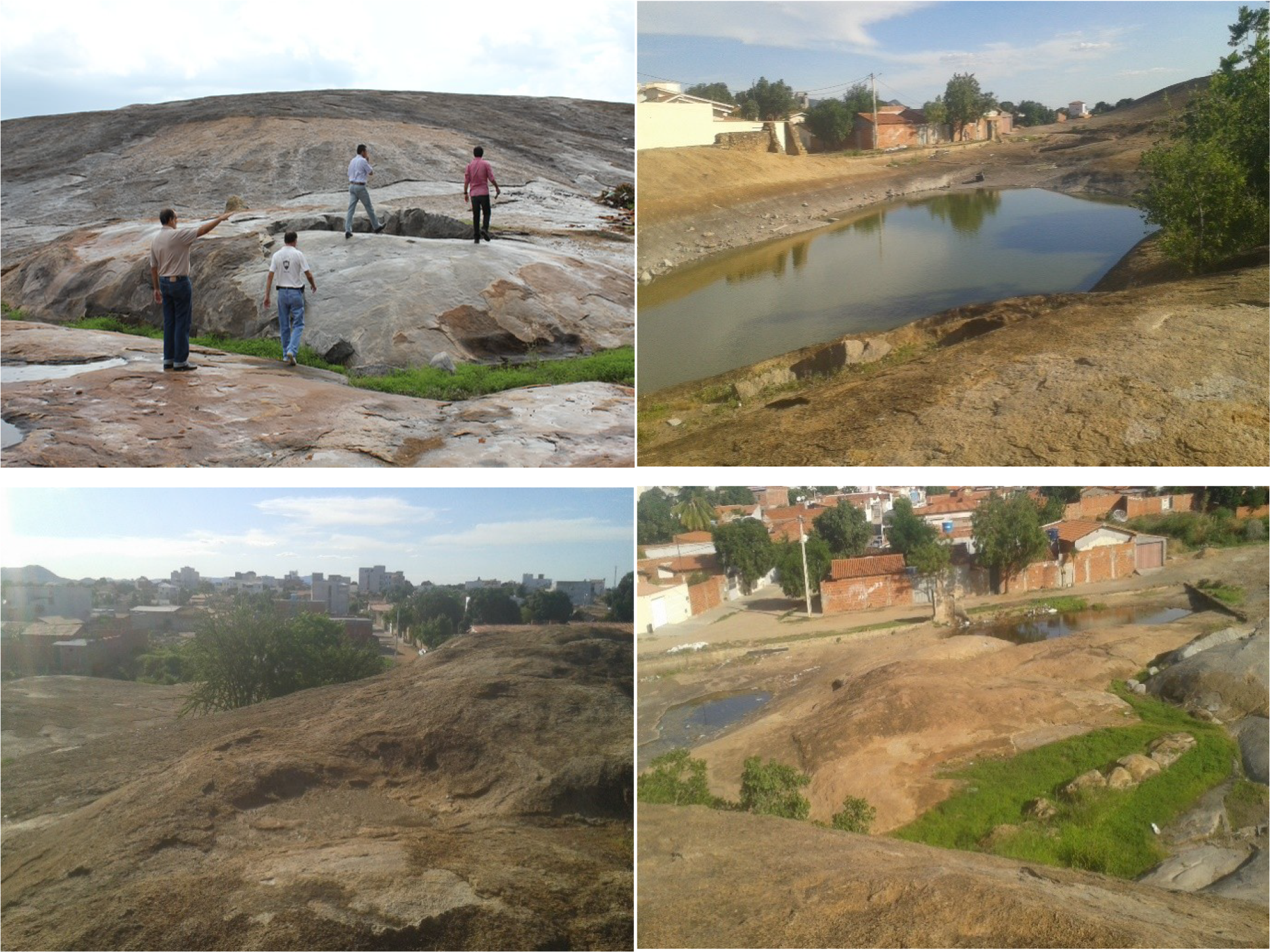 Source: Photo A.
  Source: Gonçalves, September 2022.
 Source: Oliveira, 2020. Source:
  Source: Field Research, 2020. Igor Cruz, July 2022.
 Source: Field Research, 2020. Gabriel Oliveira, August 2022.