
 Institutional arrangements for the development of sustainable communities: An analysis of the implementation of the Bailique Community Protocol
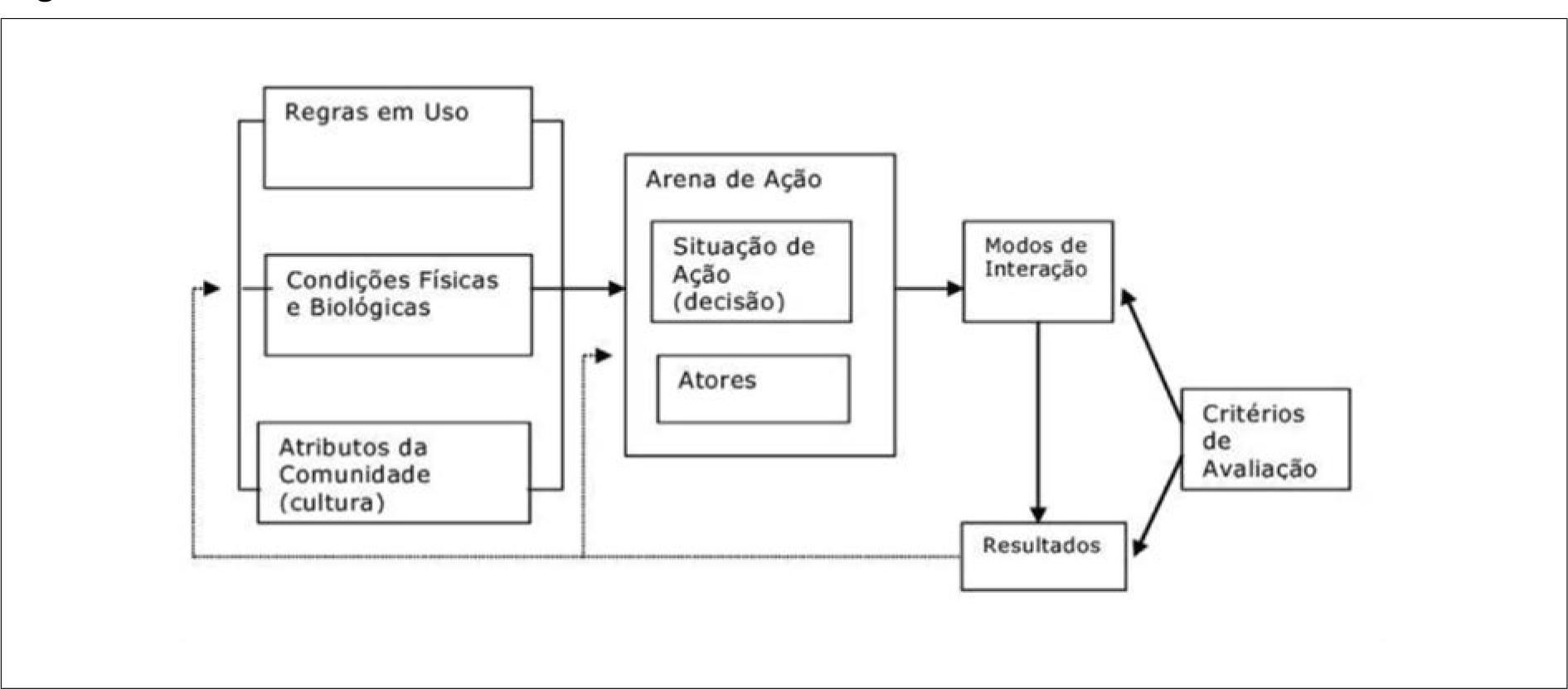
This article analyzes the effects of an institutional arrangement developed by non-state actors, based on the Institutional Analyses for Development (IAD) Framework. The study compares the implementation of the Bailique Community Protocol in three riverside communities in the Bailique Archipelago, located in the Amazon Delta, Brazil. Through exploratory qualitative research, 32 semi-structured interviews were conducted with local actors selected using the snowball sampling method. The analysis employed Directed Content Analysis, focusing on two attributes from the IAD Framework: rules and community attributes. The findings reveal limited local actors’ understanding of the institutional arrangement, although observed practices partially align with the protocol. This discrepancy reflects a communication gap between the issues identified by the protocol and those perceived by local actors. The article proposes the public action approach as a metatheoretical key to discussing institutional arrangements for sustainable development in future research.
Keywords:
institutional arrangements; Institutional Analysis and Development Framework; public action; Agenda 2030; Bailique Archipelago
 Thumbnail
 Nota:
Nota: