
 TYPOLOGY OF THE HOMELESS POPULATION IN THE MUNICIPALITY OF SÃO PAULO
ABSTRACT
This article analyzes the heterogeneity of the homeless population using data from 2021 Census conducted by the Municipality of São Paulo, Brazil. Through principal component analysis and k-means clustering, two distinct profiles are identified: a majority group (87%) with a predominantly transitional trajectory, assisted with job loss and fragile support networks; and a minority group (13%) characterized by chronic homelessness, marked by longer periods living on the streets, intensive substance use, and history of institutionalization. The proposed typology highlights the need for differentiated public policies to mitigate the risk of chronic homelessness and effectively address diverse trajectories of social exclusion.
Keywords:
homeless population; cluster analysis; public policy; social exclusion; São Paulo.
RESUMO
Este artigo analisa a heterogeneidade da população em situação de rua a partir da base do Censo de 2021 realizado pela Prefeitura de São Paulo. Por meio de análise de componentes principais e agrupamento por k-means, identificam-se dois perfis distintos: um grupo majoritário (87%) com trajetória predominantemente transitória associada à perda de emprego e fragilidade de redes de apoio; e um grupo minoritário (13%) com características crônicas, marcadas por maior tempo na rua, uso intensivo de substâncias e histórico institucional. A tipologia proposta destaca a necessidade de políticas públicas diferenciadas, voltadas à mitigação de riscos de cronificação e ao acolhimento efetivo das diferentes trajetórias de exclusão social.
Palavras-chave:
população em situação de rua; análise de clusters; políticas públicas; exclusão social; São Paulo.
RESUMEN
Este artículo analiza la heterogeneidad de la población en situación de calle a partir del Censo de 2021 realizado por el Ayuntamiento de São Paulo. A través de un análisis de componentes principales y agrupamiento por k-means, se identifican dos perfiles distintos: un grupo mayoritario (87%) con trayectoria predominantemente transitoria, asociada a la pérdida de empleo y redes de apoyo frágiles; y un grupo minoritario (13%) con características crónicas, marcado por mayor permanencia en la calle, uso intensivo de sustancias y antecedentes institucionales. La tipología propuesta subraya la necesidad de políticas públicas diferenciadas que respondan a los distintos caminos de exclusión social y eviten la cronificación.
Palabras clave:
población en situación de calle; análisis de conglomerados; políticas públicas; exclusión social; São Paulo.
INTRODUCTION
The increased number of homeless people in Brazilian cities has spurred academic debates, civil society initiatives, and public interventions. The visibility of this issue contrasts with the social invisibility of this population, which is often perceived as homogeneous and detached from its citizenship rights. However, there is an increasing demand for approaches that acknowledge its heterogeneity, historicity, and links to contemporary urban transformations.
Unlike other forms of vulnerability that are more pronounced in the Global South, homelessness is also observed in most countries of the Global North. It is a phenomenon typical of large cities, especially in their central areas.
The fact that homelessness is observed across countries with different income levels suggests that its determinants are not solely economic. As a phenomenon of a complex nature, there are multiple reasons that may lead an individual to experience homelessness. These motivations may be structural (for example, an insufficient housing supply or income recession cycles) or individual (such as childhood or adulthood trauma, or addiction to legal or illegal drugs).
The heterogeneity perceived in the trajectories that lead individuals to homelessness is reflected in the experiences lived on the streets. While some individuals remain homeless for long periods and recurrently, others experience homelessness temporarily and have a higher likelihood of exiting in the short term. Different perceptions of the street experience can also be observed among individuals.
Given the diversity of profiles, adopting a single “one-size-fits-all” public policy model is inadequate. The literature indicates that certain solutions yield better results depending on the specific group. For example, Housing First programs-under which permanent housing is provided in association with social services, but without conditioning access to housing on adherence to those services-have demonstrated positive impacts for all beneficiaries, but particularly for individuals experiencing long-term homelessness and those with more severe mental disorders (Aubry et al., 2015).
Given the observed connection between the effectiveness of public policy and the profile of the homeless population, several authors have devoted themselves to creating typologies for this population. The most common method in the literature seeks to define clusters (Benjaminsen & Andrade, 2015; Grigsby et al., 1990; Kuhn & Culhane, 1998; Morse et al., 1992; Muñoz et al., 2005; Solarz & Bogat, 1990; Waldron et al., 2019, among others).
In Brazil, although the homeless population has drawn increasing attention from public administrators in recent years, there remains a gap regarding in-depth studies aimed at identifying distinct profiles. This gap partly reflects the lack of national-level data on the homeless population, given the intrinsic difficulty of conducting surveys among individuals without fixed residences. Based on the premise that different profiles require differentiated responses, this article contributes to both the literature and public policy by conducting a clustering and profile analysis of the homeless population in São Paulo, one of the few municipalities that have undertaken a census of this population.
Given the differences between the reality of this population in Brazil and that of other countries-stemming from distinct social contexts and social protection policies-the application of this method to local data and the identification of the groups that compose this population constitute a contribution to public policy related to homelessness. In addition to highlighting the need for different approaches for distinct groups, there is much to be learned from the relationships among them. We show that most of the homeless population can be classified as “temporary,” in contrast to the “chronic” group, and that there is an intrinsic relationship between them. We explore this relationship to conceptually discuss the most appropriate direction for public policy, given the stigma surrounding this issue. To the best of our knowledge, this is the first study in Brazil to conduct a cluster analysis to group profiles of the homeless population and to discuss the implications for public policy.
The text is structured into five sections in addition to this introduction. First, we review the theoretical debate on homelessness, focusing on the identification of groups, highlighting the national literature. The Methodology section presents the methodological procedures and data sources. The Results section provides an empirical analysis of the homeless population in the city of São Paulo, defining the groups. The Implications for Public Policy section discusses the main guidelines and gaps in public policies for this population, based on the identified profiles, and advances a proposed typology that may support more effective policies. Finally, the Final Considerations highlight the challenges and possible paths for an urban policy agenda that fully recognizes the rights of this population.
THEORETICAL FRAMEWORK
Homelessness is a complex phenomenon resulting from the interaction of structural, economic, social, and individual factors. The specialized literature seeks to understand both the causes and the profiles of this population to provide a foundation for more effective public policies. This section is divided into two parts: the first discusses the main factors that lead individuals to homelessness; the second explores typological proposals that are useful for designing more effective interventions.
What leads an individual to homelessness?
The literature classifies the causes of homelessness into structural factors and individual vulnerabilities. Structural factors are external to the individual and include a dysfunctional housing market, economic crises, demographic transformations, policy changes, and epidemics like crack cocaine use (Blau, 1992; Jencks, 1994). Individual factors refer to personal trajectories and conditions, such as mental disorders, substance abuse, domestic violence, and the absence of support networks (Bach et al., 2019).
In metropolitan regions, there are higher rates of homelessness as these areas have elevated rents and housing supply is limited (Lee & Farrell, 2003; Quigley et al., 2001; Shinn & Khadduri, 2020). This reinforces the hypothesis that lack of access to housing is one of the structural causes of homelessness. Access to housing depends on both costs and income. Income levels below a certain threshold render any form of private housing inaccessible. Carliner and Marya (2016) confirm this relationship across 12 countries in Europe and North America.
Economic recession cycles influence the incidence of homelessness by reducing job availability and exacerbating personal vulnerabilities (Crane et al., 2005; Koegel et al., 1996). As a result, it is difficult to clearly separate structural from individual causes.
Housing policies that ensure long-term subsidized rental assistance are more effective in preventing a return to homelessness than the mere provision of shelters (Bassuk & Geller, 2006; Fertig & Reingold, 2008; Gubits et al., 2018). Shinn and Khadduri (2020) conclude that stable housing contributes to well-being, self-sufficiency, and the preservation of family ties.
The trajectories of many homeless individuals reveal the presence of childhood trauma, such as neglect, abuse, poverty, housing instability, and early use of alcohol and other drugs (Bassuk et al., 2001; Koegel et al., 1995; Tyler, 2006; Yoder et al., 2001). Additional risk factors in adulthood include mental disorders, substance dependence, lack of support networks, and domestic violence (Jasinski et al., 2010).
Formerly incarcerated individuals and those discharged from mental health institutions face heightened risk due to the absence of reintegration support and stigma in accessing employment and housing markets (Roman & Travis, 2006). Discrimination further affects members of other vulnerable groups, such as racial minorities, people with disabilities, LGBTQIA+ individuals, among others (Shinn & Khadduri, 2020).
In summary, homelessness results from both structural inequalities (macroeconomic, demographic, social, and public policy-related) and individual vulnerabilities, which may either create or intensify risk.
Typologies of the homeless population
The literature proposes typologies to guide more effective public policies. Differences in profiles-regarding causes, trajectories, and needs-require tailored responses, since a “one-size-fits-all” policy tends to be ineffective.
In practice, there is no single established criterion for sorting individuals into groups. Solarz and Bogat (1990) sought to establish the relationship between lack of social support and homelessness. They used variables related to the presence of social support, psychiatric history, criminal background, and past/current housing situation. Grigsby et al. (1990) employed variables such as total duration of homelessness, level of individual autonomy, and the breadth of support networks. Morse et al. (1992) formed clusters based on variables measuring need for support, psychopathologies, alcoholism, level of social support, and economic and health status. Other studies focused on specific subgroups: Mowbray et al. (1993) examined individuals with mental disorders, while Humphreys and Rosenheck (1995) analyzed war veterans. Both identified substantial heterogeneity even within these specific segments.
The study by Kuhn and Culhane (1998) is a seminal reference in the field. Using data from New York City and Philadelphia, the authors classified the homeless population into three groups: transitional, episodic, and chronic:
The main characteristic of the episodic group is related to mental health challenges, whereas the defining feature of the chronic group is unemployment. This group tends to be composed of older individuals with higher levels of substance abuse. Nevertheless, mental health problems are also found within the chronic group, as are unemployment issues within the episodic group.
The key distinction between the episodic and chronic groups lies in their patterns of shelter use. For the episodic group, many periods spent outside shelters may occur in hospitals, prisons, detoxification centers, or on the streets, with sporadic returns to shelters (Kuhn & Culhane, 1998). In contrast, the chronic group is characterized by prolonged stays in shelters. It is predominantly composed of older individuals with disabilities and substance abuse problems.
The data indicate that 80% of shelter users fell into the transitional group; the chronic group accounted for 10% of those entering shelters in a given year (flow), although it represented half of all individuals in shelters (stock) on any given day (Kuhn & Culhane, 1998). This difference is precisely due to the relationship between the groups: the chronic group makes more intensive use of shelters and remains in them for longer periods.
Benjaminsen and Andrade (2015) identified similar patterns in Denmark, but with a higher prevalence of mental health problems. This suggests that in countries with more robust social protection systems, homelessness tends to affect more vulnerable groups, whereas in countries such as the United States, generalized poverty plays a more decisive role. Waldron et al. (2019) found comparable results in Dublin. In Madrid, Muñoz et al. (2005) identified three groups based on stressful life events. Rodríguez-Moreno et al. (2021) updated the Madrid study focusing on women. Other authors have examined young people (Shelton et al., 2012) and older adults (Lee et al., 2016). The three groups-or variations thereof-appear to be highly stable across different contexts and periods.
In general, the authors correlate the observed patterns of shelter use in their samples with the factors that led individuals to homelessness, suggesting that policymaking for the homeless population would benefit from adopting a typology. The transitional group is generally composed of younger individuals with a lower likelihood of presenting mental health problems, substance abuse, or medical care needs. Therefore, preventive assistance and resettlement services are more appropriate for this group. For the episodic group, transitional housing combined with mental health treatment is more suitable. For the chronic group, providing permanent housing with support services and long-term care programs-emphasizing employment and work-support initiatives-is more appropriate.
According to a study by IPEA based on the Cadastro Único, despite the undercount inherent in this data source (Natalino, 2022), approximately 227,000 individuals were experiencing homelessness in August 2023, representing a 935% increase from 2013 (Natalino, 2024). This increase reflects, in part, the effects of the COVID-19 pandemic. The main reasons identified for homelessness include family or marital conflicts (47.3%), unemployment (40.5%), abusive use of alcohol and other drugs (30.4%), and loss of housing (26.1%). However, these reasons are commonly interconnected across economic, health, and social dimensions.
The study confirms the relationship between causes and the duration of homelessness: family and health problems (especially abusive use of alcohol and other drugs) predominate among those with longer durations, whereas economic reasons tend to generate shorter episodes.
Recent academic debate has emphasized the role of structural causes in the growth of homelessness during the pandemic, highlighting the worsening economic crisis and changes in the orientation of social policies (Montali et al., 2025). This phenomenon underscores the need for professional reintegration policies and emergency housing rather than the traditional emphasis on assistance or mental health services. At the same time, the literature stresses that housing should be the first public service accessed to provide stability and dignity (Campos & Magalhães, 2024; Kohara, 2021), in opposition to the stepwise model currently adopted.
Conventional housing policies, such as Minha Casa, Minha Vida (MCMV), have been extensively studied in Brazil, but their relationship with the homeless population has, to the best of our knowledge, received no attention. Evidence from other countries indicates that improved provision of Social Interest Housing leads to a reduction in homelessness (Quigley et al., 2001). Given the characteristics of Brazilian permanent housing programs, which tend to locate housing developments far from city centers (Biderman et al., 2018), outcomes may differ in the Brazilian context.
Although the focus of MCMV differs substantially from what would be expected of a policy targeting the homeless population, the new MCMV has ensured that 3% of its resources are allocated to serving this population (https://www.gov.br/cidades/pt-br/assuntos/noticias-1/noticia-mcid-n-1121). In parallel, the “Moradia Cidadã” project was launched (https://www.gov.br/mdh/pt-br/navegue-por-temas/populacao-em-situacao-de-rua/publicacoes/cartilha-de-orientacao-para-implementacao-do-projeto-moradia-cidada), grounded in a notably modern approach to public policies for people experiencing homelessness, based on what is internationally referred to as the Housing First model (Carvalho & Furtado, 2022).
METHODOLOG
Multivariate statistical techniques, such as cluster analysis, were used to identify subgroups within a population by grouping observations into sets that are internally homogeneous and externally heterogeneous, based on relevant variables (Fávero & Belfiore, 2020). The studies reviewed earlier employed different criteria-such as duration and frequency of homelessness, stressful life events, mental disorders, and substance abuse-but none were conducted in the city of São Paulo or in developing countries.
Cluster analysis has become an increasingly relevant tool in Brazilian social sciences, particularly in studies aimed at identifying patterns among territorial units (Nascimento et al., 2021; Ortiz & Guimarães, 2022; Paschoalotto et al., 2022; Xavier et al., 2025).
This study is characterized as quantitative with an exploratory and descriptive orientation. It employs cluster analysis to identify profiles and construct a typology of the homeless population in the municipality of São Paulo. This section details the methodological procedures adopted. The following subsection describes the database, while the section Selection of Variables and Cluster Formation details the methodological procedures used to estimate the clusters, based on variables widely recognized in the literature as associated with entry or persistence of homelessness. All analyses were conducted using R software (version 4.2.1).
Database
The City of São Paulo has conducted counts of the homeless population since 2000 through the Municipal Secretariat for Social Assistance and Development (Secretaria de Assistência e Desenvolvimento Social-SMADS). The most recent survey, conducted in 2021, is available on the Observatório Socioassistencial and constitutes the database used in this article.
Censuses of the homeless population are challenging due to the absence of fixed addresses, which creates risks of undercounting (failure to identify all members of a population) or overcounting (double-counting the same individual). To address these issues, the survey covered all census tracts in the city and was conducted both during the day and at night, including individuals in public spaces and in shelter facilities. A total of 31,884 people experiencing homelessness were identified: 60.2% in public spaces and 39.8% in shelters. The boroughs (Subprefeituras) of Sé and Mooca accounted for nearly 60% of the total- a pattern explained by spontaneous concentration in central areas (which offer greater anonymity and protection) and possible coverage gaps in peripheral districts.
Most respondents were male (83% of those who provided their gender) and between 31 and 49 years of age (approximately 50% of those who provided their age), predominantly identifying as pardo (mixed race). Based on this universe, a representative sample of 2,021 homeless adults was constructed, stratified by sex, age, and location. For this subsample, a questionnaire consisting of 13 blocks and 76 questions was administered. The variables used for cluster formation were extracted from this expanded questionnaire.
Selection of Variables and Cluster Formation
The variables used to construct the clusters cover six dimensions: (1) stressful life events; (2) support networks; (3) physical and mental health; (4) substance use; (5) duration or recurrence of homelessness; and (6) access to work and income. Variable selection followed the specialized literature on identifying homeless population groups discussed in the previous section (Grigsby et al., 1990; Humphreys & Rosenheck, 1995; Kuhn & Culhane, 1998; Morse et al., 1992; Mowbray et al., 1993; Muñoz et al., 2005; Solarz & Bogat, 1990).
Responses were transformed into binary variables, coded so that a value of 1 consistently represented a negative condition. For example, in response to the question “Do you have documents?”, a value of 1 indicates “No” and 0 indicates “Yes.” Responses labeled “NR,” “NS,” and “Did not answer” were excluded. The variables were then normalized to equalize the weight of each question, regardless of the number of response options. For instance, the question “Why did you start sleeping on the streets and/or in shelters?” included 16 different response categories, whereas the question “Have you ever worked with a formal employment contract?” was coded simply as yes or no. Without normalization, the former question would implicitly receive 15 times as much weight as the latter.
These initial procedures (variable selection, construction of binary variables, normalization, and exclusion of one correlated variable) resulted in 109 variables for analysis. The next step involved penalizing variables with low variance, as attributes that vary little and contribute minimally to the formation of meaningful clusters (Aggarwal, 2017).
To reduce dimensionality, Principal Component Analysis (PCA) was applied. PCA aims to reduce the dimensionality of the problem prior to cluster analysis. With a large number of variables, distances between observations in high-dimensional space tend to become less differentiated, which can hinder the identification of meaningful clusters. The first three components explain a larger share of the variance, as indicated by the mild “elbow” (inflection point) observed in Figure 1 starting at the third principal component. However, these three components explain only 9% of the total variance. To account for 90% of the cumulative variance, it was necessary to retain 82 components, highlighting the complexity of the problem.

Based on the principal components, the data were subjected to the k-means clustering technique. First, the within-cluster sum of squares was examined. Using the elbow method, a slight inflection was observed at four clusters (k = 4) (Figure 2); however, the appropriate number of clusters was not clearly determined. The analysis then proceeded with the average silhouette width, which indicated an optimal choice of three clusters (k = 3) (Figure 3). Finally, using the gap statistic, the results pointed to a single cluster (k = 1) (Figure 4).


Gap statistic for k (number of clusters) between 1 and 10, using 25 random starts and 50 reference samples
An ANOVA was conducted to assess the relevance of the variables. Based on this analysis, variables with p-values exceeding 0.05 were removed from the model, resulting in a set of 57 variables and 45 principal components. Nonetheless, discrepancies among the techniques used to determine the optimal number of clusters persisted.
Based on these results, we chose to examine the three possible configurations implied by the cluster analysis more carefully, by observing the resulting group divisions into four, three, and two clusters.
RESULTS
Given the inconclusive cross-validation regarding the number of groups, clusters were estimated with k = 2, k = 3, and k = 4. The imbalance in the number of observations in the cases with three and four clusters stands out (Table 2). For k = 3, Cluster 3 contains only four observations, a pattern that remains when k = 4 is considered. These four individuals belonged to Cluster 2 when k = 2 was specified. With k = 4, Cluster 4 contains only six individuals: two originating from Cluster 1 and four from Cluster 2.
Given the negligible number of observations in Clusters 3 and 4, we chose to proceed with the analysis by restricting the grouping to two clusters. It is worth noting that these “additional” observations do not alter the means of Clusters 1 and 2; therefore, the analysis is essentially the same for these two groupings, and the examination of potential Clusters 3 and 4 does not ensure statistical precision. Thus, we arrived at the following groupings:
-
• Cluster I: Composed of 267 individuals experiencing homelessness (13% of the sample)
-
• Cluster II: Composed of 1,754 individuals experiencing homelessness (87% of the sample)
Profiles Identified per Cluster
The clusters were analyzed separately, using the dimensions incorporated into the model as a reference framework. The detailed results consist of 10 tables, which are available upon request from the authors. These tables present indicators that test, based on chi-square tests, whether the observed differences between clusters are statistically significant.
Consistent with the literature, the two groups differ with respect to the chronicity of homelessness. In Cluster I, there is a higher prevalence of individuals who have been experiencing homelessness for more than 10 years (33%, χ2 = 19.187, p-value < 0.001), whereas Cluster II lies at the opposite end of the spectrum, with 30% reporting homelessness for less than one year (χ2 = 15.854, p-value < 0.001). Recurrence of homelessness is also higher among members of Cluster I than those in Cluster II: 73% of individuals in Cluster I reported having left homelessness and subsequently returned, compared to 45% in Cluster II (χ2 = 57.282, p-value < 0.001).
Another confirmation of the chronic nature of Cluster I comes from observing that, among those who experienced previous episodes of homelessness, 22% reported returning due to family conflicts, 21% due to drug abuse, and 19% due to loss of work and income. In Cluster II, these reasons were significantly less prevalent, cited by fewer than 15% of respondents, indicating lower recurrence of homelessness in Cluster II compared to Cluster I.
Beyond chronicity, what appears to differentiate the clusters is the reason for homelessness. Twenty-five percent of individuals in Cluster I were homeless due to dependence on alcohol and other drugs, compared to 15% in Cluster II (χ2 = 16.86, p-value < 0.001). Similarly, 17% of individuals in Cluster I were homeless due to alcohol use alone, compared to 12% in Cluster II (χ2 = 4.79, p-value < 0.05). In total, 42% of individuals in Cluster I attributed their homelessness to drug use, whereas this explanation applied to 27% of individuals in Cluster II. Thus, a key difference between clusters concerns alcohol and drug use prior to becoming homeless.
The primary reason leading to homelessness in both clusters was family conflicts, reported by 48% of individuals in Cluster I and 33% in Cluster II. Although family conflict was the main cause in both groups, it was significantly more prevalent in Cluster I (χ2 = 24.34, p-value < 0.0001). Regarding the reasons underlying family conflict, 16% of individuals in Cluster I reported alcohol and drug abuse as the cause, compared to 9% in Cluster II (χ2 = 10.76, p-value < 0.01), further reinforcing the distinction between groups regarding substance use prior to homelessness.
Additionally, more than half (51%) of individuals in Cluster I had previously been admitted to clinics for treatment of alcohol and drug dependence. A significant share of this cluster also reported having been incarcerated (36%) or hospitalized in psychiatric institutions (20%). In Cluster II, although significantly lower (χ2 = 36.01, p-value < 0.001), there was still a noteworthy proportion of individuals who had been admitted to substance abuse treatment clinics (32%) and to correctional institutions (27%).
Financial issues appear as the second most common cause of family conflict in both groups, mentioned by 10% of individuals in Cluster I and only 4% in Cluster II (χ2 = 14.39, p-value < 0.001). This finding provides possible evidence that Cluster I, in addition to being more closely associated with substance abuse problems, also originates from families that are more vulnerable in terms of income. This possibility is further reinforced by the observation that loss of housing as a cause of homelessness is considerably more prevalent in Cluster I (21%) than in Cluster II (13%) (χ2 = 13.53, p-value < 0.001).
The reasons leading to homelessness generally refer to conditions prior to homelessness itself. However, “loss of income” reflects an episodic change, as opposed to more structural problems. It is noteworthy that Cluster II includes a higher proportion of individuals who became homeless due to loss of income or employment: 29% compared to 24% in Cluster I (χ2 = 3.29, p-value < 0.1), although this reason is relevant for both groups. This distinction raises an important issue in understanding the differences between clusters. Initial family vulnerability is related to household wealth stock (including human capital), whereas income loss relates to individuals’ or their families’ income flows. Cluster I appears to face greater issues related to initial wealth stock, while Cluster II seems to experience a more temporary shock leading to homelessness. This result reinforces the episodic nature of Cluster II.
This distinction between structural and conjunctural factors also manifests in other dimensions. No significant differences are observed between clusters regarding alcohol abuse after homelessness. Slightly more than 20% of individuals in both clusters reported frequent (daily) use of alcohol while homeless (χ2 = 0.003, p-value = 0.9535). This similarity suggests that homelessness may induce alcohol use. In contrast, differences persist regarding the use of other drugs: 28% of individuals in Cluster I versus 19% in Cluster II (χ2 = 10.929, p-value < 0.001).
No significant differences were found between clusters regarding possession of identification documents-essential for access to social programs-or access to family support networks. Approximately 20% of individuals in both clusters reported lacking personal documents (χ2 = 0.092, p-value = 0.762). In both clusters, a high proportion of individuals reported having completely lost contact with their families (39% in Cluster I and 42% in Cluster II) (χ2 = 0.435, p-value = 0.509) or lacking support networks more broadly. Most individuals in both groups reported going directly to the streets or to shelters.
Regarding stressful episodes of violence, Cluster I exhibits reports of all types of violence, with the most prevalent being humiliation (79%) and insults or verbal aggression (72%), followed by threats, physical assaults, and theft/robbery, these latter three were reported by 43% of individuals in Cluster I. In contrast, in Cluster II, more than half of the individuals reported not having experienced violence at all. Among those who did, physical assault was the most common, reported by 19% of respondents. These findings indicate that individuals in Cluster I are more exposed during homelessness.
Health problems, whether physical or psychological, were reported by 62% of individuals in Cluster I, compared to 44% in Cluster II (χ2 = 29.919, p-value < 0.001). Although the reported health problems are common in nature, they may stem from prior conditions, given evidence that Cluster I originates from more vulnerable backgrounds. They may also result from greater exposure, longer duration of homelessness, or a combination of these factors. In any case, the conditions faced by Cluster I are more precarious than those of Cluster II across multiple dimensions.
With respect to employment status-past or current-no major differences were observed between the clusters. In both groups, approximately one quarter of individuals had never held formal employment (χ2 = 0.002, p-value = 0.967). At the time of the interview, a high proportion of individuals in both clusters were unemployed (45% in Cluster I and 42% in Cluster II) (χ2 = 0.712, p-value = 0.399). The only significant economic difference concerns receipt of social benefits: nearly half of individuals in Cluster II (45%) received benefits, compared to about one third of Cluster I (32%) (χ2 = 15.015, p-value < 0.001).
Sociodemographic variables were also distributed similarly across clusters, with the exception of age. In Cluster I, there is a lower representation of individuals aged 60 or over, whereas in Cluster II this age group is more prevalent, accounting for 12% of the total (χ2 = 18.825, p-value < 0.001). Although the largest share of individuals in both clusters is aged 31 to 49 years (62% in Cluster I and 54% in Cluster II), the difference between these proportions is statistically significant (χ2 = 5.638, p-value < 0.05). Another notable difference relates to gender, with a higher proportion of transgender individuals in Cluster I (8%) than in Cluster II (3%) (χ2 = 31.28, p-value < 0.001). However, these findings require further investigation to understand their underlying causes, which are beyond the scope of this article.
IMPLICATIONS FOR PUBLIC POLICY
The analysis explores the heterogeneity of the homeless population in the city of São Paulo, proposing a classification with only two categories. The majority group-classified as “temporary” or “situational”-exhibits higher turnover, shorter durations of homelessness, lower exposure to street violence, and a greater likelihood of reintegration into the labor market. This group can be addressed through more conventional measures, such as temporary housing, social assistance, vocational training, and employment support.
In contrast, the chronic group represents a smaller contingent (13%) but is characterized by longer periods of homelessness, a history of violence, intensive substance use, and experiences in prisons or psychiatric institutions. This group requires long-term interventions, including mental health policies, permanent housing programs, and individualized approaches. Psychological support is particularly pressing for the chronic group.
The temporary group represents a “flow,” as opposed to the chronic group, which constitutes a “stock” of individuals experiencing homelessness. Individuals in the chronic group were once part of the temporary group. For the size of the chronic group to remain constant, two conditions must hold: (1) most individuals in the temporary group must exit homelessness before becoming chronic; and (2) a portion of the chronic group must manage to leave homelessness. The number of temporary individuals who transition into chronic homelessness must equal the number of chronic individuals who exit this condition. These findings indicate that most individuals in the temporary group must be able to leave homelessness.
The “good news” is that the temporary group is easier to support. On the other hand, this turnover means that policies must be implemented systematically and continuously, as there will always be new individuals becoming homeless. While the policy approach for the chronically homeless differs from that for the temporarily homeless, the two are ultimately interconnected. At the outset, it is not possible to determine whether an individual will follow a chronic or a temporary trajectory.
Moreover, the continuous inflow of individuals experiencing “temporary” homelessness implies that shelters will consistently operate at high occupancy levels. Even if individuals require only initial support to exit homelessness, our data indicate that new individuals are constantly entering this condition. Given a steady flow of entries and exits, this sustained demand does not necessarily pose a serious problem for public policy, considering the capacity of the existing service network.
In periods when the homeless population grows rapidly-such as during the pandemic-shelters may become overcrowded. Since the situation is largely transitory, oversizing shelters would constitute a waste of public resources. In such circumstances, greater investment in flexible housing solutions is warranted, such as social hotels or mobile housing structures.
However, these flexible solutions may be more costly than traditional shelter-based services, making it essential to conduct cost-effectiveness evaluations. Models of temporary accommodation combined with psychosocial services for families did not show significantly better long-term outcomes than traditional shelter models in the United States, where such approaches were widely implemented in the 1990s and 2000s (Gubits et al., 2018). In Brazil, no evaluation of this type has yet been conducted.
The fundamental principle of rapid rehousing systems is to establish access to housing as the central priority of social assistance policies. Striking a balance between providing conditions that discourage opportunistic behavior and ensuring humane and cost-effective responses makes this type of social policy particularly complex. The fact that the temporary group is much larger than the chronic group is a positive sign, although it remains unclear whether this outcome results from public policy or reflects an inherent population characteristic.
Regarding individuals experiencing chronic homelessness, the issue of respect for individual sovereignty must also be considered. To what extent do policymakers have the right to decide what is best for an individual? Clearly, a portion of these individuals-likely the majority-did not enter this situation by choice, yet the question remains. Approaches such as Housing First combine long-term housing provision with individual autonomy regarding adherence to offered support services. At the federal level, differentiated public policy solutions targeting this group have gained traction with the launch of the Moradia Cidadã program, albeit as a pilot initiative. This program represents a step forward in the debate on evidence-based policies that acknowledge the heterogeneity within the homeless population, and it is hoped that such approaches will continue to advance in coming years.
FINAL CONSIDERATIONS
This study sought to understand the heterogeneity of the homeless population in the city of São Paulo through cluster analysis. The results indicate the existence of two groups, each with distinct trajectories, needs, and challenges. The findings corroborate part of the international literature, albeit with some important local specificities.
Unlike the international literature, which commonly identifies three groups, the data reveal only two distinct clusters. The majority group, comprising 87% of cases, displays a profile more closely linked to structural factors, with higher turnover and shorter durations of homelessness. The minority group, in contrast, exhibits characteristics of chronicity, such as intensive substance use, recurrent exposure to violence, and extended periods living on the streets. The existence of these groups calls for differentiated public policies that combine immediate and structural actions with targeted long-term interventions.
The finding that the temporary group is substantially larger offers some reassurance, as it suggests that exiting homelessness is possible and that there is room for effective interventions. At the same time, it points to the need for systematic policies that operate in a preventive and continuous manner and are periodically reassessed.
Given the inference that new individuals consistently enter temporary homelessness, but that most do not transition into chronic homelessness, it is likely that in a complex urban environment, there will always be some contingent of people experiencing homelessness.
In complex urban contexts, the complete eradication of homelessness is unlikely. The appropriate response to the problem resembles a Rawlsian-type policy: ensuring that the most vulnerable individuals are guaranteed a minimum standard of living if everything else in their lives fails. Therefore, the success of public policy should be measured by its ability to mitigate the problem and to provide dignified and differentiated services to those experiencing homelessness.
-
The reviewers did not authorize disclosure of their identity and peer review report.Evaluated through a double-anonymized peer review.
ACKNOWLEDGMENTS
The authors acknowledge the support provided by the São Paulo Research Foundation (Fundação de Amparo à Pesquisa do Estado de São Paulo - FAPESP).
NOTE
-
The initial translation of this article into English was performed with the assistance of large language model (LLM) technology. The resulting text was subsequently subjected to a careful review and refinement process by a professional academic translation service to ensure accuracy, linguistic fluency, and adherence to international academic standards. The article was submitted for approval; the authors reviewed it and maintain full responsibility for the final content.
DATA AVAILABILITY
The complete dataset supporting the findings of this study has been deposited in SciELO Data and is available at: https://doi.org/10.48331/SCIELODATA.KZQUV8
REFERENCES
-
Aggarwal, C. (2017). Outlier analysis Springer International Publishing AG. https://doi.org/10.1007/978-3-319-47578-3
» https://doi.org/10.1007/978-3-319-47578-3 -
Aubry, T., Nelson, G., & Tsemberis, S. (2015). Housing first for people with severe mental illness who are homeless: A review of the research and findings from the At Home-Chez Soi demonstration project. The Canadian Journal of Psychiatry, 60(11), 467-474. https://doi.org/10.1177/070674371506001102
» https://doi.org/10.1177/070674371506001102 -
Bach, P., Goadsby, P. J.;, & Bazarian, J. J. (2019). Homelessness is not just a housing problem. Journal of Neurology, Neurosurgery & Psychiatry, 90(7), 783-784. https://doi.org/10.1136/jnnp-2019-320654
» https://doi.org/10.1136/jnnp-2019-320654 -
Bassuk, E. L., & Geller, S. (2006). The role of housing and services in ending family homelessness. Housing Policy Debate, 17(4), 781-806. https://doi.org/10.1080/10511482.2006.9521590
» https://doi.org/10.1080/10511482.2006.9521590 -
Bassuk, E. L., Perloff, J. N., & Dawson, R. (2001). Multiply homeless families: The insidious impact of violence. Housing Policy Debate, 12, 299-320. https://doi.org/10.1080/10511482.2001.9521426
» https://doi.org/10.1080/10511482.2001.9521426 -
Benjaminsen, L., & Andrade, S. B. (2015). Testing a typology of homelessness across welfare regimes: Shelter use in Denmark and the USA. Housing Studies, 30(6), 858-876. https://doi.org/10.1080/02673037.2014.982517
» https://doi.org/10.1080/02673037.2014.982517 - Biderman, C., Hiromoto, M., & Ramos, F. R. (2018). The Brazilian housing program Minha Casa Minha Vida: Effect on urban sprawl (Working Paper WP18CB2). Lincoln Institute of Land Policy.
- Blau, J. (1992). The visible poor: Homelessness in the United States. Oxford University Press.
- Campos, A. C., & Magalhães, J. L. (2024). Políticas de moradia para as pessoas em situação de rua. Emancipação, 24, 1-26.
- Carliner, M., & Marya, E. (2016). Rental housing: An international comparison Harvard University.
-
Carvalho, A. P., & Furtado, J. (2022). Fatores contextuais e implantação da intervenção Housing First: Uma revisão da literatura. Ciência & Saúde Coletiva, 27(1), 133-150. https://doi.org/10.1590/1413-81232022271.36002020
» https://doi.org/10.1590/1413-81232022271.36002020 -
Crane, M., Byrne, K., Fu, R., Lipmann, B., Mirabelli, F., Rota-Bartelink, A., Ryan, M., Shea, R., Watt, H. & Warnes, A. (2005). The causes of homelessness in later life: Findings from a 3-nation study. The Journals of Gerontology Series B: Psychological Sciences and Social Sciences, 60(S2), S152-S159. https://doi.org/10.1093/geronb/60.3.S152
» https://doi.org/10.1093/geronb/60.3.S152 - Fávero, L. P., & Belfiore, P. (2020). Manual de análise de dados LTC.
-
Fertig, A., & Reingold, D. (2008). Homelessness among at-risk families with children in twenty American cities. Social Service Review, 82, 485-510. https://doi.org/10.1086/590299
» https://doi.org/10.1086/590299 -
Grigsby, C., Baumann, D., Gregorich, S., & Roberts-Gray, C. (1990). Disaffiliation to entrenchment: A model for understanding homelessness. Journal of Social Issues, 46, 141-156. https://doi.org/10.1111/j.1540-4560.1990.tb01832.x
» https://doi.org/10.1111/j.1540-4560.1990.tb01832.x -
Gubits, D., Shinn, M., Wood, M.;,Brown, S. R., Dastrup, S. R., & Bell, S. H. (2018). What interventions work best for families who experience homelessness? Impact estimates from the Family Options Study. Journal of Policy Analysis and Management, 37(4), 835-866. https://doi.org/10.1002/pam.22071
» https://doi.org/10.1002/pam.22071 -
Humphreys, K., & Rosenheck, R. (1995). Sequential validation of cluster analytic subtypes of homeless veterans. American Journal of Community Psychology, 23, 75-98. https://doi.org/10.1007/BF02506923
» https://doi.org/10.1007/BF02506923 - Jasinski, J., Wesely, J., Wright, J., & Mustaine, E. (2010). Hard lives, mean streets: The experience of violence in the lives of homeless women. University Press of New England.
- Jencks, C. (1994). The homeless Harvard University Press.
- Koegel, P., Burnam, A., & Baumohl, J. (1996). The causes of homelessness. In J. Baumohl (Ed.), Homelessness in America Oryx. 24-33.
-
Koegel, P., Melamid, E., & Burnam, M. (1995). Childhood risk factors for homelessness among homeless adults. American Journal of Public Health, 85(12), 1642-1649. https://doi.org/10.2105/AJPH.85.12.1642
» https://doi.org/10.2105/AJPH.85.12.1642 - Kohara, L. (2021). A moradia é a base estruturante para inserção social da população em situação de rua. Deve ser o primeiro serviço público a ser acessado. In D. Gaio & A. P. S. Diniz (Orgs.), A população em situação de rua e a questão da moradia. Imprensa Universitária da UFMG. 73-88.
-
Kuhn, R., & Culhane, D. P. (1998). Applying cluster analysis to test a typology of homelessness by pattern of shelter utilization: Results from the analysis of administrative data. American Journal of Community Psychology, 26, 207-232. https://doi.org/10.1023/A:1022176402357
» https://doi.org/10.1023/A:1022176402357 -
Lee, B., & Farrell, C. (2003). Buddy, can you spare a dime? Homelessness, panhandling, and the public. Urban Affairs Review, 38(3), 299-324. https://doi.org/10.1177/1078087402238803
» https://doi.org/10.1177/1078087402238803 -
Lee, C. T. et al. (2016). Residential patterns in older homeless adults: Results of a cluster analysis. Social Science & Medicine,153, p. 131-140. https://doi.org/10.1016/j.socscimed.2016.02.004
» https://doi.org/10.1016/j.socscimed.2016.02.004 - Montali, L., Telles, S., & Leone, E. (Orgs.). (2025). Ruptura, retrocesso e desigualdade: Como entender o período intercensos 2010 - 2022. Caderno de Pesquisa NEPP, 97, 1-146.
-
Morse, G., Calsyn, R., & Burger, G. (1992). Development and cross-validation of a system for classifying homeless persons. Journal of Community Psychology, 20, 228-242. https://doi.org/10.1002/1520-6629(199207)20:3
» https://doi.org/10.1002/1520-6629(199207)20:3 -
Mowbray, C. T., Bybee, D., & Cohen, E. (1993). Describing the homeless mentally ill: Cluster analysis results. American Journal of Community Psychology, 21, 67-93. https://doi.org/10.1007/BF00938215
» https://doi.org/10.1007/BF00938215 -
Muñoz, M., Panadero, S., Santos, E. P., & Quiroga, M. A. (2005). Role of stressful life events in homelessness: An intragroup analysis. American Journal of Community Psychology, 35, 35-47. https://doi.org/10.1007/s10464-005-1881-8
» https://doi.org/10.1007/s10464-005-1881-8 -
Nascimento, M., OLIVEIRA, A., PERES, M., SEDIYAMA, G., LOUZADA, L.C. (2021). Cluster analysis applied to the Human Development Index (HDI) of Brazilian States. Research, Society and Development, 10(4), e25747. https://doi.org/10.33448/rsd-v10i4.14257
» https://doi.org/10.33448/rsd-v10i4.14257 - Natalino, M. (2022). Estimativa da população em situação de rua no Brasil (2012-2022). Instituto de Pesquisa Econômica Aplicada.
- Natalino, M. (2024). A população em situação de rua nos números do Cadastro Único (Texto para Discussão n. 2.944). Instituto de Pesquisa Econômica Aplicada.
-
Ortiz, L. R., & Guimarães, P. M. (2022). Análise de cluster aplicada às emissões de CO₂ no Brasil. Revista Geográfica de Ciências Ambientais, 18(3), 45-62. https://doi.org/10.36556/rgca.v18i3.495
» https://doi.org/10.36556/rgca.v18i3.495 -
Paschoalotto, M. A., Passador, J. L., Passador, C., & Endo, G. (2022). Regionalization of health services in Brazil: An analysis of socioeconomic and health performance inequalities. Gestão & Regionalidade, 38(113), 329-343. https://doi.org/10.13037/gr.vol38n113.7737
» https://doi.org/10.13037/gr.vol38n113.7737 -
Quigley, J. M., Raphael, S., & Smolensky, E. (2001). Homeless in America, homeless in California. Review of Economics and Statistics, 83(1), 37-51. https://doi.org/10.1162/003465301750160015
» https://doi.org/10.1162/003465301750160015 -
Rodriguez-Moreno, S., Panadero, S., & Vázquez, J. J. (2021). The role of stressful life events among women experiencing homelessness: An intragroup analysis. American Journal of Community Psychology, 67(3/4), 380-391. https://doi.org/10.1002/ajcp.12480
» https://doi.org/10.1002/ajcp.12480 -
Roman, C. G., & Travis, J. (2006). Where will I sleep tomorrow? Housing, homelessness, and the returning prisoner. Housing Policy Debate, 17(2), 389-418. https://doi.org/10.1080/10511482.2006.9521560
» https://doi.org/10.1080/10511482.2006.9521560 -
Secretaria Municipal de Assistência e Desenvolvimento Social. Pesquisa censitária da população em situação de rua: caracterização socioeconômica da população adulta em situação de rua e relatório temático de identificação das necessidades desta população na cidade de São Paulo. São Paulo: Qualitest Inteligência em Pesquisa, 2021. Disponível em: https://www.prefeitura.sp.gov.br/cidade/secretarias/assistencia_social/observatorio_socioassistencial/pesquisas/index.php?p=18626
» https://www.prefeitura.sp.gov.br/cidade/secretarias/assistencia_social/observatorio_socioassistencial/pesquisas/index.php?p=18626 -
Shelton, K. H., Mackie, P., Bree, M. Van Den, Taylor, P. J., & Evans, S. (2012). Opening doors for all American youth? Evidence for federal homelessness policy. Housing Policy Debate, 22(3), 483-504. https://doi.org/10.1080/10511482.2012.681323
» https://doi.org/10.1080/10511482.2012.681323 - Shinn, M., & Khadduri, J. (2020). In the midst of plenty: Homelessness and what to do about it Wiley-Blackwell.
- Solarz, A., & Borgat, G. A.(1990). When social support fails: The homeless. Journal of Community Psychology, 18, 79-96.
-
Tyler, K. A. (2006). A qualitative study of early family histories and transitions of homeless youth. Journal of Interpersonal Violence, 21(10), 1385-1393. https://doi.org/10.1177/0886260506291650
» https://doi.org/10.1177/0886260506291650 -
Waldron, R., O’donoghue-Hynes, B., & Redmond, D. (2019). Emergency homeless shelter use in the Dublin region 2012-2016: Utilizing a cluster analysis of administrative data. Cities, 94, 143-152. https://doi.org/10.1016/j.cities.2019.05.019
» https://doi.org/10.1016/j.cities.2019.05.019 -
Xavier, L., Lima, A. P. , & Taques, F. (2025). Evaluation of Brazilian cities from the perspective of smart cities: An analysis of cluster and information technology initiatives. Urban Governance, 5(3), 293-302. https://doi.org/10.1016/j.ugj.2024.05.004
» https://doi.org/10.1016/j.ugj.2024.05.004 -
Yoder, K. A., Whitbeck, L. B., & Hoyt, D. R. (2001). Event history analysis of antecedents to running away from home and being on the street. American Behavioral Scientist, 45(1), 51-65. https://doi.org/10.1177/00027640121957014
» https://doi.org/10.1177/00027640121957014
Edited by
-
Associate Editor:
Felipe Gonçalves Brasil

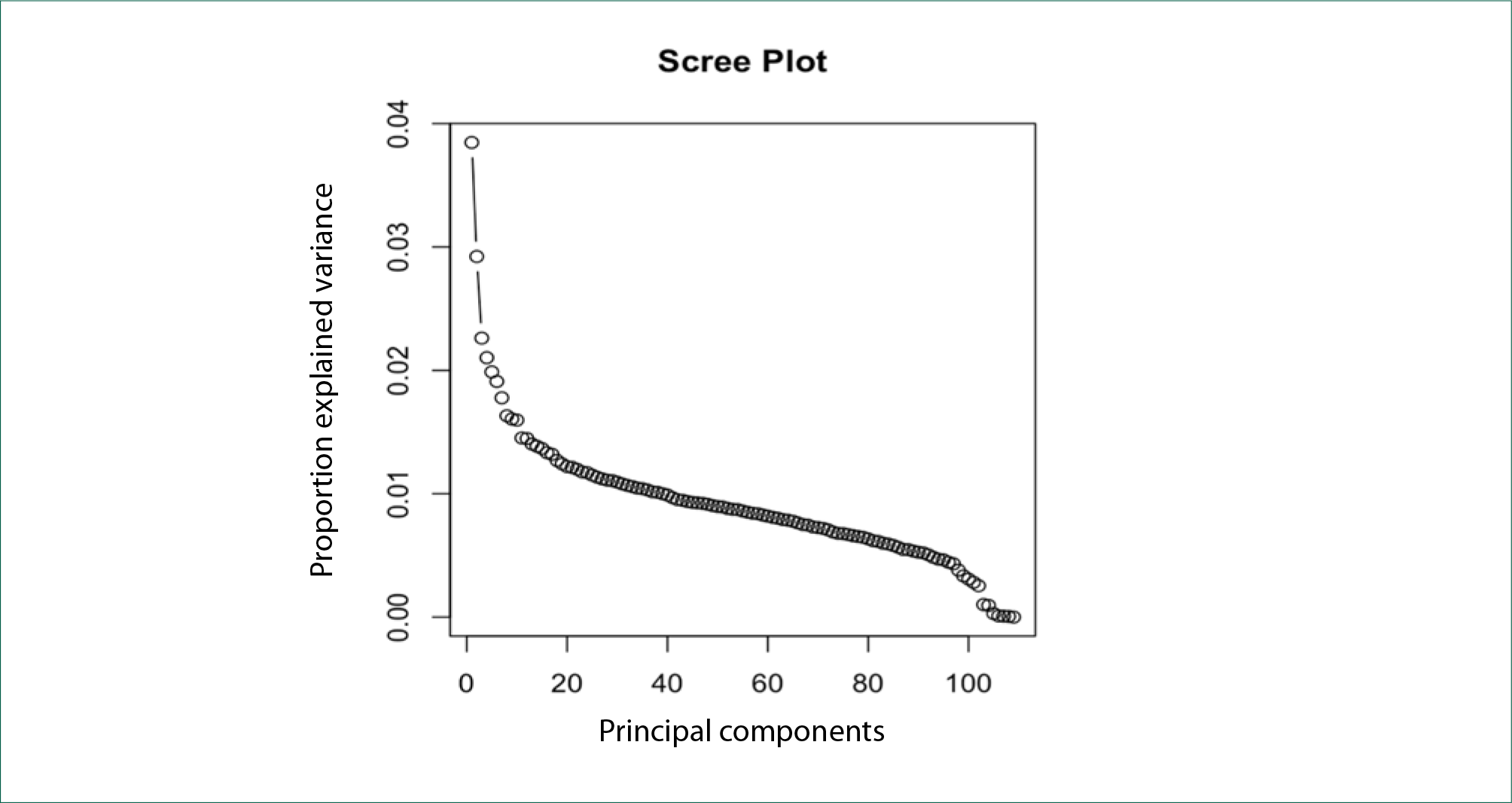 Note: Elaborated by the authors based on data from SMADS, 2021.
 Note: Elaborated by the authors based on data from SMADS, 2021.
 Note: Elaborated by the authors based on data from SMADS, 2021.
 Note: Elaborated by the authors based on data from SMADS, 2021.