 Parasitic nematodes of Osteocephalus oophagus, an anuran from a Brazilian Amazon National Park
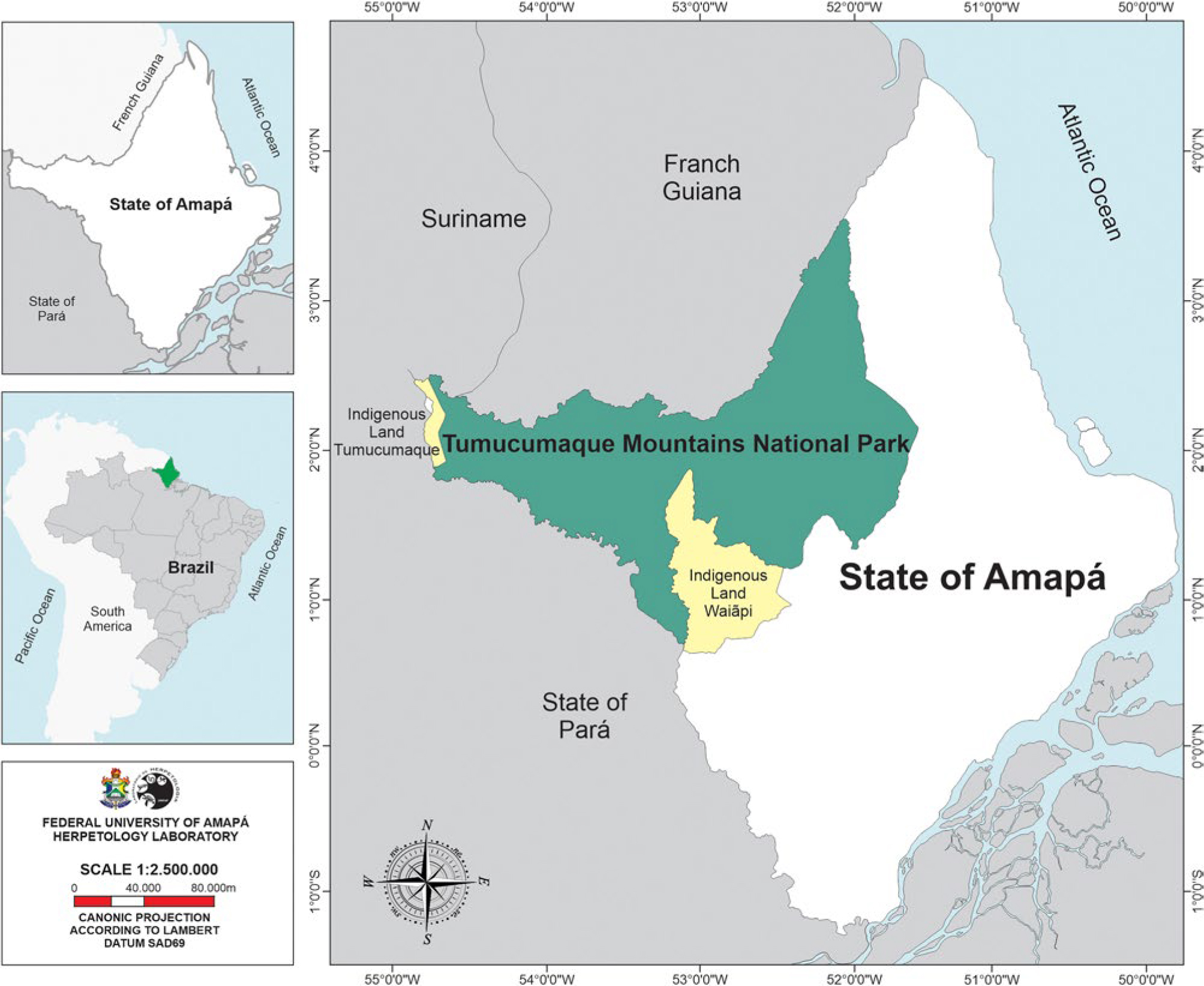
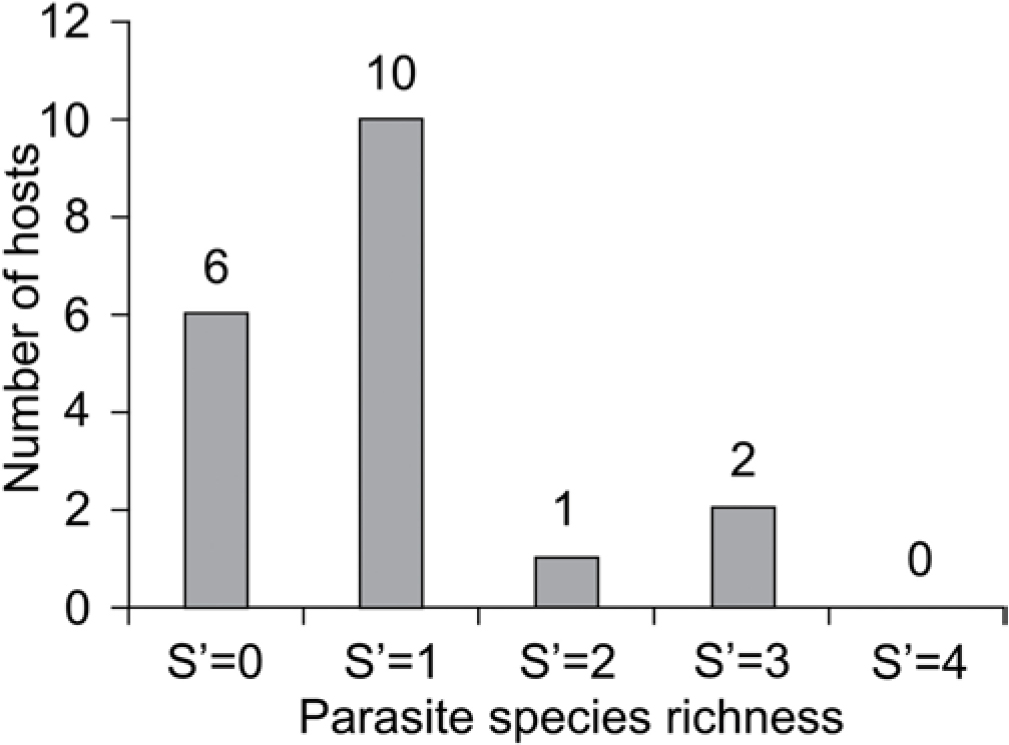
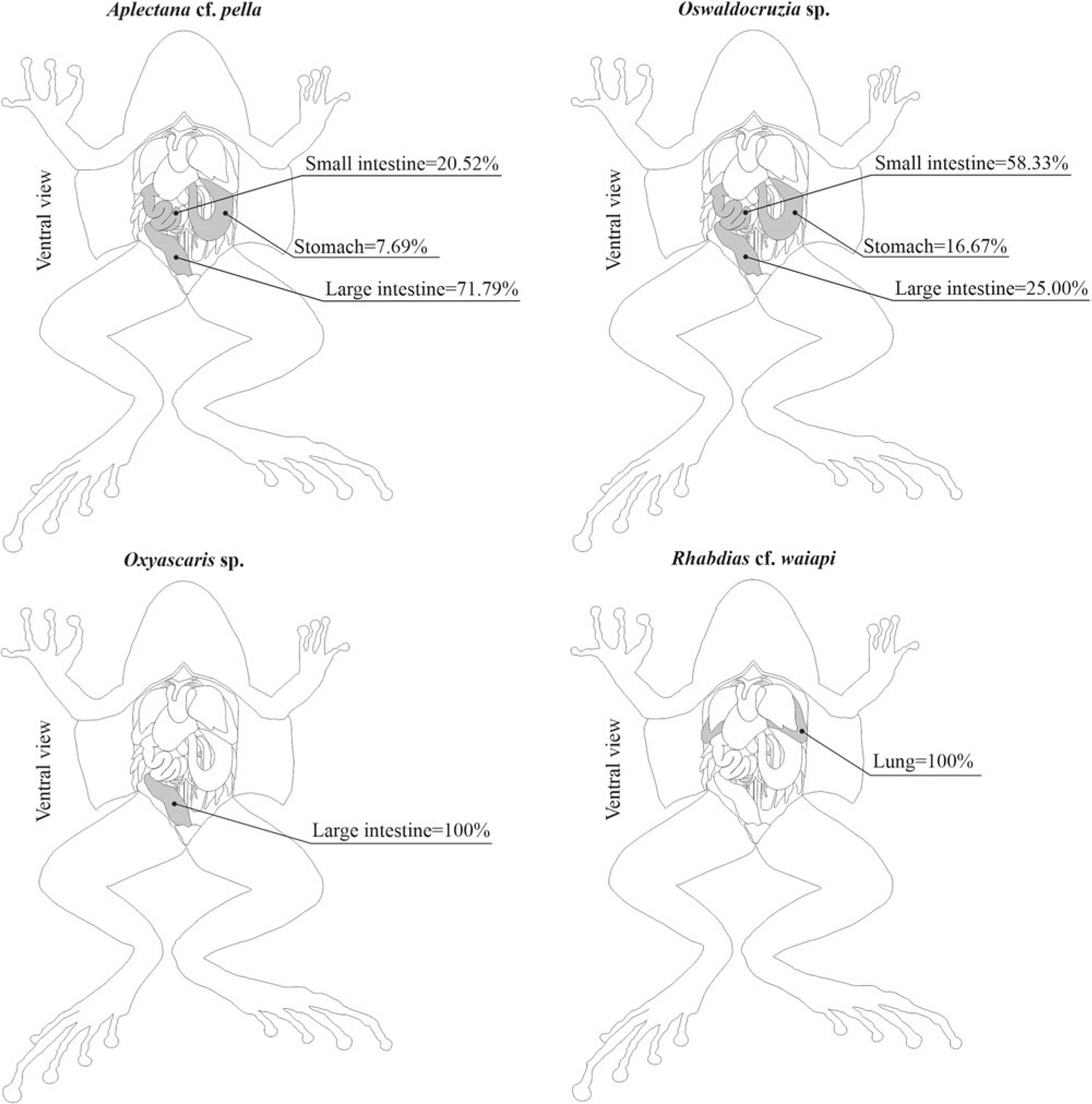
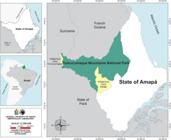
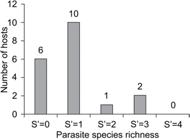
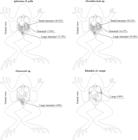
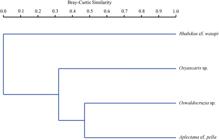
This study investigated the fauna of nematode parasites in Osteocephalus oophagus collected in the Montanhas do Tumucumaque National Park, eastern Brazilian Amazon. Between September 2022 and May 2023, 19 hosts were collected, of which 68.42% had at least one Nematoda species. Four species of helminths were identified: Aplectana cf. pella, Oswaldocruzia sp., Oxyascaris sp., and Rhabdias cf. waiapi. Ecological analysis employed indices of prevalence, intensity, and abundance, in addition to Shannon diversity and Pielou’s evenness indices. The prevalence of infection was higher in females, with Aplectana cf. pella standing out in abundance and dominance. Aplectana cf. pella showed a uniform dispersion pattern, while Oswaldocruzia sp. showed random dispersion. Cluster analysis using the Bray-Curtis index suggested a habitat selection similarity between Aplectana cf. pella and Oswaldocruzia sp.. This work contributes to the knowledge of the parasitic biodiversity of O. oophagus, including new records of association with Aplectana cf. pella, Oxyascaris sp. and Rhabdias cf. waiapi, which had not been reported for this host until now, and underscores the importance of the Montanhas do Tumucumque National Park as a region of high ecological value for Amazonian helminth fauna.
Keywords
Anurans; nematodes; infestation; Environmental Protection Area; Amazon
 Thumbnail
 Thumbnail
 Thumbnail
 Thumbnail