
 Ethical challenges of symptom management in palliative care: a critical reflection
Abstract
Palliative care is a field of knowledge capable of contributing to effective symptom management. However, it also poses ethical challenges in sensitive areas such as therapeutic obstinacy, the withholding of food and hydration, and palliative sedation. A narrative review and a critical reflection were conducted based on bibliographic research in major databases, complemented by relevant articles, books, and websites. Following the search, 69 articles were selected to develop each topic of the results and discussion, enabling a critical reflection on ethical dilemmas in palliative care with an emphasis on symptom management. Symptom control is a cornerstone of palliative care. The best care for patients in palliative settings is person-centered rather than disease-centered. Clinical practice grounded in ethical principles is fundamental.
Keywords
Symptom assessment; Bioethics; Palliative care; Palliative medicine
Resumo
Os cuidados paliativos representam uma área de conhecimento capaz de contribuir para uma boa gestão do controle sintomático. No entanto, representam igualmente um desafio ético em áreas sensíveis com obstinação terapêutica, abstenção de alimentação e hidratação e sedação paliativa. Realizou-se revisão narrativa/reflexão crítica com base em pesquisa bibliográfica nas bases de dados principais, complementadas por artigos, livros e sites considerados pertinentes. Após a conclusão da pesquisa, 69 artigos foram selecionados de forma a desenvolver cada tópico dos resultados/discussão, que permitiram uma reflexão crítica sobre os dilemas éticos em cuidados paliativos, com ênfase no controle sintomático. O controle sintomático é um pilar dos cuidados paliativos. O melhor cuidado ao doente em cuidados paliativos é aquele centrado na pessoa, e não na doença. A prática clínica baseada em princípios éticos é fundamental.
Palavras-chave
Avaliação de sintomas; Bioética; Cuidados paliativos; Medicina paliativa
Resumen
Los cuidados paliativos representan un área de conocimiento capaz de contribuir a una buena gestión del control sintomático. Sin embargo, representan igualmente un desafío ético en áreas sensibles como la obstinación terapéutica, la abstención de alimentación e hidratación y la sedación paliativa. Se realizó una revisión narrativa y reflexión crítica basada en la búsqueda bibliográfica en las principales bases de datos, complementada con artículos, libros y sitios web considerados pertinentes. Tras concluir la búsqueda, se seleccionaron 69 artículos para desarrollar cada tema de los resultados y la discusión, lo que permitió una reflexión crítica sobre los dilemas éticos en cuidados paliativos, con énfasis en el control sintomático. El control sintomático es un pilar de los cuidados paliativos. La mejor atención al paciente en cuidados paliativos es aquella centrada en la persona y no en la enfermedad. La práctica clínica basada en principios éticos es fundamental.
Palabras clave
Evaluación de síntomas; Bioética; Cuidados paliativos; Medicina paliativa
The World Health Organization (WHO) defines palliative care (PC) as an approach that improves the quality of life of patients (adults and children) and their families who are facing problems associated with life-threatening illness. It prevents and relieves suffering through the early identification, correct assessment and treatment of pain and other problems, whether physical, psychosocial or spiritual 1.
Despite decades of existence, questions remain on what exactly PC entails, what its benefits are, and for which patients it is indicated 2. These concerns affect healthcare providers, citizens, and even patients themselves, creating inequalities in access to PC, which is now considered a universal right 2. According to the Portuguese Association for Palliative Care, over 70% of patients in Portugal lack timely access to such care; in the case of children, this figure rises to an alarming 90% 3.
PC is holistic and humanized care focused on improving the quality of life of patients and their families when faced with chronic and life-limiting illnesses (cancer, organ failure, dementia, among others) 4.
Advanced chronic disease, particularly metastatic cancer, progress accompanied by multiple physical, psychological, spiritual, and social symptoms resulting from the disease itself, its treatment, and/or associated comorbidities 4. A key pillar of PC concerns symptom management by its identification, assessment, and early treatment 4. “Palliative” derives from the Latin pallium, meaning cloak or cape, that is, PC aims to “cover” symptoms in their various dimensions and thus promote well-being and quality of life 4. A symptom can be defined as a subjective experience which affects an individual’s biopsychosocial and cognitive sphere 4.
According to Twycross and Gómez Sancho 4,5, symptom management encompasses five categories: symptom assessment, explanation of their cause, individualized treatment, continuous monitoring, and attention to detail, without ever making value judgments. As discussed, one of PC’s main objectives is to optimize the management of uncontrolled symptoms that impact patients’ quality of life 5. Efficient and adapted approach to symptoms is an indicator of quality PC services 6. Hence the need to standardize the best clinical practices in symptom management to provide the greatest possible comfort and quality of life to end-of-life patients 6.
Multiple studies on the theme have shown that adequate control of pain and other symptoms is a fundamental part of promoting dignity and well-being for palliative patients 6. Conversely, inadequate symptom management negatively influences disease progression, as it induces suffering and shortens the patient’s survival 7. Sharing decisions between healthcare providers and patients and their families, and coordination by a multidisciplinary team, are also fundamental elements in providing quality PC 8.
Palliative care values life and considers death a normal process in the course of the disease, so that it neither delays nor hastens it, focusing instead on promoting the highest possible quality of life 1. Excellent symptom management can only be achieved when the multidisciplinary PC team is highly motivated and flexible in responding to the demanding palliative needs of patients 8. Interdisciplinary teamwork is the only path to humanly respond to the individual characteristics of each patient, who is unique in essence 8.
In turn, Bioethics is an area of human thought and social intervention that addresses the ethics of life sciences, including non-human ethics and professional health practice, from a multi- and transdisciplinary perspective 9. Thus, clinical practice based on bioethical principles is essential in PC. PC holds several ethical imperatives: a commitment not to abandon the patient and their family, intensive treatment of symptoms, prevention of disproportionate or futile and useless treatments, and initiation of palliative sedation in the face of refractory symptoms, provided the patient consents 10. Thus, it is ethically unacceptable not to treat intensively any symptom that causes suffering to a patient in palliative care, since it represents a threat to their quality of life 10.
In this article, we bring an ethical reflection on symptom management and its implications for patients and families, based on bioethical principles.
Method
The PubMed, CINAHL and Web of Science databases were searched, supplemented by articles, books, and websites on the topic considered relevant, also found in the literature. Search strategy used the following MESH terms: “palliative care,” “palliative medicine,” “bioethics,” “symptom assessment,” “symptom burden.”
Inclusion criteria consisted of articles addressing issues/challenges/dilemmas/ethical principles of symptom management in palliative care (in any context) published in Portuguese, English, and Spanish, in the past 10 years (i.e., publications from 2015 to 2025). Exclusion criteria involved publications addressing the population aged <18 years. However, we decided to exceptionally include some essential articles on this topic regardless of their publication date.
After completing the search and eliminating duplicates, article review involved an initial assessment based on the title and abstract followed by full-text reading. Articles were selected to develop each topic of the results/discussion. Figure 1 presents the article selection flowchart for a narrative review/critical reflection based on the Preferred Reporting Items for Systematic Reviews and Meta-Analyses (PRISMA) guidelines.

Results and discussion
Scientific knowledge advancements in recent decades has led to an exponential increase in longevity and, consequently, in the prevalence of chronic diseases 4. Palliative care, with its holistic approach to patients and their family to meet their various needs, affirms itself as essential in health systems 4.
Although PC represents a distinct clinical area, requiring specific training and skills for the correct approach to patients and their families, basic palliative care measures should be within the domain of any healthcare provider 11. PC is not limited to end-of-life patients, but should be initiated simultaneously with curative care and whenever a chronic and progressive disease or any other life-threatening condition is identified 11. Moreover, PC is not incompatible with prolonged survival, as long as this does not incur into increased suffering 11.
PC services, through appropriate symptom management, effective communication about patients’ wishes regarding end-of-life care, strengthening emotional support for families, particularly in bereavement, and attention to needs across the continuum of care from home to hospital, play a significant role in ethical clinical practice 11. However, issues of futility, appropriate use of palliative sedation, the role of artificial hydration and nutrition at the end of life, and appropriate decision-making for vulnerable patients remain full of potential conflict, with practical and moral implications 12,13.
In developing PC care, one should seek to provide compassion, respect, and dignity, as well as offer coordinated and personalized care, treatment, support, and assistance. Thus, incorporating all these principles is essential for providing high-quality care 12,14. Healthcare providers often face ethically difficult situations in their practice, which cover a wide range of areas, including palliative care 15-17. It is therefore necessary to promote discussions and deliberations on clinical cases with complex ethical issues, and to reinforce the importance of consulting ethics committees to support the decisions made by professionals 15-17.
Based on this premise, below we develop an ethical reflection on symptom management in palliative care, based on the various bioethical principles: beneficence, non-maleficence, autonomy, double effect, dignity, justice, and vulnerability 12.
Ethical principles regarding symptom management in palliative care
The principle of beneficence refers to the obligation to act for the benefit of the person, under a series of moral rules for protecting and defending the rights of others, preventing and eliminating conditions that may cause harm 18,19. It requires not only avoiding harm, but also benefiting patients and promoting their well-being, which is in line with the objectives of PC 18,19.
In turn, the principle of non-maleficence refers to the moral obligation not to cause harm to the person 2,18-20. It concerns a basic maxim of good medical care—primum non nocere 20. The practical application of this principle by healthcare providers consists of weighing the benefits and risks of all interventions and treatments to avoid inappropriate ones and choose the best course of action for the patient 20. This is particularly important and relevant in end-of-life care, where providers are faced with decisions about suspending or initiating treatment for symptom management 20.
The principle of double effect consists of weighing the negative and positive effects caused by an action to obtain the good effect and tolerate the bad effect, which in specific situations may be legitimate. It presupposes the good intentions of those who apply it 18. Hence, the principles of beneficence, non-maleficence, and double effect are interconnected 18. In properly managing symptoms in patients under PC, the team responsible should use these principles to justify their actions.
Pain is one of the most common symptoms among palliative care patients, particularly in the context of oncology, and one of the most challenging dilemmas 21. Pain can make patients fearful, withdrawn, and agitated, and inadequate pain control can cause enormous suffering for patients and their families 21. Thus, analgesia represents an ethical imperative 21. Patients have the right to have their pain relieved, and physicians have an ethical duty to know how to do so. No one should be allowed to suffer from pain due to a lack of knowledge and skills in pain assessment, inadequate medication, unavailability of morphine, and unfounded myths about opioid dependence and sedation 21.
In most countries, pain relief is recognized as an ethical and legal right, and the availability of morphine is a social responsibility. For ethical reasons, the correct approach would be to view pain as a public health crisis 21. However, society still seems to fear that drugs such as opioids and sedatives prescribed in the terminal phase accelerate the dying process. However, it is ethical to prescribe this type of medication for refractory pain management, even with the possibility of sedation. Such prescription is based on the ethical principles of autonomy (obtaining informed consent), beneficence, and double effect, and the team responsible should explain this aspect to family members 21.
In short, the PC team is responsible for advocating for the best approach to symptom management as to provide the best possible patient care. Ideally, this care considers the patient’s wishes and desires to respect their values, ideals, and culture 20.
Justice
Legal aspects and human rights provide the fundamental protections that enable equal participation and individual justice in a society 12. In the 20th century, the right to healthcare is well established and encompasses not only the provision of basic clinical services, but also an environment that allows specialized care, such as palliative care, to flourish 12. The principle of justice is generally interpreted as fair, equitable, and appropriate treatment of people, and of the various categories of justice, the most relevant to clinical ethics is distributive justice 20.
Distributive justice seeks to grant equitable distribution of resources to equalize opportunities for access to all those who have the same needs and find themselves in the same circumstances 19,22. Thus, the principle of justice aims to ensure the fair distribution of health resources and requires impartiality in the provision of care 12. Medical resources are often limited and must be distributed equitably 12. Hence the need to evaluate the allocation of medical therapy to avoid unnecessary use of limited resources 12. Healthcare providers have an ethical obligation to advocate for appropriate and fair treatment for patients at all stages of their lives and illnesses 12,15,23.
In Portugal, access to PC is considered a universal right, regulated by the Basic Law on Palliative Care, approved in 2012 24. According to this law, PC services must respect the autonomy, will, individuality, dignity of the person, and inviolability of human life 24.
To disseminate and promote palliative care in health systems, the European Association for Palliative Care (EAPC) recommends two levels of care: palliative approach/generalist care and specialized palliative care 25,26. The palliative approach should be present throughout the entire care service, enshrined as a basic right of access to minimum care 25,26. On the other hand, specialized PC should be provided by multidisciplinary teams with specific and advanced skills to optimize the care provided, especially in more complex situations 25,26.
In Portugal, the National Palliative Care Commission seeks to develop strategies to make palliative care universally available in the National Health Service, as it is a right inherent to the human condition and social justice 26. In short, everyone has the right to access high-quality palliative care that provides support and dignity at the end of life 23.
Autonomy
The principle of autonomy refers to a person’s right to self-determination, that is, the right to decide for themselves, freely, rationally, and consciously 27. Everyone has the right to decide what kind of care they should receive and to have their decisions respected 27. Respect for this principle requires healthcare providers to share medical information and treatment options so that patients can exercise self-determination and aligns with informed consent, truthfulness, and confidentiality 20,27,28.
Additionally, this principle emphasizes the protection of patients’ right to self-determination on the part of physicians, even those who have lost the capacity to make decisions 12,27. Such protection can be achieved through advance directives (AD) 12,27,28.
Advance directives are oral and/or written instructions regarding a patient’s future medical care in the event that they become unable to communicate and lose the capacity to make decisions for any reason 19. Typically, written ADs include a “living will” and the appointment of healthcare proxies 19. A living will is a written document in which a competent person provides instructions regarding healthcare preferences and medical interventions to be performed in an end-of-life context 22. On the other hand, a healthcare proxy is a person appointed by the patient to make decisions on their behalf when the patient loses the capacity to do so 12,19. In other words, the healthcare proxy is considered the patient’s legal representative in a situation of serious illness, and it is their responsibility to decide what the patient wants 19.
Thus, symptoms and patient-centered care should take this principle into account. 29. However, a careful preliminary assessment of symptoms should always be carried out, particularly of the patient’s mental state, since end-of-life patients have great difficulty answering even the simplest questions, or experience confusion or delirium, which hinders accurately identifying and assessing symptoms 29. In these cases, the patient is not competent to fully exercise their right to autonomy, so the team must rely on ADs written or reported by family members or close friends that express what the patient would want for themselves in this context 29. In the absence of such premises, providers run the risk of incurring inappropriate therapies that are unsuited to the clinical situation and the patient’s wishes 29. Thus, family members/caregivers can be a very useful source of information in identifying, assessing, and treating the symptoms of their loved ones 29,30.
Dignity and vulnerability
The concept of dignity is broad, with several definitions available, depending on the sociocultural context 31,32. Although dignity is accepted as a universal and fundamental necessity for the well-being of every individual in all societies, its true meaning remains complex and unclear due to its multidimensional nature. Respect, autonomy, empowerment and communication appear in the literature as the main defining attributes of dignity. In turn, each of these attributes is multidimensional, thus contributing to the ambiguous and complex nature of this concept 31,32.
According to Chochinov and collaborators 31, dignity consists of three elements: physical and psychological factors (related to illness/frailty), spiritual factors (individual perception), and social factors (surrounding context). Since one of the goals of palliative care is to preserve dignity at the end of life and most interventions at this stage involve symptom management, it is useful to consider the physical, emotional, and spiritual needs of patients.
Regarding physical needs, good management of physical symptoms provides an opportunity to work through unresolved emotional, psychological, and spiritual issues, to promote a sense of closure at the end of life and, thereby, dignity for the patient and family. As for emotional needs, healthcare providers who provide end-of-life care must know how to communicate, listen, transmit empathy and involve patients and their families in decision-making. Additionally, good communication between the patient and family about their feelings should be promoted 33.
Finally, spiritual needs must also be addressed in a way that ensures the dignity of the person. Being recognized as a person until the end of life, without losing one’s identity, and knowing the truth about one’s illness is an essential aspect that promotes dignity. Other measures found to promote dignity at this stage include the opportunity to build a legacy, manage finances, spend time with family, choose the place of death, remember the dignity of the family after the death of a loved one, and offer emotional support 32.
Religious and cultural factors can also influence the way dignity is understood in end-of-life care. As dignity is a concept laden with values and covering a broad spectrum of physical, psychosocial, spiritual, family, and cultural issues, all healthcare providers need to be aware of ethnic diversity. In short, although dignity is seen as an abstract concept, its importance for PC cannot be denied. Since it is experienced subjectively and each patient is unique in their needs, it is important to use an open approach to assess each individual’s needs and seek to meet them appropriately 32.
Thus, there is no defined concept of “dying with dignity.” However, for most authors and patients, respect for the values, wishes, and beliefs of the patient and family, the absence of physical symptoms, and the right to privacy are some of the attributes of this process 30,31. “Vulnerability” derives from the Latin vulnus, meaning wound, and is therefore defined as the susceptibility to being harmed 34. The 1998 Barcelona Declaration 35 and the 2005 Universal Declaration on Bioethics and Human Rights 36 recognize vulnerability as an essential ethical principle. Every human being can be vulnerable throughout their life 34.
PC has always included an existential perspective, according to which it is also vital to care for the existential needs of patients and their families 33. Recognizing one’s own vulnerability as a human being and that life is vulnerable to death, illness, and suffering can be claimed as an existential experience shared by patients, families, and palliative care team professionals, since in this type of care, the finitude and frailty of life are evident 33.
Regarding research on vulnerability in palliative care ethics, several studies have sought to identify vulnerable groups from a social perspective. This research has shown that marginalized and structurally vulnerable groups have unequal access to PC, a reality that requires strategies and policies to be remedied. Notably, however, teams dedicated to PC have been doing important work to provide inclusive care and equal and fair access to all individuals, regardless of whether they belong to socially vulnerable groups 37,38.
In the field of bioethics, vulnerability has been a central point of discussion, particularly in research ethics. Good medical practice requires evidence of effectiveness to address gaps in care. There are substantial opportunities to improve PC, which may involve research in this area, particularly symptom management. However, healthcare providers face ethical dilemmas when developing studies in PC because research involving end-of-life patients creates several challenges, especially due to the vulnerability of this population, difficulty in obtaining adequate informed consent, and difficulty in balancing research and clinical duties (within the palliative care team) 12,38.
In practice, the death of a terminally ill patient is clinically recognized as a natural process. The patient may experience dynamic changes in physical and psychosocial symptoms. Much progress has been made in understanding and treating most of the symptoms observed in PC, but further research is still needed in many areas. Ideally, it should be possible to balance ethical principles in terms of protecting vulnerable patients from harm and conducting scientifically designed studies to improve care delivery 12,38.
Ethical dilemmas in end-of-life situations (symptom management)
Despite the many treatments available, especially in the field of oncology, terminally ill patients may exhaust their therapeutic options without satisfactory results. In such cases, experimental drugs may represent a treatment opportunity, accessed via clinical trials (experimental drugs in phase II or III). Access by terminally ill patients to unapproved drugs appears to enjoy considerable public support and has been referred to in the literature as compassionate use of drugs 39,40.
The therapeutic effort to manage symptoms must be relentless. This premise may justify the compassionate use of experimental drugs due to their potential beneficial effect in alleviating suffering 39,40. Kasper Raus 40 identified beneficence, autonomy and justice as the three bioethical principles underscoring the use of compassionate drugs.
Regarding beneficence, the compassionate use of experimental drugs is currently limited by the potential harm to patients, the lack of rigorous monitoring, and the risk of financial and research exploitation. It is essential to ensure a careful assessment of the risks and benefits of this type of therapy to prevent its use from worsening the patient’s clinical condition and quality of life. While compassionate use may be ethically justified, efforts should be made to ensure equitable distribution, maximize benefits to patients, minimize risks, and ensure informed consent in full awareness 40.
Palliative sedation
Throughout the course of the illness, and especially in the last days of life, symptoms may arise that cannot be managed despite appropriate therapy and which interfere with the process of a peaceful death. Given the medical and moral imperative to alleviate suffering, it may be necessary to use titrated sedative drugs to manage these symptoms 41.
According to the EAPC, palliative sedation is a last-resort therapeutic measure for treating refractory symptoms. It consists of the monitored use of sedative medication to induce a state of decreased consciousness to alleviate suffering that would otherwise be untreatable, in a manner that is ethically acceptable to the patient, family, and healthcare providers 42. Its purpose is to control symptoms that cause severe discomfort and are refractory to conventional palliative treatment to alleviate the suffering of patients in the final stages of serious, progressive, and incurable diseases, and to improve comfort and maintain the dignity of human life until its end 42,43.
Regarding indications for palliative sedation, most guidelines and experts define the following criteria: terminal illness (life expectancy of less than six months); imminent death (hours or days, at most two weeks); intolerable suffering; refractory symptoms; involvement of a palliative care specialist or interdisciplinary team; obtaining informed consent from the patient or their legal representative; this decision must be in accordance with the patient’s wishes, family, or legal representative and in consensus with the medical team 44,45.
Despite extensive discussion of the subject in the literature, many questions remain unanswered due to a lack of definitions and guidelines, and there is often confusion between the concepts of terminal sedation, palliative sedation, and euthanasia/physician-assisted suicide 42-46. “Terminal sedation” is often used as a synonym for “palliative sedation,” but the former can be interpreted as if the intention of sedation were to “end” life rather than to relieve symptoms, as the latter suggests 44-46.
Palliative sedation of terminally ill patients should be distinguished from euthanasia/physician-assisted suicide. In these cases, death is not imminent, but rather the result of a lethal dose of medication intentionally administered. In palliative sedation, the physician’s intention is only to relieve severe refractory suffering, for which sedation is used as a last resort. Its goal is not to end the patient’s life as in euthanasia and assisted suicide, but rather to administer titrate medications until the patient feels relieved 42,44,46. The physician administers only the dose necessary to induce adequate sedation and thus achieve comfort 42,44,46. Once the patient has been relieved, lower doses are used to maintain that relief 42,44,46.
In euthanasia and physician-assisted suicide, titration, calculation, or maintenance of the minimum doses necessary for comfort are not considered, because the goal is death. In palliative sedation, the intervention is proportional to the intensity of the symptoms and the therapeutic objectives. Thus, when correctly indicated, it does not constitute a “strategy” to achieve the same objective as euthanasia. However, according to the most recent literature, the principles of intentionality, proportionality, and double effect are the most commonly used to distinguish palliative sedation from euthanasia/physician-assisted suicide 42,44,46.
The principle of proportionality assumes that the risk of causing harm is directly related to the severity of the patient’s clinical condition and the expected benefit of the intervention. In other words, in palliative sedation, the gravity of sedating a patient to the point of unconsciousness outweighs severe suffering when other interventions have failed. In turn, the principle of double effect assumes that, as long as the intention of the intervention is to achieve a beneficial result, harmful consequences are justified. In short, the intention of palliative sedation is good (to alleviate suffering), insofar as it does not intend harm to the patient; that is, the good consequence is not obtained through the bad (the relief of suffering does not imply patient death). Finally, there is proportionality between the good achieved and the harm done, under the principle of human dignity, of not prolonging life beyond what is reasonable and providing comfort and quality of life care to the patient 42,44,46.
To prevent any ethical conflicts, all international recommendations, including those of the Portuguese Bioethics Association, advise that—whenever possible—the patient’s free and informed consent should be obtained, assuming that they are in full possession of their mental faculties. Palliative sedation is therefore essential to ensure the dignity of patients in the final stages of life, particularly when there are difficulties in managing symptoms and intolerable suffering. As Dame Cicely Saunders, the founder of palliative care, stated: human suffering is only intolerable when no one cares 47.
End-of-life care
End-of-life care represents a clinical and ethical challenge, as patients and family members may face several uncertainties. In the final stage of life, with multiple distressing symptoms, infection, anorexia-cachexia, fatigue, delirium, several controversial issues arise, such as the place of care, use of antibiotics, blood transfusions, parenteral nutrition, placement of a nasogastric tube, among others 12. At the end of life, the decision between implementing measures to prolong life or comfort care is extremely difficult for both physicians, the team, patients, and their families 12,48.
Decision-making at this stage is challenging, particularly in scenarios such as cardiopulmonary arrest, the need for mechanical ventilation, artificial nutrition and hydration, the initiation of palliative sedation, and/or the initiation/suspension of treatments considered futile and useless (e.g., hemodialysis) 12,48. As such, therapeutic adequacy represents an ethical imperative in PC 48. Concerning patients with irreversible clinical conditions, the principle of primum non nocere requires us to rethink the care objectives to provide a dignified and compassionate end of life. In no way should the limitation of therapeutic effort be seen as abandonment, since it is a matter of providing comfort and relief from suffering48. It is this ethical-clinical context that justifies the focus on treating symptoms, with the patient’s desires and values always underlying this approach 48. Treatments should always be proportionate to the patient’s current clinical condition and stage of the disease, with the primary goal of achieving the best possible quality of life 48-50.
Another issue that raises several ethical questions is artificial nutrition and hydration in end-of-life care. Nutrition and hydration are considered essential to human survival. When the patient’s clinical condition deteriorates, changes in consciousness may occur, with loss of the swallowing reflex, making it difficult to maintain safe nutrition and hydration. Artificial nutrition and hydration can be administered enterically via a feeding tube or parenterally 51.
Withholding food and hydration from patients in a persistent vegetative state or terminally ill patients is one of the greatest challenges in end-of-life care, both for healthcare providers and for patients and their families. They should be carefully informed that not eating will not lead to death; rather, it is the process of dying that induces refusal to eat 51.
Generally, terminally ill patients who cannot eat refuse artificial nutrition and hydration 52. Initiating these interventions against the patient’s will violates not only their autonomy but also the principle of non-maleficence, since they can cause harm by prolonging the dying process or aggravating pulmonary edema, pleural effusion, respiratory secretions, ascites, or anasarca, resulting in dyspnea or pain. Patients, family members and providers can consider the continuation of hydration/nutrition as a humane and non-costly support intervention that represents (and can actually constitute) a means of reducing suffering. Often, patients will request relief from suffering and will not give guidance on hydration and nutrition; in these circumstances, family members and healthcare providers should work to reach a consensus on what constitutes a morally acceptable plan, based on the patient’s best interests 52.
Final considerations
symptom management is a key pillar of palliative care. Good medical practice requires that symptom assessment and treatment at the end of life, with the aim of alleviating suffering, be carried out in an irreproachable manner. PC constitutes holistic care, that is, it looks at the patient as a whole and the assessment of each symptom addresses not only the physical, but also the psychological, social, and spiritual dimensions.
Palliative patients are best cared for under a person-centered, not disease-centered, approach that avoids artificially prolonging life at any cost. Patients must be recognized as leaders of their own life and have their right to self-determination and privacy respected. Clinical practice based on ethical principles is fundamental for the routine work of a palliative care team.
References
-
1 World Health Organization. WHO definition of palliative care [Internet]. Geneva: WHO; 2024 [acesso 25 jun 2025]. Tradução livre. Disponível: https://bit.ly/4b5qta2
» https://bit.ly/4b5qta2 -
2 Tay J, Compton S, Phua G, Zhuang Q, Neo S, Lee G et al. Perceptions of healthcare professionals towards palliative care in their daily practice: a cross-sectional study. BMC Palliat Care [Internet]. 2021 [acesso 25 jun 2025];20(1):176. DOI: 10.1186/s12904-021-00787-2
» https://doi.org/10.1186/s12904-021-00787-2 -
3 Associação Portuguesa de Cuidados Paliativos. APCP apela à ação urgente para reverter as falhas na Rede Nacional de Cuidados Paliativos [Internet]. Porto: APCP; 2025 [acesso 25 jun 2025]. Disponível: https://bit.ly/4tRYeD7
» https://bit.ly/4tRYeD7 - 4 Twycross R. Principios básicos de medicina y cuidados paliativos. In: Nervi F, editor. Medicina paliativa y cuidados continuos. Santiago de Chile: Pontificia Universidad Católica de Chile; 2009. p. 21-30.
- 5 Gómez Sancho M. Manual de medicina paliativa. 2ª ed. Madrid: Arán; 2002.
-
6 Coelho A, Rocha A, Cardoso D, Rodrigues R, Costeira C, Gomes S et al. Monitoring and management of the palliative care patient symptoms: a best practice implementation project. Nurs Rep [Internet]. 2022 [acesso 25 jun 2025];12(2):365-70. DOI: 10.3390/nursrep12020035
» https://doi.org/10.3390/nursrep12020035 -
7 Laugsand EA, Jakobsen G, Kaasa S, Klepstad P. Inadequate symptom control in advanced cancer patients across Europe. Support Care Cancer [Internet]. 2011 [acesso 25 jun 2025];19(12):2005-14. DOI: 10.1007/s00520-010-1051-2.
» https://doi.org/10.1007/s00520-010-1051-2 -
8 Chapman EJ, Pini S, Edwards Z, Elmokhallalati Y, Murtagh FEM, Bennett MI. Conceptualising effective symptom management in palliative care: a novel model derived from qualitative data. BMC Palliat Care [Internet]. 2022 [acesso 25 jun 2025];21(1):17. DOI: 10.1186/s12904-022-00904-9
» https://doi.org/10.1186/s12904-022-00904-9 -
9 Nunes R. The Universal Declaration of Bioethics and Human Rights update [Internet]. Porto: ICB; 2024 [acesso 25 jun 2025]. Tradução livre. Disponível: https://bit.ly/4rIKVDF
» https://bit.ly/4rIKVDF -
10 Estella Á, Saralegui I, Rubio Sanchiz O, Hernández-Tejedor A, López Camps V, Martín MC et al. Update and recommendations in decision making referred to limitation of advanced life support treatment. Med Intensiva (Engl Ed) [Internet]. 2020 [acesso 25 jun 2025];44(2):101-12. DOI: 10.1016/j.medin.2019.07.006
» https://doi.org/10.1016/j.medin.2019.07.006 - 11 Gómez-Batiste X, Connor S, Murray S, Krakauer E, Radbruch L, Luyirika E et al. Principles, definitions and concepts. In: Gómez-Batiste X, Connor S, editores. Building integrated palliative care programs and services. Barcelona: Chair of Palliative Care; 2017. p. 45-60.
-
12 Akdeniz M, Yardimci B, Kavukcu E. Ethical considerations at the end-of-life care. SAGE Open Med [Internet]. 2021 [acesso 25 jun 2025];12. DOI: 10.1177/20503121211000918
» https://doi.org/10.1177/20503121211000918 -
13 Ghoshal R, V D, Kurpad SS. Ethical issues in death, dying and palliation: the IJME Sixth National Bioethics Conference. Indian J Med Ethics [Internet]. 2017 [acesso 25 jun 2025];2(3):204-8. DOI: 10.20529/IJME.2017.055
» https://doi.org/10.20529/IJME.2017.055 -
14 Bertaud S, Wilkinson D, Kelley M. The heart of palliative care is relational: a scoping review of the ethics of care in palliative medicine. BMC Palliat Care [Internet]. 2025 [acesso 25 jun 2025];24(1):150. DOI: 10.1186/s12904-025-01784-5
» https://doi.org/10.1186/s12904-025-01784-5 -
15 Rasoal D, Skovdahl K, Gifford M, Kihlgren A. Clinical ethics support for healthcare personnel: an integrative literature review. HEC Forum [Internet]. 2017 [acesso 25 jun 2025];29(4):313-46. DOI: 10.1007/s10730-017-9325-4
» https://doi.org/10.1007/s10730-017-9325-4 -
16 Pinto KRD, Ertler LZ, Rego F, Nunes R. Bioethics and hospital palliative care: a systematic review. BMJ Support Palliat Care [Internet]. 2025 [acesso 25 jun 2025];15(5):564-71. DOI: 10.1136/spcare-2024-005021
» https://doi.org/10.1136/spcare-2024-005021 -
17 Guevara-López U, Altamirano-Bustamante MM, Viesca-Treviño C. New frontiers in the future of palliative care: real-world bioethical dilemmas and axiology of clinical practice. BMC Med Ethics [Internet]. 2015 [acesso 25 jun 2025];16:11. DOI: 10.1186/s12910-015-0003-2
» https://doi.org/10.1186/s12910-015-0003-2 - 18 Cabral R. Os princípios de autonomia, beneficência, não maleficiência e justiça. In: Archer L, Biscaia J, Osswald W, editores. Bioética. Lisboa: Verbo; 1996. p. 53-8.
-
19 Nunes R. Diretivas antecipadas de vontade [Internet]. Brasília: CFM; 2020 [acesso 25 jun 2025]. p. 116-25. Disponível: https://bit.ly/3Mr0BfB
» https://bit.ly/3Mr0BfB -
20 Varkey B. Principles of clinical ethics and their application to practice. Med Princ Pract [Internet]. 2021 [acesso 25 jun 2025];30(1):17-28. DOI: 10.1159/000509119
» https://doi.org/10.1159/000509119 -
21 Carvalho AS, Martins Pereira S, Jácomo A, Magalhães S, Araújo J, Hernández-Marrero P et al. Ethical decision making in pain management: a conceptual framework. J Pain Res [Internet]. 2018 [acesso 25 jun 2025];11:967-76. DOI: 10.2147/JPR.S162926
» https://doi.org/10.2147/JPR.S162926 - 22 Nunes R. Healthcare as a universal human right: sustainability in global health. New York: Routledge; 2022.
-
23 Hadler RA, Rosa WE. Distributive justice: an ethical priority in global palliative care. J Pain Symptom Manage [Internet]. 2018 [acesso 25 jun 2025];55(4):1237-40. DOI: 10.1016/j.jpainsymman.2017.12.483
» https://doi.org/10.1016/j.jpainsymman.2017.12.483 -
24 Portugal. Assembleia da República. Lei nº 52/2012. Lei de Base dos Cuidados Paliativos. Diário da República [Internet]. Portugal, nº 172, 28 ago 2012 [acesso 25 jun 2025]. Série I. Disponível: https://bit.ly/4qTXR8v
» https://bit.ly/4qTXR8v -
25 Radbruch L, Payne S, Board of Directors of the EAPC. White paper on standards and norms for hospice and palliative care in Europe: part 1. Eur J Palliat Care [Internet]. 2009 [acesso 25 jun 2025];16:278-89. Disponível: https://bit.ly/3OzP3ao
» https://bit.ly/3OzP3ao -
26 Comissão Nacional de Cuidados Paliativos. Plano estratégico para o desenvolvimento dos cuidados paliativos em Portugal Continental [Internet]. Porto: CNCP; 2023 [acesso 25 jun 2025]. Disponível: https://bit.ly/3MZXBqz
» https://bit.ly/3MZXBqz -
27 Florijn BW. The principle of autonomy in biomedical and neuroethics. Am J Bioeth. [Internet]. 2022 [acesso 25 jun 2025];22(10):9-11. DOI: 10.1080/15265161.2022.2089291
» https://doi.org/10.1080/15265161.2022.2089291 - 28 Teoli D, Ghassemzadeh S. Patient self-determination act. In: StatPearls. Treasure Island: StatPearls; 2025.
-
29 Sweet L, Adamis D, Meagher DJ, Davis D, Currow DC, Bush SH et al. Ethical challenges and solutions regarding delirium studies in palliative care. J Pain Symptom Manage [Internet]. 2014 [acesso 25 jun 2025];48(2):259-71. DOI: 10.1016/j.jpainsymman.2013.07.017
» https://doi.org/10.1016/j.jpainsymman.2013.07.017 -
30 Björk J. Ethical reflection: the palliative care ethos and patients who refuse information. Palliat Care Soc Pract [Internet]. 2025 [acesso 25 jun 2025];19:26323524251355287. DOI: 10.1177/26323524251355287
» https://doi.org/10.1177/26323524251355287 -
31 Chochinov HM, Hack T, McClement S, Kristjanson L, Harlos M. Dignity in the terminally ill: a developing empirical model. Soc Sci Med [Internet]. 2002 [acesso 24 jun 2025];54(3):433-43. DOI: 10.1016/S0277-9536(01)00084-3
» https://doi.org/10.1016/S0277-9536(01)00084-3 -
32 Kennedy G. The importance of patient dignity in care at the end of life. Ulster Med J [Internet]. 2016 [acesso 24 jun 2025];85(1):45-8. Disponível: https://bit.ly/4b5qIBY
» https://bit.ly/4b5qIBY -
33 Muñoz Terrón JM. Vulnerable dignity, dignified vulnerability: intertwining of ethical principles in end-of-life care. Int J Environ Res Public Health [Internet]. 2021 [acesso 24 jun 2025];18(2):482. DOI: 10.3390/ijerph18020482
» https://doi.org/10.3390/ijerph18020482 -
34 Mayrhofer M. The concept of vulnerability and its relation to the concepts of inequality and discrimination - a review article. International Journal of Human Rights [Internet]. 2025 [acesso 24 jun 2025];29(9):1589-618. DOI: 10.1080/13642987.2025.2488938
» https://doi.org/10.1080/13642987.2025.2488938 -
35 Kemp P, Rendtorff J. The Barcelona Declaration. Towards an integrated approach to basic ethical principles. Synthesis Philosophica [Internet]. 2008 [acesso 24 jun 2025];23(2):239-51. Disponível: https://bit.ly/3ZOpXqN
» https://bit.ly/3ZOpXqN -
36 Comissão Nacional da Unesco - Portugal. Declaração universal sobre bioética e direitos humanos [Internet]. Paris: Unesco; 2006 [acesso 24 jun 2025]. Disponível: https://bit.ly/3OwsqUs
» https://bit.ly/3OwsqUs -
37 Gómez-Vírseda C, Maeseneer Y, Gastmans C. Relational autonomy: what does it mean and how is it used in end-of-life care? A systematic review of argument-based ethics literature. BMC Med Ethics [Internet]. 2019 [acesso 24 jun 2025];20(1):76. DOI: 10.1186/s12910-019-0417-3
» https://doi.org/10.1186/s12910-019-0417-3 -
38 Goodwin M. Vulnerable subjects: why does informed consent matter? J Law Med Ethics [Internet]. 2016 [acesso 24 jun 2025];44(3):371-80. DOI: 10.1177/1073110516667935
» https://doi.org/10.1177/1073110516667935 -
39 Gouveia IA, Reis-Pina P. The compassionate use of drugs in palliative care for symptom control and ethical justifications for its use: a scoping review. Ethics, Medicine and Public Health [Internet]. 2023 [acesso 24 jun 2025];31. DOI: 10.1016/j.jemep.2023.100950
» https://doi.org/10.1016/j.jemep.2023.100950 -
40 Raus K. An analysis of common ethical justifications for compassionate use programs for experimental drugs. BMC Med Ethics [Internet]. 2016 [acesso 24 jun 2025];17(1):60. DOI: 10.1186/s12910-016-0145-x
» https://doi.org/10.1186/s12910-016-0145-x -
41 Cherny NI. ESMO Guidelines Working Group. ESMO Clinical Practice Guidelines for the management of refractory symptoms at the end of life and the use of palliative sedation. Ann Oncol [Internet]. 2014 [acesso 24 jun 2025];25(Supl 3):143-52. DOI: 10.1093/annonc/mdu238
» https://doi.org/10.1093/annonc/mdu238 -
42 Cherny NI, Radbruch L. Board of the European Association for palliative care. European Association for Palliative Care (EAPC) recommended framework for the use of sedation in palliative care. Palliat Med [Internet]. 2009 [acesso 24 jun 2025];23(7):581-93. DOI: 10.1177/0269216309107024
» https://doi.org/10.1177/0269216309107024 -
43 Cotogni P, Brazzi L. Palliative sedation: a feasible option to improve end-of-life care in seriously ill dying patients. Minerva Anestesiol [Internet]. 2017 [acesso 24 jun 2025];83(5):446-8. DOI: 10.23736/S0375-9393.17.11906-1
» https://doi.org/10.23736/S0375-9393.17.11906-1 -
44 Surges SM, Brunsch H, Jaspers B, Apostolidis K, Cardone A, Centeno C et al. Revised European Association for Palliative Care (EAPC) recommended framework on palliative sedation: an international delphi study. Palliat Med [Internet]. 2024 [acesso 24 jun 2025];38(2):213-28. DOI: 10.1177/02692163231220225
» https://doi.org/10.1177/02692163231220225 -
45 Rodrigues P, Crokaert J, Gastmans C. Palliative sedation for existential suffering: a systematic review of argument-based ethics literature. J Pain Symptom Manage [Internet]. 2018 [acesso 24 jun 2025];55(6):1577-90. DOI: 10.1016/j.jpainsymman.2018.01.013
» https://doi.org/10.1016/j.jpainsymman.2018.01.013 -
46 Gruenewald DA, Vandekieft G. Options of last resort: palliative sedation, physician aid in dying, and voluntary cessation of eating and drinking. Med Clin North Am [Internet]. 2020 [acesso 24 jun 2025];104(3):539-60. DOI: 10.1016/j.mcna.2020.01.002
» https://doi.org/10.1016/j.mcna.2020.01.002 - 47 Saunders C. The management of patients in the terminal stage. Cancer. 1960;13(6):1063-7.
-
48 Blinderman CD, Billings JA. Comfort care for patients dying in the hospital. N Engl J Med [Internet]. 2015 [acesso 24 jun 2025];373(26):2549-61. DOI: 10.1056/NEJMra1411746
» https://doi.org/10.1056/NEJMra1411746 -
49 Sanders JJ, Curtis JR, Tulsky JA. Patient participation in shared decision-making in palliative care. J Pain Symptom Manage [Internet]. 2018 [acesso 24 jun 2025];55(3):1181-91. DOI: 10.1016/j.jpainsymman.2017.12.478
» https://doi.org/10.1016/j.jpainsymman.2017.12.478 -
50 Riches JC, Voigt LP. Palliative, ethics, and end-of-life care issues in the cancer patient. Crit Care Clin [Internet]. 2021 [acesso 24 jun 2025];37(1):105-15. DOI: 10.1016/j.ccc.2020.08.005
» https://doi.org/10.1016/j.ccc.2020.08.005 -
51 Druml C, Ballmer PE, Druml W, Oehmichen F, Shenkin A, Singer P et al. ESPEN guideline on ethical aspects of artificial nutrition and hydration. Clin Nutr [Internet]. 2016 [acesso 24 jun 2025];35(3):545-56. DOI: 10.1016/j.clnu.2016.02.006
» https://doi.org/10.1016/j.clnu.2016.02.006 -
52 Henry B. Evolving ethical and legal implications for feeding at the end of life. Ann Palliat Med [Internet]. 2017 [acesso 24 jun 2025];6(1):87-90. DOI: 10.21037/apm.2016.12.05
» https://doi.org/10.21037/apm.2016.12.05
-
Data availability:
All data used or generated in this study are described and presented in full in the body of the article.
Edited by
-
Editor in charge:
Dilza Teresinha Ambrós Ribeiro
All data used or generated in this study are described and presented in full in the body of the article.

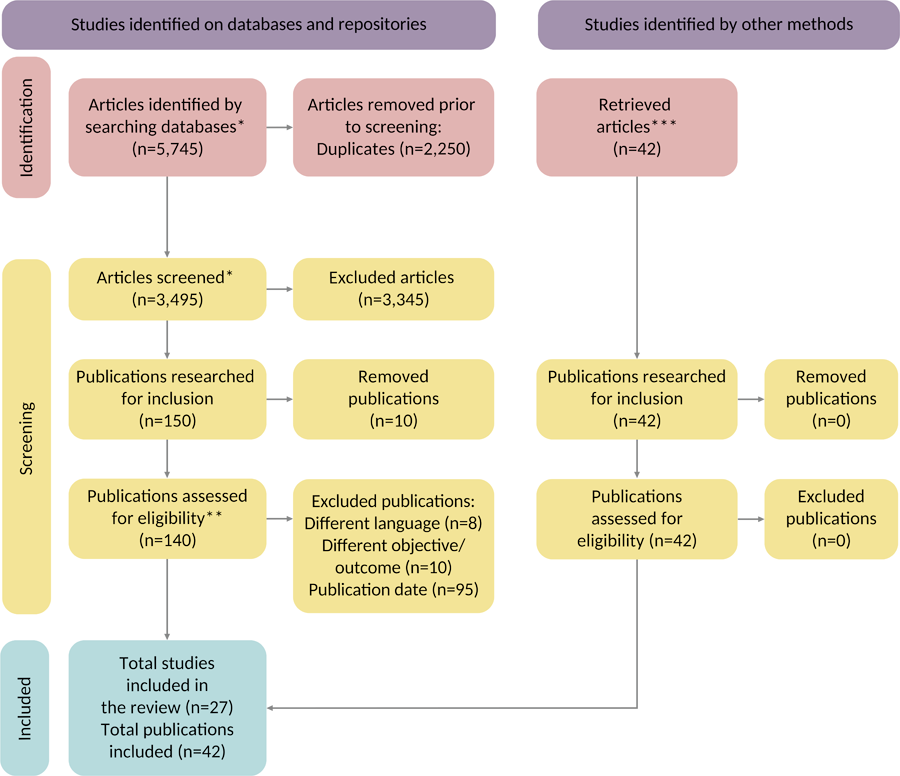 *Screening based on title and abstract; **Analysis by full-text reading; ***Articles selected by the authors (and considered essential for topic development).