
 Pesticides and non-essential metals in Amazonian aquatic organisms: A Scientometric Overview
Abstract
This study aims to assess the scientific knowledge regarding the impact of pesticides and non-essential metals on freshwater aquatic organisms within the Amazon basin. The investigation encompasses a comprehensive analysis, including: i) temporal patterns; ii) methodological approaches; iii) keywords; iv) geographical distribution; v) academic institutions; vi) studied groups of aquatic organisms; and vii) specific environmental contexts investigated. It was used 203 publications in Web of Science and Scopus databases. A discernible ascending trajectory in publication frequency was observed over time, exhibiting a robust and statistically significant correlation with citation counts. The predominant disciplinary focus was discerned to be Environmental Science. Prevalent keywords encapsulated “Mercury,” “Fish,” “Amazon”, “methylmercury” and “bioaccumulation”. Noteworthy scholarly contributions emanated primarily from Brazil, with substantive collaboration of the United States, France, Canada and Bolivia. Among the foremost research entities were Brazilian institutions. Bioindicator selection exhibited a distinct predilection for fishes. The diverse spectrum of aquatic environments scrutinized included rivers, lakes, laboratory settings, and reservoirs. This scientometric analysis not only furnishes insights into the global trajectory of research on pesticides and non-essential metals within Amazonian aquatic ecosystems but also identifies prevailing methodologies, research lacunae, and prospects for future investigations within the Amazon basin.
Key words
Agrochemical; Amazon; Aquatic biota; Bibliometric analysis; Ecotoxicology; Mercury
INTRODUCTION
The Amazon Basin stands as the world’s largest and most ecologically diverse freshwater basin, spanning an expansive 7 million km2 (Goulding et al. 2003) and contributing to 15-17% of the Earth’s total river water (Boubli & Hrbek 2012). The profusion of aquatic organisms within this basin is intrinsically linked to its distinctive ecological features, including diverse aquatic environments, water types, and climatic stability (Goulding et al. 1998, Reis et al. 2016). However, the burgeoning scientific inquiry into the susceptibility of this aquatic biodiversity to anthropogenic perturbations is evidenced by ongoing developmental efforts (Castello 2021). Numerous studies have substantiated the deleterious impacts on biodiversity arising from invasive species (Souza et al. 2009), gold mining (Fernandes & Dhenin 2022), climate change (Sorribas et al. 2016, Herrera-R et al. 2020), hydroelectric plant construction (Becker 2012, Fearnside 2019), and the encroachment of agriculture (Solar et al. 2016). Notably, anthropogenic activities such as agriculture introduces pesticides and herbicides into aquatic organisms (Ma et al. 2019, Disner et al. 2021), while mining and hydroelectric plant construction contribute to the enrichment of non-essential metals in soil and water (Nascimento et al. 2018, Viana et al. 2021).
The concerted efforts of the federal government to develop and integrate the Amazon into the broader Brazilian landscape (Waichman et al. 2002, 2007) have led to extensive agricultural initiatives to meet growing food demands (Waichman et al. 2002). Pesticides, particularly N-(phosphonomethyl)glycine (glyphosate) and 2,4-dichlorophenoxyacetic acid (2,4-D), have become integral tools in combating pests for fruit and vegetable cultivation (IBAMA 2023), with accessibility, technical complexity, and farmer education emerging as pertinent challenges (Waichman et al. 2007). The ensuing contamination from pesticide runoff in floodplain areas, where aquatic and terrestrial environments interconnect, poses risks to the health of aquatic organisms and those reliant on aquatic resources (Rico et al. 2022).
The issue extends further as various pesticides exhibit metabolites and persistent residues in aquatic environments, increasing the potential risk to aquatic organisms. For instance, aminomethylphosphonic acid (AMPA), the primary metabolite derived from the pesticide glyphosate and equally toxic to non-target organisms such as algae and aquatic invertebrates, has a half-life in aquatic environments ranging from 60 to 240 days, compared to its precursor, which ranges from 2 to 91 days (Battaglin et al. 2014). Moreover, multiple studies indicate that commercial pesticide formulations are highly detrimental to the environment, as they contain not only the active chemical ingredient but also other compounds, such as adjuvants and surfactants, which are considered even more toxic (Giesy et al. 2000, Battaglin et al. 2014). Surfactants, such as polyethoxylated tallowamine (POEA), are added to pesticide formulations to reduce the surface tension of plant leaves, enhancing the absorption of the active ingredient. However, in aquatic organisms, increased toxicity has been observed due to its detergent properties, which reduce the surface tension of the lipid layers in cell membranes. This disruption leads to loss of selective permeability, resulting in osmotic imbalances and metabolic dysregulation due to the retention of the active ingredient, glyphosate, within the cellular environment (Gheorghe et al. 2022, Yi et al. 2022).
Non-essential metals such as cadmium (Cd), lead (Pb), and arsenic (As) pose significant societal concerns due to their high toxicity. The persistence of these elements in aquatic organisms depends on bioaccumulation, the progressive accumulation in tissues over time, and biomagnification, which represents the progressive increase in the concentrations of these pollutants at each trophic level, with a higher magnitude in top-level organisms within the food chain. (Erickson et al. 2008), directly impacting biota, human health, and environmental quality (Mohanty & Samanta 2016). These metals naturally reside in Amazon basin soils (Nascimento et al. 2018) and are increasingly introduced into aquatic environments through mining activities (Nascimento et al. 2018, Neto et al. 2020).
In the context of metals, mercury (Hg) is a focal point due to its pervasive presence as a toxic metal threatening the integrity of Amazon’s aquatic biota. Natural and anthropogenic sources contribute to its environmental availability (Azevedo et al. 2019), with elevated natural concentrations in Amazon soils leading to increased metal availability through atmospheric deposition and weathering (Roulet et al. 1998, Azevedo et al. 2019). However, anthropogenic activities, notably gold mining, have substantially escalated mercury release, totaling 2,000 metric tons in the Brazilian Amazon alone (Malm 1998, Soares et al. 2018). Methylmercury (MeHg), a particularly toxic Hg species, accumulates in aquatic organisms, inducing severe detrimental effects on growth, reproduction, and survival (Scheuhammer et al. 2007, Sandheinrich & Wiener 2011).
Thereby, aquatic environments contaminated with pesticides, their metabolic residues, and chemical additives or metals induce multifaceted alterations and damages to diverse freshwater organisms, including fish (Braz-Mota et al. 2015, Ribeiro et al. 2017, Ali & Khan 2018), turtles (Frossard et al. 2013, 2021, Pignati et al. 2018, Oliveira et al. 2020), invertebrates (Wren & Stephenson 1991, Hare et al. 2003, Domingues et al. 2009, Nowell et al. 2014), plants (Schneider & Rubio 1999, Aravind et al. 2003, Wendt-Rasch et al. 2004, Riaz et al. 2017), anurans (Franco-De-Sá & Val 2014, Peluso et al. 2023, Pérez-Iglesias et al. 2023), crocodilians (Buenfil-Rojas et al. 2015, Burella et al. 2018, González et al. 2019), and mammals (Kehrig et al. 2016, Mosquera-Guerra et al. 2019). For instance, aquatic invertebrates alter feeding and reproductive habits (Rico et al. 2022), inducing severe histological damage to organs like the liver and gills (Braz-Mota et al. 2015, Rocha & Souza 2012, Silva et al. 2019), oxidative stress (Silva et al. 2019, Pérez-Iglesias et al. 2023), genotoxicity (Poletta et al. 2009, Frossard et al. 2021, 2013, González et al. 2019), and carcinogenesis (IARC 2017, Panda et al. 2023). Pesticides and metals bioaccumulate in tissues, resulting in chronic effects culminating in organismal demise (Frossard et al. 2013, 2021, Pereira et al. 2016, Disner et al. 2021, Viana et al. 2022).
While existing studies primarily address local questions, a comprehensive understanding of knowledge domains through the quantification of publications provides valuable insights into emerging trends. This study aims to quantify and characterize scientific knowledge on the influence of pesticides and non-essential metals on freshwater organisms in the Amazon through a scientometric analysis leveraging the Web of Science and Scopus databases. Specifically, we scrutinized: i) temporal publication trends; ii) predominant methodological approaches; iii) frequently employed keywords; iv) the nations actively researching this topic in the Amazon; v) institutions with notable publications; vi) preferred groups of aquatic organisms under study; and vii) prevalent environments where these studies are conducted.
MATERIALS AND METHODS
Search For Scientific Articles in the Web of Science and Scopus Database
The dataset under examination was compiled from publications available in the Web of Science (WoS) database (Clarivate Analytics: https://www.webofscience.com) and Scopus database (Elsevier, https://www.elsevier.com/pt-br/products/scopus). The search encompassed the primary WoS and Scopus collection and was delimited to the period between 1991 and 2023 (from the year of the first article indexed on the subject to the latest completed year). The search parameters included the title, keywords, keywords plus, and abstracts. Employing keywords encompassing environments, organism groups, pesticide components, and non-essential metals, the study confined its focus to the Amazon. The selected terms (TS) were as follows: TS=(Freshwater OR river OR lake OR stream OR wetland*) and TS=(plankton OR invertebra* OR microcrustaceans OR fish OR Chelonia OR Turtle OR Crocodylia OR Anura OR Mammalia OR Macrophyte OR plant OR microorganism OR Fungus OR Amphibian) and TS=(Cadmium OR Mercury OR Arsenic OR Lead OR pesticide* OR herbicide* OR insecticide* OR fungicide* OR molluscicide* OR glyphosate OR atrazine OR fipronil OR dichlorophenoxyacetic OR deltametrin OR malathion OR Paraquat OR triclorfon OR parathion) and ALL=Amazon*. The selection of terms related to commonly used pesticides in the Amazon followed the criteria outlined by Waichman (2007). Access to the database was facilitated through “Periódicos CAPES” (https://www.periodicos.capes.gov.br/), a platform owned by the Coordination for the Improvement of Higher Education Personnel (CAPES) in Brazil.
Article Selection Criteria
The initial search yielded 780 identified publications on WoS and 2,056 publications on Scopus. Adhering to the Preferred Reporting Items for Systematic Reviews and Meta-Analysis protocol (PRISMA-P) (Moher et al. 2009) for transparency and rigorous filtering (Figure 1). Were excluded 2,633 publications based on the following criteria: i) replication of prior studies; ii) studies with incomplete information; iii) review articles to prevent redundancy with information already present in the database; iv) studies mentioning contaminants without a direct association with aquatic organisms or reporting solely on humans; v) studies on Amazonian aquatic organisms without reference to the specified contaminants; and vi) studies on contaminants not conducted in the Amazon. Subsequently, 203 studies addressing pesticides and non-essential metals in Amazonian aquatic organisms underwent scientometric analysis (Table SI, see online Supplementary Material at https://androclesborges.github.io/Supplementary-material/). The selected scientometric indicators for analysis included (Table SII; online Supplementary Material) i) year of publication and citation count; ii) subject category as defined by WoS and Scopus; iii) keywords employed; iv) contributing countries; v) collaborative networks among countries; vi) affiliations of the contributing institutions; vii) studied groups of aquatic organisms; and viii) locations of the studies (field or laboratory settings).
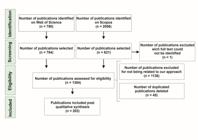
Preferred Reporting Items for Systematic Reviews and Meta-Analysis protocol (PRISMA protocol) with processes of Identification, Screening, Eligibility and Included of articles used in this study.
Data Analysis
The temporal trend of studies and the correlation between the number of citations and publications over the years were assessed using Spearman correlation. The Shapiro-Wilk and Bartlett tests were employed to validate the assumptions of normality and homoscedasticity, respectively, before undertaking data analysis. Descriptive statistics (mean ± standard deviation) were applied to scientometric indicators to discern the most studied subject categories, countries, institutions, organism groups, and Amazonian localities (field or laboratory work), along with the number and relative frequency (%) of studies within each indicator.
For the analysis of authors keywords and related subjects, the VOSviewer software text mining and visualization tool (https://www.vosviewer.com/) were employed. This tool facilitates intuitive bibliometric analysis by creating networks of scientific publications connected through co-occurrence links and word frequency distributions (van Eck & Waltman 2010).
The Geographic Information System (GIS; Qgis 3.22) open-source software was utilized to map collaborative networks between authors and co-authors (QGIS Development Team 2023). Exploratory analysis of all textual attributes was initially conducted using the Bibliometrix package in the Rstudio 4.2 integrated development environment of the R language. Subsequently, standardization and visualization of categories of interest were accomplished using graphics generated by the ggplot2 package (Wickham 2016, Aria & Cuccurullo 2017, R Core Team 2022).
RESULTS
Time Trend of the Studies
A total of 203 publications addressing pesticides and non-essential metals in Amazonian aquatic organisms were identified between 1991 and 2023 (Figure 2). The yearly average publication rate was 6.77 (± 5.47), with 64.67% of the studies emerging in the last decade. Notably, 2020 and 2022 stood out with the highest number of publications (n=19 and 17, respectively; Figure 2). Articles overwhelmingly dominated the document types, constituting 99.04% of all documents. The total number of citations amounted to 5,355, averaging 178.0 (± 147.00) per year. Peak citation counts were observed in 2000 (n = 625) and 1995 (n = 496; Figure 2). A positive and significant correlation (rho = 0.55; p = 0.001) was established between the number of publications and citations each year.

Subject Category from the Web of Science and Scopus Databases
Exploring the databases, 33 subject categories were identified (Table SII; online Supplementary Material), summing up frequencies through co-occurrence to 387 related categories in publications. Predominantly, the publications were affiliated with Environmental Sciences (n = 145; corresponding to 37,47%), followed by Toxicology (n = 43; 11.11%), Environmental & Occupational Health (n = 25; 6.46%), Public (n = 25; 6.46%), Chemistry (n = 14; 3.62), Ecology (n = 13; 3,36%), Biochemistry & Molecular Biology (n = 12; 4%), Endocrinology & Metabolism (n = 11; 3.67%) and Multidisciplinary (n = 10; 3,36%), the other categories included less than 10 publications (Table I). These categories formed six clusters based on frequency, relevance, and co-occurrence, illustrating thematic affinities (Figure 3). The Cluster 1 (red) encompassed environmental science, toxicology and pharmacology. The Cluster 2 (light blue) included public and environmental & occupational health. The Cluster 3 (dark blue) grouped biodiversity, ecology, plant sciences, agronomy and zoology. The Cluster 4 (green) included limnology, marine & freshwater biology, fisheries, biochemistry & molecular biology and endocrinology & metabolism. Cluster 5 (violet) comprised engineering, meteorology & atmospheric science and water resources. While Cluster 6 (orange) chemistry, food science & technology, applied, inorganic & nuclear, analytical and multidisciplinary.

Clusters of subject categories from the WoS and Scopus databases of the analyzed publications.
List of keywords Included in the Articles
The analyzed publications incorporated 506 keywords, with the top 100 accounting for 54.52% of the total. The most frequently used keywords included “mercury” (n = 62; 6.67%), “fish” (n = 48; 5.16%), “Amazon” (n = 38; 4.09%), “methylmercury” (n = 23; 2.47%), and “bioaccumulation” (n = 20; 2.15%) (Figure 4). Five keyword clusters were observed, generated from a matrix representing the frequency with which keywords appear together in different documents. The clusters were formed through layouts measuring the strength of relationships, co-occurrence, and relevance of the keywords. The stronger the relationship between keywords, the higher the likelihood they belong to the same cluster. The colors represent different thematic clusters, and the size of the words reflects their importance within the dataset (Figure 5). The cluster 1 (red) featured dominant keywords like “mercury”, “fish”, “Amazon”, and “bioaccumulation”. The cluster 2 (blue) incorporated prevalent terms such as “gold mining”, “floodplain”, “Hg” and “fish consumption”. The cluster 3 (yellow) included keywords like “methylmercury”, “hair”, “brazilian amazon”, “total mercury”, “gold-mining”, “risk” and “santarem”. The cluster 4 (green) included “heavy metal”, “biomonitoring”, “risk assessment”, “food safety”. Finally, the cluster 5 (violet) incorporated “turtle”, “ecotoxicology”, “oxidative stress”, “mining”.


Countries Contributing to the Studies and Countries Collaborative Network
The study identified 23 countries contributing to research on pesticides and non-essential metals in the Amazon (Figures 6 and 7). Brazil took the lead with the highest number of studies (n = 162; 41.22%), followed by the United States (n = 22; 5.60%), France (n = 18; 4.58%), Canada (n = 11; 2.80%), and Bolivia (n = 9; 2.29%) (Figures 6A and 7). The collaborative network between authors and co-authors countries involved 22 countries, with Brazil engaging in collaborative studies with 21 of them. Notably, Brazil’s most extensive collaboration was with the United States (n = 14), with 13 studies featuring Brazilian authors as first authors and one as a co-author (Figure 6B). Brazil emerged as the leading contributor in the last five years, with the highest publication counts recorded in 2020 (n = 18) and 2023 (n = 17) (Figure 7).
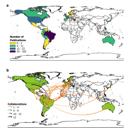
(a) Countries that have contributed to publications related to pesticides and non-essential metals in aquatic organisms in the Amazon and (b) Countries collaboration network between 1991 and 2023.

Ratio of the number of publications by country between 1991 and 2023. Points represent the number of publications per country in each year. The absolute frequency is represented by points with different colors.
Most Relevant Institutions
A total of 77 institutions contributed to the field of pesticides and non-essential metals in Amazonian aquatic organisms (Table SII; online Supplementary Material). The average was 2.67 (± 3.25) publications per year, with a notable prevalence of Brazilian institutions. Among the top seven institutions (42.51%), six were Brazilian, including Universidade Federal do Pará (UFPA), Universidade Federal do Rio de Janeiro (UFRJ), Universidade Estadual Paulista (UNESP), Universidade Estadual do Norte Fluminense (UENF), Universidade de Brasília (UNB), and Instituto Nacional de Pesquisas da Amazônia (INPA). Of these, UFPA published the most studies in 2018 and 2020 (three articles each year), followed by UNESP and UENF, each publishing three articles in 2019 (Figure 8).

Publications list of the 20 most relevant and frequent institutions between 1991 and 2023. Points represent the number of publications per Institution in each year. The absolute frequency is represented by points with different colors.
Most Studied Groups of Organisms
The organisms examined in the articles were categorized into 12 groups (Table SII; online Supplementary Material), averaging 2.87 (± 3.15) studies per category annually (Figure 9). Fish were the most studied group (n = 161; 70%), followed by turtles (n = 18; 7.83%), plankton (n = 12; 5.22%), macrophytes (n = 11; 4.78%), crocodilians (n = 7; 3.04%), and crustaceans (n = 7; 3.04%). Conversely, insects (n = 4; 1.74%), bacteria (n = 4; 1.74%), mollusks (n = 3; 1.30%), mammals (n = 1; 0.43%), platyhelminths (n = 1; 0.43%), and the invertebrate undetermined group (comprising macro or microinvertebrates (n = 1; 0.43%)) were the least studied (Figure 9).

Number of publications between 1991 and 2023, considering the groups of organisms studied. Points represent the number of publications per group of organisms in each year. The absolute frequency is represented by points with different colors.
Study Locations
The study identified seven categories of locations for the research, averaging 2.61 (± 2.53) publications annually (Figure 10). The most frequent categories included river (n = 109; 60.22%), lake (n = 24; 13.25%), laboratory (n = 19; 10.53%), and hydroelectric plant reservoir (n = 14; 7.73%). Conversely, streams (n = 3; 1.65%), river basins (n = 6; 3.31%), and situations where the type of locality was not specified or organisms were procured from local shops (Other, n = 6; 3.31%), these were less frequently studied. The River category consistently dominated throughout the analyzed time period, with the highest publication counts in 2018 (n = 13), 2019 (n = 9), 2015 (n = 9), 2023 (n = 8), and 2020 (n = 8).
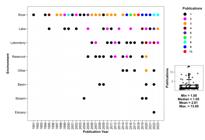
Number of publications with study locations (Environment) between 1991 and 2023. Points represent the number of publications per study location (Environment) in each year. The absolute frequency is represented by points with different colors.
DISCUSSION
Time Trend of the Studies
The findings reveal a noteworthy surge in publications on the subject, particularly in the last decade. This surge is likely attributed to an escalating interest and concern in investigating mercury-related issues and contamination repercussions across various organisms and environments such as the Tapajós and Madeira rivers (Moreno-Brush et al. 2016, Lino et al. 2019, Pestana et al. 2022, Sahoo et al. 2023). Concurrently, the Amazon witnessed a substantial release of mercury, primarily due to the intensified extraction of precious stones and minerals, notably gold, driven by a surge of approximately 90% in its price during the Covid-19 pandemic (Pestana et al. 2022).
The 203 identified publications garnered 5,355 citations, underscoring the topic’s high relevance within the scientific community. A mere 23 publications recorded no citations. Nevertheless, despite the positive correlation, citation numbers exhibited a declining trend over the years, punctuated by intermittent peaks. This skewness in citation distribution might be ascribed to the temporal factor, where older articles tend to accumulate more citations. This study unearthed nine articles over a decade old, each boasting over 100 citations, solidifying their status as “classic articles” in the field (Khan & Ho 2012, Aksnes et al. 2019). Furthermore, these articles are pioneers in the assessment of mercury and methylmercury in aquatic organisms in the Amazon (Table II).
The articles considered “classics” and the most cited between 1991 and 2023, along with their key highlights containing relevant information that makes them classics.
Subject Category from the Web of Science Database
A typical publication indexed in the Web of Science (WoS) and Scopus aligns with one or more subject categories, providing valuable insights into the academic disciplines contributing to intellectual production and the interdisciplinary nature of the knowledge domain (Li et al. 2019). Given the intrinsic link between pollutant contamination and environmental impacts, our data reaffirm this connection by revealing that the majority of studies fall within categories associated with environmental sciences and toxicology. Moreover, investigations into contamination by metals and pesticides inherently manifest a multidisciplinary and interdisciplinary character. The Environmental Sciences subject category serves as an apt illustration of this interdisciplinary essence, encapsulating related domains mentioned in this study, such as Biochemistry & Molecular Biology, Biodiversity & Conservation, Water Resources, Pharmacology & Pharmacy, and Physiology (Brouwer et al. 1990, Fent 1996, Gross 2022). Despite their lower frequency, these additional categories are encompassed and addressed within the more prevalent multidisciplinary areas.
Nonetheless, the analysis indicates a specific inclination among researchers toward assessing the toxicity effects of contaminants on Amazonian aquatic organisms, with secondary focuses on “biodiversity conservation” and “ecology and agronomy”. On the other hand, approaches like “limnology and oceanography” are comparatively less emphasized. The comprehension of toxicity is intricately linked, through the “Toxicology” category to endocrinology, metabolism, biochemistry and molecular mechanisms to elucidate the adverse responses of contaminants in the Amazon’s aquatic biota. The network of subject categories underscores this proclivity, with cluster 1 at the center in red, reinforcing orientation of researchers towards categories related to toxicology, public and environmental health, pharmacology and environmental engineering. This configuration positions these subject categories as core areas in publications on pesticides and non-essential metals in Amazonian aquatic organisms.
It is noteworthy that the subject under study predominantly features publications exploring freshwater environments within the Amazon basin. However, a discernible gap exists, as indicated by cluster 4 (Figure 3), suggesting a dearth of studies in estuarine areas encompassing the Amazon and integrated approaches with limnological aspects. Estuarine regions play a crucial role in nutrient recycling, serve as habitats for various life stages of organisms, and host commercially valuable animals (Delorenzo 2015). Thus, study initiatives with an emphasis on the categories of conservation and biodiversity, limnology and oceanography should be reinforced with the aim of promoting the preservation of environmental conditions and the conservation of Amazonian organisms.
List of keywords Included in the Articles
Mercury contamination in the Amazon region emerged as a subject of discourse in the late 1980s (Hacon et al. 2009), gaining significant traction in subsequent studies. The impetus for this surge can be traced back more than 50 years when mercury evolved into a public health concern due to its irreversible impact on the development of the nervous system, exemplified by cases of human intoxication in Japan and Iraq (Hacon et al. 2009). The escalating count of publications featuring mercury as a keyword reflects the proliferation of research groups in numerous Amazon Basin countries actively addressing this issue. Brazilian institutions, particularly those within the Amazon, have solidified their role as important contributors to the well-established research focus on mercury contamination in the region (Hacon et al. 2009).
Existing literature underscores that fish serve as prominent bioindicators for monitoring mercury contamination. Their role is grounded in their capacity to assimilate both essential and non-essential metals from water, subsequently retaining them in their muscle tissue through dietary ingestion (Burger et al. 2002). Beyond their significance as bioindicators, fish hold a fundamental role as a protein resource in human diets, exhibiting diverse sizes, occupying various trophic levels, ease of capture, and widespread presence across multiple locations (Burger et al. 2002, Lima et al. 2015).
Contrary to the prominence of mercury-related studies, the keywords cloud (Figure 4) highlights a relatively limited focus on pesticides within the Amazon. Scientific production in Brazil concerning the impacts induced by pesticides remains incipient, notwithstanding the country’s status as the largest global consumer of pesticides (Souza et al. 2017, Lopes & Albuquerque 2018). Pesticides have been extensively employed in agriculture for slightly over half a century, encompassing both agribusiness activities and those conducted on family farmers plots (Waichman et al. 2002). The lack of studies on this issue is disconcerting, particularly considering that existing literature establishes pollution, illnesses, and diseases linked to pesticides as among the most significant threats to environmental organism health (Oliveira et al. 2018). This concern has already been substantiated in the case of fish (Ullah & Zorriehzahra 2015) and turtles (Mendonça et al. 2023).
Countries Contributing to the Studies and Countries Collaborative Network
Countries involved in the publication of studies related to pesticides and non-essential metals, and the corresponding publication numbers from 1991 to 2023, are bibliometric indicators that directly reflect the countries invested in understanding the effects of these contaminants on Amazonian aquatic biota. Among the countries linked to the authors of the studies, Brazil emerges as the most prolific contributor, underscoring the substantial investment in research. This is particularly evident in 2020 when Brazil produced 18 publications, followed by a slight decline to eight in 2021, with a subsequent resurgence to 18 in 2022 and 12 in 2023, resulting in a total of 68 articles in the last five years. The unusual circumstances surrounding the global pandemic in 2020 may account for the dip in publications in Brazil in 2021, with research activities resuming and intensifying in subsequent years, thus amplifying research output. The United States occupies the second position, significantly contributing and engaging in partnerships with Brazil for studies on aquatic biota impacts. In contrast, other countries with sections of the Amazon within their territories contribute less compared to Brazil. Examples include Bolivia (nine studies from 1999 to 2021) (Maurice-Borgoin et al. 1999, Maurice-Borgoin 2000, Achá et al. 2005, Silva et al. 2005, Pouilly et al. 2012, 2013, Rivera et al. 2016, Laffont et al. 2009, Salazar-Pammo et al. 2021); Colombia (five studies from 2010 to 2022) (Marrugo-Negrete et al. 2010, Salinas et al. 2014, Alcala-Orozco et al. 2020, Valbuena-Rodríguez et al. 2021, Cardona et al. 2022); Ecuador (two studies in 2019 and 2022) (Vela-Garcia et al. 2019, Nyholt et al. 2022); Peru (four publications between 2017 and 2023) (Wyatt et al. 2017, Martinez et al. 2018, Panduro et al. 2020, Méniz-Oshiro et al. 2023); Suriname (two studies in 2004 and 2012) (Mol & Ouboter 2004); and Venezuela (one study in 2008) (Garcia-Sanchez et al. 2008), possibly reflecting a more pronounced focus on human health risks associated with mercury (Maurice-Bourgoin et al. 1999, Maurice-Bourgoin 2000, Laffont et al. 2009, Rivera et al. 2016, Alcala-Orozco et al. 2020) rather than impacts on aquatic biota (Mol & Ouboter 2004, Marrugo-Negrete et al. 2010, Salinas et al. 2014, Salazar-Pammo et al. 2021).
The Amazon, as a linchpin of global ecological balance, draws considerable interest worldwide due to its richness and diversity. Numerous studies, particularly those on metals, especially mercury, have been undertaken with this global perspective. The documented impacts underscore the imperative for international cooperation to devise effective strategies to mitigate damage wrought by these toxic substances in the Amazon (Pinto et al. 2019). The collaboration network between countries from 1991 to 2023 highlights Brazil’s predominant role in conducting studies, primarily in partnership with the United States. Collaborations extend to Canada, Australia, Japan, and the United Kingdom. In contrast, collaborative efforts with other South American countries are less pronounced, as well as with certain European nations. The notable absence of collaborative networks with countries beyond the aforementioned grouping may indicate a deficit in interest, communication, and partnerships among researchers and institutions on a global scale.
Most Relevant Institutions
When considering institutions with the highest publication output on non-essential metals and pesticides in Amazonian aquatic organisms, Brazilian institutions, particularly Universidade Federal do Pará (UFPA), emerge as significant contributors. This underscores a robust interest among researchers affiliated with these institutions in understanding and disseminating information about the impacts of metals and pesticides on Amazonian species, ultimately advocating for the conservation of the Amazon biome.
Four of the top 10 institutions with the highest publications are situated in the Amazon region. UFPA, with 17 publications, stands out as the leading institution, followed by Instituto Nacional de Pesquisas da Amazônia (INPA) and Universidade Federal de Rondônia (UNIR), each contributing eight and seven studies, respectively, and Universidade Federal do Amazonas (UFAM) had six publications, culminating in a total of 39 publications (Figure 8). In contrast, six institutions from outside the Amazon region are in the top ten, amassing a combined total of 61 publications. Universidade Estadual Paulista (UNESP) leads this group with 14 publications, followed closely by Universidade Federal do Rio de Janeiro (UFRJ) with 13, Universidade de Brasília (UNB) with 10, Centre National de la Recherche Scientifique (CNRS) with 9, Universidade Estadual do Norte Fluminense (UENF) with 8 and Universidade Federal Fluminense (UFF) with 7 publications. This raises a noteworthy concern, signaling that more institutions within the Amazon should actively engage in this critical yet insufficiently studied subject.
Most Studied Groups of Organisms
In the 1990s, fish dominated studies on non-essential metals and pesticides, as evident from the keywords cluster (Figure 4). This trend persisted over consecutive years, constituting 70% of the total studies. Given the vast diversity of fish in the Amazon, crucial for human consumption, the impact on human health is significant (Mergler et al. 2007, Driscoll et al. 2013, Bastos et al. 2015, Zolnikov & Ortiz 2018).
Macrophytes were the subject of a solitary publication in 2000, and this rate of paper production endured over subsequent years. All papers on macrophytes are exclusively focused on Hg, neglecting pesticides. Their significance lies in being producer organisms in the food chain and effective indicators of environmental health (Kirby & Sheahan 1994, Brock et al. 1995). The approach expanded to new bioindicators such as turtles, planktonic organisms, and crocodilians since 2006. Turtles, culturally significant in the Amazon, are both traded and consumed (Vogt 2008, Pezzuti et al. 2010, Schneider et al. 2011). Understanding how their consumption affects human health is crucial, particularly as certain species of Amazonian turtles, especially those of the genus Podocnemis face threats of extinction (IUCN 2017a,b). Furthermore, these organisms are targets of animal trafficking (Kemenes & Pezzuti 2007, Schneider et al. 2011). Consequently, they are related to many conservation programs (Andrade 2008). Crocodilians, albeit focused solely on Hg, are noteworthy for their potential to bioaccumulate contaminants despite being considered non-sensitive to many chemical agents (Domingues & Bertoletti 2006).
Planktonic organisms emerged as the third most studied group, with studies commencing in 2012. These studies predominantly focus on non-essential metals, emphasizing their importance as these metals transform into methylmercury, becoming lipophilic and absorbed by planktonic organisms. Subsequently, these contaminants progress through the food chain to fish and mollusks, accumulating in their fat (Fellenberg 1980). Limited studies employed large crustaceans as bioindicators, with freshwater shrimp (Macrobrachium brasiliense) serving as a notable example. Despite being widespread in Brazil (Pileggi et al. 2013), information on the biology of this species remains limited to the states of São Paulo (Mantelatto & Barbosa 2005) and Mato Grosso do Sul (Pereira & Chacur 2009) Additionally, few studies have explored the potential of large crustaceans as bioindicators for non-essential metals and pesticides, indicating a knowledge gap (Oliveira et al. 2019).
Study Locations (Environment)
Data analysis related to study locations underscores a preference for studies in rivers, lakes, laboratories, and reservoirs, particularly with peaks in publications between 2015 and 2023. This surge in publications aligns with innovation in research methods and equipment, increased funding, and a growing concern regarding the impacts of heightened mining and mercury contamination. The recent uptick in studies on lakes is attributed to their connectivity to main rivers in the Amazon. If these rivers are contaminated, the risk extends to the biota and riverine populations dependent on these water bodies (Nascimento et al. 2018, 2022, Azevedo et al. 2022). However, streams and basins experienced fewer studies between 2004 and 2022, a surprising trend given the presence of different types of pesticides in urban areas of the Amazon. The complexities involved in sampling at the river basin level, such as logistical challenges and lack of funding, contribute to this dearth in research. Additionally, local conflicts and limited collaboration between Brazilian and international institutes further exacerbate the issue, as highlighted by this study.
CONCLUSIONS
This study has contributed valuable insights into the current state of knowledge concerning the impact of pesticides and non-essential metals on organisms in freshwater environments within the Amazon. The scientometric analysis conducted reveals a positive trend in the number of publications addressing this subject, indicating a heightened interest within the scientific community. Throughout the evaluated period, distinct preferences emerged, reflecting hotspot categories within Amazon. Despite the upward trajectory in research, it is noteworthy that limited studies have been conducted in estuarine areas of the Amazon. Advocating for more initiatives in these regions becomes imperative, emphasizing the conservation of organisms and the preservation of natural environmental conditions.
The collaboration network highlights Brazil’s crucial role in studies on the toxicity and effects of non-essential metals and pesticides, with robust partnerships primarily observed with the United States, France, Canada and Bolivia. However, an apparent lack of communication or interest is evident among researchers and institutions outside these countries, particularly within the Amazon. Institutions within the Amazon region display a comparatively lower interest in the subject, with Brazilian institutions lacking campuses in the Amazon emerging as the most prolific contributors to publications. Other countries sharing the Amazon in their territories have produced relatively few studies, potentially influenced by Brazil’s longer mining history. Predominantly researched sites in the context of non-essential metals and pesticides encompass rivers, lakes, laboratory settings, and reservoirs. This emphasis underscores a greater commitment to conserving these environments and signifies innovation in methodologies and funding priorities.
The results elucidate knowledge gaps in the subject, underscoring the imperative need for diverse organism-focused studies, an expansion of the environments under scrutiny, heightened interest among Amazon-based institutions, and an extension of partnerships and collaborations between institutions and countries. Future research should delve into these issues, offering a more comprehensive understanding of the status of the Amazon’s biota and aquatic environments.
Acknowledgements
We thank the Programa de Pós-Graduação em Biologia de Água Doce e Pesca Interior (PPG-BADPI) and its respective institution, the Instituto Nacional de Pesquisas da Amazônia (INPA), and the Coordenação de Aperfeiçoamento de Pessoal de Nível Superior (CAPES), Brazil, article portal, which provided access to the Web of Science database. We would like to express our sincere gratitude to the Fundação de Amparo à Pesquisa do Estado do Amazonas (FAPEAM, 56228. UNI874.6254.18022022-87969) and the Coordenação de Aperfeiçoamento de Pessoal de Nível Superior – Brasil (CAPES 88887.693831/2022-00) for the researchers’ scholarships and supporting the PPG-BADPI (POSGRAD FAPEAM, CAPES Financing code 001).
References
- ACHÁ D, IÑIGUEZ V, ROULET M, GUIMARÃES JRD, LUNA R, ALANOCA L & SANCHEZ S. 2005. Sulfate-reducing bacteria in floating macrophyte rhizospheres from an Amazonian floodplain lake in Bolivia and their association with Hg methylation. Appl Environ Microbiol 71: 7531-7535.
- AKAGI H, MALM O, KINJO Y, HARADA M, BRANCHES FJP, PFEIFFER WC & KATO H. 1995. Methylmercury pollution in the Amazon, Brazil. Sci Total Environ 175(2): 85-95.
- AKSNES DW, LANGFELDT L & WOUTERS P. 2019. Citations, citation indicators, and research quality: an overview of basic concepts and theories. Sage Open 9: 215824401982957.
- ALCALA-OROZCO M, CABALLERO-GALLARDO K & OLIVERO-VERBEL J. 2020. Biomonitoring of mercury, cadmium and selenium in fish and the population of Puerto Nariño, at the southern corner of the Colombian Amazon. Arch Environ Contam Toxicol 79: 354-370.
- ALI H & KHAN E. 2018. Bioaccumulation of non-essential hazardous heavy metals and metalloids in freshwater fish. Risk to human health. Environ Chem Lett 16: 903-917.
- ANDRADE PCM. 2008. Criação e manejo de quelônios no Amazonas, 2a ed., Manaus: ProVárzea, 528 p.
- ARAVIND P, NARASIMHA M & PRASAD V. 2003. Zinc alleviates cadmium-induced oxidative stress in Ceratophyllum demersum L.: a free floating freshwater macrophyte. Plant Physiol Biochem 41: 391-397.
- ARIA M & CUCCURULLO C. 2017. bibliometrix: An R-tool for comprehensive science mapping analysis. J Informetr 11: 959-975.
- AZEVEDO LS, PESTANA IA, NERY AFC, BASTOS WR & SOUZA CMM. 2019. Influence of the flood pulse on mercury accumulation in detritivorous, herbivorous and omnivorous fish in Brazilian Amazonia. Ecotoxicol 28: 478-485.
- AZEVEDO SM, NASCIMENTO LS, OLIVEIRA SILVA L, ALMEIDA MG, AZEVEDO LS, CONSTANTINO WD, BASTOS WR & PESTANA IA. 2022. Flood pulse as a driving force of Pb variation in four fish guilds from Puruzinho Lake (western Amazon). Environ Sci Pollut Res Int 30: 38728-38737.
-
BARBOSA AC, SOUZA J, DÓREA JG, JARDIM WF & FADINI PS. 2003. Mercury Biomagnification in a Tropical Black Water, Rio Negro, Brazil. Arch Environ Contam Toxicol 45: 235-246. DOI: https://doi.org/10.1007/s00244-003-0207-1.
» https://doi.org/10.1007/s00244-003-0207-1 - BASTOS WR, DÓREA JG, BERNARDI JVE, LAUTHARTTE LC, MUSSY MH, LACERDA LD & MALM O. 2015. Mercury in fish of the Madeira river (temporal and spatial assessment), Brazilian Amazon. Environ Res 140: 191-197.
- BATTAGLIN WA, MEYER MT, KUIVILA KM & DIETZE JE. 2014. Glyphosate and its degradation product AMPA occur frequently and widely in U.S. soils, surface water, groundwater, and precipitation. J Am Water Resour Assoc 50: 275-290.
- BECKER BK. 2012. Reflexões sobre hidrelétricas na Amazônia: água, energia e desenvolvimento. MPEG 7: 783-790.
- BOUBLI JP & HRBEK T. 2012. Introdução à Biodiversidade Amazônica. In: MARCON JL et al. (Eds), Biodiversidade Amazônica: caracterização, ecologia e conservação. Manaus. Edua, p. 11-17.
- BRAZ-MOTA S, SADAUSKAS-HENRIQUE H, DUARTE RM, VAL AL & ALMEIDA-VAL VMF. 2015. Roundup® exposure promotes gills and liver impairments, DNA damage and inhibition of brain cholinergic activity in the Amazon teleost fish Colossoma macropomum Chemosphere 135: 53-60.
- BROCK TCM, ROIJACKERS RMM, ROLLON R, BRANSEN F & VAN DER HEYDEN L. 1995. Effects of nutrient loading and insecticide application on the ecology of Elodea-dominated freshwater microcosms II. Responses of macrophytes, periphyton and macroinvertebrate grazers. Arch Hydrobiol 134: 53-74.
- BROUWER A, MURK AJ & KOEMAN JH. 1990. Biochemical and Physiological Approaches in Ecotoxicology. Funct Ecol 4: 275-280.
- BUENFIL-ROJAS AM, ÁLVAREZ-LEGORRETA T & CEDEÑO-VÁZQUEZ JR. 2015. Metals and metallothioneins in Morelet’s crocodile (Crocodylus moreletii) from a transboundary river between Mexico and Belize. Arch Environ Contam Toxicol 68: 265-273.
- BURELLA PM, ODETTI LM, SIMONIELLO MF & POLETTA GL. 2018. Oxidative damage and antioxidant defense in Caiman latirostris (Broad-snouted caiman) exposed in ovo to pesticide formulations. Ecotoxicol Environ Saf 161: 437-443.
- BURGER J, GAINES KF, BORING CS, STEPHENS WL, SNODGRASS J, DIXON C, MCMAHON M, SHUKLA S, SHUKLA T & GOCHFELD M. 2002. Metal levels in fish from the Savannah river: Potential hazards to fish and other receptors. Environ Res 89: 85-97.
- CARDONA GI, ESCOBAR MC, ACOSTA-GONZÁLEZ A, MARÍN P & MARQUÉS S. 2022. Highly mercury-resistant strains from different Colombian Amazon ecosystems affected by artisanal gold mining activities. Appl Microbiol Biotechnol 106: 2775-2793.
- CASTELLO L. 2021. Science for conserving Amazon freshwater ecosystems. Aquat Conserv 31: 999-1004.
- DELORENZO ME. 2015. Impacts of climate change on the ecotoxicology of chemical contaminants in estuarine organisms. Curr Zool 61: 641-652.
- DISNER GR, FALCÃO MAP, ANDRADE-BARROS AI, LEITE DOS SANTOS NV, SOARES ABS, MARCOLINO-SOUZA M, GOMES KS, LIMA C & LOPES-FERREIRA M. 2021. The Toxic Effects of Glyphosate, Chlorpyrifos, Abamectin, and 2,4-D on Animal Models: A Systematic Review of Brazilian Studies. Integr Environ Assess Manag 17: 507-520.
- DOMINGUES DF & BERTOLETTI E. 2006. Seleção, manutenção e cultivo de organismos aquáticos. In: ZAGATO PA & BERTOLETT E (Eds), Ecotoxicologia aquática – princípios e aplicações, São Carlos: Rima, 153-184 p.
- DOMINGUES I, AGRA AR, MONAGHAN K, SOARES AMVM & NOGUEIRA AJA. 2009. Cholinesterase and glutathione-S-transferase activities in freshwater invertebrates as biomarkers to assess pesticide contamination. Environ Toxicol Chem 29: 5-18.
- DRISCOLL CT, MASON RP, CHAN HM, JACOB DJ & PIRRONE N. 2013. Mercury as a global pollutant: sources, pathways, and effects. Environ Sci Technol 47: 4967-4983.
- ERICKSON RJ, NICHOLS JW, COOK PM & ANKLEY GT. 2008. Bioavailability of chemical contaminants in aquatic systems. In: DI GIULIO RT & HINTON DE (Eds), The Toxicology of Fishes, Boca Raton: CRC Press, 9-54 p.
- FEARNSIDE PM. 2019. Impactos das hidrelétricas na Amazônia e a tomada de decisão. Novos cadernos NAEA 22: 69-96.
- FELLENBERG O. 1980. Introdução aos problemas da poluição ambiental, São Paulo: Editora Pedagógica Universitária, 196 p.
- FENT K. 1996. Ecotoxicology of Organotin Compounds. Crit Rev Toxicol 26: 1-117.
- FERNANDES RMS & DHENIN MPP. 2022. Análise da atividade neoextrativista da mineração de ouro no estado do Amapá (2000-2020). Confins 54: 1-42.
- FRANCO-DE-SÁ JFO & VAL AL. 2014. Copper toxicity for Scinax ruber and Rhinella granulosa (Amphibia: Anura) of the Amazon: potential of biotic ligand model to predict toxicity in urban streams. Acta Amazon 44: 491-498.
- FROSSARD A, COPPO GC, LOURENÇO AT, HERINGER OA & CHIPPARI-GOMES AR. 2021. Metal bioaccumulation and its genotoxic effects on eggs and hatchlings of giant Amazon river turtle (Podocnemis expansa). Ecotoxicol 30: 643-657.
- FROSSARD A, FERREIRA PD, CARNEIRO MTWD, HERINGER OA, ENDRINGER DC & GOMES LC. 2013. Effect of dietary cadmium on fitness, growth, genotoxicity and accumulation in the Yellow-spotted River Turtle, Podocnemis unifilis Aquat Toxicol 140-141: 239-241.
- GARCIA-SANCHEZ A, CONTRERAS F, ADAMS M & SANTOS F. 2008. Mercury contamination of surface water and fish in a gold mining region (Cuyuní river basin, Venezuela). IJEP 33: 260-274.
- GHEORGHE S, STAN MS, MITROI DN, STAICU AC, CICIRMA M, LUCACIU IE, NITA-LAZAR M & DINISCHIOTU A. 2022. Oxidative Stress and Histopathological Changes in Gills and Kidneys of Cyprinus carpio following Exposure to Benzethonium Chloride, a Cationic Surfactant. Toxics 10: 1-15.
- GIESY JP, DOBSON S & SOLOMON K. 2000. Ecotoxicological risk assessment for Roundup® Herbicide. Rev Environ Contam Toxicol 167: 35-120.
- GONZÁLEZ ECL, SIROSKI PA & POLETTA GL. 2019. Genotoxicity induced by widely used pesticide binary mixtures on Caiman latirostris (broad-snouted caiman). Chemosphere 232: 337-344.
- GOULDING M, BARTHEM R & FERREIRA EJG. 2003. The Smithsonian Atlas of the Amazon, Washington: Smithsonian Institution. ISBN 13: 1588341356.
- GOULDING M, CARVALHO ML & FERREIRA EG. 1998. Rio Negro: Rich life in poor water. Amazonian diversity and foodplain ecology as seen through fish communities. In: GOUDLING M (Ed.), Academic Publishing, SPB Academic Publishing.
- GROSS EM. 2022. Aquatic chemical ecology meets ecotoxicology. Aquat Ecol 56: 493-511.
- GUIMARÃES JRD, MEILI M, HYLANDER LD, SILVA EC, ROULET M, MAURO JBN & LEMOS RA. 2000. Mercury net methylation in five tropical flood plain regions of Brazil: high in the root zone of floating macrophyte mats but low in surface sediments and flooded soils. Sci Total Environ 261(1-3): 99-107.
- HACON S, BARROCAS PRG, VASCONCELLOS ACS, BARCELLOS C, WASSERMAN JC & CAMPOS RC. 2009. Um panorama dos estudos sobre contaminação por mercúrio na Amazônia Legal no período de 1990 a 2005 - avanços e lacunas. Geochim Bras 23: 29-48.
- HARE L, TESSIER A & BORGMANN U. 2003. Metal sources for freshwater invertebrates: Pertinence for risk assessment. Hum ecol risk assess 9: 779-793.
- HERRERA-R GA ET AL. 2020. The combined effects of climate change and river fragmentation on the distribution of Andean Amazon fishes. Glob Chang Biol 26: 5509-5523.
- IARC. 2017. Monographs on the evaluation of carcinogenic risks to humans. In: Some Organophosphate Insecticides and Herbicides, Lion: International Agency for Research on Cancer, 452 p.
- IBAMA. 2023. Painéis de informações de agrotóxicos. 1-2.
- IUCN. 2017a. Tortoise & Freshwater Turtle Specialist Group Podocnemis expansa The IUCN Red List of Threatened Species.
- UCN. 2017b. Tortoise & Freshwater Turtle Specialist Group Podocnemis unifilis The IUCN Red List of Threatened Species 8235.
- KEHRIG HA, HAUSER-DAVIS RA, SEIXAS TG, PINHEIRO AB & DI BENEDITTO APM. 2016. Mercury species, selenium, metallothioneins and glutathione in two dolphins from the southeastern Brazilian coast: Mercury detoxification and physiological differences in diving capacity. Environ Pollut 213: 785-792.
- KEMENES A & PEZZUTI JCB. 2007. Estimate of Trade Traffic of Podocnemis (Testudines, Podocnemididae) from the Middle Purus River, Amazonas, Brazil. Chelonian Conserv Biol 6: 259-262.
- KHAN MA & HO Y-S. 2012. Top-cited articles in environmental sciences: Merits and demerits of citation analysis. Sci Total Environ 431: 122-127.
- KIRBY MF & SHEAHAN DA. 1994. Effects of atrazine, isoproturon, and mecoprop on the macrophyte Lemna minor and the alga Scenedesmus subspicatus Bull Environ Contam Toxicol 53: 120-126.
- LAFFONT L, SONKE JE, MAURICE L, HINTELMANN H, POUILLY M, SÁNCHEZ BACARREZA Y, PEREZ T & BEHRA P. 2009. Anomalous mercury isotopic compositions of fish and human hair in the Bolivian Amazon. Environ Sci Technol 43: 8985-8990.
- LECHLER PJ, MILLER JR, LACERDA LD, VINSON D, BONZONGO J-C, LYONS WB & WARWICK JJ. 2000. Elevated mercury concentrations in soils, sediments, water, and fish of the Madeira River basin, Brazilian Amazon: a function of natural enrichments? Sci Total Environ 260(1-3): 87-96.
- LI C, JI X & LUO X. 2019. Phytoremediation of heavy metal pollution: A bibliometric and scientometric analysis from 1989 to 2018. Int J Environ Res Public Health 16: 1-28.
- LIMA DP, SANTOS C, SILVA RS, YOSHIOKA ETO & BEZERRA RM. 2015. Heavy metal contamination in fish and water from cassiporé river Basin, state of Amapá, Brazil. Acta Amazon 45: 405-414.
- LINO AS, KASPER D, GUIDA YS, THOMAZ JR & MALM O. 2019. Total and methyl mercury distribution in water, sediment, plankton and fish along the Tapajós River basin in the Brazilian Amazon. Chemosphere 235: 690-700.
- LOPES CVA & ALBUQUERQUE GSC. 2018. Agrotóxicos e seus impactos na saúde humana e ambiental: uma revisão sistemática. Saúde Debate 42: 518-534.
- MA J, ZHU J, WANG W, RUAN P, RAJESHKUMAR S & LI X. 2019. Biochemical and molecular impacts of glyphosate-based herbicide on the gills of common carp. Environ Pollut 252: 1288-1300.
- MALM O. 1998. Gold mining as a source of mercury exposure in the Brazilian Amazon. Environ Res, Section A 77: 73-78.
- MALM O, BRANCHES FJP, HIROKATSU A, CASTRO MB, PFEIFFER WC, MASAZUMI H, WANDERLEY RB & KATO H. 1995. Mercury and methylmercury in fish and human hair from the Tapajós river basin, Brazil. Sci Total Environ 175(2): 141-150.
- MANTELATTO FLM & BARBOSA LR. 2005. Population structure and relative growth of freshwater prawn Macrobrachium brasiliense (Decapoda, Palaemonidae) from São Paulo State, Brazil. Acta Limnol Bras 17: 245-255.
- MARRUGO-NEGRETE J, BENÍTEZ LN, OLIVERO-VERBEL J, LANS E & GUTIERREZ FV. 2010. Spatial and seasonal mercury distribution in the Ayapel Marsh, Mojana region, Colombia. Int J Environ Health Res 20: 451-459.
- MARTINEZ G, MCCORD SA, DRISCOLL CT, TODOROVA S, WU S, ARAÚJO JF, VEGA CM & FERNANDEZ LE. 2018. Mercury contamination in riverine sediments and fish associated with artisanal and small-scale gold mining in Madre de Dios, Peru. Int J Environ Res Public Health 15(8): 1584.
- MAURICE-BOURGOIN L. 2000. Mercury distribution in waters and fishes of the upper Madeira rivers and mercury exposure in riparian Amazonian populations. Sci Total Environ 260: 73-86.
- MAURICE-BOURGOIN L, QUIROGA I, CHINCHEROS J & COURAU P. 2000. Mercury distribution in waters and fishes of the upper Madeira rivers and mercury exposure in riparian Amazonian populations. Sci Total Environ 260(1-3): 73-86.
- MAURICE-BOURGOIN L, QUIROGA I, GUYOT JL & MALM O. 1999. Mercury pollution in the Upper Beni River, Amazonian Basin: Bolivia. Ambio 28: 302-306.
- MELA M, RANDI MAF, VENTURA DF, CARVALHO CEV, PELLETIER E & RIBEIRO CAO. 2007. Effects of dietary methylmercury on liver and kidney histology in the neotropical fish Hoplias malabaricus. Ecotoxicol Environ Saf 68(3): 426-435.
- MENDONÇA JS, VIEIRA LG, HIRANO LQL, QUALHATO G, ALMEIDA JCN, SANTOS ALQ, FERNANDES EA, MALAFAIA G & ANDRADE DV. 2023. Eggshell composition of Amazon turtle (Podocnemis expansa) is altered after incubation in substrates containing glyphosate and fipronil formulations. Sci Total Environ 893: 164901.
- MÉNIZ-OSHIRO E & OLÍVER JAI. 2023. Ecotoxic Effects of Heavy Metals on Daphnia magna and Paracheirodon innesi in an Amazonian Peruvian River. Acta Biolo Colomb 28: 492-505.
- MERGLER D, ANDERSON HA, CHAN LHM, MAHAFFEY KR, MURRAY M, SAKAMOTO M & STERN AH. 2007. Panel on health risks and toxicological effects of methylmercury. Methylmercury exposure and health effects in humans: a worldwide concern. Ambio 36: 3-11.
- MOHANTY D & SAMANTA L. 2016. Multivariate analysis of potential biomarkers of oxidative stress in Notopterus notopterus tissues from Mahanadi River as a function of concentration of heavy metals. Chemosphere 155: 28-38.
- MOHER D, LIBERATI A, TETZLAFF J & ALTMAN DG. 2009. Preferred reporting items for systematic reviews and meta-analyses: The PRISMA statement. PLoS Med 6: 1-6.
- MOL JH & OUBOTER PE. 2004. Downstream effects of erosion from small-scale gold mining on the instream habitat and fish community of a small neotropical rainforest stream. Conserv Biol 18: 201-214.
- MORENO-BRUSH M, RYDBERG J, GAMBOA N, STORCH I & BIESTER H. 2016. Is mercury from small-scale gold mining prevalent in the southeastern Peruvian Amazon? Environ Pollut 218: 150-159.
- MOSQUERA-GUERRA F ET AL. 2019. Mercury in populations of river dolphins of the Amazon and Orinoco Basins. Ecohealth 16: 743-758.
- NASCIMENTO CWA, LIMA LHV, SILVA FL, BIONDI CM & CAMPOS MCC. 2018. Natural concentrations and reference values of heavy metals in sedimentary soils in the Brazilian Amazon. Environ Monit Assess 190: 1-9.
- NASCIMENTO LS, SILVA LO, AZEVEDO SM, ALMEIDA R, ALMEIDA MG, AZEVEDO LS, BASTOS WR, SOUZA CMM & PESTANA IA. 2022. Spatial-temporal dynamics of Cr in fish from Puruzinho Lake (Western Amazon) and dietary risk assessment. Chemosphere 300: 1-11.
- NETO HFS, PEREIRA WVS, DIAS YN, SOUZA ES, TEIXEIRA RA, LIMA MW, RAMOS SJ, AMARANTE CB & FERNANDES AR. 2020. Environmental and human health risks of arsenic in gold mining areas in the eastern Amazon. Environ Pollut 265: 1-13.
- NOWELL LH, NORMAN JE, MORAN PW, MARTIN JD & STONE WW. 2014. Pesticide toxicity index-a tool for assessing potential toxicity of pesticide mixtures to freshwater aquatic organisms. Sci Total Environ 476-477: 144-157.
- NYHOLT K, JARDINE TD, VILLAMARÍN F, JACOBI CM, HAWES JE, CAMPOS-SILVA JV, SRAYKO S & MAGNUSSON WE. 2022. High rates of mercury biomagnification in fish from Amazonian floodplain-lake food webs. Sci Total Environ 833: 155161.
- OLIVEIRA JSP ET AL. 2020. Mutagenic, genotoxic and morphotoxic potential of different pesticides in the erythrocytes of Podocnemis expansa neonates. Sci Total Environ 737: 1-9.
- OLIVEIRA LJF, SANT’ANNA BS & HATTORI GY. 2019. Population biology of the freshwater prawn Macrobrachium brasiliense (Heller, 1862) in the Middle Amazon Region, Brazil. Trop Zool 32: 19-36.
- OLIVEIRA LK, PIGNATI W, PIGNATTI MG, BESERRA L & LEÃO LHDC. 2018. Socio-sanitary-environmental process of pesticides in the basin of the rivers Juruena, Tapajós and Amazonas in Mato Grosso, Brazil. Saúde Soc 27: 573-587.
- OUBOTER PE, LANDBURG GA, QUIK JHM, MOL JHA & VAN DER LUGT F. 2012. Mercury levels in pristine and gold mining impacted aquatic ecosystems of Suriname, South america. Ambio 41: 873-882.
- PANDA BP ET AL. 2023. Metal pollution in freshwater fish: A key indicator of contamination and carcinogenic risk to public health. Environ Pollut 330: 1-12.
- PANDURO G, RENGIFO GC, BARRETO JL, ARBAIZA-PEÑA ÁK, IANNACONE J, ALVARIÑO L & CRNOBRNA B. 2020. Bioaccumulation of mercury in fish and risk of ingestion in an indigenous community in the Peruvian Amazonia. Rev Investig Vet Peru 31: 1-15.
- PELUSO J ET AL. 2023. Metals, pesticides, and emerging contaminants on water bodies from agricultural areas and the effects on a native amphibian. Environ Res 226: 1-9.
- PEREIRA LS, RIBAS JLC, VICARI T, SILVA SB, STIVAL J, BALDAN AP, VALDEZ DOMINGOS FX, GRASSI MT, CESTARI MM & SILVA DE ASSIS HC. 2016. Effects of ecologically relevant concentrations of cadmium in a freshwater fish. Ecotoxicol Environ Saf 130: 29-36.
- PEREIRA MGC & CHACUR MM. 2009. Populational structure of Macrobrachium brasiliense (Crustacea, Palaemonidae) of the Escondido Stream, Batayporã, Mato Grosso do Sul, Brazil. J Neotrop Biol 6: 75-82.
- PÉREZ-IGLESIAS JM, NATALE GS, BRODEUR JC & LARRAMENDY ML. 2023. Realistic scenarios of pesticide exposure alters multiple biomarkers in Boana pulchella (Anura) adult frogs. Ecotoxicol 32: 309-320.
- PESTANA IA, DE REZENDE CE, ALMEIDA R, DE LACERDA LD & BASTOS WR. 2022. Let’s talk about mercury contamination in the Amazon (again): The case of the floating gold miners’ village on the Madeira River. Extr Ind Soc 11: 1-7.
- PEZZUTI JCB, LIMA JP, DA SILVA DF & BEGOSSI A. 2010. Uses and taboos of turtles and tortoises along Rio Negro, Amazon Basin. J Ethnobiol 30: 153-168.
- PIGNATI MT, SOUZA LC, MENDES RA, LIMA MO, PIGNATI WA & PEZZUTI JCB. 2018. Levels of organochlorine pesticides in Amazon turtle (Podocnemis unifilis) in the Xingu River, Brazil. J Environ Sci Health B 53: 810-816.
- PILEGGI LG, MAGALHAES C, BOND-BUCKUP G & MANTELATTO FL. 2013. New records and extension of the known distribution of some freshwater shrimps in Brazil. Rev Mex Biodivers 84: 563-574.
- PINTO LCM, DÓREA JG, BERNARDI JVE & GOMES LF. 2019. Mapping the evolution of mercury (Hg) research in the amazon (1991-2017): A scientometric analysis. Int J Environ Res Public Health 16: 1-12.
- POLETTA GL, LARRIERA A, KLEINSORGE E & MUDRY MD. 2009. Genotoxicity of the herbicide formulation Roundup® (glyphosate) in broad-snouted caiman (Caiman latirostris) evidenced by the comet assay and the micronucleus test. Mutat Res Genet Toxicol Environ Mutagen 672: 95-102.
- POUILLY M, PÉREZ T, REJAS D, GUZMAN F, CRESPO G, DUPREY JL & GUIMARÃES JRD. 2012. Mercury bioaccumulation patterns in fish from the Iténez river basin, Bolivian Amazon. Ecotoxicol Environ Saf 83: 8-15.
- POUILLY M, REJAS D, PÉREZ T, DUPREY JL, MOLINA CI, HUBAS C & GUIMARÃES JRD. 2013. Trophic Structure and Mercury Biomagnification in Tropical Fish Assemblages, Iténez River, Bolivia. PLoS One 8: 1-9.
- QGIS DEVELOPMENT TEAM. 2023. QGIS Geographic Information System. Open Source Geospatial Foundation Project.
- R CORE TEAM. 2022. R: A language and environment for statistical computing. R Foundation for Statistical Computing.
- REIS RE, ALBERT JS, DI DARIO F, MINCARONE MM, PETRY P & ROCHA LA. 2016. Fish biodiversity and conservation in South America. J Fish Biol 89: 12-47.
- RIAZ G, TABINDA AB, IQBAL S, YASAR A, ABBAS M, KHAN AM, MAHFOOZ Y & BAQAR M. 2017. Phytoremediation of organochlorine and pyrethroid pesticides by aquatic macrophytes and algae in freshwater systems. Int J Phytoremediation 19: 894-898.
- RIBEIRO DRG, FACCIN H, MOLIN TRD, DE CARVALHO LM & AMADO LL. 2017. Metal and metalloid distribution in different environmental compartments of the middle Xingu River in the Amazon, Brazil. Sci Total Environ 605-606: 66-74.
- RICO A, DE OLIVEIRA R, SILVA DE SOUZA NUNES G, RIZZI C, VILLA S, DE CAROLI VIZIOLI B, MONTAGNER CC & WAICHMAN AV. 2022. Ecological risk assessment of pesticides in urban streams of the Brazilian Amazon. Chemosphere 291: 1-9.
- RIVERA SJ, PACHECO LF, ACHÁ D, MOLINA CI & MIRANDA-CHUMACERO G. 2016. Low total mercury in Caiman yacare (Alligatoridae) as compared to carnivorous, and non-carnivorous fish consumed by Amazonian indigenous communities. Environ Pollut 218: 366-371.
- ROCHA CT & SOUZA MM. 2012. The influence of lead on different proteins in gill cells from the freshwater bivalve, Corbicula fluminea, from defense to repair biomarkers. Arch Environ Contam Toxicol 62: 56-67.
- ROULET M ET AL. 1998. The geochemistry of mercury in central Amazonian soils developed on the Alter-do-Chão formation of the lower Tapajós River Valley, Pará state, Brazil. Sci Total Environ 223: 1-24.
- SAHOO PK, DALL’AGNOL R, SIMÕES ROLO DE DEUS SC, SALOMÃO GN, FELIX GUIMARÃES JT, ANGELICA RS, RAMOS SJ, FURTADO DA COSTA M & OSWALDO DE SIQUEIRA J. 2023. Mercury in multimedia system of Itacaiúnas Basin, Brazilian Amazon: An integrated approach to understand its distribution, origin, and ecological risk. Environ Res 232: 115107.
- SALAZAR-PAMMO AC, ACHÁ D & MIRANDA-CHUMACERO G. 2021. Preferential liver accumulation of mercury explains low concentrations in muscle of Caiman yacare (Alligatoridae) in Upper Amazon. Bull Environ Contam Toxicol 106: 264-269.
- SALINAS C, CUBILLOS JC, GÓMEZ R, TRUJILLO F & CABALLERO S. 2014. “Pig in a poke (gato por liebre)”: The “mota” (Calophysus macropterus) fishery, molecular evidence of commercialization in Colombia and toxicological analyses. Ecohealth 11: 197-206.
- SANDHEINRICH MB & WIENER JG. 2011. Methylmercury in freshwater fish recent advances in assessing toxicity of environmentally relevant exposures. In: BEYER NW & MEADOR JP (Eds), Environmental Contaminants in Biota, Boca Raton: CRC Press, 169-190 p.
- SCHEUHAMMER AM, MEYER MW, SANDHEINRICH MB, MURRAY & MICHAEL W. 2007. Effects of environmental methylmercury on the health of wild birds, mammals, and fish. Ambio 36: 12-19.
- SCHNEIDER IAH & RUBIO J. 1999. Sorption of heavy metal ions by the nonliving biomass of freshwater macrophytes. Environ Sci Technol 33: 2213-2217.
- SCHNEIDER L, FERRARA CR, VOGT RC & BURGER J. 2011. History of turtle exploitation and management techniques to conserve turtles in the Rio Negro Basin of the Brazilian Amazon. Chelonian Conserv Biol 10: 149-157.
- SILVA DS, LUCOTTE M, ROULET M, POIRIER H, MERGLER D, SANTOS EO & CROSSA M. 2005. Trophic structure and bioaccumulation of mercury in fish of three natural lakes of the Brazilian Amazon. Water Air Soil Pollut 165: 77-94.
- SILVA GS, MATOS LV, FREITAS JOS, CAMPOS DF & ALMEIDA E VAL VMF. 2019. Gene expression, genotoxicity, and physiological responses in an amazonian fish, Colossoma macropomum (CUVIER 1818), exposed to Roundup® and subsequent acute hypoxia. Comp Biochem Physiol C Toxicol Pharmacol 222: 49-58.
- SOARES JM, GOMES JM, ANJOS MR, SILVEIRA JN, CUSTÓDIO FB & GLORIA MBA. 2018. Mercury in fish from the Madeira River and health risk to amazonian and riverine populations. Food Research International 109: 537-543.
- SOLAR RRC, BARLOW J, ANDERSEN AN, SCHOEREDER JH, BERENGUER E, FERREIRA JN & GARDNER TA. 2016. Biodiversity consequences of land-use change and forest disturbance in the Amazon: A multi-scale assessment using ant communities. Biol Conserv 197: 98-107.
- SORRIBAS MV, PAIVA RCD, MELACK JM, BRAVO JM, JONES C, CARVALHO L, BEIGHLEY E, FORSBERG B & COSTA MH. 2016. Projections of climate change effects on discharge and inundation in the Amazon basin. Clim Change 136: 555-570.
- SOUZA GDS, DA COSTA LCA, MACIEL AC, REIS FDV & PAMPLONA YDAP. 2017. Presence of pesticides in atmosphere and risk to human health: a discussion for the environmental surveillance. Cien Saude Colet 22: 3269-3280.
- SOUZA RCCL, CALAZANS SH & SILVA EP. 2009. Impacto das espécies invasoras no ambiente aquático. Cienc Cult 61: 35-41.
- ULLAH S & ZORRIEHZAHRA MJ. 2015. Ecotoxicology: a review of pesticides induced toxicity in fish. Adv Anim Vet Sci 3: 40-57.
- VALBUENA-RODRÍGUEZ S & NAVARRO-RAMÍREZ MÁ. 2021. Total mercury in striped catfish and bocachico from river Meta, Colombia. Rev U D C Actual Divulg Cient 24: 1-9.
- VAN ECK NJ & WALTMAN L. 2010. Software survey: VOSviewer, a computer program for bibliometric mapping. Scientometrics 84: 523-538.
- VELA-GARCÍA N, GUAMÁN-BURNEO MC & GONZÁLEZ-ROMERO NP. 2019. Efficient bioremediation from metallurgical effluents through the use of microalgae isolated from the amazonic and highlands of Ecuador. Rev Int Contam Ambiental 35: 917-929.
- VIANA LF, KUMMROW F, CARDOSO CAL, DE LIMA NA, SOLÓRZANO JCJ, CRISPIM BA, BARUFATTI A & FLORENTINO AC. 2021. High concentrations of metals in the waters from Araguari River lower section (Amazon biome): Relationship with land use and cover, ecotoxicological effects and risks to aquatic biota. Chemosphere 285: 1-9.
- VIANA NP ET AL. 2022. Bioconcentration and toxicological impacts of fipronil and 2,4-D commercial formulations (single and in mixture) in the tropical fish, Danio rerio Environ Sci Pollut Res Int 29: 11685-11698.
- VOGT RC. 2008. Tartarugas da Amazônia, Lima: Gráfica Biblos, 104 p.
- WAICHMAN AV, EVE E & NINA NCS. 2007. Do farmers understand the information displayed on pesticide product labels? A key question to reduce pesticides exposure and risk of poisoning in the Brazilian Amazon. Crop Protection 26: 576-583.
- WAICHMAN AV, RÖMBKE J, RIBEIRO MAO & NINA NCS. 2002. Use and Fate of Pesticides in the Amazon State, Brazil: Risk to Human Health and the Environment. Environ Sci Pollut Res Int 9: 423-428.
- WENDT-RASCH L, VAN DEN BRINK PJ, CRUM SJH & WOIN P. 2004. The effects of a pesticide mixture on aquatic ecosystems differing in trophic status: Responses of the macrophyte Myriophyllum spicatum and the periphytic algal community. Ecotoxicol Environ Saf 57: 383-398.
-
WICKHAM H. 2016. ggplot2: Elegant Graphics for Data Analysis, New York: Springer. https://doi.org/10.1007/978-3-319-24277-4
» https://doi.org/10.1007/978-3-319-24277-4 - WREN CD & STEPHENSON GL. 1991. The effect of acidification on the accumulation and toxicity of metals to freshwater invertebrates. Environ Pollut 71: 205-241.
- WYATT L, ORTIZ EJ, FEINGOLD B, BERKY A, DIRINGER S, MORALES AM, JURADO ER, HSU-KIM H & PAN W. 2017. Spatial, temporal, and dietary variables associated with elevated mercury exposure in peruvian riverine communities upstream and downstream of artisanal and small-scale gold mining. Int J Environ Res Public Health 14(12): 1582.
- YI X, WEI Y, ZHAI W, WANG P, LIU D & ZHOU Z. 2022. Effects of three surfactants on the degradation and environmental risk of metolachlor in aquatic environment. Chemosphere 300: 134295.
- ZOLNIKOV TR & ORTIZ DR. 2018. A systematic review on the management and treatment of mercury in artisanal gold mining. Sci Total Environ 633: 816-824.


