 Dismantling Tactics and The Delay of a Residual Indemnification Gained for the Truká of the São Francisco River: Indigenous people, Justice and Anthropological Reports
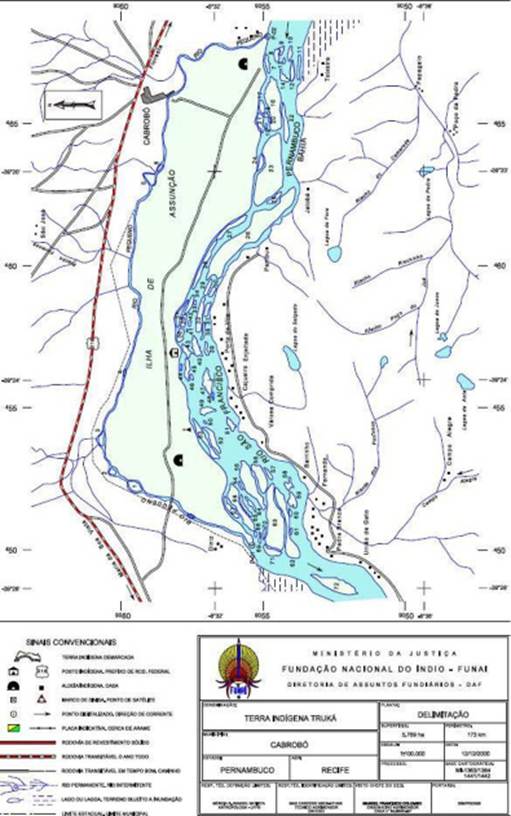
This article examines a dispute over the calculation of the value of compensation due to the Truká indigenous people in a legal process concerning a transmission line built by the CHESF electricity company to provide energy to resettled farmers affected by a dam, causing damage when passing through indigenous land. Narrating traditional occupation, irregular expulsion and retaking of indigenous land, it emphasizes actions of indigenous peoples, justice and an anthropological report on land recognition. It details the effects of the residual indemnification process on dismantling tactics used by the company to postpone and decrease the amount of compensation: demoralization, institutional metamorphosis, planned abandonment, and bureaucratic incorporation. It discusses collaboration and reliability in the preparation of reports; divergent meanings of the term “value”, changed meanings of debtor and creditor, and the importance of indigenous initiatives in a justice system and conjuncture aware of the treatment of traditional peoples in the Constitution.
Keywords:
Truká Indigenous People; Residual Indemnity; Reports; Dismantling Tactics
 Thumbnail