
 POST-PANDEMIC CRUISE TOURIST BEHAVIOR: EVIDENCE FROM PORTO BELO, BRAZIL
Abstract:
Purpose - This article investigates how the Covid-19 pandemic influenced the behavior of cruise tourists who visited Porto Belo (SC) during the 2022/2023 season, the first after the recovery of the sector.
Design/methodology/approach - A quantitative, descriptive study was conducted with 267 cruise passengers through structured questionnaires addressing risk perception, confidence in health protocols, and intention to repurchase and/or recommend the experience. The theoretical framework draws on the Theory of Planned Behavior (TPB), highlighting the importance of attitudes, subjective norms, and perceived behavioral control in travel decisions.
Findings - The results reveal high levels of confidence in health protocols (above 80%), a strong intention to repeat the experience (95.9%), and substantial satisfaction with the stopover in Porto Belo (around 88% evaluated the destination positively).
Practical implications - The findings highlight the importance of maintaining flexible health protocols, ensuring transparent communication with passengers, and strengthening cooperation between maritime companies, public authorities, and local service providers.
Originality/value - Research limitations - The study contributes to understanding post-pandemic tourist behavior in the cruise segment, showing that although the pandemic prompted moderate adjustments in travel habits, it did not hinder the gradual and resilient recovery of the sector.
Keywords:
Cruise Tourism; Tourist Behavior; Covid-19; Porto Belo; Theory of Planned Behavior
Resumo:
Objetivo - Este artigo investiga o impacto da pandemia de covid-19 no comportamento dos turistas de cruzeiros que visitaram Porto Belo (SC) durante a temporada 2022/2023, a primeira após a retomada do setor.
Desenho/metodologia/abordagem - Por meio de uma pesquisa quantitativa e descritiva, foram aplicados questionários a 267 cruzeiristas, enfocando percepção de risco, confiança nos protocolos sanitários e intenção de recompra e/ou recomendação. O referencial teórico apoiou-se na Teoria do Comportamento Planejado (TPB), evidenciando a importância de atitudes, normas subjetivas e controle comportamental percebido nas decisões de viagem.
Resultados - Os resultados indicaram confiança elevada nos protocolos (acima de 80%), intenção robusta de repetir a experiência (95,9%) e satisfação considerável em relação à escala em Porto Belo (cerca de 88% avaliaram positivamente o destino).
Implicações práticas - Recomenda-se a manutenção de protocolos flexíveis, comunicação clara aos passageiros e cooperação estreita entre companhias marítimas, gestores públicos e prestadores de serviço local.
Originalidade/valor/limitações da pesquisa - Conclui-se que a pandemia gerou mudanças moderadas nos hábitos de viagem, mas não impediu a retomada gradual e resiliente do setor de cruzeiros.
Palavras-chave:
Turismo de Cruzeiros; Comportamento do Turista; Covid-19; Porto Belo; Teoria do Comportamento Planejado
Resumen:
Propósito: Este artículo investiga el impacto de la pandemia de covid-19 en el comportamiento de los turistas de cruceros que visitaron Porto Belo (SC) durante la temporada 2022/2023, la primera después de la reactivación del sector.
Diseño/metodología/enfoque - A través de una investigación cuantitativa y descriptiva, se aplicaron cuestionarios a 267 cruceristas, enfocándose en la percepción de riesgo, la confianza en los protocolos sanitarios y la intención de recompra y/o recomendación. El marco teórico se basó en la Teoría del Comportamiento Planificado (TCP), destacando la importancia de las actitudes, las normas subjetivas y el control conductual percibido en las decisiones de viaje.
Hallazgos: Los resultados indicaron una alta confianza en los protocolos (superior al 80%), una sólida intención de repetir la experiencia (95,9%) y una satisfacción considerable con la escala en Porto Belo (alrededor del 88% evaluó positivamente el destino).
Implicaciones prácticas: Se recomienda mantener protocolos flexibles, garantizar una comunicación clara con los pasajeros y fomentar una estrecha cooperación entre las compañías marítimas, los gestores públicos y los prestadores de servicios locales.
Originalidad/valor: Se concluye que la pandemia generó cambios moderados en los hábitos de viaje, pero no impidió la recuperación gradual y resiliente del sector de cruceros.
Palabras Clave:
Turismo de Cruceros; Comportamiento del Turista; Covid-19; Porto Belo; Teoría del Comportamiento Planificado
INTRODUCTION
Data from the World Tourism Organization (UNWTO, 2022) indicate that global travel registered 429 million international tourist arrivals in 2021, a 70.7% decline compared to 2019, the last year before the onset of the Covid-19 pandemic. The UNWTO further reports that in the first five months of 2022, the sector showed signs of recovery, with nearly 250 million arrivals compared to 77 million in the same period of 2021-representing a 46% recovery relative to pre-pandemic levels. By 2023, international tourism had reached 88% of pre-pandemic levels, with an estimated 1.3 billion international arrivals worldwide.
Cruise tourism stands out as one of the most dynamic and complex segments of global tourism, attracting millions of travelers annually. Cruises offer an integrated experience that combines accommodation, gastronomy, leisure, and entertainment at sea. However, the covid-19 pandemic had a significant impact on the tourism segment, generating challenges for cruise operators and tourists. The suspension of activities and the imposition of global health restrictions reshaped consumption patterns and heightened perceptions of safety, prompting behavioral changes among travelers.
In Brazil, destinations such as Porto Belo, in the state of Santa Catarina, have traditionally benefited from cruise ship calls, which stimulate the local economy (CLIA Brasil, 2019). However, the Covid-19 pandemic-declared by the World Health Organization (WHO) in March 2020-strongly affected the cruise sector. The circulation of the virus in confined spaces and outbreaks on internationally renowned ships intensified risk perceptions and prompted the adoption of strict health measures (WHO, 2020).
The 2020/2021 season was virtually canceled, generating losses for destinations like Porto Belo, which depend on cruise passenger flows to stimulate their local economies. Alonazi et al. (2023) point out that service quality and crisis management in the post-pandemic context directly influence cruise travelers’ attitudes and trust, reinforcing behavioral patterns observed globally.
The 2022/2023 season marked the resumption of operations under strict health protocols-such as pre-boarding testing, reduced ship capacity, and mandatory wearing of face masks in communal areas-implemented to restore tourists’ confidence (CLIA, 2022). In this context, this study investigates how the pandemic influenced the behavior of cruise passengers who disembarked in Porto Belo, considering dimensions such as safety perceptions, changes in habits, and future purchase intentions. Studies by Paker and Paker (2024) have shown that perceived health risks and crowding in maritime environments shape participation decisions during and after the pandemic, influencing attitudes and hedonic value.
To guide the analysis, the study draws on the Theory of Planned Behavior (TPB), proposed by Ajzen (1991), which relates attitudes, subjective norms, and perceived behavioral control to behavioral intentions. Accordingly, this study seeks to answer the following question: Did the Covid-19 pandemic alter the behavior of cruise tourists who visited Porto Belo during the first post-pandemic season? The following sections present the theoretical review, methodology, results and discussion, and final considerations.
THEORETICAL REVIEW
The theoretical review of this study is structured around three complementary axes that support the analysis of cruise tourist behavior in the post-pandemic period. The first axis discusses nautical cruise tourism, presenting the historical evolution of the sector, its role in the socioeconomic development of coastal destinations, and the impacts caused by the Covid-19 crisis-particularly in locations with strong dependence on this activity, such as Porto Belo (SC). This overview helps explain how the operational dynamics and attractiveness of cruises were reshaped in the post-pandemic period, highlighting structural challenges and emerging opportunities for receiving destinations.
The second axis examines tourist consumer behavior, highlighting psychological, social, and perceptual factors that influence travel decisions. In this context, the review explores recent changes in the preferences, expectations, and habits of cruise tourists, with special attention to risk perceptions, the pursuit of safety, and the growing appreciation for meaningful experiences.
The third axis deepens the discussion on crisis management and risk perception, linking these concepts to the Theory of Planned Behavior (TPB), which offers a conceptual foundation for understanding how attitudes, subjective norms, and perceived behavioral control shape travel intentions in scenarios of uncertainty. This theoretical integration provides a solid basis for interpreting the research findings, connecting sectoral context, behavioral shifts, and institutional responses that influenced the resumption of cruise tourism in Porto Belo.
Nautical Cruise Tourism and the Pandemic Context
Brazil has vast nautical potential, due to its extensive coastline, navigable rivers, lakes, and reservoirs, which constitute a wide variety of aquatic landscapes. This diversity offers opportunities for the development of multiple nautical tourism activities throughout the country. Brazil is also a popular destination for ocean cruises, especially during the Southern Hemisphere summer season, and its attractiveness contributes to economic impacts across the tourism value chain.
Cruise activity influences sectors such as accommodation, food services, and commerce, while also fostering a favorable environment for local infrastructure development (Teixeira, 2018). Given the organization of the sector worldwide, cruise tourism stands as one of the fastest-growing economic activities, often expanding disproportionately in developing countries (Ramos Lopes et al., 2022).
Yet, despite this significant potential, nautical tourism remains underexplored. Currently, it represents only 0.02% of the country’s GDP, with a substantial portion of this percentage attributed to Cruise Nautical Tourism (MTur, 2022).
When compared to the overall performance of the tourism sector, these figures are relatively modest. In 2022, tourism contributed 7.8% to Brazil’s GDP, impacting more than 50 productive chains and generating 7.6 million jobs, corresponding to 7.7% of all employment in the country (WTTC, 2022). The sector’s continued growth reaffirms its importance to the national economy, driven by both domestic demand and the increasing influx of international tourists. In 2024, national tourism reached a record revenue of R$ 207 billion, a 4.3% increase compared to 2023, reflecting the recovery and expansion of the industry. Additionally, Brazil received more than 6.7 million international visitors, a rise of 14.6% from the previous year, demonstrating the country’s growing attractiveness as a global tourism destination (Fecomercio-SP, 2025).
Ocean cruises were the fastest-growing segment in tourism for more than two decades, consolidating themselves as one of the most dynamic and profitable economic activities in the industry (Papathanassis, 2019). This segment provides a comprehensive tourism experience, combining transportation, lodging, and entertainment-factors that drive its global appeal and expansion (Sun et al., 2018).
In Brazil, the first cruise trips took place in 1920, connecting Rio de Janeiro and Santos, and in the 1960s, the vessel Anna Nery offered a route from Santos to the northern region of the country, marking an important advancement in cruise offerings (CLIA/ABREMAR, 2022). Since then, the sector has evolved significantly, reflected in the increasing size and sophistication of vessels, as well as the diversification of onboard products and services (CLIA/ABREMAR, 2022).
Statistical data indicate that global demand for cruises-both ocean and river-grew substantially until March 2020, when the Covid-19 pandemic disrupted operations (CLIA, 2021). In 2019, the number of passengers on ocean cruises increased by approximately 50% compared to 2009, rising from 17.8 million to 29.7 million, demonstrating the sector’s strong growth before the global health crisis (CLIA, 2021). However, with the spread of the coronavirus, cruise travel was suspended worldwide, and confirmed cases of Covid-19 were reported on more than fifty vessels, revealing significant challenges for the sector’s recovery (Dolven et al., 2020).
Throughout the twentieth century, Porto Belo underwent profound transformations, consolidating its position as an important tourism destination, particularly within the cruise segment, which has become a key driver of local economic development (CLIA/ABREMAR, 2022). Since receiving its first ship in 1998, the city has strengthened its maritime identity, reaching 52 calls and 121,326 cruise passengers in the 2011/2012 season and establishing itself as a regional reference point within the sector (FUMTUR, 2021).
The Covid-19 pandemic significantly disrupted this trajectory. Cruise calls were suspended, resulting in economic losses for local commerce and service sectors (FUMTUR, 2021). Strategies were implemented to mitigate the impacts and ensure a safe resumption of tourism, including the adoption of a rigorous contingency plan developed by the Tourism Foundation, the Health Department, and the Sanitary Surveillance Authority (FUMTUR, 2021). Eskafi, Taneja, and Ulfarsson (2022) emphasize the importance of coordinated strategies for rebuilding resilience in the cruise sector during the post-pandemic period.
These developments highlight the need for economic diversification and regional integration between Porto Belo and neighboring municipalities, to ensure the sustainability of tourism in the region and reduce its vulnerability to future global crises.
Cruise Tourist Behavior
With the gradual resumption of cruise operations, the first post-pandemic season in Porto Belo offers a timely opportunity to assess whether the behavior of cruise tourists has changed. Shifts in risk perception, destination and activity preferences, and the adoption of new travel habits, are essential aspects to be analyzed. Understanding these dynamics enables destinations and local businesses to adapt their offerings and marketing strategies, ensuring both safety and visitor satisfaction.
Solomon (2016) defines consumer behavior as the study of the processes through which individuals or groups select, purchase, use, or dispose of products, services, ideas, or experiences to satisfy their needs and desires. The author emphasizes that this behavior is a continuous process, extending beyond the financial transaction to include decisions made before and after the actual purchase. This includes evaluating the alternatives, usage, and eventual disposal of the acquired good (Solomon, 2016).
In tourism, understanding consumer behavior is fundamental for developing products and services that meet tourists’ needs and expectations. Martins (2017) argues that it is through such insight that businesses and managers can create offerings aligned with consumer desires. Swarbrooke and Horner (2007) observe that the decision to purchase a tourism product is particularly complex due to the increasing abundance of available information, which makes consumers more demanding in their pursuit of unique, memorable experiences. Achrol and Kotler (2012) further highlight that the search for differentiated experiences is closely tied to evolving pattern of consumption, in which expectations are shaped by the promise of unique sensations and experiences.
According to CLIA Brasil’s latest Economic Impact report, 12% of global cruise passengers in 2023 took two cruises per year, while 10% embarked on three and five cruises annually. A substantial majority (82%) expressed a desire to go on another cruise, indicating high levels of satisfaction and loyalty to the segment.
The 2024 CLIA also identifies Millennials-those born between 1981 and 1996-as the most enthusiastic demographic when planning future cruise vacations. Approximately 81% of this group intend to go on another cruise, revealing a significant commitment to this market.
Crisis Management and Risk Perception
Crisis management in tourism requires strategies that extend beyond risk mitigation to include clear effective communication, institutional coordination and operational flexibility (Gössling, Scott & Hall, 2021). During a health crisis such as Covid-19, tourists’ risk perception is strongly influenced by media coverage and personal experiences, directly affecting travel decisions (Kock et al., 2020). In the cruise sector, the pandemic exposed the inherent vulnerability of this segment: the potential for on-board quarantines and the shared nature of cruise environments heightened insecurity and led to widespread cancellations (Wilder-Smith & Freedman, 2020).
For cruise-receiving cities like Porto Belo, the consequences were profound. The local economy-highly dependent on tourism-was severely affected by the reduction in cruise calls. Recovery of the sector requires not only the resumption of operations but also the strengthening of resilience and the long-term sustainability of maritime tourism (Eskafi, Taneja & Ulfarsson, 2022). Porto Belo’s implementation of a strict contingency plan, including biosafety protocols to ensure the safety of tourists and residents, played a crucial role in restoring confidence and enabling the return of cruise activities (FUMTUR, 2021). These efforts highlight the importance of integrated crisis management that not only restores tourist confidence but also ensures the continuity of operations in contexts of uncertainty.
Theory of Planned Behavior (TPB)
The Theory of Planned Behavior - TPB (Ajzen, 1991) posits that intentions to perform a given behavior arise from three key factors:
-
Attitudes: A positive or negative evaluation of an action - in this case, going on a cruise;
-
Subjective norms: The influence of social groups on the decision to travel;
-
Perceived behavioral control: The perceived ease or difficulty of undertaking the trip, shaped by factors such as safety protocols, availability of information, or financial constraints.
In tourism research, TPB is widely used to interpret motivations and barriers that influence travel decisions. During the pandemic, risk perception became a decisive factor that reshaped attitudes, reinforced or weakened subjective norms, and significantly affected perceived behavioral control (Li et al., 2020). Rungroueng et al. (2025) expand TPB by incorporating affective anticipation and emotional simulation-particularly among inexperienced tourists-offering new insights into post-pandemic intentions.
Wang and Ritchie (2011) applied the TPB model to tourist behavior and confirmed that attitudes, subjective norms, and perceived behavioral control shape behavioral intentions, reinforcing Ajzen (1991) original model. Their findings show that when intentions are accurately measured, tourist behavior can be predicted with considerable precision (Fishbein & Ajzen, 1975). Corroborating Davis et al. (2002), they demonstrate that favorable attitudes toward travel correspond to stronger travel intentions. Li, Nguyen, and Coca-Stefaniak (2020) further apply TPB to investigate changes in planned travel behavior in response to the Covid-19 pandemic, seeking to understand how intra-pandemic perceptions influence post-pandemic travel intentions.
For Liu, Li & Lu (2025), the tourist experience is mediated by multiple touchpoints, particularly traveler-generated social media, which play a significant role in shaping attitudes. Their research shows that perceptions of hospitality and destination impressions during a pandemic directly affect future travel intentions, suggesting a strong correlation between travelers’ experiences and future travel intentions. Studies on corporate social responsibility indicate that trust, perceived value, and relationship quality strengthen positive intentions and recommendations - elements that are especially relevant to the cruise tourism sector (Alonazi et al., 2023).
METHODOLOGY
This study adopted a quantitative approach with the objective of identifying indicators and trends in the behavior of cruise tourists, particularly regarding safety perceptions and post-pandemic habits. The quantitative method is appropriate for collecting objective data and conducting statistical analyses, enabling the identification of patterns and the generalization of findings to a broader population (FONSECA, 2002). Data were collected through a structured survey using a Likert-scale questionnaire, allowing for precise and systematic assessment of the respondents’ attitudes and perceptions (BERNSTEIN, 2005). This design made it possible to capture tourists’ perceptions of safety and their future intentions, providing a clear and objective analysis of the collected data.
The target population consisted of cruise passengers who disembarked in Porto Belo during the 2022/2023 season (November 2022 to March 2023), including travelers from companies such as MSC Cruises and Costa Cruises. A non-probabilistic convenience sampling method was used, with respondents approached during disembarkation. A total of 267 valid questionnaires were obtained, a sample size considered adequate for initial descriptive analyses.
The sociodemographic characterization of the respondents was as follows:
-
93% (n = 248) Brazilian nationals and 7% (n = 19) foreigners;
-
57% female and 43% male;
-
Predominantly between 25 and 60 years of age;
-
61% with higher education and 30% with secondary education
-
56.2% on their first cruise trip and 43.8% with previous cruise experience.
The instrument consisted of a structured questionnaire with 26 questions, using a Likert-type scale (1 to 5) to measure agreement on themes such as risk perception and sanitary safety, post-pandemic behavioral changes, and intention to recommend or repurchase. Additional demographic information and previous travel experiences were also collected. An open-ended field allowed respondents to provide additional comments.
For the data analysis, the responses were tabulated using Microsoft Excel (2017 version). The results are presented descriptively.
RESULTS AND DISCUSSION
Demographic Profile of Respondents
The demographic analysis of cruise passengers reveals a heterogeneous profile, but with some clear dominant characteristics. Most of the respondents (93%) were Brazilian, primarily from the cities of São Paulo and São Paulo (both in the state of São Paulo), and Belo Horizonte (Minas Gerais), while 7% were foreign visitors. The sample also showed a higher proportion of women (57%) compared to men (43%).
Regarding educational attainment, most passengers (61%) held a higher education degree, while 37% had completed only elementary education. In terms of marital status, the majority were married (52%), followed by single (30%), divorced (12%), and widowed (6%).
The survey also highlighted the travel group profile: 63% of respondents were traveling with family, 26% with friends, and 11% alone. In addition, just over half of the passengers (56%) were taking a cruise for the first time, whereas 44% had previous cruise experience. Together, these findings provide a comprehensive overview of the typical cruise tourist visiting Porto Belo.
Purchase Decision
The decision to purchase a cruise trip is shaped by several factors, including previous experiences, social context, and perceived safety-particularly in a post-pandemic environment. The Covid-19 pandemic had a profound impact on the cruise industry, leading to the global suspension of cruise operations and requiring new health protocols to ensure the safety of passengers and crew (Silva, 2021). Despite this disruption, the sector has demonstrated notable resilience, reflected in the increasing demand for cruise travel after the pandemic.
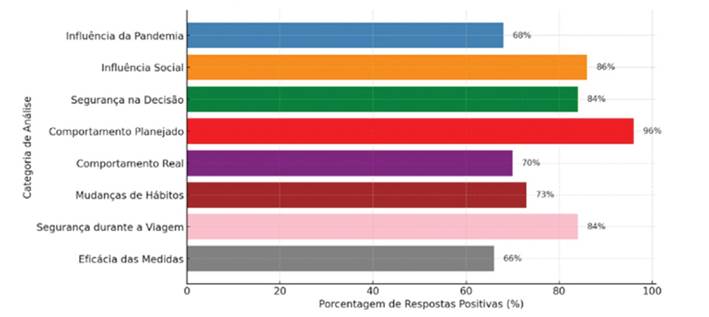
The survey results showed that most respondents (63%) had not taken a cruise prior to the pandemic, indicating a growing interest in this type of tourism. When asked whether the pandemic had influenced their purchase decision, most respondents (51%) disagreed with the statement, 17% totally disagreed, and 19% acknowledged that the pandemic context had influenced their decision. In total, 68% of participants indicated that the pandemic had not influenced their decision to take a cruise trip, suggesting strong consumer confidence and a willingness to resume travel. These findings reinforce that service quality and well-structured health protocols strengthen trust and positively influence cruise repurchase intentions (Alonazi et al., 2023).
Safety perceptions was another relevant factor in travelers’ decisions. Overall perceptions were positive, with 84% of respondents reporting that they felt safe on board. Among these, 59% stated they felt completely safe, and 25% strongly agreed with this statement. This indicates high passenger confidence in the conditions offered by cruise operators, and in the protocols implemented. The adoption of preventive measures has become essential for restoring tourists’ confidence (Kim et al., 2022). Paker and Paker (2024) demonstrate that perceptions of health risks and crowding influence participation decisions in maritime experiences, even in controlled environments.
The survey also assessed tourists’ perceptions of Covid-19 mitigation measures implemented on cruise ships. According to Silva (2021), such measures included pre-boarding testing, ventilation control, and enhanced air circulation-establishing new standards for the economic activity and requiring rigorous testing and onboard quarantine for suspected cases. The results also indicated that 66% of respondents considered these measures effective, while 20% remained neutral. Additionally, 68% reported feeling safe with the protocols adopted on board, demonstrating a high level of confidence in the cruise tourism sector’s ability to provide a safe environment for its passengers. The expectation of a safe environment, combined with the desire to resume travel experiences, has been a decisive factor in the growing demand for cruises (Kim et al., 2022).
Overall, the results indicate that despite the global impact of the pandemic, cruise travelers’ purchase decisions have remained resilient. Perceived safety and trust in health protocols were essential to the market’s recovery, reinforcing cruises as a viable and attractive tourism option.
Tourist Behavior
The decision to take a cruise trip involves a complex process of evaluation and choice, influenced by both internal and external factors. Based on Consumer Behavior Theory (Solomon, 2016), the decision-making process extends from the perception of need to the post-purchase experience, ultimately influencing future consumption intentions. The Theory of Planned Behavior (Ajzen, 1991) suggests that attitudes, subjective norms, and perceived behavioral control are key determinants in shaping consumer intention and behavior.
The survey data reveal that 52% of respondents were taking their first cruise trip after the pandemic, indicating a recovery trend in the sector. This finding can be analyzed through the lens of the TPB: the high rate of participation suggests that positive attitudes toward traveling outweighed any psychological or social barriers, which may be associated with a heightened perception of control over the act of traveling.
Furthermore, the study indicated that 70% of respondents did not feel afraid to travel after the pandemic, while 21% still reported some level of apprehension. This supports the findings of Li, Nguyen, and Coca-Stefaniak (2020), who demonstrated that intra-pandemic perceptions influence future travel intentions. The perceived safety of cruise environments and the effectiveness of health measures may have reduced risk perception, thereby contributing to the purchase decision.
Another relevant factor in the analysis of consumer behavior is the intention to repurchase and recommend. The survey indicated that 96% of respondents stated they would take another cruise trip, with 50% agreeing and 46% strongly agreeing. Additionally, 95% of tourists reported that they would provide positive feedback about their experience and encourage others to travel by ship. According to the TPB, this predisposition toward repurchase may be associated with a satisfactory experience and the influence of subjective norms-namely, the role of social context in reinforcing positive perceptions of this type of tourism.
The study also showed that 72% of respondents did not postpone their trips due to the pandemic, while 24% chose to delay their plans. This reinforces the notion that, despite the initial impact of covid-19, the intention to travel remained strong among most consumers. As noted by Achrol and Kotler (2012), the pursuit of unique and memorable experiences continues to be a central factor in tourism consumer behavior, even in the face of external challenges.
Synthesis and Discussion of the Survey Results
Cruise tourism has emerged as one of the most dynamic segments within the global tourism industry, offering travelers distinctive and experiences. However, the Covid-19 pandemic imposed significant challenges, reshaping tourists’ perceptions and behaviors in ways that demand careful examination. These shifts can be analyzed through the lens of the Theory of Planned Behavior, which provides a framework for understanding the determining factors and consumer attitudes under new circumstances, providing a solid foundation for assessing transformations in cruise tourists’ behavior.
This study examined the impacts of the pandemic on the behavior of cruise tourists who visited Porto Belo during the first post-pandemic season (2022/2023). The research identified several shifts in tourists’ attitudes and expectations, highlighting the sector’s capacity for adaptation and the emergence of new sanitary requirements that shaped decisions during this period.
Initially, it was possible to contextualize cruise tourism in Brazil prior to the pandemic. From the first operations in the 1920s to the consolidation of the sector in the following decades, cruise activity experienced continuous growth, despite challenges such as economic fluctuations and the reduced supply of ships during the 2012/2013 season. The Covid-19 pandemic marked an abrupt transition, directly affecting the sector's growth and demanding significant strategic adjustments.
The study also revealed notable changes in tourists’ habits, especially regarding risk perception, safety and hygiene measures, and purchase decisions. Despite concerns about safety, most tourists did not significantly reduce their time spent at destinations due to fear of contagion. This behavior suggests that tourists’ attitudes evolved as they sought to balance health-related concerns with confidence in the measures implemented by cruise operators, with particular emphasis on sanitary guarantees.
The perception of safety was predominant among respondents, with many reporting that the sanitary measures adopted restored their confidence in the sector. This finding reflects a strengthening of positive tourist attitudes which, despite the challenges faced, demonstrated greater autonomy and confidence in their ability to make safe decisions-elements that, according to the Theory of Planned Behavior, favored the continuity of travel and the sector’s recovery.
Regarding expectations toward tourist destinations, especially Porto Belo, it was observed that despite the challenges imposed by the pandemic, cruise travelers maintained high levels of confidence in the sector and in the safety measures, directly influencing their choices. Safety perception was one of the main factors in destination selection, with 84% of tourists reporting feeling safe on board-an indicator that reflects the effectiveness of sanitary measures and their extension to tourist destinations such as Porto Belo, which aligned itself with these requirements.
The adaptation of host cities, through the implementation of tourism infrastructure capable of addressing new safety demands, was crucial for ensuring tourist satisfaction and sustaining the continuity of cruise tourism growth. The research showed that, in the post-pandemic context, cruise travelers began to value not only the quality of infrastructure but also the ability of destinations to meet new sanitary requirements and improve customer service.
The findings of this study also support Solomon’s (2016) perspective, which emphasizes that consumer behavior in the tourism sector is continuous-from the perception of need to the post-purchase experience-and influences future consumption decisions. For cruise tourism, this is reflected in both onboard experiences and perceptions of the destinations visited, with tourists showing a strong willingness to take new trips and recommend destinations that meet their expectations.
Thus, the study fulfilled its purpose of analyzing changes in cruise tourists’ behavior during the post-pandemic season, highlighting the sector’s resilience and the significant adaptation of travelers’ perceptions and habits. The adaptation of host cities, such as Porto Belo, proved essential for ensuring the continued growth of cruise tourism and visitor satisfaction.
To illustrate the relationship between the collected data and the observed trends, Figure 1 below visually synthesizes the survey results, highlighting the influence of the pandemic on tourist behavior. Organized according to the study’s central categories, the chart enables a comparative analysis of key percentages-such as high adherence to sanitary protocols (84%) and intention to repurchase (96%)-complementing the textual discussion and reinforcing the robustness of the conclusions presented.

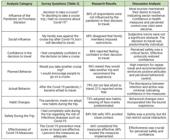
The figure plays a central role in linking theory, empirical data, and critical analysis. Its structure was designed to visually present, in a concise and direct way, the intersection of data derived from the discussion analysis, which categorizes the survey results according to the questions included in the questionnaire applied to participants.
The purpose of Box 1 is to establish a correlation between respondents’ answers and consolidated theoretical frameworks, such as the Theory of Planned Behavior (Ajzen, 1991) and studies on risk perception, demonstrating how the empirical data align with these theoretical perspectives.
The results of this study reinforce the need for companies in the cruise sector to adopt strategies aimed at strengthening consumer trust, prioritizing transparent communication about safety, personalized experiences, and the promotion of safe tourism as a decisive factor in purchase decisions. The post-pandemic period demonstrated that even in a scenario of continuous adaptations, the desire to travel remained strong, reinforcing the cruise sector’s position as one of the most relevant and resilient segments of global tourism.
Based on the Theory of Planned Behavior, the favorable attitude toward cruises-strongly associated with the perception of sanitary safety-emerged as a key factor in explaining the high intention to repurchase. As in previous studies (CHUA et al., 2017), the pursuit of satisfaction and leisure continues to predominate, reinforced by the hygiene assurances and risk reduction provided by established protocols. Rungroueng et al. (2025) indicate that favorable attitudes may also emerge from emotional simulation processes, particularly among less experienced tourists.
In the case of Porto Belo, the effective coordination between cruise operators, public authorities, and local service providers enabled an organized reception structure, highlighting outdoor attractions and ensuring safe disembarkation. Such initiatives align with studies emphasizing collaborative management as essential for the recovery of tourist destinations following crises (RITCHIE & JIANG, 2019).
FINAL CONSIDERATIONS
Cruise tourism remains vulnerable to economic, health, and environmental crises, making its management an ongoing challenge. To remain competitive, the sector requires data-driven decision-making, technological innovation, and multisector collaboration. As Fernandes (2023) notes, the cruise industry faces complex and interconnected challenges that demand effective strategies to ensure resilience and sustainable growth.
In Brazil, there is significant potential for the country to position itself as a cruise hub in Latin America, with strategic ports such as Santos, Rio de Janeiro, and Porto Belo. However, Brazil’s participation in the global cruise market remains modest compared to more established destinations. Seasonality, insufficient port infrastructure, excessive bureaucracy, and a high tax continue to limit the sector’s competitiveness, especially when compared with neighboring countries such as Argentina and Uruguay, which have already implemented incentive policies for cruise operations.
The pandemic not only accelerated the adoption of sanitary protocols but also introduced additional challenges for cruise tourism. Restoring tourist confidence became a central concern, requiring investments in health safety and transparent communication of the measures adopted. Constant changes in international regulations created operational instability, affecting predictability and business planning. Travel restrictions and the temporary suspension of operations generated significant financial losses, prompting many companies to restructure their strategies to recover demand and stabilize their finances. The pandemic also reinforced the urgency of digitalization in the sector, driving the adoption of technologies to improve passenger experience, streamline embarkation and disembarkation processes, and reduce physical contact on board. These challenges highlighted the need for a more flexible and innovative management model capable of responding rapidly to crises and ensuring the long-term sustainability of cruise tourism.
The research demonstrated that although covid-19 introduced new health concerns, cruise tourism exhibits strong resilience, with high levels of passenger satisfaction. In Porto Belo, the perception of safety was crucial in the decision to travel, and the resumption of operations revealed a successful adaptation of health protocols, benefiting both visitors and the local economy. The application of the Theory of Planned Behavior confirmed that confidence in the protocols (perceived behavioral control), combined with positive attitudes and favorable social norms, strengthens the intention to repurchase and recommend.
The analysis of the results supports several recommendations for managing cruise tourism in post-pandemic scenarios. Destinations and cruise companies should keep tourists informed about sanitary protocols and any changes, reducing uncertainty and strengthening trust in the sector. Testing procedures, hygiene measures, and staff training should be periodically reviewed and improved to align with potential new virus variants and updated health guidelines.
Flexible cancellation and rescheduling policies contribute to tourists’ perception of safety and can encourage decision-making in uncertain contexts. Strengthening reception infrastructure at destinations and promoting attractions that reinforce visitor confidence-such as outdoor activities and safe onshore experiences-is also essential. Contemporary tourist experience is shaped by multiple touchpoints, particularly digital ones, which influence perceptions of safety and value (Liu, Li & Lu, 2025).
Despite the contributions of this study, some limitations must be acknowledged. Convenience sampling may restrict the generalization of results to other cruise passenger populations. Additionally, the absence of longitudinal comparisons between pre- and post-pandemic periods limits broader conclusions about the evolution of tourist behavior over time.
Future research should expand to include other cruise destinations in Brazil to obtain a more comprehensive overview of the sector. Qualitative approaches, such as in-depth interviews, may also be valuable for exploring subjective motivations and emotional dimensions associated with the resumption of cruise tourism.
The findings of this study indicate that Porto Belo has established itself as an attractive destination for cruise passengers, even in a post-pandemic scenario, due to the effectiveness of the sanitary protocols implemented and the positive perception of tourists. The sector’s resilience is evidenced by its ability to adapt to new challenges and implement good risk management practices. These factors are essential for sustainable recovery and for maintaining traveler confidence in the cruise segment.
ACKNOWLEDGMENTS
Acknowledgments to CAPES for the PROSUC Master's Scholarship and to CNPq for the Research Productivity Scholarship (PQ)
References
-
Achrol, R., & Kotler, P. (2012). Frontiers of the marketing paradigm in the third millennium. Journal of the Academy of Marketing Science, 40(1), 35-52. https://doi.org/10.1007/s11747-011-0255-4
» https://doi.org/10.1007/s11747-011-0255-4 -
Ajzen, I. (1991). The theory of planned behavior. Organizational Behavior and Human Decision Processes, 50(2), 179-211. https://doi.org/10.1016/0749-5978(91)90020-T .
» https://doi.org/10.1016/0749-5978(91)90020-T -
Alonazi, B. S., Al-Ansi, A., & Jameel, A. (2023). Tourist behavior in the cruise industry post-covid-19: An examination of health risk perception, hygiene quality, and travel intention. Sustainability, 15(11), 8623. https://doi.org/10.3390/su150108623 .
» https://doi.org/10.3390/su150108623 -
Chua, B. L., Lee, S., & Han, H. (2017). Consequences of cruise line involvement: A comparison of first-time and repeat passengers. International Journal of Contemporary Hospitality Management, 29(6), 1658-1683. https://doi.org/10.1108/IJCHM-09-2015-0452 .
» https://doi.org/10.1108/IJCHM-09-2015-0452 -
CLIA Brasil. (2022). Cruzeiros marítimos: Estudos de perfis e impactos econômicos no Brasil - Temporada 2021/2022 https://www.abremar.com.br/abremarnews/nov15/index.html .
» https://www.abremar.com.br/abremarnews/nov15/index.html -
Davis, L. E., Ajzen, I., Saunders, J., & Williams, T. (2002). The decision of African American students to complete high school: An application of the theory of planned behavior. Journal of Educational Psychology, 94(4), 810-819. https://doi.org/10.1037/0022-0663.94.4.810
» https://doi.org/10.1037/0022-0663.94.4.810 -
Dolven, T., Blaskey, S., & Nehamas, N. (2020, March 22). Cruise ships sailed despite the coronavirus. Thousands of people paid the price. Miami Herald https://www.miamiherald.com/news/business/tourism-cruises/article241640166.html .
» https://www.miamiherald.com/news/business/tourism-cruises/article241640166.html -
Eskafi, M., Taneja, P., & Ulfarsson, G. F. (2022). Navigating under and after the covid-19 pandemic: A review of the cruise industry's resilience and future recovery strategies. Journal of Marine Science and Engineering, 10(7), 910. https://doi.org/10.3390/jmse10070910 .
» https://doi.org/10.3390/jmse10070910 -
Fecomércio-SP. (2024). Turismo nacional bate recorde histórico e fatura R$ 207 bilhões em 2024 https://www.fecomercio.com.br/noticia/turismo-nacional-bate-recorde-historico-e-fatura-r-207-bilhoes-em-2024 .
» https://www.fecomercio.com.br/noticia/turismo-nacional-bate-recorde-historico-e-fatura-r-207-bilhoes-em-2024 -
Fernandes, V. (2023, November). Sem investimentos, Brasil pode perder navios no futuro, dizem Clia e MSC. PANROTAS https://www.panrotas.com.br/mercado/cruzeiros/2023/11/sem-investimentos-brasil-pode-perder-navios-no-futuro-dizem-clia-e-msc_201532.html .
» https://www.panrotas.com.br/mercado/cruzeiros/2023/11/sem-investimentos-brasil-pode-perder-navios-no-futuro-dizem-clia-e-msc_201532.html - Fishbein, M., & Ajzen, I. (1975). Belief, attitude, intention and behavior: An introduction to theory and research Addison-Wesley.
- Fundação Municipal de Turismo de Porto Belo. (2017). Relatório de impacto econômico
- Fundação de Turismo e Desenvolvimento Econômico, & Secretaria de Saúde. (2021). Plano municipal
-
Gössling, S., Scott, D., & Hall, C. M. (2020). Pandemics, tourism and global change: A rapid assessment of covid-19. Journal of Sustainable Tourism, 29(1), 1-20. https://doi.org/10.1080/09669582.2020.1758708 .
» https://doi.org/10.1080/09669582.2020.1758708 -
Hall, C. M., Scott, D., & Gössling, S. (2020). Pandemics, transformations and tourism: Be careful what you wish for. Tourism Geographies, 22(3), 577-598. https://doi.org/10.1080/14616688.2020.1759131 .
» https://doi.org/10.1080/14616688.2020.1759131 -
Kock, F., Nørfelt, A., Josiassen, A., Assaf, A. G., & Tsionas, M. G. (2020). Understanding the covid-19 tourist psyche: The evolutionary cognitive sleepwalking model. Annals of Tourism Research, 85, 103053. https://doi.org/10.1016/j.annals.2020.103053 .
» https://doi.org/10.1016/j.annals.2020.103053 -
Kim, K., Ko, E., Kim, S., & Jiang, Q. (2021). Digital service innovation and post-pandemic service strategy in the cruise industry. Journal of Global Scholars of Marketing Science, 31(3), 453-466. https://doi.org/10.1080/21639159.2021.1923054 .
» https://doi.org/10.1080/21639159.2021.1923054 -
Li, J., Nguyen, T. H. H., & Coca-Stefaniak, J. A. (2020). Coronavirus impacts on post-pandemic planned travel behaviours. Annals of Tourism Research , 86, 102964. https://doi.org/10.1016/j.annals.2020.102964 .
» https://doi.org/10.1016/j.annals.2020.102964 -
Liu, H., Li, X., & Lu, H. (2025). Assessing the satisfaction of young Chinese cruise tourists using the “Quad + SICAS” touchpoints model. Sage Open, 15(3). https://doi.org/10.1177/21582440251359091 .
» https://doi.org/10.1177/21582440251359091 - Martins, C. S., Ferreira, A. C., Pereira, C. S., & Sousa, B. B. (2022). Virtual tourism and challenges in a post-pandemic context. In C. M. Q. Ramos, S. Quinteiro, & A. Gonçalves (Eds.), ICT as innovator between tourism and culture (pp. 122-138). IGI Global.
-
Matiza, T. (2020). Post-covid-19 crisis travel behaviour: Towards mitigating the effects of perceived risk. Journal of Tourism Futures, 8(1), 99-108. https://doi.org/10.1108/JTF-04-2020-0063 .
» https://doi.org/10.1108/JTF-04-2020-0063 -
Ministério do Turismo. (2021). Turismo pelas águas: Texto base para discussão https://turismonautico.turismo.gov.br/wp-content/uploads/2022/03/TURISMO-PELAS-AGUAS-Texto-Base-para-Discussao-2.pdf .
» https://turismonautico.turismo.gov.br/wp-content/uploads/2022/03/TURISMO-PELAS-AGUAS-Texto-Base-para-Discussao-2.pdf -
Papathanassis, A. (2022). The growth and development of the cruise sector: A perspective article. Tourism Review, 75(1), 130-135. https://doi.org/10.1108/TR-02-2019-0037 .
» https://doi.org/10.1108/TR-02-2019-0037 -
Paker, N., & Paker, S. (2024). The dual effects of health risks on cruise travel intentions. European Journal of Tourism Research, 36, 3613. https://doi.org/10.54055/ejtr.v36i.3227 .
» https://doi.org/10.54055/ejtr.v36i.3227 -
Ramos, D. M., & Costa, C. M. (2017). Turismo: Tendências de evolução. Práxis, 10(1), 21-33. https://doi.org/10.18468/pracs.2017v10n1.p21-33 .
» https://doi.org/10.18468/pracs.2017v10n1.p21-33 -
Rungroueng, T., Ruangkanjanases, A., & Siripipatthanakul, S. (2025). Elements affecting Thai tourists’ decision making to revisit Japan in the post-pandemic era. ABAC Journal, 45(1), 80-110. https://doi.org/10.59865/abacj.2025.9 .
» https://doi.org/10.59865/abacj.2025.9 - Silva, A. L. R. (2021). An overview of the impact of covid-19 on the cruise industry with recommendations for future research. Transportation Research Interdisciplinary Perspectives, 10, 100391.
- Solomon, M. R. (2016). O comportamento do consumidor (11ª ed.). Bookman.
-
Sun, X., Kwortnik, R. E., & Gauri, D. K. (2018). Exploring behavioral differences between new and repeat cruisers. International Journal of Hospitality Management, 71, 132-140. https://doi.org/10.1016/j.ijhm.2017.12.006 .
» https://doi.org/10.1016/j.ijhm.2017.12.006 - Swarbrooke, J., & Horner, S. (2007). Consumer behaviour in tourism (2nd ed.). Butterworth-Heinemann.
-
Teixeira, C. A. N., Rocio, M. A. R., Mendes, A. P. A., & Oliveira, L. A. S. (2018). Navegação de cabotagem brasileira. BNDES Setorial, 47, 391-435. http://web.bndes.gov.br/bib/jspui/handle/1408/15385 .
» http://web.bndes.gov.br/bib/jspui/handle/1408/15385 -
UNWTO. (2017). Tourism highlights: 2017 Edition World Tourism Organization. https://doi.org/10.18111/9789284419029 .
» https://doi.org/10.18111/9789284419029 -
UNWTO. (2024, January 19). International tourism to reach pre-pandemic levels in 2024 https://www.unwto.org/news/global-tourism-set-for-full-recovery-by-end-of-the-year-with-spending-growing-faster-than-arrivals .
» https://www.unwto.org/news/global-tourism-set-for-full-recovery-by-end-of-the-year-with-spending-growing-faster-than-arrivals -
Wang, J., & Ritchie, B. W. (2012). Understanding accommodation managers’ crisis planning intention: An application of the theory of planned behaviour. Tourism Management, 33(5), 1057-1067. https://doi.org/10.1016/j.tourman.2011.12.006 .
» https://doi.org/10.1016/j.tourman.2011.12.006 -
Wilder-Smith, A., & Freedman, D. O. (2020). Isolation, quarantine, social distancing and community containment: Pivotal role for old-style public health measures in the novel coronavirus (2019-nCoV) outbreak. Journal of Travel Medicine, 27(2), taaa020. https://doi.org/10.1093/jtm/taaa020 .
» https://doi.org/10.1093/jtm/taaa020 -
WTTC. (2022). Sector de viajes y turismo de Brasil se recupera y supera los niveles pre-pandemia https://wttc.org/news/sector-de-viajes-y-turismo-de-brasil-se-recupera-y-supera-los-niveles-pre-pandmia-wttc .
» https://wttc.org/news/sector-de-viajes-y-turismo-de-brasil-se-recupera-y-supera-los-niveles-pre-pandmia-wttc -
Zhang, X., Chang, M.-Y., Rong, M., & Chen, H.-S. (2023). Navigating the post-pandemic era: An empirical study on the impact of covid-19 on the cruise tourism industry. Sustainability, 15(1), 14416. https://doi.org/10.3390/su15021323 .
» https://doi.org/10.3390/su15021323

 Source: Field Research. Prepared by the authors (2025)
 Source: Prepared by the authors (2025)