
 Internet security as part of citizen digital competence: systematic review
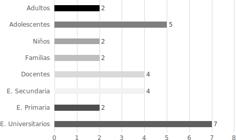
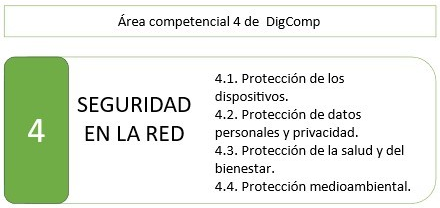
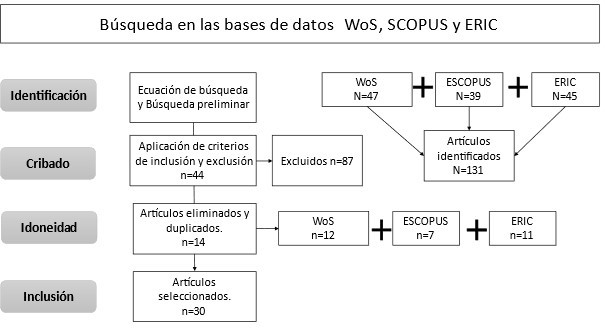
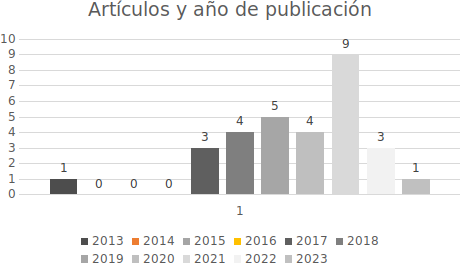
Digital Competence Training is considered a priority in Spain and Europe in recent years. This includes Internet security, as reflected in area 4 of the European Digital Competence Framework, Digcomp. The objective of this research is to analyze the current state of the issue to detect possible gaps in the research on this topic and thus promote future lines of research that need to be deepened. The bibliographic research methodology followed the parameters defined in the PRISMA statement. The databases used for the search were Web of Science, Scopus, and ERIC. After a process of searching, screening, and selecting information, a sample of 30 scientific articles published between 2013 and 2023 was obtained. Descriptive and content analyses were carried out to answer the questions posed. The results show that digital security is being addressed partially and sometimes not linked to citizen digital competence. Teachers and families are recognized as the main responsible for its training, although they do not have sufficient tools to facilitate responsible mediation. The university environment is a priority both for the training of future teachers and for the training of future professionals. In conclusion, the importance of the educational context is recognized to address the training need in digital security, but at the moment there are no global and recognized responses reflected in the competence frameworks.
Keywords:
Digital competence; Digital security; Safe internet use; Security education; ICT
 Thumbnail
 Thumbnail
 Thumbnail
 Thumbnail
 Thumbnail
 Thumbnail
 Thumbnail
 Fuente: Europea et al. (
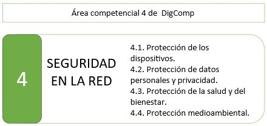
 Fuente: Área competencia 4 de DigComp.
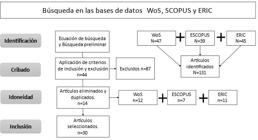
 Fuente: basado en Yepes-Nuñez et al. (2021).
 Fuente: Elaboración propia.
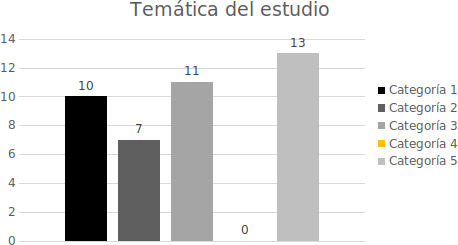 Fuente: Elaboración propia.
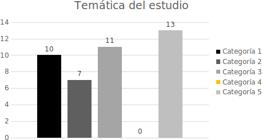
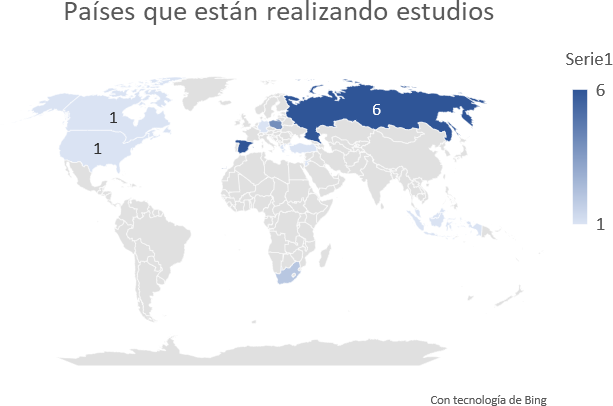 Fuente: Elaboración propia.
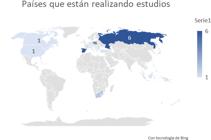
 Fuente: Elaboración propia.