
 Augmented reality in the teaching of atomic models: engagement and motivation in primary education
The aim of this study was to identify the impact of Augmented Reality on the engagement and motivation of 9th-grade students when learning about atomic models. Using a qualitative approach with discourse analysis, the research was conducted in a public school using the 3D Atomic Models application integrated into science lessons. The interaction with virtual objects provided by the technology sought to make abstract content more accessible and stimulate students’ cognitive and emotional involvement. The results showed a significant increase in student interest, participation and understanding, as well as fostering student autonomy and protagonism. The study also highlighted challenges, such as the scarcity of research that directly correlates the use of Augmented Reality with objective indicators of engagement and motivation. The conclusion is that the integration of innovative digital resources can make teaching more interactive and meaningful, highlighting the need for public policies and teacher training to increase access to these tools in basic education.
Keywords:
Virtual reality; Augmented reality; Chemistry; Cognitive engagement
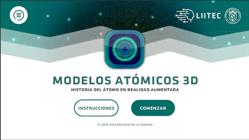 Thumbnail
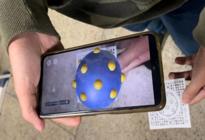 Thumbnail
 Thumbnail
 Thumbnail
 Fonte:
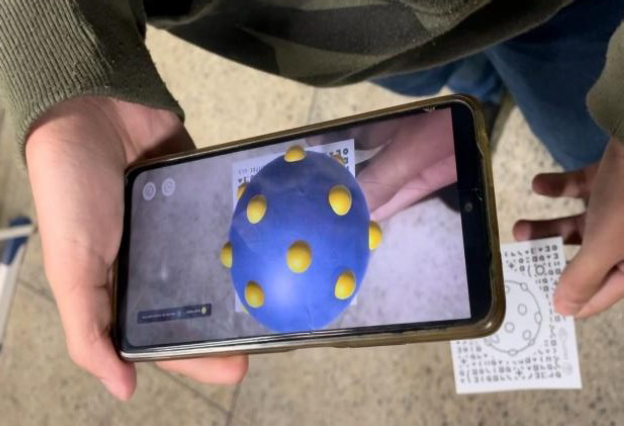 Fonte: Arquivo das autoras (2025).
 Fonte: Arquivo das autoras (2025).
 Fonte: Arquivo das autoras (2025).