
 Teachers and Artificial Intelligence: uses and training needs in Latin American higher education
This study explores Latin American university teachers’ perspectives on the pedagogical integration of artificial intelligence (AI), particularly ChatGPT, within higher education contexts. Drawing on a mixed-methods approach, data were collected from 130 participants through a validated survey instrument and follow-up semi- structured interviews. The findings reveal a generally positive attitude toward AI as a pedagogical support tool, particularly for automating routine tasks and generating educational content. However, the study also identifies critical tensions-including epistemic insecurity, ethical concerns, and limited digital pedagogical training- which hinder deeper, reflective use. Participants emphasize the urgent need for professional development opportunities that promote critical algorithmic literacy, and not merely tool proficiency. This research highlights the importance of situating AI integration within ethical, contextualized, and socially responsive frameworks in teacher education. It calls for systemic efforts to rethink teacher training programs so that they empower educators to navigate and critically engage with AI in ways that support equitable and human-centered learning environments.
Keywords:
Higher education; Artificial Intelligence; University teaching; Teacher training; Latin America.
 Thumbnail
 Thumbnail
 Thumbnail
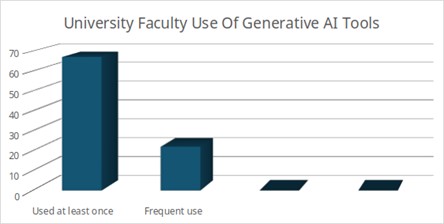 Source: Own elaboration
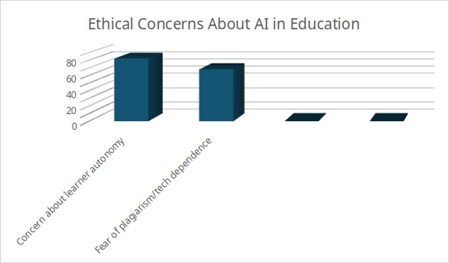 Source: Own elaboration.
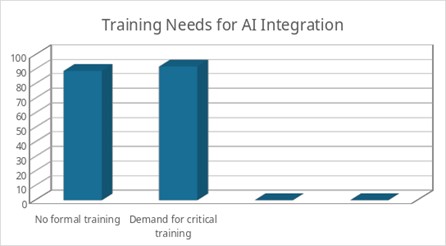 Source: Own elaboration.