
 Analysis of the implementation on National Policy of Comprehensive Health for the Black Population based on state and municipal basic information surveys and its relationship with Primary Health Care
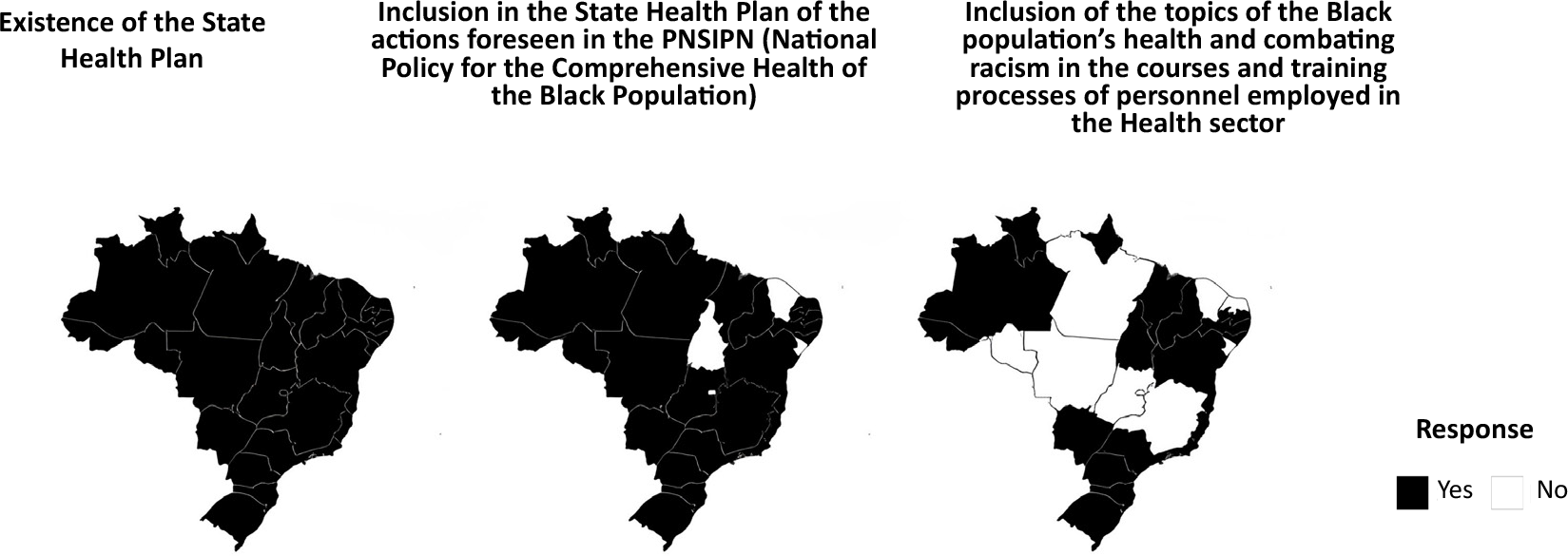
This study analyzed the implementation of the National Policy for Comprehensive Health Care for the Black Population (PNSIPN) across Brazilian states and municipalities, examining its association with Primary Health Care (PHC) coverage and the proportion of the Black population using secondary data from the ESTADIC-MUNIC survey (2021). In the state-level analysis, we adopted the K-means cluster analysis to identify implementation profiles. At the municipal level, a fractional logit regression model suitable for proportional outcomes was applied, incorporating all explanatory variables simultaneously. The findings revealed significant regional disparities, with states exhibiting varied combinations of PHC coverage, Black population proportions, and policy implementation levels. At the municipal level, both health plans showed low institutionalization of the PNSIPN. Greater PHC coverage was associated with lower policy implementation levels, regardless of the proportion of the Black population. The PNSIPN remains weakly institutionalized at both state and municipal levels, with actions concentrated in a limited number of territories. A notable gap persists between normative commitments, such as plans and councils, and the effective implementation of actions aimed at racial equity. While PHC expansion may support PNSIPN implementation, structural barriers continue to hinder sustained progress, particularly in areas with a higher proportion of Black residents.
Keywords:
Public Nondiscrimination Policies; Black Population; Organization and Administration; State Health Plans; Brazil.
 Thumbnail
 Thumbnail
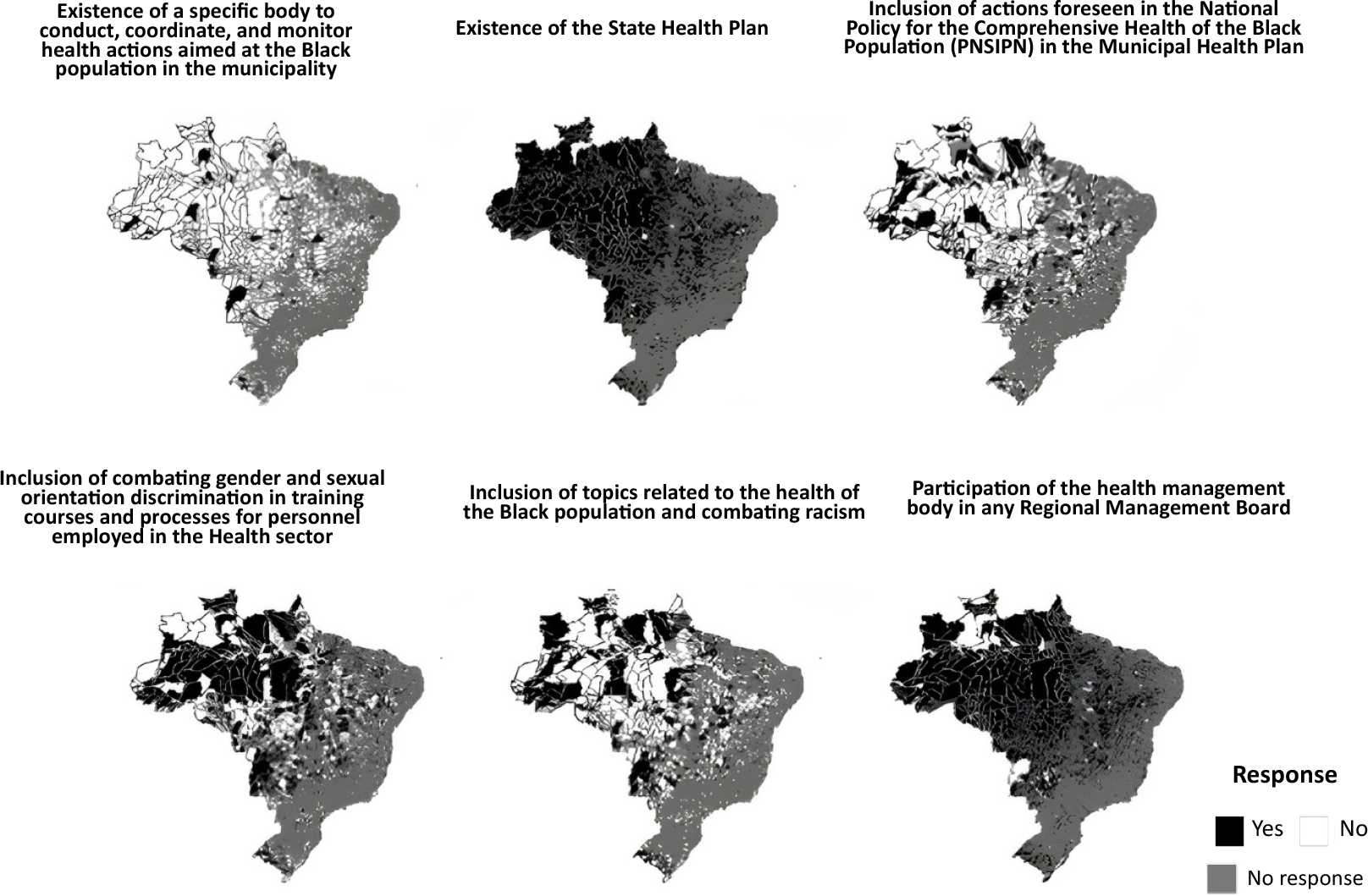 Source: MUNIC, 2021.