
 Pediatric urinary tract infection: antimicrobial susceptibility profile and resistance-associated factors in a pediatric hospital in São Paulo, Brazil
ABSTRACT
Objective: Urinary tract infections (UTIs) are among the most common bacterial infections in childhood and a frequent cause of morbidity and antibiotic use. The aim of this study was to identify urinary pathogens in children and adolescents, assess antimicrobial resistance patterns, and analyze their correlation with clinical factors.
Methods: This observational and retrospective study was conducted in a pediatric hospital from January 1 to December 31, 2022, including patients with positive urine cultures.
Results: A total of 894 cases were analyzed, mostly children aged 1 to 5 years (58.6%) and female (67.9%). Escherichia coli was the main pathogen (63.1%), followed by Proteus mirabilis (11.1%) and Pseudomonas aeruginosa (6.4%). E. coli showed high resistance to ampicillin (38.9%) and trimethoprim/sulfamethoxazole (14.5%), maintaining high susceptibility to second- and third-generation cephalosporins and aminoglycosides. Extended-spectrum beta-lactamase was detected in 2.8% of samples. Previous history of UTI was the only factor significantly associated with antimicrobial resistance.
Conclusions: The findings underscore the importance of continuous epidemiological surveillance to guide empirical treatment and rational antibiotic use in children.
Keywords:
Urinary tract infection; Antibiotic resistance; Pediatrics
RESUMO
Objetivo: As infecções do trato urinário se caracterizam como as infecções bacterianas mais comuns na infância e representam uma causa frequente de morbidade e uso de antibióticos. Este estudo teve como objetivo identificar os uropatógenos responsáveis por infecções do trato urinário em crianças e adolescentes, avaliar os padrões de resistência antimicrobiana e analisar sua correlação com fatores clínicos.
Métodos: Estudo observacional e retrospectivo conduzido em um hospital pediátrico entre 1º de janeiro e 31 de dezembro de 2022, incluindo pacientes com uroculturas positivas.
Resultados: Foram analisados 894 casos, a maioria entre 1 e 5 anos (58,6%) e do sexo feminino (67,9%). A Escherichia coli foi o principal patógeno (63,1%), seguida por Proteus mirabilis (11,1%) e Pseudomonas aeruginosa (6,4%). Observou-se alta resistência da Escherichia coli à ampicilina (38,9%) e ao trimetoprima/sulfametoxazol (14,5%), com boa suscetibilidade às cefalosporinas de segunda e terceira geração e aos aminoglicosídeos. Um total de 2,8% das amostras foi positivo para beta-lactamase de espectro estendido. A infecção do trato urinário prévia foi o único fator significativamente associado à resistência antimicrobiana.
Conclusões: Os achados reforçam a importância da vigilância epidemiológica para orientar o tratamento empírico e o uso racional de antibióticos na infância.
Palavras-chave:
Infecção urinária; Resistência a antibióticos; Pediatria
INTRODUCTION
Urinary tract infections (UTIs) are among the most prevalent bacterial infections in childhood, representing a leading cause of pediatric medical consultations, hospitalizations, and antibiotic prescriptions.1 According to the literature, approximately 8% of girls and 2% of boys will experience at least one episode of UTI by the age of 7, and nearly 30% of children will have a recurrence within 1 year of the initial episode.2 Although most UTIs are treatable, they remain a significant public health concern due to their potential to cause long-term complications such as renal scarring, hypertension, and advanced stages of chronic kidney disease, especially in cases of recurrent infections or those associated with structural abnormalities of the urinary tract.1
Diagnosing UTIs in pediatrics poses a clinical challenge that requires integrating clinical, laboratory, and epidemiological criteria. According to international guidelines such as those from the National Institute for Health and Clinical Excellence (NICE, 2007) and the American Academy of Pediatrics (AAP, 2011), the diagnosis is confirmed by the presence of pyuria along with a single pathogen growing at a concentration of at least 50,000 colony-forming units (CFUs)/mL in a urine sample collected via bladder catheterization. For toilet-trained children, the clean-catch midstream method is standard, while catheterization is preferred in younger children. Although widely used, urine collection via adhesive perineal bags is associated with a high false-positive rate and is therefore more appropriate for initial screening.3,4
The etiology of pediatric UTIs is predominantly bacterial, with Escherichia coli (E. coli) accounting for approximately 80–90% of community-acquired cases.1,5 Other frequently isolated pathogens include Proteus mirabilis, Klebsiella pneumoniae, and Pseudomonas aeruginosa. The accurate identification of the etiologic agent is essential for selecting the most appropriate antibiotic therapy, particularly in recurrent or complicated infections. However, the growing antimicrobial resistance, especially among E. coli and other Enterobacteria, has compromised the effectiveness of traditional empiric treatments such as ampicillin and trimethoprim/sulfamethoxazole.6
This scenario is further complicated by the emergence of extended-spectrum beta-lactamase (ESBL)-producing strains, which confer resistance to third-generation cephalosporins and monobactams. These strains are associated with increased morbidity, higher hospitalization rates, and the need for carbapenems as last-resort therapy.7 Recent studies have reported a rising prevalence of ESBL-producing pathogens even in community-acquired infections, highlighting the need for continuous surveillance and therapeutic strategies informed by local resistance patterns.8
Given this context, the present study aims to contribute to understanding antimicrobial resistance patterns and associated factors in pediatric UTIs among patients treated at a tertiary pediatric hospital in São Paulo, Brazil. Analysis of isolated pathogens, antimicrobial susceptibility profiles, and the prevalence of ESBL-producing strains will help identify local resistance trends, support the adaptation of treatment guidelines, and promote more effective, individualized infection management.
METHOD
This retrospective observational study analyzed electronic medical records (EMRs) of pediatric patients who presented with positive urine cultures between January 1 and December 31, 2022. Data were collected from the EMR system of a private quaternary pediatric hospital located in São Paulo, Brazil, which exclusively provides healthcare services to children.
Initially, all EMRs from 2022 reporting a positive urine culture were identified. Each record was then manually reviewed, and relevant demographic, clinical, and microbiological data were extracted and organized into a standardized electronic database. The inclusion criteria encompassed patients from birth to under 18 years of age, who were seen in the emergency department, inpatient wards, or intensive care unit, and who had a positive urine culture defined as ≥50,000 CFUs of a single uropathogen. For cases where urine was collected by midstream cleancatch, inclusion required documentation of urinary symptoms and pyuria. Patients diagnosed with asymptomatic bacteriuria, those with urine samples collected externally or not evaluated by the hospital’s medical team, and patients already hospitalized for other reasons were excluded. To avoid duplicate entries, only one infection episode per patient was included within any 30-day period.
For the interpretation of antimicrobial susceptibility results, both "susceptible" (S) and "susceptible with increased exposure" (I) categories were considered susceptible, while the "resistant" (R) category was maintained as resistant, following EUCAST/BrCAST guidelines.
Statistical analysis was performed using standard statistical tests. In all analyses, the main outcome was antimicrobial resistance of the uropathogen, categorized as resistant ("yes") or non-resistant ("no"). Categorical variables were compared between patients with and without antimicrobial resistance using the ꭓ2 test or Fisher’s exact test, as appropriate. Continuous variables were compared between these two groups using the Student’s t-test for independent samples. A p<0.05 was considered statistically significant.
The Institutional Research Ethics Committee approved this study under protocol number 6.450.026 and CAAE 74674023.0.0000.5567. Given the study’s retrospective nature and the use of anonymized data, informed consent was waived.
RESULTS
The final sample, after applying the inclusion and exclusion criteria, comprised 894 individual infection episodes (Figure 1). Most patients were between 1 and 5 years of age (58.6%) and female (67.9%). E. coli was the most frequently isolated pathogen (63.1%), followed by P. mirabilis (11.1%), P. aeruginosa (6.4%), K. pneumoniae (4.5%), Enterococcus faecalis (4.4%), and other agents (10.3%) (Table 1). Only 4.4% of patients were on antibiotic prophylaxis, most commonly with cephalexin (36.8%) or trimethoprim/sulfamethoxazole (34.2%).
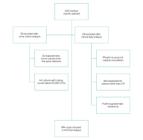
Schematic representation of electronic EMR selection. Illustrates the selection process of EMRs. Of the 1120 records initially screened, 50 were excluded based on urine culture criteria, and 176 were excluded after clinical data analysis. A total of 894 cases were included in the final analysis. Abbreviations: EMR: electronic medical record; CFU: colony-forming unit; UTI: urinary tract infection.
Baseline demographic and clinical characteristics of the study population. Describes patient age, sex, antibiotic prophylaxis use, type of prophylactic agent, and distribution of uropathogens identified.
When factors associated with antimicrobial resistance were analyzed, a previous history of UTI was the only variable significantly associated with resistance. A prior UTI was more frequent among children with resistant isolates compared with those with non-resistant isolates (31.0% vs 23.7%; p = 0.022) (Table 2). No significant associations were observed between resistance and urological abnormalities (such as neurogenic bladder, posterior urethral valve, or other urinary tract malformations), constipation, or antibiotic prophylaxis. Among patients who had received antibiotics in the preceding 12 months, there was no significant difference in the mean number of antibiotic courses between the non-resistant group (mean 1.24 courses, standard deviation 0.34) and the resistant group (mean 1.34 courses, standard deviation 0.69; p=0.121).
Relationship between antimicrobial resistance and the distribution of baseline variables. ꭓ2 test was used to analyze associations between antimicrobial resistance and underlying clinical conditions, history of previous urinary tract infection, and use of antibiotic prophylaxis.
Considering all urinary pathogens together, the highest resistance rates were observed for ampicillin (34.2%), ceftazidime/avibactam (17.7%), ceftazidime (13.3%), and trimethoprim/sulfamethoxazole (11.2%). Resistance to other antibiotics was generally below 10%, including ceftriaxone (8.0%), amoxicillin/clavulanate (6.0%), gentamicin (8.3%), and nitrofurantoin (4.0%). Low resistance rates were seen in vancomycin (0.5%) and meropenem (3.6%).
Among the 894 positive urine cultures, E. coli was isolated in 564 samples. In this subgroup, resistance was 38.9% to ampicillin and 14.5% to trimethoprim/sulfamethoxazole, while resistance to cefuroxime, ciprofloxacin, and amoxicillin/clavulanate remained below 7% (Table 3). E. coli showed high susceptibility to second- and third-generation cephalosporins (cefuroxime 94.6% and ceftriaxone 93.9%), aminoglycosides (amikacin 100%), nitrofurantoin (94.7%), and quinolones (ciprofloxacin 93.8% and norfloxacin 97.6%).
Resistance profile of Escherichia coli. Shows the resistance rates of E. coli isolates to commonly tested antibiotics.
ESBL production was detected in 25 urine samples (2.8%). E. coli accounted for 16 of these isolates (64%), followed by K. pneumoniae in 7 (28%), Enterobacter cloacae in 1 (4%), and Proteus penneri in 1 (4%). Most patients with ESBL-producing organisms were between 2 and 10 years of age (52%), while 32% were younger than 2 years and 16% were older than 10 years. Approximately half of these children (52%) had no documented comorbidities. Among those with associated conditions, we observed chronic non-progressive encephalopathy and other genetic syndromes in 12% each, neurogenic bladder and functional constipation in 8% each, and other urinary tract malformations and posterior urethral valve in 4% each.
Regarding prior infectious history, 20% of patients with ESBL-positive samples reported at least one prior UTI, and 60% had already been hospitalized for treatment. In the 12 months preceding the ESBL episode, 58% had received antibiotics such as amoxicillin/clavulanate, ceftriaxone, ampicillin, or gentamicin. During the current episode, 36% of ESBL cases required hospitalization. The resistance profile of ESBL-producing strains is detailed in Table 4.
Resistance profile of extended-spectrum beta-lactamase -producing bacteria. Displays the distribution of extended-spectrum beta-lactamase -positive organisms by species, based on 25 isolates.
DISCUSSION
In this retrospective cohort of 894 pediatric UTIs seen at a tertiary hospital in São Paulo, most cases occurred in girls aged 1–5 years, and E. coli was the predominant uropathogen, followed by P. mirabilis and P. aeruginosa. E. coli showed high resistance to ampicillin and lower, but still relevant, resistance to trimethoprim/sulfamethoxazole, whereas susceptibility to second- and third-generation cephalosporins, aminoglycosides, and nitrofurantoin remained high. ESBL-producing strains were identified in 2.8% of samples, mostly E. coli and K. pneumoniae. A previous history of UTI was the only clinical factor significantly associated with antimicrobial resistance.
The distribution of etiologic agents in our cohort is consistent with the classical epidemiology of pediatric UTIs, in which E. coli accounts for most community-acquired infections, while other Enterobacterales and P. aeruginosa are less common, often in more complex or healthcare-associated settings.1,5,9,10 The predominance of E. coli above 60% and the lower frequencies of P. mirabilis, K. pneumoniae, and P. aeruginosa in our study mirror findings from Brazilian and international series, reinforcing the external validity of our data for similar pediatric settings.1,5,10
Regarding antimicrobial susceptibility, our results confirm the progressive loss of efficacy of ampicillin and, to a lesser extent, trimethoprim/sulfamethoxazole for empirical treatment of pediatric UTIs. Previous studies have reported E. coli resistance rates to ampicillin ranging from 50% to 70% and to trimethoprim/sulfamethoxazole above 40%, while maintaining high susceptibility to cephalosporins, aminoglycosides, and nitrofurantoin.2,5,10-13 In our cohort, E. coli resistance to ampicillin (38.9%) and trimethoprim/sulfamethoxazole (14.5%) was comparatively lower than in many of these reports, but still sufficiently high to discourage their empirical use as first-line monotherapy. Conversely, their excellent susceptibility to second- and third-generation cephalosporins, aminoglycosides, and nitrofurantoin supports their role as preferred options, particularly given patient age, clinical severity, and local stewardship policies.
An important finding of this study was the association between previous UTI and antimicrobial resistance. Children with recurrent infections were more likely to harbor resistant organisms, including ESBL-producing strains, than those with a first episode. This observation is in line with evidence that repeated antibiotic exposure and persistent urinary tract colonization select for resistant organisms and foster bacterial persistence in the urinary tract.11,13 These results underscore the need for appropriate early treatment and judicious antibiotic use to curb resistance, reduce morbidity, and preserve therapeutic options. Preventive strategies targeting recurrent UTIs may play a central role in mitigating resistance in pediatric populations.
In our cohort, only a small proportion of patients were under antibiotic prophylaxis, and we did not observe a statistically significant association between prophylaxis and overall resistance (p=0.312). However, nearly half of the children on trimethoprim/sulfamethoxazole prophylaxis (6/13) developed resistance to this drug during the UTI episode, whereas no nitrofurantoin-resistant isolates were documented among those using nitrofurantoin prophylaxis. These findings are consistent with meta-analyses suggesting that long-term prophylaxis, particularly with trimethoprim/sulfamethoxazole, may increase resistance. At the same time, nitrofurantoin seems to exert a lower selective pressure. However, adherence and tolerability issues must also be considered, as the apparent benefit may reflect poor adherence due to side effects or palatability issues, thereby reducing selective pressure.14,15 Future studies evaluating adherence and behavioral factors are warranted to better understand the realworld impact of prophylactic strategies. The optimal agent for prophylaxis remains undefined, and individualized approaches are recommended, prioritizing low-resistance potential and aligning with local epidemiology. Additionally, decisions should consider underlying urological anomalies and prior UTI history.
ESBL-producing Enterobacteriaceae accounted for a minority of isolates in this series, yet their clinical relevance is considerable. The prevalence of 2.8% is comparable to that reported in recent pediatric cohorts. Yet, these strains exhibited very high resistance rates to third- and even fourth-generation cephalosporins, as well as to amoxicillin/clavulanate and trimethoprim/sulfamethoxazole, limiting empirical therapeutic options.6-8,16,17 In contrast, susceptibility to carbapenems remained preserved, reinforcing their role as last-resort agents for severe infections. The presence of ESBL-producing organisms in community-acquired infections in children, often in the context of previous antibiotic exposure or urogenital anomalies, highlights the need for continuous local surveillance and for empiric regimens guided by current resistance profiles.
This study has limitations inherent to its retrospective design and reliance on data from a single center, which may limit the generalizability of the findings. Clinical outcomes such as recurrence, treatment failure, and long-term renal sequelae were not systematically evaluated and therefore could not be correlated with the microbiological profiles. In addition, some clinical variables may have been underreported or inconsistently documented in the medical records, potentially attenuating associations with resistance.
Despite these limitations, our data provide a robust contemporary overview of the etiologic agents and antimicrobial resistance patterns of pediatric UTIs in a tertiary pediatric Brazilian hospital, emphasizing the importance of local epidemiological surveillance to support empirical treatment and antibiotic stewardship strategies.
In conclusion, in this cohort of children and adolescents with UTI, E. coli was the main uropathogen and showed high resistance to ampicillin and moderate resistance to trimethoprim/sulfamethoxazole, while susceptibility to second- and third-generation cephalosporins, aminoglycosides, and nitrofurantoin remained high. Previous history of UTI was the only clinical factor significantly associated with antimicrobial resistance. These findings reinforce the need for continuous local surveillance and for empirical antibiotic regimens guided by current resistance patterns to promote rational antibiotic use in pediatrics.
Acknowledgments
The authors thank Hospital Infantil Sabará and the Instituto de Pesquisa e Ensino em Saúde Infantil (Instituto PENSI) for their institutional support, provision of clinical data, and encouragement of pediatric research, as well as all health professionals involved in the care of these children, which made this study possible.
Data availability statement
The database that originated the article is available with the corresponding author.
REFERENCES
-
1. Silva AC, Oliveira EA, Mak RH. Urinary tract infection in pediatrics: an overview. J Pediatr (Rio J). 2020;96(Suppl 1):65-79. https://doi.org/10.1016/j.jped.2019.10.006
» https://doi.org/10.1016/j.jped.2019.10.006 - 2. Rodrigues FJ, Barroso AP. Etiologia e sensibilidade bacteriana em infecções do tracto urinário. Rev Port Saude Publica. 2011;29:123-31.
- 3. National Institute for Health and Clinical Excellence. Urinary tract infection in children: diagnosis, treatment, and long-term management. London: RCOG Press; 2007. PMID: 21290637
-
4. Roberts KB. Urinary tract infection: clinical practice guideline for the diagnosis and management of the initial UTI in febrile infants and children 2 to 24 months. Pediatrics. 2011;128:595-610. https://doi.org/10.1542/peds.2011-1330
» https://doi.org/10.1542/peds.2011-1330 -
5. Lo DS, Shieh HH, Ragazzi SL, Koch VH, Martinez MB, Gilio AE. Infecção urinária comunitária: etiologia segundo idade e sexo. J Bras Nefrol. 2013;35:93-8. https://doi.org/10.5935/0101-2800.20130016
» https://doi.org/10.5935/0101-2800.20130016 -
6. Aslan AT, Akova M. Extended spectrum β-lactamase producing Enterobacteriaceae: carbapenem sparing options. Expert Rev Anti Infect Ther. 2019;17:969-81. https://doi.org/10.1080/14787210.2019.1693258
» https://doi.org/10.1080/14787210.2019.1693258 - 7. Centers for Disease Control and Prevention. Antibiotic resistance threats in the United States, 2019. Atlanta: U.S. Department of Health and Human Services; 2019.
-
8. Collingwood JD, Yarbrough AH, Boppana SB, Dangle PP. Increasing prevalence of pediatric community-acquired UTI by extended spectrum β-lactamase-producing E. coli: cause for concern. Pediatr Infect Dis J. 2023;42:106-9. https://doi.org/10.1097/INF.0000000000003777
» https://doi.org/10.1097/INF.0000000000003777 -
9. Shaikh N, Morone NE, Bost JE, Farrell MH. Prevalence of urinary tract infection in childhood: a meta-analysis. Pediatr Infect Dis J. 2008;27:302-8. https://doi.org/10.1097/INF.0b013e31815e4122
» https://doi.org/10.1097/INF.0b013e31815e4122 -
10. Lo DS, Ragazzi SL, Gilio AE, Martinez MB. Infecção urinária em menores de 15 anos: etiologia e perfil de sensibilidade antimicrobiana em hospital geral de pediatria. Rev Paul Pediatr. 2010;28:299-303. https://doi.org/10.1590/S0103-05822010000400003
» https://doi.org/10.1590/S0103-05822010000400003 - 11. Silva TL, Turdo AC. Terapêutica antibiótica para infecção de bactérias gram-negativas resistentes. In: Medicina intensiva – revisão rápida. 2a ed. São Paulo: HCFMUSP; 2023. p. 855-60.
- 12. Machado-Alba JE, Murillo-Muñoz MP. Evaluación de sensibilidad antibiótica en urocultivos de pacientes en primer nivel de atención en salud de Pereira. Rev Salud Publica. 2012;14:710-9
-
13. Bryce A, Hay AD, Lane IF, Thornton HV, Wootton M, Costelloe C. Global prevalence of antibiotic resistance in paediatric urinary tract infections caused by Escherichia coli and association with routine use of antibiotics in primary care: systematic review and meta-analysis. BMJ. 2016. 352:i939. https://doi.org/10.1136/bmj.i939
» https://doi.org/10.1136/bmj.i939 -
14. Williams G, Craig JC. Long-term antibiotics for preventing recurrent urinary tract infection in children. Cochrane Database Syst Rev. 2019;4:CD001534. https://doi.org/10.1002/14651858.CD001534.pub4
» https://doi.org/10.1002/14651858.CD001534.pub4 -
15. Brendstrup L, Hjelt K, Petersen KE, Petersen S, Andersen EA, Daugbjerg PS, et al. Nitrofurantoin versus trimethoprim prophylaxis in recurrent urinary tract infection in children: A randomized, doubleblind study. Acta Paediatr Scand. 1990;79:1225-30. https://doi.org/10.1111/j.1651-2227.1990.tb11414.x
» https://doi.org/10.1111/j.1651-2227.1990.tb11414.x -
16. He XT, Chang CN, Yu CH, Wang CC. The risk factors, antimicrobial resistance patterns, and outcomes associated with extendedspectrum β-lactamases-producing pathogens in pediatric urinary tract infection. Pediatr Neonatol. 2024;65(3):242-8. https://doi.org/10.1016/j.pedneo.2023.04.021
» https://doi.org/10.1016/j.pedneo.2023.04.021 -
17. Collinswood JD, Yarbrough AH, Boppana SB, Dangle PP. Increasing prevalence of pediatric community-acquired UTI by extended spectrum β-lactamase-producing E. coli: cause for concern. Pediatr Infect Dis J. 2023;42:106-9. https://doi.org/10.1097/INF.0000000000003777
» https://doi.org/10.1097/INF.0000000000003777

