 Food and medicinal plants: contributions of Brazilian flora to global health
Abstract
Brazil’s rich biodiversity includes plants with both food and medicinal potential. This study conducted a cross-sectional documentary analysis between species listed in three official government documents - Renisus, the Medicinal Plants Monograph (6th edition of the Brazilian Pharmacopoeia), and the 2nd edition of the Herbal Medicines Form - to identify Non Conventional Food Plants (PANC) with medicinal properties in Brazil, from a “One Health” perspective. Species were classified as PANC, conventional edible plants, or non-edible based on a literature review that considered ethnobotanical definitions and traditional uses for PANC. The analysis identified 43 species (25.9%) featured on the lists of medicinal plants and also met the defined criteria for PANC. This survey highlights the need to explicitly integrate these species into future discussions on food security and biodiversity conservation within the context of public policies.
Key words:
biodiversity; edible plants; ethnobotany; one health
Resumo
O Brasil abriga uma vasta biodiversidade com plantas de potencial alimentício e medicinal. No entanto, as Plantas Alimentícias Não Convencionais (PANC) ainda são subvalorizadas nas políticas públicas, apesar de seu papel na saúde e segurança alimentar. Este estudo examina as espécies listadas em três documentos oficiais - Renisus, Monografia de Plantas Medicinais (6ª edição da Farmacopeia Brasileira) e 2a edição do Formulário de Fitoterápicos para identificar PANC com propriedades medicinais. Utilizando a abordagem “Uma Saúde” (One Health), a pesquisa explora a relevância dessas plantas para a saúde pública, a conservação da biodiversidade e o uso sustentável dos recursos naturais. Com base em revisão bibliográfica, as espécies foram classificadas como PANC, plantas alimentícias convencionais ou não comestíveis. A análise identificou 43 espécies (25,9 %) constantes nas listas que também podem ser classificadas como PANC. A integração dessas plantas às políticas de saúde e alimentação pode fortalecer a conservação da biodiversidade e a segurança alimentar. Recomenda-se a implementação de uma lista abrangente que inclua espécies PANC e medicinais, valorizando a biodiversidade brasileira e fortalecendo a base científica para políticas públicas.
Palavras-chave:
biodiversidade; plantas comestíveis; etnobotânica; saúde única
Introduction
Health is increasingly seen as a global asset, reflecting the collective efforts to safeguard and enhance the well-being of populations around the world. The concept of Global Health goes beyond national boundaries, tackling issues like infectious diseases, pandemics, maternal and child health, access to medication, environmental health, food security, and mental well-being. It is a multidisciplinary area that bridges global and local viewpoints, grounded in principles of equity, social justice, and respect for cultural diversity (Fortes & Ribeiro 2014).
Recent global health challenges, particularly the COVID-19 pandemic, have underscored the interconnectedness of health systems and the importance of international cooperation in addressing common issues. In this context, the “One Health” approach has gained traction. This framework recognizes the complex relationships between human, animal, and environmental health, stressing the need for integrated and sustainable solutions. It advocates for fair access to healthcare, emphasizes prevention and health promotion, and takes into account the environmental, social, and economic factors that affect well-being (Destoumieux-Garzon et al. 2018). This approach addresses complex global issues like pandemics, antimicrobial resistance, and climate change by fostering collaboration across various sectors and disciplines. It aims to integrate the health of humans, animals, plants, and ecosystems, with particular emphasis on food security as a vital component. As the population grows and environmental challenges intensify, providing access to safe, nutritious, and sustainable food has become essential for global health. While agricultural and livestock practices are crucial for food production, they also impact soils, water, biodiversity, and ecosystems, underscoring the importance of sustainable methods that support both human and environmental health.
Brazil, famous for its incredible biodiversity (Joly et al. 2019), has great potential to tackle these interconnected issues. However, the country’s dependence on a narrow range of exotic species for food production worsens food insecurity and contributes to biodiversity loss (Joly et al. 2019; Brasil 2022). In this context, Non-Conventional Food Plants (PANC) are a valuable yet underutilized resource. In the context of this study, Unconventional Food Plants (PANC) refer to plant species, whether native or naturalized, that, although not widely cultivated or commercialized like conventional food crops, have edible parts. This definition encompasses a variety of plants with traditional culinary uses and nutritional potential, which are often overlooked by mainstream agricultural and food systems. PANC may include leaves, stems, flowers, fruits, seeds, and roots, and their use is frequently linked to local ecological knowledge and the practices of traditional communities (Kinupp & Lorenzi 2014). Often unknown to many, PANC are resilient to environmental stress, nutrient-dense, and require minimal inputs such as water or pesticides. These plants provide various advantages, such as diversifying diets, creating additional income opportunities, reducing environmental impact, and improving ecosystem health when harvested sustainably (Kinupp & Lorenzi 2014; Benevides et al. 2021; Peres & Terra 2021). Furthermore, PANC may also have notable medicinal properties, deeply rooted in traditional knowledge across various cultures. Their bioactive compounds - including vitamins, minerals, and antioxidants - play a crucial role in promoting health and preventing diseases (Alzoreky & Nakahara 2003; Jinesh et al. 2010; Kinup & Lorenzi 2014; Xue et al. 2022). By incorporating PANC into diets and public health initiatives, Brazil can enhance biodiversity conservation, promotes the sustainable use of resources, and improve community well-being.
Brazil, recognized for its exceptional biodiversity, hosts a wide range of plant species with immense potential to address global health challenges. This biodiversity is a crucial global asset, offering opportunities to strengthen food security and discover new medicinal compounds. However, the continued loss of biodiversity in Brazil poses a threat to global ecosystems and human well-being, highlighting the urgent need for sustainable practices (Joly et al. 2019). In this context, the study of Non-Conventional Food Plants (PANC) in Brazil gains global relevance, offering valuable insights for diversifying food systems, promoting sustainable agriculture, and leveraging traditional knowledge in food and health solutions adaptable to other regions facing similar challenges. By exploring the intersection of food, health, and biodiversity within the Brazilian context, this research contributes to a broader understanding of how plant resources can be leveraged to achieve global health and sustainability goals.
Brazil’s dedication to utilizing medicinal plants is reflected in public policies like the National List of Medicinal Plants of Interest to the Unified Health System (Renisus), which provides a series of plant names to steer research and production for the public health system (SUS) (Brasil 2015). The list is remarkably relevant since it identifies plants that could be used in the SUS (Unified Health System) to create herbal medicines while encouraging research on these plants, to ensure the safety and efficacy of herbal medicines used in primary care. Additionally, the Brazilian Pharmacopoeia and the Herbal Medicines Form establish crucial standards for the identification, preparation, and quality control of medicinal plants and herbal medicines, providing a solid base for safe usage of medicinal plants (Brasil 2019; Veiga Junior & Mello 2008). All three of these documents are constantly being revised and are open to updates in light of new scientific evidence.
This study aims to examine the plants listed in official Brazilian government documents concerning medicinal plant use in public health, to identify species that also possess nutritional value in addition to medicinal properties. This analysis seeks to appreciate Brazilian biodiversity and promote the inclusion of local plants in food and medicine, ultimately contributing to the scientific basis for sustainable health and environmental practices.
Situating this analysis within the One Health paradigm, which underscores equity, sustainability, and interconnectedness, we emphasize the significance of PANC in public health policies and biodiversity conservation. This study contributes to the One Health approach by investigating how PANC can connect human health (by providing nutritious and medicinal foods), environmental health (by promoting biodiversity and sustainable land use), and potentially animal health (through the use of forage or medicinal plants), all of which are pillars of the One Health framework.
Materials and Methods
Reference documents for medicinal plants - the 6th edition of the Brazilian Pharmacopoeia (FB6) (Brasil 2019), the 2nd edition of the Herbal Medicines Form (FFFB2) (Brasil 2021), and the National List of Medicinal Plants of Interest to the Unified Health System (Renisus) (Brasil 2015) - were obtained from the National Health Surveillance Agency (ANVISA) and the Secretariat of Science, Technology, Innovation, and Strategic Inputs (SCTIE) platforms. To categorize the identified plant species, we employed the following operational definitions:
• Unconventional Food Plants (PANC): species with documented use as a food source in ethnobotanical literature and regional food guides, and that are not widely cultivated or commercialized as staple food crops at the national level. Species with only marginal or sporadic use were excluded.
• Conventional Food Plants: species that are widely cultivated and commercialized in large-scale food markets.
• Non-Edible Species: species were classified as non-edible if there was no documented evidence of food use in ethnobotanical literature, food guides, or databases, and if they were referenced exclusively for medicinal purposes in the analyzed documents (RENISUS, FB6, FFFB2). Species known to be toxic were also included in this category.
Plant species list was compiled, edited and organized using Google Sheets. Species names were checked for synonyms, misspellings, incorrect authorship and redundancy using R software (v. 4.4.1) and flora package (v. 0.3.4) (<https://github.com/gustavobio/flora>). The species were classified as native, naturalized, cultivated and exotic according to Flora e Funga do Brasil 2020 (continuously updated) and Global Biodiversity Information Facility (GBIF, 2025). A bibliographic survey was conducted in Google Scholar through searches in scientific literature up to the beginning of November 2024. The keywords used were: “species name + panc”, “species name + edible plant” and “vernacular name + panc”. The same keywords were also searched in Portuguese. According to the content found, excluding those that did not directly address the terms under investigation, the plants listed were divided into three categories: PANC, conventional, and non-edible. During the research phase, the articles were thoroughly analyzed in order of relevance, beginning with those ranked highest in the search results. After a certain number of articles, once they no longer provided information regarding the consumption of the plants, a new search was conducted for the next species, until all had been reviewed. Data was cross186 referenced, since the same species may appear in two or all three documents.
Results and Discussion
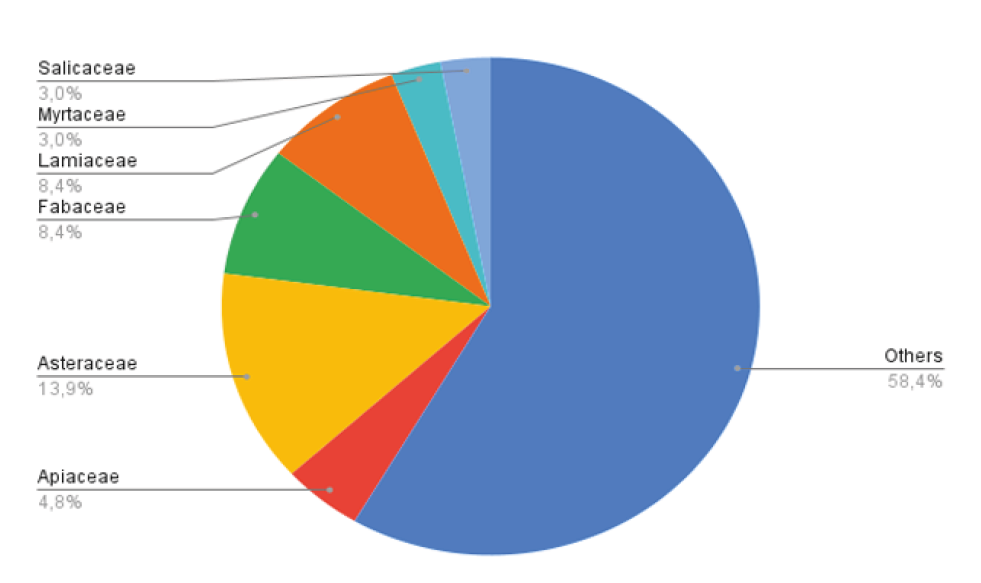
A total of 166 species, distributed across 61 families, were identified in the Brazilian Pharmacopoeia (FB6), the Herbal Medicines Form (FFFB2), and National List of Medicinal Plants of Interest to the Unified Health System (Renisus) (Tab. S1, available on supplementary material <https://doi.org/10.6084/m9.figshare.29737049.v1>). The most represented families were Asteraceae, Fabaceae, Lamiaceae, Apiaceae, Myrtaceae and Salicaceae with 24, 18, 16, 9, 7 and 5 species, respectively (Fig. 1).
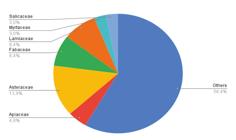
Profile of plant families for the 166 species found in the National List of Medicinal Plants of Interest to the Unified Health System (Renisus), the 6th edition of Brazilian Pharmacopoeia (FB6), and the 2nd edition of the Herbal Medicines Form (FFFB2). The 55 Families with 4 or less species were merged into one slice.
Of the total species, 43 (25.9%) were identified as Non-Conventional Food Plants (PANC) based on the reviewed literature (Tab. 1). The remaining 123 species were classified into two categories: conventional (46), representing plants regularly used in culinary practices, and inedible species (77), which are used exclusively for medicinal purposes (Tab. S1, available on supplementary material <https://doi.org/10.6084/m9.figshare.29737049.v1>).
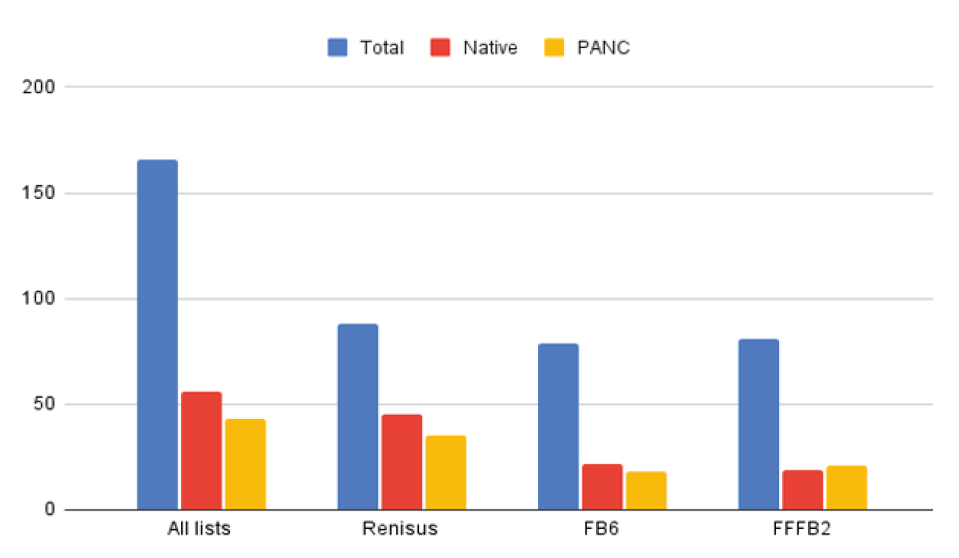
The results initially highlight a significant diversity of plant species cataloged in all three lists. The predominant families align with global patterns, as these are widely recognized for their medicinal value (Willis 2017). However, when we examine the numbers in light of the total plant biodiversity in Brazil (nearly 40,000 recognized species) and take into account the predominance of non-native species in all three lists (Fig. 2), it is clear that public policies need to align with basic research, ranging from taxonomy to bioprospecting, in order to fully explore Brazil’s natural resources while promoting the conservation of native, potentially endangered biodiversity. While this study highlights the ethnobotanical importance and potential of PANC, it is important to acknowledge a general lack of robust scientific validation, including pharmacological studies, for many of these species. This gap in research may contribute to their underrepresentation in official lists, which often prioritize plants with established safety and efficacy data. The limited scientific validation of PANC can be attributed to several factors, including: (1) a historical focus on conventional crops and mainstream medicine, (2) limited funding for research on non-conventional species, and (3) the complexity of studying the synergistic effects of multiple compounds present in these plants (Kinupp & Lorenzi 2014).
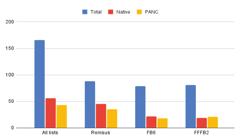
Plant species count for the National List of Medicinal Plants of Interest to the Unified Health System (Renisus), the 6th edition of Brazilian Pharmacopoeia (FB6), and the 2nd edition of the Herbal Medicines Form (FFFB2). Adjacent columns show the number of species filtered according to origin and type, depicting the total of native species (red) and PANC (yellow).
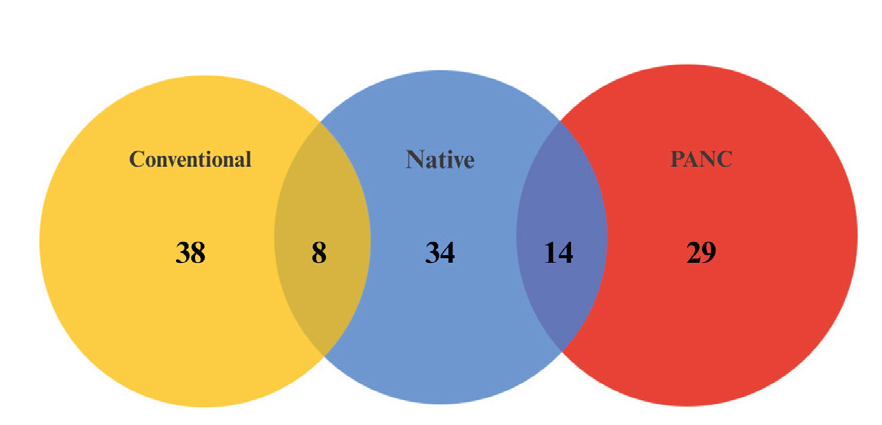
When all three lists are taken into consideration, only about a third of all plant species are native to Brazilian territory (56 out of 166) (Fig. 2), which indicates a research bias towards alien species and tendency to neglect native flora. Our results show that the majority of native edible species are PANC, rather than those conventionally used (Fig. 3). This raises questions about missed opportunities to integrate naturally occurring plants into sustainable diets, particularly in family farming contexts, as highlighted by Lourenzani et al. (2004).
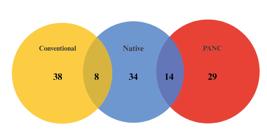
Number of species present in the National List of Medicinal Plants of Interest to the Unified Health System (Renisus), the 6th edition of Brazilian Pharmacopoeia (FB6), and the 2nd edition of the Herbal Medicines Form (FFFB2), which are broadly used as conventional food sources, PANC and the intersection of those which are native to brazilian territory.
The presence of PANC in all three analyzed documents suggests their relevance to both medicinal and edible applications, pointing towards a possible convergence of health and environmental policies. Moreover, the fact that 1 out of 4 officially recognized medicinal plants also happen to be PANC reveals a largely underutilized potential food source and highlights a critical opportunity for diversifying food systems while increasing health overall. Interestingly, while conventional species are generally consumed or even have established roles in culinary practices, the predominance of inedible species with exclusive medicinal uses indicates a scientific and political focus on therapeutic properties over edible potential.
In Brazil, the National Policy on Medicinal Plants and Herbal Medicines (PNPMF) and the Food and Nutrition Security framework (SAN) share a commitment to promoting the sustainable use of natural resources for health and food, while emphasizing biodiversity conservation and public well-being. The PNPMF outlines guidelines for the responsible management of medicinal plants, while SAN advocates for the preservation of natural ecosystems and sustainable agricultural practices, including the cultivation of a diverse array of edible and medicinal plants. Both policies aim to empower communities by fostering autonomy over health and nutrition, reducing reliance on conventional systems and industrialized food sources, although none seem to focus much on tapping into the potential of local biodiversity.
Non-Conventional Food Plants (PANC) stand out as a nutrient-rich alternative to conventional vegetables, often offering superior nutritional profiles (Peres & Terra 2021). Furthermore, family farming plays a key role in cultivating endemic species, which not only supports biodiversity but also generates economic opportunities and enables the production of herbal medicines (Lourenzani et al. 2004). These practices align with the principles of “Global Health” and “One Health,” which emphasize the interconnectedness of human, animal, and environmental health. When integrated into home gardens and into people’s daily lives, PANC can help prevent chronic diseases while offering therapeutic and social benefits (Da Silva et al. 2021; Camintia et al. 2019).
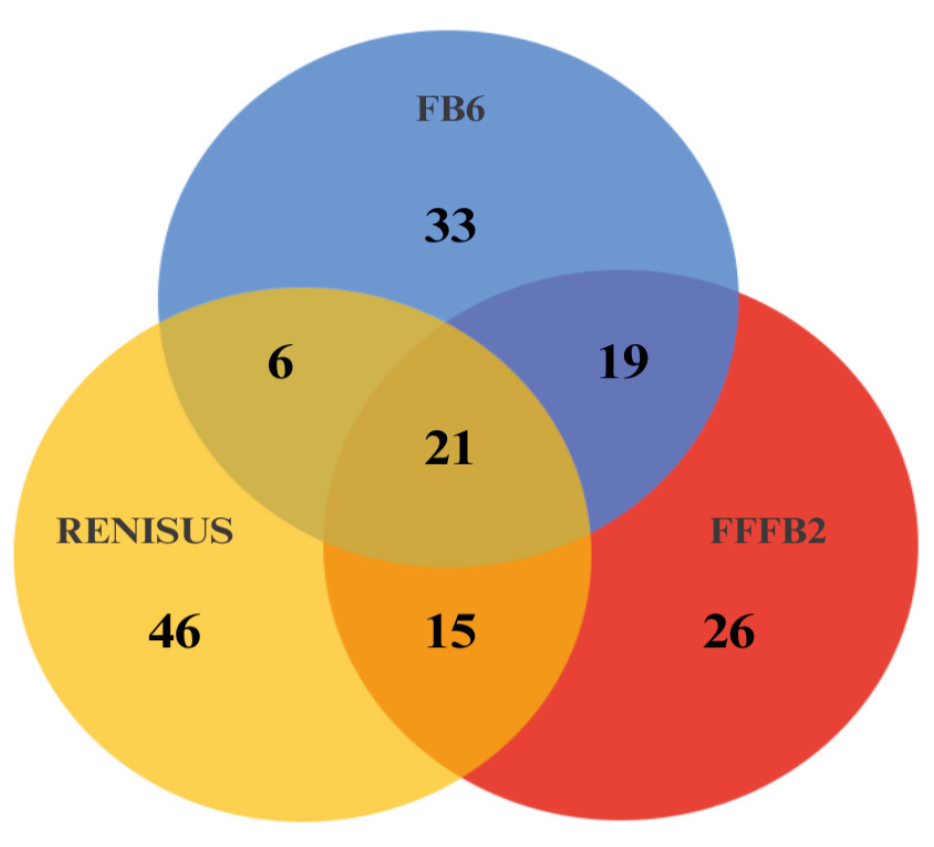
The discrepancies in species representation across the three documents also merit discussion (Fig. 4). These variations may stem from differing criteria for inclusion, but they also reveal gaps in harmonization between public health guidelines. It is also worth pointing out that, if we take into account the largest compilation of PANC species (Kinupp & Lorenzi 2014), there are 351 species with fully recognized uses and methods of consumption - many of which accompanied by indications of medicinal properties -, while estimates from the literature suggest there are at least 3,000 species with potential use as food sources. These numbers tower over the government official lists for medicinal plants examined in this study, although public policies do not yet reflect this pattern.
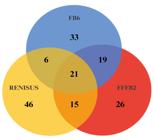
Relative number of exclusive and shared species present in the National List of Medicinal Plants of Interest to the Unified Health System (Renisus), the 6th edition of Brazilian Pharmacopoeia (FB6), and the 2nd edition of the Herbal Medicines Form (FFFB2).
Furthermore, the observed inaccuracies in scientific nomenclature (e.g., outdated synonyms, errors in authorship, and incomplete identification) present in governmental official lists reflect broader challenges in the management of plant data. A total of 34 incorrect scientific names and 4 incorrect author names were found across the lists (Tab. S1, available on supplementary material <https://doi.org/10.6084/m9.figshare.29737049.v1>). Some cases deserve special attention. First, it is worthy to point out that, if all lists are compiled and redundant names excluded, we would be left with 178 species names. It is only after clearing these scientific imprecisions that we are left with 166 taxa. Secondly, the list provided by Renisus has no author names for any of the plants. This creates ambiguity in cases like Mentha crispa, which is an incorrect name, synonym attributed to different varieties of two different species (Mentha longifolia subsp. longifolia and Mentha spicata subsp. spicata). Lastly, the presence of plant names that aren’t at the species level, like Copaifera spp., are dangerously inaccurate, whether we are dealing with medicinal or nutritional plants. These inconsistencies can hinder research progress, affect quality control in herbal product development, and ultimately compromise public trust in the safe use of these species (Amaral et al. 2020; Rivera et al. 2014). Addressing these issues requires an effort to include taxonomists as consultants to this list in order to standardize nomenclature and ensure accuracy in databases and policy documents.
Some limitations of this research should be considered when interpreting the results. First, the analysis was based on secondary data, specifically official lists and existing literature, which limits the ability to assess the actual use of PANC across different communities and regions of Brazil. The classification of species as PANC, conventional, or non-edible was primarily based on ethnobotanical literature, which may not fully reflect their current or potential food use, and the lack of comprehensive data on dietary consumption at the population level represents an additional limitation. Although extensive, the literature review may have been biased toward more widely studied species, potentially affecting the representativeness of the identified PANC. Given these limitations, future research is needed to include field studies documenting the traditional use of PANC, detailed nutritional analyses, and evaluations of the impact of public policies aimed at promoting their sustainable use.
Overall, this study underscores the largely overlooked potential of PANC and other plant species for contributing to food security, health, and biodiversity conservation. By integrating medicinal and food-related perspectives and addressing systemic challenges, policymakers can promote the sustainable use of plant resources while fostering greater autonomy in health and nutrition for populations that live in areas with both high biodiversity and social inequality.
Global health extends beyond hospital care and therapeutic interventions, encompassing a holistic approach to life quality that integrates social, psychological, and biological factors tailored to the needs of each population. Among these factors, the intersection of health and nutrition plays a critical role in promoting well-being.
While medicinal plants benefit from established national policies, like the ones contemplated in this study, food plants - particularly Non-Conventional Food Plants (PANC) - remain underrepresented in Brazilian guidelines. The existence of official lists for medicinal plants, contrasted with the lack of such resources for PANC, highlights an imbalance that undervalues their potential and leaves a gap in accessible, official information. Furthermore, the relatively low representation of native species and even lower PANC species in the examined lists highlight an important gap between public health and sustainable use of local biodiversity as sources of food and medicine. The existence of 43 species that serve as both PANC and medicinal plants, in a list that is still far from exhaustive, demonstrates an opportunity to bridge this gap between health and nutrition policies.
The creation of an integrated list that includes both medicinal species and PANC has the potential to promote a “One Health” approach - linking human, environmental, and animal health - and can contribute to the recognition and conservation of Brazil’s rich biodiversity, reinforcing the importance of these plants as a component of sustainable development and public health in the country.
Acknowledgements
We would like to thank Universidade Federal Fluminense (UFF) and the Fundação Oswaldo Cruz (Fiocruz), for their institutional support throughout this research.
References
- Alzoreky NS & Nakahara K (2003) Antibacterial activity of extracts from some edible plants commonly consumed in Asia. International journal of food microbiology 80: 223-230.
- Amaral FM, Monteiro SDSR, Leitão JDCP, Paiva SR & Joffily A (2020) Análise de rótulos de chás medicinais de comércio formal e notas sobre a despreocupação com a nomenclatura botânica. Pesquisa, Sociedade e Desenvolvimento 9: e435997346.
- Andrade GMM, Mendonça AVR, Souza MO, Botezelli L & Junior EDOC (2023) Plantas alimentícias não convencionais (PANC) nos levantamentos etnobotânicos do Brasil. Novos Cadernos NAEA 26: 179-224.
- Benevides MLS, Avila MMM & Lima AEF (2021) O potencial nutritivo de plantas alimentícias não convencionais naturais do Ceará. Conexões-Ciência e Tecnologia 15: e021003-e021003.
-
Brasil (2015) Ministério da Saúde. Relação Nacional de Plantas Medicinais de Interesse do SUS - RENISUS. Available at <https://www.gov.br/saude/pt-br/composicao/sectics/plantas-medicinais-e-fitoterapicos/ppnpmf/renisus>. Access on 14 March 2024.
» https://www.gov.br/saude/pt-br/composicao/sectics/plantas-medicinais-e-fitoterapicos/ppnpmf/renisus -
Brasil (2019) Farmacopeia Brasileira. 6ª ed. Agência Nacional de Vigilância Sanitária, Brasília. Available at <https://www.gov.br/anvisa/pt-br/assuntos/farmacopeia/farmacopeia-brasileira>. Access on 14 March 2024.
» https://www.gov.br/anvisa/pt-br/assuntos/farmacopeia/farmacopeia-brasileira -
Brasil (2021) Formulário de Fitoterápicos da Farmacopeia Brasileira, 2ª edição. Agência Nacional de Vigilância Sanitária, Brasília . Available at <https://www.gov.br/anvisa/pt-br/assuntos/farmacopeia/formulario-fitoterapico>. Access on 14 March 2024.
» https://www.gov.br/anvisa/pt-br/assuntos/farmacopeia/formulario-fitoterapico - Camintia LL, Rigo MF, Nachtigall GR, Araújo R, Padilha AS, Sousa ACM & Trevisani N (2019) Horta, jardinagem e artesanato como terapia ocupacional no Centro de Atenção Psicossocial (CAPS) de Videira. Anais da Mostra Nacional de Iniciação Científica e Tecnológica Interdisciplinar 1: 01-05.
- Chitrakar B, Zhang M & Bhandari B (2019) Edible flowers with the common name “marigold”: their therapeutic values and processing. Trends in Food Science & Technology 89: 76-87.
- Cordeiro MLS, Ribas LCC & Scheuer PM (2023) Prospecção do potencial gastronômico de “Erva-Baleeira” (Varronia curassavica Jacq.). Arquivos Brasileiros de Alimentação 8: e023004-e023004.
- Correa AJC, Lima CE & Costa MCCD (2010) Alpinia zerumbet (Pers.) BL Burtt & RM Sm.(Zingiberaceae): levantamento de publicações nas áreas farmacológica e química para o período de 1987 a 2008. Revista Brasileira de Plantas Medicinais 12: 113-119.
- Da Silva LM, Alves FD & Silva CR (2021) Implementação do projeto “Horta Terapia Comunitária” na periferia de Alfenas-MG: um estudo de caso. Revista Eletrônica da Associação dos Geógrafos Brasileiros 1: 364-389.
- De Sá TS (2020) Beldroega (Portulaca oleracea L.): potenciais como recurso genético para alimentação. Dissertação de Mestrado. Universidade Federal do Recôncavo da Bahia, Cruz das Almas. 2020. 68p.
-
Destoumieux-Garzón D, Mavingui P, Boetsch G, Boissier J, Darriet F, Duboz P, Fritsch C, Giraudoux P, Le Roux F, Morand S, Paillard C, Pontier D, Sueur C & Voituron Y (2018) The one health concept: 10 years old and a long road ahead. Frontiers in Veterinary Science 5. Available at <https://www.frontiersin.org/journals/veterinary-science/articles/10.3389/fvets.2018.00014>. Access on 14 March 2024.
» https://www.frontiersin.org/journals/veterinary-science/articles/10.3389/fvets.2018.00014 - Dhulap S, Anita M & Hirwani R (2008) Phyto-pharmacology of Elettaria cardamomum Pharmacognosy Reviews 2: 27-35.
- Drew RA & Bailey R (2020) Australian tropical fruits: a source of distinctive flavours. Acta Horticulturae 1274: 41-56.
- Duarte G (2017) Levantamento e caracterização das plantas alimentícias não convencionais do Parque Florestal de Monsanto (Lisboa). Tese de Mestrado. Universidade de Nova Lisboa, Lisboa. 2017. 99p.
- El-Agbar ZA, Shakya AK, Khalaf NA & Al-Haroon M (2008) Comparative antioxidant activity of some edible plants. Turkish Journal of Biology 32: 193-196.
-
Flora e Funga do Brasil (continuously updated) Jardim Botânico do Rio de Janeiro. Available at <http://floradobrasil.jbrj.gov.br/>. Access on 14 February 2025.
» http://floradobrasil.jbrj.gov.br/ - Fortes PAC & Ribeiro H (2014) Saúde global em tempos de globalização. Saúde e Sociedade 23: 366-375.
- Frota BC (2022) Ferramentas de identificação de espécies mais comuns de PANC no estado do Rio de Janeiro. Trabalho de conclusão de curso (Graduação em Ciências Biológicas). Universidade Federal Fluminense, Niterói. 2022. 77p.
-
GBIF - Global Biodiversity Information Facility (2025) Available at <https://www.gbif.org/>. Access on 7 February 2025.
» https://www.gbif.org/ - González-Pérez SE, Coelho-Ferreira M, Robert PD & Garcés CLL (2012) Conhecimento e usos do babaçu (Attalea speciosa Mart. e Attalea eichleri (Drude) AJ Hend.) entre os Mebêngôkre-Kayapó da Terra Indígena Las Casas, estado do Pará, Brasil. Acta Botanica Brasilica 26: 295-308.
- Grzeszczuk M, Stefaniak A & Pachlowska A (2016) Biological value of various edible flower species. Acta Scientiarum Polonorum Hortorum Cultus 15: 109-119.
- Hosseini A, Mobasheri L, Rakhshandeh H, Rahimi VB, Najafi Z & Askari VR (2024) Edible herbal medicines as an alternative to common medication for sleep disorders: a review article. Current Neuropharmacology 22: 1205-1232.
- Huergo EM, Galeano YPG & Lima LCP (2020) Plantas alimentícias não convencionais (PANC) do município de Foz do Iguaçu, Paraná, Brasil. Heringeriana 14: 107-132.
- Jinesh VK, Jaishree V, Badami S & Shyam W (2010) Comparative evaluation of antioxidant properties of edible and non-edible leaves of Anethum graveolens Linn. Indian Journal of Natural Products and Resources 1: 168-173.
- Joly CA, Scarano FR, Bustamante M, Gadda TMC, Metzger GPW, Seixas CS, Ometto JPHB, Pires APF, Boesing AL, Sousa FDR, Quintão JMB, Gonçalves LR, Padgurschi MCG, Aquino MFS, Castro PFD & Santos IL (2019) Brazilian assessment on biodiversity and ecosystem services: summary for policymakers. Biota Neotropica 19: e20190865.
- Kinupp VF & Lorenzi H (2014) Plantas alimentícias não convencionais (PANC) no Brasil: guia de identificação, aspectos nutricionais e receitas ilustradas. 2a ed. Instituto Plantarum de Estudos da Flora, Nova Odessa. 768p.
- Lourenzani AEBS, Lourenzani WL & Batalha MO (2004) Barreiras e oportunidades na comercialização de plantas medicinais provenientes da agricultura familiar. Informações Econômicas 34: 15-25.
- Marasini JB (2018) Plantas alimentícias não convencionais em Urubici, SC. Trabalho de conclusão de curso. Universidade Federal do Rio Grande do Sul, Porto Alegre. 2018. 27p.
- Muller SA (2022) Plantas alimentícias não convencionais (Panc) em unidades de conservação (UCS) do Município de Clevelândia, Paraná. Trabalho de conclusão de Curso. Universidade Tecnológica Federal do Paraná, Pato Branco. 2022. 43p.
- Munaro IO, Ichikawa GN, Souza MA, Fusiger FA, Vieira HTP, Guaca YCC & Lima LCP (2021) Fanerógamas na arborização da avenida araucária, Foz do Iguaçu-PR-Brasil. Biodiversidade 20: 30-48.
- Passos MAB (2019) Plantas alimentícias não convencionais (PANC) ocorrentes em Roraima. Revista Eletrônica Científica Ensino Interdisciplinar 5: 388-404.
- Passos MAB (2023) Plantas alimentícias não convencionais (PANC) no estado do Maranhão, Brasil. Revista Foco 16: e1380-e1380.
- Peres FM & Terra SB (2021) Teor de nutrientes em plantas alimentícias não convencionais. Salão Integrado de Ensino, Pesquisa e Extensão da Uergs (SIEPEX) 1: 01-04.
- Porsild AE (1953) Edible plants of the Arctic. Arctic 6: 15-34.
-
R Core Team (2021) R: a language and environment for statistical computing. R Foundation for Statistical Computing, Vienna, Austria. Available at <https://www.R-project.org/>. Access on 14 February 2025.
» https://www.R-project.org/ - Santos SMD, Malpass GRP, Okura MH & Granato AC (2018) Edible active coatings incorporated with Cinnamomum cassia and Myristica fragrans essential oils to improve shelf-life of minimally processed apples. Ciência Rural 48: e20180447.
- Saqib S, Ullah F, Naeem M, Younas M, Ayaz A, Ali S & Zaman W (2022) Mentha: nutritional and health attributes to treat various ailments including cardiovascular diseases. Molecules 27: 6728.
- Scartazzini L, Tosati JV, Cortez DHC, Rossi MJ, Flôres H, Hubinger MD, Di Luccio M & Monteiro AR (2019) Gelatin edible coatings with mint essential oil (Mentha arvensis): film characterization and antifungal properties. Journal of Food Science and Technology 56: 4045-4056.
-
Souza JLD (2018) Perfil químico e avaliação da atividade antioxidante dos extratos da Alpinia zerumbet (Pers.) Burtt & Smith. XIV Seminário Estudantil de Pesquisa e Extensão - FAMAM. Available at <https://unimam.com.br/wp-content/uploads/2020/05/PERFIL-QUIMICO-E-AVALIACAO-DA-ATIVIDADE-ANTIOXIDANTE-DOS-EXTRATOS-DA-Alpinia-zerumbet-PERS.-BURTT-SMITH.pdf>. Access on 13 January 2025.
» https://unimam.com.br/wp-content/uploads/2020/05/PERFIL-QUIMICO-E-AVALIACAO-DA-ATIVIDADE-ANTIOXIDANTE-DOS-EXTRATOS-DA-Alpinia-zerumbet-PERS.-BURTT-SMITH.pdf - Unver MC, Ugulu I, Durkan N, Baslar S & Dogan Y (2015) Heavy metal contents of Malva sylvestris sold as edible greens in the local markets of Izmir. Ekoloji Dergisi 24: 13-25.
- Vasic SM, Stefanovic OD, Licina BZ, Radojevic ID & Comic LR (2012) Biological activities of extracts from cultivated granadilla Passiflora alata Excli Journal 11: 208.
- Willis KJ (2017) State of the world's plants 2017. Royal Botanic Gardens, Kew. 100p.
- Xue TT, Yang YG, Tang ZS, Duan JA, Song ZX, Hu XH, Yang HD & Xu HB (2022) Evaluation of antioxidant, enzyme inhibition, nitric oxide production inhibitory activities and chemical profiles of the active extracts from the medicinal and edible plant: Althaea officinalis Food Research International 156: 111166.
- Xue T, Ruan K, Tang Z, Duan J & Xu H (2023) Isolation, structural properties, and bioactivities of polysaccharides from Althaea officinalis Linn.: A review. International journal of biological macromolecules 242: 125098.
- Veiga Junior VF & Mello JCP (2008) As monografias sobre plantas medicinais. Revista Brasileira de Farmacognosia 18: 464-471.
Data availability statement
In accordance with Open Science communication practices, the authors inform that there is no data sharing of this manuscript.