 Digital nudges for online food selection: the interaction of emotional eating and psychological traits in university students
Objective This study aimed to examine the impact of digital nudge models and emotional eating behaviors on online food choices among university students.
Methods This cross-sectional study was conducted on 356 students (87.1% female). Data were collected via an online questionnaire, including the Barratt Impulsivity Scale, Twenty-item Toronto Alexithymia Scale, and the Emotional Eater Questionnaire. Four digital nudge categories were used (default, highlighting, social influence, and warning) to assess their influence on food choice. Additionally, body weight and height were taken with the participants’ declaration. Data were analyzed using IBM®SPSS® 24.0.
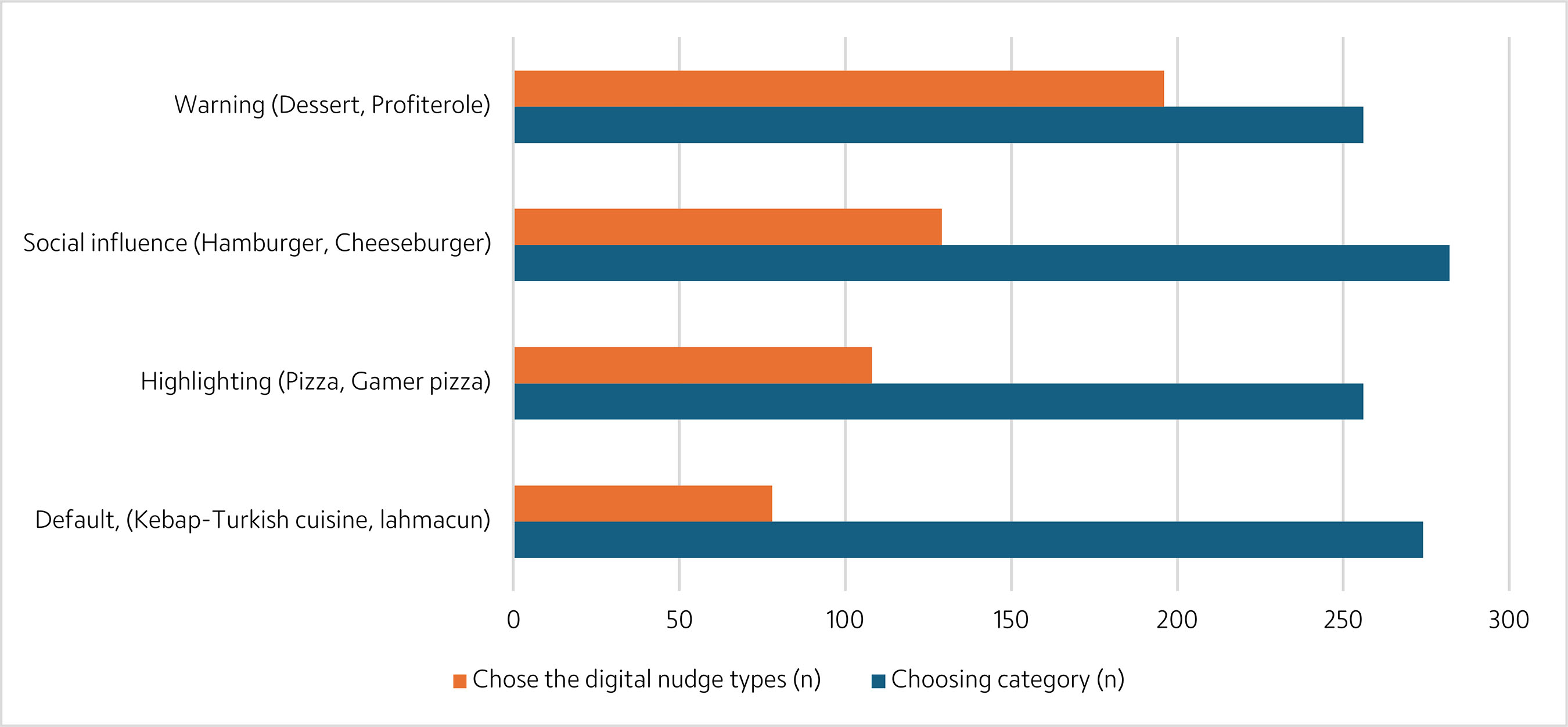
Results The most frequently selected food category was hamburgers (n=282), with the warning nudge in the dessert category being the most effective (43.3%), followed by the social influence nudge (31.3%). There was no significant correlation between impulsivity, emotional eating, and digital nudge effectiveness (p>0.05). However, gender differences were noted, with females responding more to social influence nudges. There was a moderate positive correlation between Emotional Eater Questionnaire and body mass index and Twenty-item Toronto Alexithymia Scale (r=0.315, p<0.001, r=0.347, p<0.001, respectively). Furthermore, the Barratt Impulsivity Scale showed a weak positive correlation with Twenty-item Toronto Alexithymia Scale (r=0.127, p<0.05).
Conclusion Digital nudges influenced food choices; however, psychological factors such as impulsivity and emotional eating did not significantly affect their effectiveness. Future research could explore the role of psychological traits in digital nudging for healthier food choices.
Keywords
Alexithymia; Digital nudge; Eating behaviors; Emotional eating; Food choice; Impulsivity
 Thumbnail
 Thumbnail
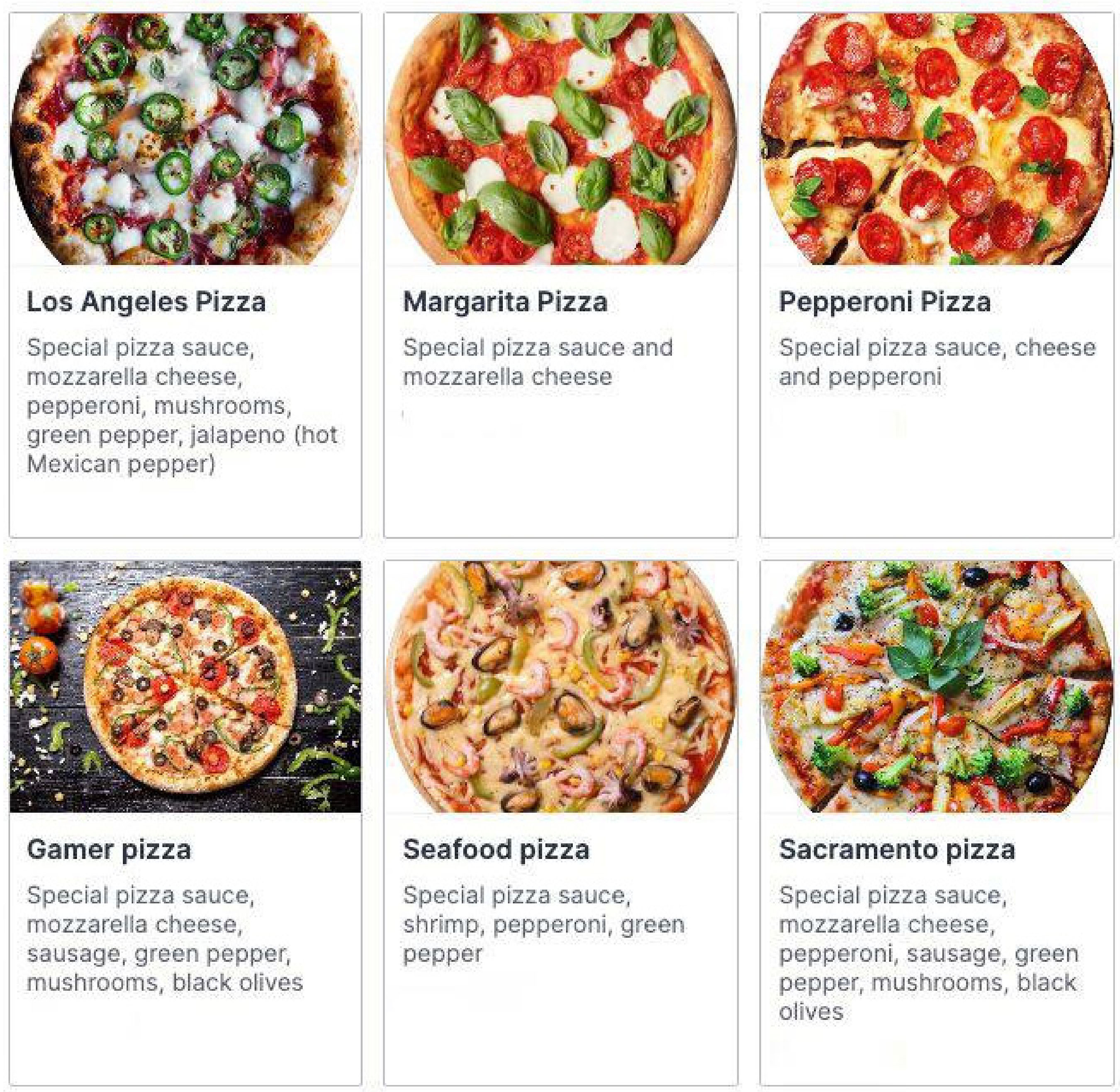 Note: The items displayed to participants in the pizza category were presented in accordance with the highlight-nudge model. The five pizzas were presented with a plain white background, while the Gamer Pizza background was presented in a different manner. The images and ordering of the questionnaire used in the study were preserved and translated from the original Turkish language into English for presentation here.