 Use of MDF waste in the development of sandwich composites with polyurethane foams
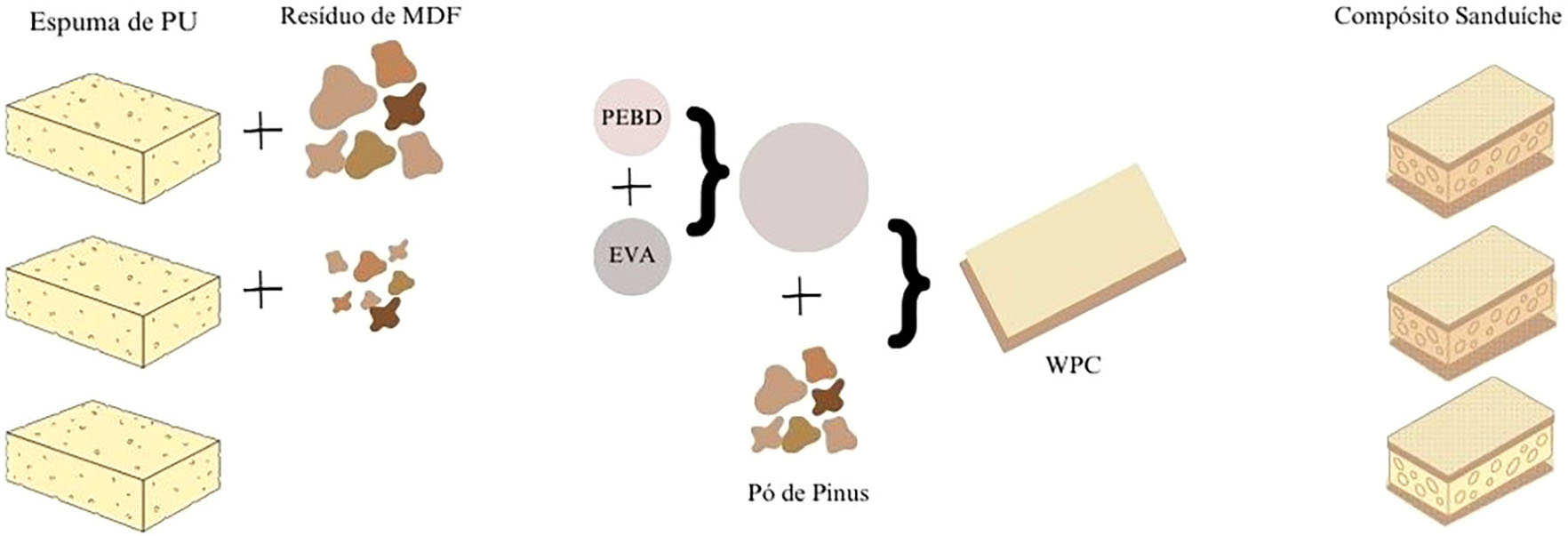
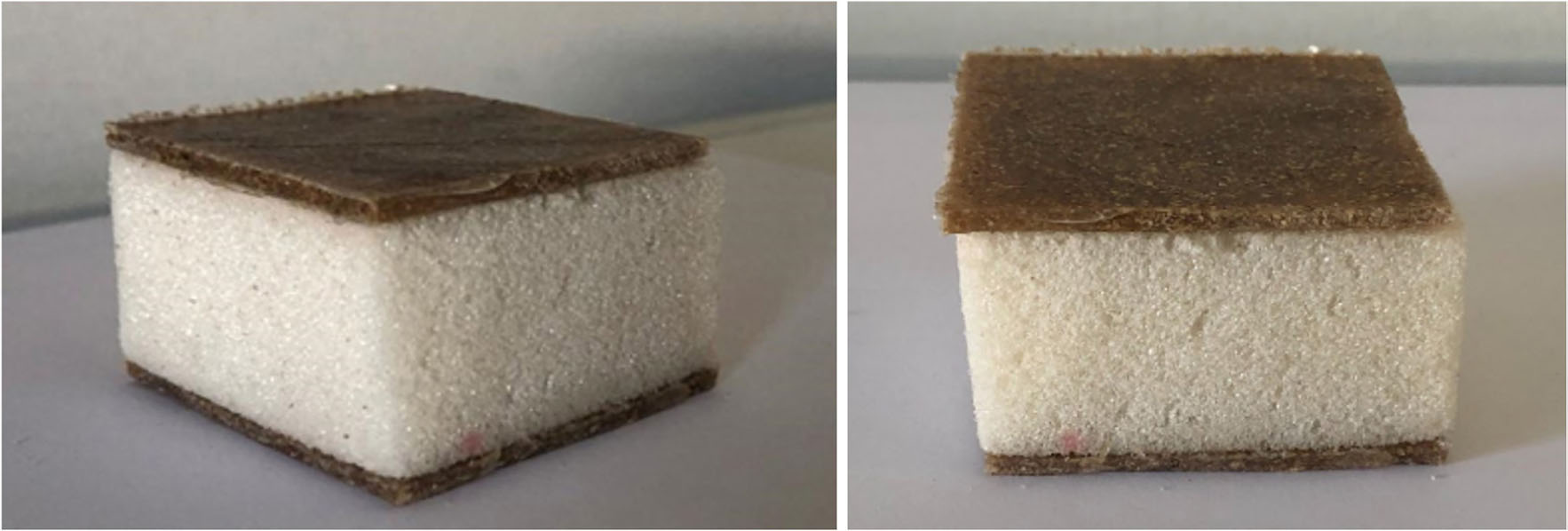
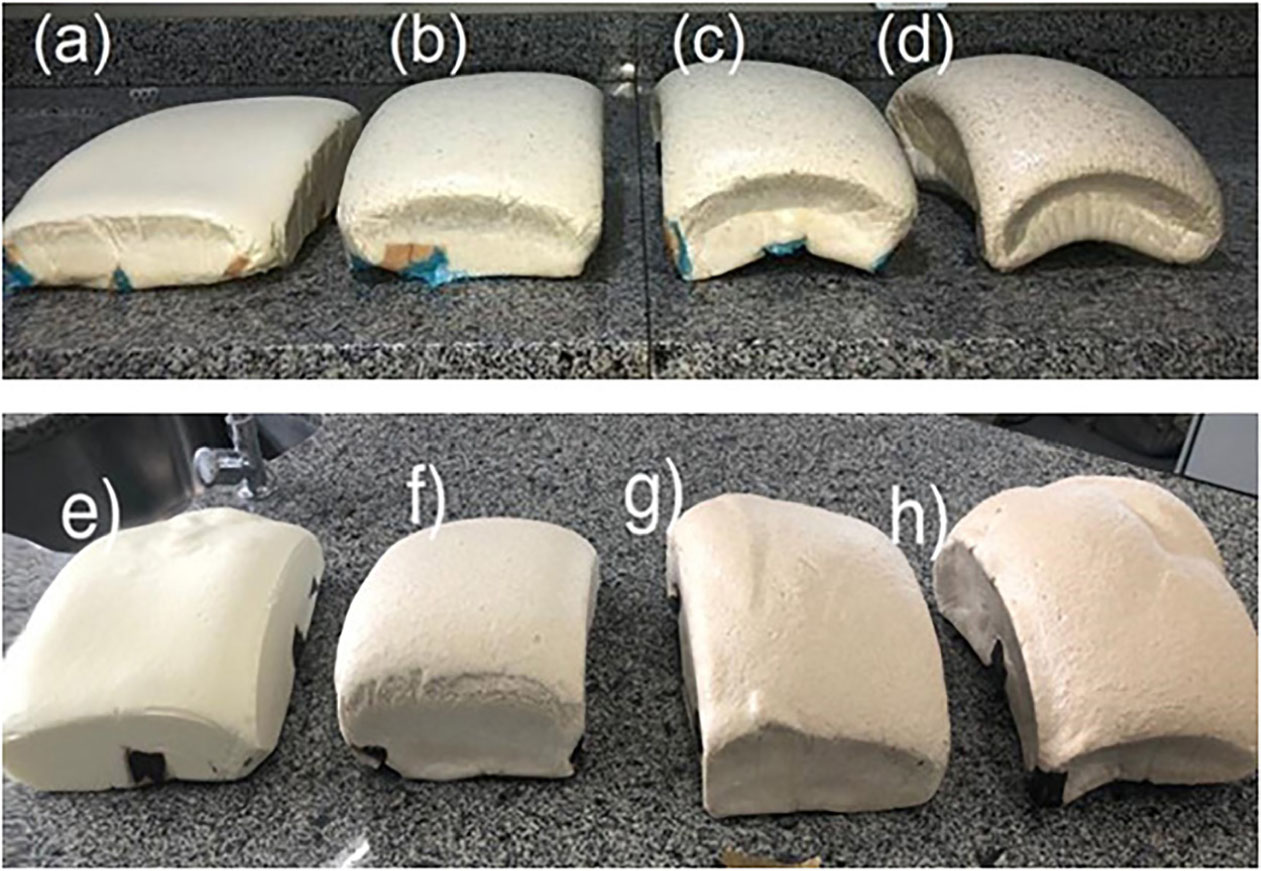
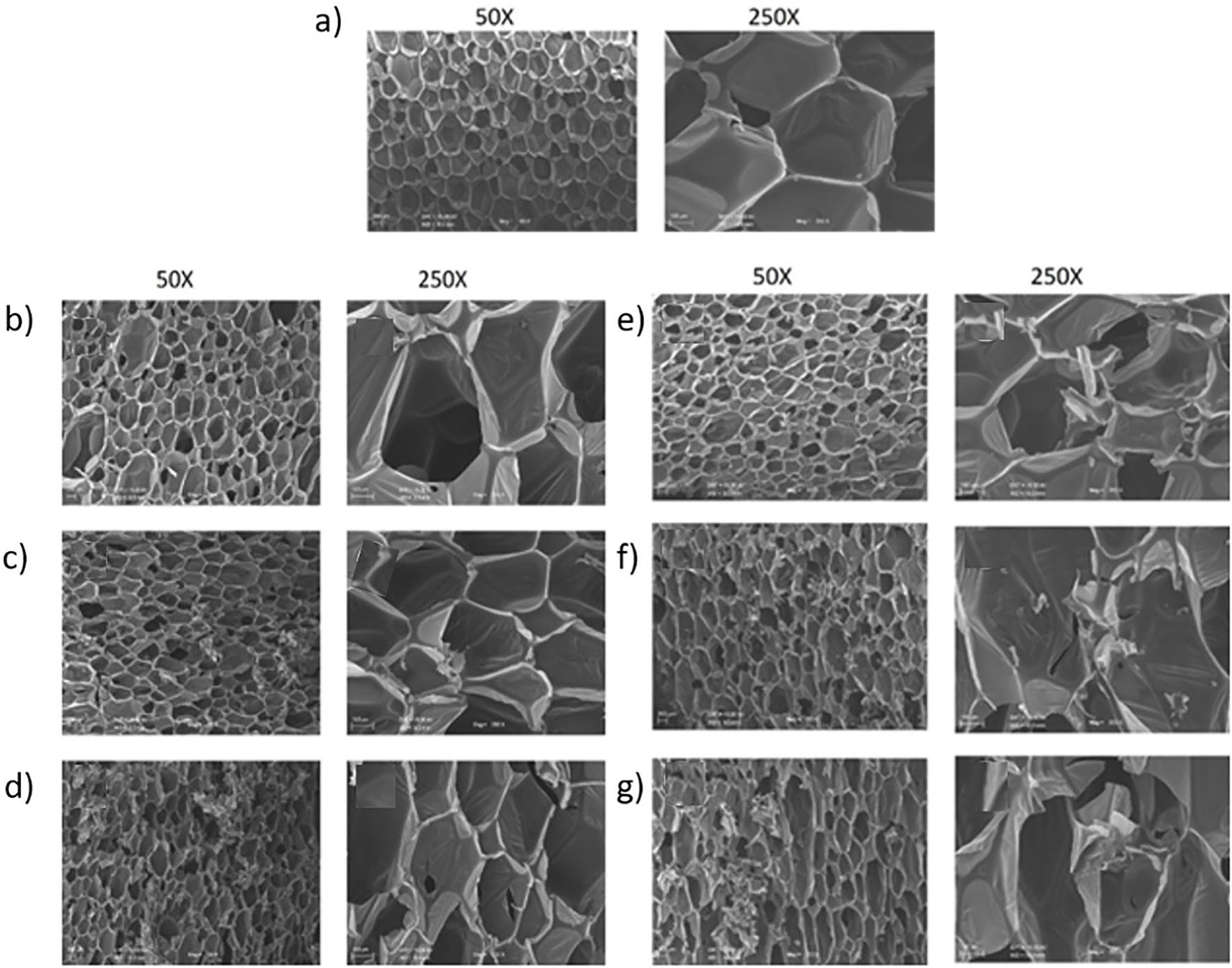
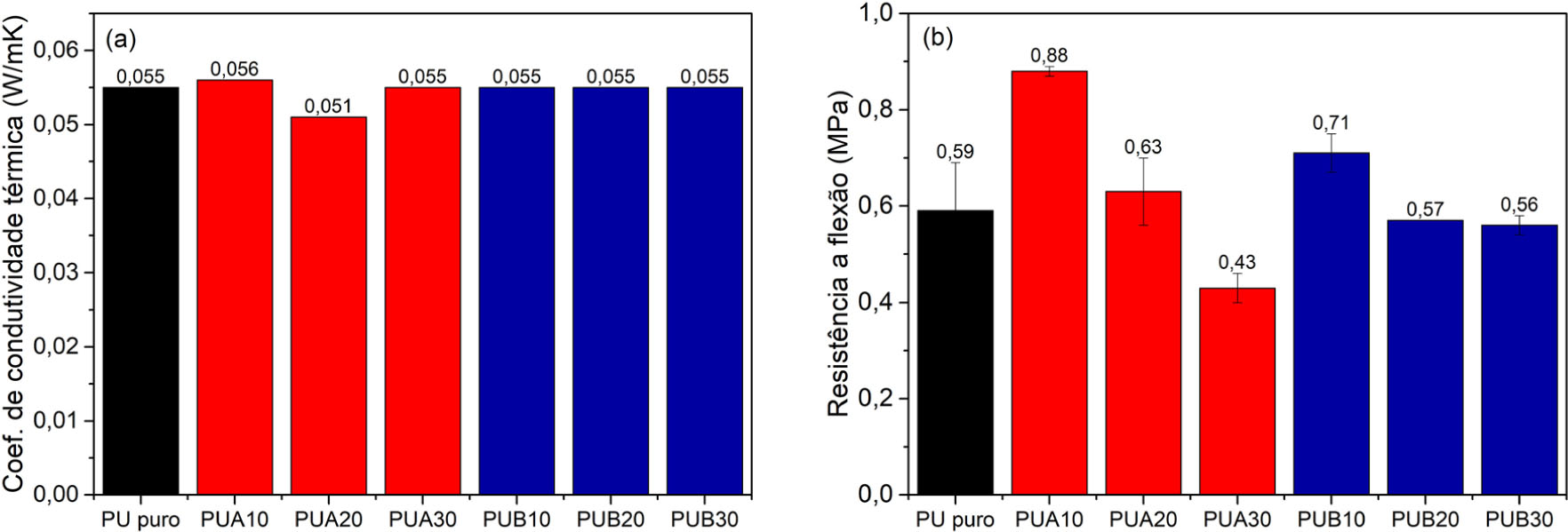
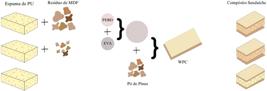
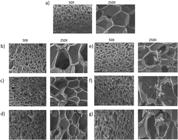
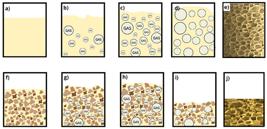
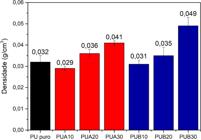
In this work, waste Medium Density Fiberboard (MDF) and wood were used as reinforcing fillers in sandwich composites. MDF powder was used in different proportions in rigid polyurethane (PU) foams as well as in different grain sizes; the outer boards were produced with a composite of low-density polyethylene (LDPE) and ethylene vinyl acetate copolymer (EVA) (80:20) reinforced with Pinus elliottii wood powder (20%). The foams were assessed for compressive strength, density and morphology. The composites with a sandwich structure were evaluated for flexural strength and thermal insulation. An increase in the density of the foams was observed with an increase in the content and a reduction of up to 0.05 MPa in compressive strength when MDF fillers were added. The insertion of fillers in PU foams causes the cells to collapse, leading to greater contraction of the foam during the expansion process. In the analyses carried out on the composite with a sandwich structure, a variation in flexural strength was observed, with higher strengths at pure PU foam compared to the composites with the PU10A and PU10B core, and lower strength values in the other loaded samples.
Keywords
Sandwich composite; Polyurethane foams; MDF residue
 Thumbnail
 Thumbnail
 Thumbnail
 Thumbnail
 Thumbnail
 Thumbnail
 Thumbnail