
 Public social protection policies for people affected by tuberculosis: a documentary analysis
Objective to analyze the normative documents that seek to guarantee the right to social protection for people affected by tuberculosis in force in Brazil in 2023.
Method qualitative documentary research carried out in September 2023, based on the survey of documents at the national, state and municipal levels, from government agencies and social control bodies after the promulgation of the Federal Constitution, on four electronic platforms, exported and organized in the Atlas.ti software, and interpreted based on content analysis, thematic mode.
Results the analytical corpus consisted of 30 normative documents — nine laws, seven technical-institutional materials, five ordinances, four resolutions, two decrees, a technical cooperation agreement, a normative instruction, and an operational instruction — from which four thematic categories emerged: the right to health care, the right to social care, the right to social security, and the sharing of responsibilities.
Conclusion policies to protect people with tuberculosis in Brazil are recent and there is still much room for improvement toward a comprehensive approach through intersectoral and interministerial coordination, aiming to address social vulnerability and reaffirming the State’s duty to guarantee social protection by means of public policies that promote life, citizenship, human rights, and social justice.
Descriptors
Tuberculosis; Public Policy; Social Welfare; Health Policy; Human Rights; Social Security
Highlights
(1) The right to health care includes public policies in the scope of SUS to address TB. (2) The right to social care emphasized access to services, programs, and benefits. (3) The right to social security covered retirements and benefits for people with TB. (4) Interministerial responsibility, intersectoral responsibility, and responsibility shared between SUS and SUAS. (5) Challenges in accessing rights to social care and health care persist for people with TB.
Objetivo analisar os documentos normativos que buscam garantir o direito à proteção social às pessoas acometidas por TB vigentes no Brasil em 2023.
Método pesquisa qualitativa, do tipo documental, realizada em setembro de 2023, a partir do levantamento de documentos de âmbito nacional, estadual e municipal, provenientes de órgãos governamentais e instâncias de controle social após a promulgação da Constituição Federal, em quatro plataformas eletrônicas, exportados e organizados no software Atlas.ti, e interpretados com base na análise de conteúdo, modalidade temática.
Resultados o corpus analítico foi composto por 30 documentos normativos, sendo nove leis, sete materiais técnicos-institucionais, cinco portarias, quatro resoluções, dois decretos, um acordo de cooperação técnica, uma instrução normativa e uma instrução operacional, dos quais emergiram quatro categorias temáticas: o direito à saúde, o direito à assistência social, o direito à previdência social e o compartilhamento de responsabilidades.
Conclusão as políticas de proteção às pessoas com tuberculose no Brasil são recentes e ainda há um longo caminho para uma abordagem abrangente por meio de articulações intersetoriais e interministeriais, visando ao enfrentamento da vulnerabilidade social e reafirmando o dever do Estado em garantir proteção social por meio de políticas públicas que promovam vida, cidadania, direitos humanos e justiça social.
Descritores
Tuberculose; Política Pública; Seguridade Social; Política de Saúde; Direito Humanos; Previdência Social
Destaques
(1) O direito à saúde inclui políticas públicas dentro do SUS para o enfrentamento da TB. (2) O direito à assistência social destacou o acesso a serviços, programas e benefícios. (3) O direito à previdência social abrangeu aposentadorias e auxílios para pessoas com TB. (4) Responsabilidade interministerial, intersetorial e compartilhada entre SUS e SUAS. (5) Desafios persistem no acesso aos direitos sociais e de saúde pelas pessoas com TB.
Objetivo analizar los documentos normativos que buscan garantizar el derecho a la protección social de las personas afectadas por tuberculosis vigentes en Brasil en el 2023.
Método investigación documental cualitativa, realizada en septiembre del 2023, con base en el levantamiento de documentos en el ámbito nacional, estatal y municipal, provenientes de órganos gubernamentales e instancias de control social tras la promulgación de la Constitución Federal, en cuatro plataformas electrónicas, exportados y organizados en el programa informático Atlas.ti, e interpretados con base en análisis de contenido, modalidad temática.
Resultados el corpus analítico estuvo compuesto por 30 documentos normativos, a saber: nueve leyes, siete materiales técnico-institucionales, cinco ordenanzas, cuatro resoluciones, dos decretos, un convenio de cooperación técnica, una instrucción normativa y una instrucción operativa, de los cuales surgieron cuatro categorías temáticas: el derecho a la salud, el derecho a la asistencia social, el derecho a la seguridad social y el reparto de responsabilidades.
Conclusión las políticas de protección de personas con tuberculosis en Brasil son recientes y aún queda un largo camino que recorrer para un abordaje integral por medio de articulaciones intersectoriales e interministeriales, con el objetivo de afrontar la vulnerabilidad social y reafirmar el deber del Estado de garantizar la protección social mediante políticas públicas que promuevan la vida, la ciudadanía, los derechos humanos y la justicia social.
Descriptores
Tuberculosis; Política Pública; Bienestar Social; Política de Salud; Derechos Humanos; Seguridad Social
Destacados
(1) El derecho a la salud incluye políticas públicas en el SUS para el afrontamiento de la TB. (2) El derecho a la asistencia social ha destacado el acceso a servicios, programas y beneficios. (3) El derecho a la seguridad social ha cubierto pensiones y ayudas para las personas con TB. (4) Responsabilidad interministerial, intersectorial y compartida entre el SUS y el SUAS. (5) Persisten los desafíos en el acceso a los derechos sociales y de salud por parte de las personas con TB.
Introduction
Tuberculosis (TB) is one of the most emblematic diseases related to poverty and strongly permeated with social determinants. At the same time, it is considered that it perpetuates cycles of misery due to the social and economic impacts resulting from illness(1). As a multi-causal disease, TB requires a multisectoral response and synergism between public social protection policies that seek to eliminate poverty and promote equity, justice and human rights for people affected by TB, including addressing all forms of discrimination and stigmatization(2).
The World Health Organization’s (WHO) End TB Strategy recommends reducing incidence rates by 90% and mortality rates by 95% by 2035 to eliminate it as endemic by 2050, with the additional goal that no person with TB needs to bear catastrophic costs or social repercussions due to the disease(3). Consistently, in line with the United Nations Sustainable Development Goals (SDGs), TB is included in Target 3.3 of SDG 3, whose proposal is to reduce TB deaths by 90% and new TB cases by 80% by 2030. This goal is also closely related to the tenth goal regarding the reduction of inequalities(4).
However, in 2022, TB was estimated to have affected 10.6 million people worldwide, with 1.3 million deaths from the disease and 167,000 deaths among people living with HIV/AIDS. In the same year, the Americas region had 3.1% of the total TB cases worldwide and much higher estimates of deaths caused by the disease than in 2015 (+41%)(3). In this region, only Brazil ranks among the 30 countries with the highest TB burdens in the world, since, in 2022, the country had 78,057 new TB cases, with an incidence rate of 36.3 cases/100,000 inhabitants, in addition to 5,162 deaths from the disease, with a mortality rate of 2.2 deaths/100,000 inhabitants(5).
This means that the country is still far from meeting the proposals of the End TB Strategy and of the National Plan to End TB as a public health issue, which recommend reducing the TB incidence rate to less than 10 cases/100,000 inhabitants and one death/100,000 inhabitants by 2035(6-7). Considering this situation, one of the boldest proposals to end TB is based on the 2nd Pillar referring to bold policies and support systems, aiming at the social protection of people affected by the disease, in addition to the reduction of poverty and other determining factors for TB disease(3).
Social protection refers to actions that involve public policies geared toward guaranteeing life and human rights, preventing the incidence of risks and vulnerabilities, reducing damages and negative impacts due to social, economic, political, natural restrictions or offenses against human dignity(8). In order to address TB, a literature review conducted from a global perspective showed that measures and strategies oriented toward social protection as a right of people affected by TB improve nutritional status, quality of life, and adherence to treatment, reducing catastrophic costs and promoting favorable treatment results(9).
In addition, a study that globally analyzed the association between social protection spending and TB burden showed that countries that invest a large portion of their Gross Domestic Product (GDP) in social protection policies see lower TB prevalence, incidence and mortality rates(10). Such issues demonstrate the alignment of social protection with public policies proposed to overcome the challenge of eliminating TB as a public health problem at the national and international levels.
However, there are still gaps in the understanding of how social protection measures and strategies are regulated as public policies, and how they are oriented towards implementation in different socioeconomic contexts. Accordingly, this study seeks to contribute to the advancement of scientific knowledge by examining how protection policies for people with TB are regulated at the national level and how they can be adapted in a more inclusive manner to improve the support and treatment mechanisms available, impacting the quality of life of people affected by TB and the efficiency of health care systems.
In this sense, public policies aimed at overcoming inequalities that affect human health and are characterized as unjust are fundamental to achieve a more equitable society and, therefore, impact TB control(11). Therefore, a conjunctural analysis is opportune, considering the potential of Brazil and the future challenges that the financial crisis and austerity policies may pose for the Brazilian health care and social care systems.
Thus, guided by the research question — “How is social protection for people affected by TB included in the framework of Brazilian public policies?” —, the objective was to analyze normative documents that seek to guarantee the right to social protection for people affected by TB in force in Brazil in 2023.
Method
Study design
This is a qualitative documentary research of documents that regulate public policies that include in their scope social protection measures for people affected by TB in the Brazilian national level. This type of research is characterized by the search for information in documents with original data based on methods and techniques for apprehension, understanding and analysis of factual information by the researcher, since the documents underwent no prior scientific treatment(12-13).
The use of documents in research provides much recovered information that enables expanding the understanding of issues whose understanding requires a historical and sociocultural contextualization(12). In this sense, official documents are considered reliable data sources, as they allow a contextual analysis of normative and political acts(14).
Selection criteria
We opted for the inclusion of documents subsequent to the historical-temporal framework of the 1988 Federal Constitution, which guarantees social protection in Brazil through health care, social care and social security policies, which constitute social security in the country(15). Based on this context, we surveyed institutional technical materials, as well as laws, decrees, ordinances, resolutions and other national, state or municipal normative acts, from government agencies and their social control bodies, that are in force.
We excluded documents related to the incorporation of new anti-tuberculosis therapeutic regimens, diagnostic tests for TB, public consultations, bills, documents instituted by international bodies, as well as regulations that did not specify social protection measures for people affected by TB.
Documentary survey
The searches were performed by the main researcher, in September 2023, on the following electronic platforms: Official Federal Gazette (DOU) (https://www.in.gov.br/consulta/) for federal, state and/or municipal documents; Portal of Brazilian Federal Legislation (https://legislacao.presidencia.gov.br/) for federal documents; Portal of State Laws (https://leisestaduais.com.br/) for state and/or municipal documents; and official website of publications of the Ministry of Health (https://www.gov.br/saude/pt-br/centrais-de-conteudo/publicacoes) for federal documents, using the keywords: “Tuberculosis” and “Social Protection.”
For the searches in the DOU, in order to optimize the documentary survey process, the “Main Organization” filter was used to select documents issued by bodies with direct competence over social protection policies and the “Type of Act” filter was used to select specific acts that establish or regulate policies and practices related to social protection, with normative and legal relevance. In addition, to search for documents with dates prior to Jan 1, 2018, we used the “Search in the Certified Version” or “Full Certified Gazzette” filters. For the Ministry of Health website, we used the “all publications” filter, and for the other platforms we used the filters for “standards in force” or “published” and time frame from 1988.
It should be noted that, to reduce a possible bias of interest in the use of the Portal of State Laws, we adopted measures for transparency in the choice of state and municipal legislation and a rigorous data analysis to avoid distortions and preserve the integrity and impartiality of this study. It is also noted that documents from organized civil society websites were not included, since the objective of the study was related to examining the policies implemented and not the demands of the different social actors.
Data processing and analysis
After the survey and access to official publications, the documents were saved in PDF format and exported to the Atlas.ti software, version 23, to be organized and interpreted using content analysis in thematic mode, which was conducted in three stages according to the assumptions of Bardin(16), namely: documentary pre-analysis; exploration of material; and treatment of results. In the pre-analysis stage — conducted entirely by two researchers, including the main one —, a floating reading of the texts was carried out in order to trace their relation with the study objective and formulate cores of meaning based on five dimensions(14): analysis of context; authorship; interests and/or reliability of the text; nature of the text; and key concepts of the text.
Then, the material was explored through an in-depth reading of the documents that constituted the analytical corpus. The main researcher extracted information from the documents using a Microsoft Excel spreadsheet for codification and categorization according to type, year of publication, body or institution of origin, scope, and topics and/or themes addressed. These categories were certified by two other researchers, whose certification stage permeated the review and validation of the categories in relation to the data extracted and to compliance with the study object.
In the treatment of the results stage, we performed simple descriptive statistics of data related to document categorization. Finally, the findings were interpreted by the three researchers directly involved in the previous stages (including the main one), according to the study questioning to be analyzed from the perspective of the right to social protection, which covers measures oriented toward guaranteeing health care, social care, and social security. It is noted that this study is based on an expanded conception of health proposed by the Brazilian Health Reform movement and on the notion of right as a social achievement, with the State being responsible for providing the indispensable conditions for its full exercise and ensure universal and equal access to health promotion, protection and recovery actions and services(17).
Ethical aspects
Although ethical approval is not required for documentary research, it should be noted that this study is part of a research on the assessment of social protection for people affected by TB, which was approved by the Research Ethics Committee of the institution in charge under opinion No. 6,389,278, of Oct 5, 2023 (CAAE 71246023.6.0000.5393). In addition, we tried to use non-stigmatizing language related to TB throughout the study(18).
Results
The documentary survey on the electronic platforms selected in this study resulted in the inclusion of 30 normative documents published through nine laws (30%)(19-27), seven technical-institutional materials (23.4%)(6,28-33), five ordinances (16.7%)(34-38), four resolutions (13.3%)(39-42), two decrees (6.7%)(43-44), one technical cooperation agreement (3.3%)(45), one normative instruction (3.3%)(46) and one operational instruction (3.3%)(47), in the period between 1988 and August 2023, with the year 2022 having the highest number of publications (n=8, 26.6%) (Figure 1).
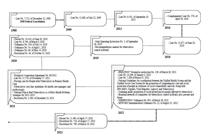
Historical timeline representing the paths of public social protection policies for people affected by TB in Brazil
The included regulations that regulate or guide social protection for people affected by TB (Figure 2) came mostly from government bodies of national scope (n=22, 73.3%), such as the Chief of Staff of the Presidency(21-22,26-27,43-44), the Ministry of Human Rights and Citizenship(36-39,45,47), the Ministry of Health(28-33) and the Ministry of Labor and Employment(34-35,46); state scope (n=5, 16.7%), such as the Legislative Assembly of Mato Grosso(20) and state governments of Rio de Janeiro(23,25,41) and Rio Grande do Norte(19); and municipal scope (n=1, 3.3%), through the Municipal Council of Rio de Janeiro(24). In addition, two publications (6.7%) came from the National Health Council(40,42).
The documentary analysis led to the emergence of four thematic categories that covered their respective units of meaning and the main results traced in the normative documents included as part of the study corpus (Figure 3). The first thematic category, the right to health, refers to documents that presented social and economic policies to guarantee TB prevention and care actions in the Unified Health System (SUS), food and nutrition security, transportation, work, social control, and prevention of TB stigmatization and discrimination. It is noted that, in this category, we also traced documents specifically aimed at the social protection of homeless people affected by TB.
The second thematic category, the right to social care, included documents that presented access to social care services, programs, projects and benefits, the right to the Continuous Cash Benefit (BPC), eventual benefits, civil documentation, income transfer programs, and care services of the Unified Social Care System (SUAS). The right to social security was the third thematic category that covered documents that presented the right of people affected by TB to retirement due to permanent disability, temporary disability benefit (sick pay), exemption of income tax and financial transactions linked to the Social Integration Program and the Civil Servant Asset Formation Program (PIS/PASEP).
The last thematic category included documents for the sharing of responsibilities in addressing TB, through the work of SUAS in coordination with the SUS, intersectoral and interministerial actions, and regulations oriented toward speeding up justice for people affected by TB.
Discussion
In the Brazilian context, considering the importance of people affected by TB being considered as full subjects, social protection policies have the goal of providing the population with access to their fundamental rights, in order to guarantee the exercise of citizenship, the meeting of basic needs and the promotion of human dignity(31). In addition, they materialize the legal, ethical and moral importance in relation to the effectiveness of their response in TB treatment outcomes and relief of suffering among people and families affected by the disease(48).
A study indicates that the availability and free distribution of antituberculosis drugs is not sufficient for the continuity of TB treatment or cure, since adherence to treatment is not reduced to an exclusively individual will, but is associated with other dimensions that are transversal to social production and reproduction processes(49). This suggests a coordinated approach that includes not only health care services, but also an intra and intersectoral coordination based on a robust social protection system.
Accordingly, it is necessary to rethink public policies that represent own agendas and understand what they translate, their historical construction and the power relations established, which take into account the wishes and needs of the population. That is because the institutions of power are not really concerned with policies as a social instrument, other than those of a merely welfare nature that only attenuate social inequalities(50).
After the promulgation of the 1988 Federal Constitution, which presents the Brazilian social security system, the intersection between health and human rights was revitalized with the inclusion of health as “everyone’s right and the duty of the State”(15). Based on this context, we found the construction of a heterogeneous path of public policies for the social protection of people affected by TB in the country, marked by different political, social and ideological periods, with the resumption of visibility only 21 years after the promulgation of the Brazilian Constitution and the amendment of the legislation regarding the income tax statement(27), with a law aimed at speeding up judicial and administrative proceedings, which included people with TB(26).
Subsequently, 2019 was an important milestone for the discussion of TB as a public health problem that goes beyond the scope of health care. That year saw the publication of two normative documents — the Manual of Recommendations for TB Control in Brazil(32) and Joint Operational Instruction No. 1/2019(47) —, which support and guide most public policies aimed at social protection that were traced in this study, since they present strategies to strengthen intra and intersectoral coordination to guarantee human rights and citizenship in TB prevention and care actions(32,47).
As a result, in order to align with Pillar 2 of the End TB Strategy, focused on bold policies and support systems, TB begins to be included more significantly in the political agendas of the Brazilian governmental spheres, through normative documents articulated with the executive and legislative branches, as well as in the work agendas of health care, social security and social care that enable social protection for people affected by TB(32). From this perspective, TB prevention and care actions should be oriented toward addressing social inequalities and health inequalities that affect people with TB and their families, aiming at breaking cycles of poverty and misery, as well as sustainability in the creation of employment and income(2).
It is estimated that TB morbidity and mortality can cause a serious impact on the global economy of about 1 trillion dollars between 2015 and 2030(51). On the other hand, a study discusses that government-based social protection strategies, with a solid political commitment and adequate financial resources, have greater potential to achieve the global goal of 85% success in TB treatment(52). To this end, one of the main issues refers to the guarantee of public investment, so both the centralized budget of the Ministry of Health and the decentralized resources through state or municipal funds are expanded by the three spheres of Brazilian management(42).
This scenario is only possible through public policies that impact the production of health in the territory, such as those geared toward food and nutrition security, housing, sanitation, water, employment, income, education, transportation, among others(40), revisiting the expanded concept of health recommended in the Federal Constitution and in the Organic Health Law(17).
It was also possible to determine the leading role of SUS in the prevention and comprehensive care of people affected by TB, considering the transversality of the right to health. However, although the SUS offers universal and free treatment(32), it is understood that TB causes losses and aggravates the socioeconomic situation, which can destabilize the family dynamics by creating additional expenses with food, transportation, other medicines and exams, for example(39,47).
These direct or indirect expenses, when exceeding 20% of annual family income, are considered catastrophic costs generated by TB(53) and directly impact the adherence and outcome of TB treatment, in addition to causing social sequelae(54). To mitigate such costs or even — boldly — achieve the goal that no person with TB needs to bear catastrophic costs or social repercussions from the disease(3), it is necessary to ensure that people with TB and affected families have access to social protection interventions against financial risks arising from treatment(55).
One of the proposals for this situation is Bill (PL) No. 6,991, of 2013, whose objective is to guarantee financial support to families in poverty that have, among its members, people affected by TB, through the payment of a financial benefit in the amount of half a minimum wage for the duration of TB treatment(56). This Bill, even 10 years after its drafting, is still being processed in the Chamber of Deputies, which may indicate a lack of priority for the approval of legislation that deals with conditional transfer of income to address diseases determined by poverty, such as TB.
Planning and implementing health care policies in cohesion with social policies can be highly effective in countries with a high TB burden. A successful example of this in the Region of the Americas is Argentina, which, although not on the list of 30 countries in this situation, implemented the conditional cash transfer policy for people affected by TB through Decree No. 170/91 of Law 10,436 of state funding for the payment of a minimum wage to all eligible people linked to the Provincial TB Control Program. This economic protection law was fundamental to motivate and monitor cases of difficult management, increasing adherence to TB treatment(57-58).
It is important to emphasize that the rights of people affected by TB are the same as those of the population as a whole, without distinction, although there are situations and conditions for access to specific rights in the scope of health care, social care, and social security. In this sense, this study found a set of measures that covered public policies aimed at social inclusion, addressing poverty and ensuring access to social rights, food and nutrition security, transportation, work, housing and social security benefits for people affected by TB.
Some of these social protection strategies are more focused on the TB treatment period and are characterized as “TB-specific actions,” which benefit people affected by the disease and their families and are incorporated into existing TB treatment programs. Others are part of an expanded social security scheme, with great potential to modify structural conditions in society, by strengthening economic resilience, alleviating poverty and acting on other social determinants intrinsic to the illness and continuity of the TB transmission chain(59).
A study carried out in Brazil found the potential in the implementation of specific actions for TB, such as the provision of food vouchers to people affected by TB, which increased the cure rate by 13% compared to the group without such intervention(60). Regarding sensitive actions for TB, studies have presented one of the largest Brazilian examples: the Family Grant Program (PBF), which, through conditional income transfer, was responsible for a 7.6%(61) and 8%(62) higher cure rate and a 7% lower follow-up loss in groups of PBF beneficiaries with TB(61).
However, it is important to understand the challenges that permeate the consolidation of these policies in the fight against TB. In order to guarantee the rights analyzed in this study, access to social protection policies involved conditions, such as the need for civil documentation, registration in the Single Registry for access to SUAS, or mandatory contribution to the INSS for access to social security benefits, which can imply barriers to the exercise of rights, especially for populations in situations of greater social vulnerability, such as homeless people.
That is because, in addition to this population being considered the most vulnerable to TB — with a 56 times higher risk when compared to the general population of the country(30) —, there is evidence of the discrimination and invisibility of such people, due to lack of documents, home, stereotype or drug use, which reinforces the lack of care, deprivation and restriction of rights, citizenship and the very human condition(63).
During the COVID-19 pandemic, there were indications that these issues intensified even more, considering the overlapping of social and programmatic vulnerabilities and the impact of restrictive measures on society and TB prevention and care(64-65). In order to overcome barriers to access rights and comprehensive health care, some normative documents were prepared in this period aiming at the social protection of these people, with emphasis on the coordination and sharing of care between the Pop Center and Street Clinics teams(37,39).
The regulations to address the stigmatization and discrimination of TB in the country follow a movement to combat the conceptions that marked the experience of TB in the past and that even today impose restrictions and obstacles to treatment, since they complicate the process of care and marginalize people affected by the disease(30,47). Thus, documents that present measures for this type of combat enable recovering the right to situations that are not humiliating, degrading or that offend human dignity(48).
Intersectoral operation, such as between SUS and SUAS, and interministerial coordination through the Interministerial Committee for Elimination of Tuberculosis and Other Socially Determined Diseases (CIEDDS)(44) advance in the goal of prioritizing strategies that promote social protection. This prioritization can be effected through synergism between ministerial areas that are strategic to tackle the social determinants of TB in the areas of social care, justice and public security, work and income, human rights, racial equality, Indigenous peoples, education and citizenship(40,42,44). Moreover, it is important to emphasize the importance of social responsibility and the involvement of areas such as nursing, which can substantially contribute to reduce underlying social and health inequalities in different community contexts(66).
As limitations of this study, it should be noted the updating of the search platforms, which, despite having retrieved a robust volume of information, have weaknesses as to the availability of materials, and some normative documents may not have been found because they are not available electronically. Furthermore, the discussions raised have a critical-reflective content of the researchers and may not have covered other interpretations also applicable in the dispute arena of Brazilian public policies, with the analytical focus on social protection for people affected by TB.
Finally, the results of this documentary research advance scientific knowledge in the field of public health by expanding the understanding of the complex interactions between the right to health, social rights and social justice in the context of addressing TB, providing contributions to guide the formulation and implementation of more effective and inclusive public policies aimed at reducing social and health inequalities that strongly affect people with TB and their families.
Conclusion
This study traced and analyzed normative documents that seek to guarantee the right to social protection through public policies oriented toward addressing TB that cover the right to health care, social care and social security, in addition to actions that involve the sharing of responsibilities for the effective exercise of such rights.
Such policies are considered recent in the history of the Democratic Rule of Law and there is still much room for improvement toward a comprehensive approach, focused on people affected by TB and that are, in fact, based on rights for prevention, care and support through intersectoral and interministerial coordination, with robust operation of SUS and SUAS.
However, the challenges posed by the difficult or lacking access to these rights, associated with other situations that increase social vulnerability, cause people affected by TB to remain socially unprotected. Accordingly, it is worth reaffirming the State’s role and duty to guarantee social protection by means of public policies that promote life, citizenship, human rights, and social justice.
References
-
1. Wu S, Litvinjenko S, Magwood O, Wei X. Defining tuberculosis vulnerability based on an adapted social determinants of health framework: a narrative review. Glob Public Health. 2023;18(1):2221729. https://doi.org/10.1080/17441692.2023.2221729
» https://doi.org/10.1080/17441692.2023.2221729 -
2. Fuady A, Hutanamon T, Herlinda O, Luntungan N, Wingfield T. Achieving universal social protection for people with tuberculosis. Lancet Public Health. 2024;22:S2468-667(24)00046-X. https://doi.org/10.1016/S2468-2667(24)00046-X
» https://doi.org/10.1016/S2468-2667(24)00046-X -
3. World Health Organization. Global tuberculosis report 2023 [Internet]. Geneva: WHO; 2023 [cited 2024 Mar 30]. Available from: https://iris.who.int/bitstream/handle/10665/373828/9789240083851-eng.pdf?sequence=1
» https://iris.who.int/bitstream/handle/10665/373828/9789240083851-eng.pdf?sequence=1 -
4. World Health Organization. Objetivos de Desenvolvimento Sustentável. Transformando nosso mundo: a Agenda 2030 para o Desenvolvimento Sustentável [Internet]. Geneva: WHO; 2015 [cited 2024 Apr 02]. Available from: https://brasil.un.org/sites/default/files/2020-09/agenda2030-pt-br.pdf
» https://brasil.un.org/sites/default/files/2020-09/agenda2030-pt-br.pdf -
5. Ministério da Saúde (BR), Secretaria de Vigilância em Saúde. Boletim Epidemiológico da Tuberculose [Internet]. Brasília: Ministério da Saúde; 2022 [cited 2024 Mar 30]. Available from: https://www.gov.br/aids/pt-br/central-de-conteudo/publicacoes/2022/boletim-epidemiologico-de-tuberculose-2013-2022#:\~:text=No%20Brasil%2C%20em%202021%2C%20foram,notifica%C3%A7%C3%B5es%20da%20TB%20no%20mundo
» https://www.gov.br/aids/pt-br/central-de-conteudo/publicacoes/2022/boletim-epidemiologico-de-tuberculose-2013-2022#:\~:text=No%20Brasil%2C%20em%202021%2C%20foram,notifica%C3%A7%C3%B5es%20da%20TB%20no%20mundo -
6. Ministério da Saúde (BR), Secretaria de Vigilância em Saúde, Departamento de Doenças de Condições Crônicas e Infecções Sexualmente Transmissíveis. Brasil Livre da Tuberculose: Plano Nacional pelo Fim da Tuberculose como Problema de Saúde Pública –estratégias para 2021-2025 [Internet]. Brasília: Ministério da Saúde; 2021 [cited 2024 Mar 30]. Available from: https://www.gov.br/saude/pt-br/centrais-de-conteudo/publicacoes/svsa/tuberculose/brasil-livre-da-tuberculose/@@download/file
» https://www.gov.br/saude/pt-br/centrais-de-conteudo/publicacoes/svsa/tuberculose/brasil-livre-da-tuberculose/@@download/file -
7. World Health Organization. The End TB Strategy [Internet]. Geneva: WHO; 2015 [cited 2024 Mar 25]. Available from: https://iris.who.int/bitstream/handle/10665/331326/WHO-HTM-TB-2015.19-eng.pdf?sequence=1
» https://iris.who.int/bitstream/handle/10665/331326/WHO-HTM-TB-2015.19-eng.pdf?sequence=1 -
8. International Labour Organization. World Social Protection Report 2020–22: Social protection at the crossroads – in pursuit of a better future [Internet]. Geneva: ILO; 2021 [cited 2024 Mar 30]. Available from: https://www.ilo.org/media/376971/download
» https://www.ilo.org/media/376971/download -
9. Ferreira MRL, Bonfim RO, Bossonario PA, Maurin VP, Valença ABM, Abreu PD, et al. Social protection as a right of people affected by tuberculosis: a scoping review and conceptual framework. Infect Dis Poverty. 2023;12(1):103. https://doi.org/10.1186/s40249-023-01157-1
» https://doi.org/10.1186/s40249-023-01157-1 -
10. Siroka A, Ponce NA, Lönnroth K. Association between spending on social protection and tuberculosis burden: a global analysis. Lancet Infect Dis. 2016;16(4):473-9. https://doi.org/10.1016/S1473-3099(15)00401-6
» https://doi.org/10.1016/S1473-3099(15)00401-6 -
11. Aragão FBA, Arcêncio RA, Fuentealba-Torres M, Carneiro TSG, Souza LLL, Alves YM, et al. Impact of social protection programs on adults diagnosed with Tuberculosis: systematic review. Rev Bras Enferm. 2021;74(3):e20190906. https://doi.org/10.1590/0034-7167-2019-0906
» https://doi.org/10.1590/0034-7167-2019-0906 -
12. Sá-Silva JR, Almeida CD, Guindani JF. Pesquisa documental: pistas teóricas e metodológicas. Rev Bras Hist Cien Soc [Internet]. 2009 [cited 2024 Mar 30];1(1). Available from: https://periodicos.furg.br/rbhcs/article/view/10351
» https://periodicos.furg.br/rbhcs/article/view/10351 - 13. Oliveira MM. Como fazer pesquisa qualitativa. Petrópolis: Vozes; 2007. 232 p.
- 14. Cellard A. A análise documental. In: Poupart J, Deslauriers JP, Groulx LH, Laperrière A, Mayer R, Pires A. A pesquisa qualitativa: enfoques epistemológicos e metodológicos. Petrópolis: Vozes; 2012. p. 295-316.
-
15. Brasil. [Constituição (1988)]. Constituição da República Federativa do Brasil [Internet]. Brasília, DF: Senado Federal; 2016 [cited 2024 Mar 30]. 496 p. Available from: https://www2.senado.leg.br/bdsf/bitstream/handle/id/518231/CF88_Livro_EC91_2016.pdf
» https://www2.senado.leg.br/bdsf/bitstream/handle/id/518231/CF88_Livro_EC91_2016.pdf - 16. Bardin L. Análise de conteúdo. São Paulo: Edições 70; 2016. 288 p.
-
17. Presidência da República (BR), Casa Civil, Subchefia para Assuntos Jurídicos. Lei nº 8.080 de 19 de setembro de 1990. Dispõe sobre as condições para a promoção, proteção e recuperação da saúde, a organização e o funcionamento dos serviços correspondentes e dá outras providências. Diário Oficial da União [Internet]. 1990 Sept 20 [cited 2024 Mar 30]; seção 1:18055. Available from: https://www.planalto.gov.br/ccivil_03/leis/l8080.htm
» https://www.planalto.gov.br/ccivil_03/leis/l8080.htm -
18. World Health Organization. Stop TB Partnership Secretariat. United to End TB - Every Word Counts: Suggested Language and Usage for Tuberculosis Communications [Internet]. 1. ed. Geneva: WHO; 2015 [cited 2024 Mar 25]. Available from: https://stoptb.org/assets/documents/resources/publications/acsm/LanguageGuide_ForWeb20131110.pdf
» https://stoptb.org/assets/documents/resources/publications/acsm/LanguageGuide_ForWeb20131110.pdf -
19. Governo do Estado do Rio Grande do Norte (BR). Lei Complementar nº 570, de 26 de abril de 2016. Altera a Lei Complementar Estadual nº 308, de 25 de outubro de 2005, no intuito de prever o rol de doenças consideradas graves, contagiosas ou incuráveis, para fins de concessão de aposentadoria por invalidez com proventos integrais. Diário Oficial do Estado do Rio Grande do Norte [Internet]. 2016 Apr 26 [cited 2023 Oct 15]. Available from: https://www.diariooficial.rn.gov.br/dei/dorn3/docview.aspx?id_jor=00000001&data=20160427&id_doc=534440
» https://www.diariooficial.rn.gov.br/dei/dorn3/docview.aspx?id_jor=00000001&data=20160427&id_doc=534440 -
20. Assembleia Legislativa do Estado de Mato Grosso (BR), Secretaria de Serviços Legislativos. Lei nº 11.576, de 17 de novembro de 2021. Institui a Política Estadual de Controle e Eliminação da Tuberculose no Estado de Mato Grosso. Diário Oficial do Estado de Mato Grosso [Internet]. 2021 Nov 17 [cited 2023 Oct 15]. Available from: https://www.al.mt.gov.br/norma-juridica/urn:lex:br;mato.grosso:estadual:lei.ordinaria:2021-11-17;11576/gerar-pdf-redacao?marcoHistorico=2021-11-17&tipoTexto=compilado
» https://www.al.mt.gov.br/norma-juridica/urn:lex:br;mato.grosso:estadual:lei.ordinaria:2021-11-17;11576/gerar-pdf-redacao?marcoHistorico=2021-11-17&tipoTexto=compilado -
21. Presidência da República (BR), Secretaria-Geral, Subchefia para Assuntos Jurídicos. Lei nº 13.677, de 13 de junho de 2018. Altera a Lei Complementar nº 26, de 11 de setembro de 1975, para dispor sobre a possibilidade de movimentação da conta do Programa de Integração Social (PIS) e do Programa de Formação do Patrimônio do Servidor Público (Pasep). Diário Oficial da União [Internet]. 2018 Jun 14 [cited 2023 Out 15]; seção 1:1. Available from: https://www.planalto.gov.br/ccivil_03/\_Ato2015-2018/2018/Lei/L13677.htm
» https://www.planalto.gov.br/ccivil_03/\_Ato2015-2018/2018/Lei/L13677.htm -
22. Presidência da República (BR), Secretaria-Geral, Subchefia para Assuntos Jurídicos. Lei nº 14.289, de 03 de janeiro de 2022. Torna obrigatória a preservação do sigilo sobre a condição de pessoa que vive com infecção pelos vírus da imunodeficiência humana (HIV) e das hepatites crônicas (HBV e HCV) e de pessoa com hanseníase e com tuberculose, nos casos que estabelece; e altera a Lei nº 6.259, de 30 de outubro de 1975. Diário Oficial da União [Internet], 2022 Jan 04 [cited 2023 Oct 15];seção 1:1. Available from: https://www.planalto.gov.br/ccivil_03/\_ato2019-2022/2022/lei/l14289.htm#:\~:text=L14289&text=Torna%20obrigat%C3%B3ria%20a%20preserva%C3%A7%C3%A3o%20do,30%20de%20outubro%20de%201975
» https://www.planalto.gov.br/ccivil_03/\_ato2019-2022/2022/lei/l14289.htm#:\~:text=L14289&text=Torna%20obrigat%C3%B3ria%20a%20preserva%C3%A7%C3%A3o%20do,30%20de%20outubro%20de%201975 -
23. Governo do Estado do Rio de Janeiro (BR). Lei nº 6.541 de 19 de setembro de 2013. Altera a lei nº 4510, de 13 de janeiro de 2005, para dispor sobre a isenção do pagamento de tarifas nos serviços de transporte intermunicipal de passageiros para os portadores de tuberculose e hanseníase. Diário Oficial do Estado do Rio de Janeiro [Internet]. 2013 Sep 20 [cited 2023 Oct 15]. Available from: https://www.legisweb.com.br/legislacao/?id=258662
» https://www.legisweb.com.br/legislacao/?id=258662 -
24. Câmara Municipal do Rio de Janeiro (RJ). Lei nº 7.286 de 31 de março de 2022. Institui a Política Municipal de Controle e Eliminação da Tuberculose no Município. Diário Oficial do Estado do Rio de Janeiro [Internet]. 2022 Mar 31 [cited 2023 Oct 15]. Available from: https://aplicnt.camara.rj.gov.br/APL/Legislativos/contlei.nsf/7cb7d306c2b748cb0325796000610ad8/85e76e859172cdd003258816004dd55b?OpenDocument#:\~:text=fundo%20a%20fundo.-,Art.,Estado%20do%20Rio%20de%20Janeiro
» https://aplicnt.camara.rj.gov.br/APL/Legislativos/contlei.nsf/7cb7d306c2b748cb0325796000610ad8/85e76e859172cdd003258816004dd55b?OpenDocument#:\~:text=fundo%20a%20fundo.-,Art.,Estado%20do%20Rio%20de%20Janeiro -
25. Governo do Estado do Rio de Janeiro (BR). Lei nº 8.746 de 09 de março de 2020. Institui a política estadual de controle e eliminação da tuberculose no estado do Rio de Janeiro. Diário Oficial do Estado do Rio de Janeiro [Internet]. 2020 Mar 09 [cited 2023 Oct 15]. Available from: https://leisestaduais.com.br/rj/lei-ordinaria-n-8746-2020-rio-de-janeiro-institui-a-politica-estadual-de-controle-e-eliminacao-da-tuberculose-no-estado-do-rio-de-janeiro
» https://leisestaduais.com.br/rj/lei-ordinaria-n-8746-2020-rio-de-janeiro-institui-a-politica-estadual-de-controle-e-eliminacao-da-tuberculose-no-estado-do-rio-de-janeiro -
26. Presidência da República (BR), Casa Civil, Subchefia para Assuntos Jurídicos. Lei nº 12.008, de 29 de julho de 2009. Altera os arts. 1.211-A, 1.211-B e 1.211-C da Lei nº 5.869, de 11 de janeiro de 1973 - Código de Processo Civil, e acrescenta o art. 69-A à Lei n o 9.784, de 29 de janeiro de 1999, que regula o processo administrativo no âmbito da administração pública federal, a fim de estender a prioridade na tramitação de procedimentos judiciais e administrativos às pessoas que especifica. Diário Oficial da União [Internet]. 2020 July 30 [cited 2023 Oct 15];seção 1:8. Available from: https://www.planalto.gov.br/ccivil_03/\_ato2007-2010/2009/lei/l12008.htm
» https://www.planalto.gov.br/ccivil_03/\_ato2007-2010/2009/lei/l12008.htm -
27. Presidência da República (BR), Casa Civil, Subchefia para Assuntos Jurídicos. Lei nº 7.713, de 22 de dezembro de 1988. Altera a legislação do imposto de renda e dá outras providências. Diário Oficial da União [Internet]. 1988 Dec 23 [cited 2023 Oct 15];seção 1:25283. Available from: https://www.planalto.gov.br/ccivil_03/leis/l7713.htm
» https://www.planalto.gov.br/ccivil_03/leis/l7713.htm -
28. Ministério da Saúde (BR), Secretaria de Vigilância em Saúde, Departamento de Doenças de Condições Crônicas e Infecções Sexualmente Transmissíveis. Assistência do Enfermeiro à Pessoa com Tuberculose na Atenção Primária [Internet]. Brasília: Ministério da Saúde; 2021 [cited 2023 Oct 15]. Available from: https://www.gov.br/saude/pt-br/assuntos/saude-de-a-a-z/t/tuberculose/publicacoes/ferramenta-instrumentalizadora-assistencia-do-enfermeiro-a-pessoa-com-tuberculose-na-atencao-primaria.pdf
» https://www.gov.br/saude/pt-br/assuntos/saude-de-a-a-z/t/tuberculose/publicacoes/ferramenta-instrumentalizadora-assistencia-do-enfermeiro-a-pessoa-com-tuberculose-na-atencao-primaria.pdf -
29. Ministério da Saúde (BR); Ministério da Cidadania. Diretrizes Nacionais para articulação entre o Sistema Único de Saúde (SUS) e o Sistema Único de Assistência Social (SUAS) para a promoção do cuidado integral e da proteção social das pessoas em situação de vulnerabilidade e risco social, vivendo com HIV/aids, Sífilis, Hepatites Virais, Hanseníase e Tuberculose [Internet]. Brasília: Ministério da Saúde; 2022 [cited 2023 Oct 15]. Available from: https://www.gov.br/saude/pt-br/acesso-a-informacao/participacao-social/consultas-publicas/2023/diretrizes-nacionais-entre-sus-e-suas-para-cuidado-e-protecao-das-pessoas-em-situacao-de-vulnerabilidade-e-risco-social/versao-preliminar_diretrizes-para-atuacao-conjunta-sus-e-suas_para-consulta-publica_07122022.pdf
» https://www.gov.br/saude/pt-br/acesso-a-informacao/participacao-social/consultas-publicas/2023/diretrizes-nacionais-entre-sus-e-suas-para-cuidado-e-protecao-das-pessoas-em-situacao-de-vulnerabilidade-e-risco-social/versao-preliminar_diretrizes-para-atuacao-conjunta-sus-e-suas_para-consulta-publica_07122022.pdf -
30. Ministério da Saúde (BR), Secretaria de Vigilância em Saúde, Departamento de Doenças de Condições Crônicas e Infecções Sexualmente Transmissíveis, Coordenação-Geral de Vigilância das Doenças de Transmissão Respiratória de Condições Crônicas. Guia orientador: promoção da proteção social para as pessoas acometidas pela tuberculose [Internet]. Brasília: Ministério da Saúde; 2022 [cited 2023 Oct 15]. Available from: https://www.gov.br/saude/pt-br/centrais-de-conteudo/publicacoes/svsa/tuberculose/guia-orientador-promocao-da-protecao-social-para-as-pessoas-acometidas-pela-tuberculose.pdf
» https://www.gov.br/saude/pt-br/centrais-de-conteudo/publicacoes/svsa/tuberculose/guia-orientador-promocao-da-protecao-social-para-as-pessoas-acometidas-pela-tuberculose.pdf -
31. Ministério da Saúde (BR), Secretaria de Vigilância em Saúde, Departamento de Doenças de Condições Crônicas e Infecções Sexualmente Transmissíveis. Linha de cuidado da tuberculose: orientações para gestores e profissionais de saúde [Internet]. Brasília: Ministério da Saúde; 2021 [cited 2023 Oct 15]. Available from: https://bvsms.saude.gov.br/bvs/publicacoes/linha_cuidado_tuberculose_orientacoes_gestores_profissionais_saude.pdf
» https://bvsms.saude.gov.br/bvs/publicacoes/linha_cuidado_tuberculose_orientacoes_gestores_profissionais_saude.pdf -
32. Ministério da Saúde (BR), Secretaria de Vigilância em Saúde, Departamento de Vigilância das Doenças Transmissíveis. Manual de Recomendações para o Controle da Tuberculose no Brasil [Internet]. Brasília: Ministério da Saúde; 2019 [cited 2023 Oct 15]. Available from: https://www.gov.br/saude/pt-br/centrais-de-conteudo/publicacoes/svsa/tuberculose/manual-de-recomendacoes-e-controle-da-tuberculose-no-brasil-2a-ed.pdf/view
» https://www.gov.br/saude/pt-br/centrais-de-conteudo/publicacoes/svsa/tuberculose/manual-de-recomendacoes-e-controle-da-tuberculose-no-brasil-2a-ed.pdf/view -
33. Ministério da Saúde (BR), Secretaria de Vigilância em Saúde, Departamento de Doenças de Condições Crônicas e Infecções Sexualmente Transmissíveis. Rede brasileira de comitês para o controle da tuberculose no Brasil: passado, presente e futuro [Internet]. Brasília: Ministério da Saúde; 2022 [cited 2023 Oct 15]. Available from: https://www.gov.br/saude/pt-br/centrais-de-conteudo/publicacoes/svsa/tuberculose/rede-brasileira-de-comites-para-o-controle-da-tuberculose-no-brasil-passado-presente-e-futuro#:\~:text=Os%20Comit%C3%AAs%20para%20o%20Controle%20da%20TB%20s%C3%A3o%20uma%20das,seus%20estados%20e%2Fou%20regi%C3%B5es
» https://www.gov.br/saude/pt-br/centrais-de-conteudo/publicacoes/svsa/tuberculose/rede-brasileira-de-comites-para-o-controle-da-tuberculose-no-brasil-passado-presente-e-futuro#:\~:text=Os%20Comit%C3%AAs%20para%20o%20Controle%20da%20TB%20s%C3%A3o%20uma%20das,seus%20estados%20e%2Fou%20regi%C3%B5es -
34. Ministério do Trabalho e Previdência (BR), Instituto Nacional do Seguro Social, Diretoria de Benefícios. Portaria DIRBEN/INSS nº 992, de 28 de março de 2022. Aprova as Normas Procedimentais em Matéria de Benefícios. Diário Oficial da União [Internet]. 2022 Mar 29 [cited 2023 Oct 15]; seção 1. Available from: https://www.in.gov.br/en/web/dou/-/portaria-dirben/inss-n-992-de-28-de-marco-de-2022-389267628
» https://www.in.gov.br/en/web/dou/-/portaria-dirben/inss-n-992-de-28-de-marco-de-2022-389267628 -
35. Ministério do Trabalho e Previdência (BR), Gabinete do Ministro. Portaria interministerial MTP/MS nº 22, de 31 de agosto de 2022. Estabelece a lista de doenças e afecções que isentam de carência a concessão de benefícios por incapacidade, conforme disposto no inciso II do art. 26 da Lei nº 8.213, de 24 de julho de 1991. Diário Oficial da União [Internet]. 2022 Sept 01 [cited 2023 Oct 15]; seção 1:156. Available from: https://in.gov.br/en/web/dou/-/portaria-interministerial-mtp/ms-n-22-de-31-de-agosto-de-2022-426206445
» https://in.gov.br/en/web/dou/-/portaria-interministerial-mtp/ms-n-22-de-31-de-agosto-de-2022-426206445 -
36. Ministério da Cidadania (BR), Secretaria Especial do Desenvolvimento Social, Secretaria Nacional de Assistência Social. Portaria nº 100, de 14 de julho de 2020. Aprova as recomendações para o funcionamento da rede socioassistencial de Proteção Social Básica - PSB e de Proteção Social Especial - PSE de Média Complexidade do Sistema Único de Assistência Social - SUAS, de modo a assegurar a manutenção da oferta do atendimento à população nos diferentes cenários epidemiológicos da pandemia causada pelo novo Coronavírus - COVID-19. Diário Oficial da União [Internet]. 2020 Sept 16 [cited 2023 Oct 15];135(seção1):12. Available from: https://www.in.gov.br/en/web/dou/-/portaria-n-100-de-14-de-julho-de-2020-267031342
» https://www.in.gov.br/en/web/dou/-/portaria-n-100-de-14-de-julho-de-2020-267031342 -
37. Ministério da Cidadania (BR), Secretaria Especial do Desenvolvimento Social, Secretaria Nacional de Assistência Social. Portaria nº 54, de 1º de abril de 2020. Aprovar recomendações gerais aos gestores e trabalhadores do Sistema Único de Assistência Social (SUAS) dos Estados, Municípios e do Distrito Federal com o objetivo de garantir a continuidade da oferta de serviços e atividades essenciais da Assistência Social, com medidas e condições que garantam a segurança e a saúde dos usuários e profissionais do SUAS. Diário Oficial da União [Internet]. 2020 Apr 02 [cited 2023 Oct 15]. Available from: https://aplicacoes.mds.gov.br/snas/regulacao/visualizar.php?codigo=5594
» https://aplicacoes.mds.gov.br/snas/regulacao/visualizar.php?codigo=5594 -
38. Ministério da Cidadania (BR), Secretaria Especial do Desenvolvimento Social, Secretaria Nacional de Assistência Social. Portaria nº 69, de 14 de maio de 2020. Aprova recomendações gerais para a garantia de proteção social à população em situação de rua, inclusive imigrantes, no contexto da pandemia do novo Coronavírus, Covid-19. Diário Oficial da União [Internet]. 2020 May 15 [cited 2023 Oct 15]. Available from: https://www.in.gov.br/en/web/dou/-/portaria-n-69-de-14-de-maio-de-2020-257197675
» https://www.in.gov.br/en/web/dou/-/portaria-n-69-de-14-de-maio-de-2020-257197675 -
39. Ministério da Mulher, da Família e dos Direitos Humanos (BR), Conselho Nacional dos Direitos Humanos. Resolução nº 40, de 13 de outubro de 2020. Dispõe sobre as diretrizes para promoção, proteção e defesa dos direitos humanos das pessoas em situação de rua, de acordo com a Política Nacional para População em Situação de Rua. Diário Oficial da União [Internet]. 2020 Oct 14 [cited 2023 Oct 15]. Available from: https://www.gov.br/mdh/pt-br/acesso-a-informacao/participacao-social/conselho-nacional-de-direitos-humanos-cndh/copy_of_Resolucao40.pdf
» https://www.gov.br/mdh/pt-br/acesso-a-informacao/participacao-social/conselho-nacional-de-direitos-humanos-cndh/copy_of_Resolucao40.pdf -
40. Conselho Nacional de Saúde (BR). Resolução nº 719, de 17 de agosto de 2023. Dispõe sobre as diretrizes, propostas e moções aprovadas na 17ª Conferência Nacional de Saúde. Diário Oficial da União [Internet]; 2023 Aug 18 [cited 2023 Oct 15]. Available from: https://conselho.saude.gov.br/resolucoes-cns/3120-resolucao-n-719-de-17-de-agosto-de-2023
» https://conselho.saude.gov.br/resolucoes-cns/3120-resolucao-n-719-de-17-de-agosto-de-2023 -
41. Governo do Estado do Rio de Janeiro (BR). Resolução SES nº 2.580 de 23 de dezembro de 2021. Aprova a transferência de recursos financeiros do fundo estadual de saúde aos respectivos fundos municipais de saúde, visando a implantação de ações de proteção social voltadas às pessoas com tuberculose, em articulação com as secretarias municipais de assistência social, no âmbito do estado do Rio de Janeiro. Diário Oficial do Estado do Rio de Janeiro [Internet] 2021 Dec 23 [cited 2023 Oct 15]. Available from: https://www.sopterj.com.br/wp-content/uploads/2022/01/Resoluc%CC%A7a%CC%83o-SES-n%C2%BA-2580-de-23122021-ANEXO-II.pdf
» https://www.sopterj.com.br/wp-content/uploads/2022/01/Resoluc%CC%A7a%CC%83o-SES-n%C2%BA-2580-de-23122021-ANEXO-II.pdf -
42. Conselho Nacional de Saúde (BR). Resolução nº 709, de 16 de março de 2023. Dispõe sobre diretrizes e propostas de ação relativas à vigilância, promoção, prevenção, diagnóstico, tratamento e reabilitação da tuberculose no Sistema Único de Saúde (SUS). Diário Oficial da União [Internet]. 2023 Mar 16 [cited 2023 Oct 15]. Available from: https://conselho.saude.gov.br/resolucoes-cns/resolucoes-2023/3084-resolucao-n-709-de-16-de-marco-de-2025
» https://conselho.saude.gov.br/resolucoes-cns/resolucoes-2023/3084-resolucao-n-709-de-16-de-marco-de-2025 -
43. Presidência da República (BR), Secretaria-Geral, Subchefia para Assuntos Jurídicos. Decreto nº 10.410 de 30 de junho de 2020. Altera o Regulamento da Previdência Social, aprovado pelo Decreto nº 3.048, de 6 de maio de 1999. Diário Oficial da União [Internet]. 2020 Jun 30 [cited 2023 Oct 15]. Available from: https://www.planalto.gov.br/ccivil_03/\_ato2019-2022/2020/decreto/d10410.htm#:\~:text=DECRETO%20N%C2%BA%2010.410%20DE%2030%20DE%20JUNHO%20DE%202020&text=Altera%20o%20Regulamento%20da%20Previd%C3%AAncia,que%20lhe%20confere%20o%20art
» https://www.planalto.gov.br/ccivil_03/\_ato2019-2022/2020/decreto/d10410.htm#:\~:text=DECRETO%20N%C2%BA%2010.410%20DE%2030%20DE%20JUNHO%20DE%202020&text=Altera%20o%20Regulamento%20da%20Previd%C3%AAncia,que%20lhe%20confere%20o%20art -
44. Presidência da República (BR), Casa Civil, Subchefia para Assuntos Jurídicos. Decreto nº 11.494, de 17 de abril de 2023. Institui o Comitê Interministerial para a Eliminação da Tuberculose e de Outras Doenças Determinadas Socialmente – CIEDS. Diário Oficial da União [Internet]. 2023 Apr 17 [cited 2023 Oct 15]. Available from: https://www.planalto.gov.br/ccivil_03/\_ato2023-2026/2023/decreto/d11494.htm#:\~:text=O%20CIEDS%20tem%20a%20finalidade,p%C3%BAblica%20no%20Pa%C3%ADs%20at%C3%A9%202030.&text=VI%20%2D%20deliberar%20sobre%20a%20forma%20de%20condu%C3%A7%C3%A3o%20de%20seus%20trabalhos
» https://www.planalto.gov.br/ccivil_03/\_ato2023-2026/2023/decreto/d11494.htm#:\~:text=O%20CIEDS%20tem%20a%20finalidade,p%C3%BAblica%20no%20Pa%C3%ADs%20at%C3%A9%202030.&text=VI%20%2D%20deliberar%20sobre%20a%20forma%20de%20condu%C3%A7%C3%A3o%20de%20seus%20trabalhos -
45. Ministério da Saúde (BR), Secretaria de Vigilância em Saúde, Ministério da Cidadania, Secretaria Nacional de Assistência Social. Acordo de Cooperação Técnica nº 60/2021. Acordo de cooperação técnica que entre si celebram a secretaria especial de desenvolvimento social, do ministério da cidadania, e a secretaria de vigilância em saúde, do ministério da saúde, para os fins que se específica. Diário Oficial da União [Internet]. 2021 [cited 2023 Oct 15]. Available from: http://antigo.aids.gov.br/system/tdf/legislacao/2022/-oficio_circular/acordo_de_cooperacao_tecnica_no_60_2021_sus_e_suas.pdf?file=1&type=node&id=68487&force=1
» http://antigo.aids.gov.br/system/tdf/legislacao/2022/-oficio_circular/acordo_de_cooperacao_tecnica_no_60_2021_sus_e_suas.pdf?file=1&type=node&id=68487&force=1 -
46. Ministério do Trabalho e Previdência (BR), Instituto Nacional do Seguro Social. Instrução normativa PRES/INSS nº 128, de 28 de março de 2022. Disciplina as regras, procedimentos e rotinas necessárias à efetiva aplicação das normas de direito previdenciário. Diário Oficial da União [Internet]. 2022 Mar 28 [cited 2023 Oct 15]. Available from: https://www.in.gov.br/en/web/dou/-/instrucao-normativa-pres/inss-n-128-de-28-de-marco-de-2022-389275446
» https://www.in.gov.br/en/web/dou/-/instrucao-normativa-pres/inss-n-128-de-28-de-marco-de-2022-389275446 -
47. Ministério da Cidadania (BR), Secretaria Especial do Desenvolvimento Social, Secretaria Nacional de Assistência Social. Instrução Operacional Conjunta nº 1, de 26 de setembro de 2019. Orientações acerca da atuação do Sistema Único de Assistência Social (SUAS) em articulação com o Sistema Único de Saúde (SUS) no enfrentamento da Tuberculose (TB). Diário Oficial da União [Internet]. 2019 Sept 26 [cited 2023 Oct 15]. Available from: https://www.in.gov.br/en/web/dou/-/instrucao-operacional-conjunta-n-1-de-26-de-setembro-de-2019-218824329
» https://www.in.gov.br/en/web/dou/-/instrucao-operacional-conjunta-n-1-de-26-de-setembro-de-2019-218824329 -
48. Stop TB Partnership. Declaração dos direitos das pessoas afetadas pela tuberculose [Internet]. Geneva: Stop TB Partnership; 2019 [cited 2024 Mar 30]. Available from: https://www.stoptb.org/sites/default/files/Declaracao%2520Dos%2520Direitos%2520Das%2520Pessoas%2520Afetadas%2520Pela%2520Tuberculose%2520%28Portuguese%2520Version%29.pdf
» https://www.stoptb.org/sites/default/files/Declaracao%2520Dos%2520Direitos%2520Das%2520Pessoas%2520Afetadas%2520Pela%2520Tuberculose%2520%28Portuguese%2520Version%29.pdf -
49. Orlandi GM, Pereira EG, Biagolini REM, França FOS, Bertolozzi MR. Social incentives for adherence to tuberculosis treatment. Rev Bras Enferm. 2019;72(5):1182-8. https://doi.org/10.1590/0034-7167-2017-0654
» https://doi.org/10.1590/0034-7167-2017-0654 -
50. Oliveira WIF, Salvador PTC O, Lima KC. Determining aspects for the social construction of the older adult based on public policies in Brazil. Saude Soc. 2023;32(2):e210118pt. https://doi.org/10.1590/S0104-12902023210118pt
» https://doi.org/10.1590/S0104-12902023210118pt -
51. KPMG. Global economic impact of tuberculosis: a report for the Global TB Caucus [Internet]. Zurich: KPMG, 2017 [cited 2024 Apr 10]. Available from: https://docs.wixstatic.com/ugd/309c93_bf9baa1398334a8aa1ff19cb083b129e.pdf?index=true
» https://docs.wixstatic.com/ugd/309c93_bf9baa1398334a8aa1ff19cb083b129e.pdf?index=true -
52. Kliner M, Canaan M, Ndwandwe SZ, Busulwa F, Welfare W, Richardson M, et al. Effects of financial incentives for treatment supporters on tuberculosis treatment outcomes in Swaziland: a pragmatic interventional study. Infect Dis Poverty. 2015;4:29. https://doi.org/10.1186/s40249-015-0059-8
» https://doi.org/10.1186/s40249-015-0059-8 -
53. World Health Organization. Tuberculosis patient cost surveys: a handbook [Internet]. Geneva: WHO; 2017 [cited 2024 Apr 10]. Available from: https://iris.who.int/bitstream/handle/10665/259701/9789241513524-eng.pdf?sequence=1
» https://iris.who.int/bitstream/handle/10665/259701/9789241513524-eng.pdf?sequence=1 -
54. Guidoni LM, Zandonade E, Fregona G, Negri LSA, Oliveira SMVL, Prado TN, et al. Catastrophic costs and social sequels due to tuberculosis diagnosis and treatment in Brazil. Epidemiol Serv Saude. 2021;30(3):e2020810. https://doi.org/10.1590/S1679-49742021000300012
» https://doi.org/10.1590/S1679-49742021000300012 -
55. Muttamba W, Tumwebaze R, Mugenyi L, Batte C, Sekibira R, Nkolo A, et al. Households experiencing catastrophic costs due to tuberculosis in Uganda: magnitude and cost drivers. BMC Public Health. 2020;20(1):1409. https://doi.org/10.1186/s12889-020-09524-5
» https://doi.org/10.1186/s12889-020-09524-5 -
56. Câmara dos Deputados (BR), Congresso Nacional. Projeto de Lei nº 6.991 de 2013. Cria benefício financeiro mensal, no valor de meio salário mínimo, destinado às famílias inscritas no Cadastro Único para Programas Sociais do Governo Federal que tenham, em sua composição, pessoas em tratamento de tuberculose ou hanseníase [Internet]. Brasília: Câmara dos Deputados; 2013 [cited 2024 Mar 23]. Available from: https://www.camara.leg.br/proposicoesWeb/prop_mostrarintegra?codteor=1214546&filename=PL%206991/2013
» https://www.camara.leg.br/proposicoesWeb/prop_mostrarintegra?codteor=1214546&filename=PL%206991/2013 -
57. Klein K, Bernachea MP, Irribarren S, Gibbons L, Chirico C, Rubinstein F. Evaluation of a social protection policy on tuberculosis treatment outcomes: A prospective cohort study. PLoS Med. 2019;16(4):e1002788. https://doi.org/10.1371/journal.pmed.1002788
» https://doi.org/10.1371/journal.pmed.1002788 -
58. Chirico C, Iannizzotto A, Telles H, Valiante J, Rojas S, Etchevarria M. El amparo económico para mejorar el tratamiento de la tuberculosis. Salud Cienc. 2018;23(3):1-10. https://doi.org/10.21840/siic/159135
» https://doi.org/10.21840/siic/159135 -
59. Boccia D, Pedrazzoli D, Wingfield T, Jaramillo E, Lönnroth K, Lewis J, et al. Towards cash transfer interventions for tuberculosis prevention, care and control: key operational challenges and research priorities. BMC Infect Dis. 2016;16:307. https://doi.org/10.1186/s12879-016-1529-8
» https://doi.org/10.1186/s12879-016-1529-8 -
60. Reis-Santos B, Locatelli R, Oliosi J, Sales CM, do Prado TN, Shete PB, et al. A Matter of Inclusion: A Cluster-Randomized Trial to Access the Effect of Food Vouchers Versus Traditional Treatment on Tuberculosis Outcomes in Brazil. Am J Trop Med Hyg. 2022;107(6):1281-7. https://doi.org/10.4269/ajtmh.21-1074
» https://doi.org/10.4269/ajtmh.21-1074 -
61. Oliosi JGN, Reis-Santos B, Locatelli RL, Sales CMM, Silva WG Filho, Silva KC, et al. Effect of the Bolsa Familia Programme on the outcome of tuberculosis treatment: a prospective cohort study. Lancet Glob Health. 2019;7(2):e219-26. https://doi.org/10.1016/S2214-109X(18)30478-9
» https://doi.org/10.1016/S2214-109X(18)30478-9 -
62. Reis-Santos B, Shete P, Bertolde A, Sales CM, Sanchez MN, Arakaki-Sanchez D, et al. Tuberculosis in Brazil and cash transfer programs: A longitudinal database study of the effect of cash transfer on cure rates. PLoS One. 2019;14(2):e0212617. https://doi.org/10.1371/journal.pone.0212617
» https://doi.org/10.1371/journal.pone.0212617 -
63. Brito C, Silva LN. Unhoused people: stigma, prejudice, and health care strategies. Cien Saude Colet. 2022;27(1):151-60. https://doi.org/10.1590/1413-81232022271.19662021
» https://doi.org/10.1590/1413-81232022271.19662021 -
64. Hino P, Yamamoto TT, Magnabosco GT, Bertolozzi MR, Taminato M, Fornari LF. Impact of COVID-19 on the control and reorganization of tuberculosis care. Acta Paul Enferm. 2021;34:eAPE002115. https://doi.org/10.37689/acta-ape/2021AR02115
» https://doi.org/10.37689/acta-ape/2021AR02115 -
65. Jezus SV, Sales CMM, Rissino SD, Mocelin HJS, Araújo MPS, Arcêncio RA, et al. Prevalence of tuberculosis, COVID-19, chronic conditions and vulnerabilities among migrants and refugees: an electronic survey. Rev. Latino-Am. Enfermagem. 2023;31:e3690. https://doi.org/10.1590/1518-8345.5928.3690
» https://doi.org/10.1590/1518-8345.5928.3690 -
66. Sotelo-Daza J, Jaramillo YE, Chacon MV. Nurses’ perception about their role in reducing health inequalities in community contexts. Rev. Latino-Am. Enfermagem. 2024;32:e4299. https://doi.org/10.1590/1518-8345.7245.4299
» https://doi.org/10.1590/1518-8345.7245.4299
-
How to cite this article
Ferreira MRL, Ballestero JGA, Andrade RLP, Arakawa T, Fronteira I, Monroe AA. Public social protection policies for people affected by tuberculosis: a documentary analysis. Rev. Latino-Am. Enfermagem. 2025;33:e4503 [cited]. Available from: . https://doi.org/10.1590/1518-8345.7526.4503
-
*
This study was financed in part by the Coordenação de Aperfeiçoamento de Pessoal de Nível Superior (CAPES) - Finance Code 001, Brazil.
Edited by
-
Associate Editor:
Maria Lúcia Zanetti

 *PRES/INSS = Legal Medicine of the National Institute of Social Security; †DIRBEN/INSS = Directorate of Benefits of the National Institute of Social Security; ‡MTP = Ministry of Labor and Social Security; §MS = Ministry of Health