
 Association between race/color and COVID-19 hospitalization and mortality outcomes: a systematic review and meta-analysis
Abstract
Objective: To assess global evidence on association between race/color and COVID19 hospitalization and mortality outcomes. Methods: A search was performed on the following databases: Medline (via PubMed); Latin American and Caribbean Health Sciences Literature (LILACS) and Scientific Electronic Library Online (SciELO) via the Virtual Health Library (Biblioteca Virtual em Saúde - BVS); Web of Science; and Scopus, whereby the final search was performed in December 2023. We included observational studies that assessed association between race/color and defined outcomes of COVID-19 hospitalization or mortality. Three reviewers performed the selection and extraction using the Rayyan system and a standardized spreadsheet. The quality assessment was performed using the Newcastle-Ottawa Scale. The odds ratios (OR) and 95% confidence intervals (95%CI) were combined by meta-analysis. Heterogeneity was estimated by I2.
Results: Out of 5,028 screened records, 41 studies were included, published between 2020-2022 and mostly from the United States. Positive association was observed between Black race/color and both COVID-19 hospitalization (adjusted OR 1.97; 95%CI 1.75; 2.23) and mortality (adjusted OR 1.54; 95%CI 1.20; 1.98), likely driven by socioeconomic inequities and unequal access to care.
Conclusions: This systematic review demonstrates that Black race/color is associated with significantly increased odds of COVID19 hospitalization and mortality, highlighting the importance of targeted public health interventions to reduce these racial disparities.
Keywords:
COVID-19; Race/Color; Hospitalization; Mortality; Meta-Analysis
Resumo
Objetivo: Avaliar as evidências globais sobre a associação entre raça/cor e hospitalização e mortalidade por covid-19.
Métodos: A busca foi realizada nos bancos de dados Medline (via PubMed), Literatura Latino-Americana e do Caribe em Ciências da Saúde, Biblioteca Eletrônica Científica Online via a Biblioteca Virtual em Saúde, Web of Science e Scopus, com a busca final realizada em dezembro de 2023. Foram incluídos estudos observacionais que avaliaram a associação entre raça/cor e desfechos definidos de hospitalização ou mortalidade por covid-19. Três revisores realizaram a seleção e a extração dos dados utilizando o sistema Rayyan e uma planilha padronizada. A avaliação da qualidade foi realizada utilizando a escala de Newcastle-Ottawa. A razão de chances (odds ratio, OR) e os intervalos de confiança de 95% (IC95%) foram combinados por metanálise. A heterogeneidade foi estimada pelo I².
Resultados: De 5.028 registros analisados, 41 estudos foram incluídos, publicados entre 2020 e 2022, a maioria proveniente dos Estados Unidos. Observaram-se associações positivas entre raça/cor negra e hospitalização por covid-19 (OR ajustada 1,97; IC95% 1,75; 2,23) e entre raça/cor e mortalidade (OR ajustada 1,54; IC95% 1,20; 1,98), provavelmente impulsionadas por desigualdades socioeconômicas e acessos desiguais aos cuidados de saúde.
Conclusões: Esta revisão sistemática demonstrou que a raça/cor negra está associada ao aumento significativo da probabilidade de hospitalização e mortalidade por covid-19, destacando a importância de intervenções de saúde pública direcionadas para reduzir essas disparidades raciais.
Palavras-chave:
COVID-19; Raça; Hospitalização; Mortalidade; Metanálise
Resumen
Objetivo: Evaluar la evidencia global sobre la asociación entre raza/color y los resultados de hospitalización y mortalidad por COVID-19.
Métodos: Se realizó una búsqueda en las siguientes bases de datos: Medline (a través de PubMed); Literatura Latinoamericana y Caribeña en Ciencias de la Salud (LILACS) y Biblioteca Científica Electrónica en Línea (SciELO) a través de la Biblioteca Virtual en Salud (BVS); Web of Science; y Scopus. La búsqueda final se realizó en diciembre de 2023. Se incluyeron estudios observacionales que evaluaron la asociación entre raza/color y los resultados definidos de hospitalización o mortalidad por COVID-19. Tres revisores realizaron la selección y extracción utilizando el sistema Rayyan y una hoja de cálculo estandarizada. La evaluación de la calidad se realizó mediante la Escala de Newcastle-Ottawa. Las razones de momios (odds ratios, OR) y los intervalos de confianza del 95% (IC95%) se combinaron mediante metaanálisis. La heterogeneidad se estimó mediante I².
Resultados: De 5028 registros revisados, se incluyeron 41 estudios, publicados entre 2020 y 2022 y provenientes principalmente de ols Estados Unidos. Se observó una asociación positiva entre la raza/ color negro y la hospitalización por COVID-19 (OR ajustado 1,97; IC95% 1,75; 2,23) y la mortalidad (OR ajustado 1,54; IC95% 1,20; 1,98), probablemente debido a las inequidades socioeconómicas y el acceso desigual a la atención médica.
Conclusiones: Esta revisión sistemática demuestra que la raza/color negro se asocia con una probabilidad significativamente mayor de hospitalización y mortalidad por COVID-19, lo que subraya la importancia de las intervenciones de salud pública dirigidas a reducir estas disparidades raciales.
Palabras clave:
COVID-19; Raza/Color; Hospitalización; Mortalidad; Metaanálisis
Introduction
Since the beginning of the COVID-19 pandemic, 608,328,548 confirmed cases of severe acute respiratory syndrome coronavirus 2 (SARS-CoV-2) infection have been recorded worldwide, with 6,501,469 deaths from the disease, as of September 2022 [1]. In Brazil, the number of deaths recorded for this specific cause in the same period corresponds to 10% of those recorded worldwide [1]. This emphasis on Brazil underscores how pronounced racial and social inequalities in COVID-19 outcomes in this country mirror the patterns of racialized health disparities affecting minority populations across the globe. However, COVID-19 seems to present even more serious effects in populations exposed to social vulnerability, particularly in groups such as those of Black race/color [1].
Breaking down the severity of COVID-19 by ethnic/ racial group has been described as a fundamental tool for revealing the specific condition of each group [2]. This qualifies decision-making to cope with the pandemic, especially with regard to preventive measures such as the provision of vaccines for disease control around the world. In socially vulnerable groups, the repercussions generated by the pandemic extrapolate the numbers of cases and deaths, revealing social disparities due to inequities in the quality of and access to health services, social relations, fear of infection and psychological suffering [2].
Social inequalities were accentuated during the pandemic, since peripheral populations, who already suffered from scarcity of infrastructure, economic resources, unemployment, food insecurity, deficient education and difficulty or lack of access to services, faced a new challenge, namely, reinventing disease prevention and health self-care practices. Restrictive and social isolation measures were adopted to mitigate COVID-19 progression. However, in the most exposed social groups, it was not possible to adopt such measures due to precarious living conditions and the need to survive. Restrictive and social isolation measures, while necessary to curb transmission, also exacerbated socioeconomic hardships, such as rising poverty, food insecurity, and unemployment, in many countries. Racial minorities historically subjected to structural racism were disproportionally affected, resulting in deprivations of basic rights to life and health [3].
In 2021, the greatest risk for both becoming infected and presenting the most severe cases of the disease in racial and ethnic minorities was identified by a systematic review with meta-analysis [4]. The synthesis of the evidence was only performed with studies conducted with populations in the United States and revealed high inconsistency between the studies. As such, aiming to increase geographic coverage and reduce inconsistency between the studies included, our systematic review aimed to assess global evidence on association between Black race/color and COVID-19 hospitalization and mortality.
Methods
Design and setting
This systematic review was conducted and reported in accordance with the Preferred Reporting Items for Systematic Reviews and MetaAnalyses (PRISMA) 2020 statement [5, 6].
Eligibility criteria
Observational studies, specifically crosssectional, casecontrol, and cohort, examining association between race/color and COVID19 related hospitalization and/ or mortality were included. The search for studies was conducted in multiple databases, with the final search run on December 15, 2023. Case reports, randomized controlled intervention clinical trials, and studies lacking clearly defined criteria for COVID19 hospitalization or death were excluded.
Eligible studies were those that reported outcomes for at least two distinct racial or ethnic groups, allowing comparative analyses. The search encompassed all types of racial/ethnic classifications available in the studies; however, inclusion required that race/color categories were explicitly defined, either through self-identification or official records, to enable proper categorization.
Studies were excluded when the classification method was not clearly described or when the data did not allow for reliable grouping into two broad categories: Black (including individuals identified as Black, brown, or equivalent mixed-race categories) and non-Black (the reference group, comprising all other categories such as White, Asian, etc.).
Information sources
The searches were carried out in MEDLINE (via PubMed); Latin American and Caribbean Health Sciences Literature (LILACS), the Virtual Health Library (Biblioteca Virtual em Saúde - BVS) Scientific Electronic Library Online (SciELO), Web of Science and Scopus. We also screened reference lists of the selected articles and consulted reliable grayliterature repositories, including theses and dissertations from the Coordination for the Improvement of Higher Education Personnel (CAPES) and preprints on the medRxiv server. No language or publication status restrictions were applied.
Search strategy
A pilot search strategy was developed for the MEDLINE database (via PubMed) by researchers SNS and AAM and adapted for the other database following the recommendations of the Peer Review of Electronic Search Strategies (PRESS) [7]. The peer review was performed by researchers SSC and MDCS. The final strategy for each bibliographic database was adapted. The following keywords were used for theses and dissertations: “Adult,” “Racial Group,” “COVID19,” and “SARSCoV2.” Boolean operators AND / OR were applied.
Study selection
Three researchers (SNS, SSC and MDCS.), working both in pairs and independently selected titles and abstracts and then a further three researchers (ISGF, SNS and ACGMF) performed full-text assessment using Rayyan system [8]. When systematic reviews were identified, they were excluded as primary studies, but their reference lists were searched to capture any additional eligible original research. Any discrepancies at either stage were discussed until consensus, consulting a senior reviewer (ISGF), if needed, as prespecified in the registered protocol.
Data collection process
Three researchers (SNS, AAM, and DFR) working both in pairs and independently extracted the data from studies using a standardized spreadsheet using StArt v3.4 [9]. Any discrepancies at either stage were discussed until consensus, consulting a senior reviewer (ISGF), if needed, as prespecified in the registered protocol.
When information was missing, study authors were contacted for clarification. Our protocol for managing missing data specified that corresponding authors would be contacted by email up to two times to request clarification. If a response was received, the data would be incorporated; if no response was obtained, the study would be excluded from any analysis for which the data was essential.
Data domains
We extracted data across three main domains: study characteristics (author, publication year, source database, country/region, study period, study objective and design); population characteristics (sample size, race/color classification [Black and non-Black], and diagnostic criteria); and outcome data (hospitalization and mortality due to COVID-19, effect measurements, adjusted confounders, and main findings).
Risk of bias assessment
Paired and independent researchers (JSPS, AMH and MSXR) assessed the methodological quality of the included studies using the Newcastle-Ottawa Scale (NOS) for observational studies [10-11]. An adapted version of the NOS was utilized for the included cross-sectional studies [10]. This approach was chosen to ensure that the quality criteria were appropriate for the specific study design while maintaining a consistent and comparable assessment framework across all observational studies.
This tool assigns up to nine stars across three domains: Selection (maximum of 4 stars), which assessed the representativeness of the cohorts and ascertainment of exposure; Comparability (maximum of 2 stars), which assessed the control for key confounding variables; and Outcome (maximum of 3 stars), which examined the methods for outcome assessment. Studies scoring between 7 and 9 stars were considered to have high methodological quality, those with 4 to 6 stars were of moderate quality, and scores below 4 indicated low quality and higher risk of bias. Any discrepancies between reviewers were discussed and resolved by consensus. When necessary, a senior reviewer (ISGF) was consulted for adjudication, as prespecified in the study protocol.
Effect measurements
Odds ratios (ORs) with 95% confidence intervals (95%CIs) were used as the primary effect measurements [12]. For studies reporting prevalence ratios (PRs) or risk ratios (RRs), these estimates were converted to ORs to ensure consistency across analyses [13].
Synthesis methods
Adjusted ORs were synthesized using a generic inverse-variance random-effects model with restricted maximum likelihood (REML) estimation in Stata 17 (StataCorp LLC, TX, United States). Heterogeneity across studies was assessed using Cochran’s Q test (significance threshold), the I2 statistic and the inconsistency index [12]. Observational studies of different designs (cross-sectional, cohort, and case-control) were pooled, as each reported adjusted association measurements for the same dichotomous outcomes, specifically hospitalization and mortality, either directly as ORs or converted from risk ratios (RRs) and prevalence ratios (PRs), following Cochrane guidance for combining heterogeneous designs when estimating the same effect measurement [14].
Sensitivity analyses included leave-one-out exclusion tests [15-16], design-stratified meta-analyses, and Galbraith plots [17] to explore potential sources of heterogeneity. Subgroup analyses were planned to investigate heterogeneity by study design, geographic region, and method of race/color classification. Meta-regression was considered but not performed due to an insufficient number of studies (<10) in key subgroups and lack of standardization in covariable definitions.
Reporting bias assessment
Potential publication bias was assessed through visual inspection of funnel plots and statistical testing using Egger’s test (p<0.05) and Begg’s test [18-19]. These methods were applied to detect asymmetry and small-study effects that could influence the pooled estimates.
Funnel plot asymmetry was assessed to identify potential bias resulting from the selective publication of studies with significant results. A p-value of less than 0.05 was considered statistically significant, indicating potential funnel plot asymmetry that could suggest the presence of reporting bias.
Results
The literature search identified 5,028 records. After screening, 41 studies met the eligibility criteria and were included in the review (Figure 1). Together, these studies, which were published between 2020 and 2022, included 6,913,420 participants (Table 1).
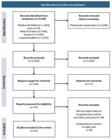
The majority of the included studies were observational cohorts (65.85%; n=27) and were predominantly conducted in the United States (95.12%; n=39). The overall methodological quality of the included studies was high, with an average score of 8.17 on the Newcastle-Ottawa Scale. Although case-control studies were planned for inclusion, none of the identified studies with this design met the final eligibility criteria. The reasons for excluding studies after full-text review are summarized in the selection flowchart (Figure 1).
Thirty-four studies were analyzed for association between Black race/color and COVID-19 hospitalization. The initial meta-analysis produced an adjusted Odds Ratio (OR) of 1.70 (95%CI 1.44; 2.01) with very substantial heterogeneity. After a sensitivity analysis to explore sources of heterogeneity, the final subset of 14 studies was meta-analyzed, yielding an adjusted OR of 1.97 (95%CI 1.75; 2.23), with heterogeneity reduced to a moderate level (Figure 2).

Twenty-five studies were analyzed for association with COVID-19 mortality. The initial meta-analysis estimated an adjusted OR of 1.34 (95%CI 1.07; 1.68), also with very substantial heterogeneity. After excluding probable sources of heterogeneity, the final analysis included 7 studies, yielding an adjusted OR of 1.54 (95%CI 1.20; 1.98), with heterogeneity reduced to a negligible level (Figure 3).

The funnel plot analysis suggested presence of publication bias, which was confirmed by the Egger’s test (p<0.01). Meta-regression was considered but not performed because the predefined subgroups included fewer than ten studies, which is below the minimum recommended for stable estimates.
Discussion
This review included 41 articles, of which 34 reported association measurements between Black race/color and COVID-19-related hospitalization and 25 reported measurements for COVID-19 mortality [20-29, 33-47, 50-60]. Both hospitalization and death risks were consistently higher among Black individuals than in non-Black groups, confirming a previously published review that also observed this disparity [4].
The main limitation of this study is that all included investigations were observational, which prevents causal inference that would be possible in intervention-based research. In addition, risk of bias domains, particularly those related to sample representativeness and exposure ascertainment, varied across studies, potentially attenuating or inflating the pooled estimates.
Meta-regression was not feasible because many predefined subgroups contained fewer than ten studies, below the minimum recommended for stable estimates, and key covariables (exact race definitions, hospitalization criteria, comorbidity adjustments) lacked standardization. Furthermore, it is important to emphasize that separate meta-analyses were maintained for hospitalization and mortality because these represent clinically distinct outcomes with their own definitions, sources of heterogeneity and time frames. Combining them in a single synthesis would contradict Cochrane guidance that only studies with the same outcome should be pooled [14].
Multicausal factors must be considered to explain the high heterogeneity observed between studies. Studies conducted in Black populations with a higher prevalence of comorbidities (such as diabetes and hypertension) tend to present higher odds ratios (ORs). In this context, these higher ORs quantify a more pronounced disparity, indicating that Black individuals have a significantly greater probability of adverse outcomes compared to other groups due to these underlying health conditions. Simultaneously, variations in socioeconomic vulnerabilities (precarious housing, overcrowding and essential occupations) have different influence on the risk of exposure and progression to severe COVID-19. Local testing and hospitalization protocols also vary widely, altering the hospitalized group’s composition and the association observed with race.
Health system response capacity (availability of beds, intensive care units [ICUs], and early treatments) impacts mortality rates: regions with limited infrastructure tend to record higher ORs for death, reflecting a stronger positive association between Black race/color and mortality. These diverse contextual factors, which are not uniformly captured in each study, lead to the high I² indices observed in the meta-analyses. These high values (typically exceeding 75%) represent high statistical heterogeneity, confirming that the variation in results across studies is driven by the varied social and clinical landscapes of the different regions rather than sampling error.
Marked disparities in the effectiveness of COVID-19 response policies and resource allocation have been documented in racialized groups, particularly among Black populations, directly increasing both exposure to the virus and case fatality risks [26,33,46,50,53]. Insufficient infection control resources in vulnerable Black communities further exacerbated these risks [32,50]. Our findings align with these studies.
Institutional and interpersonal racism acts as a central determinant of health inequities. Structural omissions in public health, education and economic policies have hindered equitable access to prevention, diagnosis and treatment for Black populations, especially in resource-limited contexts. Underreporting of race/ethnicity in COVID-19 records, such as in Brazil and the United States, has obscured the true burden of the disease, making it difficult to evaluate policies and monitor inequalities [50].
These findings, despite the limitations, underscore the urgent need for equity-oriented public policies that expand access to prevention, early diagnosis and adequate treatment in Black communities. Systematic collection of epidemiological data disaggregated by race/ethnicity is essential to identify disparities and guide targeted interventions in contexts of deep racial inequalities [2-3].
In conclusion, Black individuals face disproportionately higher risks of severe COVID-19 outcomes, reflecting historical social vulnerability and institutional racism. Addressing these disparities requires robust data systems and concerted policy efforts to ensure equitable access to health services and resource distribution.
This research used publicly available and anonymized databases.
Protocol registrationPROSPERO - CRD42022347715.
Use of generative artificial intelligenceNot used.
Data availability
The database, analysis codes, and other materials supporting this study are available in the Open Science Framework (OSF) repository at: https://osf.io/rk7xq/overview?view_only=de662ea84e0a4de69a290cd51660cd2b
REFERENCES
-
1 World Health Organization. WHO Coronavirus (COVID-19) Dashboard. 2022 17 set. 2022. https://covid19.who.int
» https://covid19.who.int - 2 ABEDI, V; OLULANA, O; AVULA, V; CHAUDHARY, D; KHAN, A; SHAHJOUEI, S; et al.. Racial, economic and health inequality and COVID-19 infection in the United States. medRxiv. 2020;2020.04.26.20079756.
- 3 KIM, SJ; BOSTWICK, W. Social vulnerability and racial inequality in COVID-19 deaths in Chicago. Health Educ Behav. 2020;1090198120929677.
- 4 MAGESH, S; JOHN, D; LI, WT; LI, Y; MATTINGLY-APP, A; JAIN, S; et al.. Disparities in COVID-19 results by race, ethnicity and socioeconomic status: a systematic review and meta-analysis. JAMA Netw Open. 2021;4(11):e2134147.
- 5 MOHER, D; LIBERATI, A; TETZLAFF, J; ALTMAN, DG. Preferred reporting items for systematic reviews and meta-analyses: the PRISMA statement. BMJ. 2009;339:b2535.
- 6 PAGE, MJ; MCKENZIE, JE; BOSSUYT, PM; BOUTRON, I; HOFFMANN, TC; MULROW, CD; et al.. The PRISMA 2020 communiqué: an updated guideline for systematic review reports. BMJ. 2021;372:n71.
- 7 MCGOWAN, J; SAMPSON, M; SALZWEDEL, DM; COGO, E; FOERSTER, V; LEFEBVRE, C. PRESS peer review of electronic search strategies: 2015 guideline statement. J Clin Epidemiol. 2016;75:40-6.
- 8 OUZZANI, M; HAMMADY, H; FEDOROWICZ, Z; ELMAGARMID, A. Rayyan - a web and mobile application for systematic reviews. Syst Rev. 2016;5(1):210.
- 9 Federal University of São Carlos. State of the art through systematic review - START. Version 3.3. São Carlos: UFSCar, 2013.
- 10 MODESTI, PA; REBOLDI, G; CAPPUCCIO, FP; AGYEMANG, C; REMUZZI, G; RAPI, S; et al.. Panethnic differences in blood pressure in Europe: a systematic review and meta-analysis. PLoS One. 2016;11(1):e0147601.
-
11 WELLS, G; SHEA, B; O'CONNELL, D; PETERSON, J; WELCH, V; LOSOS, M; et al.. The Newcastle-Ottawa Scale (NOS) to evaluate the quality of non-randomized studies in meta-analyses. Ottawa: The Ottawa Hospital Research Institute, 2014 27 jul. 2022. http://www.ohri.ca/programs/clinical_epidemiology/oxford.asp
» http://www.ohri.ca/programs/clinical_epidemiology/oxford.asp -
12 HIGGINS, JPT; GREEN, S (eds). Cochrane handbook for systematic reviews of interventions. Version 5.1.0. London: The Cochrane Collaboration, 2011 27 jul. 2022. https://training.cochrane.org/handbook/archive/v5.1/
» https://training.cochrane.org/handbook/archive/v5.1/ - 13 ZHANG, J; YU, KF. What is the relative risk? A method of correction of the odds ratio in cohort studies of common outcomes. JAMA. 1998;280(19):1690-1.
- 14 DEEKS, JJ; HIGGINS, JPT; ALTMAN, DG; MCKENZIE, JE; VERONIKI, AA (eds). Chapter 10: Analysing data and undertaking meta-analyses (last updated November 2024). In: HIGGINS, JPT; THOMAS, J; CHANDLER, J; CUMPSTON, M; LI, T; PAGE, MJ; et al. (eds). Cochrane handbook for systematic reviews of interventions. Version 6.5. Chichester (UK): John Wiley & Sons, 2024.
- 15 DUVAL, S; TWEEDIE, R. Trim and fill: a simple funnel-plot-based method of testing and adjusting for publication bias in meta-analysis. Biometrics. 2000;56(2):455-63.
- 16 DUVAL, S; TWEEDIE, R. A nonparametric method of "trim and fill" accounting for publication bias in meta-analysis. J Am Stat Assoc. 2000;95:89-98.
- 17 DINNES, J; DEEKS, J; KIRBY, J; RODERICK, P. A methodological review of how heterogeneity has been examined in systematic reviews of the accuracy of diagnostic tests. Health Technol Assess. 2005;9(12):1-113.
- 18 EGGER, M; SMITH, GD; SCHNEIDER, M; MINDER, C. Bias in meta-analysis detected by a simple graphic test. BMJ. 1997;315(7109):629-34.
- 19 EGGER, M; ALTMAN, DG. Systematic reviews in health care: meta-analysis in context. 2nd ed. London: BMJ Publishing Group, 2001.
- 20 ACOSTA, AM; GARG, S; PHAM, H; WHITAKER, M; ANGLIN, O; O'HALLORAN, A; et al.. Racial and ethnic disparities in hospitalization rates associated with COVID-19, intensive care unit admission and hospital death in the United States from March 2020 to February 2021. JAMA Netw Open. 2021;4(10):e2130479.
- 21 EGEDE, LE; WALKER, RJ; GARACCI, E; RAYMOND, JR. Racial/ethnic differences in COVID-19 screening, hospitalization and mortality in Southeast Wisconsin. Health Aff (Millwood). 2020;39(11):1926-34.
- 22 IZZY, S; TAHIR, Z; COTE, DJ; AL JARRAH, A; ROBERTS, MB; TURBETT, S; et al.. Characteristics and results of Latinx patients with COVID-19 compared to other ethnic and racial groups. Open Forum Infect Dis. 2020;7(10):ofaa401.
- 23 KANDIL, E; ATTIA, AS; YOUSSEF, MR; HUSSEIN, M; IBRAHEEM, K; ABDELGAWAD, M; et al.. African Americans fight with the current COVID-19. Ann Surg. 2020;272(3):e187-90.
- 24 KO, JY; DANIELSON, ML; TOWN, M; DERADO, G; GREENLUND, KJ; KIRLEY, PD; et al.. Risk factors for coronavirus disease 2019 (COVID-19)-associated hospitalization: COVID-19-Associated Hospitalization Surveillance Network and Behavioral Risk Factor Surveillance System. Clin Infect Dis. 2021;72(11):e695-703.
-
25 MCPADDEN, J; WARNER, F; YOUNG, HP; HURLEY, NC; PULK, RA; SINGH, A; et al.. Clinical characteristics and outcomes for 7,995 patients with SARS-CoV-2 infection. medRxiv. 2020 27 jul. 2022. https://www.medrxiv.org/content/early/2020/11/08/2020.07.19.20157305
» https://www.medrxiv.org/content/early/2020/11/08/2020.07.19.20157305 - 26 MUÑOZ-PRICE, LS; NATTINGER, AB; RIVERA, F; HANSON, R; GMEHLIN, CG; PEREZ, A; et al.. Racial disparities in incidence and outcomes among patients with COVID-19. JAMA Netw Open. 2020;3(9):e2021892.
- 27 PENNINGTON, AF; KOMPANIYETS, L; SUMMERS, AD; DANIELSON, ML; GOODMAN, AB; CHEVINSKY, JR; et al.. Risk of clinical severity by age and race/ethnicity among adults hospitalized for COVID-19 - United States, March-September 2020. Open Forum Infect Dis. 2021;8(2):ofaa638.
- 28 POULSON, M; GEARY, A; ANNESI, C; ALLEE, L; KENZIK, K; SANCHEZ, S; et al.. National disparities in COVID-19 outcomes between Black and White Americans. J Natl Med Assoc. 2021;113(2):125-32.
- 29 WANG, Z; ZHEUTLIN, A; KAO, YH; AYERS, K; GROSS, S; KOVATCH, P; et al.. Patients hospitalized with COVID-19 from the Mount Sinai Health System: a retrospective observational study using electronic medical records. BMJ Open. 2020;10(10):e040441.
- 30 JOYNT MADDOX, KE; REIDHEAD, M; GROTZINGER, J; MCBRIDE, T; MODY, A; NAGASAKO, E; et al.. Understanding contributors to racial and ethnic inequities in COVID-19 incidence and mortality. PLoS One. 2022;17(1):e0260262.
- 31 WONG, MS; HADERLEIN, TP; YUAN, AH; MOY, E; JONES, KT; WASHINGTON, DL. Time trends in racial/ethnic differences in COVID-19 infection and mortality. Int J Environ Res Public Health. 2021;18(9):4848.
- 32 ZELNER, J; TRANGUCCI, R; NARAHARISETTI, R; CAO, A; MALOSH, R; BROEN, K; et al.. Racial disparities in coronavirus disease 2019 (COVID-19) mortality are driven by unequal infection risks. Clin Infect Dis. 2021;72(5):e88-95.
- 33 AZAR, KMJ; LOCKHART, SH; SHEN, Z; ROMANELLI, R; BROWN, S; SMITS, K; et al.. Persistence of disparities between racially/ethnically marginalized groups in the COVID-19 pandemic independently of state shelter-in-place policies: an analysis of Northern California. Int J Epidemiol. 2021;190(11):2300-13.
- 34 ASCH, DA; ISLAM, MN; SHEILS, NE; CHEN, Y; DOSHI, JA; BURESH, J; et al.. Patient and hospital factors associated with differences in mortality rates among Black and White US Medicare beneficiaries hospitalized with COVID-19 infection. JAMA Netw Open. 2021;4(6):e2112842.
-
35 CHISHINGA, N; GANDHI, NR; ONWUBIKO, UN; TELFORD, C; PRIETO, J; SMITH, S; et al.. Characteristics and risk factors for hospitalization and mortality among people with COVID-19 in the Atlanta metropolitan area. medRxiv. 2020 27 jul. 2022. https://www.medrxiv.org/content/early/2020/12/16/2020.12.15.20248214
» https://www.medrxiv.org/content/early/2020/12/16/2020.12.15.20248214 -
36 DAI, CL; KORNILOV, SA; ROPER, RT; COHEN-CLINE, H; JADE, K; SMITH, B; et al.. Features and factors associated with infection, hospitalization and mortality of COVID-19 by race and ethnicity. medRxiv. 2021 27 jul. 2022. https://www.medrxiv.org/content/early/2021/02/12/2020.10.14.20212803
» https://www.medrxiv.org/content/early/2021/02/12/2020.10.14.20212803 -
37 DASHTI, H; ROCHE, EC; BATES, DW; MORA, S; DEMLER, O. SARS2 simplified scores to estimate the risk of hospitalization and death among patients with COVID-19. medRxiv. 2020 27 jul. 2022. https://www.medrxiv.org/content/early/2020/09/13/2020.09.11.20190520
» https://www.medrxiv.org/content/early/2020/09/13/2020.09.11.20190520 - 38 ESCOBAR, GJ; ADAMS, AS; LIU, VX; SOLTESZ, L; CHEN, YF; PARODI, SM; et al.. Racial disparities in COVID-19 testing and outcomes: a retrospective cohort study in an integrated health system. Ann Intern Med. 2021;174(6):786-93.
- 39 GERSHENGORN, HB; PATEL, S; SHUKLA, B; WARDE, PR; BHATIA, M; PAREKH, D; et al.. Association of race and ethnicity with COVID-19 test positivity and hospitalization is mediated by socioeconomic factors. Ann Am Thorac Soc. 2021;18(8):1326-34.
-
40 GOLESTANEH, L; NEUGARTEN, J; FISHER, M; BILLETT, HH; GIL, MR; JOHNS, T; et al.. The association of race and COVID-19 mortality. EClinicalMedicine. 2020;25 27 jul. 2022. https://doi.org/10.1016/j.eclinm.2020.100455
» https://doi.org/10.1016/j.eclinm.2020.100455 -
41 GU, T; MACK, JA; SALVATORE, M; SANKAR, SP; VALLEY, TS; SINGH, K; et al.. COVID-19 outcomes, risk factors and associations by race: a comprehensive analysis using data from electronic health records in Michigan Medicine. medRxiv. 2020 27 jul. 2022. https://www.medrxiv.org/content/early/2020/06/18/2020.06.16.20133140
» https://www.medrxiv.org/content/early/2020/06/18/2020.06.16.20133140 - 42 JACOBSON, M; CHANG, TY; SHAH, M; PRAMANIK, R; SHAH, SB. Racial and ethnic disparities in SARS-CoV-2 testing and COVID-19 outcomes in a Medicaid managed care cohort. Am J Prev Med. 2021;61(5):644-51.
-
43 KHAN, A; CHATTERJEE, A; SINGH, S. Comorbidities and disparities in outcomes of COVID-19 among Black and White patients. medRxiv. 2020 27 jul. 2022. https://www.medrxiv.org/content/10.1101/2020.05.10.20090167v1
» https://www.medrxiv.org/content/10.1101/2020.05.10.20090167v1 - 44 LAZAR, MH; FADEL, R; GARDNER-GRAY, J; TATEM, G; CALDWELL, MT; SWIDEREK, J; et al.. Racial differences in a Detroit, MI, ICU population of coronavirus disease 2019 patients. Crit Care Med. 2021;49(3):482-9.
-
45 LOBELO, F; BIENVENIDA, A; LEUNG, S; MBANYA, A; LESLIE, EJ; KOPLAN, KE; et al.. Clinical, behavioral and social factors associated with racial disparities in hospitalized and outpatient COVID-19 patients of an integrated health system in Georgia. medRxiv. 2020 27 jul. 2022. https://www.medrxiv.org/content/early/2020/07/10/2020.07.08.20148973
» https://www.medrxiv.org/content/early/2020/07/10/2020.07.08.20148973 - 46 LUCAR, J; WINGLER, MJB; CRETELLA, DA; WARD, LM; GOMILLIA, CES; CHAMBERLAIN, N; et al.. Epidemiology, clinical features, and outcomes of hospitalized adults with COVID-19: early experience from an academic medical center in Mississippi. South Med J. 2021;114(3):144-9.
- 47 MCCARTY, TR; HATHORN, KE; REDD, WD; RODRIGUEZ, NJ; ZHOU, JC; BAZARBASHI, AN; et al.. How do symptoms and outcomes differ by race/ethnicity among hospitalized patients with COVID-19? Experience in Massachusetts. Clin Infect Dis. 2021;73(11):e4131-8.
-
48 MENDY, A; APEWOKIN, S; WELLS, AA; MORROW, AL. Factors associated with hospitalization and severity of disease in a racially and ethnically diverse population of COVID-19 patients. medRxiv. 2020 27 jul. 2022. https://www.medrxiv.org/content/early/2020/06/27/2020.06.25.20137323
» https://www.medrxiv.org/content/early/2020/06/27/2020.06.25.20137323 - 49 NAU, C; BRUXVOORT, K; NAVARRO, RA; CHAVEZ, SG; HOGAN, TA; IRONSIDE, KR; et al.. COVID-19 inequities across various racial and ethnic groups: results of an integrated health system. Ann Intern Med. 2021;174(8):1183-6.
- 50 OGEDEGBE, G; RAVENELL, J; ADHIKARI, S; BUTLER, M; COOK, T; FRANÇOIS, F; et al.. Assessment of racial/ethnic disparities in hospitalization and mortality in patients with COVID-19 in New York City. JAMA Netw Open. 2020;3(12):e2026881.
-
51 PRICE-HAYWOOD, EG; BURTON, J; FORT, D; SEOANE, L. Hospitalization and mortality among Black patients and White patients with COVID-19. N Engl J Med. 2020 May 27 15 jul. 2022. https://www.ncbi.nlm.nih.gov/pmc/articles/PMC7269015/
» https://www.ncbi.nlm.nih.gov/pmc/articles/PMC7269015/ - 52 QEADAN, F; VANSANT-WEBB, E; TINGEY, B; ROGERS, TN; BROOKS, E; MENSAH, NA; et al.. Racial disparities in COVID-19 outcomes exist despite comparable Elixhauser comorbidity rates among Black, Hispanic, Native American, and White patients. Sci Rep. 2021;11(1):8738.
- 53 QUAN, D; WONG, LL; SHALLAL, A; MADAN, R; HAMDAN, A; AHDI, H; et al.. Impact of race and socioeconomic status on outcomes in patients hospitalized with COVID-19. J Gen Intern Med. 2021;36(5):1302-9.
-
54 RENTSCH, CT; KIDWAI-KHAN, F; TATE, JP; PARK, LS; KING, JT; SKANDERSON, M; et al.. COVID-19 by race and ethnicity: a national cohort study of 6 million United States veterans. medRxiv. 2020 27 jul. 2022. https://www.medrxiv.org/content/early/2020/05/18/2020.05.12.20099135
» https://www.medrxiv.org/content/early/2020/05/18/2020.05.12.20099135 - 55 RENTSCH, CT; KIDWAI-KHAN, F; TATE, JP; PARK, LS; KING, JT; SKANDERSON, M; et al.. Patterns of COVID-19 testing and mortality by race and ethnicity among United States veterans: a nationwide cohort study. PLoS Med. 2020;17(9):e1003379.
- 56 ROY, S; SHOWSTARK, M; TOLCHIN, B; KASHYAP, N; BONITO, J; SALAZAR, MC; et al.. The potential impact of screening protocols on racial disparities in clinical outcomes among COVID-19 patients in a large academic health system. PLoS One. 2021;16(9):e0256763.
- 57 GU, T; MACK, JA; SALVATORE, M; PRABHU SANKAR, S; VALLEY, TS; SINGH, K; et al.. Characteristics associated with racial/ethnic disparities in COVID-19 outcomes in an academic health system. JAMA Netw Open. 2020;3(10):e2025197.
- 58 INGRAHAM, NE; PURCELL, LN; KARAM, BS; DUDLEY, RA; USHER, MG; WARLICK, CA; et al.. Racial and ethnic disparities in hospital admissions of COVID-19: determination of the impact of neighborhood deprivation and primary language. J Gen Intern Med. 2021;36(11):3462-70.
- 59 PATEL, A; ABDULAAL, A; ARIYANAYAGAM, D; KILLINGTON, K; DENNY, SJ; MUGHAL, N; et al.. Investigating the association between ethnicity and health outcomes in SARS-CoV-2 in a secondary care population of London. PLoS One. 2020;15(10):e0240960.
- 60 LASSALE, C; GAYE, B; HAMER, M; GALE, CR; BATTY, GD. Ethnic disparities in hospitalization for COVID-19 in England: the role of socioeconomic factors, mental health, and inflammatory and pro-inflammatory factors in a community-based cohort study. Brain Behav Immun. 2020;88:44-9.
- 61 ATKINS, D; BEST, D; BRISS, PA; ECCLES, M; FALCK-YTTER, Y; FLOTTORP, S; et al.. Classification of evidence quality and strength of recommendations. BMJ. 2004;328(7454):1490.
Edited by
-
Editor-in-Chief:
Jorge Otávio Maia Barreto https://orcid.org/0000-0002-7648-0472
-
Scientific Editor:
Maria Auxiliadora Parreiras Martins https://orcid.org/0000-0002-5211-411X
-
Associate Editor:
Carolina Muller Ferreira https://orcid.org/0000-0002-7975-5777


