 “All Beautiful and Wonderful”: vulnerability and well-being in peasant agroforestry on the agricultural frontier of the Amazon
Abstract
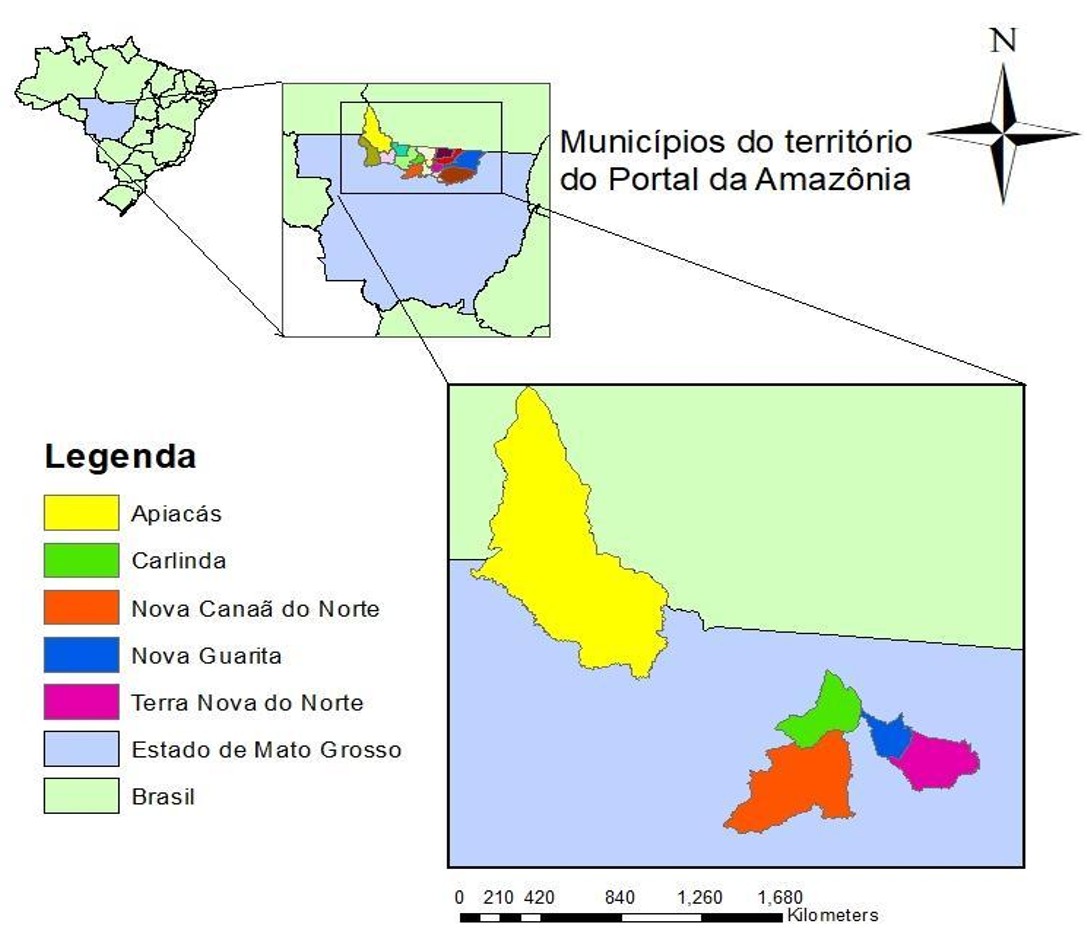
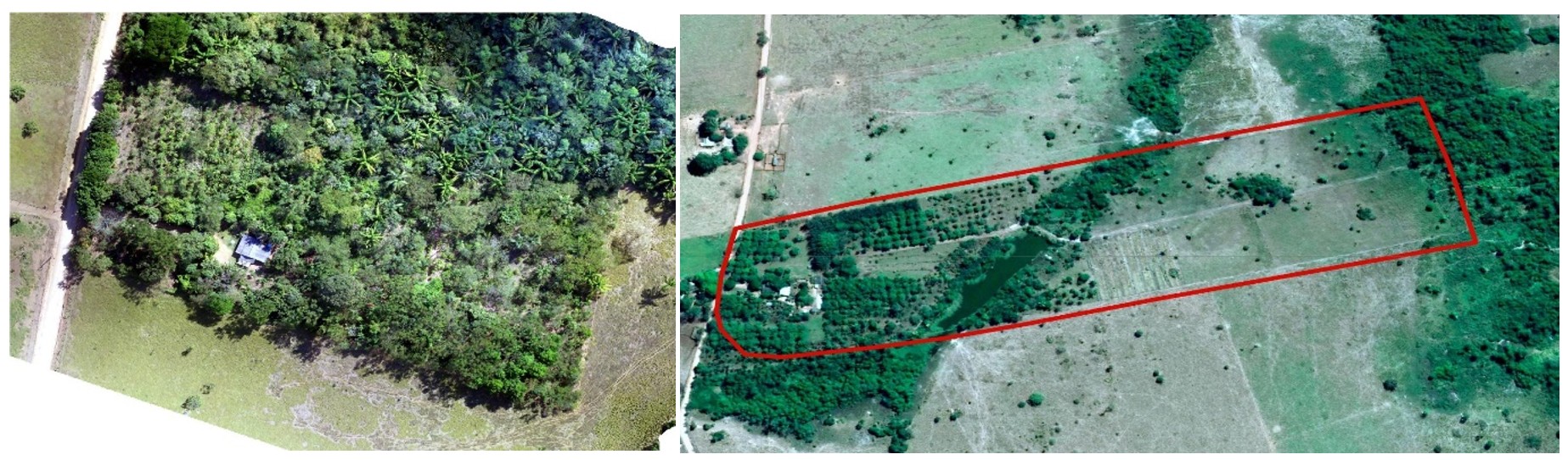
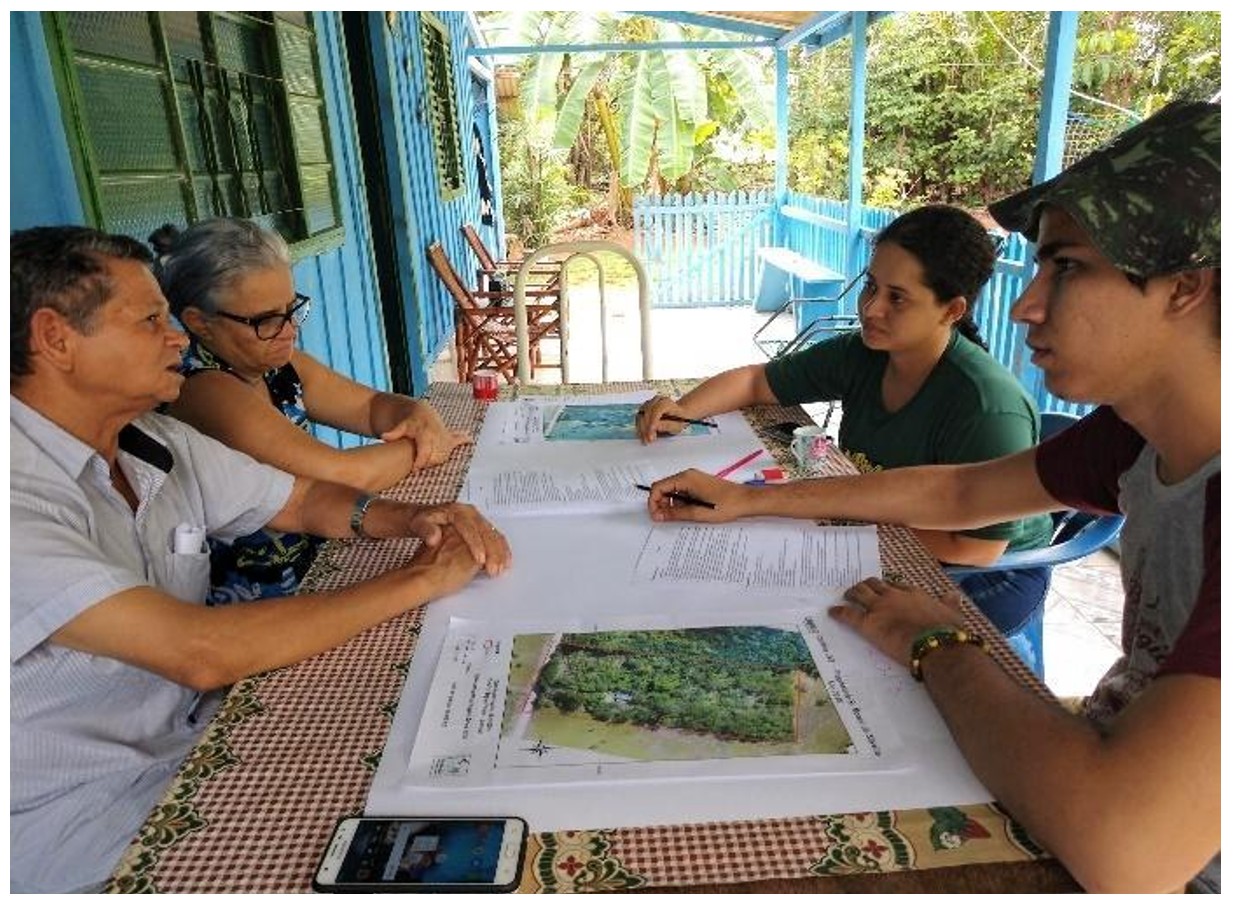
Abstract This study analyses human well-being as an ecosystem service generated by the adoption of agroforestry-based agriculture by peasants on the agricultural frontier of the Brazilian Amazon. It is entitled ‘Everything beautiful and wonderful’ to make visible the story of a precursor of the initiative in the region, Mr. Moacir, whose life was prematurely cut short in March 2021 by Covid-19. We aim to understand how agroforestry acts as a strategy of resistance and strengthening the well-being of peasant families in a territory pressurised by the expansion of hegemonic industrial agriculture. Data collection included the capture of satellite images and aerial photos in two periods (2008 and 2018), which served as the basis for 10 semi-structured interviews with peasants from six municipalities. The results show that, in a context of socio-economic vulnerability, peasant families find support in the practice of agroforestry and in the mutual support networks that form around it, to improve their material well-being and promote their food security and health, which have a direct impact on family autonomy. The movement articulates and structures strategies to deal with the uncertainties and threats that these communities face in this agricultural frontier, with the special participation of peasant women in this process.
Keywords:
agroecosystem and human well-being; agroforestry systems; agroecology
 Thumbnail
 Thumbnail
 Thumbnail
 Thumbnail