
 Planetary boundaries as a way of assessing environmental performance: a methodological approach proposal
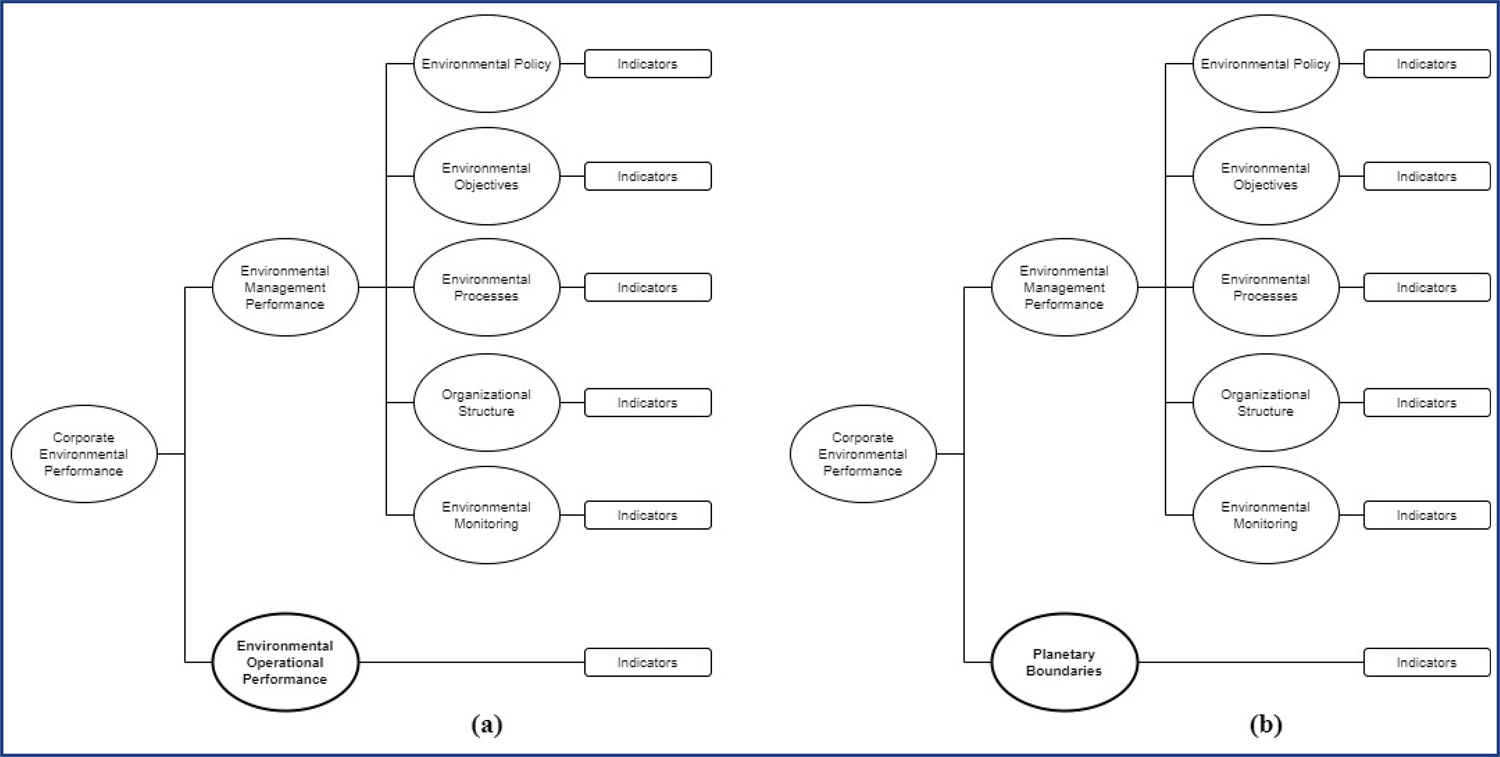
Objective This study aims to demonstrate how planetary boundaries can be used to evaluate organizations’ environmental performance.
Methodology The study uses different data collection and analysis methods, the literature on planetary boundaries and their measurement, secondary data collection, and examples of two companies operating in the oil and gas sector in the upstream segment.
Results To apply the proposed conceptual model to two cases of companies operating in the oil and gas sector in the upstream segment, it was initially necessary to validate the downscaling of planetary boundaries to the business analysis level. The proposed downscaling method and the use of planetary boundaries to evaluate organizations’ environmental performance both proved adequate, effective, and plausible.
Implications This study has significant practical implications. It provides a conceptual model that allows companies in the sector to evaluate and be evaluated based on the need to respect the biophysical limits of the Earth system, thereby engaging them in sustainable development.
Originality/Relevance The concept of planetary boundaries is particularly relevant in the oil and gas sector. Given that the natural capital consumed is physically finite, it provides a starting point for understanding the compatibility between the search for sustainable development and the current economic model. Moreover, the role companies play in this search is crucial, as the increased pressure on the consumption of natural resources directly impacts business operations.
Sustainable development; Planetary boundaries; Environmental performance assessment; Oil and gas sector
 Thumbnail
 (a) Source:
