person Gabrielle Tatith Pereira
Mestra em Direito pelo Instituto Brasileiro de Ensino, Desenvolvimento e Pesquisa (IDP). Bacharela em Direito pela Universidade Federal de Santa Maria (UFSM). Pesquisadora do Instituto Legislativo Brasileiro. Advogada do Senado Federal.
· Conceptualization · Formal Analysis · Investigation · Methodology · Project administration · Resources · Supervision · Validation · Visualization · Writing - original draft · Writing - review & editing
school Instituto Brasileiro de Ensino, Desenvolvimento e Pesquisa, Brasília, Distrito Federal, Brasil. gabitpereira@hotmail.comInstituto Brasileiro de Ensino, Desenvolvimento e PesquisaBrasilBrasília, Distrito Federal, Brasil Instituto Brasileiro de Ensino, Desenvolvimento e Pesquisa, Brasília, Distrito Federal, Brasil. gabitpereira@hotmail.com
person Fabrício Castagna Lunardi
Pós-doutor pela Universidade de Coimbra. Doutor e mestre em Direito pela Universidade de Brasília (UnB). Bacharel em Direito pela Universidade Federal de Santa Maria (UFSM). Professor Permanente do Programa de Mestrado da Escola Nacional de Formação e Aperfeiçoamento de Magistrados. Juiz de Direito do Tribunal de Justiça do Distrito Federal e dos Territórios (TJDFT).
· Conceptualization · Formal Analysis · Investigation · Methodology · Project administration · Resources · Supervision · Validation · Visualization · Writing - original draft · Writing - review & editing
school Escola Nacional de Formação e Aperfeiçoamento de Magistrados, Brasília, Distrito Federal, Brasil. fabricioclunardi@yahoo.com.brEscola Nacional de Formação e Aperfeiçoamento de MagistradosBrasilBrasília, Distrito Federal, Brasil Escola Nacional de Formação e Aperfeiçoamento de Magistrados, Brasília, Distrito Federal, Brasil. fabricioclunardi@yahoo.com.brschool Universidade de Brasília, Brasília, Distrito Federal, BrasilUniversidade de BrasíliaBrasilBrasília, Distrito Federal, Brasil Universidade de Brasília, Brasília, Distrito Federal, Brasil
person Pedro Miguel Alves Ribeiro Correia
Doutor em Ciências Sociais (área de concentração Administração Pública) pela Universidade de Lisboa. Licenciado em Estatística e Gestão de Informação pela Universidade Nova de Lisboa. Licenciado em Direito pela Faculdade de Direito da Universidade de Lisboa. Licenciado em Estudos Gerais (com Major em Estudos Jurídicos e Minor em Física) pela Faculdade de Letras da Universidade de Lisboa. Professor Associado da Faculdade de Direito da Universidade de Coimbra. Professor e Investigador Visitante Estrangeiro do Instituto de Ciências Exatas e da Terra, Campus Universitário do Araguaia, da Universidade Federal do Mato Grosso (ICET/CUA/UFMT). Consultor no Ministério da Justiça de Portugal.
· Formal Analysis · Investigation · Methodology · Project administration · Resources · Supervision · Validation · Visualization · Writing - original draft · Writing - review & editing
school Universidade de Coimbra, Coimbra, Coimbra, Portugal. pedro.futuros@gmail.comUniversidade de CoimbraPortugalCoimbra, Coimbra, Portugal Universidade de Coimbra, Coimbra, Coimbra, Portugal. pedro.futuros@gmail.comschool Instituto de Ciências Exatas e da Terra, Campus Universitário do Araguaia, Universidade Federal do Mato Grosso, Barra das Garças, BrasilUniversidade Federal do Mato GrossoBrasilBarra das Garças, Brasil Instituto de Ciências Exatas e da Terra, Campus Universitário do Araguaia, Universidade Federal do Mato Grosso, Barra das Garças, Brasil
Editores responsáveis
Catarina Helena Cortada Barbieri. Duas decisões editoriais, incluindo desk review.
Pedro Salomon Bezerra Mouallem. Duas decisões editoriais, incluindo a decisão final.

 BICAMERALISM AND EXECUTIVE PROVISIONAL MEASURES: THE ROLE OF FEDERAL SENATE AS AN INSTITUTIONAL ACTOR WITH VETO POWER
 Thumbnail
 Thumbnail
 Thumbnail
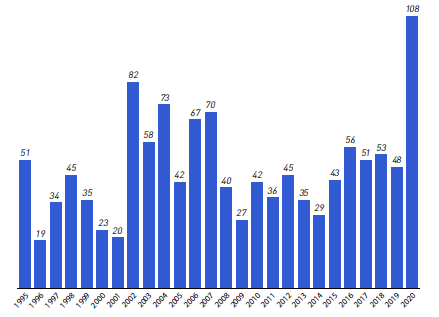 Fonte: Elaborado pelos autores.
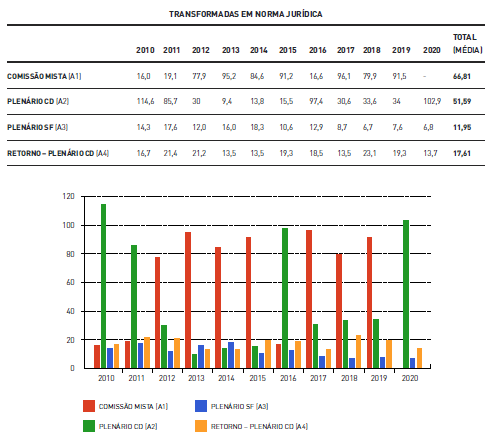 Fonte: Elaborado pelos autores.
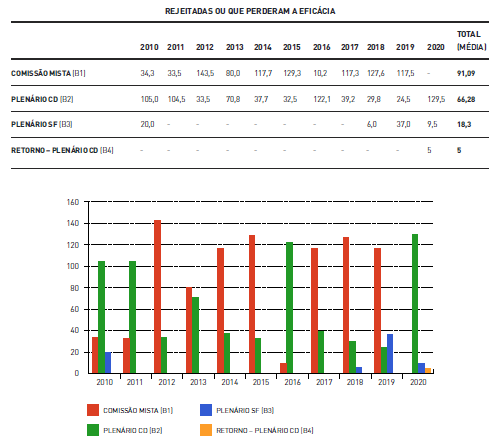 Fonte: Elaborado pelos autores.