
 Myths about breastfeeding and speech therapy: Views of postpartum women and acceptance of guidance provided by the healthcare team
ABSTRACT
Purpose: to investigate the perception of postpartum women regarding myths related to breastfeeding and speech-language pathology aspects, and to evaluate th acceptability of guidance on these topics.
Methods: 194 postpartum women from a public maternity hospital in Northeastern Brazil participated, divided into four groups, according to prenatal care and guidance received about breastfeeding. A questionnaire with eight statements (myth/true) and an acceptability test were applied to assess whether the group intervention on myths was well received. The Birnbaum model was used to estimate the discrimination, difficulty, and random correctness of the statements, in addition to the Pearson’s Chi-square test, with 5% significance.
Results: in all groups, there were over 70% correct answers on statements about language, oral motor skills, speech, and artificial nipples. The greatest lack of knowledge was about breastfeeding: "breast exchange," "diet and milk production," and "pain in the nipple" (correct answers below 60%). In speech-language pathology, the greatest lack of knowledge was regarding hearing. A significant difference was found for the myth "weak milk," with participants who never breastfed showing more knowledge than those with breastfeeding experience. The acceptability index of the intervention was 97.2% (67.6% loved it and 29.6% liked it).
Conclusions: postpartum women demonstrated greater knowledge of speech-language pathology aspects compared to the general aspects related to breastfeeding. There was a high level of acceptability for guidance on breastfeeding and speech-language health.
Keywords:
Breastfeeding; Infant Nutritional Physiological Phenomena; Rooming-in Care; Speech, Language and Hearing Sciences; Health Promotion
RESUMO
Objetivo: investigar a visão de puérperas sobre mitos que envolvem aleitamento materno e aspectos fonoaudiológicos, e avaliar a aceitabilidade de orientações sobre essas temáticas.
Métodos: participaram 194 puérperas de uma maternidade pública do nordeste do Brasil, divididas em quatro grupos conforme assistência pré-natal e orientações recebidas sobre amamentação. Aplicado questionário com oito afirmativas (mito/verdade) e teste de aceitabilidade para saber se a intervenção grupal sobre mitos foi bem recebida. Utilizado modelo de Birnbaum para estimar discriminação, dificuldade e acerto ao acaso das afirmativas, além do teste Qui-quadrado de Pearson, com significância 5%.
Resultados: em todos os grupos houve acertos maiores de 70% para assertivas sobre linguagem, motricidade orofacial, fala e bicos artificiais. Maior desconhecimento foi sobre “troca de mamas”, “alimentação e produção de leite” e “dor no bico do peito” (acertos abaixo de 60%). Na fonoaudiologia o maior desconhecimento foi sobre audição. Houve diferença significativa para mito “leite fraco”, cujas participantes que nunca amamentaram demonstraram maior conhecimento daquelas com experiência. A aceitabilidade da ação foi 97,2% (67,6% adoraram e 29,6% gostaram).
Conclusões: puérperas apresentaram maior conhecimento sobre aspectos fonoaudiológicos do que para os aspectos gerais que envolvem a amamentação. Houve alta aceitabilidade para orientações sobre aleitamento materno e saúde fonoaudiológica.
Descritores:
Aleitamento Materno; Fenômenos Fisiológicos da Nutrição do Lactente; Alojamento Conjunto; Fonoaudiologia; Promoção da Saúde
INTRODUCTION
The role of healthcare professionals in breastfeeding (BF) and the recommendations regarding its benefits for the healthy development of children have promoted breastfeeding practices worldwide. In Brazil, the Ministry of Health has implemented the Baby-Friendly Hospital Initiative (BFHI), which outlines ten essential steps to ensure successful breastfeeding1 and the "Amamenta e Alimenta Brasil" Strategy (EAAB) to strengthen and promote breastfeeding and healthy complementary feeding for children under two years of age within the scope of the Brazilian Public Health System (SUS)2. The third step of the BFHI consists of informing all pregnant women receiving care about the benefits and management of breastfeeding1. Demystifying the issues surrounding breastfeeding is an important aspect of promoting maternal and child health2,3.
BF provides newborns (NB) with stimuli that contribute to neuropsychomotor development and directly influence the reduction of infant mortality and morbidity rates due to its connection with nutritional, immunological, and socio-affective aspects4. In speech-language pathology, the act of breastfeeding contributes, through sucking, to proper orofacial development, refining future functions of chewing and speech articulation5. Several speech-language pathology aspects are promoted through the practice of BF, including the stimulation of orofacial motricity (OM), language, and hearing. Resolution No. 661 of the Federal Council of Speech-Language Pathology and Audiology (CFFa), dated March 30, 20226, establishes the role of the speech-language pathologist in promoting the well-being, interaction, and regulation of the newborn/infant/team/family during the BF process.
Given the advantages of BF, it is considered that it should be the mother's first choice for her child4. Breastfeeding is fundamental in establishing the bond between mother and NB. However, social environment influences, the mother's lifestyle, as well as her personality, among various other factors, may prevent breastfeeding from occurring3. Artificial feeding is often chosen due to a lack of information and encouragement for natural breastfeeding, and even due to professional advice or lack of professional support7. Myths, taboos, and beliefs arising from a lack of information and/or popular knowledge about breastfeeding are common8. Culturally, parents and family members may adopt newborn care values based on family or social traditions that interfere with the healthy development of the child, such as those that characterize lactation as insufficient and describe breast milk as “weak milk” or “milk insufficient to satisfy the baby's hunger”9.
Recognizing the myths surrounding breastfeeding can contribute to the development of intervention and health promotion strategies related to BF and speech-language pathology aspects. The present study aimed to investigate the perspectives of postpartum women regarding myths surrounding BF and speech-language pathology aspects, as well as to assess the acceptability of guidance on these topics.
METHODS
The present study was approved by the Research Ethics Committee (CEP) of the Federal University of Sergipe, Brazil, under CAAE number 45411315.6.0000.5546 and approval number 2.659.863. Postpartum women voluntarily agreed to participate and signed the Informed Consent Form (ICF). This study complies with the principles outlined in the Declaration of Helsinki of the World Medical Association.
This is a cross-sectional, analytical, and exploratory study, targeting a population of 194 postpartum women hospitalized in a public maternity hospital that is a reference center in Northeastern Brazil. The maternity hospital has been operating since 2007, providing care to high-risk pregnant women. It offers obstetric and neonatal beds under a rooming-in system. The care team is interdisciplinary, performing an average of 1,500 consultations and 420 deliveries per month.
The research was conducted between February and September 2018 through daily visits to the Kangaroo Intermediate Care Unit (UCINCa) and the Rooming-In Unit (ALCON) of the maternity hospital, during an extension activity of the Speech-Language Pathology program at the Federal University of Sergipe (UFS), in accordance with the guidelines for the humanized care of low birth weight newborns9 and the principles of the BFHI1,2. As inclusion criteria, all postpartum women hospitalized in the maternity ward and linked to either the UCINCa or the ALCON were eligible. The exclusion criteria encompassed postpartum women with altered levels of consciousness and/or physical pain that prevented participation.
Participant groups were formed by postpartum women assigned to the same ward, selected through a random draw. Each ward had three beds, and each woman participated in the group only once. After the draw, the research team introduced themselves at the respective bed, and upon signing the ICF, data were collected from the medical records regarding the newborn (name, date of birth), prenatal care (completion and number of consultations), parity (number of previous deliveries, with women without previous deliveries considered nulliparous); and, directly from the postpartum women, sociodemographic information (age, residential address, education level), as well as previous breastfeeding experience.
An assertiveness test was conducted, consisting of eight statements classified as either "myth" or "truth." The first four statements addressed general aspects of BF, while the remaining four covered speech-language pathology aspects: the fifth statement concerned language development, the sixth and seventh addressed OM/speech, and the eighth focused on hearing.
Each item was read aloud by the researchers individually for each ward, and they assisted postpartum women with completing the written questionnaire when necessary, due to circumstances such as venous access in the arm, lying position, among others. To facilitate understanding, illustrations with facial expressions representing the alternatives "myth" and "truth" were used. The researchers did not provide opinions regarding the answers. Each response was recorded directly on the respective "Myths Questionnaire" (Figure 1) immediately after reading each statement.

Response recording sheet for the Myths Questionnaire on speech-language pathology aspects and breastfeeding
The expected standard for the answers to the Myths Questionnaire was based on the guidelines published by the Brazilian Ministry of Health10,11. The statements and their respective correct answers are described in Chart 1.
At the end of the activity, group guidance sessions (per ward) were provided regarding the aspects addressed about BF and speech-language health, expanding the research proposal into an intervention action. These interventions were carried out by a multidisciplinary team composed of Nursing, Speech-Language Pathology, Medicine, and Psychology students, properly supervised by the responsible professional and previously trained and calibrated regarding the topics covered (language used, protocol completion, handling of demonstration dolls and breasts).
Upon completion of the guidance, the acceptability test10 was applied to determine whether the group intervention on myths was well received by the participants. The responses were marked confidentially, without the researchers’ knowledge, to avoid any influence or discomfort among the participants. Each postpartum woman could choose one of the following categories: 1 - Hated it; 2 - Did not like it; 3 - Indifferent; 4 - Liked it; 5 - Loved it. These options were illustrated with facial expressions to enable responses regardless of participants’ educational level.
For the purposes of this study, prenatal care was considered adequate if participants answered affirmatively to three questions about care during pregnancy: 1. Receipt of prior guidance on BF; 2. Completion of prenatal care with six or more consultations; and 3. Participation in prenatal education groups.
Thus, postpartum women were divided into four groups: G0, composed of those who met all three prenatal care criteria; G1, those who met two criteria; G2, those who met only one criterion; and G3, those who did not meet any of the recommended prenatal care criteria.
To assess the issues and the postpartum women's level of knowledge, Birnbaum’s unidimensional three-parameter model, based on Item Response Theory, was used, considering the discrimination power, difficulty level, and probability of random guessing for each statement. The hypothesis of independence between categorical variables was tested using Pearson’s Chi-Square Test and Fisher’s Exact Test. The significance level adopted wSt 5%. Data were tabulated and analyzed using SPSS for Windows, version 21, and R Core Team 2017.
RESULTS
The sociodemographic, obstetric, breastfeeding, and prenatal care data of the participants are presented according to the information available in the medical records and provided by the postpartum women themselves. Some aspects were not recorded for all participants.
A total of 194 postpartum women participated, with ages ranging from 13 to 46 years. All were residents of the state of Sergipe, with 46% (n = 87) from the Greater Aracaju area and 54% (n = 102) from other regions of the state. Regarding educational level (total of 193 responses analyzed), 46.1% (n = 89) had completed or partially completed elementary education, 46.1% (n = 89) had completed or partially completed secondary education, and 7.8% (n = 15) had attended higher or technical education.
Regarding the obstetric profile prior to the current pregnancy (total of 186 participants), in terms of the number of previous births, 46.8% (n = 87) were nulliparous (first child, no previous deliveries), 24.2% (n = 45) were primiparous (one previous delivery), and 29% (n = 54) were multiparous (two or more previous deliveries).
Concerning the division of the 194 postpartum women into four groups according to their responses related to prenatal care, the distribution was as follows: G0 (n = 11) considered satisfactory; G1 (n = 32) meeting two criteria; G2 (n = 74) meeting only one criterion; and G3 (n = 77) not meeting any of the recommended prenatal care criteria as defined in the present study.
Regarding the number of prenatal consultations (total of 170 cases analyzed), adequate prenatal care (six or more consultations) was performed by 50.6% (n = 86) of the participants. Of the 194 postpartum women, only 14.4% (n = 28) had participated in prenatal education groups, and 29.5% (n = 57) had received guidance on BF before the intervention conducted by the research group.
Concerning breastfeeding (total of 192 responses analyzed), 52.6% (n = 101) of the postpartum women reported never having breastfed previous children. The remaining 47.4% (n = 91) had prior breastfeeding experience.
Regarding the profile of the newborns (total of 191 responses analyzed), in terms of gestational age, the majority were post-term (born at or after 42 weeks of gestation), corresponding to 51.3% (n = 98), while the remainder were distributed between preterm newborns (less than 37 full weeks) at 27.2% (n = 52) and term newborns (between 37 and 41 weeks) at 21.5% (n = 41).
With respect to newborn feeding in the hospital setting (total of 190 responses analyzed), 72.1% (n = 137) were receiving complementary feeding through alternative feeding methods to breastfeeding (nasogastric or orogastric tube, cup, or bottle), and 27.9% (n = 53) were exclusively breastfed at the time the myths questionnaire was administered.
The information regarding the myths questionnaire used in the present study is presented below.
Table 1 presents the values related to the number of errors and correct answers, probability of random guessing, difficulty level, and discrimination power for each statement in the myths questionnaire, along with the corresponding answer key.
The higher the probability of random guessing-ranging from zero to infinity-the greater the likelihood that the individual answered the item correctly by chance. Statements 6 (OM and speech) and 5 (language) showed higher probabilities of random guessing, whereas postpartum women who correctly answered statements 7 (artificial nipples) and 8 (hearing) did so more consciously, demonstrating greater certainty about the correct response.
Item difficulty is analyzed through values ranging from +3 to -3. Items with positive values are considered more difficult. Statements 3 (feeding and milk production) and 1 (quality of breast milk) were the most difficult, contrasting with statements 6 (OM and speech) and 7 (artificial nipples), which presented lower difficulty levels.
The level of knowledge (high or low) among postpartum women was identified through the item discrimination value, which ranges from zero to infinity. The higher the value, the greater the discrimination power. It was observed that statement 7 (artificial nipples) had the highest discrimination power, followed by statements 2 (switching breasts), 4 (nipple pain), 1 (quality of breast milk), and 5 (language). In contrast, statements 6 (OM and speech), 3 (feeding and milk production), and 8 (hearing) did not exhibit significant discrimination values.
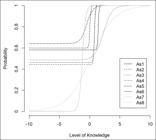
In the item response function (Figure 2), each curve corresponds to a specific statement, and the closer it resembles the letter S, the greater its discrimination power. Thus, statement 7 (artificial nipples) clearly demonstrates the highest discrimination power. The lower height of the curve corresponds to the probability of random guessing, which was lower for statements 7 (artificial nipples) and 8 (hearing). Item difficulty determines the point at which the curve starts; the farther to the right, the more difficult the item. In this regard, the most difficult statements were 7 (artificial nipples) and 1 (feeding and milk production).
When considering the expected responses for the assertiveness test regarding the Speech-Language Pathology items, a significant association (Pearson’s Chi-Square Test) was observed between the postpartum women's age group and the response to item 8 (hearing). Among postpartum women aged between 20 and 35 years, the majority answered correctly, as did part of those older than 35 years. In contrast, only a smaller portion of postpartum women aged up to 20 years answered the item correctly (Table 2).
Still regarding statement 8 (hearing), a relationship was observed between the postpartum women's educational level and their level of knowledge. Correct answers were more frequent among those who had completed secondary education, followed by those with elementary education, and less common among postpartum women with higher education.
Concerning the general BF statements, for statement 1 (quality of breast milk), an association was found with previous breastfeeding experiences. Postpartum women who had never breastfed were more likely to answer this item correctly compared to those with prior breastfeeding experience, according to the expected response pattern.
Regarding statement 2 (switching breasts), the percentage of correct answers was significantly lower among postpartum women from the Greater Aracaju area compared to those from other regions (p = 0.028).
Among postpartum women who had not participated in prenatal education groups, more than half answered statement 3 (feeding and milk production) correctly, whereas among those who had participated, a lower percentage answered correctly. This difference was statistically significant.
Before the extension activity, most postpartum women who had not received prior guidance on BF answered statement 3 (feeding and milk production) correctly, while only a smaller portion of those who had already received guidance answered correctly.
No other statistically significant association (p < 0.05) was found between the postpartum women's level of knowledge and the other participant variables in the study.
Among all statements, when comparing prenatal care and the expected (correct) responses to the myths questionnaire, no statistically significant differences were observed (Table 3).
The four groups of postpartum women showed similar mean levels of knowledge, with no significant differences between groups: the mean wSt 49.7 (SD 8.4) in G0; 50.4 (SD 8.2) in G1; 49.9 (SD 7.7) in G2; and 52.1 (SD 5.7) in G3.
Among all statements, across all levels of prenatal care assistance, there was a high number of correct answers (greater than 70%) for those addressing speech-language pathology aspects: language, OM and speech, and artificial nipples. Notably, the statement about language ("The way people talk to the baby influences language development") achieved a 100% correct response rate in G3 and rates greater than 70% in the other groups. Regarding speech-language aspects, the statements on OM and speech ("Sucking the breast strengthens the muscles that will be used in speech") and artificial nipples ("Offering a bottle or pacifier to the newborn may harm BF") achieved correct response rates above 70% in all groups.
Overall, considering all statements, no group had a correct response rate lower than 30%. All groups achieved a correct response rate above 50% for at least two statements.
The greatest lack of knowledge among postpartum women was observed in statements addressing breastfeeding practices ("It is necessary to offer both breasts at each feeding" and "Foods such as canjica, couscous with milk, and sugarcane juice increase milk production"), followed by the myth of "weak milk" ("Breast milk can be weak and not satisfy the baby") and hearing-related issues ("Breastfeeding the baby while lying down can cause ear infection"). The correct response rate for the statement about switching breasts was below 60% across all groups, as was the statement about feeding and milk production, which ranged from 36.4% to 57.1%. On the other hand, statements related to hearing and the quality of breast milk exceeded 60% accuracy in two groups (G2 and G3 for hearing, and G1 and G2 for the weak milk myth).
Regarding the postpartum women's knowledge about nipple pain-analyzed through the statement "Feeling pain in the nipple is normal"-the correct response rate ranged from 45% to 56%, making it one of the statements with the lowest accuracy across all groups.
After completing the questionnaire phase and collecting the participants' responses, the acceptability test results from 71 of the 194 postpartum women were computed. An acceptability rate of 97.2% (n = 69) was obtained, with 67.6% (n = 48) reporting that they "loved" it, 29.6% (n = 21) stating they "liked" it, and only 2.8% (n = 2) remaining "indifferent."
DISCUSSION
Overall, the studied population demonstrated good knowledge regarding speech-language pathology aspects related to breastfeeding and lower knowledge regarding general aspects of BF.
In statement 1, concerning the quality of breast milk, the myth of "weak milk" became evident, as only slightly more than half of the postpartum women answered the statement correctly, a value considered low given that this is a topic widely disseminated in manuals and campaigns within health units, hospitals, and maternity wards that promote the BFHI12,13, which matches the profile of the institution where the study was conducted. It is noteworthy that the relatively low number of correct responses for this item may be associated with the high level of difficulty of the question, as it was the second most difficult among all statements.
The present study also showed that most newborns were receiving complementary feeding through alternative methods to breastfeeding (nasogastric or orogastric tube, cup, or bottle), while a smaller portion were exclusively breastfed at the time of the myths questionnaire application. This condition may have contributed to the persistence of the "weak milk" belief among the postpartum women. Furthermore, in this study, women with previous breastfeeding experience provided significantly worse responses regarding the "weak milk" myth compared to those who had never breastfed. This is a critical finding, as belief in this myth may have stemmed from previous experiences and may have led to reduced breast stimulation, resulting in decreased milk production and an increased risk of early weaning14-16.
Regarding the unnecessary switching of breasts during the same feeding session, as addressed in statement 2, a considerable proportion of postpartum women demonstrated a lack of knowledge, highlighting the need to emphasize this information in the general population. Postpartum women from Greater Aracaju exhibited lower knowledge on this topic compared to those from other regions, suggesting an avenue for further studies. It is hypothesized that postpartum women from smaller communities in the countryside might have had greater exposure to breastfeeding information through closer contact with other mothers, fostering a stronger support network for knowledge sharing. It is important to emphasize that flexible feeding intervals are recommended for the general population, allowing the newborn to suckle until satiated. During this period, the baby can extract both foremilk and hindmilk, which are responsible for hydration and protection, and for satiety and weight gain, respectively17,18.
Myths related to increasing milk production through the consumption of specific foods remain highly prevalent in the general population, as evidenced in the present study. There is no scientific evidence that foods such as canjica, couscous with milk, or sugarcane juice increase milk production19. It is understood that milk production is primarily stimulated by breast suction. In this process, several regulatory mechanisms are involved; the greater the frequency of breast stimulation, the higher the prolactin levels20, which are responsible for milk synthesis in the alveoli and, consequently, greater milk production.
The lack of scientific information regarding the myth that certain foods enhance milk production, combined with the low correct response rate across all groups, may be linked to the high level of difficulty of statement 3 (feeding and milk production), which was identified as the most difficult among all statements used. Paradoxically, postpartum women who reported having received prior guidance on BF showed a lower percentage of correct answers compared to those who had not received any guidance. The same pattern was observed among those who participated in prenatal education groups. It is important to note, however, that such topics are often not covered in prenatal counseling sessions, which typically focus more on BF management and speech-language pathology aspects.
Statement 4, regarding nipple pain during breastfeeding, showed little variation across all groups. It is considered that there is still limited knowledge among postpartum women about the relationship between nipple pain and incorrect latch, improper sucking, and inadequate positioning during breastfeeding21,22. Women should be better informed that feeling nipple pain is not normal during breastfeeding. Guidance should be provided to ensure that the newborn is properly aligned with the mother, with a wide-open mouth covering the nipple along with part of the areola, allowing for deep and vigorous sucks23.
Regarding the high number of correct responses for the speech-language pathology statements across all prenatal care groups-specifically those addressing language, OM and speech, and artificial nipples-highlighted statements included language ("The way people talk to the baby influences language development"), OM and speech ("Sucking the breast strengthens the muscles that will be used in speech"), and artificial nipples ("Offering a bottle or pacifier to the newborn may harm BF"), all of which showed a high percentage of expected responses. Although these statements had a high probability of correct answers by chance and low difficulty levels, the high accuracy rate may be related to the breastfeeding and speech-language pathology health education routinely provided at the ALCON and UCINCa units of this institution. It is suggested that during prenatal care, speech-language topics are not as thoroughly discussed as they are during hospitalization, which may explain the absence of significant differences between the groups.
A previous study conducted in the same maternity hospital also revealed positive outcomes regarding these statements11. The present study showed even more favorable results concerning knowledge about facial muscles, with higher accuracy rates among postpartum women. This finding highlights the importance of promoting speech-language pathology information not only in the hospital setting but also within prenatal care units.
Broadly, access to humanization policies and the implementation of educational activities contribute to the population's knowledge of general and speech-language pathology aspects related to the development of the mother-child bond. Specifically regarding speech-language pathology, guidance has been increasingly provided on the importance of effective contact between the newborn and family members for language stimulation24-26. Additionally, BF promotes maturation of the facial muscles, influenced by the newborn’s sensory and motor experiences. This process offers advantages for proper facial growth, improved nasal breathing, and enhanced speech, swallowing, and chewing27.
Regarding the use of artificial nipples and their influence on BF, the studied population also showed a high level of knowledge. This may be related both to the institutional policies where the research was conducted-where the routine use of artificial nipples is discouraged-and to the speech-language pathology guidance provided alongside other multidisciplinary health education practices28. The use of artificial nipples is only recommended in specific situations. The main argument disseminated is that artificial nipple use can lead to nipple confusion, resulting in early weaning due to differences in sucking patterns29. The child may prefer the bottle or pacifier because they require less muscular effort11.
Regarding the risk of otitis associated with improper newborn positioning during breastfeeding (hearing)30, the number of correct answers was not satisfactory, similarly to findings from a previous study11. It is considered that further studies on this topic are still needed to enhance dissemination and enable effective actions for the prevention of neonatal auditory health problems, including middle ear care. In any case, as expected, younger postpartum women demonstrated greater lack of knowledge; however, paradoxically, those with higher educational levels (completed higher education) showed more errors on this item, highlighting the need to expand the detail of this information in scientific publications, beyond existing public campaigns and materials.
The present study showed that having received adequate prenatal care, having previous breastfeeding experience, and/or having received guidance did not guarantee greater knowledge among postpartum women regarding BF myths and speech-language pathology aspects. On the other hand, it is important to note that regardless of the prenatal care received, all participants shared the common factor of being hospitalized in a maternity hospital that is a reference center in this field, which may have contributed to the uniformity observed in knowledge about speech-language pathology topics.
Thus, it is recommended to expand guidance on BF and speech-language pathology aspects across all levels of maternal care, including prenatal and gestational care units, in accordance with Resolution 661 of the Federal Council of Speech-Language Pathology and Audiology (CFFa), dated March 30, 20226, which regulates the role of speech-language pathologists in supporting breastfeeding.
Finally, the high level of acceptability regarding the intervention developed in this study demonstrates the potential to expand health promotion practices aimed at encouraging BF among postpartum women, reinforcing the public policies and actions already adopted by various health professionals in maternity settings.
This study presents some limitations. Given the geographical restriction of the sample and the specificity of having been conducted in a BFHI-certified maternity hospital, caution is warranted when attempting to generalize its findings. Regarding the myths questionnaire applied to postpartum women, a limitation is the fact that all breastfeeding-related questions were classified as myths, while all speech-language pathology-related questions were classified as truths.
Nevertheless, the data obtained should be analyzed to support, strengthen, and better guide practices that encourage BF and demystify myths among postpartum women. Furthermore, the results highlight the need for future studies investigating the effectiveness of communication strategies and methodologies used in prenatal BF education provided to pregnant women.
CONCLUSION
Overall, the postpartum women surveyed demonstrated a good level of knowledge regarding speech-language pathology aspects. Greater knowledge was observed in topics related to the influence of stimulation on language development, the importance of breastfeeding-induced oromyofunctional stimulation for speech development, and the impact of artificial nipples on BF.
General BF issues, however, were not as well known among the postpartum women, and the myth of "weak milk" still persists in the population, despite being addressed in manuals and campaigns promoted by health units, hospitals, and maternity wards following the BFHI guidelines. Previous breastfeeding experience negatively influenced the persistence of this belief. Effective counseling of the mother-baby dyads after hospital discharge, through outpatient follow-up, could be a strategy to demystify the "weak milk" belief and reduce early weaning.
The high acceptability of the intervention highlights the potential to expand health promotion practices that encourage BF and speech-language health, reinforcing the public actions and policies already adopted by various health professionals in maternity hospitals and other levels of care.
REFERENCES
-
1 Brasil. Ministério da Saúde [Webpage on the internet]. Bases para a discussão da Política Nacional de Promoção, Proteção e Apoio ao Aleitamento Materno. Brasília (DF): Ministério da Saúde; 2017 [Accessed on 2024 set 24]. Available at: https://www.saude.gov.br/bvs
» https://www.saude.gov.br/bvs -
2 Melo SM, Venancio SI, Buccini G. Determining RE-AIM indicators for evaluating the Estratégia Amamenta e Alimenta Brasil (EAAB - Brazilian Breastfeeding and Complementary Feeding Strategy). Rev Saúde Pública. 2024;58:43. https://doi.org/10.11606/s1518-8787.2024058005875
» https://doi.org/10.11606/s1518-8787.2024058005875 -
3 Farias SC, Soares KCB, Ferreira TVL, Maia TM, Silva IHP da, Martins JEC et al. O uso das redes sociais como ferramenta de promoção do aleitamento materno. Interagir: Pensando a extensão. 2021;31:62-71. https://doi.org/10.12957/interag.2021.55941
» https://doi.org/10.12957/interag.2021.55941 -
4 Tibiriçá VA, do Couto DP, Dias Mamede ND, de Almeida Cardoso Caversan HAC, Silva ML, Teodoro EF. Efeitos do diagnóstico de psicopatologia na infância para a relação mãe-bebê. Rev Estilos da Clínica. 2022;27(1):52-67. https://doi.org/10.11606/issn.1981-1624.v27i1
» https://doi.org/10.11606/issn.1981-1624.v27i1 -
5 Carvalho LMN, de Passos SG. Os benefícios do aleitamento materno para a saúde da criança: revisão integrativa. Rev Coleta Científica. 2021;5(9):70-87. https://doi.org/10.5281/zenodo.5117748
» https://doi.org/10.5281/zenodo.5117748 -
6 Brasil. Conselho Federal de Fonoaudiologia [Webpage on the internet]. Resolução CFFa nº 661. Dispõe sobre a atuação do fonoaudiólogo no aleitamento materno. Diário Oficial da União; Brasília; 2022 [Accessed on 2025 mar 19]. Available at: https://www.fonoaudiologia.org.br/resolucoes/resolucoes_html/CFFa_N_661_22
» https://www.fonoaudiologia.org.br/resolucoes/resolucoes_html/CFFa_N_661_22 -
7 Higashi GC, dos Santos SS, da Silva RS, Jantsch LB, Soder RM, da Silva LAA. Práticas de enfermeiros e a influência sociocultural na adesão ao aleitamento materno. Rev Baiana Enferm. 2021;35. https://doi.org/10.18471/rbe.v35.38540
» https://doi.org/10.18471/rbe.v35.38540 -
8 dos Santos NNB, Souza AS, Candido PGG, Fontoura GMG, Lobato JSM, Oliveira IRN. Percepção materna sobre aleitamento: importância e fatores que influenciam o desmame precoce. Saúde Desenvolv Hum. 2022;10(2):1-12. https://doi.org/10.18316/sdh.v10i2.8070
» https://doi.org/10.18316/sdh.v10i2.8070 -
9 de Oliveira AC, Vieira VBR. Aleitamento materno: mitos e crenças. Rev Cient Unilago [Journal on the internet]. 2020;1(1). [Accessed on 205 mar 20] Available at: https://revistas.unilago.edu.br/index.php/revista-cientifica/article/view/297
» https://revistas.unilago.edu.br/index.php/revista-cientifica/article/view/297 -
10 Brasil. Ministério da Saúde [Webpage on the internet]. Método Canguru: diretrizes do cuidado. Brasília (DF): Secretaria de Atenção à Saúde, Departamento de Ações Programáticas Estratégicas; 2018. [Accessed on 2025 mar 20] Available at: https://bvsms.saude.gov.br/bvs/publicacoes/metodo_canguru_diretrizes_cuidado_revisada.pdf
» https://bvsms.saude.gov.br/bvs/publicacoes/metodo_canguru_diretrizes_cuidado_revisada.pdf -
11 Medeiros AMC, Batista BG, Barreto ID de C. Breastfeeding and speech-language pathology: Knowledge and acceptance of nursing mothers of a maternity. Audiol., Commun. Res. 2015;20(3):183-90. https://doi.org/1590/2317-6431-ACR-2015-1565
» https://doi.org/1590/2317-6431-ACR-2015-1565 -
12 Martins BP, dos Santos DG. Fatores de risco para desmame precoce. Rev Ibero-Americana Humanit Ciências Educ. 2024;10(6):1521-37. https://doi.org/10.51891/rease.v10i6.14452
» https://doi.org/10.51891/rease.v10i6.14452 -
13 de Oliveira AKP, de Melo RA, Diniz LPM, Tavares AK, Amando AR, Sena CRDS. Práticas e crenças populares associadas ao desmame precoce. Avances Enferm. 2017;35(3). https://doi.org/10.15446/av.enferm.v35n3.62542
» https://doi.org/10.15446/av.enferm.v35n3.62542 -
14 Silva MSS, Gomes SEM, Berbert MCB, Furlan RMMM. Prevalence of exclusive breastfeeding up to six months of age in full-term newborns during the pandemic and factors associated with early weaning. Rev. CEFAC. 2024;26(6):e0624. https://doi.org/10.1590/1982-0216/20242660624s
» https://doi.org/10.1590/1982-0216/20242660624s -
15 Pinheiro BM, Nascimento RC, Vetorazo JVP. Fatores que influenciam o desmame precoce do aleitamento materno: uma revisão integrativa. Rev Eletr Acervo Enferm. 2021;11:e7227. https://doi.org/10.25248/reaenf.e7227.2021
» https://doi.org/10.25248/reaenf.e7227.2021 -
16 Vasconcelos FC, de Nez N, Vassoler RN, da Silva UT. Avaliação do conhecimento de gestantes e puérperas a respeito do armazenamento do leite materno na Unidade Básica de Saúde Santa Cruz de Cascavel/PR. Rev Thêma Scientia. [Journal on the internet] 2023;13(2):250-81. [Accessed on 2025 mar 20]. Available at: https://ojsrevistas.fag.edu.br/index.php/RTES/article/view/1443/1687
» https://ojsrevistas.fag.edu.br/index.php/RTES/article/view/1443/1687 -
17 de Oliveira LGA, de Abrantes MJG. O desafio do aleitamento materno: promoção e incentivo nas equipes de Saúde da Família. In: Alves GSB, de Oliveira E, editors. Tópicos em Ciências da Saúde - Volume 23. Belo Horizonte: Editora Poisson; 2021. p. 27-31. https://doi.org/10.36229/978-65-5866-044-6
» https://doi.org/10.36229/978-65-5866-044-6 -
18 Dias EG, dos Santos JCR, Silva JVP, Campos LM, Caldeira MB. Conhecimento e práticas de aleitamento materno adotadas nos seis primeiros meses de vida da criança pelas mães de uma estratégia saúde da família. Rev Vale. 2023;22(2):87-97. https://doi.org/10.5892/ruvrd.v22i2.6557.g10952267
» https://doi.org/10.5892/ruvrd.v22i2.6557.g10952267 -
19 Passanha A, Benício MHDA, Venâncio SI, dos Reis MCG. Influence of the support offered to breastfeeding by maternity hospitals. Rev Saúde Pública. 2015;49. https://doi.org/10.1590/S0034-8910.2015049005354
» https://doi.org/10.1590/S0034-8910.2015049005354 -
20 Denucci MAM, Williams EMO, Badoca MEG, de Souza CHM. Atuação fonoaudiológica na amamentação: aspectos sobre a prematuridade. Braz J Dev. 2021;7(8):82123-36. https://doi.org/10.34117/bjdv7n8-595
» https://doi.org/10.34117/bjdv7n8-595 -
21 Marinho LO, Ribeiro AKFS, Santos RMMS, Fontoura IG, Costa ACPJ, Pascoal LM et al. Aleitamento materno exclusivo: dificuldades vivenciadas por puérperas. Conjecturas. 2022;22(2):987-1002. https://doi.org/10.53660/CONJ-769-E04
» https://doi.org/10.53660/CONJ-769-E04 -
22 Amir LH, Baeza C, Charlamb JR, Jones W. Identifying the cause of breast and nipple pain during lactation. BMJ. 2021;1628. https://doi.org/10.1136/bmj.n1628
» https://doi.org/10.1136/bmj.n1628 -
23 Lacerda RVC, de Oliveira MF. Metodologias de educação em saúde voltada ao aleitamento materno: revisão integrativa. Contribuciones a Las Ciencias Sociales. 2023;16(9):14819-31. https://doi.org/10.55905/revconv.16n.9-058
» https://doi.org/10.55905/revconv.16n.9-058 - 24 Teodoro ATH, Ribeiro C da C, dos Santos PNL, Fuertes M, Lamônica DAC. Impacto da qualidade da interação mãe-bebê nas habilidades do neurodesenvolvimento. In: Anais. COFAB Online - Congresso Fonoaudiológico de Bauru "Prof.ª Dr.ª Kelly Cristina Alves Silverio"; 2020; Bauru: Faculdade de Odontologia de Bauru, Universidade de São Paulo. ISSN 2595-2919.
-
25 Barbosa AC, Brocchi BS. Interação mãe-criança e o desenvolvimento da linguagem: proposta de um roteiro investigativo. Psico. 2023;54(2):e42990. https://doi.org/10.15448/1980-8623.2023.2.42990
» https://doi.org/10.15448/1980-8623.2023.2.42990 -
26 de Miranda VSG, Flach K. Emotional aspects in food aversion in pediatric patients: Interface between speech therapy and psychology. Psicol Estud. 2019;24. https://doi.org/10.4025/psicolestud.v24i0.45247
» https://doi.org/10.4025/psicolestud.v24i0.45247 -
27 Bernardo GMB, Gonçalves LF, Haas P, Blanco-Dutra AP. Relação entre aleitamento e desenvolvimento do sistema estomatognático: revisão sistemática. Res Soc Dev. 2021;10(11):e499101120011. https://doi.org/10.33448/rsd-v10i11.20011
» https://doi.org/10.33448/rsd-v10i11.20011 -
28 Carvalho WC, Thomes CR, Marques WR, Mendes E de O, Santos JL dos, Antunes AA et al. As repercussões da amamentação e do uso de bicos artificiais na função estomatognática e na saúde sistêmica do bebê nos primeiros mil dias de vida: uma revisão bibliográfica. Res Soc Dev. 2021;10(10):e453101019119. https://doi.org/10.33448/rsd-v10i10.19119
» https://doi.org/10.33448/rsd-v10i10.19119 -
29 Santos KCF, Nascimento HS, de Sá TPL, Barreto ID de C, Medeiros AMC. Parturients breastfeeding and speech-language therapy knowledge in a public maternity hospital from Northeastern Brazil. Distúrb. Comunic. 2020;32(3):490-9. https://doi.org/10.23925/2176-2724.2020v32i3p490-499
» https://doi.org/10.23925/2176-2724.2020v32i3p490-499 -
30 Nadal LF, Rodrigues AH, Costa C da C, de Godoi VC, Klossowski DG, Fujinaga CI. Investigation of maternal practices of breastfeeding and their relation with the infection of the upper airways and otitis media. Rev. CEFAC. 2017;19(3):387-94. https://doi.org/10.1590/1982-0216201719314916
» https://doi.org/10.1590/1982-0216201719314916
The authors declare that individual participant data will not be shared.

 Source: Researcher’s archive
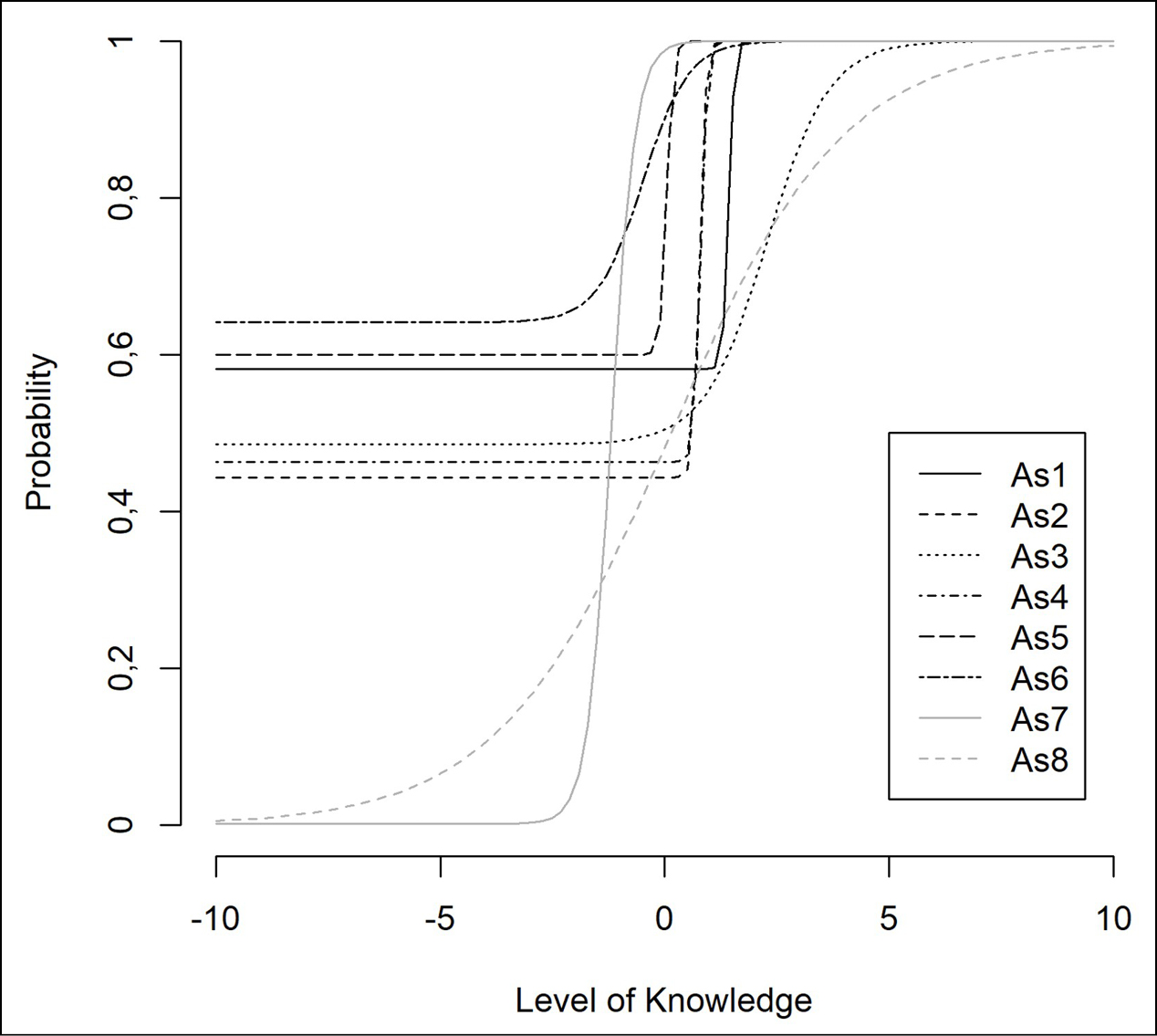 Captions: St 1 = Breast milk can be weak and not satisfy the baby; St 2 = It is necessary to offer both breasts at each feeding; St 3 = Foods such as canjica, couscous with milk, and sugarcane juice increase milk production; St 4 = Feeling nipple pain during breastfeeding is normal; St 5 = The way people talk to the baby influences language development; St 6 = Sucking the breast strengthens the muscles that will be used in speech; St 7 = Offering a bottle or pacifier to the newborn may harm breastfeeding; St 8 = Breastfeeding the baby while lying down can cause ear infections.