
 Economic impact of graft’s cold ischemia time on infection and post-liver transplant costs
ABSTRACT
Introduction: Liver transplantation is a complex and costly surgical procedure funded by the Brazilian public health system. This study analyzed the hospital costs of patients who underwent liver transplantation and their relationship with graft cold ischemia time, as well as evaluated the impact of infection rate, length of hospital stay, and hospital expenses on survival and total costs.
Methods: This is a retrospective economic evaluation study that analyzed 40 medical records of patients who underwent liver transplantation in 2018 at a public hospital in São Paulo. Micro- and macro-costing methodologies were applied to calculate direct and fixed postoperative costs.
Results: Each additional hour of cold ischemia time increased the risk of infection by 2.6 times (95% CI: 1.28-7.51; p=0.025). Patients with more than 8 hours of cold ischemia had longer hospital stays (average of 36 days) and higher costs (average of R$98,190.42) compared to those with less than 8 hours (20 days and R$49,519.05). Patients who developed an infection remained hospitalized 2.16 times longer and had higher average total costs (R$148,400.00) compared to those without infection (R$58,200.00). Higher expenditures on materials, medications, nursing care, and prolonged stays in the Intensive Care Unit (ICU) were associated with lower survival.
Conclusion: Cold ischemia time directly influenced the increase in costs and higher rates of posttransplant infection. Higher expenditures on materials, medications, nursing care, and prolonged ICU stays were associated with lower survival rates.
Keywords:
Transplantation; Liver Transplantation; Costs and Cost Analysis; Cold Ischemia; Postoperative Period
RESUMO
Objetivo: O transplante hepático é um procedimento cirúrgico complexo e oneroso, financiado pelo sistema público de saúde brasileiro. Este estudo analisou os custos hospitalares de pacientes submetidos a transplante hepático e sua relação com o tempo de isquemia fria do enxerto, além de avaliar o impacto da taxa de infecção, tempo de internação e despesas hospitalares sobre a sobrevivência e os custos totais.
Métodos: Estudo retrospectivo de avaliação econômica, que analisou 40 prontuários de pacientes submetidos a transplante hepático em 2018, em um hospital público de São Paulo. Foram aplicadas metodologias de micro e macrocusteio para calcular os custos diretos e fixos pós-operatórios.
Resultados: O aumento de uma hora no tempo de isquemia fria elevou o risco de infecção em 2,6 vezes (IC 95% 1,28-7,51; p=0,025). Pacientes com mais de 8 horas de isquemia fria tiveram internações mais longas (média de 36 dias) e custos mais altos (média de R$98.190,42) comparados aos com menos de 8 horas (20 dias e R$49.519,05). Pacientes que adquiriram infecção, permaneceram hospitalizados 2,16 vezes mais e apresentaram custos totais médios superiores (R$148.400,00) em comparação com aqueles sem infecção (R$58.200,00). Custos mais elevados com materiais, medicamentos, enfermagem e internação prolongada na Unidade de Terapia Intensiva (UTI) foram associados a menor sobrevivência.
Conclusão: O tempo de isquemia fria influenciou diretamente no aumento dos custos e na elevação das taxas de infecção pós-transplante. Custos mais elevados com materiais, medicamentos, enfermagem e internação prolongada na UTI foram associados a menores taxas de sobrevivência.
Palavras-chave:
Transplante; Transplante de Fígado; Custos e Análise de Custo; Isquemia Fria; Período Pós-Operatório
INTRODUCTION
Liver transplantation (LT) is a highly complex and expensive surgical intervention indicated for the treatment of terminal liver diseases. It consists of replacing the compromised liver with a functional organ from a deceased donor or, in some cases, from a living one1. The procedure was first performed in the United States in 1963, and in Brazil, in 19682. Since its incorporation into the Brazilian Public Unified Health System (SUS) in 1984, LT has been mostly financed with public resources, currently corresponding to about 95% of the transplants performed in the country, which positions Brazil as a global reference in public transplant policies3.
Although important advances have been achieved in the criteria for selecting donors and recipients, in surgical techniques, and in the development of more effective immunosuppressants4,5, LT still faces significant challenges. Organ scarcity in the face of growing demand, infectious complications, graft rejection, and high mortality in the immediate postoperative period remain important obstacles to better clinical outcomes6,7.
To regulate the disparity between the number of LT candidates and available donors, Brazil adopted the End-Stage Liver Disease Score (MELD) Model in 20068, with guidelines currently regulated by the Ministry of Health Ordinance GM/MS No. 2,600/20099. The MELD score is calculated based on the laboratory tests creatinine, total bilirubin, and INR, and its score is one of the prioritization criteria on the waiting list. In Brazil, the minimum amount of MELD accepted for registration on the waiting list is 11 points10. By prioritizing more severe patients, the system contributed to the reduction of mortality on the waiting list, although it increased the complexity of transplanted cases, which may be reflected in higher rates of complications and postoperative hospitalizations11,12.
Another variable related to higher rates of LT complications is the graft’s cold ischemia time (CIT), defined as the interval between clamping of the donor’s aorta with infusion of cold solution and the time when the graft is inserted into the recipient’s abdominal cavity6,13. CIT represents one of the main determinants of LT viability, since it is directly related to the higher incidence of graft dysfunction, due to the deleterious effects of prolonged preservation under hypothermia14.
Increased CIT has been consistently associated with worse clinical outcomes, including primary graft dysfunction, biliary complications, arterial thrombosis, and increased recipient mortality6,14. These clinical complications tend to prolong hospital stay and increase care costs15. However, while the association between prolonged CIT and increased morbidity is well documented6,10,13, there are still few studies that directly evaluate its economic impact in the post-transplant period.
Given this scenario, commitment to resource optimization by members of liver transplant programs is crucial16, since the high costs involved in these programs, which benefit a relatively limited portion of the population, have been widely debated, raising questions about their cost-benefit ratio17. In this context, sustainability becomes a critical aspect, being essential to ensure the efficient use of limited resources and to maximize the number of patients benefited. Strategies such as improving surgical outcomes, with a view to reducing complications and reducing hospitalization time, have been pointed out as relevant measures to achieve this goal18.
The aim of this study was to analyze hospital costs in the post-transplant period of patients undergoing LT and its relationship with the graft’s cold ischemia time, and to determine whether infection rate, length of hospital stay, and hospital expenses influenced survival rate and total costs.
METHODS
We conducted a retrospective economic evaluation study, which adopted the perspective of the public health system and used the methodology of micro and macro costing19, and quantitative and categorical variables20,21 to determine costs. Other interventions were not compared in this study. The research was carried out in a public hospital in the city of São Paulo, state of São Paulo, Brazil, managed by a Social Health Organization and which, at the time of data collection, performed liver and other solid organs transplants, funded by SUS. The research report was developed considering the statement of the Consolidated Guidelines for Health Economic Evaluation Reports22.
We analyzed 40 medical records of adult patients (aged 18 years or more) who underwent LT in 2018, corresponding to all procedures performed in that period. Of these patients, after LT, 29 were discharged and 11 died. Patients who were discharged were followed up until December 2021. The exclusion criteria adopted were incomplete medical records, combined transplants (liver-kidney), and cases of liver retransplantation. There was no need to exclude medical records, since all charts analyzed met the eligibility criteria.
We recorded the variables age, sex, LT indication, physiological MELD score, occurrence of infection, death, CIT interval in hours (ischemia time), days in the Intensive Care Unit (ICU), days in the ward, and professional evaluations (nurses, physicians, nutritionists). We chose to use the physiological MELD score instead of the adjusted MELD, since the former presents a more adequate correlation between the degree of systemic impairment resulting from liver disease and clinical outcomes.
In the economic analysis, we considered direct and fixed costs related to post-transplant care. These encompassed all items and services consumed by each patient during the post-transplant period until hospital discharge. The estimate of microcosting was based on individual data regarding the consumption of materials, medications, laboratory and imaging tests, priced based on the acquisition values, as informed by the hospital’s accounting sector.
To calculate the macro costs of hospitalization, we considered salaries and charges of the care team, medical gases, enteral nutrition, office and cleaning supplies, maintenance of buildings and equipment, electricity, water and sewage consumption, internet and telephone connection, building insurance, waste collection, and taxes. These costs were proportional to the ICU and ward and divided by the respective number of patient-days.
We reported the calculated values in Brazilian currency “Reais” (R$), corresponding to the average cost for the years 2018, 2019, 2020 and 2021 (for comparison purposes, the average exchange rate for US dollars between January and December 2018 was: US$ 1.0 = R$ 3.61)23. No discount rate was applied.
Data analysis comprised descriptive statistics, with absolute and relative frequencies for qualitative variables and measures of central tendency and dispersion for quantitative ones (mean, median, standard deviation, interquartile range). We analyzed data normality with the Shapiro-Wilk test. For the comparison between two independent groups, we used the Mann-Whitney test 24-26. In addition, we calculated Pearson’s correlation coefficient and created scatter plots to understand the relationship between two quantitative variables.
We used logistic regression to identify factors associated with nosocomial infection, and the results are presented as odds ratios with their respective 95% confidence intervals. The effect of the interaction between death and infection on the total cost per patient was evaluated using a generalized gamma linear model, as it aligns asymmetric distributions to the right27.
Kaplan-Meier curves were used to analyze the probability of survival in patients who were discharged. Costs and survival in months were categorized by the mean to stratify the curves. We calculated the hazard ratio with Cox regression models to compare the odds of incidence between groups, depending on survival. For all analyses, was set significance as p≤0.05. We used The R 4.1.1 software to perform the statistical analysis (R Core Team, 2021).
Outcomes used as measures of benefits and harms included clinical and economic outcomes. Although we did not calculate the cost-effectiveness ratio or sensitivity analysis due to the absence of comparisons between interventions, the study highlighted the costs associated with each outcome, such as discharge after infection or death, allowing a comparison of economic impacts.
For the analysis of clinical and economic outcomes, we stratified patients undergoing LT into four groups: Group A - patients who had infection during the post-transplant hospitalization period and were discharged; Group B - patients who were discharged from the hospital without infection during the post-transplant hospitalization period; Group C - patients who had infection and died in the post-transplant hospitalization period; and Group D - patients who died without a record of infection in the post-transplant period.
The literature shows that extended CIT is associated with an increased risk of early graft dysfunction and infection6,10,13. In this context, the categorization of patients based on the presence or absence of infection and clinical outcome allowed a more targeted analysis of the interaction between these variables and the economic impact.
The study was approved by the Ethics in Research Committee of the Euryclides de Jesus Zerbini Transplant Hospital, under registration CAAE 24432619.8.0000.0091, and by the Ethics in Research Committee of the Federal University of São Paulo (UNIFESP), under registration CAAE 24432619.8.3001.5505.
RESULTS
The study sample consisted of 40 patients, of whom 65% were male, with a mean age of 57.7 years. The mean physiological MELD score was 18.7 (standard deviation [SD] 10.5), and the mean CIT was 7.1 hours (SD 1.5).
The indications for LT were diverse, with a predominance of viral and neoplastic causes. The main indication was chronic hepatitis C associated with hepatocarcinoma, accounting for 17.5% of the cases. This was followed by isolated hepatitis C (12.5%), chronic hepatitis B with hepatocarcinoma (7.5%), and alcoholic cirrhosis associated or not with other conditions (7.5%). Other less frequent causes included combinations such as hepatitis C, alcoholic cirrhosis, and hepatocarcinoma (5.0%), acute hepatic failure of drug origin (5.0%), and late arterial thrombosis (5.0%). Isolated cases (2.5%) with varied etiologies were also present, such as compartment syndrome, nonalcoholic steatohepatitis, primary biliary cirrhosis, schistosomiasis, Caroli’s disease with recurrent cholangitis, hepatitis B with hepatocellular carcinoma, hemochromatosis, among other less prevalent combinations.
Regarding the distribution by groups, 7.5% of the patients were classified in Group A, 65.0% in Group B, 7.5% in Group C, and 20.0% in Group D. The analysis showed that CIT was significantly longer in the groups with infection (A and C), exceeding eight hours, compared with the groups without infection (B and D), in which it remained below this value (p = 0.025).
The physiological MELD scores varied between groups, but not with a significant difference (p = 0.057), although this value suggests a trend close to significance, as illustrated in Table 1.
Logistic regression analysis, adjusted for age and physiological MELD score, indicated that each additional CIT hour increased the chance of infection in the post-transplant period by 2.6 times (95% CI 1.28-7.51, p = 0.025). Patients who underwent liver transplantation with CIT longer than eight hours had an average of 36 days of hospital stay, with a mean cost of R$ 98,190.42 (equivalent to US$ 27,199.56). In contrast, those with CIT shorter than eight hours remained hospitalized for an average of 20 days, with a mean cost of R$ 49,519.05 (US$ 13,717.19), as shown in Table 1.
Table 1 also explores the components of the hospitalization period and the cost of each postoperative period, distributed as the total daily cost of hospitalization, total ICU cost, total ward cost, total cost of materials and medications, total cost of laboratory and imaging tests, and total cost. These costs were also presented for each outcome, occurrence of infection, and death/discharge. ICU stay was the component with the highest value, corresponding to 57.8% of postoperative costs on average, a proportion that reached 72.8% in cases of infection and death.
The analysis of the hospital discharge groups showed differences in the costs associated with the presence of infection. Group A (discharge with infection) had an average cost of R$ 121,800.00 (US$ 33,739.61), 109.29% higher than observed in Group B (discharge without infection), whose average cost was R$ 58,200.00 (US$ 16,218.84). In addition, patients in Group A remained hospitalized for approximately twice as long as in Group B and presented higher expenses in all the cost categories evaluated (Table 1).
We found that patients belonging to groups with infection (A and C) had longer hospitalization time and more expressive costs, especially in Group C (death with infection), which concentrated the highest costs. All patients who died, regardless of the presence of infection, remained exclusively in the ICU. The total mean cost in Group C was R$ 148,400.00 (US$ 41,108.03), 8.2 times higher than in Group D (R$ 17,900.00; US$ 4,958.45), as shown in Table 1.
Patients who developed infections in the post-transplant period remained hospitalized 2.16 times longer than patients without infection. The total cost of hospitalization in these cases was 2.87 times higher. Statistical analyses showed a significant association between the presence of infection and the increase in the cost components of daily hospitalization (p = 0.026), ICU admission (p = 0.002), materials and medications (p = 0.007), laboratory and imaging tests (p = 0.003), and total cost (p = 0.005) (Table 2).
Among Group D patients (death without record of infection during the post-transplant hospitalization period), we observed that the causes of death were predominantly related to severe organic dysfunctions and complications typical of liver transplantation. We highlight liver failure, liver graft failure, shock of non-infectious etiology, anoxic encephalopathy, acute kidney injury, portal vein thrombosis, organ reperfusion syndrome, and severe hemorrhagic manifestations. These causes reflect the severity of the patients’ clinical status in the postoperative period and the possible complications resulting from the underlying liver disease itself, the associated comorbidities, and the complexity of the procedure.
A total of 29/40 patients were discharged from the hospital after transplantation. Of these, 68.95% (20/29) were men, 10.34% (3/29) had infection, and 51.72% (15/29) were between 54 and 63 years old. Mean survival after LT was 36.49 ± 12.58 months. Ischemia lasted between 6 and 7.2 hours after grafting in 58.62% (17/29) of individuals. Most patients (68.97% - 20/29) were hospitalized between 14 and 23 days. Among the patients discharged from the hospital, the main diseases associated with prognosis were alcohol-associated cirrhosis (20.69% - 6/29), hepatitis B virus (13.79% - 4/29), and nonalcoholic liver cirrhosis (10.34% - 3/29).
As for the correlation between survival and costs, the analysis showed that the macro cost variable was not significantly correlated with the odds of survival (Figure 1). The variables of micro nursing cost (r= -0.374, p=0.046), ICU stay (r= -0.585, p= 0.001), and total costs (r= -0.445, p= 0.016) showed an increase in the survival rate significantly related to cost reduction (Figure 1).
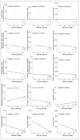
Scatter plots and correlation between costs and survival (months) in discharged patients (n=29) undergoing liver transplantation, São Paulo, Brazil, followed up until December 2021.
Considering the patients who underwent LT and were discharged from the hospital (n = 29), the average cost to the health system was estimated at R$ 64,784.19 (US$ 17,945.76). The analysis of macro costs revealed that ICU stay was the main source of expenditure (R$ 25,776.00 / US$ 7,140.17), while ward stay represented the lowest (R$ 10,533.04 / US$ 2,917.74). In terms of micro costs, the largest expense was attributed to the acquisition of materials and medicines, with an average of R$ 10,071.50 (US$ 2,809.20), as detailed in Table 3.
Curvas de sobrevivência de Kaplan-Meier foram produzidas para comparar como o custo do tratamento poderia impactar a taxa de sobrevivência no período (Figura 2). A hipótese era que pacientes com baixas taxas de sobrevivência custam mais devido a problemas pós-operatórios e gravidade dos sintomas. Para o custo da estadia na UTI e o custo total, houve uma associação significativa. Pacientes com custo de estadia na UTI superior à média tiveram 7,3 vezes mais chances de morrer (HR 7,3 IC 95% 1,7-3,1 e valor p=0,007). Pacientes com custos totais superiores à média tiveram 4,5 vezes mais chances de morrer (HR 4,5 IC 95% 1,1-1,9 e valor p=0,041).
The average total cost for patients who were discharged was R$ 30,233.02 (US$ 8,374.80). The highest costs were related to nursing, on average R$ 15,952.13 (US$ 4,418.87), and to ICU stay, on average R$ 8,153.52 (US$ 2,258.59) (Table 3).
We created Kaplan-Meier survival curves to compare how the cost of treatment could impact the survival rate in the period (Figure 2). The hypothesis was that patients with low survival rates cost more due to postoperative problems and symptom severity. There was a significant association for ICU stay the total costs. Patients with a higher-than-average ICU stay cost were 7.3 times more likely to die (HR 7.3, 95% CI 1.7-3.1, p=0.007). Patients with higher-than-average total costs were 4.5 times more likely to die (HR 4.5, 95% CI 1.1-1.9, p=0.041).

Kaplan-Meier survival curves for the macro and micro costs of patients discharged (n=29) after liver transplantation, according to the mean survival in months, São Paulo, Brazil, followed up until December 2021.
Considering the survival cutoff point of 36.5 months, we analyzed the influence of expenses on survival rate in patients undergoing LT (Table 3). None of the macro cost variables were significantly associated with survival. Regarding micro costs, more expenses with materials and medications were associated with a lower mean survival, i.e., individuals who survived ≥ 36.5 months had lower expenses (p=0.047). The analysis of the 29 discharged patients as to mean survival of 36.5 months showed an association between higher nursing expenses (p=0.018) and ICU stay (p<0.001) and lower survival rate (Table 3). In other words, individuals who survived less cost the hospital more.
DISCUSSION
The predominance of males observed in this study was similar to that found in a study conducted in Barcelona, which reported a frequency of 80% of men among liver transplant recipients28. The mean physiological MELD score observed in the sample was 18.7 points, characterizing a population of patients with higher clinical severity, for whom higher rates of postoperative complications and higher care costs are expected11. The mean age of the transplant patients was 57.7 years, a variable that did not present a statistically significant association with clinical outcomes. This result corroborates findings in literature that indicate that age alone should not be considered a limiting factor for the indication of liver transplantation. Previous studies argue that, even in patients over 70 years of age and with high MELD scores, the procedure may be feasible and clinically justified29.
When analyzing the relationship between CIT and length of hospital stay and costs (disregarding the occurrence of infection), patients undergoing liver transplantation with more than eight hours CIT remained hospitalized for an average of 36 days, with a mean cost of R$ 98,190.42 (US$ 27,199.56). When compared with those who received a graft in less than eight hours, the mean hospitalization was 20 days, and the mean cost was R$ 49,519.05 (US$ 13,717.19). A study conducted in the United States in 201830 also showed higher costs for transplant patients who received grafts with prolonged CIT, corroborating the findings of this study, in which patients who received organs with CIT longer than eight hours had 98.18% higher costs31.
In the analysis where the CIT increased, we observed an exacerbation of the risk of infection. Although MELD was not correlated with infection in this study, previous research has indicated that both MELD and infection are associated with an increased risk of infection and mortality32,33.
The median length of hospital stay was 36 days for patients with prolonged CIT, further increasing the risk of infection. This duration was longer than the average of 28.3 days reported in a study involving infected patients34. As expected, the costs for patients who remained hospitalized with postoperative complications were almost double. The inclusion of infection in the analysis revealed that infected patients stayed in hospital 2.16 times longer than those without infection, emphasizing the importance of infection prevention strategies during hospitalization31,35.
The higher incidence of infections was also associated with higher daily hospitalization costs, expenses for materials, and medications, as well as diagnostic tests, supporting the hypothesis that prolonged hospital stays raise treatment costs associated with hospitalization. The analysis of hospitalization costs showed that ICU stay was the most expensive component (57.8%) in general patients, increasing to 72.8% when infection and death are considered. These results are in line with the literature, which indicates that patients undergoing liver transplantation often present clinical worsening, requiring prolonged intensive care36.
The liver transplant, regardless of the complications, cost the hospital an average of R$ 64,784.19 (US$ 17,945.76), an amount lower than the reimbursement of the Brazilian public health system to the hospital (R$ 68,838.89 or US$ 19,068.94)34. Of this, the study showed that R$ 25,776.00 (US$ 7,140.17) correspond to ICU expenses.
This study showed that funding has been sufficient to perform a transplant in the absence of infection. However, patients who acquired infections had an increase in the average cost and hospitals would have to absorb this difference. The reimbursement of the Unified Health System (SUS) for 40 liver transplants would correspond to R$ 2,756,555.00 (US$ 763,588.64). According to this study, the total cost for the group of patients who did not develop infection was R$ 1,598,000.00 (US$ 442,659.28), and for patients with infection, R$ 810,600.00 (US$ 224,542.94). Therefore, there would be a surplus of R$ 347,955.00 (US$ 96,386.43) for the maintenance program. If there were no infections, the surplus would be R$ 876,555.00 (US$ 242,813.02); given the hypothesis of an infection rate of 55%, the deficit would be R$ 350,000.00 (US$ 96,952.91)37.
The study established the relationship between CIT and costs. We observed relationships between CIT and the occurrence of infection and between the occurrence of infection and increased costs, as well as survival rates. The sustainability of the liver transplant program is directly related to the control of variables that increase costs, such as the occurrence of infection, which is related to a longer CIT. Therefore, it seems logical that a decrease in CIT could lead to a decrease in the occurrence of infection and, consequently, lower costs. Thus, the implementation of strategies that reduce CIT, such as better coordination between graft harvesting and the surgical procedure - especially when the harvesting occurs over long distances without the availability of air transport - or even the use of organ perfusion machines38 can be important. In addition, as shown, prolonged CIT is a factor that increases the length of hospital stay and, therefore, costs. The causal relationship between CIT and higher occurrence of infection needs to be further studied.
These findings highlight the crucial role of cold ischemia time management in not only reducing hospital costs but also improving post-transplant health outcomes. Implementing targeted strategies to mitigate infection risks and to optimize resource allocation is essential to improve the efficiency and sustainability of liver transplant programs in Brazil, which face challenges such as organ scarcity and limited funding from the public health system. In addition, this study facilitates the development of customized strategies to reduce costs, optimize resource utilization, and improve the efficiency of postoperative care for liver transplant recipients. It offers vital insights to guide healthcare professionals and hospital administrators in making informed decisions, promoting the adoption of more effective and sustainable policies.
As a limitation of this study, the sample used may not fully represent the diversity of the population of liver transplant patients in different clinical and geographic contexts. Therefore, there is a pressing need for more comprehensive studies to validate the findings of this work and expand its applicability in clinical practice and hospital management.
CONCLUSION
This study presented a comprehensive analysis of the economic costs and clinical impacts associated with graft cold ischemia time (CIT) in patients undergoing liver transplantation. The results showed that increase in CIT was significantly associated with higher rates of postoperative infection, prolonged hospitalization, and increased hospital costs. Patients who developed infections during hospitalization had significantly longer length of stay and total costs almost three times higher than those observed in patients without infection. The main categories responsible for the increase in costs were expenses with materials, medications, nursing care, and prolonged time in the Intensive Care Unit, which also correlated with lower survival rates.
ACKNOWLEDGEMENTS
The authors would like to thank all participants and institutions that contributed indirectly to this study.
REFERENCES
-
1 Dias DFM, Diogo D, Madaleno J, Tralhão JG. Critérios de Seleção para Transplantação Hepática e Modalidades Terapêuticas como Ponte na Falência Hepática Aguda. Brazilian J Transplant. 2023;26(1):1-11. DOI: 10.53855/bjt.v26i1.457_port.
» https://doi.org/10.53855/bjt.v26i1.457_port - 2 Starzl TE, Marchioro TL, Vonkaulla KN, Herbann G, Brittain RS, Waddell WR. Homotransplantation of the liver in humans. Surg Gynecol Obstet. 1963;117:659-76.
-
3 Nascimento SM de L, Fabris MEM, Barros JM, Ribeiro LM, Frizanco AB, Santiago ALP, et al. Transplante de Fígado no Brasil entre 2010 e 2021: Sobrevida de 30 Dias. Brazilian J Transplant. 2023;26(1):1-8. DOI: 10.53855/bjt.v26i1.541_port.
» https://doi.org/10.53855/bjt.v26i1.541_port -
4 Di Maira T, Little EC, Berenguer M. Immunosuppression in liver transplant. Best Pract Res Clin Gastroenterol. 2020;46-47:101681. DOI: 10.53855/bjt.v26i1.541_port.
» https://doi.org/10.53855/bjt.v26i1.541_port. -
5 Montano-Loza AJ, Rodríguez-Perálvarez ML, Pageaux GP, Sanchez-Fueyo A, Feng S. Liver transplantation immunology: Immunosuppression, rejection, and immunomodulation. J Hepatol. 2023;78(6):1199-215. DOI: 10.1016/j.jhep.2023.01.030.
» https://doi.org/10.1016/j.jhep.2023.01.030 -
6 Cesaretti M, Izzo A, Pellegrino RA, Galli A, Mavrothalassitis O. Cold ischemia time in liver transplantation: An overview. World J Hepatol. 2024;16(6):883-90. DOI: 10.4254/wjh.v16.i6.883.
» https://doi.org/10.4254/wjh.v16.i6.883 -
7 Wang S, Lin X, Tang Y, Liang Y, Zhang M, Xie Z, et al. Ischemia-free liver transplantation improves the prognosis of recipients using functionally marginal liver grafts. Clin Mol Hepatol. 2024;30(3):421-35. DOI: 10.3350/cmh.2024.0139.
» https://doi.org/10.3350/cmh.2024.0139 -
8 Chaib E, Pessoa JLE, Struchiner CJ, D'albuquerque LAC, Massad E. the Optimum Level of Meld To Minimize the Mortality on Liver Transplantation Waiting List, and Liver Transplanted Patient in São Paulo State, Brazil. Arq Bras Cir Dig. 2023;36(2):1-5. DOI: 10.1590/0102-672020230028e1746.
» https://doi.org/10.1590/0102-672020230028e1746 -
9 BRASIL. PORTARIA No 2.600, DE 21 DE OUTUBRO DE 2009 [Internet]. 2009. Available from: https://bvsms.saude.gov.br/bvs/saudelegis/gm/2009/prt2600_21_10_2009.html
» https://bvsms.saude.gov.br/bvs/saudelegis/gm/2009/prt2600_21_10_2009.html -
10 Karvat JGV, Monteiro G do R, Marchiori JGO, Miglioli MC, Ribeiro NB, Tafarel JR. Fatores Associados ao Tempo de Espera no Transplante Hepático. Brazilian J Transplant. 2024;27(1):1-6.DOI: 10.53855/bjt.v27i1.604_port.
» https://doi.org/10.53855/bjt.v27i1.604_port -
11 Macomber CW, Shaw JJ, Santry H, Saidi RF, Jabbour N, Tseng JF, et al. Centre volume and resource consumption in liver transplantation. HPB Off J Int Hepato Pancreato Biliary Assoc. 2012;14(8):554-9. DOI: 10.1111/j.1477-2574.2012.00503.x.
» https://doi.org/10.1111/j.1477-2574.2012.00503.x -
12 Mendes KD, Lopes NL, Fabbris MA, Castro-e-Silva Júnior O, Galvão CM. Sociodemographic and clinical characteristics of candidates for liver transplantation. Acta Paul Enferm. 2016;29(2):128-35. DOI: 10.1590/1982-0194201600019.
» https://doi.org/10.1590/1982-0194201600019 -
13 Coutinho A, Freitas T De, De D, Nascimento De Matos M, Amilton J, Milsted T, et al. Effects of cold ischemia time on hepatic allograft function. Arq Bras Cir Dig. 2017;30(4):239-43. DOI: /10.1590/0102-6720201700040003.
» https://doi.org/10.1590/0102-6720201700040003 -
14 Figiel W, Smoter P, Krasnodebski M, Rykowski P, Morawski M, Grat M, et al. Predictors of Long-Term Outcomes After Liver Transplantation Depending on the Length of Cold Ischemia Time. Transplant Proc. 2022;54(4):1025-8. DOI: 10.1016/j.transproceed.2022.03.009.
» https://doi.org/10.1016/j.transproceed.2022.03.009 -
15 Silveira F. Avanços no Transplante de Fígado no Brasil: Desafios e Oportunidades sob a Portaria GM/MS No 1.262. Brazilian J Transplant. 2025;28(1):1-4. Available from: https://doi.org/10.53855/bjt.v28i1.637_PORT
» https://doi.org/10.53855/bjt.v28i1.637_PORT -
16 Tacke F, Kroy DC, Barreiros AP, Neumann UP. Liver transplantation in Germany. Liver Transplant Off Publ Am Assoc Study Liver Dis Int Liver Transplant Soc. 2016;22(8):1136-42. DOI: 10.1002/lt.24461.
» https://doi.org/10.1002/lt.24461 -
17 Turchetti G. Liver transplantation and economics. Transplant Proc. 2003;35(3):1035-7. DOI: 10.1016/s0041-1345(03)00259-8.
» https://doi.org/10.1016/s0041-1345(03)00259-8 -
18 Hill AL, Khan M, Kiani AZ, Lindemann JD, Vachharajani N, Doyle MB, et al. Global liver transplantation: emerging trends and ethical challenges. Langenbeck's Arch Surg. 2023;408(1):418. DOI: 10.1007/s00423-023-03144-4.
» https://doi.org/10.1007/s00423-023-03144-4 -
19 BRASIL. Ministério da Saúde. Diretriz Metodológica: Estudos De Microcusteio Aplicados a Avaliações Econômicas Em Saúde [Internet]. Secretaria de Ciência, Tecnologia, Inovação e Insumos Estratégicos em Saúde: Departamento de Gestão e Incorporação de Tecnologias e Inovação em Saúde. 2021. 1-77 p. Available from: http://conitec.gov.br/%0Ahttps://rebrats.saude.gov.br/images/Documentos/2022/20220419_diretrizes_microcusteio_15062021.pdf
» http://conitec.gov.br/%0Ahttps://rebrats.saude.gov.br/images/Documentos/2022/20220419_diretrizes_microcusteio_15062021.pdf - 20 Fletcher R, Fletcher S, Fletcher G. Epidemiologia clínica. 5th ed. Artmed, editor. Porto Alegre; 2014. 296 p.
-
21 Hochman B, Nahas FX, Oliveira Filho RS, Ferreira LM. Research designs. Acta Cir Bras. 2005;20(Supl. 2):2-9. DOI: 10.1590/S0102-86502005000800002.
» https://doi.org/10.1590/S0102-86502005000800002. -
22 Husereau D, Drummond M, Augustovski F, et al. Consolidated Health Economic Evaluation Reporting Standards 2022 (CHEERS 2022) Explanation and Elaboration: A report of the ISPOR CHEERS II Good Practices Task Force. Value Heal. 2022;25(1):10-31. DOI: 10.1016/j.jval.2021.10.008.
» https://doi.org/10.1016/j.jval.2021.10.008 -
23 Fazenda BM da. Receita Federal [Internet]. Available from: https://receita.economia.gov.br/acesso-rapido/tributos/tabelas-de-conversao-para-reais-do-dolar-pessoa-fisica-IRPF-2018
» https://receita.economia.gov.br/acesso-rapido/tributos/tabelas-de-conversao-para-reais-do-dolar-pessoa-fisica-IRPF-2018 - 24 Agresti A. Categorical Data Analysis. 2nd ed. Wiley-Intersciense, editor. United States; 2002.
- 25 R Core Team. R: A language and environment for statistical computing. R Foundation for Statistical Computing, Vienna, Austria [Internet]. 2020. Available from: http://www.r-project.org/
- 26 Bussab W, Morettin P. Estatística básica. 7th ed. Saraiva, editor. São Paulo; 2012.
- 27 McCullagh P, Nelder J. Generalized Linear Models. Chapman and Hall, editor. London; 1989.
-
28 Garrido MCC, Munoz RG, Castro IP, Moncusi MS. Incidence of cross infection in liver transplant patients. Risk factors and role of nursinge. Enferm Clin. 2018; 28:2026. DOI: 10.1016/j.enfcli.2017.07.006.
» https://doi.org/10.1016/j.enfcli.2017.07.006 -
29 Sharpton SR, Feng S, Hameed B, Yao F, Lai JC. Combined effects of recipient age and model for end-stage liver disease score on liver transplantation outcomes. Transplantation. 2014;98(5):557-62. DOI: 10.1097/TP.0000000000000090.
» https://doi.org/10.1097/TP.0000000000000090 -
30 Vesco NL, Fragoso LV, Beserra FM, Aguiar MI, Alves NP, Bonates LA. Healthcare-related infections and factors associated to the postoperative period of liver transplantation. Texto Contexto Enferm. 2018;27(3): e2150017. DOI: 10.1590/0104-070720180002150017.
» https://doi.org/10.1590/0104-070720180002150017 -
31 Dhar VK, Wima K, Kim Y, Hoehn RS, Jung AD, Ertel AE, et al. Cost of achieving equivalent outcomes in sicker patients after liver transplant. HPB Off J Int Hepato Pancreato Biliary Assoc. 2018;20(3):268-76. DOI: 10.1016/j.hpb.2017.08.037.
» https://doi.org/10.1016/j.hpb.2017.08.037 -
32 Dutkowski P, Linecker M, DeOliveira ML, Müllhaupt B, Clavien PA. Challenges to liver transplantation and strategies to improve outcomes. Gastroenterology. 2015;148(2):307-23. DOI: 10.1053/j.gastro.2014.08.045.
» https://doi.org/10.1053/j.gastro.2014.08.045 -
33 Gong N, Jia C, Huang H, Liu J, Huang X, Wan Q. Predictors of Mortality During Initial Liver Transplant Hospitalization and Investigation of Causes of Death. Ann Transplant. 2020;25:e926020. DOI: 10.12659/AOT.926020.
» https://doi.org/10.12659/AOT.926020 -
34 Antunes M, Teixeira A, Fortuna P, Moya B, Martins A, Bagulho L, et al. Infections After Liver Transplantation: A Retrospective, Single-center Study. Transplant Proc. 2015;47(4):1019-24. DOI: 10.1016/j.transproceed.2015.03.009.
» https://doi.org/10.1016/j.transproceed.2015.03.009 -
35 Turri JAO, decimoni TC, ferreira LA, diniz MA, haddad LB de P, campolina AG. Higher MELD score increases the overall cost on the waiting list for liver transplantation: a micro-costing analysis based study. Arq Gastroenterol. 2017;54(3):238-45. DOI: 10.1590/S0004-2803.201700000-35.
» https://doi.org/10.1590/S0004-2803.201700000-35 -
36 de Souza AB, Rodriguez S, da motta FL, Brandão AB d. M, Marroni CA. The cost of adult liver transplantation in a referral center in Southern Brazil. Arq Gastroenterol. 2019;56(2):165-71. DOI: 10.1590/S0004-2803.201900000-33.
» https://doi.org/10.1590/S0004-2803.201900000-33 -
37 Ammori JB, Pelletier SJ, Lynch R, Cohn J, Ads Y, Campbell DA, et al. Incremental costs of post-liver transplantation complications. J Am Coll Surg. 2008;206(1):89-95. DOI: 10.1590/S0004-2803.201900000-33.
» https://doi.org/10.1590/S0004-2803.201900000-33 -
38 Boteon YL, Boteon APCDAS. Prospects for the ex situ liver machine perfusion in Brazil. Rev Col Bras Cir. 2020;47:e20202610. DOI: 10.1590/0100-6991e-20202610.
» https://doi.org/10.1590/0100-6991e-20202610


