 Efficacy of anti-Toxoplasma medications on symptom severity and cognition in patients with schizophrenia or schizoaffective disorder: systematic review and meta-analysis
Abstract
Objective: This systematic review and meta-analysis assessed the efficacy of anti-Toxoplasma medications on schizophrenia spectrum disorders. Given the emerging evidence linking Toxoplasma gondii infection to schizophrenia, understanding these results may provide targeted treatments for patients with schizophrenia who are infected with T. gondii.
Methods: A comprehensive search of PubMed, Scopus, and Lilacs databases following Preferred Reporting Items for Systematic Reviews and Meta-Analyses guidelines identified studies on anti-Toxoplasma antibiotics in schizophrenia or schizoaffective disorder. The inclusion criteria were primary observational studies and randomized controlled trials, and the risk of bias was assessed using appropriate tools. Meta-analyses of the standardized mean differences were conducted to compare Positive and Negative Syndrome Scale scores from baseline to post-treatment. Statistical analyses were performed in R 4.3.1. Funnel plots and Egger’s tests were applied to assess publication bias.
Results: Of 5,491 screened studies, 19 met the inclusion criteria: 13 randomized controlled trials, four secondary analyses, one cross-sectional study, and one cohort study. A meta-analysis of the randomized controlled trials revealed that antibiotics had a small effect on symptom improvement (-3.12, 95%CI -5.82 to -0.41). Minocycline yielded mixed outcomes, showing improvements in negative symptoms and cognitive function in some studies but no effect on others. Other antibiotics, like azithromycin and artemisinin, showed limited benefits regarding T. gondii immunoglobulin G-positive patients, although artemether did not. No publication bias was detected.
Conclusion: Anti-Toxoplasma antibiotics may offer potential benefits as adjunctive therapy for schizophrenia. However, the studies’ heterogeneity and methodological limitations make it difficult to draw conclusions. Large-scale randomized controlled trials are needed to further clarify the role of anti-Toxoplasma antibiotics in schizophrenia treatment.
Systematic review registration: PROSPERO, CRD42024522694
Keywords:
Psychotic disorders; Toxoplasma gondii; therapeutics; systematic review
Introduction
Schizophrenia, a chronic mental illness that affects approximately 0.75% of the global population, is characterized by a range of symptoms that affect cognition, emotion, and behavior, leading to significant impairment in daily functioning.1,2 The DSM-5 requires at least two symptoms, including one positive symptom, such as hallucinations, delusions, disorganized speech, or abnormal motor behavior, for diagnosis.3 Negative symptoms, such as diminished emotional expression and motivation, are also crucial in the clinical presentation.4-6
The etiology of schizophrenia is multifactorial, involving both genetic and environmental factors.7 Genetic studies have identified various loci associated with the disorder, reflecting its complex nature.8 Dopamine dysfunction plays a central role in psychosis,9 but environmental factors like prenatal infections, particularly toxoplasmosis, also contribute significantly to schizophrenia risk.10
In recent decades, the link between Toxoplasma gondii infection and schizophrenia has been extensively researched. Studies suggest that T. gondii is a potential environmental risk factor for schizophrenia and schizoaffective disorder.11-15 Epidemiological data show a significant association between maternal exposure to T. gondii and an increased risk of schizophrenia in offspring, including earlier symptom onset,16-19 which shows the importance of infection timing during fetal development.
Cross-sectional and cohort studies show a higher prevalence of T. gondii antibodies in individuals with schizophrenia than the general population,15 which suggests that chronic T. gondii infection, especially in those genetically predisposed to altered immune responses, may exacerbate schizophrenia symptoms.20-22 Experimental studies in murine models have provided insights into its pathophysiological mechanisms. T. gondii infection affects dopamine neurotransmission via the kynurenine pathway, potentially influencing schizophrenia symptomatology.23 Elevated kynurenic acid levels inhibit α7 nicotinic receptors, reducing dopamine release and linking immune activation, glutamate modulation, and dopaminergic dysregulation.24 Additionally, T. gondii contains genes that encode tyrosine hydroxylase, an enzyme important for dopamine biosynthesis.14
Toxoplasmosis treatment has been explored, with studies suggesting that some first-generation antipsychotic medications with anti-Toxoplasma properties may alleviate psychotic symptoms and cognitive impairment in seropositive patients.25
Although no universally effective treatment for T. gondii infection exists, several medications are commonly used,26,27 Pyrimethamine-sulfadiazine remains the most commonly used regimen for the active stage, but it does not address the latent stage.26 Other treatments, including spiramycin, azithromycin, atovaquone, traditional Chinese medicine, trimethoprim-sulfamethoxazole, and combinations of pyrimethamine with clindamycin, atovaquone, clarithromycin, or azithromycin, have also been tested.27,28 Despite promising results, no regimen has proven superior to pyrimethamine-sulfadiazine, and none target the latent stage of the infection. These findings highlight the need for innovative treatment strategies.26,27,29
Medications used to treat toxoplasmosis primarily inhibit T. gondii replication in the brain.30 Recent studies suggest that these medications may also affect brain neurotransmitters, particularly dopamine, which plays a key role in schizophrenia pathophysiology.31 By reducing the parasitic load and modulating dopaminergic activity, these antibiotics may provide additional antipsychotic effects, potentially alleviating psychiatric symptoms in schizophrenia associated with T. gondii infection.32
In addition to their antiparasitic activity, some antibiotics used or investigated in the context of T. gondii infections exhibit anti-inflammatory properties.33,34 This may be particularly relevant given the emerging role of neuroinflammation in schizophrenia.35 These agents can modulate microglial activation and pro-inflammatory cytokine production,34 suggesting a biological pathway that may influence symptom severity, especially in negative and cognitive domains.36
This systematic review aimed to evaluate the efficacy of anti-T. gondii medications on clinical outcomes, including positive and negative symptom severity, and cognitive functioning in schizophrenia patients. A thorough literature search and analysis of the included studies were conducted to assess treatment efficacy and explore potential biological mechanisms.
Methods
Study design
This systematic review and meta-analysis adhere to Preferred Reporting Items for Systematic Reviews and Meta-Analyses (PRISMA) guidelines. The protocol was registered in the International Prospective Register of Systematic Reviews (PROSPERO, CRD42024522694; March 9, 2024). As this study relied exclusively on publicly available data, aggregate data, institutional review board approval was not required.
Search strategy
A systematic search was conducted in PubMed, Scopus, and LILACS – databases selected for their broad coverage of biomedical literature on schizophrenia and T. gondii infection. Customized search strategies incorporating MeSH, Entry, and DECs terms were applied (Supplementary Material S1). The searches were performed on March 21, 2024, and the process was documented according to PRISMA standards (Figure 1).
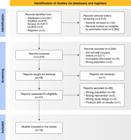
PRISMA flow diagram detailing the identification, screening, eligibility assessment, and inclusion of studies in the systematic review and meta-analysis, including records identified from PubMed, Scopus, LILACS, and study registers.
Eligibility criteria
We included primary observational studies and clinical trials that enrolled at least 10 individuals diagnosed with schizophrenia or schizoaffective disorder. Eligible study designs included case series, case-control studies, cohort studies, cross-sectional studies, and clinical trials. Publications in English or Spanish were considered. We excluded case series with fewer than 10 patients, non-human studies, case reports, economic analyses, and all types of reviews (systematic, scoping, and narrative), since they did not meet the scope of this review.
Participant criteria
The included studies enrolled patients of any age, sex, or ethnicity diagnosed with schizophrenia or schizoaffective disorder according to DSM-IV or DSM-5 criteria (depending on study year). Participants must have received medications reported in the literature to exhibit anti-Toxoplasma activity – either antiparasitic agents or psychiatric drugs with demonstrated anti-Toxoplasma effects.25 Studies that did not confirm diagnosis through structured or semi-structured interviews were excluded.
Study selection
All search results were uploaded into Rayyan (https://new.rayyan.ai/), an online platform that facilitates screening for systematic reviews. Two pairs of reviewers (AFS, SGP, DM, and BB) independently screened the studies and categorized as “included,” “excluded,” or “requiring further revision.” Discrepancies were resolved through discussion, and when necessary, a third reviewer (JFC) adjudicated according to the predefined eligibility criteria.
Data extraction
Data extraction was performed by two reviewers (SGP and AFS) using a standardized, pre-validated form in Microsoft Excel. The extracted variables included author, title, digital object identifier, publication year, study design, sample size, patient demographics, number of participants receiving anti-Toxoplasma medications, and outcomes related to symptom severity, which were assessed using validated scales such as Positive and Negative Syndrome Scale (PANSS),37 the Scale for the Assessment of Negative Symptoms,38 and the Scale for the Assessment of Positive Symptoms,39 in addition to cognition, which was assessed using cognitive batteries. A third reviewer (JFC) independently verified the extracted data for accuracy and consistency.
Risk of bias assessment
Risk of bias was independently evaluated by two reviewers, using validated tools tailored to each study design.
Cohort studies
Cohort studies were assessed using the Clinical Advances Through Research and Information Translation tool from McMaster University (https://www.clarityresearch.ca/), which evaluates eight domains, including cohort selection, exposure assessment, and outcome measurement. Responses were translated into risk levels: “Definitely yes” = low risk of bias; “Probably yes” or “Probably no” = some concern; “Definitely no” = high risk of bias. Studies with a “high risk” score in any domain were classified as having a high overall risk of bias.
Cross-sectional studies
Cross-sectional studies were assessed using Hoy et al.’s modified tool,40 which includes 10 items spanning four bias domains. Scores 0-1 indicated high external validity, 2 indicated some concern, and 3+ indicated low validity. Internal validity was rated similarly. Studies with a “high risk” score in any domain were classified as having a high overall risk of bias.
Case series
Case series were assessed using criteria proposed by Murad et al.41 A “yes” response indicated low risk of bias, “no” indicated high risk, and “not applicable” indicated some concern.
Randomized controlled trials
Randomized controlled trials (RCTs) were assessed using the RoB-2 tool,42 which covers five specific bias domains: randomization, deviation from intended intervention, missing data, outcome measurement, and selection of the reported results.
Non-randomized interventional studies
Non-randomized intervention studies were assessed using the ROBINS-I tool,43 which covers seven domains: confounding, selection of participants, classification of intervention, deviation from interventions, missing outcome data, measurement of outcomes, and selection of the reported results. All risk assessments were visualized using the Robvis tool (https://www.riskofbias.info/welcome/robvis-visualization-tool).
Data synthesis and statistical analysis
All statistical analyses were conducted in R 4.3.1 (https://www.R-project.org/). Meta-analyses of standardized mean differences with 95%CIs were performed to assess changes in PANSS scores from baseline to post-treatment. Standardized mean differences were computed using Hedges’ g, which applies a small-sample correction to Cohen’s d via the escalc() function in the metafor package.44 Heterogeneity was assessed using the I2 statistic. Given anticipated clinical and methodological variability across studies (I2 > 50%), a random-effects model was employed. To avoid duplicating patient populations, only one treatment arm was included when multiple arms were reported in a study. For example, in Zhang et al., who reported two treatment arms with different doses, we selected the one corresponding to the most commonly used dose among the included studies.45 In one study that included two distinct populations, the data were plotted separately.46
Studies were stratified into two analytic groups: 1) all eligible studies and 2) a subset of studies evaluating minocycline. Although not a first-line agent for toxoplasmosis, minocycline has shown antiparasitic activity and potential effects in multiple comparisons. Publication bias was assessed through visual inspection of funnel plots and Egger’s regression test.
Follow-up time was included as a moderator in the meta-analysis to determine whether treatment effects varied according to follow-up duration.
The complete and reproducible R code used for data processing, effect size calculation, meta-analyses, moderator analyses, and graphical outputs is provided in Supplementary Material S2.
Ethics statement
This study complied with ethical standards for research involving human subjects as defined by the Declaration of Helsinki, the Belmont Report, and Colombian Resolution 008430 of 1993. Classified as risk-free under the aforementioned resolution, the study did not involve direct patient contact or access to non-anonymized personal data and was based exclusively on previously published studies. Therefore, ethics committee approval was not required.
Results
Initially, 5,491 potentially relevant studies were identified. After removing 153 duplicates, 5,338 articles remained for screening. Using automated tools in Rayyan, 2,062 articles were excluded based on type (e.g., reviews or letters) and population (e.g., animal studies). Subsequently, 3,276 articles were manually reviewed by two independent investigators. Of these, 3,228 were excluded: 3,210 for not meeting the inclusion criteria, 15 due to incomplete information, two for not meeting the population criteria, and one for irrelevance. A total of 48 full-text reports were sought for retrieval, but one was deemed unobtainable despite several attempts to contact the authors. Consequently, 47 articles were assessed in full, of which 28 were excluded for not meeting the inclusion criteria. Ultimately, 19 studies were included in the final synthesis (Figure 1).
Study characteristics
All 19 studies were included in the qualitative analysis: 13 RCTs, four secondary analyses of these RCTs, one cross-sectional study from France, and one cohort study from Denmark (Table 1 and Supplementary Table S1). Most of the included studies did not evaluate first-line treatments for toxoplasmosis but rather agents with known or suspected anti-parasitic activity.
Characteristics of studies included in the systematic review evaluating anti-Toxoplasma and antibiotic treatments as adjunctive therapy in schizophrenia spectrum disorders
Randomized controlled trials
The RCTs were conducted in a diverse range of countries, including Brazil, Pakistan, China, the United States, Egypt, Ethiopia, Iran, Israel, Romania, and Moldova. The studies were selected based on title, abstract, target population, and the presence of a baseline treatment with an adjunctive intervention. The investigated interventions included artemether, artemisinin, azithromycin, and trimethoprim, and all studies involved limitations such as small sample sizes, short study durations, or limited reporting of clinical benefits. Minocycline, a notable intervention due to its positive outcomes in schizophrenia, was included in the quantitative synthesis. Key information on sample size, follow-up duration, and outcomes is summarized in Table 1.
Observational studies
Two observational studies were included: one cross-sectional study from France and one cohort study from Denmark. These studies offered supplementary insight into the potential anti-Toxoplasma effects of antipsychotic medications. However, both involved limitations, including recruitment bias and missing adherence data.
Risk of bias
The cross-sectional study (Fond et al.) was assessed as having an unclear risk of bias due to its non-representative sample and lack of random selection.63 The cohort study (de Witte et al.) was rated as having a high risk of bias due to uncertainties regarding baseline outcome status and other methodological concerns.62
Among the RCTs, the overall risk of bias was rated as low to unclear. Most uncertainties were related to the randomization process, selective outcome reporting, and the outcome measurement in several studies (Supplementary Figures S1 to S3).
Qualitative synthesis
Randomized controlled trials
The included RCTs involved a diverse group of patients, primarily diagnosed with schizophrenia or schizoaffective disorder, usually up to 5 years after diagnosis. The age range spanned from 15 to 65 years, with most participants in their mid-20s to mid-40s. Sex distribution varied, with some studies reporting a higher proportion of male participants.33,50-53,55 The sample sizes ranged from 28 to over 200 patients.49,50 All RCTs were double-blind and placebo-controlled, employing various randomization methods, such as computer-generated lists,46,52 permuted blocks,50,51 and dynamic treatment allocation.56
Interventions varied across studies: Chaudhry et al. found that adding minocycline to treatment as usual significantly improved negative symptoms in patients from Brazil and Pakistan (adjusted difference 3.53, 95%CI 1.55 to 5.51; p < 0.001).46 In Egypt, Ibrahim et al. found no significant cognitive benefits from adjunctive valproic acid (measured using the Arabic version of the Penn Computerized Neurocognitive Battery) alongside risperidone.56 In England, Deakin et al. observed no significant effects of minocycline on negative symptoms in patients experiencing first-episode psychosis.50 In the United States, Dickerson et al. found no significant changes in positive, negative, or global symptoms (PANSS scores) with azithromycin or artemisinin,48,49 while Kelly et al. found improvements in working memory with minocycline, though positive symptoms remained unchanged.51 In China, Liu et al. reported improvements in negative symptoms with minocycline, but not in cognitive domains.53 Zhang et al. observed that high-dose minocycline reduced negative symptoms and pro-inflammatory cytokines.45 Wang et al. reported greater reductions in negative symptoms with artemether plus risperidone (repeated measure analysis of variance, F = 4.7, degrees of freedom [df] =1.46, p = 0.03) but no difference in positive or global PANSS scores.47 In Iran and Israel, respectively, Khodaie-Ardalani et al. and Levkovitz et al. reported that minocycline reduced negative symptoms and improved executive function.33,52 In Ethiopia, Shibre et al. found no significant benefits with trimethoprim.55 In Moldova, Weiser et al. observed no significant improvements with minocycline.54 Common limitations in these studies included small sample sizes, short follow-up durations, and variable treatment adherence.
Secondary analysis
Four studies performed secondary analyses of RCT data, examining the effects of adjunctive minocycline in patients with schizophrenia or schizoaffective disorder. These analyses explored outcomes such as symptoms, brain morphology, cerebral perfusion, cognitive functioning, and inflammatory markers.
In England, Krynicki et al. reanalyzed data from an RCT of 205 participants (predominantly male) with early-stage schizophrenia or schizoaffective disorder. They found that minocycline had no significant effects on inflammatory markers (interleukin-6, tumor necrosis factor-alpha) or PANSS-measured symptoms, suggesting that minocycline has limited utility in early schizophrenia.58
In Brazil, Chaves et al. performed a secondary analysis of 30 patients with early schizophrenia, finding significantly greater gray matter volumes in the mid-posterior cingulate cortex and precentral gyrus among patients treated with minocycline compared to placebo, suggesting a potential neuroprotective effect.57 However, the optimal dose for neuroprotection remains unclear.
In a Chinese randomized placebo-controlled trial with 55 patients, Liu et al. reported that minocycline (200 mg/day for 16 weeks) combined with risperidone significantly reduced both PANSS and Scale for the Assessment of Negative Symptoms scores, indicating improved negative symptoms. They also reported a reduction in nitric oxide metabolites. No significant changes were observed in other biomarkers.59
Also in China, Zhang et al. explored cognitive function in a 3-month trial with 57 patients, comparing high-dose (200 mg/day) vs. low-dose (100 mg/day) minocycline. The high-dose group showed greater cognitive improvement and reductions in interleukin-6 and interleukin-1β levels, indicating a potential dose-response relationship.60
Observational studies
In France, Fond et al. conducted a cross-sectional study of 114 stable patients with schizophrenia or schizoaffective disorder (mean age: 35.69 years, 28.1% female). The study compared patients who received antipsychotics with anti-Toxoplasma activity vs. those who received antipsychotics without such effects. No significant differences were observed in mood symptoms, suicidal behavior, psychotic symptoms, or illness severity. Study limitations included recruitment bias, the exclusion of non-relapsing patients, and missing pre-treatment immunoglobulin G titers.63
In Denmark, De Witte et al. conducted a cohort study using national register data to examine the effect of doxycycline on functional outcomes. The study included 11,157 outpatients (mean age: 22.4 years; 44.32% female). The primary outcome – disability pension incidence – was lower in patients exposed to doxycycline than in those who did not receive tetracyclines (incidence rate ratio: 0.68, 95%CI 0.56 to 0.83) or those who received non-brain penetrant tetracyclines (incidence rate ratio: 0.69, 95%CI 0.55 to 0.87).62 However, the study lacked adherence data and detailed information on treatment indications.
Meta-analysis
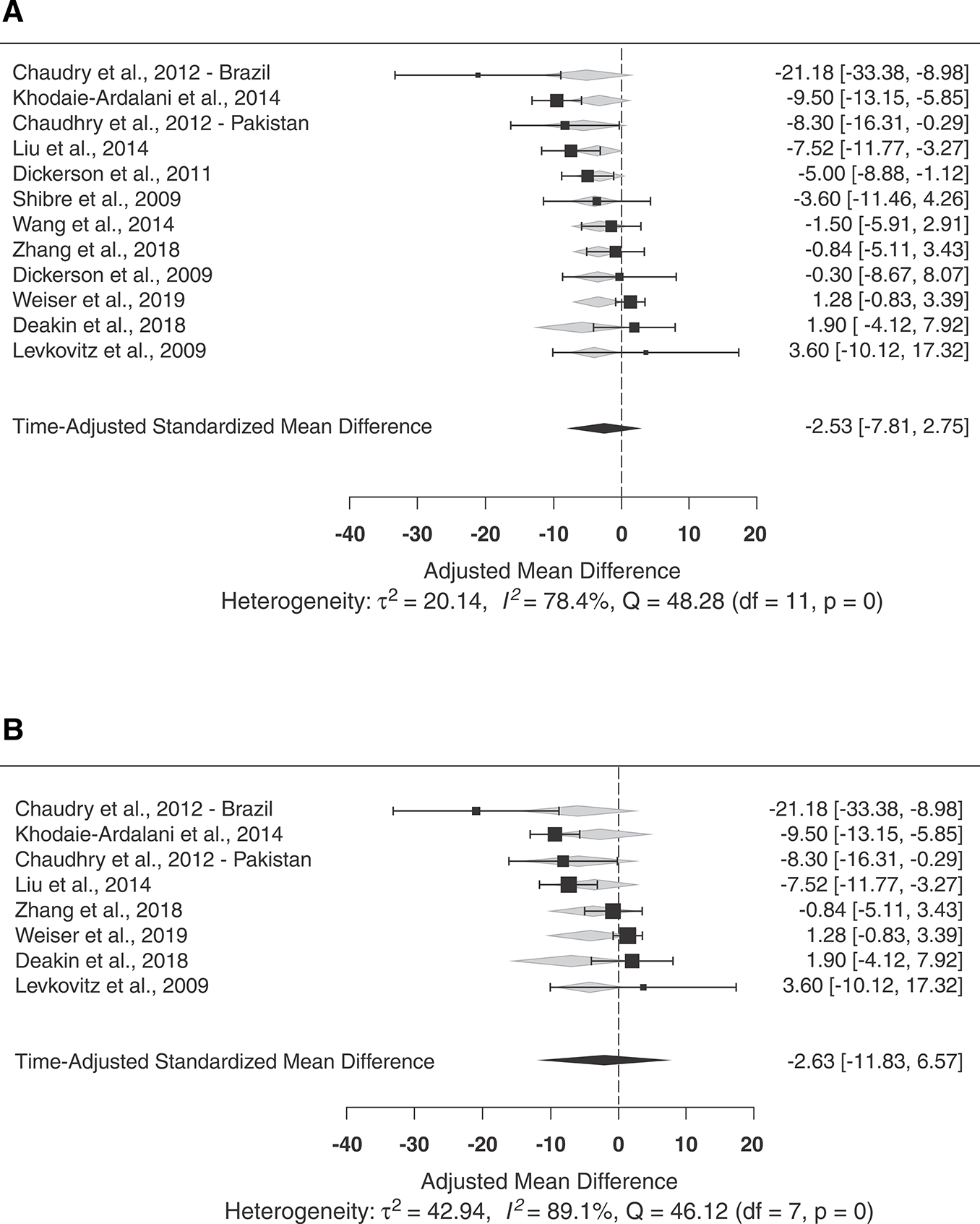
The meta-analysis revealed that adjunctive anti-Toxoplasma medications had a small to negligible effect on PANSS results. Using a random-effects model, the overall effect size was -3.12 (95%CI -5.82 to -0.41). Heterogeneity, assessed through I2, was moderate at 31.32%. The mean follow-up duration across all interventions was 23.7 (SD, 15.4) weeks. In studies that specifically assessed minocycline, the pooled effect size was -3.99 (95%CI -8.15 to 0.18), with an I2 of 58.68% and a mean follow-up duration of 28.0 (SD, 17.0) weeks. These findings are illustrated in forest plots for both groups (Figure 2).
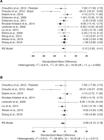
A) Forest plot of Positive and Negative Syndrome Scale change from baseline to endpoint – All interventions. B) Forest plot of Positive and Negative Syndrome Scale change in PANSS from baseline to endpoint – Minocycline studies.
Minocycline showed mixed outcomes: while some studies reported benefits for negative symptoms, others failed to demonstrate statistically significant effects. Other agents, such as azithromycin, artemisinin, and trimethoprim, generally showed no significant clinical benefits. One exception was artemether, which showed potential efficacy in improving negative symptoms among patients who were seropositive for anti-T. gondii immunoglobulin G.
Time as a moderator
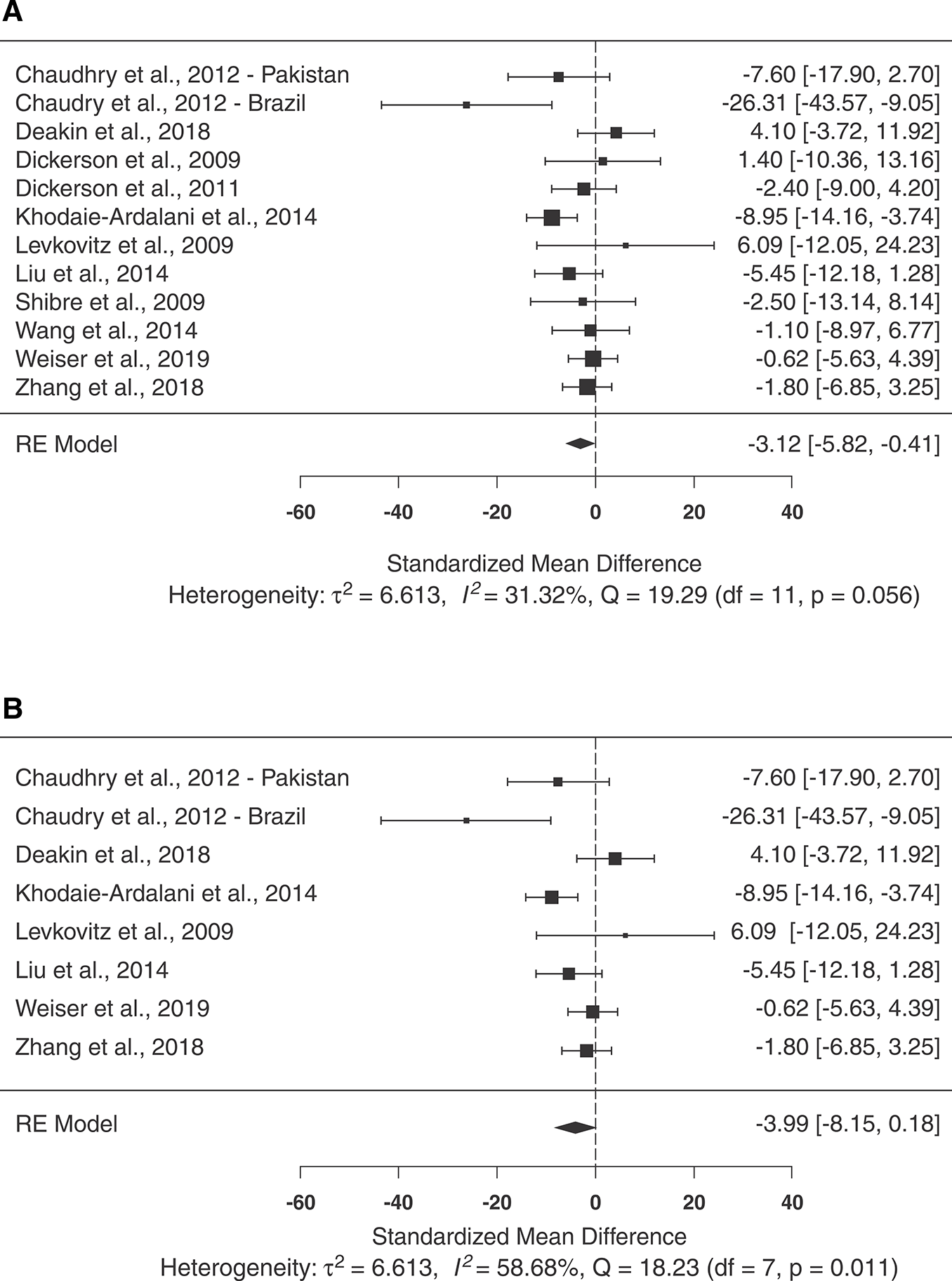
When adjusting for follow-up time, the overall pattern of results remained consistent with the unadjusted models. However, the duration of follow-up appeared to moderate the magnitude of the effect sizes, and statistical significance was lost in both models. For all interventions combined, the adjusted effect size was -2.53 (95%CI -7.81 to 2.75), whereas for minocycline it was -2.63 (95%CI -11.83 to 6.57). Notably, minocycline’s effect on symptom severity appeared more pronounced in studies with longer follow-ups.
These adjusted analyses are shown in forest plots for both subgroups (Figure 3), which illustrate the influence of follow-up time on estimated treatment effects. Heterogeneity for all included studies was substantial (tau2 = 20.1425, I2 = 78.41%, Q = 48.2841, df = 10, p < 0.0001) and was even higher in the minocycline subgroup (tau2 = 42.9375, I2 = 89.10%, Q = 46.1230, df = 6, p < 0.0001). To further explore this moderating effect, additional forest plots stratified by specific follow-up period are provided in the Supplementary Figures S4 and S5.
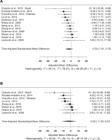
A) Forest plot of Positive and Negative Syndrome Scale change from baseline to endpoint for all interventions adjusted by follow-up duration. B) Forest plot of Positive and Negative Syndrome Scale change from baseline to endpoint for minocycline adjusted by time of follow-up.
Despite the observed heterogeneity, the decision to pool the data was based on shared clinical endpoints (i.e., PANSS scores) and conceptual similarity among interventions targeting T. gondii-related mechanisms. Sensitivity analyses incorporating follow-up duration as a moderator and stratified forest plots (Supplementary Figures S4 and S5) were used to explore and account for this variability.
Publication bias
Funnel plots and Egger’s regression tests showed no evidence of publication bias in the overall sample (Supplementary Figure S6a) (Egger’s test: t = -0.2617, df = 10, p = 0.7988; b = −2.1218, 95%CI -11.3197 to 7.0762) or the minocycline subgroup (Figure S3b); t = -0.5134, df = 6, p = 0.6260; b = -1.0579, 95%CI -14.4291 to 12.3133).
Discussion
This systematic review and meta-analysis highlights the limited clinical benefits of most anti-Toxoplasma medications for schizophrenia and related disorders. Agents such as azithromycin, artemisinin, and trimethoprim generally failed to show significant clinical improvements.48,49,55 However, artemether showed some promise in alleviating negative symptoms in patients who were seropositive for T. gondii immunoglobulin G,47 although the evidence remains preliminary and sparse. The small overall effect sizes underscore the limited utility of these agents as adjunctive treatments, calling for cautious interpretation and further research to clarify their mechanisms of action and potential therapeutic roles.
Although not the primary focus of this review, minocycline has drawn interest due to its mixed results. Several studies reported improvements in negative symptoms and cognitive functioning,33,45,46,52,53,60 while others found no significant effects.50,54,58,59 These inconsistencies likely stem from variations in study design, population characteristics, and follow-up duration. Interestingly, minocycline’s benefits appeared more pronounced in studies with extended follow-up, which suggests that its effects may accrue over time. Secondary analyses also suggest potential benefits for treatment-resistant cases with prominent negative symptoms.33,45,52 Nevertheless, additional studies are needed to confirm these findings and to determine the contexts in which minocycline may be most effective.
Given that some antibiotics, such as tetracyclines (e.g., minocycline and doxycycline) and macrolides (e.g., azithromycin),61 have direct anti-inflammatory properties, the observed effects in these studies may be driven more by their immunomodulatory actions than by any direct antiparasitic activity against T. gondii. Tetracyclines, for example, inhibit matrix metalloproteinases and reduce pro-inflammatory cytokines like tumor necrosis factor-alpha and interleukin-6.64 Understanding these mechanisms may inform future research into anti-inflammatory strategies for schizophrenia and help identify subgroups of patients who could benefit from such approaches.
Toxoplasma gondii, inflammation, and schizophrenia
The relationship between T. gondii infection and schizophrenia has gained considerable attention, with several studies linking seropositivity to an increased risk of developing the disorder.11,13,19,65T. gondii can alter neurotransmitter pathways – particularly dopamine – and activate immune responses, leading to chronic inflammation.11,66 This inflammatory state could contribute to the neurodevelopmental and neurotransmitter abnormalities seen in schizophrenia, especially in individuals with a history of infection.17T. gondii has been shown to trigger microglial activation and elevate pro-inflammatory cytokines in the central nervous system.67 This persistent immune activation also interacts with metabolic pathways such as the kynurenine pathway, which is frequently dysregulated in schizophrenia.68 Increased levels of kynurenic acid, a known N-methyl-d-aspartate receptor antagonist, could contribute to cognitive impairment and negative symptoms.69 The anti-inflammatory effects of antibiotics like minocycline, including inhibition of microglial activation, may explain their potential therapeutic effects in this context.70 These findings support the hypothesis that targeting T. gondii or associated inflammation could represent a novel treatment avenue, particularly for seropositive individuals with an inflammatory profile.
Clinical implications
Minocycline’s potential to reduce negative symptoms is clinically significant, as these symptoms are often resistant to standard antipsychotic treatments and correlate with poor functional outcomes.70 However, its neuroprotective, anti-inflammatory, and dopaminergic modulation effects could be responsible for its therapeutic benefits.71 Nevertheless, due to the substantial heterogeneity observed across studies, caution is required when interpreting these findings. This highlights the importance of identifying specific patient subgroups, such as those with early-stage illness or elevated inflammatory markers, who may benefit most.72,73 In contrast, the limited efficacy of other antibiotics, aside from some isolated findings for artemether, indicates that their role in treating schizophrenia remains unclear. Further research is required to determine whether these agents act through immune modulation or have direct anti-Toxoplasma effects.74-76
Methodological considerations and limitations
This review encountered several methodological challenges that complicated the synthesis and interpretation of the data. Heterogeneity across studies – including differences in patient populations, treatment duration, outcome measures, and study design – limited comparability and generalizability.77 The use of varied rating scales and diverse interventions introduced further complexity.78 Small sample sizes and short follow-up periods may have reduced the statistical power, hindering the detection of long-term effects. Differences in control conditions and baseline treatments were further sources of bias. Additionally, geographic and cultural factors may have influenced the outcomes, possibly reflecting variations in health care systems, genetic predispositions, or environmental exposures.77-79 To address these issues, we standardized effect size calculations and used follow-up duration as a moderator. By focusing exclusively on RCTs, we sought to enhance internal validity; however, the inherent limitations of the included studies highlight the need for more rigorous and standardized research in this field.
Furthermore, although most of the RCTs were rated as having a low to unclear risk of bias, several had methodological uncertainties, particularly regarding the randomization process, outcome measurement, and selective reporting. These limitations, along with the high risk of bias in the cohort study and the unclear risk in the cross-sectional study, reduce confidence in the overall findings and may partially account for the observed inconsistencies. Consequently, the strength of the available evidence remains limited, underscoring the need for more robust, well-controlled trials.
The substantial heterogeneity in some analyses, particularly in the minocycline subgroup, raises important concerns about the comparability of studies. Nevertheless, data pooling was considered appropriate due to the clinical homogeneity of outcomes (e.g., PANSS scores), conceptual alignment across interventions, and the application of a random-effects model to account for between-study variability. Moderator analyses and stratified forest plots were also conducted to explore the influence of follow-up duration, which partially explained the observed heterogeneity. These steps aimed to enhance the interpretability of the findings while acknowledging the limitations inherent in combining diverse study designs and populations.
Future directions
Future research should prioritize large-scale, well-designed RCTs with sufficient statistical power to detect meaningful effects. Studies should employ standardized outcome measures and include long-term follow-up to evaluate treatment durability. Moreover, future investigations should explore the biological mechanisms underlying the effects of minocycline and other antibiotics, particularly the identification of biomarkers predictive of treatment response. Future trials should also aim to minimize clinical and methodological heterogeneity by employing standardized protocols, homogeneous populations, and uniform outcome measures to improve the comparability and generalizability of findings.
Supplementary Materials
Supplementary Material
Data availability statement
The data that support this study are available in the body of the paper and/or supplementary materials.
References
- 1 GBD 2016 Disease and Injury Incidence and Prevalence Collaborators. Global, regional, and national incidence, prevalence, and years lived with disability for 328 diseases and injuries for 195 countries, 1990-2016: a systematic analysis for the Global Burden of Disease Study 2016. Lancet. 2017;390:1211-59.
- 2 Saha S, Chant D, Welham J, McGrath J. A systematic review of the prevalence of schizophrenia. PLoS Med. 2005;2:e141.
- 3 American Psychiatric Association. Diagnostic and Statistical Manual of Mental Disorders, Fifth Edition, Text Revision (DSM-IV-TR). Arlington: American Psychiatric Publishing;2022.
- 4 Jauhar S, Johnstone M, McKenna PJ. Schizophrenia. Lancet. 2022;399:473-86.
- 5 van de Leemput J, Hess JL, Glatt SJ, Tsuang MT. Genetics of schizophrenia: historical insights and prevailing evidence. Adv Genet. 2016;96:99-141.
- 6 Radua J, Ramella‐Cravaro V, Ioannidis JPA, Reichenberg A, Phiphopthatsanee N, Amir T, et al. What causes psychosis? An umbrella review of risk and protective factors. World Psychiatry. 2018;17:49-66.
- 7 Owen MJ, Sawa A, Mortensen PB. Schizophrenia. Lancet. 2016;388:86-97.
- 8 Schizophrenia Working Group of the Psychiatric Genomics Consortium. Biological insights from 108 schizophrenia-associated genetic loci. Nature. 2014;511:421-7.
- 9 Howes OD, Kapur S. The dopamine hypothesis of schizophrenia: version III--the final common pathway. Schizophr Bull. 2009;35:549-62.
- 10 Luvsannyam E, Jain MS, Pormento MKL, Siddiqui H, Balagtas ARA, Emuze BO, et al. Neurobiology of schizophrenia: a comprehensive review. Cureus. 2022;14:e23959.
- 11 Yolken RH, Dickerson FB, Fuller Torrey E. Toxoplasma and schizophrenia. Parasite Immunol. 2009;31:706-15.
- 12 Xiao J, Prandovszky E, Kannan G, Pletnikov MV, Dickerson F, Severance EG, et al. Toxoplasma gondii: biological parameters of the connection to schizophrenia. Schizophr Bull. 2018;44:983-92.
- 13 Sutterland AL, Fond G, Kuin A, Koeter MWJ, Lutter R, van Gool T, et al. Beyond the association. Toxoplasma gondii in schizophrenia, bipolar disorder, and addiction: systematic review and meta-analysis. Acta Psychiatr Scand. 2015;132:161-79.
- 14 Oncu-Oner T, Can S. Meta-analysis of the relationship between toxoplasma gondii and schizophrenia. Ann Parasitol. 2022;68:103-10.
- 15 Contopoulos‐Ioannidis DG, Gianniki M, Ai‐Nhi Truong A, Montoya JG. Toxoplasmosis and schizophrenia: a systematic review and meta‐analysis of prevalence and associations and future directions. Psychiatr Res Clin Pract. 2022;4:48-60.
- 16 Brown AS. Prenatal infection as a risk factor for schizophrenia. Schizophr Bull. 2006;32:200-2.
- 17 Brown AS, Derkits EJ. Prenatal infection and schizophrenia: a review of epidemiologic and translational studies. Am J Psychiatry. 2010;167:261-80.
- 18 Cheslack-Postava K, Brown AS. Prenatal infection and schizophrenia: a decade of further progress. Schizophr Res. 2022;247:7-15.
- 19 Mortensen PB, Nørgaard-Pedersen B, Waltoft BL, Sørensen TL, Hougaard D, Torrey EF, et al. Toxoplasma gondii as a risk factor for early-onset schizophrenia: analysis of filter paper blood samples obtained at birth. Biol Psychiatry. 2007;61:688-93.
- 20 Fuglewicz AJ, Piotrowski P, Stodolak A. Relationship between toxoplasmosis and schizophrenia: a review. Adv Clin Exp Med. 2017;26:1031-6.
- 21 Daré LO, Bruand P-E, Gérard D, Marin B, Lameyre V, Boumédiène F, et al. Associations of mental disorders and neurotropic parasitic diseases: a meta-analysis in developing and emerging countries. BMC Public Health. 2019;19:1645.
- 22 Brown AS, Patterson PH. Maternal infection and schizophrenia: implications for prevention. Schizophr Bull. 2011;37:284-90.
- 23 Däubener W, Remscheid C, Nockemann S, Pilz K, Seghrouchni S, Mackenzie C, et al. Anti-parasitic effector mechanisms in human brain tumor cells: role of interferon-gamma and tumor necrosis factor-alpha. Eur J Immunol. 1996;26:487-92.
- 24 Wu H-Q, Rassoulpour A, Schwarcz R. Kynurenic acid leads, dopamine follows: a new case of volume transmission in the brain? J Neural Transm (Vienna). 2007;114:33-41.
- 25 Fond G, Macgregor A, Tamouza R, Hamdani N, Meary A, Leboyer M, et al. Comparative analysis of anti-toxoplasmic activity of antipsychotic drugs and valproate. Eur Arch Psychiatry Clin Neurosci. 2014;264:179-83.
- 26 Dunay IR, Gajurel K, Dhakal R, Liesenfeld O, Montoya JG. Treatment of toxoplasmosis: historical perspective, animal models, and current clinical practice. Clin Microbiol Rev. 2018;31:e00057-17.
- 27 Wei H-X, Wei S-S, Lindsay DS, Peng H-J. A systematic review and meta-analysis of the efficacy of anti-toxoplasma gondii medicines in humans. PLoS One. 2015;10:e0138204.
- 28 Marques-Santos F, Faria RX, Amendoeira MRR. The search for drugs derived from natural products for toxoplasma gondii infection treatment in the last 20 years – a systematic review. Curr Top Med Chem. 2024;24:1960-99.
- 29 Antczak M, Dzitko K, Długońska H. Human toxoplasmosis-searching for novel chemotherapeutics. Biomed Pharmacother. 2016;82:677-84.
- 30 Zumla A. Mandell, Douglas, and Bennett’s principles and practice of infectious diseases. Lancet Infect Dis. 2010;10:303-4.
- 31 Treuer T, Martenyi F, Karagianis J. Parasitosis, dopaminergic modulation and metabolic disturbances in schizophrenia: evolution of a hypothesis. Neuro Endocrinol Lett. 2007;28:535-40.
- 32 Prandovszky E, Gaskell E, Martin H, Dubey JP, Webster JP, McConkey GA. The neurotropic parasite toxoplasma gondii increases dopamine metabolism. PLoS One. 2011;6:e23866.
- 33 Levkovitz Y, Mendlovich S, Riwkes S, Braw Y, Levkovitch-Verbin H, Gal G, et al. A double-blind, randomized study of minocycline for the treatment of negative and cognitive symptoms in early-phase schizophrenia. J Clin Psychiatry. 2010;71:138-49.
- 34 Leite LM, Carvalho AGG, Tavares Ferreira PLF, Pessoa IX, Gonçalves DO, Lopes Ade A, et al. Anti-inflammatory properties of doxycycline and minocycline in experimental models: an in vivo and in vitro comparative study. Inflammopharmacology. 2011;19:99-110.
- 35 Müller N. Inflammation in schizophrenia: pathogenetic aspects and therapeutic considerations. Schizophr Bull. 2018;44:973-82.
- 36 Ribeiro-Santos R, Lucio Teixeira A, Salgado JV. Evidence for an immune role on cognition in schizophrenia: a systematic review. Curr Neuropharmacol. 2014;12:273-80.
- 37 Kay SR, Fiszbein A, Opler LA. The positive and negative syndrome scale (PANSS) for schizophrenia. Schizophr Bull. 1987;13:261-76.
- 38 Andreasen NC. The Scale for the Assessment of Negative Symptoms (SANS): conceptual and theoretical foundations. Br J Psychiatry Suppl. 1989;(7):49-58.
- 39 Andreasen NC, Arndt S, Miller D, Flaum M, Nopoulos P. Correlational studies of the scale for the assessment of negative symptoms and the scale for the assessment of positive symptoms: an overview and update. Psychopathology. 1995;28:7-17.
- 40 Hoy D, Brooks P, Woolf A, Blyth F, March L, Bain C, et al. Assessing risk of bias in prevalence studies: modification of an existing tool and evidence of interrater agreement. J Clin Epidemiol. 2012;65:934-9.
- 41 Murad MH, Sultan S, Haffar S, Bazerbachi F. Methodological quality and synthesis of case series and case reports. BMJ Evid Based Med. 2018;23:60-3.
- 42 Sterne JAC, Savović J, Page MJ, Elbers RG, Blencowe NS, Boutron I, et al. RoB 2: a revised tool for assessing risk of bias in randomised trials. BMJ. 2019:l4898.
- 43 Sterne JA, Hernán MA, Reeves BC, Savović J, Berkman ND, Viswanathan M, et al. ROBINS-I: a tool for assessing risk of bias in non-randomised studies of interventions. BMJ. 2016:i4919.
- 44 Viechtbauer W. Conducting meta-Analyses in R with the metafor package. J Stat Softw. 2010;36:1-48.
- 45 Zhang L, Zheng H, Wu R, Zhu F, Kosten TR, Zhang X-Y, et al. Minocycline adjunctive treatment to risperidone for negative symptoms in schizophrenia: association with pro-inflammatory cytokine levels. Prog Neuropsychopharmacol Biol Psychiatry. 2018;85:69-76.
- 46 Chaudhry IB, Hallak J, Husain N, Minhas F, Stirling J, Richardson P, et al. Minocycline benefits negative symptoms in early schizophrenia: a randomised double-blind placebo-controlled clinical trial in patients on standard treatment. J Psychopharmacol. 2012;26:1185-93.
- 47 Wang H-L, Xiang Y-T, Li Q-Y, Wang X-P, Liu Z-C, Hao S-S, et al. The effect of artemether on psychotic symptoms and cognitive impairment in first-episode, antipsychotic drug-naive persons with schizophrenia seropositive to toxoplasma gondii. J Psychiatr Res. 2014;53:119-24.
- 48 Dickerson F, Stallings C, Vaughan C, Origoni A, Goga J, Khushalani S, et al. Artemisinin reduces the level of antibodies to gliadin in schizophrenia. Schizophr Res. 2011;129:196-200.
- 49 Dickerson FB, Stallings CR, Boronow JJ, Origoni AE, Yolken RH. A double-blind trial of adjunctive azithromycin in individuals with schizophrenia who are seropositive for Toxoplasma gondii. Schizophr Res. 2009;112:198-9.
- 50 Deakin B, Suckling J, Barnes TRE, Byrne K, Chaudhry IB, Dazzan P, et al. The benefit of minocycline on negative symptoms of schizophrenia in patients with recent-onset psychosis (BeneMin): a randomised, double-blind, placebo-controlled trial. Lancet Psychiatry. 2018;5:885-94.
- 51 Kelly DL, Sullivan KM, McEvoy JP, McMahon RP, Wehring HJ, Gold JM, et al. Adjunctive minocycline in clozapine-treated schizophrenia patients with persistent symptoms. J Clin Psychopharmacol. 2015;35:374-81.
- 52 Khodaie-Ardakani M-R, Mirshafiee O, Farokhnia M, Tajdini M, Hosseini S-M, Modabbernia A, et al. Minocycline add-on to risperidone for treatment of negative symptoms in patients with stable schizophrenia: randomized double-blind placebo-controlled study. Psychiatry Res. 2014;215:540-6.
- 53 Liu F, Guo X, Wu R, Ou J, Zheng Y, Zhang B, et al. Minocycline supplementation for treatment of negative symptoms in early-phase schizophrenia: a double blind, randomized, controlled trial. Schizophr Res. 2014;153:169-76.
- 54 Weiser M, Levi L, Burshtein S, Chiriţă R, Cirjaliu D, Gonen I, et al. The effect of minocycline on symptoms in schizophrenia: results from a randomized controlled trial. Schizophr Res. 2019;206:325-32.
- 55 Shibre T, Alem A, Abdulahi A, Araya M, Beyero T, Medhin G, et al. Trimethoprim as adjuvant treatment in schizophrenia: a double-blind, randomized, placebo-controlled clinical trial. Schizophr Bull. 2010;36:846-51.
- 56 Ibrahim I, Tobar S, Fathi W, ElSayed H, Yassein A, Eissa A, et al. Randomized controlled trial of adjunctive valproate for cognitive remediation in early course schizophrenia. J Psychiatr Res. 2019;118:66-72.
- 57 Chaves C, Marque CR, Maia-de-Oliveira JP, Wichert-Ana L, Ferrari TB, Santos AC, et al. Effects of minocycline add-on treatment on brain morphometry and cerebral perfusion in recent-onset schizophrenia. Schizophr Res. 2015;161:439-45.
- 58 Krynicki CR, Dazzan P, Pariante CM, Barnes NM, Vincent RC, Roberts A, et al. Deconstructing depression and negative symptoms of schizophrenia; differential and longitudinal immune correlates, and response to minocycline treatment. Brain Behav Immun. 2021;91:498-504.
- 59 Liu F, Zhang B, Xie L, Ruan Y, Xu X, Zeng Y, et al. Changes in plasma levels of nitric oxide metabolites and negative symptoms after 16-week minocycline treatment in patients with schizophrenia. Schizophr Res. 2018;199:390-4.
- 60 Zhang L, Zheng H, Wu R, Kosten TR, Zhang X-Y, Zhao J. The effect of minocycline on amelioration of cognitive deficits and pro-inflammatory cytokines levels in patients with schizophrenia. Schizophr Res. 2019;212:92-8.
- 61 Waitayangkoon P, Moon SJ, Tirupur Ponnusamy JJ, Zeng L, Driban J, McAlindon T. Long‐term safety profiles of macrolides and tetracyclines: a systematic review and meta‐analysis. The Journal of Clinical Pharmacology. 2024;64:164-77.
- 62 de Witte LD, Munk Laursen T, Corcoran CM, Munk-Olsen T, Bergink V. Association between doxycycline use and long-term functioning in patients with schizophrenia. Brain Behav Immun. 2024;117:66-9.
- 63 Fond G, Boyer L, Gaman A, Laouamri H, Attiba D, Richard J-R, et al. Treatment with anti-toxoplasmic activity (TATA) for toxoplasma positive patients with bipolar disorders or schizophrenia: a cross-sectional study. J Psychiatr Res. 2015;63:58-64.
- 64 Jamerson EC, Elhusseiny AM, ElSheikh RH, Eleiwa TK, El Sayed YM. Role of matrix metalloproteinase 9 in ocular surface disorders. Eye Contact Lens. 2020;46 Suppl 2:S57-63.
- 65 Yolken RH, Torrey EF. Are some cases of psychosis caused by microbial agents? A review of the evidence. Mol Psychiatry. 2008;13:470-9.
- 66 Webster JP, McConkey GA. Toxoplasma gondii-altered host behaviour: clues as to mechanism of action. Folia Parasitol (Praha). 2010;57:95-104.
- 67 Notarangelo FM, Wilson EH, Horning KJ, Thomas MAR, Harris TH, Fang Q, et al. Evaluation of kynurenine pathway metabolism in Toxoplasma gondii-infected mice: Implications for schizophrenia. Schizophr Res. 2014;152:261-7.
- 68 Schwarcz R, Hunter CA. Toxoplasma gondii and schizophrenia: linkage through astrocyte-derived kynurenic acid? Schizophr Bull. 2007;33:652-3.
- 69 Inta D, Lang UE, Borgwardt S, Meyer-Lindenberg A, Gass P. Microglia activation and schizophrenia: lessons from the effects of minocycline on postnatal neurogenesis, neuronal survival and synaptic pruning. Schizophr Bull. 2017;43:493-96.
- 70 Du F, Cooper A, Cohen BM, Renshaw PF, Öngür D. Water and metabolite transverse T2 relaxation time abnormalities in the white matter in schizophrenia. Schizophr Res. 2012;137:241-5.
- 71 Miyaoka T, Yasukawa R, Yasuda H, Hayashida M, Inagaki T, Horiguchi J. Minocycline as adjunctive therapy for schizophrenia: an open-label study. Clin Neuropharmacol. 2008;31:287-92.
- 72 Benoit A, Bodnar M, Malla AK, Joober R, Bherer L, Lepage M. Changes in memory performance over a 12-month period in relation to achieving symptomatic remission after a first-episode psychosis. Schizophr Res. 2014;153:103-8.
- 73 Sharma AN, Elased KM, Lucot JB. Rosiglitazone treatment reversed depression- but not psychosis-like behavior of db/db diabetic mice. J Psychopharmacol. 2012;26:724-32.
- 74 Bloomfield PS, Selvaraj S, Veronese M, Rizzo G, Bertoldo A, Owen DR, et al. Microglial activity in people at ultra high risk of psychosis and in schizophrenia: an [(11)C]PBR28 PET brain imaging study. Am J Psychiatry. 2016;173:44-52.
- 75 Fond G, Hamdani N, Kapczinski F, Boukouaci W, Drancourt N, Dargel A, et al. Effectiveness and tolerance of anti‐inflammatory drugs’ add‐on therapy in major mental disorders: a systematic qualitative review. Acta Psychiatr Scand. 2014;129:163-79.
- 76 Müller N, Schwarz MJ. A psychoneuroimmunological perspective to Emil Kraepelins dichotomy: schizophrenia and major depression as inflammatory CNS disorders. Eur Arch Psychiatry Clin Neurosci. 2008;258 Suppl 2:97-106.
- 77 Higgins JPT, Altman DG, Gotzsche PC, Juni P, Moher D, Oxman AD, et al. The Cochrane Collaboration’s tool for assessing risk of bias in randomised trials. BMJ. 2011;343:d5928.
- 78 Gurevitch J, Koricheva J, Nakagawa S, Stewart G. Meta-analysis and the science of research synthesis. Nature. 2018;555:175-82.
- 79 Ioannidis JPA. Why most published research findings are false. PLoS Med. 2005;2:e124.