 Use of growth regulators on increase of berry size of 'BRS Melodia' grapes
Abstract:
The new ‘BRS Melodia’ table grape cultivar has attracted the attention of consumers due to the pleasant taste of a mix of red fruits and pink color. This study aimed to determine the ideal gibberellic acid concentration associated or not with plant biostimulants, aiming to improve the physical and physicochemical characteristics of ‘BRS Melodia’ grapes in the Submédio São Francisco Valley. Two experiments were conducted in a commercial vineyard located in the municipality of Petrolina, PE, Brazil. In the first experiment, treatments were represented by eight gibberellic acid concentrations (GA3) (12.5; 13; 17.5; 18; 22.5; 23; 27.5 and 28 mg.L-1), while in the second experiment, three GA3 concentrations (13, 18 and 30 mg.L-1) were used, associated or not with biostimulants. In both experiments, control did not receive GA3 and biostimulants. The evaluations of the physical and physicochemical variables of bunches and berries were carried out during two consecutive production cycles, 2021 and 2022. The experimental design was in randomized blocks with four replicates. Treatments used in experiment 1 did not provide significant gains in the characteristics of bunches and berries. In the second experiment, biostimulant A (Benzyladenine 2%) associated with 30 mg.L-1 of GA3, divided into three applications (8 mg.L-1 + 10 mg.L-1 + 12 mg.L) prom-1oted increments in variables berry mass and length. These growth regulators should be used to promote the growth of ‘BRS Melodia’ berries in the Submédio São Francisco Valley.
Index terms
Gibberellin; Fine grapes; Cytokinin
Resumo:
O novo cultivar de uva de mesa ‘BRS Melodia’ tem atraído a atenção dos consumidores pelo sabor agradável de mix de frutas vermelhas e pela coloração rosada. O presente trabalho teve como objetivo determinar a concentração ideal de ácido giberélico, associado ou não com bioestimulantes vegetais, visando à melhoria das características fisicas e fisico-químicas de uvas ‘BRS Melodia’, no Vale do Submédio São Francisco. Dois experimentos foram conduzidos em um vinhedo comercial localizado em Petrolina-PE, Brasil. No primeiro experimento, os tratamentos foram representados por oito concentrações de ácido giberélico (GA3) (12,5; 13; 17,5; 18; 22,5;23; 27,5 e 28 mg.L-1); enquanto no segundo expertimento, utilizaram-se trêsconcentrações de GA3(13; 18 e 30 mg.L-1), associadas ou não a bioestimulantes. Em ambos osexperimentos, a testemunha não recebeu GA3 e bioestimulantes. As avaliações das variáveis físicas efisico-químicas de cachos e de bagas foram realizadas durante dois ciclos consecutivos de produção:em 2021 e 2022. O delineamento experimental foi em blocos casualizados, comquatro repetições.Os tratamentos utilizados no experimento 01 não proporcionaram ganhos significativos nas características de cachos e de bagas. No segundo experimento, o bioestimulante A (Benziladenina 2%), associado a 30 mg.L-1 de GA3, fracionado em três aplicações (8 mg.L-1+ 10 mg.L-1 + 12 mg.L-1), promoveu incrementos nasvariáveis massa e comprimento de bagas.Estes reguladores de crescimento devem ser utilizados para promover ocrescimento de bagas de ‘BRS Melodia’, no Vale do Submédio São Francisco.
Termos para indexação
Giberelina; Uvas finas; Citocinina
Introduction
In Brazil, viticulture stands out for its social and economic importance, especially in the irrigated agriculture of Northeastern Brazil, since the soil and climate conditions associated with pruning and irrigation management enabled obtaining more than one production cycle per year (MELLO, 2018). This is one of the main factors that ensure that the Submédio São Francisco Valley region has productivity higher than the national average, exceeding 44t/ha/year (IBGE, 2022). Investment in research, skilled labor and new cultivars also promote increases in the productivity of grapes produced in this region.
The market for grapes with exotic or ‘gourmet’ flavor has attracted the attention of both national and international producers and consumers. This market niche includes the ‘BRS Melodia’ cultivar, which has pleasant red fruit flavor and pink color as its distinguishing characteristics (MAIA et al., 2019; RITSCHEL et al., 2021).
The ‘BRS Melodia’ cultivar was developed by ‘Uvas do Brasil’ Embrapa Breeding Program and launched in 2019, to be produced at the “Serra Gaúcha” region, under a plastic cover system (MAIA et al., 2019). The recommendation for cultivation in the Submédio São Francisco Valley occurred in 2021 (RITSCHEL et al., 2021). One of the limiting characteristics of ‘BRS Melodia’ grapes is the small berry size. Therefore, the use of growth regulators is necessary, since it is not always possible to achieve the minimum standard required by the most demanding consumers and markets.
Furthermore, increasing berry size is essential to achieve higher average bunch mass and, consequently, higher productivity.
Bunches of ‘BRS Melodia’ grapes grown in the Submédio São Francisco Valley had average berry diameter of 16 mm (RITSCHEL et al., 2021). In addition to pleasant flavor, good post-harvest conservation, tolerance to handling and transportation and bunches with good visual appearance, berries must have total soluble solids content (ºBrix) ≥ 15.0 and minimum diameter of 15.0 mm (BRASIL, 2002).
The use of growth regulators and commercial biostimulants is among management practices adopted in grapevine cultivation with the aim of increasing bunch and berry size (SANTOS, 2015; CRUPI et al., 2016; SILVA, 2019). Growth regulators such as gibberellic acid (GA3) and cytokinins act directly on cell division and elongation (WEAVER; MCCUNE, 1959; KERBAUY et al., 2019), and are widely used in viticulture to increase bunch and berry size (SANTOS et al., 2015; SILVA et al., 2019). The combination of gibberellins and cytokinins is also widely used in the production of table grapes, as these growth regulators act with a synergistic effect, favoring berry elongation and growth (RABAN et al., 2013).
Biostimulants, in turn, consist of a mixture of plant regulators and other biochemical compounds such as amino acids, micronutrients and vitamins (VIEIRA, 2001), which bring benefits to the crop, from seed germination to increased productivity.
Scientific studies proposing recommendation of management using growth regulators and commercial biostimulant products to improve the size of bunches and berries of ‘BRS Melodia’ grapes have not yet been carried out. Therefore, the present study aimed to determine the gibberellic acid concentration associated or not with plant biostimulants, aiming at improving the physical and physicochemical characteristics of ‘BRS Melodia’ grapes in the Submédio São Francisco Valley.
Material and methods
Two experiments were carried out in a commercial vineyard with the ‘BRS Melodia’ grape cultivar in the municipality of Petrolina, PE, Brazil (9º 19’ 49’’S, 40º 20’ 36’’W and 373 m above sea level). According to the Köppen classification, the local climate is of ‘BSWh’ type, semi-arid tropical, with rainfall concentrated in three to four months of the year (SILVA et al., 2017). The monthly averages for climatic variables average, maximum, and minimum temperatures, global radiation, and precipitation, obtained at the Agrometeorological Station of the Bebedouro Experimental Field of Embrapa Semiárido, located 40 km from the experimental area, are presented in Figure 1.
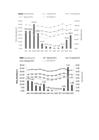
Monthly averages for climatic variables obtained at the Agrometeorological Station of the Bebedouro Experimental Field of Embrapa Semiárido for the years 2021 and 2022.
‘BRS Melodia’ grapevines were planted with one plant per pit in trellis system, with spacing of 2.5 m between plants and 4.0 m between planting rows, and drip irrigation. The rootstock used was ‘IAC 572’.
Experiment 1 was conducted during two production cycles in 2021, with treatments represented by eight gibberellic acid concentrations (GA3) (12.5; 13; 17.5; 18; 22.5; 23; 27.5 and 28 mg.L-1) and control without the application of this growth regulator, totaling 9 treatments.
Experiment 2 was also carried out during two production cycles in 2022, using three GA3 concentrations (13, 18 and 30 mg.L-1) associated or not with biostimulants and control, totaling 13 treatments.
Commercial product ProGibb® was used as source of gibberellin and biostimulants Stimulate® (100 mL.100L-1), Crop Set® (100 mL.100L-1) and Maxcell® (250 mL.100L-1) were used as source of cytokinin, according to the concentration indicated by the manufacturer for the grapevine crop. Stimulate® is composed of N6-furfuryladenine (kinetin) (0.009%), GA3 (0.005%) and 4-indole-ylbutyric acid (0.005%). Crop Set®, obtained from seaweed extract, is composed of macro and micronutrients, containing: S (3.62%), Cu (1%), Mn (3%) and Fe (2.5%). Maxcell® is composed of the active ingredient N6- benzyladenine (benzyladenine) (2%) and adjuvants (98%). All commercial products used are registered for grapevine. The treatments performed in both experiments are detailed in Tables 1 and 2.
Gibberellin concentrations and application times in experiment 1 on ‘BRS Melodia’ grapevines (Petrolina, PE, 2021).
Gibberellin concentrations and application times and biostimulants in experiment 2 on ‘BRS Melodia’ grapevines (Petrolina, PE, 2022).
The dates of production pruning and harvesting for experiment 1 were respectively 05/19/21 and 09/01/21 for the first production cycle and 10/22/21 and 02/02/22 for the second production cycle. Experiment 2, in turn, was carried out from 04/01/22 (pruning) to 07/15/22 (harvest) in the first cycle and from 09/14/22 (pruning) to 12/20/22 (harvest) in the second production cycle.
Spraying was carried out with the aid of a manual backpack sprayer, directly on bunches, at intervals of approximately four days.
The experimental design adopted was randomized blocks, with four replicates and four plants per plot, using the bunches of the two central plants (useful plants) for evaluations.
During harvest, five bunches of each treatment were collected from the central plants of the plot (second and third plants). The following variables were evaluated: production per plant, where all bunches of each treatment were weighed and the result expressed in kg; bunch mass, using five bunches per plot as a sample and the result expressed in grams; bunch length and width, determined with the aid of a graduated ruler using the same previous sample, with results expressed in centimeters; stalk mass, using the stalk mass of a sample of five bunches, expressed in grams; berry mass, determined in a sample of 50 berries, with 10 berries collected from each of the five bunches, with result expressed in grams; berry length and diameter, measured with the aid of a graduated ruler in the previous sample and expressed in millimeters; berry firmness, using a sample of 15 berries obtained from three berries of five bunches per plant with the aid of a texture meter, with results expressed in Newton (N); soluble solids content (°Brix) obtained with the aid of a temperature-compensated refractometer (AOAC, 2010); and titratable acidity (TA) obtained by titration with 0.1 M NaOH solution, expressed in g of tartaric acid 100m.L-1 (AOAC, 2010).
After the last application of GA3 and biostimulants, field berry diameter readings were performed on five bunches and three berries per bunch on the useful plant and in two treatments: control and (GA3 30 mg.L-1 + Biostimulants). Berries were identified, one in each portion of the bunch (apical, median and basal), and measurements were performed with the aid of a digital caliper, with an interval of seven days until the week preceding the harvest, thus obtaining the berry growth curve. Results were submitted to analysis of variance and comparison of means by the Tukey test (p<0.05) using the SISVAR statistical software (FERREIRA, 2011).
The regression model was used to evaluate the berry mass response as a function of the increase in gibberellic acid the dose associated or not with the different biostimulants in experiment 2 (Figure 1), as well as berry length growth curves as a function of time (days after pruning) and the different treatments (Figure 2).

Berry diameter growth curve of ‘BRS Melodia’ cultivar treated with GA3 and biostimulants during three production cycles. Experiment 1 (2nd production cycle of 2021): Control (y = -0.34x2 + 4.494x + 2.2, R2 = 0.9951); GA3 28mg.L-1 (y = -0.4364x2 + 5.1056x + 1.88, R2 = 0.9958) (A). Experiment 2 (1st production cycle of 2022): GA3 30 mg.L-1 (y = -0.194x2 + 2.6649x + 8.6348, R2 = 0.988); Biostimulant A (y = -0.1855x2 + 2.6385x + 8.4823, R2= 0.9873); Biostimulant B (y = -0.1867x2 + 2.5696x + 8.7033, R2 = 0.9825); Biostimulant C (y = -0.1905x2 + 2.5802x + 8.5669, R2 = 0.9767); Control (y = - 0.1707x2 + 2.3603x + 8.4197, R2= 0.9791). Experiment 2 (2nd production cycle of 2022): GA3 30 mg.L-1 (y = -0.0957x2 + 1.678x + 10.605, R2 = 0.9765); Biostimulant A (y = -0.0965x2 + 1.6897x + 11.29, R2= 0.9694); Biostimulant B (y = -0.1031x2 + 1.7269x + 10.326, R2 = 0.9811); Biostimulant C (y = -0.1168x2 + 1.7936x + 10.272, R2 = 0.9723); Control (y = -0.098x2 + 1.5981x + 10.077, R2 = 0.9779).
Results and discussion
Gibberellin application did not promote the expected effect of increasing the size of bunches and berries of ‘BRS Melodia’ grapes in two production cycles carried out in 2021.
For variables such as bunch mass (BM) and bunch length (BL), no responses to gibberellin application were observed in both production cycles, with average bunch mass values of 172.1 g (1st production cycle in 2021) and 133.1 g (2nd production cycle in 2021) and bunch length values of 14.3 cm and 11.7 cm respectively in the 1stand 2nd production cycles in 2021. In turn, bunch width showed specific differences between treatments in both production cycles, but they do not follow a behavioral trend, and do not seem to be related to gibberellin application, and other factors not controlled in the experiment may be influencing the response of this variable.
Bunch size and mass values observed in the first two production cycles are below those described for the ‘BRS Melodia’ cultivar in the Submédio São Francisco Valley region according to Ritschel et al., (2021), who indicate average bunch size of 16 cm and mass of 200 g for this cultivar, thus demonstrating that other factors related to crop management, such as early date of first pruning, young plants and with few carbohydrate reserves in roots and branches can explain the results obtained.
No effect of gibberellin on stalk mass in the first production cycle was observed (Table 3), but significant differences between treatments were observed in the second cycle, when gibberellin application of 18 mg.L-1 promoted increase in stalk mass compared to control (Table 4). However, this increase in mass did not cause damage to fruit appearance or berry ginning. Vieira et al., (2008) observed in ‘Niágara Rosada’ cultivar, a linear increase in stalk size according to the increase in GA3 dosages, which was not observed in the present study.
The increase in the mass and size of stalks and pedicels is a common response when grapes are treated with gibberellin associated or not with other growth regulators; however, responses vary according to the grapevine cultivar (VIEIRA et al, 2008; LEÃO, 2019). The increase in the mass and diameter of stalks and pedicels may be related to greater stalk lignification, since GA3 application after flowering increases the activity of peroxidase enzymes in the bunch pedicel, considering that this enzyme acts directly on the synthesis of lignin, causing its accumulation in stalks (PÉREZ; GOMEZ, 1998). These adverse effects may result in bunches that do not meet commercial standards and in depreciation of the final grape value.
There was no response to the use of gibberellic acid to increase berry size and mass in both production cycles carried out in 2021.
The average values obtained for berry mass, length and diameter were 2.21 g, 19.92 and 15.7 mm, respectively, in the 1st production cycle and 3.31 g, 21.3 and 16.3 mm, respectively, in the 2nd production cycle. The response in berry growth as a result of the use of gibberellin varies depending on the cultivar. Santos et al., (2015) observed that three GA3 applications of 10 mg.L-1 were able to improve the berry mass of the ‘Sweet Celebration’ cultivar, which was not observed in this study. ‘BRS Melodia’ grapes did not respond positively to gibberellin to increase berry mass and size even at the highest concentrations (28 mg.L-1). However, a 20% increase in berry mass was observed when using 22.5 mg.L-1 compared to control.
Despite the little responsiveness to gibberellin, all treatments performed resulted in berries within the expected range for the cultivar produced in the Submédio São Francisco Valley (RITSCHEL et al., 2021).
Berry firmness was not influenced by gibberellin application, obtaining average value of 3.56 N in the second production cycle. This attribute is directly related to post-harvest factors, where berry firmness values may vary according to cultivar and management.
Firmness values tends to decrease as the fruit ripens due to changes that occur in the cell wall or even due to water loss. Some enzymes such as β-galactosidase, polygalacturonase and pectatolyase are mainly responsible for these changes in the cell wall (KELLER, 2010).
Physicochemical variables such as soluble solids content, titratable acidity and SS/TA ratio were little influenced by gibberellin.
The average soluble solids content values were 18.4 and 17.7ºBrix, respectively, in the first and second production cycles. Some authors observed reduction in SS with the use of gibberellic acid in bunches of ‘Brasil’ (NACHTIGAL et al., 2005) and ‘BRS Clara’ (BASTOS et al., 2008) grape cultivars. This negative effect was not observed in the ‘BRS Melodia’ cultivar, where SS values, even when using maximum GA3 concentrations, remained close to those of control.
Titratable acidity and consequently the SS/TA ratio showed significant differences between treatments in the first production cycle, but these were not observed in the second cycle, with average titratable acidity of 0.48 and SS/TA ratio of 39.0, meeting the requirements for table grape quality (LIMA, 2009), as well as those described for ‘BRS Melodia’ grown in the Submédio São Francisco Valley (RITSCHEL et al., 2021).
Considering the lack of response to the increase in the size of bunches and berries of the ‘BRS Melodia’ cultivar to treatments with GA3, a second experiment was carried out, adding biostimulants with cytokinin action to observe the responses of the GA3 + Cytokinin interaction, considering that both growth regulators act on cell elongation and division.
In experiment 2, significant differences in bunch mass were observed only in the production cycle of the first half of 2022, with emphasis on treatment with 13mg.L-1 of GA3 (T1), obtaining bunches with average mass of 322g, which represents an increase of 49% in relation to control. However, no influence of treatments on this variable in the following cycle was observed, obtaining bunches with average mass of 251g. This result is similar to that found by Santos (2015), who observed increase of approximately 32% in the bunch mass of ‘Sweet Celebration’ grapes treated with GA3. In turn, the combination of GA3 (18 mg.L-1) and Crop Set® reduced bunch mass compared to control, differing from results obtained by Leão et al., (2005), where the combination GA3 + Crop Set® increased the bunch mass of ‘Thompson Seedless’ grapes.
Silva et al (2019) also observed response in the bunch mass of the ‘BRS Vitória’ cultivar due to the use of biostimulants when working with commercial product Rutter®. The average bunch mass values in all treatments are in accordance with the pattern described for the ‘BRS Melodia’ cultivar in the Submédio São Francisco Valley (RITSCHEL et al., 2021).
No effects of the combination of gibberellin and cytokinin were observed on variables bunch length and width in both production cycles conducted in 2022. These results were expected because applications of gibberellin and biostimulants were carried out in the post-flowering phase, with less direct influence on bunch elongation (VITERI-DIAZ, 2020).
The average bunch length and width values were respectively 17.30 cm, 7.90 cm in the first-half year cycle and 19.03 and 8.91 cm in the following cycle. In turn, in relation to the stalk mass, there was an effect of treatments only in the second-half year cycle, where increase in mass in treatments with 18 mg.L-1 of GA3 + Biostimulant A (T8), 18 mg.L-1 of GA3 + Biostimulant B (T7) and 30 mg.L-1 of GA3 + Biostimulant A (T12) was observed. However, changes in the size and mass of stalks and pedicels did not compromise bunch appearance.
The use of gibberellin associated or not with commercial biostimulants promoted increase in berry mass, length and diameter with variations in responses in both production cycles carried out in 2022. Treatments associated with gibberellin and biostimulants were more efficient for berry growth in the first half-year cycle than in the following cycle, demonstrating the influence of other environmental factors. In the first half-year cycle of 2022, a 34% increase in berry mass was obtained in treatment with 30 mg.L-1 of GA3 + Biostimulant A (T12) (Table 5), statistically differing from control. In turn, greater berry length was obtained by applying 13 mg.L-1 (T1) and 30 mg.L-1 of GA3 + Biostimulant A (T12), with this treatment also promoting higher berry diameter (17.4 mm) compared to control (Table 5).
Means1 and coefficients of variation for physical and physicochemical characteristics of ‘BRS Melodia’ grapes treated with gibberellic acid and biostimulants during the production cycle of the 1st half of 2022, Petrolina - PE.
The results obtained in the second half-year cycle maintain the same trend observed in the previous cycle, with significant effects on berry mass and length, but no significant differences were observed between treatments for berry diameter. Greater berry mass was observed when 30 mg.L-1 of GA3 alone (T9) or associated with Biostimulants A (T12) and B (T10) were used. The values obtained are in agreement with those obtained by Botelho et al., (2003) in which 30 mg.L-1 of GA3 applied after flowering increased berry mass in ‘Venus’ grape cultivar, as well as with Ritschel et al., (2019), who recommend 30 mg.L-1 of gibberellin for the management of ‘BRS Melodia’ bunches grown in the Serra Gaúcha region.
Regarding berry length, the best responses were obtained in treatments 13 mg.L-1 of GA3 + Biostimulant B (T2), 18 mg.L-1 of GA3 + Biostimulant B (T6), 30 mg.L-1 of GA3 isolated (T9) or associated with Biostimulant A (T12). Variable berry diameter did not present significant differences between treatments, obtaining average value of 17.6 mm. However, there was a 6% increase in berry diameter in treatments with 13 mg.L-1 of GA3 isolated and 30 mg.L-1 of GA3 + Biostimulant A (Table 5).
Variable berry firmness, in turn, was not influenced by the action of growth regulators, obtaining average value of 4.83 N. No significant effect of treatments on the physicochemical variables related to grape quality was observed. Kaplan et al., (2019), when working with high gibberellic acid doses in ‘Einset Seedless’ grape cultivar, reported that there was no influence of GA3 on the soluble solids content, which result is similar to that found in the present study. In the production cycle of the first half of 2022, ‘BRS Melodia’ grapes presented average values for soluble solids content of 18.19º Brix, titratable acidity of 0.90 g.100mL-1 and SS/TA ratio of 19.8, observing in this cycle high acidity values in fruits, which may have been influenced by ripening in colder months (Figure 1). In the following cycle (second half of 2022), higher average values were observed for soluble solids content of 20.4º Brix, titratable acidity of 0.47 g.100mL-1 and SS/TA ratio of 43.4 (Tabela 6). The values observed in the second half of 2022 are in agreement with those described for ‘BRS Melodia’ grapes grown in the Submédio São Francisco Valley, meeting the quality requirements for the marketing of table grapes (RITSCHEL et al., 2021).
Some authors observed that the use of non-purine gibberellin tends to reduce the soluble solids content, as it delays fruit ripening, reducing the accumulation of sugars (LEÃO et al., 2005; PEPPI; FIDELIBUS, 2008), which was not observed in the present study.
Based on results presented in both experiments, considering the four production cycles under study, it could be observed that there was no influence of gibberellic acid on berry growth in experiment 1. However, in experiment 2, carried out in the same experimental area, on two-year-old plants, from the 3rd pruning, gibberellic acid at doses similar to those applied in experiment 1 on young plants showed significant effects compared to control. Therefore, plant age and conditions in relation to vigor and reserve of stored carbohydrates also seem to influence the increase in berry size of plants treated with gibberellic acid.
The berry growth curves of the ‘BRS Melodia’ cultivar in the second production cycle of 2021 showed similar behavior for untreated grapes (control) and those treated with the maximum gibberellic acid dose (28mg.L-1), reaching berry diameter values around 16mm on the last date of evaluation, 98 days after pruning (Figure 2A).
In the first production cycle of 2022, where gibberellin and biostimulants were associated (Figure 2B), it was possible to observe that some treatments were more responsive than others. Treatment with 30mg.L-1 of GA3 associated with biostimulant A showed increase in berry diameter, followed by 30mg.L-1 of GA3 alone compared to control. In the second production cycle of 2022 (Figure 2C), it was observed that treatment with 30 mg.L-1 of GA3 + biostimulant A again showed increase in berry diameter, reaching 18 mm at 101 days after pruning, compared to 17.4 mm for GA3 alone, 17.2 mm for GA3 (30 mg.L-1) + Biostimulant B, and 16.9 mm for GA3 (30 mg.L-1) + Biostimulant C.
The period between 60 and 80 days after pruning is when the greatest berry growth occurs, corresponding to growth stage III, which is the phase where the embryo forms and after that, cells developed in phase I begin their elongation process, a phase that lasts on average 15 to 25 days (MÁRQUEZ et al., 2004; STAFNE et al., 2019).
Conclusion
Isolated gibberellic acid applications up to 28 mg.L-1 did not promote bunch elongation or increase in berry size in young ‘BRS Melodia’ plants in the first two production cycles;
Fractional gibberellic acid applications up to 30 mg.L-1 in isolation or associated with commercial biostimulants promoted increase in bunch mass, berry mass, length and berry diameter of ‘BRS Melodia’ grapes, whose responses were influenced by the environmental conditions of each production cycle;
Greater increase in berry mass, length and diameter was obtained by the use of gibberellic acid at dose of 30 mg.L-1applied alone or associated with Biostimulant A (benzyladenine 2%);
No influence of growth regulators on the soluble solids content, titratable acidity and the SS/TA ratio of grapes was observed.
References
- AOAC - Association of Official Agricultural Chemists. Official methods of analysis of the agricultural chemists 18.ed. Gaithersburg, 2010. 1025 p.
- BASTOS, D.C.; ANGELOTTI, F.; VIEIRA, R.A.; LIMA, M.A.C. de. Efeito da giberelina nas características dos cachos da uva ‘Brasil’ no vale do São Francisco. In: CONGRESSO BRASILEIRO DE FRUTICULTURA, 54, 2008, Vitória. Anais [...] 20 p
-
BOTELHO, R.V.; PIRES, E.J.P.; TERRA, M.M.; CATO, S.C. Efeitos do thidiazuron e do ácido giberélico nas características dos cachos e bagos da uva de mesa'Vênus' na região noroeste do estado de São Paulo. Ciência e Agrotecnologia, Lavras, v.27, p.312-8, 2003. https://doi.org/10.1590/S1413-70542003000200009
» https://doi.org/10.1590/S1413-70542003000200009 - BRASIL. Ministério da Agricultura, Pecuária e Abastecimento. Instrução Normativa nº 1, de 01 de fevereiro de 2002. Aprova os regulamentos técnicos de identidade e de qualidade para a classificação dos produtos a seguir discriminados: abacaxi; uva fina de mesa; uva rústica. Diário Oficial da República Federativa do Brasil: Seção 1, |Brasília, DF, p.1-19, 2002.
-
CRUPI, P.; ANTONACI, D.; SAVINO, M.; GENCHI, R.; PERNIOLA, R. COLETTA A. Girdling and gibberellic acid effects on yield and quality of a seedless red table grape for saving irrigation water supply. European Journal of Agronomy, Amsterdam, v.80, p.21-31. 2016. https://doi.org/10.1016/j.eja.2016.06.015
» https://doi.org/10.1016/j.eja.2016.06.015 -
FERREIRA, D.F. Sisvar: a computer statistical analysis system. Ciência e Agrotecnologia, Lavras, v.35, n.6, 2011. https://doi.org/10.1590/S1413-70542011000600001
» https://doi.org/10.1590/S1413-70542011000600001 -
IBGE - Instituto Brasileiro de Geografia e Estatística. Sidra: sistema IBGE de recuperação automática. Pesquisa Produção Agrícola Municipal. Rio de Janeiro, 2020. Disponível em: https://sidra.ibge.gov.br/pesquisa/pam/ta bela>. Acesso em: 02 ago 2022.
» https://sidra.ibge.gov.br/pesquisa/pam/ta bela> -
KAPLAN, M.; NAJDA, A.; KLIMEK, K.; BOROWY. A. Effect of gibberellic Acid (GA3) inflorescence application on content of bioactive compounds and antioxidant potential of grape (Vitis L.) ‘Einset Seedless’ Berries. South African Journal of Enology and Viticulture Davis, v.40, n.1, p.1-10, 2019. https://doi.org/10.21548/40-1-3004
» https://doi.org/10.21548/40-1-3004 - KELLER, M. The science of grapevines: anatomy and physiology. Amsterdam: Elsevier, 2010. 522p.
- KERBAUY, G.B. Fisiologia vegetal Rio de Janeiro: Guanabara Koogan, 2019. 420p.
- LEÃO, P.C. de S.; SILVA, D.J.; SILVA, E.E.G. Efeito do ácido giberélico, do bioestimulante crop set e do anelamento na produção e na qualidade da uva 'Thompson Seedless' no Vale do São Francisco. Revista Brasileira de Fruticultura, Jaboticabal, v.27, p.418-21, 2005.
- LEÃO, P.C. de S.; SOUZA, E.R. de; MORAES, D.S. de. Efeito da aplicacação de ácido giberélico no aumento do tamanho da baga de uva de mesa BRS Clara. In: CONGRESSO BRASILEIRO DE FRUTICULTURA, 26, 2019, Juazeiro. Anais [...] Petrolina: Embrapa Semiárido, 2019.
- LIMA, M.A.C. Fisiologia, tecnologia e manejo pós-colheita Brasília, DF: Embrapa Informação Tecnológica 2009, v.1.
- MAIA, J.D.G.; RITSCHEL, P.; CAMARGO, U.A.; SOUZA, R.T.; GROHS D.S.; FAJARO, V.M. ‘BRS Melodia’: nova cultivar de uvas sem sementes, com sabor especial de mix de frutas vermelhas, recomendada para cultivo na Serra Gaúcha, em cobertura plástica Bento Gonçalves: Embrapa Uva e Vinho, 2019. (Circular Técnica, 144)
- MÁRQUEZ, J.; OSORIO, G.; MARTÍNEZ, G. Vid de mesa. Establecimiento y manejo del viñedo en la costa de Hermosillo y Pesquera México City: INIFAP, 2004. (Folleto técnico, 27).
- MELLO, L.M.Rde. Panorama da produção de uvas no Brasil, uva de mesa sem sementes com sabor especial e tolerante ao míldio. Bento Gonçalves: Embrapa Uva e Vinho, 2018. p. 12.
-
NACHTIGAL, J.C.; CAMARGO, U.A.; MAIA, J.D.G. Efeito de reguladores de crescimento em uva apirênica, cv. BRS Clara. Revista Brasileira de Fruticultura, Jaboticabal, v.27, p.304-7, 2005. https://doi.org/10.1590/S0100-29452005000200029
» https://doi.org/10.1590/S0100-29452005000200029 -
PEPPI, M.C.; FIDELIBUS, M.W. Effects of forchlorfenuron and abscisic acid on the quality of ‘Flame Seedless’ grapes. HortScience, Alexandria, v.43, n.1, p.173- 6, 2008. https://doi.org/10.21273/HORTSCI.43.1.173
» https://doi.org/10.21273/HORTSCI.43.1.173 -
PÉREZ, F.J.; GOMES, M. Gibberellic acid stimulation of isoperoxidase from pedicel of grape. Phytochesmistry, Oxford,v.48, n.3, p.411-4, 1998. https://doi.org/10.1016/S0031-9422(98)00007-7
» https://doi.org/10.1016/S0031-9422(98)00007-7 -
RABAN,E., KAPLUNOV,T., ZUTAHY,Y.,DAUS,A.,ALCHANATIS,V.,OSTROVSKY,V.,LURIE,S.,LICHTER,A.Rachisbrowning in four table grape cultivars as affected by growth regulators or packaging. Postharvest Biology and Technology, v. 84, p. 88-95, 2013. DOI: https://doi.org/10.1016/j.postharvbio.2013.03.021
» https://doi.org/10.1016/j.postharvbio.2013.03.021 - RITSCHEL, P.S.; MAIA, J.D.G.; LIMA, M.A.C.; LEÃO P.C.S.; PROTAS, J.F.S.; GROHS, D.S.; BOTTORI, M.B.; BARBOSA, M.A.G. ‘BRS Melodia’: manejo da cultivar de uva rosada, sem sementes, com sabor gourmet, para produção na região do Submédio do Vale do Rio São Francisco Bento Gonçalves: Embrapa Uva e Vinho, 2021 (Circular Técnica, 158).
- RITSCHEL, P.S.; MAIA, J.D.G. ‘BRS Bibiana’ e ‘BRS Melodia’: cultivares de uva desenvolvidas especialmente para a Serra Gaúcha. Bento Gonçalves: Embrapa Uva e Vinho 2019 (Folder INFOTECA-E).
-
SANTOS, L. de S., RIBEIRO,V.G.,LIMA,M.A.C.de, SOUZA,E.R.,SHISHIDO, W.K. Influência do ácido giberélico na fisiologia e qualidade da videira cv Sweet celebration no submédio São Francisco. Revista Brasileira de Fruticultura, Jaboticabal, v.37, n.4, p.827-34, 2015. https://doi.org/10.1590/0100-2945-232/14
» https://doi.org/10.1590/0100-2945-232/14 -
SILVA, K. A., RODRIGUES,M.S.,CUNHA,J.C.,ALVES,D.C.,FREITAS,H.R.,LIMA,A.M.N.Levantamento de solos utilizando geoestatística em uma área de experimentação agrícola em Petrolina-PE. Comunicata Scientiae, v. 1, pág. 175-180, 2017. DOI: https://doi.org/10.14295/cs.v8i1.2646
» https://doi.org/10.14295/cs.v8i1.2646 - SILVA, D.J.; LEÃO, P.C. de S.; CHAVES, A.R. de M.; SIMOES, W. L. Efeito de bioestimulantes sobre a produção e a qualidade dos frutos de videiras BRS Vitoria. In: INOVAGRI INTERNATIONAL MEETING, 5.; CONGRESSO NACIONAL DE IRRIGAÇÃO E DRENAGEM, 28.; SIMPÓSIO LATINO AMERICANO DE SALINIDADE, 1., 2019, Fortaleza. Anais [...] Fortaleza: Instituto de Pesquisa e Inovação na Agricultura Irrigada: UFC: ABID, 2019.
- STAFNE, E.; SKINKIS, P.; FABREGAS, M. Stages of grape berry development Ithaca: Universidad de Cornell, 2019.
-
VIEIRA, C.R.Y.I.; PIRES, E.J.P.; TERRA, M.M.; TECCHIO, M.A.; BOTELHO R.V. Efeitos do ácido giberélico e do thidiazuron sobre as características dos frutos e do mosto da uva 'Niagara Rosada'. Revista Brasileira de Fruticultura, Jaboticabal, v.30, n.1, p.12-9, 2008. https://doi.org/10.1590/S0100-29452008000100005
» https://doi.org/10.1590/S0100-29452008000100005 - VIEIRA, E.L. Ação de bioestimulante na germinação de sementes, vigor de plântulas, crescimento radicular e produtividade de soja (Glycine Max. (L) Merrill), feijoeiro (Phaseolus vulgaris L.) e arroz (Oryza sativa L.) 2001. 122 f. Tese (Doutorado em Agronomia) - Escola Superior de Agricultura “Luiz de Queiroz’, Universidade de São Paulo, Piracicaba, 2001.
-
VITERI-DÍAZ, P., VÁSQUEZ-CASTILLO, W.; SANGOTUÑA, M.; VILLOTA, A.; CAIZA, K., VIERA, W. El ácido giberélico mejora el peso del racimo y el número de bayas de uva (Vitis vinifera L.), cv. Marroo Seedless, cultivado en los Valles interandinos del Ecuador. Scientia Agropecuaria, Trujillo, v.11, n.4, p.591-8, 2020. http://dx.doi.org/10.17268/sci.agropecu.2020.04.15
» http://dx.doi.org/10.17268/sci.agropecu.2020.04.15 -
WEAVER, R.; MCCUNE, S.B. Effect of gibberellin on seedless Vitis vinifera Hilgardia, Berkeley, v.29, n. 6, p.247-75, 1959. https://doi.org/10.3733/hilg.v29n06p247
» https://doi.org/10.3733/hilg.v29n06p247
Edited by
-
Maura Cunha
Data citations
IBGE - Instituto Brasileiro de Geografia e Estatística. Sidra: sistema IBGE de recuperação automática. Pesquisa Produção Agrícola Municipal. Rio de Janeiro, 2020. Disponível em: https://sidra.ibge.gov.br/pesquisa/pam/ta bela>. Acesso em: 02 ago 2022.