
 Educational game on prevention and early diagnosis of type 2 diabetes mellitus for students
Introduction: Type 2 Diabetes Mellitus (T2DM) is a rapidly growing global health emergency. According to the International Diabetes Federation (IDF), the disease affected 10.5% of the adult population worldwide in 2021, with an estimated increase of 45% by 2045. However, diagnosis is still delayed and approximately 44.7% of cases remain undiagnosed. The increasing prevalence is attributed to socioeconomic, environmental and genetic factors, as well as limited access to healthcare and inadequate training of healthcare professionals for early diagnosis. In this context, it is essential to develop educational tools that meet the needs of the current generation of health students, who often use digital technologies.
Objective: The objective of the game was to develop and validate a self-guided educational game about type II Diabetes Mellitus for health students, with the aim of contributing to the dissemination of information about the disease.
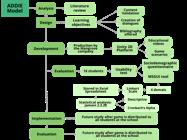
Method: This study involved the creation of an educational game about the prevention and early diagnosis of type II diabetes. The game was developed from September 2023 to August 2024, based on the ADDIE instructional design model and an integrative literature review. The content was validated by experts and the game was created in 2D. Its usability was evaluated by 16 undergraduate health students from a health sciences college using a questionnaire and the MSGUI serious game evaluation tool. Data were analysed using Jamovi software, version 2.3.28, with Cronbach’s alpha applied to assess the reliability of responses.
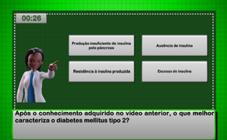
Results: The “Mellitus!” game is a platform-based game divided into six modules covering topics ranging from epidemiologic definitions to strategies for diagnosis and management of type II DM. Students interacted with scenarios simulating real-life situations and rated the experience as positive, highlighting the clarity and relevance of the information provided. Analysis revealed a Cronbach’s alpha of 0.76, indicating good acceptability of the game.
Conclusion: This study developed and validated an educational game for health science students. Results confirmed its effectiveness, with 75% reporting increased curiosity and 93% stating that the questions enhanced learning. More than half expressed interest in the game, highlighting its potential for ongoing updates in digital education.
Keyword:
diabetes mellitus; early diagnosis; professional training; interprofessional education; experimental games
 Thumbnail
 Thumbnail
 Thumbnail
 Thumbnail
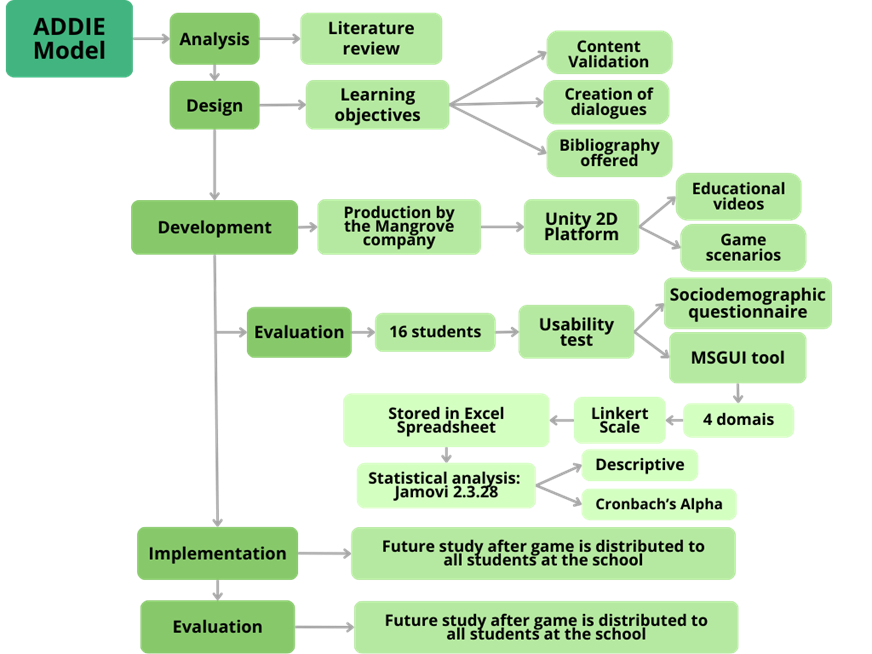 Source: Prepared by the authors. Recife, 2024.
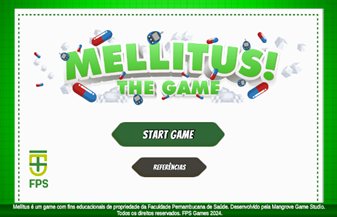 Source: Prepared by the authors. Recife-PE, 2024.
 Source: Prepared by the authors. Recife-PE, 2024.
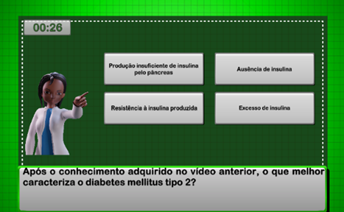 Source: Prepared by the authors. Recife-PE, 2024.