
 The profile of political science in Brazil: institutional arrangements, scholarly impact, and gender inequalities
Abstract:
Who produces political science in Brazil, and how are the field’s institutional arrangements associated with patterns of scholarly impact? Although prior research has examined the discipline’s late institutionalization and the influence of external intellectual traditions, comparatively little is known about how these forces are currently reflected in career trajectories, research agendas, and forms of academic recognition. This article investigates the institutional predictors of scholarly impact among faculty in Brazilian graduate programs in political science, with particular attention to the gendered asymmetries that shape the discipline’s internal organization. The analysis draws on an original dataset compiled from Lattes and Google Scholar, combining descriptive statistics, topic modeling, and matched regression techniques to estimate the effects of institutional, training-related, and thematic factors across multiple impact measures. The results indicate that, once these dimensions are accounted for, gender differences in scholarly impact are substantially reduced, remaining statistically significant only for indicators more sensitive to sustained productivity. Taken together, these findings suggest that observed disparities are less a function of individual performance than of unequal access to opportunities and metric-specific dynamics. By showing that academic impact is closely linked to institutional arrangements that operate unevenly across individuals, the article advances the debate on gender within the discipline and underscores that its recent expansion, while consequential, has not been sufficient to meaningfully disrupt historically stratified patterns.
Keywords:
Brazilian political science; academic elites; institutional asymmetries; gender; scholarly impact; training networks
Resumo:
Quem faz Ciência Política no Brasil e como os arranjos institucionais do campo se associam aos padrões de impacto acadêmico? Embora a literatura tenha explorado sua formação tardia e a influência de matrizes externas, ainda se sabe pouco sobre como essas dinâmicas se expressam hoje nas trajetórias, agendas e formas de reconhecimento acadêmico. O artigo analisa os preditores institucionais do impacto na pós-graduação em Ciência Política, com foco específico nas assimetrias de gênero que atravessam a organização interna da disciplina. A pesquisa usa base original usando como fonte Lattes e Google Scholar, combinando estatísticas descritivas, modelagem de tópicos e regressões com pareamento para estimar os preditores institucionais, formativos e temáticos sobre diferentes métricas de impacto. Os principais resultados mostram que, em modelos com controle de condições institucionais, formativas e temáticas, as diferenças de impacto entre homens e mulheres tornam-se amplamente mitigadas, permanecendo significativas apenas nas métricas mais sensíveis à produtividade contínua. Isso sugere que as assimetrias de gênero decorrem menos do desempenho individual e mais de desigualdades de oportunidades e escolhas métricas. Ao demonstrar que o impacto acadêmico é significativamente vinculado a arranjos institucionais que operam de modo desigual, o artigo qualifica o debate sobre gênero na disciplina e indica que a expansão recente da área, embora relevante, não foi suficiente para transformar de maneira substantiva seus padrões históricos de estratificação.
Palavras-chave:
Ciência Política brasileira; elites acadêmicas; assimetrias institucionais; gênero; impacto acadêmico; redes de formação
Although the literature has illuminated the historical processes that shaped political science in Brazil, from its late institutionalization and dependence on external intellectual traditions to the consolidation of elite networks in leading centers, comparatively little is known about how contemporary institutional configurations relate to patterns of recognition and scholarly impact within the discipline. In particular, insufficient attention has been devoted to the ways in which unequal access to strategic positions, training networks, and professional opportunities translates into disparities in visibility and prestige, especially along gendered lines.
This article is motivated by a broader concern with the extent to which the discipline, despite significant expansion and diversification in recent decades, remains organized around enduring mechanisms of concentration and stratification. Who produces political science in Brazil today? To what extent are institutional differences, such as program type, position within training networks, and affiliation with more prestigious centers, associated with variation in scholarly impact? Finally, to what degree do the gender asymmetries observed within the field reflect differences in performance, as opposed to inequalities in the institutional conditions that shape access, retention, and career progression?
Reflecting on these hierarchies also requires acknowledging the risks inherent in studying one’s own field of practice. Examining academic elites is, above all, an exercise in exposure. As Pierre Bourdieu (1988) reminds us, investigating the domain to which one belongs entails crossing the mirror and confronting the discomfort of observing, through a detached, statistical lens, the mechanisms that sustain one’s own prestige (or lack thereof). This is an inherently ungrateful task: it unsettles the illusion of pure merit, lays bare hierarchies often reframed as excellence, and reveals that, beneath the rhetoric of neutrality, the academic game is profoundly social. From this reflexive standpoint, undertaking a “political science of political scientists” is akin to playing with fire, but it also entails rejecting the comfort of indifference. Ultimately, it constitutes an invitation to collective self-assessment that, while unlikely to generate widespread acclaim, offers analytically valuable insights for those committed to a field that is more plural, equitable, and structured by effort and equality of opportunity rather than inherited advantage.
This reflection acquires additional depth when situated within the discipline’s historical trajectory. The consolidation of political science in Brazil was marked by late institutionalization and a pronounced dependence on external models, particularly those originating in the United States (Forjaz, 1997; Keinert; Silva, 2010; Leite, 2015, 2016a, 2016b). The Ford Foundation played a pivotal role in this process by funding fellowships and graduate programs that promoted a disciplinary template oriented toward empirical inquiry and the valorization of technical standards of excellence (Amorim, 2021; Canêdo, 2018). This process of “modernization” reconfigured the field’s canon, privileging behavioralist, institutionalist, and quantitative approaches while relegating theoretical and societally oriented traditions to more peripheral positions (Leite, 2015; Lessa, 2011). At the same time, the early concentration of academic authority in a limited number of centers fostered the development of endogenous prestige networks and the reproduction of intellectual elites (Marenco, 2014; Tavares; Oliveira, 2016). More recent contributions indicate that these hierarchies also encompass gendered dimensions, reflected in the marginalization of women scholars’ contributions within dominant narratives of the discipline’s development (Almeida; Hollanda, 2020; Candido, 2023).
The article examines how institutional arrangements are associated with patterns of recognition within the discipline, with particular emphasis on gender inequalities in access to strategic positions and circuits of prestige. The analysis relies on an original dataset, manually assembled between September and October 2025, comprising 946 tenured faculty members affiliated with graduate programs accredited by CAPES in political science, public administration, sociology, history, and interdisciplinary studies. Information was collected from the Lattes Platform and Google Scholar, enabling the integration of variables related to educational background, career trajectories, institutional affiliations, advising networks, and multiple indicators of scholarly impact. The Lattes Platform constitutes the primary source given its extensive coverage and national standardization, while Google Scholar complements it by providing bibliometric measures of visibility and productivity.
Methodologically, the article integrates distinct analytical strategies across three stages. The first employs descriptive analyses to map the profile of faculty in graduate programs, including their institutional distribution and gender composition, as well as to reconstruct the training and advising networks that organize the field. The second stage applies structural topic modeling (STM) to Lattes CVs in order to identify the principal thematic dimensions of scholarly production and to estimate, through linear regression models, the factors associated with patterns of specialization. The final stage examines the institutional predictors of scholarly impact using multiple regression techniques and propensity score matching, incorporating variables related to institutional context, educational trajectories, and demographic characteristics. Taken together, this methodological design enables an integrated assessment of the structures and mechanisms that shape contemporary political science in Brazil.
The findings indicate that scholarly impact in Brazilian political science is closely linked to institutional structures that operate unevenly across individuals. Women’s performance is comparable to that of men once trajectories are matched on similar institutional, training, and thematic conditions. Observed differences are concentrated in indicators associated with sustained productivity, such as the i10-index, suggesting that gender disparities stem less from individual performance than from unequal access to institutional opportunities and from the evaluative criteria applied to scholarly output. Moreover, the results point to differential access to placement in higher-prestige programs as the principal mechanism underlying these asymmetries.
At the same time, the territorial and institutional expansion of political science in Brazil has diversified the profile of programs and faculty trajectories without dismantling the historical mechanisms of concentration and stratification. The evidence suggests that the reproduction of academic elites remains anchored in a limited number of core training centers, while advising networks continue to play a decisive role in structuring prestige and access to central positions within the field. In parallel, the discipline’s thematic organization remains segmented between theoretical and analytical approaches, even as an expanding applied strand becomes increasingly visible. Measures of scholarly impact, in turn, continue to be shaped by institutional, regional, and gendered factors, indicating that recent growth has reconfigured, but not overcome, the hierarchies that historically structure the field.
The article demonstrates that scholarly impact is closely tied to asymmetric institutional arrangements, thereby sharpening the debate on gender inequality and stratification within the discipline. Despite recent expansion, the mechanisms that sustain these hierarchies remain largely intact. The compilation and systematization of this information into a comprehensive and comparable dataset constitute a significant contribution in their own right. By offering an unprecedented collective portrait of those who produce political science in Brazil, the study fosters a more transparent debate on how to make the field more diverse, balanced, and consistent with the principles of merit, equality of opportunity, and pluralism.
The structure of the article reflects this comprehensive approach. The first section revisits the historical processes and intellectual disputes that have shaped the development of political science in Brazil, highlighting international influences, the centrality of graduate programs, and the thematic and methodological hierarchies that organize the field. The next section outlines the data and methodological procedures underlying the empirical analysis, drawing on the integration of information from the Lattes Platform and Google Scholar. The third section presents both descriptive and inferential results, examining territorial distribution, gender composition, training trajectories, thematic specialization, and patterns of scholarly impact. The conclusion synthesizes the main findings and discusses their implications for understanding the structure and dynamics of contemporary political science in Brazil.
The legacies of political science in Brazil
Historical emergence and international influence
Brazilian political science consolidated relatively late compared to other social sciences, taking shape only in the late 1960s with the creation of graduate programs at UFMG (1967) and Iuperj (1969) (Canêdo, 2018; Farah, 2016; Forjaz, 1997; Keinert; Silva, 2010; Leite, 2010, 2015; Oliveira et al., 2021). These centers established politics as an autonomous object of inquiry, breaking with legalistic traditions and with the dominance of São Paulo-based sociology rooted in French and Marxist traditions (Forjaz, 1997).
The consolidation of the discipline occurred primarily within graduate education, in contrast to other Latin American countries, where institutionalization began at the undergraduate level (Oliveira et al., 2021). This research-oriented trajectory produced lasting effects: the first bachelor’s degree program was established only in 1989 at the University of Brasília (UnB), delaying both the professionalization and the territorial diffusion of the field (Braga, 2023). As a consequence, graduate programs assumed a strategic role in training scholars, consolidating academic norms, and shaping the discipline’s epistemic community (Lessa, 2011).
The strengthening of these programs was closely intertwined with transnational flows of ideas and resources, particularly through the role of the Ford Foundation, whose central objective was the diffusion of the U.S. model of liberal democracy (Amorim, 2021; Braga, 2023; Canêdo, 2018; Farah, 2016; Forjaz, 1997; Keinert; Silva, 2010; Oliveira et al., 2021). The foundation financed fellowships for study in the United States (Canêdo, 2018; Forjaz, 1997), supported the development of graduate centers, and fostered international networks during the Cold War (Amorim, 2021; Canêdo, 2018). Throughout the second half of the twentieth century, its efforts were concentrated on training technically skilled yet socially peripheral academic elites, equipped to act as intermediaries between science and the state (Amorim, 2021).
This support contributed to the consolidation of a behavioralist and institutionalist model rooted in the U.S. tradition, fostering the diffusion of quantitative methods, a departure from normative approaches, and a strong emphasis on technical training. The resulting process of “disciplinary modernization” incorporated new objects of inquiry and established what came to be regarded as more rigorous standards of scholarly excellence (Leite, 2016a; Lessa, 2011; Maglia; Peres, 2019). At the same time, part of the literature has questioned the use of the U.S. model as a normative benchmark for evaluating political science, noting that such a reference point may obscure the historical and institutional specificities of the discipline in Latin America (Baquero; Noguera; Ortiz, 2019).
Intellectual disputes and disciplinary traditions
The emergence of political science in Brazil was shaped by the influence of foreign models and the delayed development of training institutions. Subsequent intellectual disputes determined how these references would be appropriated and reinterpreted within the national context, giving rise to distinct traditions that continue to structure the field’s identity and internal hierarchies. The literature identifies three principal lineages: a humanistic, essayistic, and literary strand, dominant until the 1960s (Leite, 2015; Lessa, 2011; Lynch, 2017); a societal tradition associated with São Paulo - based sociology (Forjaz, 1997; Leite, 2016a, 2016b); and a scientific political science perspective linked to the UFMG - Iuperj axis and the U.S. model (Leite, 2016b). The latter, supported by international funding (Leite, 2016b), consolidated its position through the hierarchization of scientific criteria and the institutionalization of the discipline (Canêdo, 2018; Leite, 2015, 2016a, 2016b), reshaping both methodological approaches and objects of analysis (Lessa, 2011).
These disputes generated enduring lines of contestation within the discipline: empirical versus theoretical orientations (Leite, 2015, 2017; Sainz; Silva; Codato, 2022), political science-centered versus societal approaches (Leite, 2010), and quantitative versus qualitative methodologies (Leite, 2015, 2016a). As a result, the field consolidated as a hierarchical space in which quantitatively oriented research occupies the dominant pole, while humanistic and societal traditions persist in more peripheral positions (Canêdo, 2018; Leite, 2015, 2016a, 2016b).
This epistemological and institutional hierarchy is reflected in the thematic organization of scholarly production itself. The literature indicates that Brazilian political science is structured around well-defined core areas, with particular emphasis on political institutions (parties, elections, the legislature, and the executive), public policy, political behavior, political economy, and normative theory (Braga, 2023; Leite, 2017; Sainz; Silva; Codato, 2022). Most of these agendas remain closely aligned with the U.S. tradition. Recent mappings of thematic networks reinforce this pattern, identifying five principal clusters: State and International Relations, Parties and Elections, Political Theory, Social Actors and Public Policy, and Institutions (Sainz et al., 2024).
There is a clear correspondence between thematic areas and prevailing methodological styles: research on parties and elections tends to rely on quantitative techniques and hypothesis testing; political theory privileges interpretive approaches; and work on public policy predominantly employs case study designs (Sainz; Silva; Codato, 2022). This configuration remained relatively stable between 2013 and 2020, suggesting a degree of disciplinary consolidation. At the same time, important gaps persist, including the underrepresentation of studies on protest, the public sphere, and forms of direct participation (Tavares; Oliveira, 2016).
The Brazilian political scientist: hegemonies and the gender question
The preceding sections have shown that Brazilian political science has been shaped by external influences, intellectual disputes, and enduring thematic and methodological hierarchies. The next step is to examine how these legacies are reflected in the profile of political scientists themselves. The dynamics of training and recognition that accompanied the discipline’s institutionalization continue to shape access to positions of prestige and visibility. Analyzing the composition of the field, its institutional hegemonies, training networks, and gender inequalities, thus provides a basis for understanding how its historical trajectory continues to structure contemporary career paths.
The data reveal high levels of institutional concentration and limited endogeneity (Marenco, 2014; Tavares; Oliveira, 2016): in 2012, only 7.2% of faculty had been trained within the discipline itself, while nearly half held PhDs in other fields. A small number of institutions - UFMG, Iuperj, USP, and UnB - continue to function as central nodes in advising networks (Marenco, 2014). More recent studies indicate that faculty training remains concentrated in these founding centers, contributing to the reproduction of hierarchical structures within the discipline (Sarmento; Rezende; Santos Júnior, 2019). Far from being neutral, intellectual lineages have also served to legitimize specific academic and political projects, as discussed earlier in relation to the expectations surrounding the role of the Ford Foundation (Keinert; Silva, 2010).
This process has also shaped the field’s social composition. Recent scholarship underscores the relative invisibility of women in historical narratives (Almeida; Hollanda, 2020; Candido, 2023). Foundational accounts such as Forjaz (1997) and Keinert and Silva (2010) tend to marginalize their contributions. Yet available evidence indicates that women have been present since the early years of graduate training and, in some cohorts, even constituted a majority, often exhibiting high levels of academic performance (Candido, 2023).
More recent biographical research underscores the central role of pioneering women scholars in the creation of ANPOCS, ABCP, and several research networks, despite the structural barriers they confronted, including sexism, unequal divisions of labor, and the challenges of reconciling motherhood with academic careers. These asymmetries remain visible in participation rates, advising networks, and bibliometric indicators (Almeida; Hollanda, 2020; Candido; Feres Júnior; Campos, 2019; Rocha-Carpiuc; Madeira, 2019).
In sum, the literature indicates that Brazilian political science is a historically situated field, shaped by international influences, internal disputes, training networks, and hierarchical structures that organize both its institutions and its gendered and regional inequalities, simultaneously diversified and deeply stratified.
Who produces political science in Brazil today?
The literature on the development of political science in Brazil has documented the historical processes that shaped the discipline. As discussed above, its late emergence, institutionalization within graduate education, and selective incorporation of U.S. models gave rise to a markedly hierarchical structure in which specific research styles and institutions came to occupy dominant positions.
Comprehensive empirical assessments of how specific institutional arrangements, such as program type, organizational prestige, and training networks, structure patterns of recognition and scholarly impact in political science remain limited. Mapping central positions within the field, as well as the trajectories associated with higher levels of influence, is essential for evaluating whether recent expansion has produced substantive change or merely reconfigured underlying hierarchies.
This question becomes particularly salient when examined through the lens of gender inequality. Although existing evidence points to disparities in women’s representation, advising networks, and access to high-prestige positions (Almeida; Hollanda, 2020; Candido, 2023; Candido; Feres Júnior; Campos, 2019; Rocha-Carpiuc; Madeira, 2019), it remains unclear whether these differences reflect variation in scholarly performance or unequal institutional conditions shaping entry into and advancement within academic careers.
Moreover, although the historical importance of centers such as UFMG, Iuperj, USP, and UnB within the discipline’s training networks is widely recognized, up-to-date empirical assessments of how these hierarchies are reflected in the contemporary trajectories of faculty remain limited. The expansion of graduate education since the 2000s has reshaped the academic landscape, yet it is still unclear to what extent newer programs have been incorporated into established networks or, alternatively, have developed distinct patterns of training and professional placement. Available evidence suggests that institutional reproduction continues to be marked by the centrality of founding programs in the training of PhDs and faculty, despite the system’s recent expansion (Marenco, 2019; Sarmento; Rezende; Santos Júnior, 2019).
Divisions among intellectual traditions and the thematic segmentation of scholarly production provide the backdrop for the field’s institutional dynamics. The literature points to enduring lines of contestation - political science-oriented versus societal approaches, quantitative versus qualitative methods, and empirical versus theoretical orientations - that have shaped epistemological hierarchies within the discipline (Leite, 2015, 2016a; Sainz; Silva; Codato, 2022). However, empirical investigations into how these disputes translate into training trajectories, academic networks, and patterns of scholarly impact remain limited. Evidence is also scarce regarding whether specific intellectual lineages occupy more central and prestigious positions within the disciplinary structure.
These gaps underscore the need for a comprehensive and systematic analysis that integrates historical perspectives with up-to-date empirical evidence on the structure of the field. Although recent work has advanced the mapping of internationalization and publication networks in Brazilian political science, analyses that connect these processes to the discipline’s institutional hierarchies remain limited (Madeira, 2024). This study addresses this gap by mapping the profile of faculty in graduate programs in political science in Brazil, examining educational trajectories, institutional affiliations, areas of specialization, and patterns of scholarly impact through the combined use of descriptive statistics, network analysis, and regression models.
The analysis investigates whether patterns of training and institutional placement reproduce historical hierarchies, how networks of formation structure academic prestige, which factors are associated with scholarly impact, and whether gender disparities reflect differences in performance or unequal access to highly valued positions.
Data and methodology
The data and analytical procedures presented in this section are summarized given the range of techniques employed. A more detailed description, along with supplementary analyses, is provided in the methodological appendix. The empirical strategy examines how institutional dimensions, such as program type, training networks, and thematic specialization, are associated with patterns of scholarly impact in Brazilian political science, with particular attention to gender asymmetries.
Data sources: Lattes Platform and Google Scholar
The dataset was manually assembled between September 26 and October 24, 2025, using information drawn from the Lattes Platform and Google Scholar. It comprises 946 tenured faculty members affiliated with CAPES-accredited graduate programs, all of whom hold PhDs and maintain active appointments in political science or closely related fields.
The Lattes Platform, created by CNPq and serving as the primary public record of academic trajectories in Brazil since 1999, offers broad and standardized coverage, enabling the systematic mapping of educational backgrounds, institutional affiliations, and advising networks. It has been widely employed in assessments of Brazilian science (Mena-Chalco; Cesar Junior, 2009; Mugnaini; Jannuzzi; Quoniam, 2004; Sidone; Haddad; Mena-Chalco, 2016) as well as in studies of academic elites (Leite, 2016a; Marenco, 2014).
Google Scholar complements the Lattes Platform by providing indicators of scholarly impact and visibility. Despite well-known limitations, its broad coverage and sensitivity to Portuguese-language output make it particularly suitable for analyzing peripheral fields (Harzing; Alakangas, 2016; Orduna-Malea et al., 2015), as its metrics (h-index and i10-index) correlate with conventional indicators while more effectively capturing national and regional production (Martín-Martín et al., 2018). Taken together, the combination of these sources yields a more comprehensive and context-sensitive portrait of Brazilian political science, integrating institutional, training-related, and bibliometric dimensions.
Program selection criteria
The starting point was CAPES’s evaluation area of “Political Science and International Relations”, from which only programs in political science and public policy were selected. Programs in international relations were excluded, as they constitute a subfield with a distinct trajectory and set of networks.
Programs in sociology were also included, specifically those in social sciences, political sociology, and sociology and political science, given the historical anchoring of one of the discipline’s formative lineages (Forjaz, 1997; Leite, 2016a, 2016b). In these cases, the analysis was restricted to faculty with training or a well-established research profile in political science subfields, excluding scholars primarily rooted in other theoretical traditions.
Programs in public administration were also incorporated, particularly those in public administration and government, that comprise the “Public Affairs field”. This field, whose trajectory has evolved from technobureaucratic origins to an interdisciplinary consolidation, has deepened its dialogue with political science and strengthened the analysis of public policy, especially within programs at FGV (Farah, 2018). In line with this perspective, interdisciplinary CAPES programs focused on public policy were likewise included, allowing for a more comprehensive capture of the diverse approaches that constitute the field.
Finally, the program affiliated with CPDOC at FGV was included, although formally classified under history, given its historical and contemporary relevance for the diffusion of empirical methods and the consolidation of political science in Brazil.
The study adopts an expanded selection criterion that, while reducing direct comparability with more restrictive approaches, allows for a more accurate representation of the community of political scientists in Brazil. By incorporating faculty affiliated with fields such as social sciences, political sociology, public administration, and public policy who engage substantively with the discipline, this strategy seeks to avoid the underrepresentation of relevant segments and to more effectively capture the institutional diversity that characterizes the field.
Data structure and integration
From the Lattes Platform, data were collected on faculty members’ educational, institutional, and demographic profiles, including CAPES area, program type and name, state, university, CAPES rating, research interests, gender (coded by the author), and doctoral training (degree title, institution, country, and year), as well as advisor information (name and gender) and self-reported areas of concentration. These data enabled the reconstruction of training and advising networks, the identification of patterns of endogeneity, and the analysis of gender asymmetries and regional concentration. Manual data collection ensured greater consistency and comparability in light of the heterogeneity of CV formats.
From Google Scholar, indicators of scholarly impact and visibility were extracted, including total citations, citations in the past five years, and h-index and i10-index measures (both overall and recent). These metrics were subsequently integrated with the Lattes data to examine how training-related and institutional factors shape patterns of recognition and the centrality of scholars within scientific networks.
Analytical strategies
Institutional structure and faculty profile
The first stage, exploratory in nature, characterizes the structure of Brazilian political science based on the profile of its faculty, drawing on descriptive statistics related to institutional distribution, gender composition, and training trajectories. These analyses provide the foundation for the subsequent examination of institutional hierarchies and patterns of scholarly impact.
Thematic structure of scholarly production
The second stage aimed to map the principal thematic dimensions structuring scholarly production and the areas of activity of faculty in graduate programs in political science in Brazil. To this end, Structural Topic Modeling (STM) (Grimmer; Roberts; Stewart, 2022) was applied to the abstracts and research interests reported in Lattes CVs, following linguistic preprocessing that included normalization, stopword removal, stemming, and tokenization. The resulting corpus was converted into a term-document matrix and estimated with ten topics (K = 10), incorporating prevalence covariates related to institutional affiliation and year of PhD in order to capture inter-institutional and generational variation.
The identified topics - Law; Behavior and Institutions; Health and Environment; Public Administration and Management; History of Political Thought; Social Sciences; Education; Political Economy; Democratic Theory and Participation; and International Relations - capture the contemporary agenda of the field based on scholars’ self-descriptions.
The average prevalence of each topic by program was visualized in a heatmap, enabling comparisons of institutional specialization and the identification of research clusters. Subsequently, multiple linear models were employed to relate topic prevalence to program type, region, CAPES rating, faculty gender, advisor gender, and the country and year of PhD.
The combination of topic modeling and linear regression enabled the mapping of dominant thematic distributions in Brazilian political science and the identification of the institutional and social factors that structure its hierarchies and patterns of specialization.
Institutional predictors of scholarly impact
The final stage examined patterns of scholarly impact among faculty in graduate programs, integrating institutional, thematic, and demographic dimensions to assess how structural differences - such as program type, region, gender, training background, and specialization - translate into variation in levels of scientific visibility.
The impact indicators drawn from Google Scholar included total citations, citations in the past five years, and the h-index and i10-index (both in overall and five-year measures). To ensure comparability across cohorts, citation counts and the i10-index were normalized by career length, while the h-index was retained in its original form.
Based on these metrics, multiple linear regressions were estimated to relate scholarly impact to structural characteristics (program type, CAPES rating, and region), individual attributes (gender, country and year of PhD, advisor gender), and thematic dimensions identified through the STM.
Additionally, Propensity Score Matching was employed to isolate the effect of gender by comparing faculty with equivalent profiles in terms of training, program affiliation, and career trajectories. The standardized results, expressed in standard deviations, highlight differences in impact across distinct metrics.
The analyses presented in this article are associative in nature. Although the models identify factors linked to scholarly impact, the cross-sectional design of the data precludes causal inference. Accordingly, the results should be interpreted as capturing associations between institutional characteristics, training trajectories, and performance.
Results
Institutional structure and faculty profile
The descriptive analysis seeks to delineate the structural contours of contemporary Brazilian political science, with particular attention to two interrelated dimensions: gender composition and academic training networks. Taken together, these elements underscore the interplay between institutional concentration, asymmetries, and historical legacies in the reproduction of the discipline’s scientific elites. The field’s institutionalization unfolded with a high degree of centralization in a small number of core training centers and relatively closed academic networks (Forjaz, 1997; Leite, 2015; Marenco, 2014).
Detailed analyses of the territorial distribution of faculty are presented in the Methodological Appendix. The evidence indicates the persistence of regional asymmetries, with personnel concentrated in historically established centers, reflecting the uneven distribution of scientific infrastructure across a limited number of institutions (Sidone; Haddad; Mena-Chalco, 2016). Despite the recent expansion of graduate education, these traditional hubs continue to exert strong institutional and symbolic influence (Marenco, 2014).
The gender dimension reveals a gradual yet incomplete transformation. Women account for 42.2% of the faculty, representing a substantial advance, although parity has not yet been achieved. This expansion parallels the growing presence of women in the Brazilian social sciences, even as disparities persist in access to higher-prestige academic positions (Almeida; Hollanda, 2020; Candido, 2023). These inequalities vary across subfields (Figure 1).
In political science programs, women account for 35.8% of faculty, a proportion that declines to 28.2% in public administration. By contrast, public policy programs exhibit near parity (50.2%), and CPDOC shows a female majority (52.9%). These contrasts underscore the discipline’s internal segmentation: subfields more closely aligned with traditional political science and technobureaucratic cores retain more unequal gender structures, whereas interdisciplinary and applied areas tend to be more inclusive. Areas associated with historically established training networks and higher-prestige institutional positions remain more male-dominated (Candido; Feres Júnior; Campos, 2019).
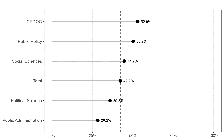
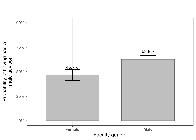
Figure 2 examines gender homophily in academic advising networks. Men have a 62.8% probability of having been supervised by other men, whereas among women this figure is 46.7%, a difference of approximately 16 percentage points. Given that 69.2% of faculty were supervised by male advisors, this pattern reflects the legacy of a historically male-dominated training structure.
Training networks reproduce academic hierarchies by structuring institutional circuits of professional socialization, through which gender inequalities are also shaped (Marenco, 2014; Sarmento; Rezende; Santos Júnior, 2019). Although recent advances and the growing presence of women advisors signal positive change, the continued predominance of men in mentorship roles continues to constrain women scholars’ access to prestigious networks and the accumulation of symbolic capital.
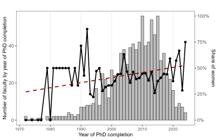
The historical trajectory reinforces this interpretation. Figure 3 shows that, until the early 1980s, women’s presence was considerably more limited. From the 2000s onward, however, there is a steady increase, with averages approaching 40% and recent peaks exceeding 60%. This upward trend parallels the institutional expansion of the field and the creation of new programs, which have become important entry points for successive cohorts of women scholars.
Women have been present in Brazilian political science since the early years of graduate education, but their participation has become more visible in recent decades with the expansion of the system (Candido, 2023). Nonetheless, this trajectory underscores the enduring weight of historical barriers and the persistence of inequalities in access to prestigious positions.
Institutional and gendered path dependencies are also evident in training trajectories (see the methodological appendix). PhDs in political science predominate, followed by sociology and the broader social sciences, reflecting both the consolidation of the discipline and its interdisciplinary legacy, as well as degrees in other fields, particularly among earlier cohorts (Forjaz, 1997; Leite, 2015).
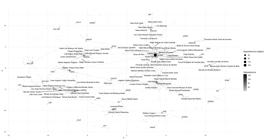
Figure 4 presents the structure of academic training networks, revealing a pronounced concentration around a historical core of institutions. USP stands out as by far the leading source of faculty training (18.1%), followed by Unicamp (8%), UFRJ (6.5%), UFRGS (6.2%), and the former Iuperj (5%). Together, these five universities account for nearly half of the current faculty’s training. This pattern underscores the centrality of a limited set of institutions in the formation of the discipline’s academic elites (Marenco, 2014; Sarmento; Rezende; Santos Júnior, 2019).
Among the most prominent advisors are Fabiano Guilherme Mendes Santos, Maria Regina Soares de Lima, Marcelo Gantus Jasmin, and Marcus Faria Figueiredo, who reflect the historical legacy of Iuperj, as well as Maria Hermínia Tavares de Almeida and Argelina Cheibub Figueiredo, associated with São Paulo’s hegemonic position and its two leading institutions, USP and Unicamp. Taken together, these figures embody the continuity of networks of prestige and intellectual authority within the field. The recurrence of these advisors within training networks underscores the role of academic lineages in the reproduction of scientific capital and institutional recognition (Marenco, 2014).
Although smaller in number, foreign institutions such as the London School of Economics, University of California, University of Oxford, École des hautes études en sciences sociales, and Massachusetts Institute of Technology reaffirm the enduring role of international training in the legitimation of academic elites. Internationalization, particularly through training in the United States and Europe, has played a central role in the consolidation of the discipline in Brazil (Amorim, 2021; Forjaz, 1997). The case of Adam Przeworski, identified in the network as the advisor of key figures in Brazilian political science, specifically Fernando Limongi, Argelina Cheibub Figueiredo, and Carlos Pereira, illustrates how these transnational connections are intertwined with domestic dynamics of prestige and intellectual reproduction.
Advising networks contribute to the reproduction of gender inequalities. Despite the increasing participation of women, central supervisory positions in high-prestige programs remain predominantly male, thereby reinforcing asymmetries in circuits of academic prestige (Almeida; Hollanda, 2020; Rocha-Carpiuc; Madeira, 2019).
Taken together, the descriptive analyses portray a field in transformation, yet still profoundly shaped by institutional concentration, gender segmentation, and hierarchical training legacies. The discipline’s recent expansion has fostered a degree of institutional diversification without eliminating the historical mechanisms of stratification that continue to structure it (Forjaz, 1997; Leite, 2015; Marenco, 2014).
Despite territorial expansion and the growing participation of women, the reproduction of academic elites remains anchored in a limited set of core institutions and prestige networks that link successive generations of scholars. The field thus combines gradual diversification with enduring structural continuity, providing the backdrop for the contemporary dynamics of recognition and scholarly impact examined in the sections that follow.
Thematic structure of scholarly production
The analysis of areas of specialization illustrates how the historical and institutional asymmetries discussed above are expressed in the thematic organization of scholarly production in Brazilian political science. The development of the discipline has been shaped by ongoing disputes among intellectual traditions and methodological approaches, which have played a central role in structuring its research agenda (Leite, 2015, 2016a; Sainz; Silva; Codato, 2022).
Figure 5 displays the thematic specialization of graduate programs, indicating the average share of each program’s association with the ten principal topics identified through the STM. The overall pattern points to a diverse and segmented field, in which distinct training traditions - political science-oriented, societal, and technobureaucratic - structure the distribution of themes and research agendas.
In political science programs, the Behavior and Institutions topic predominates, structuring the core axis of established graduate programs such as DCP-USP (36.6%), PPGCP-UFMG (29.5%), PPGCP-UnB (34.3%), and PPGCP-UFPE (42.7%). This concentration reinforces the hegemony of institutionalist and behavioral approaches, rooted in the U.S. model of disciplinary modernization, characterized by an empirical orientation and the extensive use of quantitative methods.
The consolidation of political science in Brazil took place around these approaches, which became central to defining the discipline’s standards of academic prestige (Forjaz, 1997; Leite, 2016a; Lessa, 2011). As a result, the field’s core political science-oriented segment continues to benefit from the historically accumulated prestige of these lineages, reinforced by training concentrated in the oldest institutions.
In public administration and government programs, specifically DPAP-IDP (45.7%), FGV-EAESP (42.3%), and FGV-EBAPE (44.5%), there is a pronounced specialization in public administration and management, consistent with the applied orientation of the so-called public affairs field. This axis, which emerged at the intersection of political science and state administration, reflects the influence of FGV and IDP in training technical cadres and in consolidating a research agenda focused on administrative efficiency and policy evaluation.
The institutional consolidation of the public affairs field has expanded the dialogue between political science and applied areas of public policy analysis (Farah, 2018). This trend reflects a broader regional pattern: the predominance of the Brasília-São Paulo-Rio axis-centers of political and bureaucratic power that continue to concentrate the field’s institutional and scientific capital.
In contrast, programs such as PPED-UFRJ (43.0%) and PERPP-UESC (62.2%) stand out for their emphasis on political economy, consolidating a more circumscribed yet enduring research cluster centered on development and inequality. Political economy remains one of the classic pillars of national scholarship, often associated with debates on development, the state, and distributive disparities (Braga, 2023; Sainz et al., 2024). The persistence of this profile illustrates how certain intellectual traditions retain vitality even beyond major centers, adapting to and engaging with specific regional contexts.
The Democratic Theory and Participation topic is among the most widely distributed, shaping programs such as PGCS-UFES (46.3%), PPGCS-UFRN (40.3%), PPGCS-UFBA (42.2%), and PPGCS-UNESP Marília (40.3%). This broad presence reflects the continued vitality of interpretive, qualitative, and normative traditions, associated with societal and critical-theoretical lineages, which continue to contend with the institutionalist-behavioral axis for disciplinary space.
Brazilian political science has historically been structured around a tension between empiricist traditions inspired by the U.S. model and theoretical or societal approaches rooted in the national social sciences (Leite, 2015; Sainz; Silva; Codato, 2022). An emblematic illustration of this divide is PPGCP-UnB, which is organized around two clearly segmented axes: Politics and Institutions, on the one hand, and Democracy and Society, on the other.
FGV-CPDOC, in turn, exhibits a distinctive profile, with 40.9% of its output associated with the History of Political Thought topic. This emphasis confirms its hybrid character and underscores the historical role, somewhat reflexively, played by CPDOC as a bridge between empirical and interpretive traditions, linking contemporary political analysis to the recovery of historical and conceptual foundations. Thematic and methodological pluralism thus remains a durable feature of Brazilian political science (Braga, 2023; Sainz et al., 2024).
In sum, the thematic landscape suggests that, although Brazilian political science has broadened its scope, the field remains organized around dominant cores - Behavior and Institutions, Democratic Theory and Participation, and Public Administration and Management - which both reflect and reproduce the training-based hierarchies discussed above.
The institutional expansion of the field has reconfigured, without eliminating, its historical divisions, preserving the centrality of specific research styles and training traditions (Leite, 2015; Marenco, 2014). In this context, the consolidation of public administration and management as a third, relatively autonomous axis within the discipline’s thematic landscape is particularly noteworthy.
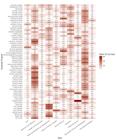
Figure 6 complements this diagnosis by identifying the factors that condition faculty members’ thematic specialization, integrating institutional, regional, and individual dimensions. Program type emerges as the primary predictor of thematic variation: faculty in public policy and public administration programs tend to concentrate on applied agendas, such as public administration and management and political economy, whereas those in political science programs exhibit stronger alignment with classic agendas inspired by the U.S. tradition, particularly Behavior and Institutions. Programs in the social sciences place greater emphasis on Democratic Theory and Participation and Education, combining normative and empirical perspectives while maintaining closer intellectual ties to national interpretive traditions. This institutional differentiation reinforces the segmentation of the field into analytical, theoretical, and applied poles.
Regional differences also emerge, albeit in a more localized manner. The South, for instance, exhibits a higher concentration of research on Democratic Theory and Participation. At the individual level, gender and academic advising reveal meaningful divides. Men tend to concentrate in areas such as Democratic Theory and Participation and in agendas related to political economy, whereas faculty supervised by women display a stronger presence in social and educational domains, including Social Sciences, Health and Environment, and Education. These patterns reflect asymmetries in training networks and access to prestige discussed earlier, indicating that thematic hierarchies are also shaped by gendered dynamics.
Year of PhD completion reveals clear generational patterns: younger faculty are more engaged with law, public administration, and international relations, indicating the growing prominence of agendas centered on governance, regulation, and public policy. These trends reflect both the recent expansion of the field and its increasing institutional interconnectedness.
In sum, the thematic distribution of Brazilian political science remains strongly conditioned by institutional origins and socio-professional trajectories, combining historical continuities with emerging forms of specialization and segmentation. This complex and hierarchical configuration provides the backdrop for understanding, in the next section, how differences in position and profile are reflected in patterns of scholarly impact.
Institutional predictors of scholarly impact
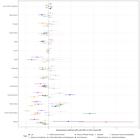
The results presented in Figure 7 reveal a consistent pattern of institutional and thematic stratification in scholarly impact, even after controlling for career length. Political science in Brazil has historically been organized around hierarchically structured institutional centers and highly concentrated training networks (Forjaz, 1997; Leite, 2015; Marenco, 2014). This pattern indicates that the mechanisms of asymmetry discussed above, regional concentration, institutional segmentation, and gender inequalities, extend beyond faculty composition to shape the symbolic and bibliometric returns to scholarly production.
The gains associated with public administration programs are particularly noteworthy, as their coefficients are positive and statistically significant across all metrics, indicating a more favorable environment for bibliometric visibility. This pattern may reflect the strong incentives for international publication provided by institutions linked to this type of program. The consolidation of the so-called public affairs field has thus taken place as an institutional space characterized by an applied orientation and the growing internationalization of Brazilian scholarly production (Farah, 2018).
Institutional quality, as measured by CAPES ratings, emerges as one of the most robust predictors of scholarly impact, suggesting a feedback loop between evaluated excellence and productivity: higher-rated programs attract more productive faculty, whose output, in turn, reinforces their hierarchical standing. Brazilian science is marked by a strong concentration of resources, prestige, and output in a limited number of established academic centers (Sidone; Haddad; Mena-Chalco, 2016). Regional location further underscores these structural inequalities: faculty in the Northeast and North and, to a lesser extent, the South, display lower performance across all six metrics analyzed relative to those in the Southeast, reflecting the historical concentration of resources and academic infrastructure.
At the individual level, differences associated with prestige and training also emerge. Men retain a significant advantage in cumulative metrics, particularly those that privilege volume of output, most notably the i10-index, while PhD holders trained in the United States exhibit substantial gains, especially in citations per year and the h-index. Internationalization, particularly through training in the United States, has played a central role in the formation of academic elites in Brazilian political science (Amorim, 2021; Forjaz, 1997).
Advisor gender does not exhibit a consistent effect, suggesting that part of the symbolic capital associated with mentoring networks dissipates once other structural factors are taken into account. Advising networks nonetheless constitute an important mechanism in the reproduction of the discipline’s academic hierarchies (Marenco, 2014; Sarmento; Rezende; Santos Júnior, 2019), indicating that their effects may operate indirectly through unequal access to higher-prestige institutional positions.
Year of PhD completion is negatively associated with cumulative metrics, reflecting, as expected, the lower accumulated output of younger cohorts. This finding underscores the importance of temporal controls: even after accounting for career length, year of PhD completion continues to exert a significant influence on scholarly performance through factors beyond the mere accumulation of publications.
The thematic effects confirm the field’s segmentation. Health and Environment exhibits the largest gains across all metrics, consistent with patterns observed in the health sciences, which are associated with more concise outputs and higher publication volume. Public Administration and Management and Behavior and Institutions also stand out, reinforcing the advantage of empirically oriented agendas with stronger international integration. Empirical-institutionalist and public policy agendas thus occupy a central position in the thematic organization of Brazilian political science (Braga, 2023; Leite, 2017; Sainz et al., 2024).
In sum, three dimensions structure scholarly impact:
-
institutional capital, reflected in program type, CAPES rating, and geographic location;
-
individual attributes, particularly gender and international training; and
-
thematic specialization, which favors applied and empirically oriented research agendas.
These dimensions reflect the centrality of key training hubs, institutional stratification, and thematic segmentation that characterize the field’s historical structure (Forjaz, 1997; Leite, 2015; Marenco, 2014). Five-year indicators reproduce this pattern, suggesting that these inequalities arise not only from seniority but also from enduring structural differences in productivity and professional insertion that persist in the short term.
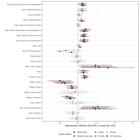
The analysis of linear models applied to the matched sample of comparable men and women reveals a more nuanced pattern than is often suggested in the literature on gender inequality in academia (Figure 8). Contrary to the widely held expectation that women systematically exhibit lower levels of impact, the results indicate that, when compared under equivalent institutional, training, and thematic conditions, most differences are substantially attenuated. The remaining gaps are concentrated in indicators that are particularly sensitive to sustained productivity pressures.
After matching on program type and region, CAPES rating, country and year of PhD completion, advisor gender, and thematic specialization, statistically significant differences are concentrated in only three metrics: citations per year (+16.25; p = 0.019), i10-index per year (+0.25; p = 0.006), and i10-index per year over the past five years (+2.32; p = 0.046). For the remaining indicators, specifically citations per year over the past five years, the h-index, and the h-index over the past five years, differences do not reach statistical significance, although the coefficients remain positive for men.
These results indicate that women do not exhibit lower performance in terms of cumulative impact; rather, asymmetries are concentrated in dimensions associated with the accumulation of outputs, precisely those that tend to penalize individuals facing external constraints, such as the “double shift” and the unequal distribution of care responsibilities. Gender inequalities in science thus stem less from differences in performance than from unequal structural conditions shaping production and career advancement in academia (Almeida; Hollanda, 2020; Rocha-Carpiuc; Madeira, 2019).
These results challenge the often taken-for-granted assumption that women exhibit lower scholarly impact. When the field is institutionally balanced, such differences lose statistical robustness. However, in indicators that require a continuous pace of publication, particularly the i10-index, which is highly sensitive to output volume and self-citation and does not clearly distinguish between high- and mid-impact work, female disadvantages reemerge. These patterns reflect not only time constraints but also, likely, dynamics of recognition and unequal access to coauthorship networks and international visibility. As Fox and Nikivincze (2021) argue, academia remains structured around a “male productivity model”, which presumes uninterrupted dedication and overlooks the diversity of professional and family trajectories.
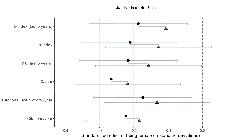
The analysis of Figure 9 indicates that gender asymmetry is concentrated in higher-prestige institutional positions, which are more frequently occupied by men. This pattern suggests that metrics commonly associated with academic “merit” reflect, to a considerable extent, inequalities in the distribution of institutional opportunities. Moreover, the homophily observed in advising networks contributes to the reinforcement of predominantly male circuits of prestige, thereby reproducing hierarchies that are already well established within the discipline (Candido, 2023; Candido; Feres Júnior; Campos, 2019; Marenco, 2014; Sarmento; Rezende; Santos Júnior, 2019).
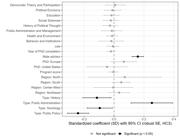
Institutional, training, and thematic predictors of exclusion from matching (“male advantage”)
In the context of Brazilian political science, these results align with the article’s central argument: the field’s expansion and diversification have not produced a substantive break with its historical mechanisms of stratification. Merit continues to be assessed through metrics that frequently privilege profiles characterized by uninterrupted, full-time dedication, still predominantly male, while certain narratives continue to circulate as accepted truths without adequate empirical grounding.
Despite the field’s recent institutional expansion, the historical mechanisms of concentration and elite reproduction continue to shape academic recognition within the discipline (Forjaz, 1997; Leite, 2015; Marenco, 2014). By addressing compositional biases, the matching analysis demonstrates that gender inequality does not reside in performance itself, but in the ways the field values and rewards particular career trajectories and patterns of productivity.
Conclusion
This article examined who composes contemporary political science in Brazil and the extent to which the field’s institutional arrangements continue to shape mechanisms of concentration and stratification. To assess how different institutional positions are associated with patterns of scholarly recognition, particularly with regard to gender asymmetries, the study assembled an original dataset of 946 faculty members in graduate programs, compiled from the Lattes Platform and Google Scholar. The combination of descriptive analyses, topic modeling, and regression techniques with matching made it possible to examine how gender, region, program type, and training trajectories interact in shaping academic prestige.
The results indicate that the field’s expansion has not been sufficient to eliminate structural asymmetries (Forjaz, 1997; Leite, 2015, 2016a; Marenco, 2014). The reproduction of academic elites remains concentrated in a limited number of core training centers, sustained by advising networks that reinforce endogeneity and institutional exclusivity. Regional and gender inequalities also persist (Almeida; Hollanda, 2020; Candido, 2023), pointing to an uneven distribution of symbolic capital and visibility within the discipline.
Part of these asymmetries stems from advising networks historically dominated by men, which reproduce predominantly male circuits of prestige. Although women’s participation has increased, the formation of new academic lineages remains gradual. Another relevant dimension, beyond the scope of this article but highlighted in the literature, concerns an additional intersectional cleavage, pointing to the persistent underrepresentation of non-white scholars in higher-prestige positions (Candido; Feres Júnior; Campos, 2019).
The matched analysis of men and women reveals a more nuanced interpretive picture. Once institutional, training-related, and thematic conditions are taken into account, differences in scholarly impact are largely attenuated, remaining evident only in metrics more sensitive to output volume, such as the i10-index. This finding suggests that gender inequalities do not arise from lower performance, but from the evaluation criteria themselves, which privilege continuous publication rates and uninterrupted dedication, conditions that are less accessible to women, largely due to workload imbalances and care responsibilities. Moreover, complementary analyses indicate that the primary factor associated with gender asymmetry lies not in individual characteristics, but in unequal access to positions within higher-prestige programs in the field (Figure 9).
These results challenge the notion that women exhibit lower scholarly impact. When conditions are equalized, much of the observed differences lose statistical significance, remaining concentrated in volume-based indicators. In this sense, a system of recognition grounded in cumulative metrics tends to reproduce inequality under the guise of neutrality. At the same time, there are clear signs of change: the growing presence of women, the geographic diffusion of graduate programs, and the strengthening of interdisciplinary axes point to increasing diversification. The equivalence in performance under balanced conditions reinforces the view that inequality is contingent and therefore amenable to intervention. The coexistence of legacy and renewal thus reveals a field in transition, one that still bears the imprint of its origins but is becoming more reflexive and open to alternative conceptions of excellence.
Although it provides a comprehensive and unprecedented portrait of the field, this study has limitations that warrant acknowledgment. The most important concerns the absence of data on race (a self-reported variable largely unavailable in most Lattes CVs) which precludes the analysis of a central dimension of academic inequality, extensively documented in recent studies on the racial composition of the discipline’s elite in Brazil (Campos; Candido, 2023; Candido; Feres Júnior; Campos, 2019; Ribeiro, 2019). Program selection was guided by specific theoretical and historical criteria (Farah, 2016; Forjaz, 1997; Leite, 2016a), consistent with the literature, although alternative institutional configurations might yield different results. The use of Google Scholar, while subject to coverage biases, proved appropriate for peripheral contexts given its sensitivity to Portuguese-language output and the uniform application of its metrics (Harzing; Alakangas, 2016; Martín-Martín et al., 2018), though alternative approaches could be explored. Coauthorship and publication networks were not included, and their examination could further deepen the understanding of collaboration dynamics and the circulation of prestige (Marenco, 2014). Another limitation stems from the use of self-reported research areas in Lattes, which capture perceived affiliations more than the substantive content of scholarly output. Finally, year of PhD completion was employed as a proxy for career trajectory, a necessarily imperfect measure, but one sufficient to capture generational effects.
These limitations point to promising avenues for future research. Incorporating racial variables is essential for understanding the intersectional inequalities that structure Brazilian academia. Examining coauthorship networks could illuminate the mechanisms of collaboration and the circulation of prestige across subfields and generations, while comparing Lattes self-classifications with the substantive content of scholarly output would allow for assessing the robustness of the findings across different bibliometric bases. The application of machine learning techniques is also likely to enhance the precision of textual analysis and to refine the mapping of linkages among scholars, institutions, and areas of specialization, and thus constitutes a fruitful direction for future work. Finally, longitudinal designs focused on training trajectories and scholarly impact can capture patterns of mobility and generational change, contributing to a research agenda capable of tracking the evolution and diversification of Brazilian political science.
References
- ALMEIDA, Carla; HOLLANDA, Cristina Buarque de. Fundadoras da ciência política no brasil: campo, trajetórias e condição feminina. In: BIROLI, Flávia; TATAGIBA, Luciana; ALMEIDA, Carla; HOLLANDA, Cristina Buarque de; OLIVEIRA, Vanessa Elias de (orgs). Mulheres, poder e ciência política: debates e trajetórias. Campinas: Editora Unicamp, 2020. p. 223-246.
-
AMORIM, Felipe Colla de. The birth of a discipline: o convênio Ford-Iuperj e a modernização da ciência política no Brasil (1967-1973). 2021. Dissertação (Mestre em História). Faculdade de Filosofia, Letras e Ciências Humanas da Universidade de São Paulo. Available at: Available at: https://www.teses.usp.br/teses/disponiveis/8/8138/tde-25062021-201510/publico/2021_FelipeCollaAmorim_VCorr.pdf Accessed on: January 10, 2025.
» https://www.teses.usp.br/teses/disponiveis/8/8138/tde-25062021-201510/publico/2021_FelipeCollaAmorim_VCorr.pdf -
BAQUERO, Sergio Angel; NOGUERA, Juan Carlos Rico; ORTIZ, Julián Andrés Caicedo. Claves para problematizar el concepto de institucionalización en los estudios disciplinares: Una revisión crítica de la propuesta conceptual de David Altman. Civitas-Revista de Ciências Sociais, Porto Alegre, v. 19, p. 504-522, 2019. Available at: https://doi.org/10.15448/1984-7289.2019.3.33247 Accessed on: January 10, 2025.
» https://doi.org/10.15448/1984-7289.2019.3.33247 -
BRAGA, Maria do Socorro Sousa. A Ciência Política no Brasil: passado, presente e futuro. Revista Agenda Política, v. 10, n. 3, p. 147-164, 2023. Available at: http://doi.org/10.31990/agenda.2022.3.6 Accessed on: January 10, 2025.
» https://doi.org/10.31990/agenda.2022.3.6 - BOURDIEU, Pierre. Homo academicus. Stanford University Press, 1988.
-
CAMPOS, Luiz Augusto; CANDIDO, Marcia Rangel. Desigualdades raciais na ciência brasileira. Grupo de Estudos Multidisciplinares de Ação Afirmativa, 2023. Available at: Available at: https://gemaa.iesp.uerj.br/infografico/desigualdades-raciais-na-ciencia-brasileira/ Accessed on: January 10, 2025.
» https://gemaa.iesp.uerj.br/infografico/desigualdades-raciais-na-ciencia-brasileira/ -
CANDIDO, Marcia Rangel. A ciência política é um mundo de homens? Uma crítica às narrativas da história da disciplina no Brasil. Revista Brasileira de Ciência Política, Brasília, n. 41, p. e269821, 2023. Available at: https://doi.org/10.1590/0103-3352.2023.41.269821 Accessed on: January 10, 2025.
» https://doi.org/10.1590/0103-3352.2023.41.269821 -
CANDIDO, Marcia Rangel; FERES JÚNIOR, João; CAMPOS, Luiz Augusto. Desigualdades na elite da ciência política brasileira. Civitas-Revista de Ciências Sociais, Porto Alegre, v. 19, n. 3, p. 564-582, 2019. Available at: https://doi.org/10.15448/1984-7289.2019.3.33488 Accessed on: January 10, 2025.
» https://doi.org/10.15448/1984-7289.2019.3.33488 - CANÊDO, Leticia. The Ford Foundation and the institutionalization of political science in Brazil. In: HEILBRON, Johan; SORÁ, Gustavo; BONCOURT, Thibaud (eds.). The social and human sciences in global power relations. Cham: Springer International Publishing, 2018. p. 243-266.
-
FARAH, Marta Ferreira Santos. Formación en política pública en Brasil. De las iniciativas pioneras de los años sesenta a la institucionalización del “campo de públicas”. Estudios Políticos, n. 49, p. 192-215, 2016. Available at: http://dx.doi.org/10.17533/udea.espo.n49a11 Accessed on: January 10, 2025.
» https://doi.org/10.17533/udea.espo.n49a11 -
FARAH, Marta Ferreira Santos. Institucionalização do campo de administração pública: reflexões sobre o passado e desafios do futuro. NAU Social, v. 9, n. 17, p. 76-91, 2018. Available at: https://doi.org/10.9771/ns.v9i17.31431 Accessed on: January 10, 2025.
» https://doi.org/10.9771/ns.v9i17.31431 -
FORJAZ, Maria Cecília Spina. A emergência da Ciência Política acadêmica no Brasil: aspectos institucionais. Revista Brasileira de Ciências Sociais, São Paulo, v. 12, n. 35, p. 101-120, 1997. Available at: Available at: https://www.scielo.br/j/rbcsoc/a/BGjHfDXyhnQtLpZRNDrR55P Accessed on: January 10, 2025.
» https://www.scielo.br/j/rbcsoc/a/BGjHfDXyhnQtLpZRNDrR55P -
FOX, Mary Frank; NIKIVINCZE, Irina. Being highly prolific in academic science: characteristics of individuals and their departments. Higher Education, v. 81, n. 6, p. 1237-1255, 2021. Available at: https://doi.org/10.1007/s10734-020-00609-z Accessed on: January 10, 2025.
» https://doi.org/10.1007/s10734-020-00609-z - GRIMMER, Justin; ROBERTS, Margaret E.; STEWART, Brandon M. Text as data: a new framework for machine learning and the social sciences. Princeton University Press, 2022.
-
HARZING, Anne-Wil; ALAKANGAS, Satu. Google Scholar, Scopus and the Web of Science: a longitudinal and cross-disciplinary comparison. Scientometrics, v. 106, p. 787-804, 2016. Available at: https://doi.org/10.1007/s11192-015-1798-9 Accessed on: January 10, 2025.
» https://doi.org/10.1007/s11192-015-1798-9 -
KEINERT, Fábio Cardoso; SILVA, Dimitri Pinheiro. A gênese da ciência política brasileira. Tempo Social, São Paulo, v. 22, n. 1, p. 79-98, 2010. Available at: https://doi.org/10.1590/S0103-20702010000100005 Accessed on: January 10, 2025.
» https://doi.org/10.1590/S0103-20702010000100005 -
LEITE, Fernando. Posições e divisões na Ciência Política brasileira contemporânea: explicando sua produção acadêmica. Revista de Sociologia e Política, Curitiba, v. 18, n. 37, p. 149-182, 2010. Available at: https://doi.org/10.1590/S0104-44782010000300011 Accessed on: January 10, 2025.
» https://doi.org/10.1590/S0104-44782010000300011 -
LEITE, Fernando. O campo de produção da ciência política brasileira contemporânea. 2015. Tese (Doutorado em Sociologia) - Departamento de Sociologia e Ciência Política, Universidade Federal do Paraná, Curitiba. Available at: Available at: https://acervodigital.ufpr.br/handle/1884/37966 Accessed on: January 10, 2025.
» https://acervodigital.ufpr.br/handle/1884/37966 -
LEITE, Fernando. The stratification of diversity: measuring the hierarchy of Brazilian political science. Brazilian Political Science Review, Rio de Janeiro, v. 10, n. 1, p. e0006, 2016a. Available at: https://doi.org/10.1590/1981-38212016000100006 Accessed on: January 10, 2025.
» https://doi.org/10.1590/1981-38212016000100006 -
LEITE, Fernando. Tradições disciplinares e tradições intelectuais na trajetória da ciência política brasileira. Caderno CRH, Salvador, v. 29, n. 78, p. 587-606, 2016b. Available at: https://doi.org/10.1590/S0103-49792016000300011 Accessed on: January 10, 2025.
» https://doi.org/10.1590/S0103-49792016000300011 -
LEITE, Fernando. Tradições intelectuais na ciência política brasileira contemporânea. Dados, Rio de Janeiro, v. 60, n. 3, p. 751-791, 2017. Available at: https://doi.org/10.1590/001152582017134 Accessed on: January 10, 2025.
» https://doi.org/10.1590/001152582017134 -
LESSA, Renato. Da interpretação à ciência: por uma história filosófica do conhecimento político no Brasil. Lua Nova: Revista de Cultura e Política, São Paulo, n. 82, p. 17-60, 2011. Available at: Available at: https://www.scielo.br/j/ln/a/X9z7JY4d3kxrd93tF6dQGSt/ Accessed on: January 10, 2025.
» https://www.scielo.br/j/ln/a/X9z7JY4d3kxrd93tF6dQGSt/ -
LYNCH, Christian Edward Cyril. Entre a “velha” e a “nova” ciência política: continuidade e renovação acadêmica na primeira década da revista Dados (1966-1976). Dados, Rio de Janeiro, v. 60, n. 3, p. 663-702, 2017. Available at: https://doi.org/10.1590/001152582017132 Accessed on: January 10, 2025.
» https://doi.org/10.1590/001152582017132 -
MADEIRA, Rafael Machado. Internationalization of the training and production of Brazilian graduate programs of political science. Revista Mexicana de Ciencias Políticas y Sociales, v. 69, n. 251, p. 261-284, 2024. Available at: https://doi.org/10.22201/fcpys.2448492xe.2024.251.86938 Accessed on: January 10, 2025.
» https://doi.org/10.22201/fcpys.2448492xe.2024.251.86938 -
MAGLIA, Cristiana; PERES, Paulo. Ciência Política na Ufrgs: Formação, evolução e perfil da produção científica. Civitas-Revista de Ciências Sociais, Porto Alegre, v. 19, n. 3, p. 625-645, 2019. Available at: https://doi.org/10.15448/1984-7289.2019.3.33468 Accessed on: January 10, 2025.
» https://doi.org/10.15448/1984-7289.2019.3.33468 -
MARENCO, André. The three Achilles’ heels of Brazilian political science. Brazilian Political Science Review, São Paulo, v. 8, n. 3, p. 3-38, 2014. Available at: https://doi.org/10.1590/1981-38212014000100019 Accessed on: January 10, 2025.
» https://doi.org/10.1590/1981-38212014000100019 -
MARENCO, André. Ciência Política como vocação: profissionalização de doutores em Ciência Política no Brasil, 1996-2014. Civitas-Revista de Ciências Sociais, Porto Alegre, v. 19, n. 3, p. 523-544, 2019. Available at: https://doi.org/10.15448/1984-7289.2019.3.32941 Accessed on: January 10, 2025.
» https://doi.org/10.15448/1984-7289.2019.3.32941 -
MARTÍN-MARTÍN, Alberto; ORDUNA-MALEA, Enrique; THELWALL, Mike; LÓPEZ-CÓZAR, Emilio Delgado. Google Scholar, Web of Science, and Scopus: A systematic comparison of citations in 252 subject categories. Journal of Informetrics, v. 12, n. 4, p. 1160-1177, 2018. Available at: https://doi.org/10.1016/j.joi.2018.09.002 Accessed on: January 10, 2025.
» https://doi.org/10.1016/j.joi.2018.09.002 -
MENA-CHALCO, Jesús Pascual; CESAR JUNIOR, Roberto Marcondes. ScriptLattes: an open-source knowledge extraction system from the Lattes platform. Journal of the Brazilian Computer Society, v. 15, n. 4, p. 31-39, 2009. Available at: https://doi.org/10.1007/BF03194511 Accessed on: January 10, 2025.
» https://doi.org/10.1007/BF03194511 -
MUGNAINI, Rogério; JANNUZZI, Paulo de Martino; QUONIAM, Luc. Indicadores bibliométricos da produção científica brasileira: uma análise a partir da base Pascal. Ciência da Informação, v. 33, n. 2, p. 123-131, 2004. Available at: https://doi.org/10.18225/ci.inf.v33i2.1054 Accessed on: January 10, 2025.
» https://doi.org/10.18225/ci.inf.v33i2.1054 -
OLIVEIRA, Amurabi; ENGERROFF, Ana Martina Baron; SILVA, Camila Ferreira da; SANTOS, Beatriz Melchioretto Claudino dos. A trajetória da ciência política no Brasil e a sua autonomização: uma análise a partir dos programas de pós-graduação. Pro-posições, Campinas, v. 32, p. e20190059, 2021. Available at: https://doi.org/10.1590/1980-6248-2019-0059 Accessed on: January 10, 2025.
» https://doi.org/10.1590/1980-6248-2019-0059 -
ORDUNA-MALEA, Enrique; AYLLÓN, Juan M.; MARTÍN-MARTÍN, Alberto; LÓPEZ-CÓZAR, Emilio Delgado. Methods for estimating the size of Google Scholar. Scientometrics, v. 104, p. 931-949, 2015. Available at: https://doi.org/10.1007/s11192-015-1614-6 Accessed on: January 10, 2025.
» https://doi.org/10.1007/s11192-015-1614-6 - RIBEIRO, Djamila. Lugar de fala. São Paulo: Jandaíra, 2019.
-
ROCHA-CARPIUC, Cecilia; MADEIRA, Rafael Machado. Desigualdade de gênero, internacionalização e trajetórias acadêmicas na Ciência Política: Evidências no Brasil e no Uruguai. Civitas-Revista de Ciências Sociais, Porto Alegre, v. 19, p. 545-563, 2020. Available at: https://doi.org/10.15448/1984-7289.2019.3.33563 Accessed on: January 10, 2025.
» https://doi.org/10.15448/1984-7289.2019.3.33563 -
SAINZ, Nilton; SILVA, Rodrigo; CODATO, Adriano. Análise do perfil das teses e dissertações de ciência política no Brasil (2013-2020). SciELO Preprints, 2022. Available at: https://doi.org/10.1590/SciELOPreprints.4565 Accessed on: January 10, 2025.
» https://doi.org/10.1590/SciELOPreprints.4565 -
SAINZ, Nilton; CODATO, Adriano; SILVA, Rodrigo da; CLEMENTE, Augusto. Separate tables: thematic and methodological divisions in Brazilian political science. Brazilian Political Science Review, v. 18, n. 1, p. e0007, 2024. Available at: https://doi.org/10.1590/1981-3821202400010006 Accessed on: January 10, 2025.
» https://doi.org/10.1590/1981-3821202400010006 -
SARMENTO, Rayza; REZENDE, Daniela Leandro; SANTOS JÚNIOR, Hilton Felippe dos. Para além do horizonte: Ensino em Ciência Política no interior de Minas Gerais. Civitas-Revista de Ciências Sociais, Porto Alegre, v. 19, n. 3, p. 605-624, 2019. Available at: https://doi.org/10.15448/1984-7289.2019.3.33462 Accessed on: January 10, 2025.
» https://doi.org/10.15448/1984-7289.2019.3.33462 - SCHATTSCHNEIDER, Elmer Eric. The semisovereign people: a realist’s view of democracy in America. Holt, Rinehart and Winston, 1960.
-
SIDONE, Otávio José Guerci; HADDAD, Eduardo Amaral; MENA-CHALCO, Jesús Pascual. A ciência nas regiões brasileiras: evolução da produção e das redes de colaboração científica. Transinformação, v. 28, n. 1, p. 15-32, 2016. Available at: https://doi.org/10.1590/2318-08892016002800002 Accessed on: January 10, 2025.
» https://doi.org/10.1590/2318-08892016002800002 -
TAVARES, Francisco Mata Machado; OLIVEIRA, Ian Caetano de. Omissões e seletividades da ciência política brasileira: lacunas temáticas e seus problemas sócio-epistêmicos. Revista Brasileira de Ciência Política, Brasília, n. 19, p. 11-45, 2016. Available at: https://doi.org/10.1590/0103-335220161902 Accessed on: January 10, 2025.
» https://doi.org/10.1590/0103-335220161902
-
Data Availability Statement
The datasets generated and analyzed in this study are publicly available at: https://github.com/lucasamorimcp/caraCPBrasil
-
AI Use Statement
-
Name and version of the AI tool used: ChatGPT 5.3;
-
Dates and timing of use: consultations were conducted at multiple points throughout September and October 2025;
-
Purpose of use: the tool was used primarily to improve the manuscript’s writing, with particular attention to grammatical correction, agreement, and the reduction of lexical repetition. In addition, limited queries were conducted using excerpts of the author’s own code to obtain suggestions for enhancing data visualization and graph styling in line with standards for scientific publication. The tool was not used for data analysis or the generation of results;
-
Scope of review: the manuscript was incrementally reviewed with the assistance of AI at different stages of drafting, for the purposes described above;
-
Authorial responsibility: all analytical decisions, substantive interpretations, methodological choices, and conclusions presented in the manuscript are the sole responsibility of the author. The AI tool did not contribute to data analysis, critical judgment, or evaluative or editorial decisions.
-
Edited by
-
Editors
Debora Rezende de AlmeidaRebecca Neaera Abers
The datasets generated and analyzed in this study are publicly available at: https://github.com/lucasamorimcp/caraCPBrasil

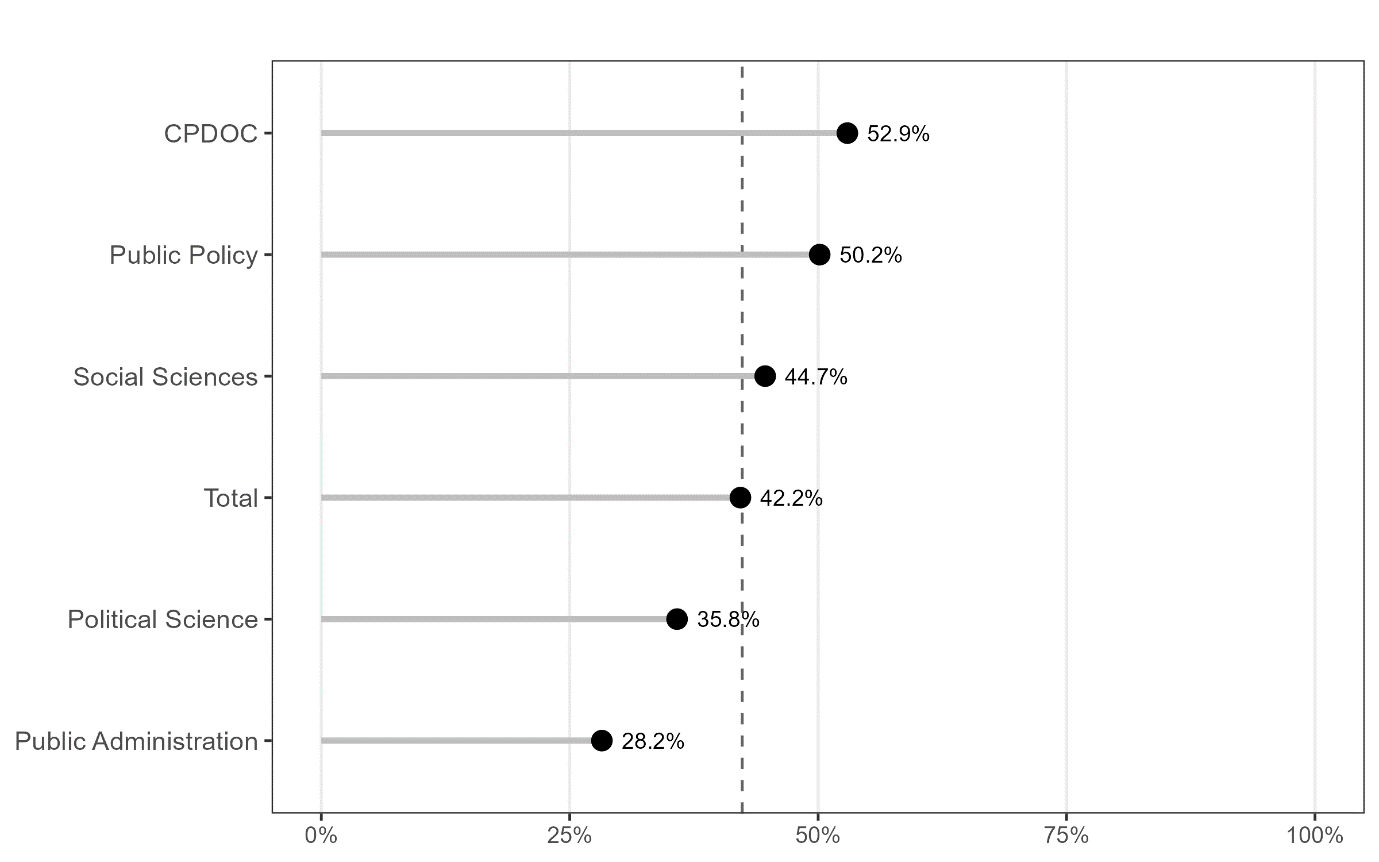 Source: Author’s calculations.Note: Percentage distribution of female faculty by program type. The dashed line denotes the overall average share of women (42.2%).
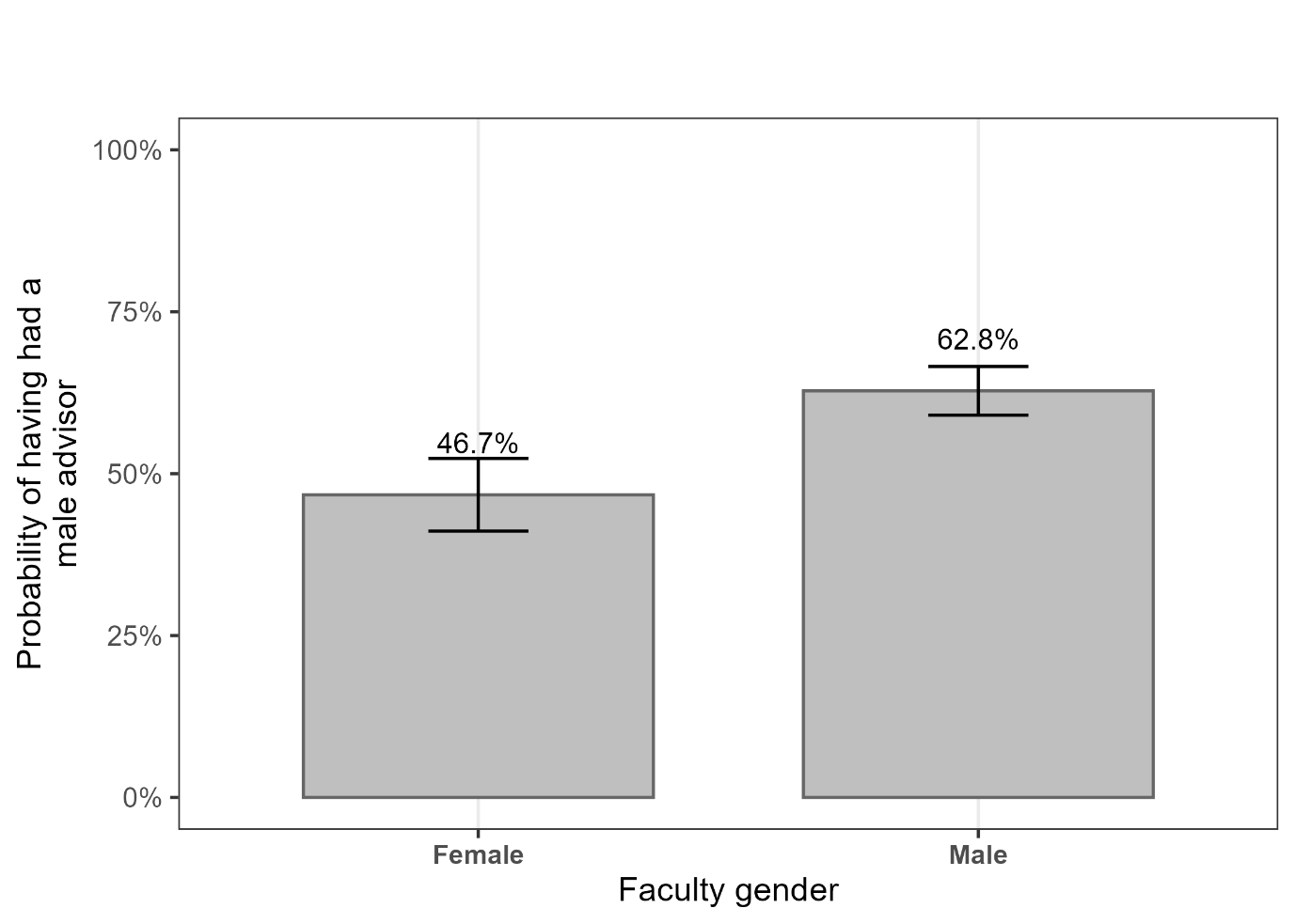 Source: Author’s calculations.Note: Predicted values are derived from a simple linear regression model, with 95% confidence intervals. The figure indicates that male faculty have a higher estimated probability of having been supervised by men (62.8%) compared to women (46.7%), highlighting the persistence of gender homophily in academic training networks.
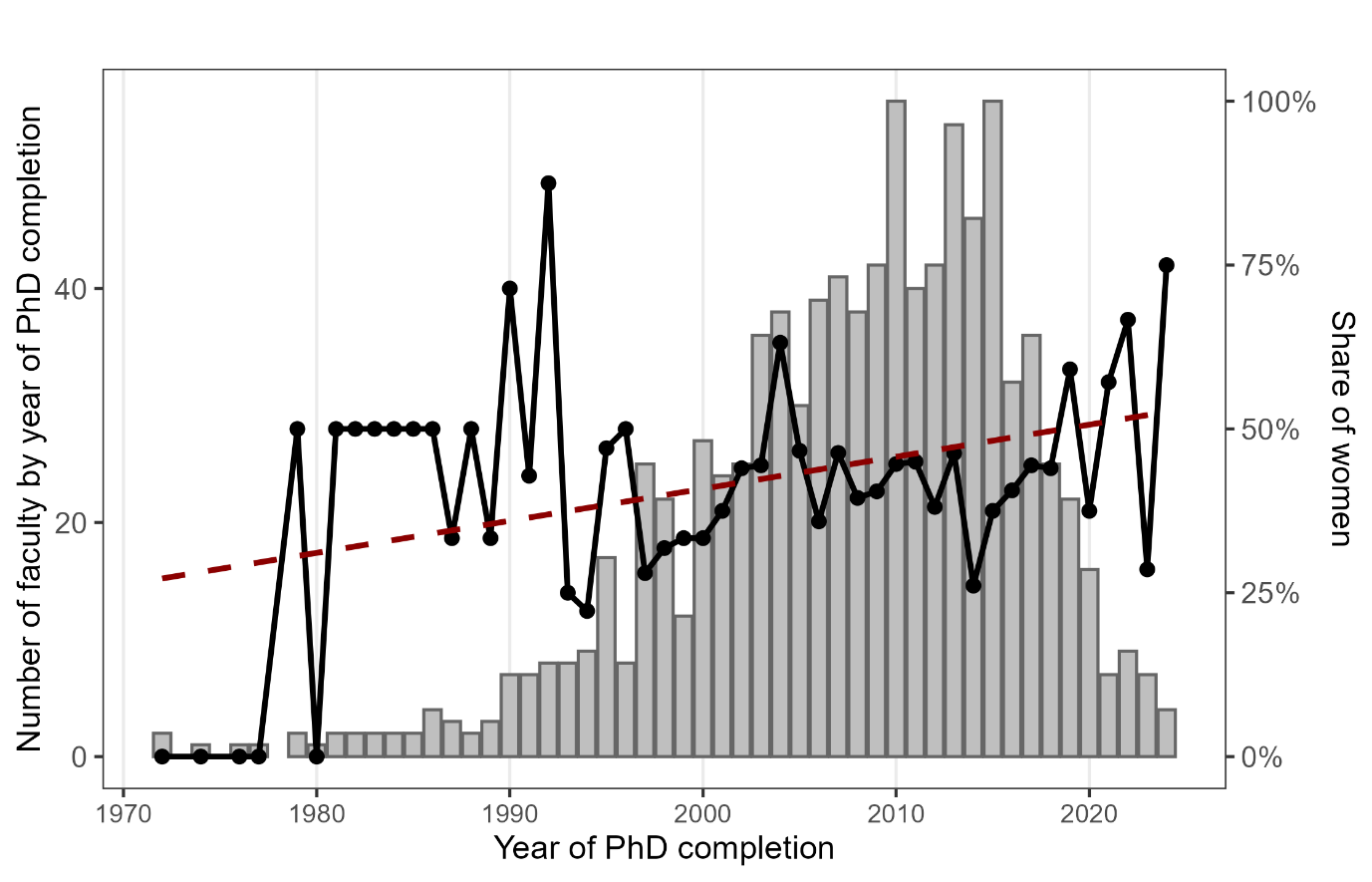 Source: Author’s calculations.Note: Proportion of female faculty among PhD recipients by year of degree completion. The bars represent the total number of individuals who later became faculty, while the solid line indicates the share of women. The long-term trend (dashed red line) shows a gradual increase in female participation, particularly from the 2000s onward.
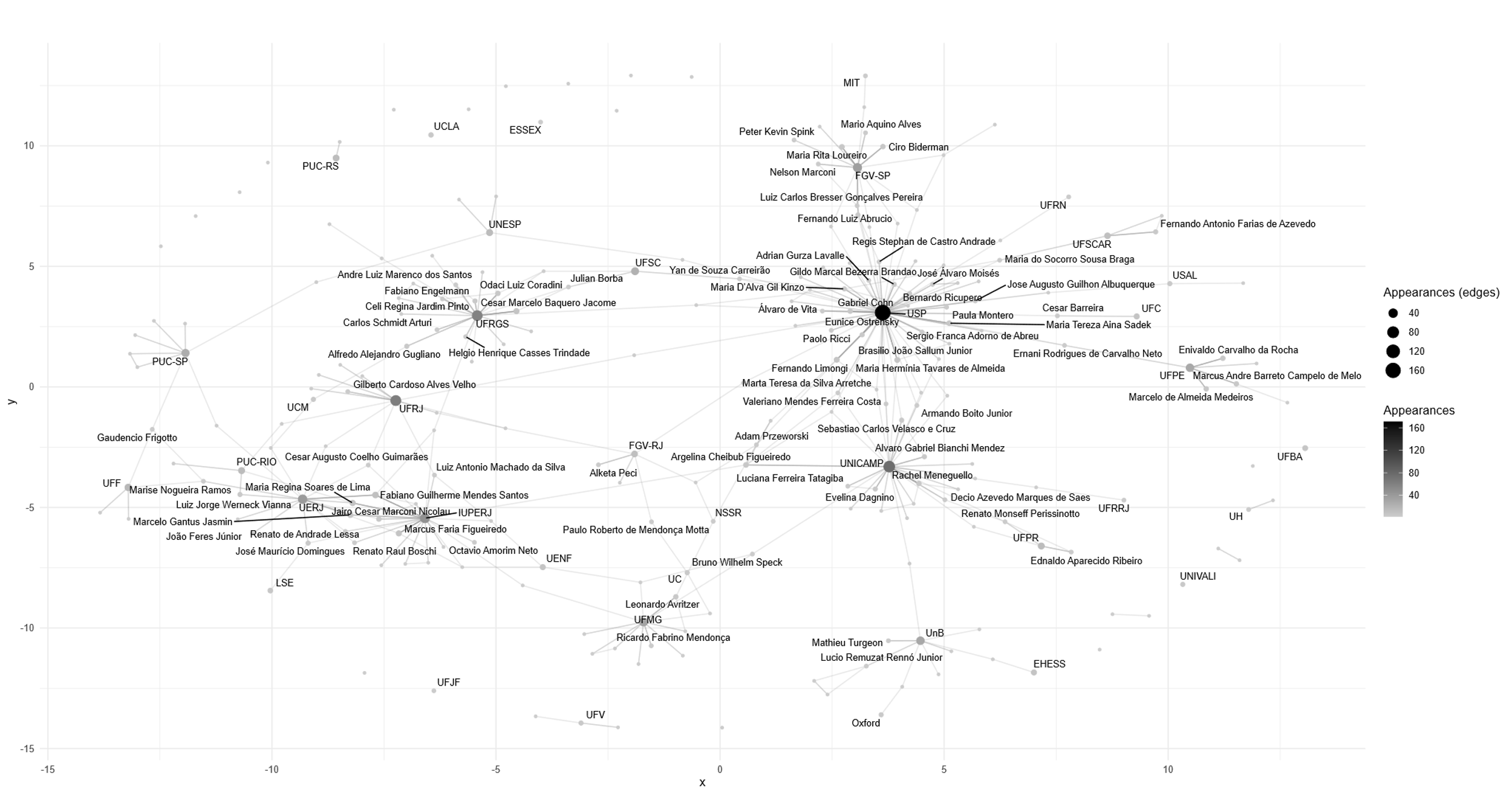 Source: Author’s calculations.Note: Academic training network in Brazilian political science, constructed from linkages among faculty, advisors, and PhD-granting institutions. Node size and color represent the number of individuals trained, highlighting the principal centers and advisors responsible for the reproduction of academic elites within the field.
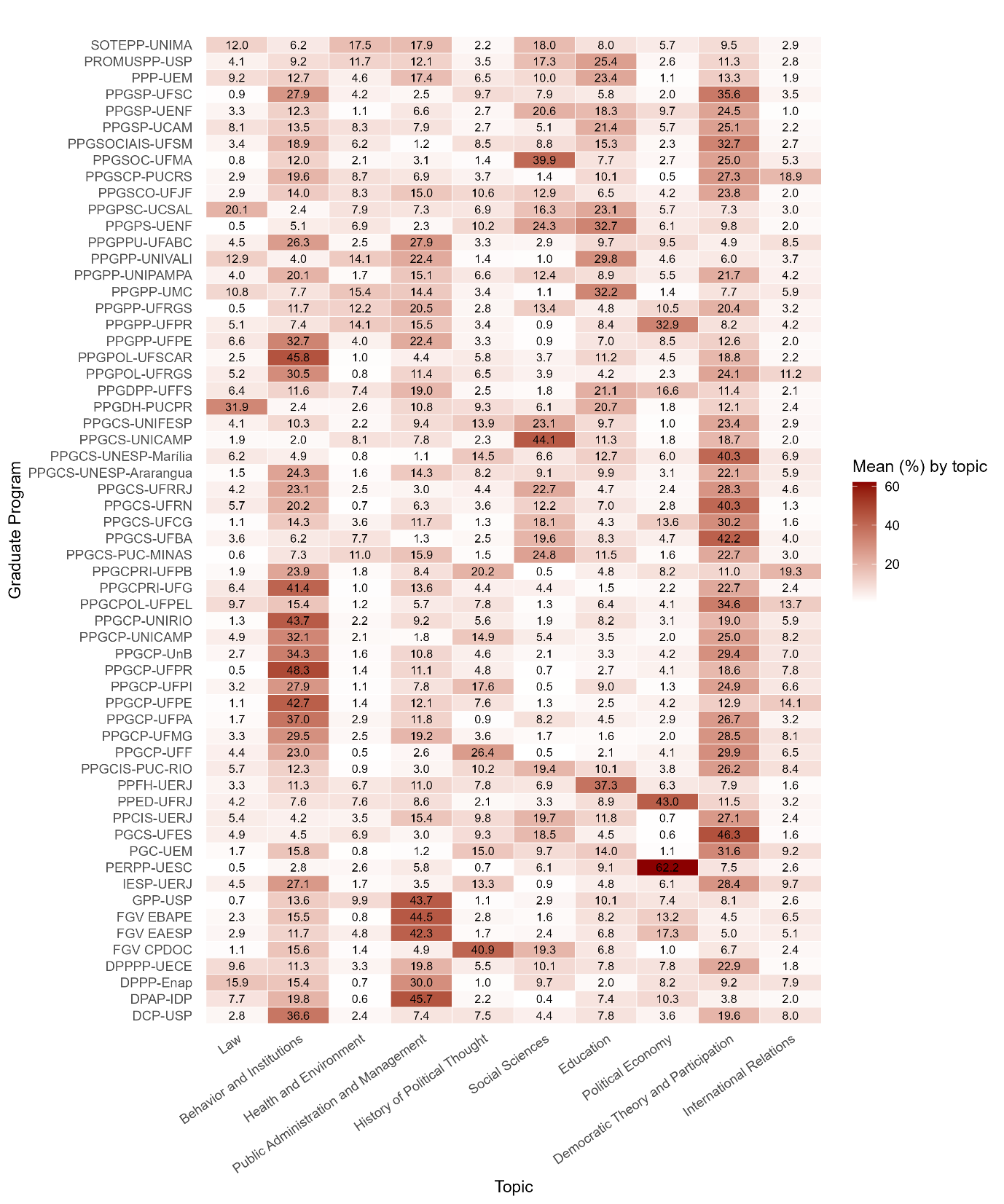 Source: Author’s calculations.Note: The heatmap displays the dominant topic in each program, with color intensity proportional to the estimated average prevalence. Darker shades indicate greater relative specialization, facilitating the visualization of areas of concentration and thematic overlap across programs.
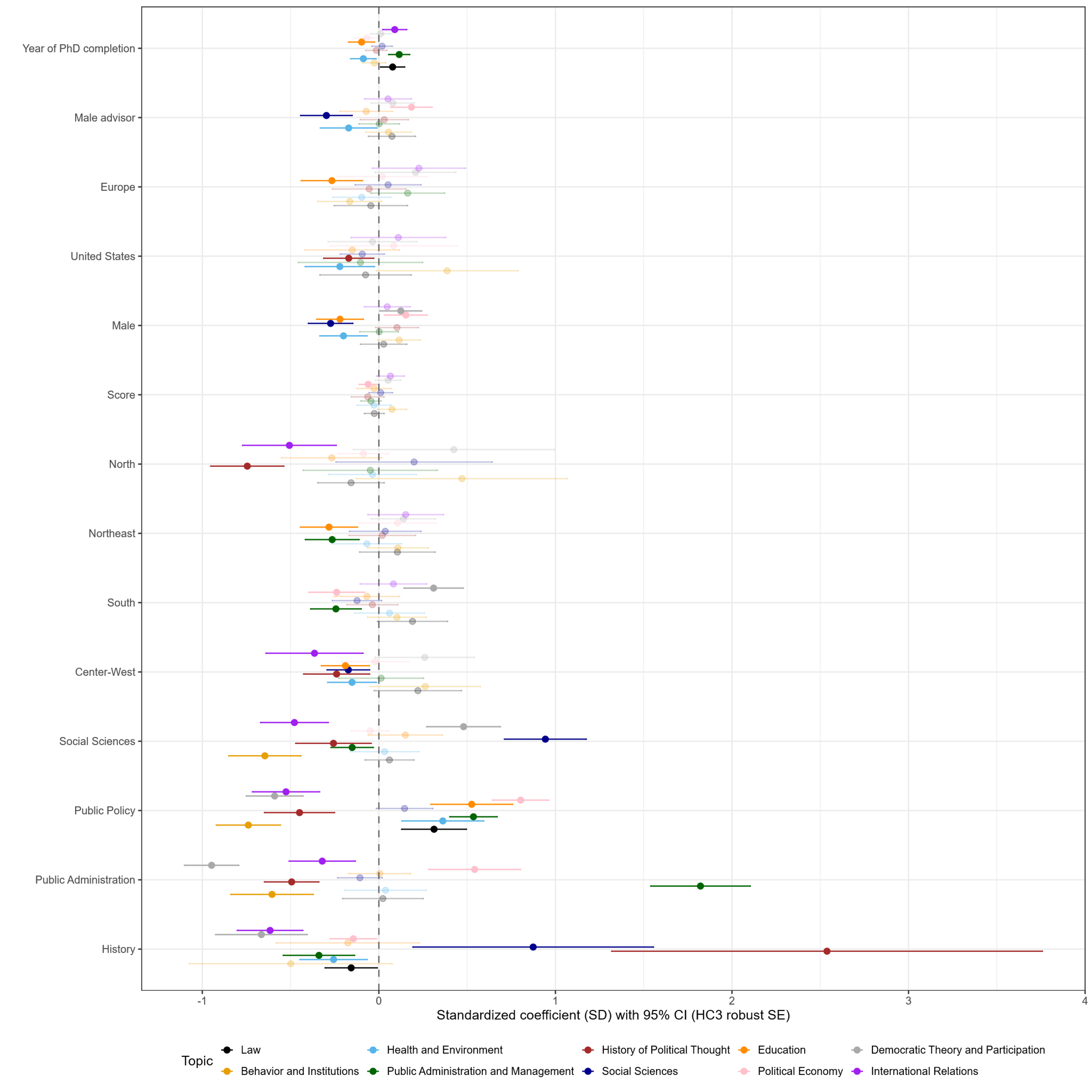 Source: Author’s calculations.Note: The figure presents standardized coefficients from linear regression models estimated for the ten topics identified through the STM. The dependent variables capture the association between faculty output and each topic, while the predictors include institutional, training-related, and demographic characteristics. Points represent coefficient estimates, and bars denote 95% confidence intervals (HC3 robust standard errors); statistically significant effects are highlighted. The baseline category for region is the Southeast, and for CAPES evaluation area, Political Science and International Relations.
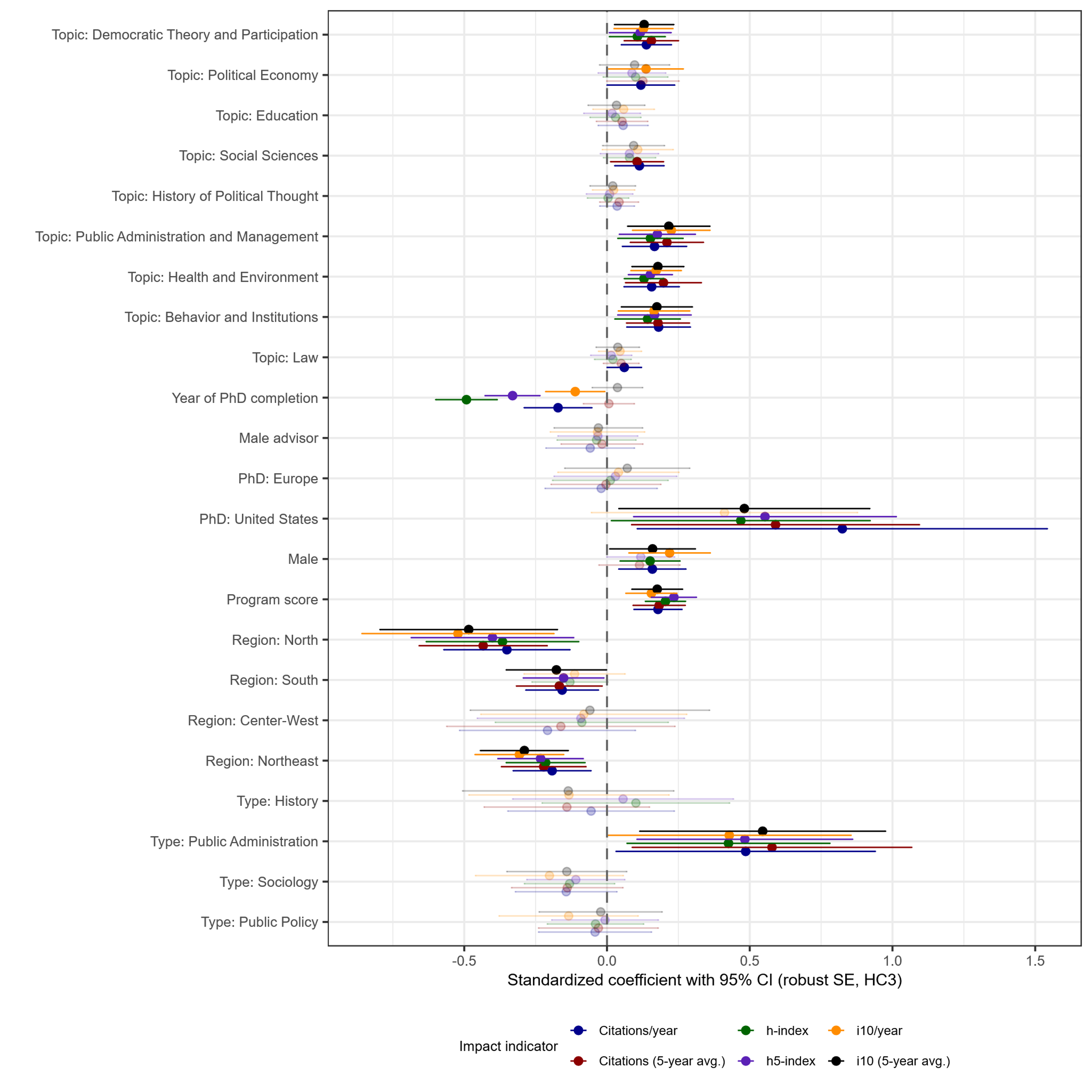 Source: Author’s calculations.Note: The figure presents standardized coefficients from linear regression models estimated for six indicators of scholarly impact. The dependent variables, thematic dimensions, and continuous covariates were standardized. Predictors include institutional and training-related characteristics, as well as areas of specialization. Points represent coefficient estimates, and bars denote 95% confidence intervals (HC3 robust standard errors), with greater opacity indicating statistically significant associations. The baseline category for region is the Southeast; for CAPES evaluation area, Political Science and International Relations; and for research topic, International Relations.
 Source: Author’s calculations.Note: Coefficients are expressed in standard deviations, estimated with and without matching on institutional, training, and thematic variables. Negative values indicate lower average performance among women.
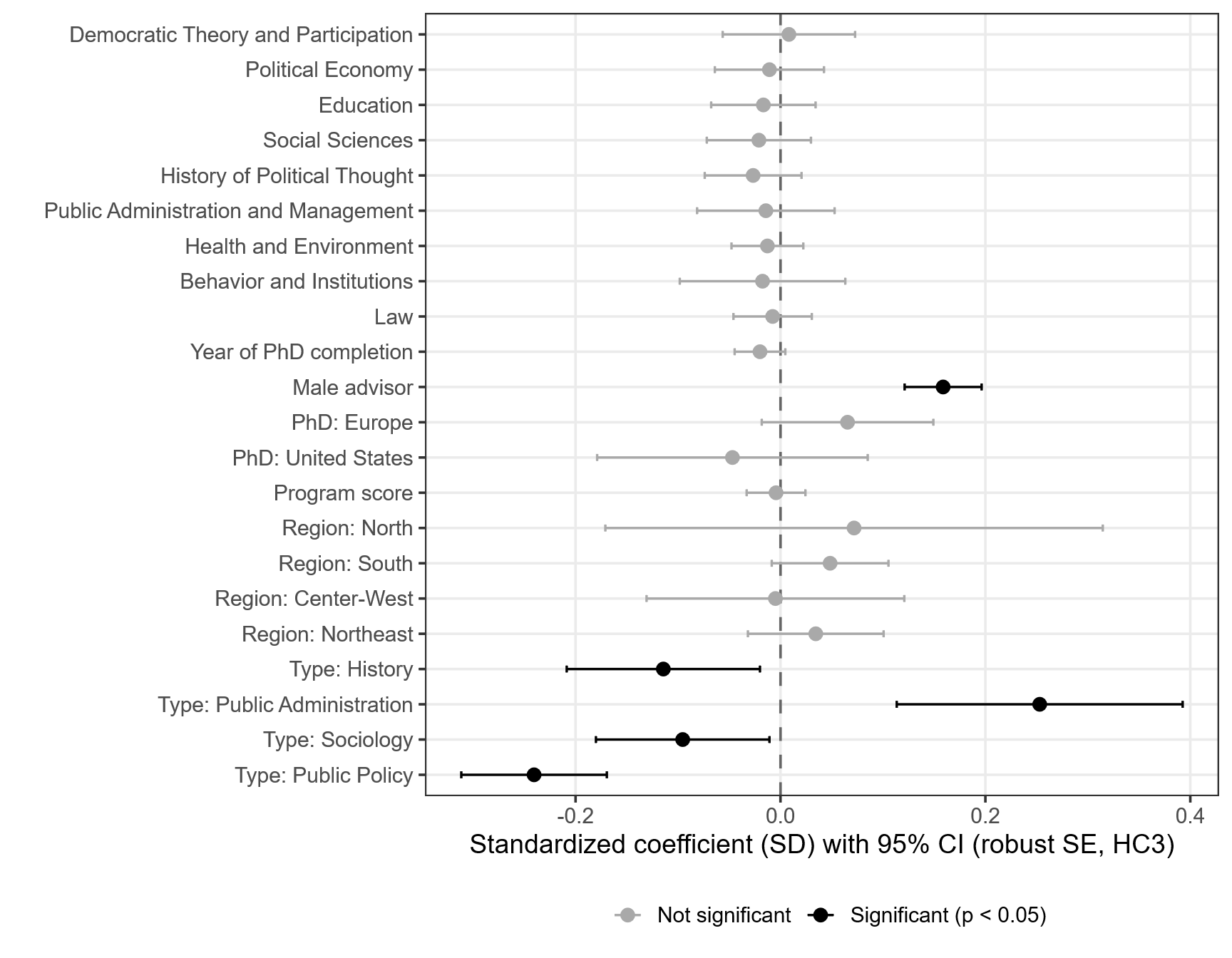 Source: Author’s calculations.Note: The figure presents standardized coefficients from a linear regression estimating factors associated with the probability of exclusion from the matching, interpreted as a higher likelihood of occupying prestigious institutional positions. Predictors include institutional, training-related, and thematic characteristics. Points represent coefficient estimates, and bars denote 95% confidence intervals (HC3 robust standard errors); coefficients whose intervals do not cross zero are statistically significant. The baseline category for region is the Southeast; for CAPES evaluation area, Political Science and International Relations; and for research topic, International Relations.