 Prevalence of Neuropathic Pain in Cancer Patients Treated at a High-Complexity Unit: Analysis Based on Validated Pain Assessment Scales
ABSTRACT
Introduction: Cancer is a chronic-degenerative condition characterized by disordered cell growth, which may lead to metastasis and cause significant physical and emotional distress. Among the adverse effects of oncological treatments, such as chemotherapy and radiotherapy, neuropathic pain stands out, as it is often underdiagnosed and undertreated, substantially impairing patients’ quality of life and functionality.
Objective: Investigate the prevalence of neuropathic pain in cancer patients undergoing outpatient treatment at Hospital Ophir Loyola, in Belém, Brazil.
Method: A cross-sectional, quantitative, and observational study was conducted between June and December 2024, including 80 adult participants with confirmed cancer diagnosis undergoing chemotherapy and/or radiotherapy. Data collection employed validated instruments: painDETECT, DN-4, and ESAS-r. Statistical analysis included association tests and logistic regression, with significance set at p<0.05.
Results: Pain was reported by 80% of participants. Neuropathic pain was identified in 32.8% of patients through painDETECT scores, and in 43.8% using DN-4. ESAS-r was the only instrument that showed a statistically significant association with neuropathic pain (p<0.05), highlighting its potential as a sensitive screening tool for this condition.
Conclusion: Neuropathic pain affects a considerable proportion of cancer patients, and its effective identification relies on the use of standardized instruments. Furthermore, structured clinical protocols for pain and functionality assessment are essential to guide comprehensive and humanized oncological care.
Key words:
Cancer Pain/drug therapy; Neoplasms/drug therapy; Induction Chemotherapy/adverse effects
RESUMO
Introdução: O câncer configura-se como uma condição crônico-degenerativa marcada pelo crescimento celular desordenado, podendo ocasionar metástases e provocar intensos desconfortos físicos e emocionais. Entre os efeitos adversos dos tratamentos oncológicos, como quimioterapia e radioterapia, destaca-se a dor neuropática, frequentemente subdiagnosticada e subtratada, e que interfere de forma significativa na qualidade de vida e na funcionalidade do paciente.
Objetivo: Investigar a prevalência de dor neuropática em pacientes oncológicos em tratamento ambulatorial no Hospital Ophir Loyola, em Belém-PA.
Método: Estudo transversal, quantitativo e observacional, desenvolvido entre junho e dezembro de 2024. Foram incluídos 80 participantes, adultos, com diagnóstico confirmado de câncer e submetidos à quimioterapia e/ou radioterapia. Para a coleta de dados, utilizaram-se os instrumentos validados: painDETECT, DN-4 e ESAS-r. A análise estatística baseou-se em testes de associação e regressão logística, considerando nível de significância de p<0,05.
Resultados: A dor foi relatada por 80% dos participantes, dos quais 32,8% apresentaram escores indicativos de dor neuropática pelo painDETECT e 43,8% foram classificados com dor neuropática pelo DN-4. A escala ESAS-r foi o único instrumento que demonstrou associação estatisticamente significativa com a presença de dor neuropática (p<0,05), evidenciando seu potencial como ferramenta sensível para triagem dessa condição.
Conclusão: A dor neuropática está presente em parcela expressiva dos pacientes oncológicos, sua identificação eficaz depende do uso de instrumentos padronizados. Além disso, destaca-se a necessidade de protocolos clínicos estruturados para avaliação da dor e da funcionalidade, a fim de orientar o cuidado oncológico integral e humanizado.
Palavras-chave:
Dor do Câncer/tratamento farmacológico; Neoplasias/tratamento farmacológico; Quimioterapia de Indução/efeitos adversos
RESUMEN
Introducción: El cáncer se configura como una condición crónico-degenerativa caracterizada por el crecimiento celular desordenado, pudiendo ocasionar metástasis y provocar intensas molestias físicas y emocionales. Entre los efectos adversos de los tratamientos oncológicos, como la quimioterapia y la radioterapia, se destaca el dolor neuropático, frecuentemente subdiagnosticado y subtratado, que interfiere de manera significativa en la calidad de vida y en la funcionalidad del paciente.
Objetivo: Investigar la prevalencia de dolor neuropático en pacientes oncológicos en tratamiento ambulatorio en el Hospital Ophir Loyola, en Belém-PA.
Método: Estudio transversal, cuantitativo y observacional, desarrollado entre junio y diciembre de 2024. Se incluyeron 80 participantes adultos con diagnóstico confirmado de cáncer y sometidos a quimioterapia y/o radioterapia. Para la recolección de datos se utilizaron instrumentos validados: painDETECT, DN-4 y ESAS-r. El análisis estadístico se basó en pruebas de asociación y regresión logística, considerando un nivel de significación de p<0,05.
Resultados: El 80% de los participantes refirió dolor, de los cuales el 32,8% presentó puntuaciones indicativas de dolor neuropático según el painDETECT, y el 43,8% fue clasificado con dolor neuropático por el DN-4. La escala ESAS-r fue el único instrumento que mostró una asociación estadísticamente significativa con la presencia de dolor neuropático (p<0,05), evidenciando su potencial como herramienta sensible para el tamizaje de esta condición.
Conclusión: El dolor neuropático está presente en una proporción significativa de los pacientes oncológicos, y su identificación eficaz depende del uso de instrumentos estandarizados. Además, se resalta la necesidad de protocolos clínicos estructurados para la evaluación del dolor y de la funcionalidad, con el fin de orientar una atención oncológica integral y humanizada.
Palabras clave:
Dolor por cáncer/tratamiento farmacológico; Neoplasias/tratamiento farmacológico; Quimioterapia de inducción/efectos adversos
INTRODUCTION
Cancer is a chronic-degenerative condition characterized by disorganized cell growth with accelerated multiplication, which leads to the formation of tumors capable of invading adjacent tissues and organs, disseminating directly or through lymphatic and blood routes, causing metastases1.
Chemotherapy and radiotherapy are widely employed therapeutic modalities in oncological treatment. However, their use may be associated with the occurrence of clinically relevant side effects, such as fatigue, nausea, vomiting, diarrhea, skin alterations, cachexia, peripheral neuropathy, and neuropathic pain2. Among these effects, peripheral neuropathy and neuropathic pain stand out by their functional impact and diagnostic difficulty within the oncological clinical context.
Chemotherapy consists of the use of anticancer medication to destroy tumoral cells, and acts systemically, reaching cancer cells in any region of the body. The treatment can also cause peripheral neuropathy through metabolic, structural, and autoimmune alterations, which lead to axonal injury in the peripheral nerves, mainly the most distal3,4.
Radiotherapy, whose action is restricted to the region in which it is applied, promotes neuronal injury due to inflammatory and fibrogenic processes, in addition to vascular alterations that favor ischemia. Furthermore, neuropathic pain can result from the tumor's direct invasion into the nervous fibers3,4.
Among the multiple symptoms presented by individuals with cancer, pain is one of the most relevant, as it is associated with a high level of suffering, functional incapacity, and compromised quality of life. The World Health Organization (WHO) classifies cancer-related pain as a global medical emergency due to its high prevalence and intensity in oncological patients. In advanced stages of the disease, its occurrence is estimated at around 50% and 75% of cases5.
Considering that pain constitutes an individual subjective experience, its assessment is complex, requiring specialized care from health professionals and the use of validated instruments that allow for a more accurate understanding of this phenomenon5. In this context, specific identification of neuropathic pain represents an additional challenge since it frequently coexists with other types of oncological pain.
From a physiopathological perspective, oncological pain can be classified as nociceptive, neuropathic, or mixed. Nociceptive pain originates from stimulation of nociceptors in tissues away from the nervous system, while neuropathic pain results from an injury or dysfunction of the somatosensory system. Mixed pain combines both nociceptive and neuropathic components, being frequently observed in oncological patients6,7.
Regarding neuropathic pain, it results from a trauma or nervous dysfunction in any point of the neuronal transmission routes, and can be determined by ischemia, infection, chemical injury, tumoral invasion, radiotherapy, and chemotherapy. Clinically, it manifests through symptoms like burn, tickling, electric shock, and numbing, and its proper identification is essential during clinical assessment8.
Neuropathic pain is associated with additional harm, like insomnia, reduced mobility, compromised daily life activities, and worse quality of life, affecting not just the patient, but also their families and caregivers5.
Despite the wide use of instruments for pain assessment in oncology, most studies concentrate on the estimation of the prevalence of neuropathic pain, with a scarcity of investigations that systematically compare the performance of different specific instruments in the identification of this type of pain in oncological patients. Thus, the present study aims to fill this gap by comparing validated instruments for neuropathic pain assessment in the oncology context, contributing to improving clinical practice and therapeutic decision-making.
METHOD
Cross-sectional, quantitative, observational study conducted with 80 patients with confirmed cancer diagnosis, in outpatient clinic treatment with chemotherapy and/or radiotherapy in the Hospital Ophir Loyola (Belém-PA), between June and December 2024. The study included individuals aged 18 or over who reported pain associated with the oncological treatment and had their cognitive capacity preserved. Patients who did not consent to participate in the study or who presented cognitive limitations that impaired their understanding of the applied instruments were excluded.
The population of this study comprised patients with different types of cancer, including solid and hematological neoplasms, in varied disease stages (initial, locally advanced, and advanced/metastatic), and submitted to different lines of oncological treatment, like first line, subsequent lines, and palliative care therapies.
The following assessment instruments were used: Edmonton Symptom Assessment System-revised (ESAS-r)9, painDETECT10, and Douleur Neuropathique in 4 questions (DN-4)11. Data collection took place in three sequential steps: identification and recruitment of eligible patients, obtaining the Free and Informed Consent Form (FICF), and application of the validated instruments. All the assessments were conducted by a previously trained single evaluator. For patients with low levels of education, the self-filling instruments were read by the evaluator, who recorded the answers provided by the participants.
The collected data was codified and stored in Microsoft Excel® spreadsheets (version 16.99.2) and later analyzed with the JAMOVI12® software (version 2.3.21.0). Descriptive analyses were conducted to characterize the sample and clinical variables. The association between categorical variables was assessed through the chi-square test (χ2)13. A statistical significance level of p<0.05 was adopted for all the analyses.
To assess the diagnostic performance of painDETECT and DN-4 instruments, Receiver Operating Characteristic (ROC)14 curves were built. Additionally, binomial logistic regression was employed to estimate the odds ratio (OR)15 and respective 95% confidence intervals (95% CI).
The variables included in the multivariate model were selected based on clinical criteria and results from univariate analysis, considering the statistical viability due to the sample size. Given the limited number of participants and potential risk of over-adjusting the model, the logistic regression results were analyzed in an exploratory fashion, with no predictive pretension.
This research has been approved by the Research Ethics Committee of the Hospital Universitário João de Barros Barreto, report number 6082856 (CAAE (submission for ethical review): 74118523.9.0000.5634) and the Hospital Ophir Loyola (CAAE: 74118523.9.3002.5550), report numbers 6915725 and 7078487, respectively. All the participants signed a Free and Informed Consent Form (FICF), in accordance with the National Health Council ethical guidelines provided by Resolution N. 466, of December 12 201216.
RESULTS
This study included 80 participants who met the eligibility criteria. Among those, 19 (23.8%) were female and 61 (76.2%) were male. The age mean concentrated predominantly in the under-60-years age group, totaling 48 individuals (60%).
Regarding life habits, 58 participants (72.5%) declared they were not using tobacco products, while 22 (27.5%) reported smoking. As to alcohol intake, 41 individuals (51.2%) stated they do not drink, and 39 (48.8%) reported they drink.
Upon analyzing variables related to the presence of pain, it was observed that 16 participants (20%) reported the absence of pain, while 64 (80%) mentioned feeling some kind of pain. Regarding the use of analgesic medication, 20 individuals (25%) reported not using medications for pain control, while 60 (75%) reported using drugs with this objective.
Concerning surgical history within the context of oncological treatment, 38 participants reported having undergone some surgical procedure. Among those, total hysterectomy was the most prevalent, corresponding to 13 participants (34.2%), followed by total mastectomy, with 7 participants (18.4%).
In the analysis of results obtained from the applied instruments, the painDETECT scale showed that 16 participants reported not feeling pain, thus presenting a negative result for neuropathic pain. Among the 64 participants who reported the presence of pain, 8 (12.5%) obtained a score that indicated an undefined diagnosis, 35 (54.7%) presented a negative diagnosis for neuropathic pain, and 21 (32.8%) obtained a positive result, suggesting the presence of neuropathic pain.
The application of the DN4 questionnaire, used to differentiate neuropathic and nociceptive pain, revealed that 16 participants who initially reported not feeling pain (and therefore obtained a minimal score in the painDETECT instrument), presented a profile compatible with nociceptive pain according to the DN4. As to the participants who reported pain in the painDETECT scale, 28 (43.8%) were classified with a positive diagnosis for neuropathic pain in the DN4, while 36 (56.2%) were classified with nociceptive pain.
The results obtained from the ESAS-r scale, considering the pain and fatigue domains exclusively, are presented in Table 1. All 80 participants were in chemotherapy treatment during data collection. Only 6 individuals had undergone radiotherapy sessions, which is justified by the fact that, during the collection period, the Hospital Ophir Loyola radiotherapy service was in renovation and thus temporarily unavailable.
During the application of partial correlation tests, the chi-square test (χ2) was associated with p, with the variable "feels pain" considered the main domain. Results indicated that only one subset of variables presented a statistically significant correlation, defined by p<0.05. The variables that showed this association were neoplasm type, history of oncological surgery, use of analgesic drugs, score obtained from the painDETECT scale, and clinical pain diagnosis. These findings are summarized in Table 2, reinforcing the potential clinical and statistical relevance of these factors in the assessed context.
In the present analysis, scores over 2 in the ESAS-r pain domain were more frequently associated with a higher score in the DN4 scale, suggesting a possible correlation between self-reported pain intensity and neuropathic characteristics. Considering the defined threshold for DN4, values under 3 indicate a low probability of neuropathic pain, while scores equal to or over 4 suggest a strong probability of this type of pain.
When analyzed in isolation, neither DN4 nor painDETECT demonstrated statistically significant associations consistent with the presence of neuropathic pain in all the analyses conducted (Table 3), revealing the complexity of assessing this type of pain in the oncological context.
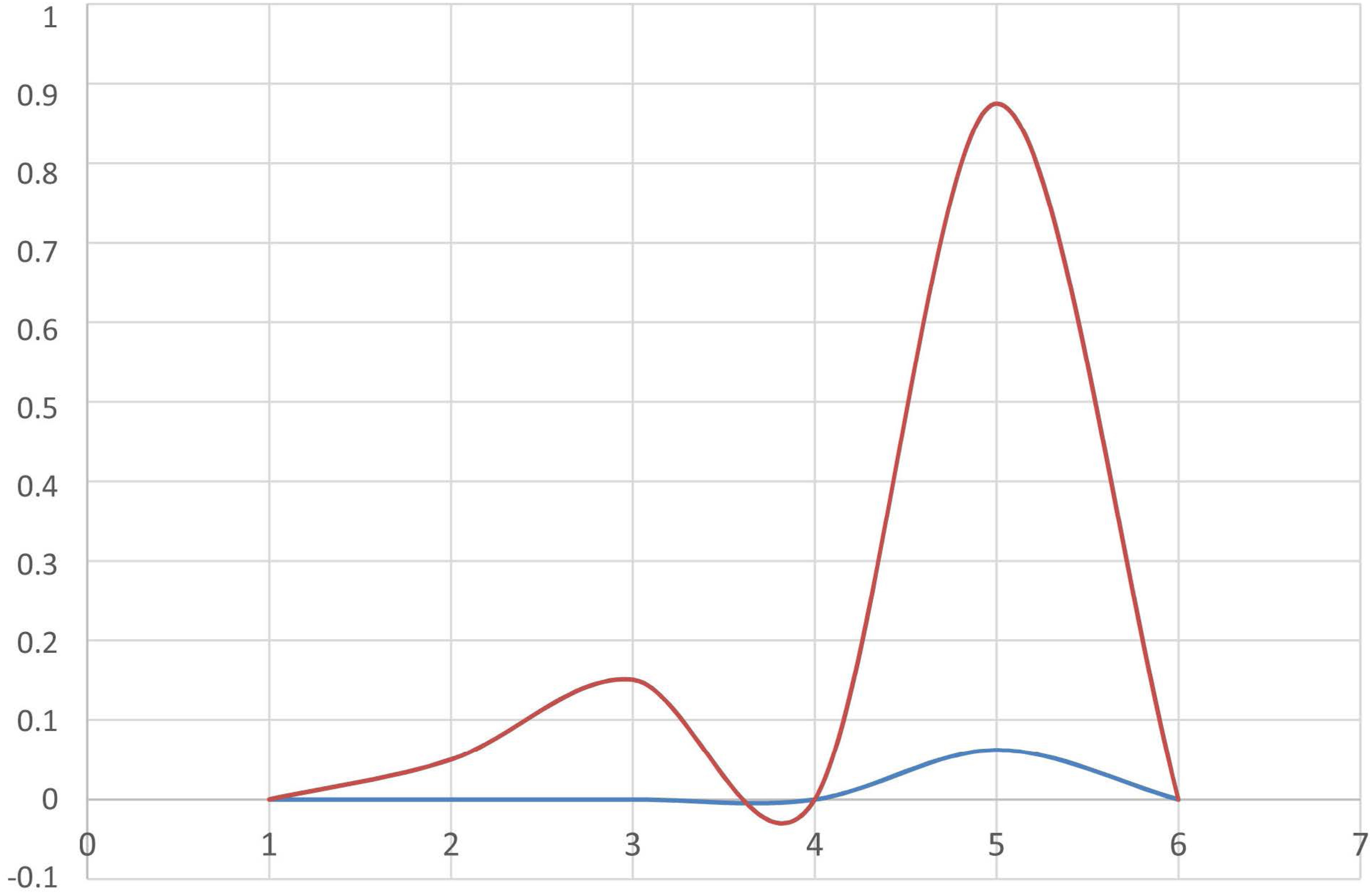
The logistic regression analysis presented satisfactory performance metrics in the studied sample, with values for accuracy, sensitivity, specificity, and area under the Receiver Operating Characteristic (ROC) curve described in Figure 1.

Thus, the main findings of this study are concentrated in the description of the frequency of neuropathic pain characteristics and in the associative analysis between the used instruments, reinforcing the importance of a combined evaluative approach, instead of the isolated use of a single instrument.
DISCUSSION
Neuropathic pain remains an under-explored symptom and, frequently, undervalued in the oncological context, overall, due to the multiplicity of therapeutic interventions and specificities inherent to each neoplasm type. These particularities contribute to the heterogeneity of clinical presentation, impairing its proper classification, and, in particular, defining the diagnostic criteria for neuropathic pain. In this scenario, the present research aims to investigate a poorly elucidated theme in health sciences, with a focus on oncology, aiming to contribute to deepening understanding of the factors involved in the manifestation of this specific type of pain.
The findings from this study must be interpreted cautiously, considering the methodological limitations inherent to the adopted design and characteristics of the sample analyzed. Although the pain domain in the ESAS-r scale has presented a statistically significant association with the presence of neuropathic characteristics, this result does not allow us to confirm the instrument's superiority in specificity for screening or diagnosis of neuropathic pain, since ESAS-r is a multidimensional tool targeted at overall symptom assessment. We underscore that ESAS-r was exclusively analyzed as a multidimensional symptom assessment instrument, not specific to neuropathic pain identification.
Although several studies have characterized pain as one of the main symptoms in people who underwent oncological treatment, neuropathic pain is often lost amidst a myriad of complications and adverse effects, being, thus, extremely hard to contextualize. Studies have demonstrated that neuropathic pain occurs in approximately 19 % to 39 % of patients with cancer, considering pure and mixed pain17,18. In oncological populations in India, the prevalence reached 54 %19.
When analyzing patients with specific types of cancer, this incidence varies: in head and neck cancer survivors, 13.7% presented neuropathic symptoms20; in women submitted to mastectomy, around 25% to 60%21; in patients who underwent chemotherapy, 30% to 40% have developed painful peripheral neuropathy21. In a multicentric study with patients with colorectal cancer, 25.8% reported moderate to severe neuropathic pain, compared to 17.1% in other neoplasms22. These data not only show the high frequency of this type of pain, but also its variability due to cancer type, treatment, and disease stage.
This research analyzed 80 patients in oncological treatment and observed a prevalence of 32.8% with a positive result suggesting the presence of neuropathic pain according to the painDETECT scale, while in the application of the DN4 questionnaire, 43.8% were classified with a positive diagnosis for neuropathic pain and most patients presented solid tumors; however, specificity of the type of tumor was greater in those exclusively female tumors (gynecological).
Higher scores in the ESAS-r pain domain were observed to be associated with higher scores in the DN4, suggesting a relationship between higher intensity of self-reported pain and neuropathic characteristics. However, this association must be interpreted with caution, since ESAS-r is not a specific instrument for screening or diagnosis of neuropathic pain, but a multidimensional scale of overall symptom assessment.
Studies demonstrated that different modalities of oncological treatment are strongly associated with neuropathic pain. Neurotoxic chemotherapy, like platinum-based agents, taxanes, vinca alkaloids, and proteasome inhibitors, causes painful peripheral neuropathy in about 30–60% of patients, reaching up to 70% in the first month23. Radiotherapy is also significant, especially in mammary (≈2%) and head and neck (up to 15%) tumors, with a neuropathic pain prevalence of 31.1% in patients followed up in radiotherapy units24,25.
In a study that combined modalities, an incidence of 35–56 % was observed in patients submitted to chemotherapy, radiotherapy, and/or surgery19. This shows how oncological therapy, in isolation or combined, contributes to the installation of neuropathic pain, requiring greater clinical attention.
Recent studies26,27 reinforce the usefulness of the Edmonton Symptom Assessment System – Revised (ESAS-r) for assessing symptoms in patients with advanced cancer. Yannitsos et al. longitudinally assessed the intensity and complexity of symptoms in cancer patients followed up at a reference center, demonstrating that ESAS-r enables consistent monitoring of pain, fatigue, nausea, and other symptoms throughout the treatment26. Similarly, Lelond et al.27, in an observational study with patients with advanced pancreatic cancer, used ESAS-r to characterize the symptomatic load, demonstrating its capacity for capturing multiple symptoms simultaneously and supporting clinical assessment in different disease stages2. These findings corroborate that ESAS-r is an effective instrument for systematic monitoring of pain and other symptoms in patients with advanced cancer.
Results from the present study demonstrated that this instrument was the only one with a significant association with neuropathic pain occurrence. Previous studies had already indicated the limitations of other widely used instruments, such as DN4, Leeds Assessment of Neuropathic Symptoms and Signs (LANSS)28, and painDETECT, in detecting neuropathic pain in patients with cancer.
One systematic review reported that the main difficulty resides in the clinical heterogeneity of these patients, marked by the overlapping of nociceptive and neuropathic pain, presence of sensory deficits and also less typical manifestations, like deep and poorly located pain, feeling of pressure or squeeze, predominance of negative symptoms (hypoesthesia or anesthesia) instead of positive symptoms, in addition to non-classic or irregular pain distribution, impairing its identification by tracking instruments29,30.
Through a clinical trial, it was verified that heterogeneous presentation of oncological neuropathic pain can lead to under-reporting even by patients who meet the clinical criteria for this diagnosis, in addition to characterizing distinct symptom profiles and pointing out failures in detecting negative symptoms, such as hyposensitivity31.
Additionally, heterogeneity of oncological treatments observed in the sample may have influenced both the painful experience reported by patients and the performance of the assessment instruments. Frequent symptoms in cancer, such as fatigue, nausea, vomiting, and emotional alterations, may function as confounding factors, interfering with the perception of pain, and impairing its specific characterization.
In this context, the ESAS-r pain domain must be understood as part of a wider symptomatic assessment, capable of capturing the intensity of suffering, but not as a specific instrument for identifying neuropathic pain. Results reinforce the need for integrated assessment approaches that combine specific instruments with specialized clinical judgment, especially in complex oncological populations.
This study presents limitations that should be explicitly considered when interpreting the results. Firstly, the reduced sample size limits the statistical power of analyses, especially those of multivariate character, and increases the probability of imprecise estimations and broad confidence intervals. The cross-sectional design prevents the establishment of temporal or causal relationships between the analyzed variables, restricting conclusions to the identification of associations.
The unicentric character of the study, conducted in a single reference hospital, may limit the generalization of the findings to other populations and care contexts. Furthermore, the sample was composed of patients with diverse types of cancer, disease stages, and lines of treatment, which, although consistent with real clinical practice, introduces high clinical heterogeneity, potentially influencing the manifestation of pain and performance of the instruments used.
Another relevant limitation refers to the use of self-reported instruments for pain and symptoms assessment, which are subject to information bias, like memory bias, limited understanding of the items, and the influence of the emotional state when answering.
Finally, the lack of standardized institutional protocols for systematic assessment of pain in the studied service may have impacted the uniformity of clinical information available. These limitations reinforce the need for further studies with larger samples, longitudinal designs, and more standardized assessment strategies, capable of deepening understanding of neuropathic pain in the oncological context.
CONCLUSION
The results of this exploratory study suggest that, in the assessed sample, the presence of neuropathic pain characteristics has been associated with ESAS-r pain domain scores, among the clinical variables and analyzed instruments. However, these findings must be interpreted with caution, considering that ESAS-r is a multidimensional and non-specific instrument for identifying neuropathic pain.
Despite specific instruments like painDETECT and DN4 being widely used in clinical practice, the results obtained indicate that their isolated application can present limitations in capturing the complexity of pain in oncological patients, especially in contexts marked by clinical heterogeneity, multiple treatments, and overlapping of painful mechanisms. Therefore, the findings reinforce the importance of combined and integrated evaluative approaches, with no superiority of one instrument over another.
The used statistical model presented a satisfactory performance in the sample studied. However, such results must be understood as exploratory, not allowing robust predictive or generalizable inferences for other populations. The reduced sample size and cross-sectional design limit the extrapolation of the findings.
Thus, this study is a preliminary contribution to understanding neuropathic pain assessment in the oncological context by demonstrating methodological and clinical challenges related to the use of assessment instruments. Further studies with larger samples, longitudinal designs, and standardized assessment strategies are needed to confirm the findings and deepen understanding of neuropathic pain identification and management in cancer patients.
DATA AVAILABILITY STATEMENT
All the contents associated with the article are included in the manuscript.
References
-
1 Pereira DTS, Andrade LL, Agra GA, et al. Condutas terapêuticas utilizadas no manejo da dor em oncologia. Rev Pesqui Cuid Fundam Online. 2015;7(1):1883-90. doi: https://doi.org/10.9789/2175-5361.2015.v7i1.1883-1890
» https://doi.org/10.9789/2175-5361.2015.v7i1.1883-1890 -
2 Pereira NML, Lemos TMAM, Martins RR, et al. Manejo e prevenção de reações adversas da quimioterapia antineoplásica com platinas em pacientes com cânceres esofágico e gástrico: revisão sistemática da literatura. Rev Bras Cancerol. 2021;67(4):e091347. doi: https://doi.org/10.32635/2176-9745.RBC.2021v67n4.1347
» https://doi.org/10.32635/2176-9745.RBC.2021v67n4.1347 -
3 Van den Beuken-van Everdingen MH, Hochstenbach LM, Joosten EA, et al. Update on prevalence of pain in patients with cancer: systematic review and meta-analysis. J Pain Symptom Manage. 2016;51(6):1070-90. doi: https://doi.org/10.1016/j.jpainsymman.2015.12.340
» https://doi.org/10.1016/j.jpainsymman.2015.12.340 -
4 Couceiro TCM, Lima LC, Vasconcelos RM, et al. Prevalence of neuropathic pain in patients with cancer. Braz J Pain. 2018;1(3):231-5. doi: https://doi.org/10.5935/2595-0118.20180045
» https://doi.org/10.5935/2595-0118.20180045 -
5 Faller JH, Zilly A, Moura CB, et al. Escala Multidimensional na avaliação da dor e sintomas de idosos em cuidados paliativos. Cogitare Enferm. 2016;21(2):1-10. doi: http://dx.doi.org/10.5380/ce.v21i2.45734
» http://dx.doi.org/10.5380/ce.v21i2.45734 -
6 Baldini DS, Salles MT, Santana SM. A atuação do fisioterapeuta no controle da dor oncológica: uma revisão de literatura [monografia na Internet]. Salvador: Escola Bahiana de Medicina e Saúde Pública; 2010 [acesso 2023 abr 2]. Disponível em: http://www.repositorio.bahiana.edu.br/jspui/bitstream/bahiana/482/1/_TCC.pdf
» http://www.repositorio.bahiana.edu.br/jspui/bitstream/bahiana/482/1/_TCC.pdf -
7 Deng Y, Luo L, Hu Y, et al. Clinical practice guidelines for the management of neuropathic pain: a systematic review. BMC Anesthesiol. 2016;16:12. doi: https://doi.org/10.1186/s12871-015-0150-5
» https://doi.org/10.1186/s12871-015-0150-5 -
8 Mendes C, Machado D, Linartevichi V. Índice de dor neuropática em pacientes oncológicos e conduta farmacológica. FAG J Health. 2020;2(4):424-8. doi: https://doi.org/10.35984/fjh.v2i4.264
» https://doi.org/10.35984/fjh.v2i4.264 -
9 Bruera E, Kuehn N, Miller MJ, et al. The Edmonton Symptom Assessment System (ESAS): a simple method for the assessment of palliative care patients. J Palliat Care. 1991;7(2):6-9. doi: https://doi.org/10.1177/082585979100700202
» https://doi.org/10.1177/082585979100700202 -
10 Freynhagen R, Baron R, Gockel U, et al. painDETECT: a new screening questionnaire to identify neuropathic components in patients with back pain. Curr Med Res Opin. 2006;22(10):1911-20. doi: https://doi.org/10.1185/030079906x132488
» https://doi.org/10.1185/030079906x132488 -
11 Bouhassira D, Attal N, Alchaar H, et al. Comparison of pain syndromes associated with nervous or somatic lesions and development of a new neuropathic pain diagnostic questionnaire (DN4). Pain. 2005;114(1-2):29-36. doi: https://doi.org/10.1016/j.pain.2004.12.010
» https://doi.org/10.1016/j.pain.2004.12.010 -
12 Jamovi [Internet]. Versão 2.3.21.0. Sydney: projeto Jamovi; 2024. [acesso 2024 jan 23]. Disponível em: https://www.jamovi.org/
» https://www.jamovi.org/ - 13 Agresti A. An introduction to categorical data analysis. 2. ed. New York: Wiley; 2007.
-
14 Çorbacıoğlu ŞK, Aksel G. Receiver operating characteristic curve analysis in diagnostic accuracy studies: a guide to interpreting the area under the curve value. Turk J Emerg Med. 2023;23(4):195-8. doi: https://doi.org/10.4103/tjem.tjem_182_23
» https://doi.org/10.4103/tjem.tjem_182_23 -
15 Glas AS, Lijmer JG, Prins MH, et al. The diagnostic odds ratio: a single indicator of test performance discute o diagnostic odds ratio. J Clin Epidemiol. 2023;56(11):1129-35. doi: https://doi.org/10.1016/S0895-4356(03)00177-X
» https://doi.org/10.1016/S0895-4356(03)00177-X - 16 Conselho Nacional de Saúde (BR). Resolução nº 466 de 12 de dezembro de 2012. Aprova diretrizes e normas regulamentadoras de pesquisas envolvendo seres humanos. Diário Oficial da União, Brasília, DF. 2013 jun 13; Edição 112; Seção 1:59.
-
17 Bennett MI, Rayment C, Hjermstad M, et al. Prevalence and aetiology of neuropathic pain in cancer patients: a systematic review. Pain. 2012;153(2):359-65. doi: https://doi.org.br/10.1016/j.pain.2011.10.028
» https://doi.org.br/10.1016/j.pain.2011.10.028 -
18 Edwards HL, Mulvey MR, Bennett MI. Cancer-related neuropathic pain. Cancers (Basel). 2019;11(3):373. doi: https://doi.org/10.3390/cancers11030373
» https://doi.org/10.3390/cancers11030373 -
19 Satija A, Joad AK, Rana SPS, et al. The burden of cancer-related neuropathic pain: a multi-centric cross-sectional observational study from North India. Indian J Palliat Care. 2023;29(2):104-8. doi: https://doi.org/10.4103/ijpc.ijpc_277_20
» https://doi.org/10.4103/ijpc.ijpc_277_20 -
20 Fallon MT. Neuropathic pain in cancer. Br J Anaesth. 2013;111(1):105-11. doi: https://doi.org/10.1093/bja/aet208
» https://doi.org/10.1093/bja/aet208 -
21 Mulvey MR, Boland EG, Bouhassira D, et al. Neuropathic pain in cancer: systematic review, performance of screening tools and analysis of symptom profiles. Br J Anaesth. 2017;119(4):765-74. doi: https://doi.org/10.1093/bja/aex175
» https://doi.org/10.1093/bja/aex175 -
22 Ikander T, Raunkiær M, Voetmann C V, et al. Cancer-related pain experienced in daily life is difficult to communicate and to manage - for patients and for professionals. Scand J Pain. 2024;24(1):eCollection. doi: https://doi.org/10.1515/sjpain-2023-0107
» https://doi.org/10.1515/sjpain-2023-0107 -
23 Molinares D, Kurtevski S, Zhu Y. Chemotherapy-induced peripheral neuropathy: diagnosis, agents, general clinical presentation, and treatments. Curr Oncol Rep. 2023;25(11):1227-35. doi: https://doi.org/10.1007/s11912-023-01449-7
» https://doi.org/10.1007/s11912-023-01449-7 -
24 Yoon SY, Oh J. Neuropathic cancer pain: prevalence, pathophysiology, and management. Korean J Intern Med. 2018;33(6):1058-69. doi: https://doi.org/10.3904/kjim.2018.162
» https://doi.org/10.3904/kjim.2018.162 -
25 Rayment C, Hjermstad MJ, Aass N, et al. European Palliative Care Research Collaborative (EPCRC). Neuropathic cancer pain: prevalence, severity, analgesics and impact from the European Palliative Care Research Collaborative-Computerised Symptom Assessment study. Palliat Med. 2013;27(8):714-21. doi: https://doi.org/10.1177/0269216312464408
» https://doi.org/10.1177/0269216312464408 -
26 Yannitsos D, Qi S, Davies O, et al. Trends in symptom severity and complexity in patients undergoing radiation therapy. BMC Cancer. 2025;25(390):1-8. doi: https://doi.org/10.1186/s12885-025-13587-1
» https://doi.org/10.1186/s12885-025-13587-1 -
27 Lelond S, Ward J, Lambert PJ, et al. Symptom burden of patients with advanced pancreas cancer (APC): a provincial cancer institute observational study. Curr Oncol. 2021;28(4):2789-800. doi: https://doi.org/10.3390/curroncol28040244
» https://doi.org/10.3390/curroncol28040244 -
28 Sarkar SR, Tauhid MS, Khanam SA, et al. Validation of the bengali version of the Leeds Assessment of Neuropathic Symptoms and Signs (LANSS) pain scale: a tool for differentiating neuropathic and nociceptive pain. Medicine (Baltimore). 2025;104(46):e45982. doi: https://doi.org/10.1097/MD.0000000000045982
» https://doi.org/10.1097/MD.0000000000045982 -
29 Matthieson S, Maher CG, Terwee CB, et al. Neuropathic pain screening questionnaires have limited measurement properties in cancer patients: a systematic review. J Clin Epidemiol. 2015;68(8):957-66. doi: https://doi.org/10.1016/j.jclinepi.2015.03.010
» https://doi.org/10.1016/j.jclinepi.2015.03.010 -
30 Mulvey MR, Boland EG, Bouhassira D, et al. Neuropathic pain in cancer: systematic review, performance of screening tools, and analysis of symptom profiles. Br J Anaesth. 2017;119(4):765-74. doi: https://doi.org/10.1093/bja/aex223
» https://doi.org/10.1093/bja/aex223 -
31 Davis MP. Dor neuropática relacionada ao câncer: revisão e tópicos selecionados. Hematol Oncol Clin North Am. 2018;32(3):417-431. doi: https://doi.org/10.1016/j.hoc.2018.01.005
» https://doi.org/10.1016/j.hoc.2018.01.005
Edited by
-
Scientific-editor:
Anke Bergmann. Orcid iD: https://orcid.org/0000-0002-1972-8777