
 Self-Care in the Management of Chemotherapy-Related Fatigue in Women with Breast Cancer: Literature Integrative Review
ABSTRACT
Introduction: Chemotherapy is one of the most common approaches in the treatment of breast cancer. Its use can result in multiple adverse reactions, including fatigue, which impacts women's well-being and quality of life. This condition requires recognizing the needs and developing self-care strategies with women throughout the treatment experience.
Objective: To identify self-care strategies for managing chemotherapy-related fatigue in women with breast cancer.
Method: An integrative literature review was conducted from June to December 2024. The search was conducted on the Web of Science, Scopus, MEDLINE, LILACS, and BDENF databases. Data analysis was based on a reduction process performed by reading the selected studies and classifying the publications’ level of evidence.
Results: The identified studies focus on high-level evidence and demonstrate clinically based self-care strategies for organizing a sleep routine (between six and eight hours) and rest (times that do not interfere with nighttime sleep), physical activity (muscle and joint strengthening), good nutrition (to maintain body weight) and hydration, personal relationships and leisure (interaction with members of their social network), attention to mental health (psychological monitoring) and pre-existing conditions.
Conclusion: Independent self-care performed by women to overcome chemotherapy-related fatigue requires support from health professionals and the incorporation of meanings to benefit treatment, well-being, and quality of life.
Key words:
Breast Neoplasms/drug therapy; Antineoplastic Agents/adverse effects; Fatigue; Self-care
RESUMO
Introdução: A quimioterapia é uma das abordagens mais comuns no tratamento do câncer de mama. Sua utilização pode resultar em múltiplas reações adversas, entre elas a fadiga, que resulta em impactos no bem-estar e na qualidade de vida da mulher. Essa condição exige reconhecer as necessidades e desenvolver estratégias de autocuidado junto às mulheres ao longo do tratamento.
Objetivo: Identificar as estratégias de autocuidado para manejo da fadiga relacionada à quimioterapia em mulheres com câncer de mama.
Método: Revisão integrativa da literatura realizada no período de junho a dezembro de 2024. A busca ocorreu nas bases de dados da Web of Science, Scopus, MEDLINE, LILACS e BDENF. A análise dos dados se deu a partir do processo de redução realizado na leitura dos estudos selecionados e classificação do nível de evidência das publicações.
Resultados: Os estudos identificados se concentram com alto nível de evidência e demonstram estratégias de autocuidado fundamentadas clinicamente para a organização de uma rotina de sono (entre seis e oito horas) e repouso (momentos que não interfiram no sono noturno), prática de atividades físicas (fortalecimento muscular e articular), boa alimentação (para manutenção do peso corporal) e hidratação, relacionamentos pessoais e lazer (interação com membros de sua rede social), atenção à saúde mental (acompanhamento psicológico) e doenças preexistentes.
Conclusão: O autocuidado independente realizado pela mulher para superar a fadiga relacionada à quimioterapia necessita de suporte dos profissionais da saúde e incorporação de significados para benefícios ao tratamento, bem-estar e na sua qualidade de vida.
Palavras-chave:
Neoplasias das Mamas/tratamento farmacológico; Antineoplásicos/efeitos adversos; Fadiga; Autocuidado
RESUMEN
Introducción: La quimioterapia es uno de los enfoques más comunes en el tratamiento del cáncer de mama. Su uso puede provocar múltiples reacciones adversas, incluyendo fatiga, que afecta el bienestar y la calidad de vida de las mujeres. Esta condición requiere reconocer las necesidades y desarrollar estrategias de autocuidado con las mujeres a lo largo de la experiencia del tratamiento.
Objetivo: Identificar estrategias de autocuidado para el manejo de la fatiga relacionada con la quimioterapia en mujeres con cáncer de mama.
Método: Se realizó una revisión bibliográfica integradora de junio a diciembre de 2024. La búsqueda se realizó en las bases de datos Web of Science, Scopus, MEDLINE, LILACS y BDENF. El análisis de datos se basó en un proceso de reducción realizado mediante la lectura de los estudios seleccionados y la clasificación del nivel de evidencia de las publicaciones.
Resultados: Los estudios identificados se centran en evidencia de alto nivel y demuestran estrategias de autocuidado con base clínica para organizar una rutina de sueño (entre seis y ocho horas) y descanso (períodos que no interfieran con el sueño nocturno), actividad física (fortalecimiento muscular y articular), buena nutrición (para mantener el peso corporal) e hidratación, relaciones personales y recreación (interacción con miembros de su red social), atención a la salud mental (monitoreo psicológico) y condiciones preexistentes.
Conclusión: El autocuidado independiente que realizan las mujeres para superar la fatiga relacionada con la quimioterapia requiere el apoyo de profesionales de la salud y la incorporación de significados para los beneficios del tratamiento, el bienestar y la calidad de vida.
Palabras clave:
Neoplasias de la Mama/tratamiento farmacológico; Antineoplásicos/efectos adversos; Fatiga; Autocuidado
INTRODUCTION
Breast carcinoma is globally understood as a cause of illness by malignant neoplasm in women, whose mortality rate and prevalence have evolved over the years. In Latin America, this scenario is more complex, as it presents conditions that prevent early diagnosis and the inclusion of women in the care pathway for treatment1,2.
In Brazil, these data become even more concrete in the estimations done by the National Cancer Institute (INCA), which predicts the occurrence of 73,610 new cases each year in the 2023-2025 triennium, which corresponds to an estimated risk of 66.54 new cases3.
Among the treatment possibilities for breast cancer, the most common is chemotherapy, either as a healing, adjuvant, or neoadjuvant therapy, which, despite its effectiveness, may cause multiple adverse reactions due to its cytotoxic nonspecificity. Chemotherapy also compromises healthy cells, causing fairly common adverse reactions and increasing the risk of negative outcomes for women4,5.
Amidst the most persistent adverse effects, chemotherapy-related fatigue (CRF) has been continuously reported as a rather present negative experience for people living with neoplasms6. Fatigue, by definition, is characterized by an anguishing, persistent, and subjective feeling of tiredness or depletion, whose manifestation affects physical, emotional, and cognitive aspects, and can limit the performance of daily life activities for people in cancer treatment7.
Around 70%-100% of women with breast cancer in chemotherapy will experience (moderate to severe) symptoms of CRF, with the severity of fatigue being significantly greater in these women in comparison to those who are not in chemotherapy. Follow-up studies conducted in clinical contexts revealed that almost one-third of cancer survivors can present persistent fatigue up to six years after finishing treatment. Consequently, CRF negatively impacts physical and psychological health, well-being, in addition to worsening the quality of life of women with breast cancer, which can have long-term lasting effects, potentially reducing their life expectancy8,9.
Thus, there is an urgent need for understanding, assessing, and acknowledging CRF to help health professionals identify the needs of women and develop adequate strategies for individualized care and management, promoting self-care throughout chemotherapy sessions4.
Self-care is understood as practicing activities initiated and executed by a person for their own benefit, maintaining their life, health, and well-being. In Self-care Theory, Dorothea Orem highlights the importance of autonomy and the ability to care for oneself, seeking to fulfill one's needs and promote one's health10,11.
Developing autonomy comes from the construction of meaningful knowledge that can be incorporated into daily life. These self-care strategies need to be guided by nurses to favor the resignification of physical and emotional well-being, and women must actively engage in their treatment and recovery10,12.
The objective of this study is to identify the self-care strategies for managing CRF in women with breast cancer.
METHOD
Integrative literature review conducted from June to December 2024 following this methodological course: 1 – Identification of the theme; 2 – Selection of research question for this review; 3 – Definition of eligibility criteria (inclusion and exclusion); 4 – Categorization of data; 5 – Interpretation of results and review presentation13.
This review had the following research question: "What are the self-care strategies for managing fatigue in women with breast cancer undergoing chemotherapy?", according to the PICo acronym, where: P "Population" (women with breast cancer in chemotherapy); I "Phenomenon of Interest" (self-care strategies for managing fatigue); Co "Context" (breast cancer chemotherapy treatment).
The search was conducted through remote access to the databases, from the registration in the journal portal of the Coordination for the Improvement of Higher Education Personnel (CAPES), through the Federated Academic Community (CAFe), using the Universidade de Pernambuco (UPE) login ID, and considered the following eligibility criteria for inclusion: free-to-access articles, in Portuguese, Spanish, and English, with no time frame limitation, that answered the research question. Educational material, manuals, editorials, scientific event proceedings, and gray literature material were excluded.
The Web of Science, Scopus, LILACS, BDENF, and MEDLINE/PubMed databases were searched, with search strategies adapted for each database (Chart 1).
Results obtained from the bases were exported to the Rayyan14 reference manager, developed by the Qatar Computing Research Institute (QCRI) for duplicates removal, selection, and screening of studies, conducted by two independent and blinded researchers, with divergences solved by a third examiner.
The analysis used the data reduction method, which aims to classify results by concepts after a critical reading13. Results were interpreted, analyzed, and presented descriptively through discussion based on scientific literature. The level of evidence of the studies was defined according to the guide of nursing evidence-based practices: level I – systematic review, meta-analysis, or clinical guidelines of controlled randomized clinical trials; level II – controlled randomized clinical trial; level III – evidence from well-defined non-randomized clinical trials; level IV – well-defined cohort and control-case studies; level V – systematic review of descriptive and qualitative reviews; level VI – descriptive and qualitative study; and level VII – opinion from authorities and/or report from specialists. The methodological rigor was assessed using the Critical Appraisal Skills Programme (CASP)15.
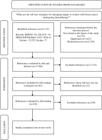
The review report followed the steps applicable to integrative review studies proposed in the Preferred Reporting Items for Systematic Review and Meta-Analyses (PRISMA)16. The search description and selection of studies are presented in a flowchart (Figure 1).
RESULTS
The final sample consisted of eight studies published from 1999 to 2023, with no predominant year of publication, and a greater frequency of level II "controlled randomized clinical trial" evidence-based studies (50%). Regarding the typology of these studies, there was a greater concentration of experimental studies (50%) developed in Brazil (50%).
The identified self-care strategies for managing CRF in breast cancer chemotherapy focused on actions related to the organization of daily routine to conserve energy (daily living activities and regulated and scheduled sleep and rest breaks), nutritional self-care (eat fiber-rich food that are quick to digest, hydrate, and manage weight), practice supervised physical activities whose intensities are designed for people with cancer (weight lifting, dance, walks, pilates), bond with people from their social network (request support in daily living activities and ensure social interaction throughout the treatment), have psychological follow-up (to maintain well-being related to mental health), and practice leisure activities (participate in groups, outings, and go to places that offer a feeling of pleasure and distraction) (Chart 217-21).
DISCUSSION
The studies developed in the CRF theme do not present consistency regarding the update of best practices, nor focus on a determined period. In general characteristics, strong evidence (level II studies, predominantly) is developed, allowing for guiding self-care practices to women in chemotherapy treatment.
In self-care theory, Dorothea Orem highlights the need for nursing interventions focused on promoting knowledge and abilities so the cared person can, autonomously, manage their health and avoid situations of falling ill10.
Independent self-care is a condition developed by the person, and nursing offers a support structure that understands and supports autonomous care initiatives. To that end, it is necessary to acknowledge that each person has different needs and abilities, and these need to be understood so that meaning is attributed to the condition of caring for oneself. This aspect needs to be understood in a way that self-care strategies are incorporated into the daily life of women with breast cancer to bring benefits in their life moment10.
Energy conservation is understood as one of the main self-care strategies, especially in the first days after the chemotherapy session. Planning daily activities according to moments of better disposition, slicing up tasks, and asking for family support are in line with the study findings that reinforce energy self-management as an essential measure to avoid increasing fatigue. This approach allows women to exert control in their daily lives, remaining functional without exceeding their physiological limits4,21.
Regarding sleep quality, creating a structured nighttime routine, bedroom hygiene, and limiting electronic stimuli are positively backed strategies19. Non-pharmacological interventions aimed at relaxation and organization of the environment are effective in reducing the symptomatic fatigue-insomnia-depression cluster. The use of aromas, soft illumination, and attention to sleep times are simple measures that have a strong potential for replenishing the sleep cycle20.
Keeping oneself active is a key strategy to promote emotional well-being during chemotherapy. Performing light and pleasurable activities that stimulate logical thinking and memory, such as reading, painting, and interacting with family members, contribute not only to coping with fatigue but also to maintaining independence. This conduct is in line with Dorothea Orem's theory, which highlights the relevance of voluntary actions done by the individual to preserve their health and well-being. Therefore, it is crucial to encourage women to identify their limits, seek support, and maintain an active social life21.
Supervised activities, like walks and low-impact exercises, when initiated early, promote better functional ability and reduce the impact of fatigue throughout the chemotherapy cycles17. The inclusion of modalities such as dance and pilates broadens the possibilities of adherence and reinforces women's psycho-physical well-being. The recommendation of noticing their own limits during exercise – reducing the rhythm or interrupting the activity when feeling symptoms like tachycardia or dyspnea – reinforces the safety of the practice and respects women regarding their self-perception and physical exhaustion6,17.
Nutritional self-care related to CRF involves reflecting on eating food that meets bodily demands, especially immunity, by adopting a diet rich in fiber, vegetables, and proteins, as well as a balanced liquid ingestion that allows for an increased tolerance to the effects of chemotherapy and helps recover after the drug cycle. The studies mention the intake of teas and food labeled as "healthy", "integral", and "organic" by women who demonstrate approximation to their reality, culture, and influence, and who involve their experiences and meanings of self-care. In addition to those, there are the recommendations to avoid ingesting coffee, soda, cigarettes, chocolates, and heavy-to-digest food next to bedtime to not interfere with the natural sleep process or cause difficulties falling asleep4,20.
Including people from women's social network (families, friends, and neighbors) in daily living and self-care activities becomes fundamental so that these people receive guidance on how to offer support throughout the chemotherapy experience and in the face of emerging needs. CRF impacts the performance of daily activities by women, such as housekeeping, taking a shower or bath, getting dressed, and eating. Asking for support from people in their social network is one of the strategies women can use to ensure quality of life and maintain their well-being6,9,21. Another aspect mentioned in the studies is the practice of religious activities as a coping resource that offers relief from CRF, especially in its emotional dimension. Religiosity is a strategy, amidst limitations, for them to feel confident and at ease4.
As days pass, specifically on the fifth day after chemotherapy, when the most immediate side effects tend to subside, focus on self-care shifts to encompass consistency in performing physical and daily activities, attention to mental health, and continuation of treatments for pre-existing conditions. This direction contributes to controlling CRF and ensures clinical stability of women during chemotherapy7,9.
It is essential that women maintain regular monitoring of pre-existing diseases, that is, those already diagnosed before breast cancer. These pathological conditions should be monitored through periodical appointments and complementary exams, as guided by the health teams responsible. This parallel action is key to ensuring clinical stability throughout the oncological treatment, preventing decompensations that may aggravate symptoms, like fatigue, and compromise their quality of life9.
Care for mental health should be integrated into other therapeutic strategies. Reflecting on the need for psychological follow-up is key to dealing with emotional changes and challenges imposed by the treatment, which are related to diagnosis and treatment and directly affect CRF levels experienced by women19.
CONCLUSION
The strategies identified based on scientific evidence for self-care for women with breast cancer undergoing chemotherapy, in coping with treatment-related fatigue, demonstrate that they are associated with the need to reorganize the daily routine, including body care, physical activity, nutrition, leisure, social interaction, and actions aimed at mental health. Such strategies aim to increase autonomy and give new meaning to the act of caring for oneself during treatment.
The findings from this study reinforce the importance of innovative approaches by health professionals, especially from the nursing field, in regard to health education and the construction of strategies for continuous follow-up with these women, to offer information and track the impacts of this adverse reaction on their daily lives.
Further studies are needed to allow for a better understanding of this adverse reaction and how independent self-care interventions can collaborate in managing and maintaining women's well-being during chemotherapy.
DATA AVAILABILITY STATEMENT
All the contents associated with the article are included in the manuscript.
References
-
1 Ferlay J, Colombet M, Soerjmataram I, et al. Cancer statistics for the year 2020: an overview. Inter J Cancer. 2021;149(4):778-89. doi: http://doi.org/10.1002/ijc.33588
» http://doi.org/10.1002/ijc.33588 -
2 Bray F, Laversanne M, Sung H, et al. Global cancer statistics 2022: GLOBOCAN estimates of incidence and mortality worldwide for 36 cancers in 185 countries. CA Cancer J Clin. 2024;74(3):229-63. doi: https://doi.org/10.3322/caac.21834
» https://doi.org/10.3322/caac.21834 - 3 Instituto Nacional de Câncer. Estimativa 2023: incidência de câncer no Brasil. Rio de janeiro: INCA; 2022. 160p.
-
4 Cunha NF, Querino RA, Wolkers PCB, et al. Fatigue management experiences from women undergoing chemotherapy: self-care strategies. Escola Anna Nery. 2019;23(4):e20190097. doi: https://doi.org/10.1590/2177-9465-EAN-2019-0097
» https://doi.org/10.1590/2177-9465-EAN-2019-0097 -
5 Schimtz KH, Brown JC, Irwin ML, et al. Exercise and nutrition to improve cancer Treatment-Related outcomes (ENICTO). JNCI. 2024;117(1). doi: https://doi.org/10.1093/jnci/djae177
» https://doi.org/10.1093/jnci/djae177 -
6 Narapong W, Barton D. Self-management energy conservation for cancer-related fatigue in thay women with breast cancer receiving chemotherapy: a pilot study. Oncol Nurs Forum. 2023;50(3):337-47. doi: http://doi.org/10.1188/23.ONF.337-347
» http://doi.org/10.1188/23.ONF.337-347 -
7 Panobianco MS, Magalhães PAP, Soares CR, et al. Prevalência de depressão e fadiga em um grupo de mulheres com câncer de mama. Rev Eletr Enferm. 2012;14(3):532-40. doi: https://doi.org/10.5216/ree.v14i3.14409
» https://doi.org/10.5216/ree.v14i3.14409 -
8 Yang Y, Liu S. Uncertainty affects cancer-related fatigue among breast cancer women undergoing peripherally inserted central catheter chemotherapy: the chain mediating role of psychological resilience and self-care. BMC Women's Health. 2024;24(1):334. doi: http://doi.org/10.1186/s12905-024-03187-9
» http://doi.org/10.1186/s12905-024-03187-9 -
9 Kluthcovskyn ACGC, Urbanetz AA. Fatigue and quality of life in breast cancer survivors: a comparative study. Rev Bras Ginecol Obstet. 2015;37(3):119-26. doi: http://doi.org/10.1590/SO100-720320150005247
» http://doi.org/10.1590/SO100-720320150005247 - 10 Orem DE. Nursing: concepts of practice. New York: McGrau-Hill; 1980.
-
11 Torres GV, Davim RMB, Nobrega MML. Aplicação do processo de enfermagem baseado na teoria de Orem: estudo de caso com uma adolescente grávida. Rev Latino-Am Enfermagem. 1999;7(2):47-53. doi: https://doi.org/10.1590/S0104-11691999000200007
» https://doi.org/10.1590/S0104-11691999000200007 -
12 Oliveira DAL. Educação em saúde no autocuidado contra o câncer de mama. Rev Enferm Atual. 2019;87(25):1-8. doi: https://doi.org/10.31011/reaid-2019-v.87-n.25-art.223
» https://doi.org/10.31011/reaid-2019-v.87-n.25-art.223 -
13 Whittemore R, Knafl K. The integrative review: updated methodology. J Adv Nurs. 2005;52(5):546-53. doi: https://doi.org/10.1111/j.1365-2648.2005.03621.x
» https://doi.org/10.1111/j.1365-2648.2005.03621.x -
14 Ouzzani M, Hammady H, Fedorowicz Z, et al. Rayyan – a web and mobile app for systematic reviews. Syst Revi. 2016;5(1):1-10. doi: http://doi.org/10.1186/s13643-016-0384-4
» http://doi.org/10.1186/s13643-016-0384-4 - 15 Melnyk BM, Fineout-Overholt E. Evidence-based practice in nursing and healthcare: a guide to best practice. Baltimare: LWW; 2011.
-
16 Moher D, Liberati A, Tetzlaff J, et al. Principais itens para relatar revisões sistemáticas e meta-análises: a recomendação PRISMA. Epidemiol Serv Saúde. 2015;24(2):335-42. doi: https://doi.org/10.5123/S1679-49742015000200017
» https://doi.org/10.5123/S1679-49742015000200017 -
17 Costa LAR, Barreto RF, Leandrini SMM, et al. The influence of a supervised group exercise intervention combined with active lifestyle recommendations on breast cancer suvivor's health, physical functioning, and quality of life indices: study protocol for a randomized and controlled trial. Trials. 2021;22(1):934. doi: http://doi.org/10.1186/s13063-021-05843-z
» http://doi.org/10.1186/s13063-021-05843-z -
18 Boing L, Fretta TB, Vieira MCS, et al. Pilates and dance to patients with breast cancer undergoing treatment: study protocol for a randomized clinical trial: MoveMama study. Trials. 2020;21(1):35. doi: http://doi.org/10.1186/s13063-019-3874-6
» http://doi.org/10.1186/s13063-019-3874-6 -
19 Nieboer P, Bujis C, Rodenhuis S, et al. Fatigue and relating factors in high-risk breast cancer patients treated with adjuvant standard or high-dose chemotherapy: a longitudinal study. J Clin Oncol. 2005;23(33):8296-304. doi: http://doi.org/10.1200/JCO.2005.10.167
» http://doi.org/10.1200/JCO.2005.10.167 -
20 Wong WM, Chan DNS, He X, et al. Effectiveness of pharmacological and nonpharmacological interventions for managing the fatigue–sleep disturbance–depression symptom cluster in breast cancer patients undergoing chemotherapy. Cancer Nurs. 2023;46(2):E70-80. doi: http://doi.org/10.1097/NCC.0000000000001048
» http://doi.org/10.1097/NCC.0000000000001048 -
21 Jacobsen PB, Hann DM, Azzarello LM, et al. Fatigue in women receiving adjuvant chemotherapy for breast cancer. J Pain and Symptom Manage. 1999;18(4):233-42. doi: http://doi.org/10.1016/s0885-3924(99)00082-2
» http://doi.org/10.1016/s0885-3924(99)00082-2
Edited by
-
Associate-editor:
Fernando Lopes Tavares de Lima. Orcid iD: https://orcid.org/0000-0002-8618-7608
-
Scientific-editor:
Anke Bergmann. Orcid iD: https://orcid.org/0000-0002-1972-8777

 Source: The authors, adapted from PRISMA