
 Can AI-Driven Nudging Promote Sustainable Product Adoption on E-Commerce Platforms?
ABSTRACT
Objective: this study aims to identify effective behavioral interventions and machine learning models that promote eco-friendly purchases.
Theoretical approach: the study is grounded in behavioral economics and choice architecture, drawing on Thaler and Sunstein’s nudge theory to explain how subtle digital design elements can guide choices while preserving autonomy.
Method: a systematic review was conducted based on the PRISMA framework utilizing multiple academic databases. Studies were analyzed for AI’s role in sustainability marketing, model effectiveness, and ethical considerations.
Results: AI-based nudging techniques such as personalization, default green options, social proof, and gamification significantly enhance engagement in sustainable purchasing behavior. Machine learning models like Random Forests, Deep Neural Networks, and Reinforcement Learning play a crucial role in optimizing AI nudging for green consumption.
Conclusions: the study highlights the potential of AI nudging in shaping sustainable e-commerce, especially when combined with transparent, bias-aware, and explainable systems. The study contributes by consolidating notable research on AI-driven nudging in sustainable e-commerce, comparing machine learning models for green consumer targeting with explicit attention to performance-explainability trade-offs, and proposing an experimental design to test their effectiveness and ethics. The study also offers actionable implications for businesses and policymakers by linking AI-powered strategies to Sustainable Development Goals 12 and 13. Businesses and policymakers can leverage ethical AI frameworks to improve trust in sustainability efforts on e-commerce platforms. Future research should focus on real-world AI experiments, interdisciplinary AI frameworks, and ethical AI regulations to ensure responsible AI adoption in e-commerce.
Keywords:
artificial intelligence; digital nudging techniques; e-commerce; sustainable consumption; Sustainable Development Goals 12 and 13
RESUMO
Objetivo: o estudo visa identificar intervenções comportamentais eficazes e modelos de aprendizado de máquina que promovem compras ambientalmente sustentáveis.
Marco teórico: o estudo está fundamentado na economia comportamental e na arquitetura de escolhas, apoiando-se na Nudge Theory (ou Teoria do Nudge) de Thaler e Sunstein, de forma a explicar como elementos sutis de design digital podem servir de orientação para escolhas sem comprometer a autonomia.
Método: foi realizada uma revisão sistemática utilizando o protocolo PRISMA e múltiplas bases de dados acadêmicas. Observa-se o papel da inteligência artificial (IA) no marketing para a sustentabilidade, a efetividade dos modelos e as implicações éticas.
Resultados: técnicas de nudging baseadas em IA, tais como personalização, default green options (ou opções verdes predefinidas), prova social e gamificação, aumentam significativamente o engajamento em comportamentos de consumo sustentável. Modelos de aprendizado de máquina como Random Forests, Deep Neural Networks e Reinforcement Learning têm um papel crucial na otimização do nudging por IA para o consumo sustentável.
Conclusões: o estudo mostra o potencial das técnicas de nudging baseadas em IA podem influenciar o comércio eletrônico sustentável, sobretudo quando empregadas com sistemas transparentes, explicáveis e conscientes de vieses. O estudo contribui para consolidar as principais pesquisas sobre nudge assistido por IA, compara modelos de aprendizagem de máquina voltados a consumidores verdes e destaca os trade-offs entre desempenho e capacidade explicativa, propondo um desenho experimental para avaliar eficácia e ética. Oferece implicações práticas para empresas e formuladores de políticas ao conectar estratégias impulsionadas pela IA aos Objetivos do Desenvolvimento Sustentável 12 e 13 e recomenda a adoção de estruturas éticas de IA para fortalecer a confiança voltados à sustentabilidade em plataformas de comércio eletrônico Pesquisas futuras podem ter como foco experimentos reais, estruturas interdisciplinares e regulações éticas, todas relacionadas à IA, para garantir a adoção responsável dessa inteligência no comércio eletrônico.
Palavras-chave:
inteligência artificial; técnicas de nudging digital; e-commerce; consumo sustentável; Objetivos de Desenvolvimento Sustentável 12 e 13
INTRODUCTION
AI-driven nudging in e-commerce involves using artificial intelligence (AI) to gently guide online shoppers toward making certain choices. These nudges can be personalized recommendations, price anchoring, alerts like ‘Only 2 left in stock,’ or social proof messages such as ‘10 people bought this today’ (Dennis et al., 2020; Raji et al., 2024). AI helps customers by analyzing their preferences and suggesting relevant products. It can also guide both quick and careful decision-making through eye-catching discounts and detailed product comparisons (Ganapini et al., 2023). Additionally, AI nudging promotes sustainable shopping by encouraging eco-friendly purchases and reducing unnecessary returns (Wozniak et al., 2022). However, ethical concerns must be addressed to maintain consumer trust (Ferrara, 2023).
Promoting green products in e-commerce is crucial for reducing environmental impact, meeting consumer demand, and complying with global sustainability policies (Sarkar, 2023). Studies show that businesses that focus on sustainability gain a competitive advantage by improving their brand image and attracting environmentally conscious buyers (Keserwani & Rastogi, 2021). AI-driven marketing makes green products more accessible, increasing sales and engagement. Governments are also encouraging sustainable practices through regulations and incentives (Li & Chen, 2023). As sustainability becomes a global priority, businesses investing in green marketing and AI-driven eco-friendly strategies will be well prepared for long-term success in digital commerce.
Despite growing research on AI and sustainability individually, there remains a lack of consolidated understanding of how AI-powered nudging specifically influences sustainable consumer behavior in e-commerce settings. Many aspects of its effectiveness, comparison with traditional marketing, and ethical challenges remain unexplored. There is also limited research on effective AI models and frameworks for nudging consumers toward eco-friendly choices. This gap highlights the need for a systematic literature review to synthesize and connect fragmented findings across disciplines. As Paul and Criado (2020) suggest, systematic reviews offer a rigorous and structured method to generate knowledge by integrating fragmented insights, especially useful in emerging research areas like AI-driven sustainability marketing.
The novelty of this study lies in its interdisciplinary synthesis. It bridges AI, behavioral science, and sustainable marketing by mapping current AI nudging practices onto behavioral psychology principles and highlighting practical challenges in ethical deployment. To the best of our knowledge, no prior SLR has comprehensively analyzed AI-powered nudging in the context of sustainable e-commerce across models, strategies, and ethical implications. Earlier reviews on sustainability marketing and digital nudging (e.g., Kumari & Raj, 2023; Mirbabaie et al., 2023; Petersson, 2022) have catalogued techniques but have not offered an integrated review linking digital nudging, machine learning models, behavioral science principles, and ethical implications. This review contributes new knowledge in four ways: (1) it provides an integrated review that not only consolidates insights on AI nudging in sustainable e-commerce but also categorizes nudging techniques through the lens of behavioral psychology, linking them to AI models and sustainability goals; (2) it conducts a comparative assessment of machine learning models for nudging, thereby advancing practice-oriented guidance often overlooked in sustainability-focused studies; (3) it proposes an experimental design that future scholars can use to empirically test the effectiveness and ethics of AI-driven nudging; and (4) it outlines practical implications for businesses and policymakers by suggesting actionable AI-driven strategies and machine learning models to promote sustainable commerce. By embedding these contributions within the Sustainable Development Goals (SDG 12 and 13), this study bridges theoretical advancement with policy-relevant impact.
This review aims to answer the following research questions:
-
What AI-driven nudging techniques are most effective in promoting sustainable purchasing decisions in e-commerce?
-
How does AI-driven nudging compare to traditional marketing techniques in influencing consumer behavior toward sustainable purchasing decisions?
-
What machine learning models and AI frameworks can be used to nudge consumers toward purchasing eco-friendly products?
-
What are the key technological and ethical challenges in deploying AI-based nudging techniques for green product promotions in e-commerce?
The remainder of this paper is organized as follows: first, the theoretical background is presented to frame the conceptual foundations. This is followed by the methodology, including keyword strategy and analysis framework. The core findings are then summarized and interpreted, after which their implications are discussed along with key research gaps that emerge from the review. The paper concludes by outlining recommended directions for future research.
THEORETICAL BACKGROUND
Nudging is a technique used to encourage people to make certain decisions by subtly shaping how choices are presented. Thaler and Sunstein (2008) described nudging as interventions that steer behavior in predictable ways while preserving autonomy. Building on this concept, artificial intelligence nudging uses advanced technologies to influence behavior. It relies on tools such as machine learning, predictive analytics, and personalization algorithms. These tools help deliver tailored nudges to individuals at scale. As a result, AI nudging enables dynamic and data-driven behavioral interventions, especially in digital environments. In e-commerce, these cues include green defaults, urgency alerts, and social proof messages (Dennis et al., 2020; Ganapini et al., 2023).
Shopping habits are shifting toward eco-friendly choices. Sustainable consumption in e-commerce means buying in ways that reduce harm to the environment. As sustainability becomes a strategic priority, AI helps by suggesting green products on e-commerce platforms, improving supply chains, and lowering waste through targeted interventions (Sarkar, 2023; Wozniak et al., 2022). E-commerce platforms can use behavioral science to influence how people make choices. When combined with AI-driven personalization, this becomes even more effective. But AI nudging also brings ethical issues. Concerns include fairness, autonomy, and transparency, which affect consumer trust. To build trust and transparency in AI-driven systems, explainable AI (XAI) plays a critical role. XAI is a set of techniques used in artificial intelligence. These techniques aim to make AI decisions easier for people to understand. It helps explain how and why an algorithm makes a specific choice. In the context of sustainability nudges, it shows why certain green products are recommended. This makes the nudging process more transparent and supports ethical decision-making. This review uses AI-driven nudging, sustainable consumption, and ethical AI as its core ideas.
MATERIALS AND METHODS
This study used a systematic literature review to examine AI-driven nudging in sustainable e-commerce. This method provided a rigorous, transparent, and repeatable way to bring together existing research. Systematic reviews are useful when research is spread across many domains. They help find common themes, clear up conflicting results, and show research gaps (Paul & Criado, 2020). To maintain strong methods, the study followed the PRISMA framework, which promotes clear and repeatable reporting of systematic reviews (Moher et al., 2009).
Keyword strategy
The study used a structured search strategy to support the systematic review. It chose keywords from three areas: artificial intelligence and machine learning; sustainability or green buying behavior; and digital or e-commerce settings. Following Paul and Criado (2020), the study first used brainstorming to find relevant keywords, synonyms, and related terms. The keywords were improved using Boolean operators and phrase matching. They were tested many times for relevance on Scopus and Google Scholar.
Academic databases like Scopus and Google Scholar were used to gather high-quality literature. The search string used in Scopus was: (“Artificial Intelligence” OR “AI” OR “Machine Learning” OR “Deep Learning” OR “digital nudging”) AND (“Green*” OR “Sustainable Consumption” OR “Eco-friendly Purchases”) AND (“E-commerce” OR “Online Shopping” OR “Digital Marketplace”). The study also used phrase searches in Google Scholar using (“AI nudging in green online purchasing”).
Inclusion criteria focused on peer-reviewed empirical studies, reviews, and theoretical frameworks related to AI, e-commerce, and green consumer behavior, while outdated research, non-peer-reviewed sources, and studies outside the domain of AI and sustainability were excluded. Duplicate studies and irrelevant results were manually screened out.
Screening and selection process
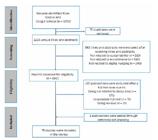
The PRISMA flowchart approach was followed for study selection, involving identification, screening, eligibility checks, and final inclusion. Figure 1 depicts the framework, where after removing duplicates, an initial title and abstract screening was done, resulting in 360 articles, followed by full-text analysis where studies were removed on the basis of inclusion and exclusion criteria. The final selection included 75 key studies.
Analysis method
To analyze the selected studies, a framework analysis approach was employed. The predefined research questions served as the foundation for the initial thematic framework. The analysis process followed five structured steps outlined by Ritchie and Spencer (1994). First, during familiarization, all studies were read thoroughly to gain an overview of recurring themes and concepts. Next, a thematic framework was identified, structured around the four research questions. Themes included AI-driven nudging techniques, comparisons to traditional marketing, AI models and frameworks, and technological/ethical challenges. In the indexing phase, we coded content under relevant theme categories. This was followed by charting, where coded data were organized into a matrix using Excel, allowing a structured comparison across studies. Finally, in the mapping and interpretation phase, patterns and subthemes were identified within each category. The method allowed both structure and flexibility in qualitative synthesis. It has also been adapted for systematic reviews, as shown by Carroll et al. (2011). It also ensured consistency in how data were reviewed and compared.
Research gap identification
To identify research gaps, the review applied an iterative synthesis approach. This was done through framework analysis. After initial familiarization and indexing, patterns were compared across nudging techniques, AI models, and ethical issues. These were charted in a matrix to enable structured comparison across studies to evaluate coherence and empirical depth. Specifically, attention was given to identifying underrepresented areas by assessing the volume and depth of empirical studies versus theoretical discussions. Repeated calls for future research not yet empirically explored were also noted. Areas with limited empirical evidence, conceptual contradictions, or technological under-exploration were flagged as gaps, guiding the recommendations for future research.
RESULTS
Overview of selected studies
After following the PRISMA framework and data analysis, it was found that recent research has shown key trends in AI-driven nudging for green products, including personalization, behavioral nudging techniques, transparency in AI recommendations, and ethical concerns. AI-driven personalization improves sustainable shopping by tailoring product recommendations based on consumer preferences and environmental awareness (Aldaihani et al., 2024). Techniques like social proof nudging (‘10 people bought this eco-friendly item today’) and default green options (pre-selecting sustainable choices) help influence purchasing decisions (Mirbabaie et al., 2023). However, nudge stacking, or using too many nudging techniques at once, can overwhelm consumers and have a backfire effect, reducing the effectiveness of green product adoption (Mirbabaie et al., 2023).
However, these techniques are not without ethical implications. Therefore, maintaining transparency and consumer autonomy is essential for businesses to build trust and ensure responsible AI applications in sustainable e-commerce. To address these challenges, explainable AI (XAI) is being used to provide transparency in product recommendations, particularly in the fashion and consumer goods industries (Sajja et al., 2021). In addition, AI-based sustainability nudging helps consumers understand the environmental impact of products, increasing confidence in green purchases (Mirbabaie et al., 2022). AI-driven green marketing techniques like eco-labeling, sustainable pricing strategies, and AI-powered ads are increasingly used to enhance consumer engagement with green products. Research shows that generative AI enhances the impact of green attitudes on purchasing behavior. This effect is especially strong among Generation Z consumers (Aldaihani et al., 2024).
Machine learning models supporting AI nudging
Machine learning plays a crucial role in promoting green habits. It does so by predicting consumer behavior and optimizing AI-driven nudging strategies. In particular, supervised learning models like random forests (RF) and QC-forest are used to achieve high accuracy in classification tasks while improving retraining efficiency, contributing to scalable and computationally efficient machine learning practices (Santos et al., 2024; Yalovetzky et al., 2024). Additionally, studies show that supervised machine learning algorithms like SVM, random forest, logistic regression, and k-NN have been effectively utilized to classify green consumer purchasing behavior (Choudhury et al., 2024; Sharma & Soni, 2020; Yuan et al., 2023). Random forest performs better in classifying categorical response variables. This makes it a suitable technique for identifying potential green consumers and enabling businesses to design targeted nudges that encourage eco-friendly purchasing decisions (Choudhury et al., 2024; Sharma & Soni, 2020). For instance, Choudhury et al. (2024) applied RF along with other machine learning techniques to classify consumers as green or non-green, facilitating precise targeting by marketers. Similarly, Sobhanifard and Apourvari (2022) employed it to rank the influence of reference groups on green consumer behavior, and Yuan et al. (2023) utilized RF as part of an ensemble learning framework to predict purchasing decisions regarding green energy vehicles. While Choudhury et al. (2024) found RF to be more accurate than other models, Yuan et al. (2023) and Li and Donta (2023) highlighted the higher predictive accuracy of stacking ensemble models. These models achieved up to 82.81% accuracy, surpassing traditional methods. They support resource planning and green supply chains.
Support vector machine (SVM) is another powerful ML tool. It can be used to understand and predict green consumer behavior. It helps to classify people based on their interest in buying eco-friendly products. For example, one study used SVM to sort consumers by looking at things like how much they care about the environment and what their friends think. The SVM model was able to predict green buying behavior with about 96% accuracy (Suhaeni et al., 2024). SVM also helps find important factors, like people’s attitudes and how valuable they think green products are. To improve SVM performance, researchers apply parameter optimization. Techniques like grid search help boost accuracy (Chen & Lin, 2020).
K-nearest neighbors (k-NN) also helps analyze customer behavior. It is often used to classify and identify different types of consumers based on their actions. For example, a study used a special version called Bagging-KNN to build a system that could recognize and group customer behaviors with 98% accuracy, showing how effective k-NN can be for marketing and customer engagement (Jennifer & Suganthy, 2023). k-NN also works well when combined with feature engineering to predict what products people might buy by looking at things like their age, preferences, and online behavior (Karmakar et al., 2023). Many big companies, like Amazon and Netflix, use k-NN for collaborative filtering. This means they recommend products or movies by comparing one user’s choices with others who have similar interests, making it easier to give personalized suggestions (Dzugan et al., 2013).
Beyond classical models, advanced techniques are also being used. Extreme gradient boosting (XGBoost) and deep learning techniques (like recurrent neural networks and long short-term memory models) capture patterns. They predict customer purchase intentions from past behaviors, enabling personalized recommendations to influence consumer decisions (Liu et al., 2024). Reinforcement learning (RL) dynamically adjusts process parameters and operational strategies in real time, which can be extended to optimizing prices and personalized recommendations based on changing conditions and feedback (Bassey & Ibegbulam, 2023).
In parallel, natural language processing (NLP) supports smarter e-commerce interactions. AI-powered chatbots enhance service efficiency and personalization. Together, they improve customer experience on digital platforms (Sharma & Mishra, 2024). AI-powered chatbots, as discussed by Udeh et al. (2024), engage consumers in real-time discussions; these can be leveraged to provide insights into sustainability factors like carbon footprint scores and ethical sourcing. These chatbots also offer real-time assistance and continuously improve through natural language processing to enhance customer experiences, which may also nudge consumers toward greener choices (Anozie et al., 2024). AI recommendation systems further enhance eco-friendly shopping by delivering personalized suggestions, persuasive explanations, and nudging techniques that promote sustainable consumption and production (Felfernig et al., 2023). Explainable AI (XAI) improves consumer trust by offering transparent reasoning behind recommendations, addressing concerns like algorithmic bias and misinformation (Masciari et al., 2024). Although AI-driven nudging effectively promotes green consumption, future advancements must focus on ethical transparency, reducing AI energy consumption, and balancing consumer autonomy to ensure long-term trust and widespread adoption.
Selecting appropriate machine learning models for AI-driven nudging is a context-sensitive decision that involves trade-offs between accuracy, interpretability, scalability, and ethical transparency. While high-performing models like XGBoost and random forest are well-suited for behavior prediction and feature-driven nudging, they often rely on post-hoc interpretability techniques, which may limit transparency. Simpler models such as decision trees offer clear, rule-based outputs that align well with ethical principles like explainability, though they may underperform in complex data environments. Reinforcement learning, on the other hand, excels at long-term adaptive nudging but requires significant data and careful reward function design. Table 1 provides a comparative overview of commonly used machine learning models, outlining their strengths, limitations, and ideal use cases in the context of green nudging strategies. Ultimately, the choice of model should be guided by the specific use case, ethical requirements, and data availability, highlighting the importance of tailoring AI techniques to the goals and constraints of each context.
AI-based nudging strategies in e-commerce for sustainable purchasing
AI-driven nudging techniques in e-commerce are designed to influence consumer behavior toward making sustainable choices by applying principles of behavioral psychology. Studies have identified multiple AI-powered nudging methods, including social proof nudging, where AI displays real-time data to encourage green purchases (e.g., ‘85% of customers chose the eco-friendly version’) (Mirbabaie et al., 2023). Default green options pre-select eco-friendly products or delivery methods unless the user opts out, increasing adoption but sometimes raising concerns about limited choice (Mirbabaie et al., 2022). AI-powered personalization suggests sustainable products based on past behavior, significantly enhancing consumer engagement with green alternatives (Lo & Lin, 2024). Gamification techniques, such as reward-based nudging, offer discounts or loyalty points for choosing sustainable options, making green choices more appealing (Hollaus & Schantl, 2022). Meanwhile, information-based nudging provides clear sustainability indicators and environmental impact data, increasing consumers’ awareness and reducing their price sensitivity toward sustainable products (Verboom, 2021). Table 2 depicts the categorization of AI nudging techniques based on behavioral psychology principles. Each AI-based nudging technique aligns with key behavioral psychology concepts that influence decision-making:
Among AI-powered nudging techniques, default options, real-time sustainability estimators, and limited-time discounts are the most effective at encouraging sustainable purchases. In terms of default nudging, research shows that green shipping pre-selection led to higher adoption and greater consumer satisfaction. Similarly, pre-selecting sustainable products increased green purchases by 8% compared to non-default options (Antonides & Welvaarts, 2020). However, some consumers feel manipulated when their choices are restricted, requiring transparent AI disclosures to improve acceptance (Michels et al., 2022). A study by Paunov et al. (2022) found that when companies explained why the eco-friendly option was pre-selected, people were more likely to accept it and trust the system. This means that if businesses are open and honest about their sustainability efforts, customers will feel more comfortable sticking with green choices instead of opting out. Therefore, clear communication and transparency can make AI nudging much more effective in promoting eco-friendly habits. Real-time carbon footprint estimators, which may provide immediate feedback on the environmental impact of a purchase, may enhance engagement, particularly among environmentally conscious shoppers. Also, consumers are more likely to choose sustainable options when the information is personalized and presented in a way that fits their preferences and shopping habits (Wozniak et al., 2022). While effective, overloading consumers with sustainability data can lead to decision fatigue, reducing the impact of the nudge.
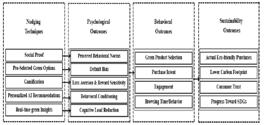
Limited-time discounts also effectively increase consumer purchase intentions by leveraging scarcity and urgency psychology (Shao et al., 2023). Studies show that time restriction messages (like ‘Only 3 left at this price!’) significantly increase eco-product sales and are more effective than scarcity messages (Jha et al., 2019). However, combining discounts with green identity branding (‘This product is for eco-conscious shoppers’) may weaken the perceived sustainability value (Schwartz et al., 2020). Research suggests that high-priced luxury brands benefit from discounts, especially limited-time offers, while excessive discounting can hurt the perceived value of low-priced ones (Jing et al., 2022). Although discount-based nudging and promotional purchase restrictions (limited-time vs. limited-quantity offers) drive short-term engagement (Luo et al., 2022), businesses should pair discounts with sustainability education and reward programs to maintain long-term consumer commitment to green choices. AI-powered gamification strategies, such as eco-reward programs, achievement badges such as green receipts, and sustainability leaderboards, encourage long-term sustainable habits by making green shopping more engaging (Abrunhosa & Bozzi, 2021). According to Alenezi (2023), AI-driven gamification enhances this further by providing personalized feedback, which can heighten consumer motivation by delivering tailored experiences that resonate with individual preferences and encourage sustained interaction with products or services. However, concerns over data privacy and AI tracking transparency remain key challenges in ensuring ethical AI-driven nudging. Figure 2 presents a conceptual framework showing the causal pathway of AI nudging techniques leading to sustainability outcomes.
Ethical and technological challenges in AI-based nudging
AI nudging offers benefits but comes with ethical risks. AI-powered nudging in e-commerce relies on personalized recommendations, behavioral tracking, and data analytics to influence consumer decisions. However, these techniques raise significant privacy concerns, including data security, algorithmic bias, and consumer autonomy (Wang et al., 2021). One major issue is data collection. AI gathers vast amounts of consumer information, such as search history, past purchases, and browsing behavior, often without explicit consent. The lack of transparency can lead to privacy risks, data misuse, and unauthorized sharing. Additionally, algorithmic bias poses a threat, as AI-driven persuasion may manipulate purchasing decisions by prioritizing profit over ethics, making it harder for consumers to make truly independent choices (Ferreyra et al., 2020). Another challenge is trust and transparency. Many consumers do not realize how AI-powered nudges influence their behavior, which reduces trust in sustainability recommendations (Shoukat et al., 2024). Furthermore, cybersecurity risks in AI-powered recommendation systems expose users to data breaches, identity theft, and financial fraud, highlighting the need for stronger security measures. Table 3 provides the key privacy concerns in AI-based nudging and their best practices.
Businesses must address growing concerns around AI nudging. To address these concerns, businesses should ensure transparency in AI-driven recommendations, strengthen consumer privacy regulations, and implement stronger data security measures. Regulatory frameworks like GDPR already set guidelines for ethical AI nudging, but more specific policies on AI-based persuasion in e-commerce are needed (Bandara et al., 2020). Another key ethical issue is the impact of AI on human agency. Research suggests that consumers may feel manipulated when AI nudging is too intrusive, which is why opt-in mechanisms for AI-powered recommendations should be encouraged (Singh et al., 2021).
Addressing bias in AI-powered recommendation systems
AI-driven recommendation systems are essential for promoting sustainable products, but bias remains a major challenge. One issue is popularity bias, as highlighted by Abdollahpouri (2019): popularity bias in recommender systems often over-promotes well-known brands while neglecting niche items and businesses. This impacts fairness and limits discovery. As a result, some eco-friendly products may also struggle to gain visibility due to this bias. Additionally, data bias occurs when AI models rely on historical consumer preferences, which means that if past behaviors did not prioritize sustainability, recommendations remain skewed toward non-green products (Roselli et al., 2019). Marketing bias is another significant concern; it influences how products are presented and prioritized, often shaping consumer perceptions and choices (Wan et al., 2020). This may become particularly problematic if AI prioritizes sustainability trends rather than truly impactful products, increasing the risk of greenwashing. AI systems also reinforce feedback loop bias, where consumers are continuously shown the same types of sustainable products, limiting exposure to newer green innovations (Stray, 2023). To summarize, Table 4 highlights key biases and solutions.
Fair AI recommendations require responsible design and training. To ensure fair and responsible AI sustainability recommendations, businesses must adopt bias-aware AI training, use diversified recommendation models, and implement fact-checking systems to verify green product claims. By prioritizing consumer transparency, regulatory compliance, and fairness in AI algorithms, AI-powered nudging can continue to support sustainable e-commerce while maintaining trust and ethical standards (Tzimas, 2023).
Comparison of AI-driven nudging vs. traditional marketing approaches
Digital strategies are redefining sustainable consumer engagement. AI-driven nudging has transformed sustainable e-commerce by enhancing personalization, increasing efficiency, and reducing marketing costs. Unlike traditional marketing, which relies on mass advertising and broad consumer segmentation, AI uses real-time data analytics to personalize sustainability messages based on individual preferences. Conversational AI agents like chatbots offer instant recommendations, improving user engagement (Jusoh, 2018). Building on this capability, they can also promote eco-friendly choices by suggesting sustainable products during conversations. AI-powered eco-reward programs and smart nudges simplify green purchasing by making sustainability choices seamless and automated, without disrupting user experience. AI also optimizes last-mile delivery, cutting carbon emissions while maintaining convenience (Tsai et al., 2024). Furthermore, AI-driven persuasion systems, such as automated persuasion systems (APS), offer scalable solutions for influencing behavior change across large populations. Their efficiency and scalability suggest potential cost advantages compared to traditional sustainability marketing methods (Hunter, 2018). Manual marketing campaigns require constant updates and human interventions. AI nudging, in contrast, adapts in real time as consumer behavior evolves.
AI-powered persuasion also presents risks. Privacy concerns arise from large-scale data collection, where AI tracks user behavior without always providing clear disclosures (Budzinski et al., 2019). Algorithmic bias is another challenge. If AI prioritizes profit over sustainability, it may mislead consumers through greenwashing, falsely promoting products as eco-friendly. Additionally, AI-generated nudges may face consumer resistance if shoppers feel manipulated rather than genuinely influenced to make sustainable choices (Hunter, 2018). Excessive AI nudging may erode consumer trust. This is especially true for users skeptical of AI recommendations. Therefore, AI persuasion must be ethical, transparent, and unbiased to be effective. Best practices include ensuring AI transparency by clearly explaining how recommendations are generated (Lee & Yi, 2024), preventing algorithmic bias through regular audits, and using ethical data collection methods to respect consumer privacy. AI-driven persuasion should balance automation with human oversight, allowing consumers to make informed choices rather than feeling forced into decisions. Integrating responsible AI governance, fairness in recommendation systems, and transparency in AI-driven marketing is key to sustainable e-commerce. Together, these practices support long-term consumer engagement.
Beyond ethical concerns, AI systems demand significant infrastructure. They rely on real-time data processing, model training environments, and skilled personnel for effective deployment. These requirements pose a significant barrier for small and medium-sized enterprises (SMEs), which often lack the technical and financial capacity to implement AI systems. Moreover, the cost of acquiring, maintaining, and updating AI models - especially personalized recommendation engines or reinforcement learning systems - can be prohibitively high. AI systems also rely on large, high-quality datasets, making them less effective in data-scarce environments. Unlike traditional marketing approaches that can be deployed broadly with fewer technical dependencies, AI-based nudging demands continuous monitoring, retraining, and adaptation, increasing the operational burden on businesses. To summarize, Table 5 compares AI-driven nudging vs. traditional marketing.
DISCUSSION
Key takeaways from the literature
AI-driven nudging techniques have significantly impacted sustainable purchasing behaviors in e-commerce, with the most effective strategies including default options, social proof nudging, gamification, and personalized AI recommendations (Wozniak et al., 2022). Default nudging, where eco-friendly choices are pre-selected, has been proven to increase green product adoption, though some consumers resist due to concerns over autonomy (Michels et al., 2022; Mirbabaie et al., 2022). Social proof nudging, such as real-time notifications like ‘X number of people purchased this eco-friendly product today,’ leverages peer influence to encourage sustainable consumption (Mirbabaie et al., 2022).
Gamification and AI-powered rewards, including eco-reward programs, sustainability leaderboards, and achievement badges, increase engagement by making green behavior enjoyable and rewarding (Wei & Myrick, 2022). Additionally, AI-driven personalization plays a crucial role by using data-driven strategies to analyze consumer behavior and hyper-personalize recommendations, significantly improving purchase rates (Kaur, 2024). However, a key insight from this review is the trade-off between model performance and explainability. Advanced models like XGBoost and reinforcement learning deliver strong predictive power but lack transparency, while simpler models such as k-NN or decision trees offer transparency but may underperform in complex contexts. This trade-off highlights the need to balance technical performance with ethical standards, especially in green marketing, where consumer trust is essential.
Complementing this, AI tracking further refines these recommendations by monitoring browsing and purchasing patterns, ensuring long-term sustainable habits (Dubey & Alam, 2024; Kaur, 2024). Building on this, AI-based smart-driven marketing planning strategies (AI-SDMPS) leverage machine learning and smart data exploitation to optimize marketing efforts and enhance consumer engagement in sustainable and green systems (Alsalhy et al., 2023). However, despite these benefits, concerns about manipulation and bias remain, requiring transparent AI models to ensure ethical use (Ehsan et al., 2021).
Gaps in current research
Empirical validation and real-world application gaps
While AI-driven nudging in sustainable e-commerce has made significant progress, several research gaps remain, particularly in the empirical validation through real-world applications and in the adoption of emerging AI techniques (Wu et al., 2022). Most studies rely on conceptual models and simulations, with limited large-scale field experiments evaluating the real-world effectiveness of AI nudging strategies (Gul et al., 2024). Additionally, short-term behavioral shifts are well documented, but little research focuses on long-term sustainability engagement. Cultural and economic differences in AI-driven nudging adoption also remain underexplored, requiring research that accounts for demographic variations in green consumerism (Hasan & Ojala, 2024).
Technological and methodological gaps
Emerging AI techniques in green nudging, such as reinforcement learning (RL), explainable AI (XAI), and AI-driven behavioral prediction models, remain largely unexplored in sustainable consumption research. Reinforcement learning can help AI learn and adapt optimal nudging strategies over time but has rarely been applied to sustainability efforts (Bassey & Ibegbulam, 2023). Explainable AI (XAI) can improve trust and transparency in AI nudging by providing clear justifications for eco-friendly recommendations, yet its application remains limited (Tzimas, 2023). AI-driven behavioral prediction models can anticipate long-term consumer shifts toward sustainability, but research in this area is still in its early stages (Yılmaz, 2024). Another underdeveloped area is AI-augmented blockchain, which can verify sustainability claims and prevent greenwashing. This ensures that consumers receive authentic sustainability information.
Ethical, socioeconomic, and environmental gaps
Beyond technical challenges, AI in sustainable consumption raises deeper issues. Ethical and socioeconomic concerns need much more attention. Algorithmic biases in AI nudging models often favor affluent consumers, making products and services less accessible to lower-income groups (Akter et al., 2021). Additionally, overly aggressive AI nudging strategies may blur the line between persuasion and manipulation, raising concerns over consumer autonomy (Ferreyra et al., 2020). Finally, while AI promotes sustainability, AI systems themselves consume large amounts of energy, contradicting their environmental goals (Nicodeme, 2021). Addressing these gaps will require bias-aware AI models to ensure fair access to green products, ethical AI frameworks that balance nudging with consumer autonomy, and eco-efficient AI algorithms that minimize AI’s carbon footprint while promoting sustainability.
Future research directions
Optimizing AI-driven nudging for sustainability needs deeper research. Future work should explore bias-aware frameworks, interdisciplinary methods, and regulatory guidelines. AI nudging strategies must be adapted to different consumer demographics to ensure equitable engagement with sustainable purchasing. Additionally, AI nudging should be designed to bridge the digital divide, ensuring that non-tech-savvy consumers can benefit from green recommendations through voice-assisted and simplified UI designs. Given the lack of research on the economic dimensions of AI-driven sustainability efforts, future studies should develop income-based AI adaptability models that prioritize budget-friendly eco-options (Bracarense et al., 2022). Future studies should also integrate behavioral economics, sustainability science, and social influence modeling into AI-driven nudging (Gomes, 2023). Vandenbroele et al. (2020) emphasize the need for future research on how choice architecture principles can promote sustainable consumption while carefully considering personal predispositions and ethical implications. Building on this, future studies could explore how these principles can be integrated into AI-driven systems to encourage ethical and personalized sustainable consumer behavior. The EU AI Act and GDPR already impose guidelines, but there is a need for stricter AI accountability laws that ensure transparency, fairness, and consumer autonomy (Tzimas, 2023). AI nudging systems should include self-nudging mechanisms. These allow consumers to opt in or adjust nudges based on their preferences, ensuring a balance between persuasion and autonomy (Torma et al., 2018). Their effectiveness also warrants further research. Lastly, future work should focus on implementing bias audits, explainability standards, and regulatory compliance frameworks to ensure trustworthy sustainable AI.
Proposed hypothetical experimental framework
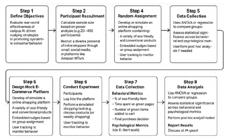
To bridge the gap between theoretical insights and practical application, future research could implement a hypothetical experimental framework to evaluate the real-world effectiveness of AI-driven nudging strategies in sustainable e-commerce. Figure 3 provides a visual flow of the process. A randomized controlled trial (RCT) design would assign participants to either a control group (no nudging) or one of several experimental groups exposed to specific AI-based nudges - such as default green options, social proof, gamified incentives, or personalized eco-product recommendations. To evaluate the effectiveness of each nudging approach, key outcome metrics could include clicks on eco-labels, browsing behavior (e.g., time spent on green product pages), purchase intent (number of green products added to cart), and sustainable product selection (e.g., choosing eco-friendly items). Post-intervention surveys could assess perceived trust, user satisfaction, and feelings of autonomy. This conceptual design would provide a foundation for empirical validation while addressing behavioral outcomes and ethical considerations of AI nudging.
Despite major advancements, AI-driven nudging for sustainable consumption requires further optimization, interdisciplinary collaboration, and regulatory oversight. Future research should focus on bias-aware AI frameworks to ensure inclusivity, interdisciplinary AI models that integrate behavioral psychology and sustainability science, and regulatory AI frameworks that uphold transparency, fairness, and ethical AI decision-making. With responsible AI development, AI-powered nudging can drive long-term sustainable consumerism, ensuring eco-friendly choices become the default behavior rather than a temporary trend. To enhance clarity and accessibility, Table 6 summarizes the key future research directions identified in this review along with their rationale.
CONCLUSIONS
Summary of findings
Sustainable e-commerce is evolving through AI-powered strategies. This review has demonstrated how AI-driven nudging is transforming sustainable consumer behavior in e-commerce. AI technologies, including personalized recommendations, gamification, social proof nudging, and dynamic pricing, play a significant role in encouraging eco-friendly purchasing decisions. These strategies leverage behavioral science, machine learning, and real-time engagement to make sustainable shopping more attractive and accessible. AI-based strategies in green marketing enhance consumer engagement by tailoring sustainability recommendations to individual preferences, increasing the likelihood of green product adoption (Alsalhy et al., 2023). Gamification strategies, such as eco-reward programs, leaderboards, and sustainability challenges, encourage long-term engagement, especially among younger consumers who respond well to interactive and reward-based sustainability initiatives (Wei & Myrick, 2022). Social proof nudging, where AI highlights real-time crowd-based recommendations (e.g., ‘X number of people purchased this eco-friendly product today’), increases consumer trust and motivation to adopt sustainable shopping habits (Mirbabaie et al., 2022). AI-powered discount strategies and dynamic pricing create financial incentives for sustainable choices, making green products more competitive, although more research is needed to assess the long-term effectiveness of these pricing nudges. The findings also emphasize that AI can optimize nudging strategies for different consumer demographics. This helps ensure inclusivity and accessibility in green marketing. The integration of AI with behavioral psychology and sustainability science can create highly effective interdisciplinary nudging strategies, surpassing traditional marketing techniques in impact. However, responsible AI governance, including explainable systems and bias-aware frameworks, is essential to maintain consumer trust and protect autonomy.
Practical implications for the e-commerce industry
To leverage AI nudging for sustainable commerce, businesses should integrate AI-driven techniques into their platforms to encourage eco-conscious consumer choices. AI-powered product recommendations can prioritize sustainable products, ensuring that green alternatives are more visible and attractive to consumers. Dynamic pricing models can be implemented to make eco-friendly goods more competitive, increasing their market appeal. Personalized AI-driven eco-friendly suggestions based on consumer purchase history and preferences can significantly enhance engagement with sustainability messaging. Businesses can also introduce gamified sustainability programs, such as reward-based incentives, eco-leaderboards, and achievement badges, to encourage repeat green purchases. Additionally, social proof and peer influence mechanisms, including AI-driven social nudges (e.g., ‘X number of customers bought this eco-friendly item today’), can be used to reinforce collective action toward sustainable shopping. However, for AI nudging to remain ethical and effective, businesses must invest in technology that ensures transparency and fairness.
This study contributes to Sustainable Development Goals (SDGs) 12 (Responsible Consumption and Production) and 13 (Climate Action) by highlighting low-emission choices such as eco-friendly product recommendations, green delivery options, and reduced return rates, thereby lowering the carbon footprint of digital commerce. To align nudging strategies with ethical standards and business goals, firms must select AI models based on context-specific trade-offs. For example, random forests work well for segmenting green consumers. Reinforcement learning suits dynamic discounting, though it offers lower transparency. Businesses that value explainability and user trust may pick decision trees or shallow models instead of deep learning. Implementing explainable and bias-aware AI not only strengthens user trust but also supports regulatory compliance and consumer autonomy. Businesses must also implement robust data governance, privacy protection, and fairness protocols as part of their AI strategy. AI can support sustainability by optimizing supply chains, logistics, and energy-efficient recommendation algorithms, reducing the carbon footprint of AI-powered e-commerce. Regulatory compliance with global AI and sustainability policies (such as the EU AI Act and GDPR) is essential to ensuring consumer rights and ethical AI use in sustainability marketing. By adopting these AI-driven sustainability strategies, businesses can create a more eco-friendly, consumer-friendly, and profitable e-commerce ecosystem while aligning with global environmental goals.
As AI technology continues to evolve, its role in driving sustainable commerce will expand, offering new opportunities for businesses and policymakers to promote eco-friendly consumption. AI models will increasingly align with global sustainability targets, such as the United Nations Sustainable Development Goals, ensuring that eco-conscious decision-making becomes an integral part of mainstream e-commerce. AI-driven nudging is not just a technological advancement; it is a transformative tool for fostering sustainable consumer behavior. By integrating AI-powered personalization, gamification, and behavioral insights, businesses and policymakers can build a more sustainable, ethical, and consumer-centric digital marketplace. Continued research, ethical AI governance, and responsible AI deployment will be key to ensuring that AI nudging remains a force for positive environmental change.
REFERENCES
-
Abdollahpouri, H. (2019). Popularity bias in ranking and recommendation. Proceedings of the 2019 AAAI/ACM Conference on AI, Ethics, and Society. https://doi.org/10.1145/3306618.3314309
» https://doi.org/10.1145/3306618.3314309 -
Abrunhosa, J. R. C., & Bozzi, C. (2021). Gamification for sustainable consumption. UXUC-User Experience and Urban Creativity, 3(1), 40-75. https://doi.org/10.48619/uxuc.v3i1.481
» https://doi.org/10.48619/uxuc.v3i1.481 -
Akter, S., Dwivedi, Y. K., Biswas, K., Michael, K., Bandara, R. J., & Sajib, S. (2021). Addressing algorithmic Bias in AI-driven customer management. Journal of Global Information Management, 29(6), 1-27. https://doi.org/10.4018/jgim.20211101.oa3
» https://doi.org/10.4018/jgim.20211101.oa3 -
Aldaihani, F. M. F., Islam, M. A., Saatchi, S. G., & Haque, M. A. (2024). Harnessing green purchase intention of generation Z consumers through green marketing strategies. Business Strategy & Development, 7(3), e419. https://doi.org/10.1002/bsd2.419
» https://doi.org/10.1002/bsd2.419 -
Alenezi, A. (2023). Teacher perspectives on ai-driven gamification: Impact on student motivation, engagement, and learning outcomes. Information Technologies and Learning Tools, 97(5), 138-148. https://doi.org/10.33407/itlt.v97i5.5437
» https://doi.org/10.33407/itlt.v97i5.5437 -
Alsalhy, M. J., Sharif, H., Haroon, N. H., Mohsin, S. K., Khalid, R., & Ali, A. (2023, December). Integrating AI-based Smart-Driven Marketing to Promote Sustainable and Green Systems. In International Conference on Emerging Research in Computational Science (ICERCS) (pp. 1-6). IEEE. https://doi.org/10.1109/ICERCS57948.2023.10434138
» https://doi.org/10.1109/ICERCS57948.2023.10434138 -
Anozie, C., Barnabas, O., Chukwuemeka, P., Adeleke, N., Ukadike, A., & Oloko, O. A. (2024). Advancements in artificial intelligence for omnichannel marketing and customer service: Enhancing predictive analytics, automation, and operational efficiency. International Journal of Science and Research Archive, 12(2), 1621-1629. https://doi.org/10.30574/ijsra.2024.12.2.1436
» https://doi.org/10.30574/ijsra.2024.12.2.1436 -
Antonides, G., & Welvaarts, M. (2020). Effects of default option and lateral presentation on consumer choice of the sustainable option in an online choice task. Sustainability, 12(13), 5484. https://doi.org/10.3390/su12135484
» https://doi.org/10.3390/su12135484 -
Bandara, R., Fernando, M., & Akter, S. (2020). Privacy concerns in E-commerce: A taxonomy and a future research agenda. Electronic Markets, 30(3), 629-647. https://doi.org/10.1007/s12525-019-00375-6
» https://doi.org/10.1007/s12525-019-00375-6 -
Bassey, K. E., & Ibegbulam, C. (2023). Machine learning for green hydrogen production. Computer Science & IT Research Journal, 4(3), 368-385. https://doi.org/10.51594/csitrj.v4i3.1253
» https://doi.org/10.51594/csitrj.v4i3.1253 -
BBC News. (2022, October 14). Shein owner Zoetop fined $1.9m over data breach response. BBC News. https://www.bbc.com/news/technology-63255661
» https://www.bbc.com/news/technology-63255661 -
Bracarense, N., Bawack, R. E., Wamba, S. F., & Carillo, K. D. A. (2022). Artificial Intelligence and sustainability: A bibliometric analysis and future research directions. Pacific Asia Journal of the Association for Information Systems, 14(2). https://doi.org/10.17705/1pais.14209
» https://doi.org/10.17705/1pais.14209 -
Budzinski, O., Noskova, V., & Zhang, X. (2019). The brave new world of digital personal assistants: Benefits and challenges from an economic perspective. NETNOMICS: Economic Research and Electronic Networking, 20(2-3), 177-194. https://doi.org/10.1007/s11066-019-09133-4
» https://doi.org/10.1007/s11066-019-09133-4 -
Carroll, C., Booth, A., & Cooper, K. (2011). A worked example of” best fit” framework synthesis: A systematic review of views concerning the taking of some potential chemopreventive agents. BMC Medical Research Methodology, 11, 1-9. https://doi.org/10.1186/1471-2288-11-29
» https://doi.org/10.1186/1471-2288-11-29 -
Chen, Y., & Lin, Y. (2020). Relationship model of green energy and environmental change based on computer simulation. In Advances in intelligent systems and computing (pp. 1895-1902). Springer Nature. https://doi.org/10.1007/978-981-15-2568-1_265
» https://doi.org/10.1007/978-981-15-2568-1_265 -
Choudhury, N., Mukherjee, R., Yadav, R., Liu, Y., & Wang, W. (2024). Can machine learning approaches predict green purchase intention? -A study from Indian consumer perspective. Journal of Cleaner Production, 456, 142218. https://doi.org/10.1016/j.jclepro.2024.142218
» https://doi.org/10.1016/j.jclepro.2024.142218 -
Dennis, A. R., Yuan, L. (IVY), Feng, X., Webb, E., & Hsieh, C. J. (2020). Digital Nudging: Numeric and Semantic Priming in E-Commerce. Journal of Management Information Systems, 37(1), 39-65. https://doi.org/10.1080/07421222.2019.1705505
» https://doi.org/10.1080/07421222.2019.1705505 -
Dubey, S., & Alam, S. (2024). Corporation’s greening strategies: Overlooking the negative implications of AI’s contributions? In SHS Web of Conferences, 194, 01007-01007. https://doi.org/10.1051/shsconf/202419401007
» https://doi.org/10.1051/shsconf/202419401007 -
Dzugan, N., Fannin, L., & Makki, S. K. (2013). A recommendation scheme utilizing Collaborative Filtering. In 8th International Conference for Internet Technology and Secured Transactions (ICITST-2013), 96-100. https://doi.org/10.1109/icitst.2013.6750170
» https://doi.org/10.1109/icitst.2013.6750170 -
Ehsan, U., Liao, Q. V., Muller, M., Riedl, M. O., & Weisz, J. D. (2021). Expanding explainability: Towards social transparency in AI systems. In Proceedings of the 2021 CHI Conference on Human Factors in Computing Systems, 1-19. https://doi.org/10.1145/3411764.3445188
» https://doi.org/10.1145/3411764.3445188 -
European Commission. (2020, November 10). Antitrust: Commission sends Statement of Objections to Amazon for the use of non-public independent seller data and opens second investigation into its e-commerce business practices. European Commission. https://ec.europa.eu/commission/presscorner/detail/en/ip_20_2077
» https://ec.europa.eu/commission/presscorner/detail/en/ip_20_2077 -
Felfernig, A., Wundara, M., Ngoc, T., Erdeniz, S. P., Lubos, S., Mansi, M. E., Garber, D., & Le, V.-M. (2023). Recommender systems for sustainability: overview and research issues. Frontiers in Big Data, 6. https://doi.org/10.3389/fdata.2023.1284511
» https://doi.org/10.3389/fdata.2023.1284511 -
Ferrara, E. (2023). Fairness and Bias in Artificial Intelligence: A Brief Survey of Sources, Impacts, and Mitigation Strategies. Science, 6(1), 3. https://doi.org/10.3390/sci6010003
» https://doi.org/10.3390/sci6010003 -
Ferreyra, N. E. D., Aïmeur, E., Hage, H., Heisel, M., & Hoogstraten, C. G. van. (2020). Persuasion Meets AI: Ethical Considerations for the Design of Social Engineering Countermeasures. ArXiv. https://doi.org/10.48550/arXiv.2009.12853
» https://doi.org/10.48550/arXiv.2009.12853 -
Ganapini, M. B., Fabiano, F., Horesh, L., Loreggia, A., Mattei, N., Murugesan, K., Pallagani, V., Rossi, F., Srivastava, B., & Venable, B. (2023). Value-based fast and slow AI Nudging. ArXiv (Cornell University). https://doi.org/10.48550/arxiv.2307.07628
» https://doi.org/10.48550/arxiv.2307.07628 -
Gomes, C. P. (2023). AI for scientific discovery and a sustainable future. In Proceedings of the Genetic and Evolutionary Computation Conference, 2-2. https://doi.org/10.1145/3583131.3603396
» https://doi.org/10.1145/3583131.3603396 -
Gul, K., Fasih, S., Morande, S., & Ramish, M. (2024). Participatory visual methods and artificial intelligence-driven analysis for sustainable consumption insights. Sustainability, 16(16), 6956-6956. https://doi.org/10.3390/su16166956
» https://doi.org/10.3390/su16166956 -
Hasan, R., & Ojala, A. (2024). Managing artificial intelligence in international business: Toward a research agenda on sustainable production and consumption. Thunderbird International Business Review, 66(2). https://doi.org/10.1002/tie.22369
» https://doi.org/10.1002/tie.22369 -
Hollaus, M., & Schantl, J. (2022). Incentivizing consumers towards a more sustainable online shopping behavior. In 13th International Conference on E-Education, E-Business, E-Management, and E-Learning, 372-376. https://doi.org/10.1145/3514262.3514268
» https://doi.org/10.1145/3514262.3514268 -
Hunter, A. (2018). Towards a framework for computational persuasion with applications in behaviour change1. Argument & Computation, 9(1), 15-40. https://doi.org/10.3233/aac-170032
» https://doi.org/10.3233/aac-170032 -
Jeffries, A., & Yin, L. (2021, October 14). Amazon Puts Its Own “Brands” First Above Better-Rated Products - The Markup. Themarkup.org. https://themarkup.org/amazons-advantage/2021/10/14/amazon-puts-its-own-brands-first-above-better-rated-products
» https://themarkup.org/amazons-advantage/2021/10/14/amazon-puts-its-own-brands-first-above-better-rated-products -
Jennifer, S. S., & Suganthy, M. (2023, December). Experimental Development of Learning based Consumer Behavior Recognition System using Artificial Intelligence Principle. In 2023 International Conference on Innovative Computing, Intelligent Communication and Smart Electrical Systems (ICSES), 1-8. https://doi.org/10.1109/icses60034.2023.10465459
» https://doi.org/10.1109/icses60034.2023.10465459 -
Jha, S., Dutta, S., & Koksal, A. (2019). Effectiveness of monetary discounts: Comparing quantity scarcity and time restriction. Journal of Consumer Marketing, 36(7), 901-910. https://doi.org/10.1108/jcm-07-2018-2763
» https://doi.org/10.1108/jcm-07-2018-2763 -
Jing, K., Chen, L., & Mei, Y. (2022). The effectiveness of price promotions in purchasing affordable luxury products: An event-related potential study. Frontiers in Neuroscience, 16. https://doi.org/10.3389/fnins.2022.818503
» https://doi.org/10.3389/fnins.2022.818503 -
Jusoh, S. (2018, June). Intelligent conversational agent for online sales. In 10th International Conference on Electronics, Computers and Artificial Intelligence (ECAI). https://doi.org/10.1109/ecai.2018.8679045
» https://doi.org/10.1109/ecai.2018.8679045 -
Karmakar, M., Kafi, Md. A. A., Afridi, A. S., Sabbir, W., & Raza, D. M. (2023). Advanced Network Technologies and Intelligent Computing. In Communications in computer and information science. Springer Nature. https://doi.org/10.1007/978-3-031-64067-4
» https://doi.org/10.1007/978-3-031-64067-4 -
Kaur, R. (2024). Nature nudge media: Pioneering green marketing in the digital age. International Journal of Scientific Research in Modern Science and Technology, 3(9), 23-30. https://doi.org/10.59828/ijsrmst.v3i9.251
» https://doi.org/10.59828/ijsrmst.v3i9.251 -
Keserwani, H., & Rastogi, H. (2021). Green e-commerce: An assessment of market readiness & movement to a new competitive landscape. Journal of Contemporary Issues in Business and Government, 27(3). https://doi.org/10.47750/cibg.2021.27.03.193
» https://doi.org/10.47750/cibg.2021.27.03.193 -
Kumari, P. & Raj, A. (2023). The role of AI nudges in optimizing consumer behavior in financial and e-commerce contexts. http://dx.doi.org/10.2139/ssrn.4937811
» http://dx.doi.org/10.2139/ssrn.4937811 -
Lee, H., & Yi, Y. (2024). Humans Vs. service robots as social actors in persuasion settings. Journal of Service Research, 28(1). https://doi.org/10.1177/10946705241278842
» https://doi.org/10.1177/10946705241278842 -
Li, T., & Donta, P. K. (2023). Predicting green supply chain impact with SNN-Stacking model in digital transformation context. Journal of Organizational and End User Computing, 35(1), 1-19. https://doi.org/10.4018/joeuc.334109
» https://doi.org/10.4018/joeuc.334109 -
Li, Y., & Chen, X. (2023, October). Analysis of the current situation and problems of green consumption in the E-commerce field. In 2nd International Conference on Sustainable Technology and Management (ICSTM 2023), (Vol. 12804, pp. 694-700). SPIE. https://doi.org/10.1117/12.3006420
» https://doi.org/10.1117/12.3006420 -
Liu, D., Huang, H., Zhang, H., Luo, X., & Fan, Z. (2024). Enhancing customer behavior prediction in e-commerce: A comparative analysis of machine learning and deep learning models. Applied and Computational Engineering, 55(1), 190-204. https://doi.org/10.54254/2755-2721/55/20241475
» https://doi.org/10.54254/2755-2721/55/20241475 -
Lo, C.-H., & Lin, L.-F. (2024). Personalized e-shopping recommendations for sustainable consumption. In 16th IIAI International Congress on Advanced Applied Informatics (IIAI-AAI), 48(2472-0070), 585-588. https://doi.org/10.1109/iiai-aai63651.2024.00111
» https://doi.org/10.1109/iiai-aai63651.2024.00111 -
Luo, H., Pan, N., Zhong, Y., & Wang, H. (2022). The influence of prepaid service and promotion purchase restriction on consumers’ willingness to share in tourism and hospitality: From the perspective of framing effect theory. Frontiers in Psychology, 13. https://doi.org/10.3389/fpsyg.2022.1022312
» https://doi.org/10.3389/fpsyg.2022.1022312 -
Masciari, E., Umair, A., & Ullah, M. H. (2024). A systematic literature review on AI-Based recommendation systems and their ethical considerations. IEEE Access, 12, 121223-121241. https://doi.org/10.1109/access.2024.3451054
» https://doi.org/10.1109/access.2024.3451054 -
Michels, L., Ochmann, J., Günther, S. A., Laumer, S., & Tiefenbeck, V. (2022, January 1). Empowering consumers to make environmentally sustainable online shopping decisions: A digital nudging approach. In Proceedings of the Annual Hawaii International Conference on System Sciences. https://doi.org/10.24251/hicss.2022.574
» https://doi.org/10.24251/hicss.2022.574 -
Mirbabaie, M., Marx, J., & Erle, L. (2023). Digital nudge stacking and backfiring: Understanding sustainable e-commerce purchase decisions. Pacific Asia Journal of the Association for Information Systems, 15(3), 65-104. https://doi.org/10.17705/1pais.15303
» https://doi.org/10.17705/1pais.15303 -
Mirbabaie, M., Marx, J., & Germies, J. (2022, February 17). Conscious commerce -- digital nudging and sustainable e-commerce purchase decisions. Australasian Conference on Information Systems. https://doi.org/10.48550/arXiv.2202.08696
» https://doi.org/10.48550/arXiv.2202.08696 -
Moher, D., Liberati, A., Tetzlaff, J., & Altman, D. G. (2009). Preferred reporting items for systematic reviews and meta-analyses: The PRISMA Statement. BMJ, 339. https://doi.org/10.1371/journal.pmed.1000097
» https://doi.org/10.1371/journal.pmed.1000097 -
Nicodeme, C. (2021, April). AI legitimacy for sustainability. 2021 IEEE Conference on Technologies for Sustainability (SusTech) (pp. 1-5). IEEE. https://doi.org/10.1109/SusTech51236.2021.9467431
» https://doi.org/10.1109/SusTech51236.2021.9467431 -
Petersson, E. (2022). Nudging consumers towards more sustainable alternatives when shopping online: A cross-sectional qualitative study of behavior change design and digital nudging techniques for use in the e-commerce context. https://www.diva-portal.org/smash/record.jsf?pid=diva2:1707155
» https://www.diva-portal.org/smash/record.jsf?pid=diva2:1707155 -
Paul, J., & Criado, A. R. (2020). The art of writing literature review: What do we know and what do we need to know? International Business Review, 29(4). https://doi.org/10.1016/j.ibusrev.2020.101717
» https://doi.org/10.1016/j.ibusrev.2020.101717 -
Paunov, Y., Vogel, T., Ingendahl, M., & Wänke, M. (2022). Transparent by choice: Proactive disclosures increase compliance with digital defaults. Frontiers in Psychology, 13. https://doi.org/10.3389/fpsyg.2022.981497
» https://doi.org/10.3389/fpsyg.2022.981497 -
Raji, M. A., Olodo, H. B., Oke, T. T., Addy, W. A., Ofodile, O. C., & Oyewole, A. T. (2024). E-commerce and consumer behavior: A review of AI-powered personalization and market trends. GSC Advanced Research and Reviews, 18(3), 066-077. https://doi.org/10.30574/gscarr.2024.18.3.0090
» https://doi.org/10.30574/gscarr.2024.18.3.0090 -
Ritchie, J., & Spencer, L. (1994). Qualitative data analysis for applied policy research. In Analyzing qualitative data (pp. 173-194). Routledge. https://doi.org/10.4324/9780203413081
» https://doi.org/10.4324/9780203413081 -
Roselli, D., Matthews, J., & Talagala, N. (2019, May). Managing bias in AI. In Companion Proceedings of the 2019 World Wide Web Conference (pp. 539-544). https://doi.org/10.1145/3308560.3317590
» https://doi.org/10.1145/3308560.3317590 -
Sajja, S., Aggarwal, N., Mukherjee, S., Manglik, K., Dwivedi, S., & Raykar, V. (2021, January 2). Explainable AI based interventions for pre-season decision making in fashion retail. In Proceedings of the 3rd ACM India Joint International Conference on Data Science & Management of Data. https://doi.org/10.1145/3430984.3430995
» https://doi.org/10.1145/3430984.3430995 -
Shao, J. B., Yao, F. S., & Xie, M. (2023). Is time-constrained promotion actually effective? The moderating role of price discounts and previous online consumption experience. International Journal of Services Technology and Management, 28(3-4), 159-184. https://doi.org/10.1504/ijstm.2023.131712
» https://doi.org/10.1504/ijstm.2023.131712 -
Santos, S., Skiarski, A., García-Núñez, D., Lazzarini, V., Moral, R. D. A., Galvan, E., Ottoni, A. L. C., & Nepomuceno, E. (2024). Green machine learning: Analysing the energy efficiency of machine learning models. 35th Irish Signals and Systems Conference (ISSC), 1-6. https://doi.org/10.1109/issc61953.2024.10603302
» https://doi.org/10.1109/issc61953.2024.10603302 -
Sarkar, M. (2023). Environmental sustainability under e-commerce: A holistic perspective. European Journal of Development Studies, 3(3), 1-6. https://doi.org/10.24018/ejdevelop.2023.3.3.252
» https://doi.org/10.24018/ejdevelop.2023.3.3.252 -
Schwartz, D., Loewenstein, G., & Agüero-Gaete, L. (2020). Encouraging pro-environmental behaviour through green identity labelling. Nature Sustainability. https://doi.org/10.1038/s41893-020-0543-4
» https://doi.org/10.1038/s41893-020-0543-4 -
Sharma, R., & Mishra, A. (2024). Advanced NLP and ML Techniques in e-commerce: enhancing customer experience with AI chatbots. 2nd World Conference on Communication & Computing (WCONF), 1-5. https://doi.org/10.1109/wconf61366.2024.10692186
» https://doi.org/10.1109/wconf61366.2024.10692186 -
Sharma, S., & Soni, H. K. (2020, December 10). Discernment of potential buyers based on purchasing behaviour via machine learning techniques. IEEE International Conference on Advances and Developments in Electrical and Electronics Engineering (ICADEE). https://doi.org/10.1109/icadee51157.2020.9368935
» https://doi.org/10.1109/icadee51157.2020.9368935 -
Shoukat, M. H., Elgammal, I., Selem, K. M., & Shehata, A. E. (2024). Fostering social media user intentions: AI-enabled privacy and intrusiveness concerns. Spanish Journal of Marketing - ESIC. https://doi.org/10.1108/sjme-07-2023-0205
» https://doi.org/10.1108/sjme-07-2023-0205 -
Singh, N., Sunkara, R., & Yencken, S. (2021). Power, privacy and personalization in digital commerce. SSRN Electronic Journal. https://doi.org/10.2139/ssrn.3780726
» https://doi.org/10.2139/ssrn.3780726 -
Sobhanifard, Y., & Apourvari, S. M. S. H. (2022). Environmental sustainable development through modeling and ranking of influential factors of reference groups on consumer behavior of green products: The case of Iran. Sustainable Development, 30(5). https://doi.org/10.1002/sd.2317
» https://doi.org/10.1002/sd.2317 -
Stray, J. (2023). The AI learns to lie to please you: Preventing biased feedback loops in machine-assisted intelligence analysis. Analytics, 2(2), 350-358. https://doi.org/10.3390/analytics2020020
» https://doi.org/10.3390/analytics2020020 -
Suhaeni, S., Wulandari, E., Turnip, A., & Deliana, Y. (2024). Factors influencing green, environmentally-friendly consumer behaviour. Open Agriculture, 9(1). https://doi.org/10.1515/opag-2022-0269
» https://doi.org/10.1515/opag-2022-0269 -
Thaler, R. H., & Sunstein, C. R. (2008). Nudge: Improving decisions about health, wealth, and happiness. Amsterdam Law Forum; HeinOnline, 46(02). https://doi.org/10.5860/choice.46-0977
» https://doi.org/10.5860/choice.46-0977 -
Torma, G., Aschemann‐Witzel, J., & Thøgersen, J. (2018). I nudge myself: Exploring ‘self‐nudging’strategies to drive sustainable consumption behaviour. International journal of consumer studies, 42(1), 141-154. https://doi.org/10.1111/ijcs.12404
» https://doi.org/10.1111/ijcs.12404 -
Tsai, J.-F., Ngo, H.-N., Che, Z.-H., & Lin, M.-H. (2024). Sustainable solutions in e-commerce: An examination of customer acceptance of automated delivery stations in Vietnam. Sustainability, 16(11), 4570-4570. https://doi.org/10.3390/su16114570
» https://doi.org/10.3390/su16114570 -
Tzimas, T. (2023). Algorithmic transparency and explainability under EU Law. European Public Law, 29(Issue 4), 385-411. https://doi.org/10.54648/euro2023021
» https://doi.org/10.54648/euro2023021 -
Udeh, E. O., Amajuoyi, P, Adeusi, k.b., & Scott, A. O. (2024). AI-Enhanced Fintech communication: Leveraging Chatbots and NLP for efficient banking support. International Journal of Management & Entrepreneurship Research, 6(6), 1768-1786. https://doi.org/10.51594/ijmer.v6i6.1164
» https://doi.org/10.51594/ijmer.v6i6.1164 -
Vandenbroele, J., Vermeir, I., Geuens, M., Slabbinck, H., & Van Kerckhove, A. (2020). Nudging to get our food choices on a sustainable track. In Proceedings of the Nutrition Society, 79(1), 133-146. https://doi.org/10.1017/s0029665119000971
» https://doi.org/10.1017/s0029665119000971 -
Verboom, J.J. (2021, January 5). Using the power of nudging to increase sustainable preference in an online grocery shopping environment. Business Economics. https://thesis.eur.nl/pub/55604
» https://thesis.eur.nl/pub/55604 -
Wan, M., Ni, J., Misra, R., & McAuley, J. (2020, January). Addressing marketing bias in product recommendations. In Proceedings of the 13th international conference on web search and data mining (pp. 618-626). https://doi.org/10.1145/3336191.3371855
» https://doi.org/10.1145/3336191.3371855 -
Wang, S., Chen, Z., Xiao, Y., & Lin, C. (2021). Consumer privacy protection with the growth of AI-empowered online shopping based on the evolutionary game model. Frontiers in Public Health, 9(1). https://doi.org/10.3389/fpubh.2021.705777
» https://doi.org/10.3389/fpubh.2021.705777 -
Wei, L., & Myrick, J. (2022). Gamifying green consumerism websites: Can gamification mitigate moral licensing and ideological resistance to green behaviors? Journal of Communication Technology, 5(1). https://doi.org/10.51548/joctec-2022-001
» https://doi.org/10.51548/joctec-2022-001 -
Wozniak, T., Stieger, M., Schaffner, D., Schu, M., & Lu, G. (2022). Algorithmic nudging for sustainability in e-commerce: Conceptual framework and research agenda. In 35th Bled EConference Digital Restructuring and Human (Re)Action, 675-684. https://doi.org/10.18690/um.fov.4.2022.43
» https://doi.org/10.18690/um.fov.4.2022.43 -
Wu, S. R., Shirkey, G., Celik, I., Shao, C., & Chen, J. (2022). A review on the adoption of AI, BC, and IoT in sustainability research. Sustainability, 14(13), 7851. https://doi.org/10.3390/su14137851
» https://doi.org/10.3390/su14137851 -
Yalovetzky, R., Kumar, N., Li, C., & Pistoia, M. (2024). QC-Forest: a Classical-Quantum Algorithm to Provably Speedup Retraining of Random Forest. ArXiv, in press. https://doi.org/10.48550/arxiv.2406.12008
» https://doi.org/10.48550/arxiv.2406.12008 -
Yılmaz, A. A. (2024). Artificial intelligence integration and social innovation: Interdisciplinary research trends aligned with the sustainable development goals. Sosyal Mucit Academic Review, 5(3), 418-443. https://doi.org/10.54733/smar.1543390
» https://doi.org/10.54733/smar.1543390 -
Yuan, J., Gao, Z., & Xiang, Y. (2023). Green energy consumption path selection and optimization algorithms in the Era of low carbon and environmental protection digital trade. Sustainability (Basel), 15(15), 12080-12080. https://doi.org/10.3390/su151512080
» https://doi.org/10.3390/su151512080
-
Funding
The authors reported that there is no financial support for the research in this article.
-
Use of Artificial Intelligence Tools
This manuscript was prepared using AI-driven tools to guarantee academic honesty by citing proper papers, increasing understanding by increasing linguistic clarity, and providing comprehensive literature analysis. https://www.citethisforme.com was used to cite the work efficiently. Grammarly and Paperpal were used to examine the text for grammatical mistakes, typographical errors, and punctuation errors. Additionally, they provided stylistic suggestions that made it easy and professional to examine the manuscript’s readability and professionalism. The comprehension power of Quillbot was used to express complicated ideas more concisely while maintaining the original context and meaning. Scopus AI helped us understand and enrich our insights with unprecedented speed and clarity. Scholarcy helped improve the speed of the process since it abstracted related academic articles and critical findings, thereby helping bring together existing research and identifying research gaps. We employed Turnitin software to check for plagiarism.
-
Plagiarism Check
RAC maintains the practice of submitting all documents approved for publication to the plagiarism check, using specific tools, e.g.: iThenticate.
-
Peer Review Method
This content was evaluated using the double-blind peer review process. The disclosure of the reviewers’ information on the first page, as well as the Peer Review Report, is made only after concluding the evaluation process, and with the voluntary consent of the respective reviewers and authors.
-
Data Availability
Data Availability Statement: The data that support the findings of this study are available from the corresponding author, upon reasonable request.RAC encourages data sharing but, in compliance with ethical principles, it does not demand the disclosure of any means of identifying research subjects, preserving the privacy of research subjects. The practice of open data is to enable the reproducibility of results, and to ensure the unrestricted transparency of the results of the published research, without requiring the identity of research subjects.
-
Cite as:
Panwar, N., Shetty, D. K., & S. S. Shenoy. (2025). Can AI-Driven nudging promote sustainable product adoption on e-commerce platforms?. Revista de Administração Contemporânea, 29(6), e250105. https://doi.org/10.1590/1982-7849rac2025250105.en
-
JEL Code:
O33, M31.
-
Peer Review Report:
The disclosure of the Peer Review Report was not authorized by its reviewers.
Edited by
-
Editor-in-chief:
Paula Chimenti (Universidade Federal do Rio de Janeiro, COPPEAD, Brazil) https://orcid.org/0000-0002-6492-4072
-
Guest Editors:
Ricardo Limongi (Universidade Federal de Goiás, Brazil) https://orcid.org/0000-0003-3231-7515Jonny Mateus Rodrigues (Fundação Getulio Vargas (EAESP), Brazil) https://orcid.org/0000-0002-4301-7553Ruchi Gupta (University of Delhi, India) https://orcid.org/0000-0002-8838-1594Enrique Marinao Artigas (Universidad de Santiago de Chile, Chile) https://orcid.org/0000-0002-1588-5011
Data Availability Statement: The data that support the findings of this study are available from the corresponding author, upon reasonable request.
RAC encourages data sharing but, in compliance with ethical principles, it does not demand the disclosure of any means of identifying research subjects, preserving the privacy of research subjects. The practice of open data is to enable the reproducibility of results, and to ensure the unrestricted transparency of the results of the published research, without requiring the identity of research subjects.

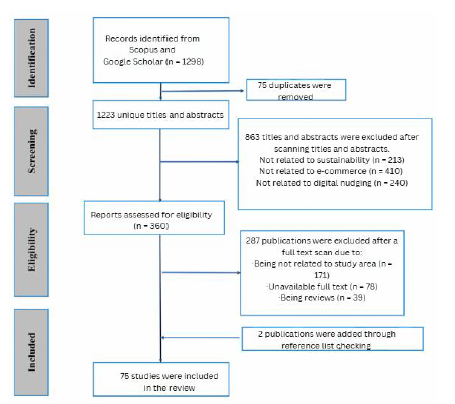 Source: Elaborated by the authors.
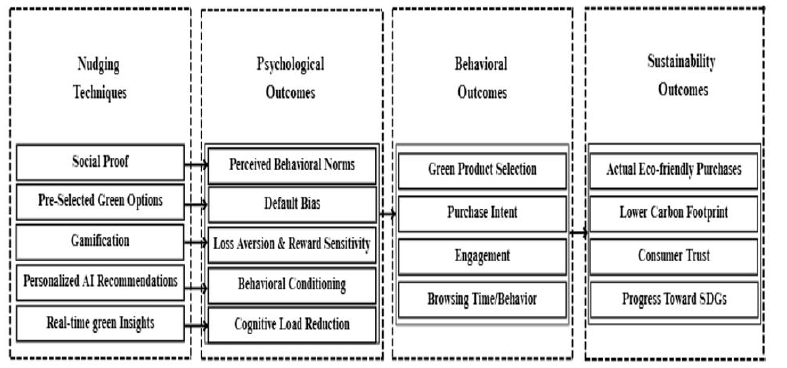 Source: Elaborated by the authors.
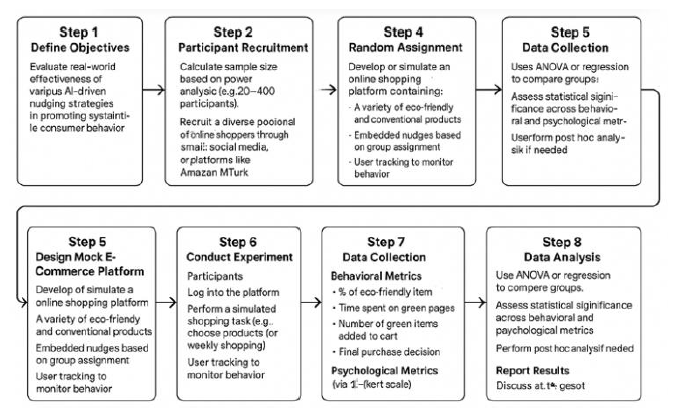 Source: Elaborated by the authors.


