 Reflections on the tragedy of horse feed contamination by monocrotaline in Brazil
ABSTRACT:
This article reports the largest equids’ mortality from poisonous plants ever recorded worldwide, caused by contamination of a commercial horse feed with Crotalaria sp. seeds. Hundreds of horses died across multiple regions of Brazil, characterizing an epizootic, economic, and social crisis of unprecedented magnitude. We describe the clinical and pathological findings, the epidemiological investigation, and the rapid response achieved through cooperation between veterinary diagnostic laboratories and the Brazilian Ministry of Agriculture and Livestock. Beyond the clinicopathological characterization of pyrrolizidine alkaloid poisoning, we also discuss the associated animal and human suffering and estimate direct and indirect economic losses exceeding US$7 million. Losses included mortality, treatment of affected animals, necropsies, and impacts on sectors linked to the equine industry. Finally, we underscore the importance of differential diagnosis, systematic necropsy procedures, and sample collection for laboratory testing. This feed contamination catastrophe highlights the urgent need for technical managers and quality control professionals to take a leading role in ensuring the safety and traceability of animal feed production.
INDEX TERMS:
Veterinary pathology; neuropathology; forensic pathology; toxic plants; Crotalaria; equines; poisoning
RESUMO:
Este artigo descreve a maior mortalidade de equídeos causados por uma intoxicação já registrado no mundo, associado ao consumo de uma ração comercial para cavalos contaminada com sementes de Crotalaria sp. Centenas de equinos morreram em diversas regiões do Brasil, caracterizando uma crise epizoótica, econômica e social de magnitude sem precedentes. São apresentados os achados epidemiológicos, clínicos e patológicos, bem como a atuação conjunta de laboratórios de diagnóstico veterinário e do Ministério da Agricultura e Pecuária na rápida elucidação do quadro. Além da caracterização clínica e patológica da intoxicação por alcaloides pirrolizidínicos, o trabalho aborda o sofrimento animal e humano e estima as perdas econômicas diretas e indiretas, que podem ter superado R$ 40 milhões de reais, considerando a mortalidade, o tratamento de animais doentes, as necropsias e os impactos sobre setores correlatos da equideocultura. Ressalta-se, ainda, a importância do diagnóstico diferencial, da realização adequada de necropsias e da coleta sistemática de amostras para exames laboratoriais. Ao analisar esta catástrofe sanitária, os autores enfatizam a necessidade de que os responsáveis técnicos e de controle de qualidade assumam, de forma efetiva, o protagonismo na condução dos processos de fabricação de produtos destinados à alimentação animal.
TERMOS DE INDEXAÇÃO:
Patologia veterinária; neuropatologia; patologia forense; plantas tóxicas; Crotalaria; equídeos; intoxicação
Brief History of the Intoxications
The role of Veterinary Diagnostic Laboratories in collaboration with the Ministry of Agriculture and Livestock of Brazil (MAPA) and the United States Department of Agriculture (USDA)
In Brazil, during the first half of 2025, one of the greatest tragedies in the history of national equine medicine began. Hundreds of equids, mostly horses, were poisoned after consuming commercial feed contaminated with monocrotaline, the principal and most toxic of the pyrrolizidine alkaloids present in species of the genus Crotalaria (Fig. 1-3) (Tokarnia et al. 2012, Riet-Correa et al. 2024).
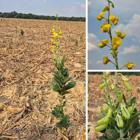
Monocrotaline poisoning in horses. (1) Corn crop planted in winter in consortium with Crotalaria spectabilis to combat nematodes and incorporate nitrogen into the soil. After the corn harvest, viable C. spectabilis plants were found. Primavera do Leste/MT, September 2025. (2) Flowering of C. spectabilis. (3) Fruiting of C. spectabilis.
On May 26, 2025, the Ministry of Agriculture and Livestock (MAPA) received, through its ombudsman service, the first notification of possible contamination of the commercial feed Foragge Horse, produced by Nutratta Nutrição Animal Ltda. A few days later, on May 30, MAPA inspectors conducted the first inspection at a rural property located in Elias Fausto, in the State of São Paulo, where equids had died after exhibiting severe neurological signs. On that occasion, a feed distributor was inspected, and the products were seized by the Secretary of Agricultural Defense (SDA/MAPA). In the following days, new reports were received, and in all properties investigated, it was verified that the sick or dead equids had consumed products from the same company. Conversely, horses kept in the same facilities that did not ingest the allegedly contaminated feed remained healthy (MAPA 2025a).
On May 31, 2025, the team from the Veterinary Pathology Laboratory of the Cesmac University Center (LPV/Cesmac), in Alagoas, was called to investigate the first neurological cases in Northeast Brazil. The team recorded the first deaths of horses and performed two necropsies. On June 3, the Laboratory Animal Diagnosis of the Federal Rural University of Pernambuco (LDA/UFRPE) was invited by LPV/Cesmac to collaborate in investigating the deaths of Mangalarga Marchador horses that occurred in Alagoas. At this property, a true catastrophe would unfold, with a large part of the herd being decimated in the following months (62 foals, seven mares, and four stallions died). On June 4, MAPA, as a preventive measure, issued Circular-Letter No. 35, which prohibited the consumption of Nutratta Foragge Horse feed intended for equines manufactured from March 8, 2025 onward (MAPA 2025b). On June 5, the LPV/Cesmac and LDA/UFRPE teams conducted six necropsies in foals and adult horses, collected tissue samples for histopathological, biochemical, and toxicological examinations, as well as multiple feed samples for toxicological analysis. On the same day, the Department of Inspection of Products of Animal Origin (DIPOA/MAPA) notified the Anatomic Pathology Sector of the Federal Rural University of Rio de Janeiro (SAP/UFRRJ) about horse deaths in the State of Rio de Janeiro.
Given the pre-existing cooperation between LDA/UFRPE and SAP/UFRRJ in diagnosing diseases of farm animals, both laboratories notified DIPOA/MAPA of the suspected contamination of the feed supplied to the horses. Multiple institutions began working together to elucidate the disease’s etiology. The initial hypotheses included ionophore antibiotic intoxication, leukoencephalomalacia, aflatoxicosis, or poisoning by toxic plants.
On June 6, the SAP/UFRRJ team visited an equestrian club in Volta Redonda, Rio de Janeiro, where all 50 horses raised for equestrian sports were fed the same brand of commercial feed supplied in Alagoas. Of the 50 horses that consumed the feed, 36 died. In both properties, the horses exhibited varying degrees of a disease that initially caused prostration and hyporexia, progressing to neurological signs. The municipal riding school of Volta Redonda/RJ shares facilities and training areas with the equestrian club; however, its 15 horses were fed commercial feed from another company, and none of them became ill or died.
The identification of other commercial brands from the same company involved in the illness and death of horses led to the expansion of the precautionary measures on June 6, with the publication of Circular-Letter No. 36 (CGI/DIPOA/SDA/MAPA) (MAPA 2025c).
On June 7, the SAP/UFRRJ team performed the first necropsy of a horse in this epidemic. On June 11, it issued the first histopathology report containing the morphological diagnosis: “Liver: severe subacute massive centrilobular necrosis with bridging periportal fibrosis.” In the report’s comments, the possible causes considered included toxic plants, aflatoxins B1, B2, and M (Vesonder et al. 1991), and drugs such as imidocarb dipropionate (Adams 1981). Among the toxic plants, contamination by Crotalaria spectabilis (Fabaceae, “rattlebox”) (Lacerda et al. 2021), Senna occidentalis (Fabaceae, “coffee senna”) (Oliveira-Filho et al. 2013), and Trema micrantha (Cannabaceae, “Jamaican nettletree”) (Bandarra et al. 2010, Lorenzett et al. 2018) was hypothesized.
In the following days, 15 horses were necropsied; the SAP/UFRRJ team performed five, and 10 were performed by veterinarians outside UFRRJ. The SAP/UFRRJ sampling encompassed the municipalities of Itaguaí/RJ, Resende/RJ, Volta Redonda/RJ, Indaiatuba/SP, Porto Feliz/SP, and São José dos Campos/SP. During this time, the LDA/UFRPE team obtained results similar to those of SAP/UFRRJ, which independently confirmed the consistency of the diagnosis and the uniformity of the gross and histological lesions.
Due to the pattern of lesions found, both laboratories ruled out leukoencephalomalacia and ionophore antibiotic poisoning. The results were then shared with DIPOA/MAPA, which, based on the evidence gathered, consolidated the investigation under the hypothesis of contamination of the commercial feed by seeds of Crotalaria sp. or S. occidentalis. In this context, DIPOA had already requested that the General Coordination of Laboratories (CGAL/MAPA) expand the scope of feed analyses to include testing for pyrrolizidine alkaloids.
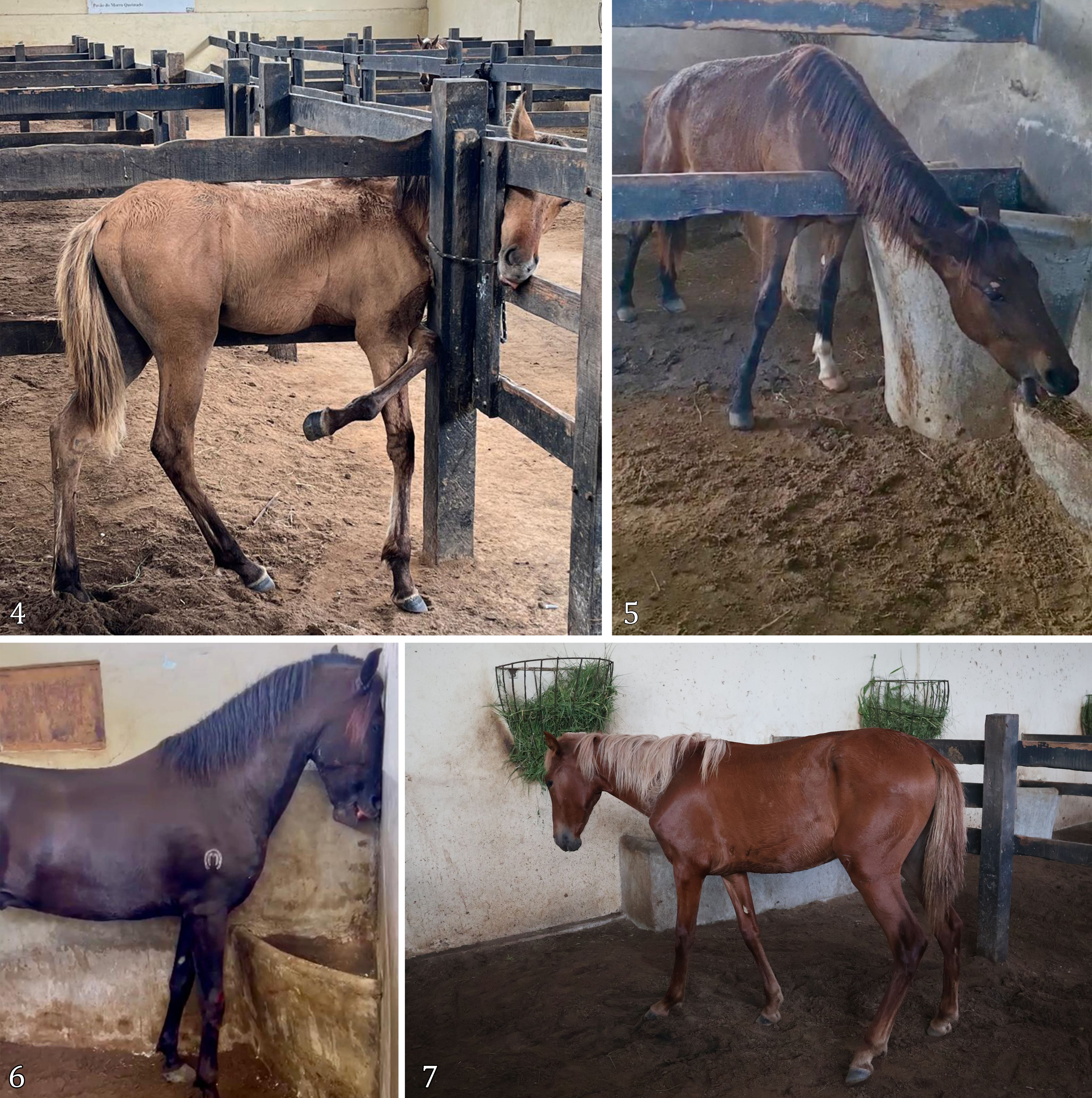
The main clinical signs observed in the equids from all investigated outbreaks included lethargy, ataxia, aggressiveness, circling, incoordination, repetitive and random chewing movements, depraved appetite, disoriented galloping leading the animals to collide with fences and other structures resulting in severe trauma, head pressing (Fig. 4-6), a standing posture with limbs in a wide-based stance (Fig. 7), frequent falls, and prolonged recumbency. Inspection teams visited the farms that had reported feeding the implicated feed and obtained clinical data from 140 horses. The mean age of the affected horses was 35.3 months. The average time between the onset of clinical signs and death was two days. The average time between the first exposure to the feed and the onset of clinical signs was 44.9 days. The average time between the last exposure to the feed and the onset of clinical signs was 12.7 days. As the poisoning cases unfolded, breeders, veterinarians, and other professionals associated with the equine world began reporting worsening clinical signs or new episodes of mortality in different regions of Brazil, especially in the states of Rio de Janeiro, São Paulo, Minas Gerais, Goiás, and Alagoas, which reinforced the perception of the tragedy. In all these states, the affected equids showed similar clinical signs and had been fed the same commercial feed.
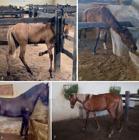
Monocrotaline poisoning in horses. Alagoas, June 2025. (4) Foal with neurological clinical signs. Minutes before, it presented with ataxia and disoriented gallops, which resulted in entrapment between the wooden fence boards and traumatic injuries. (5) Mare presenting clinical signs of encephalopathy, leaning against the fence and exhibiting random chewing movements with evident signs of pain and suffering. (6) Horse presenting with head pressing against the stall wall. (7) Horse in a standing position with limbs in a spread stance.
The pattern of hepatic lesions in all necropsies was that of acute to subacute hepatocellular necrosis, characterized by a liver with a clearly evident lobular pattern (Fig. 8-9). In euthanized horses or those examined immediately after death, we identified characteristic brain lesions consisting of swollen astrocytes with enlarged nuclei and margined chromatin, arranged in pairs or small clusters of up to six cells, known as Alzheimer type II astrocytes. These findings allowed us to establish that the neurological signs resulted from hepatic encephalopathy caused by pyrrolizidine alkaloid intoxication (Nobre et al. 2004, Santos et al. 2008, Pierezan et al. 2009, Pimentel et al. 2009, Lucena et al. 2010, Lacerda et al. 2021, Carvalho et al. 2025).
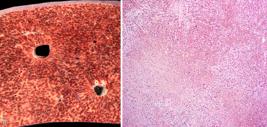
Monocrotaline poisoning in horses, Porto Feliz/SP, July 2025. (8) Liver cut surface showing enhanced diffuse lobular pattern. (9) Histologically, acute centrilobular to massive hepatocellular necrosis was observed, HE, obj. 40x.
In parallel, DIPOA/MAPA had already initiated a series of toxicological investigations. Official analyses were performed at the Federal Agricultural Defense Laboratories (LFDA/MAPA) to test for pesticides, mycotoxins, pharmaceuticals, anticoccidials, performance enhancers (ionophore antibiotics), and pyrrolizidine alkaloids. The results showed that only monocrotaline (a pyrrolizidine alkaloid) was present in the feed at concentrations sufficient to cause severe clinical disease and death. The other compounds investigated were either undetected or present at levels insufficient to induce poisoning.
On June 25, MAPA published a new Circular-Letter (No. 39) prohibiting the commercialization of all products manufactured by Nutratta Nutrição Animal Ltda. for all animal species (MAPA 2025d). This decision was based on epidemiological, clinicopathological, and laboratory evidence demonstrating the presence of pyrrolizidine alkaloids, especially monocrotaline, at concentrations capable of causing clinical disease and death in equids.
Furthermore, MAPA audits conducted at the feed factory identified serious manufacturing failures, including the absence of adequate production records and the lack of segregation between cottonseed cake, soybean residue, and hay, rendering formulation control impossible (Circular-Letter 39; MAPA 2025d). The identification of the use of soybean residue in the feed formulation - an ingredient not authorized on the official list of raw materials (Normative Instruction 110; Brazil 2020) - was decisive during the investigations, since seeds of Crotalaria sp. and high concentrations of monocrotaline were found in samples of this raw material (Fig. 10-11).
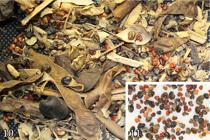
Monocrotaline poisoning in horses. (10) The product “soybean cleaning process residue” was contaminated with Crotalaria sp. seeds. This product constituted 20% of commercial horse feed. (11) We observe the morphology of the seeds of Crotalaria sp.
In soybean cultivation areas, it is common practice to use Crotalaria species (mainly C. juncea and C. spectabilis) as green manure and cover crops to promote biological nitrogen fixation, nutrient cycling, and nematode suppression. However, when there is no control over the fruiting phase in the cycle of these legumes, some plants may flower and produce viable seeds in the same environment as the soybean crop (Barbosa et al. 2020). In such situations, there is always an imminent risk of contamination of soybean grains with Crotalaria spp. seeds during mechanical harvesting, transport, or storage (Ubiali et al. 2011, Lacerda et al. 2021, Cavasani et al. 2024, Ribeiro et al. 2025).
With the diagnostic hypothesis of monocrotaline poisoning confirmed, feed samples collected in Alagoas were sent by LDA/UFRPE to the Poisonous Plant Research Laboratory (United States Department of Agriculture, USDA) for molecular DNA barcoding, which confirmed the presence of chloroplast DNA fragments of Crotalaria sp., definitively establishing the causal link between feed contamination and the death of the horses.
On September 2, 2025, the MAPA concluded the investigation and, at the time of writing this article, the establishment remained under full suspension of its activities by the Secretary of Agricultural Defense (MAPA 2025d). The evaluation of these events underscores the importance of cooperation among academic institutions, diagnostic laboratories, and regulatory agencies in responding to large-scale animal health emergencies (Riet-Correa et al. 2025). In this context, coordinated action proved fundamental for the fast identification of the cause, the grounding of regulatory decisions, and the adoption of effective containment measures.
More than an isolated event, this episode of mortality should be understood as a milestone in the consolidation of self-control policies established by Law 14,515/2022, which requires each company to develop, implement, and monitor procedures aimed at ensuring that its products are safe, of high quality, and in compliance with legal standards (Brazil 2022). With an industrial sector composed of approximately 5,000 registered animal feed factories, MAPA conducts risk-based inspections, establishes Good Manufacturing Practice standards, defines contaminant limits, and regulates authorized raw materials. By formulating feed with raw material prohibited in animal nutrition, the company allowed a highly deleterious hazard to enter its facilities and to be incorporated into the equine feed formulation. This episode demonstrates that failures in the execution of self-control programs can have highly damaging effects. It reinforces the need for stricter manufacturing practices, systematic monitoring of raw materials, and complete traceability throughout the production chain.
Animal and Human Suffering and the Economic Losses Caused by Monocrotaline Intoxication
During the investigations of this monocrotaline poisoning catastrophe, the devastating scale of the episode became evident, not only in terms of animal suffering but also in relation to its profound impact on humans. Hundreds of horses were affected, and each loss represented not only the death of an animal but also the rupture of the emotional bond established with their owners and caretakers. The emotional impact, evidenced by the testimonies of breeders and professionals directly involved, translated into scenes of pain, despair, and helplessness in the face of the rapid clinical progression and the inevitability of death.
In a context in which animal health and welfare are gaining increasing relevance in contemporary veterinary medicine, this tragedy acquires an even deeper meaning. The suffering experienced by the equids was a direct consequence of failures in prevention and control mechanisms, prompting an ethical reflection on the responsibility of all those involved in the production chain. At the same time, human suffering manifested not only in witnessing the severe illness and loss of the animals but also in the professional frustration of veterinarians and other professionals who, facing the absence of effective therapies, felt powerless in their ability to intervene.
From an economic perspective, the losses were equally disastrous. The death of animals with high zootechnical and sports value resulted in million-dollar losses for breeders, including irreparable losses of genetic heritage, and severely affected stud farms and training centers, with direct repercussions on entire production chains linked to the equine industry. Added to these losses were the high costs of deploying technical teams, treating sick animals, performing necropsies and laboratory tests, and implementing emergency containment measures. A significant portion of these expenses fell not only on the owners but also on the State, substantially increasing the financial impact of the poisoning.
Reports indicated that equine enterprises closed their operations due to devastating mortality that decimated entire herds, including high-value genetics. The impacts also extended to indirect activities such as equine tourism, equestrian competitions - including show-jumping events and breed exhibitions - as well as employment opportunities associated with daily management, transportation, farriery, veterinary care, and animal nutrition.
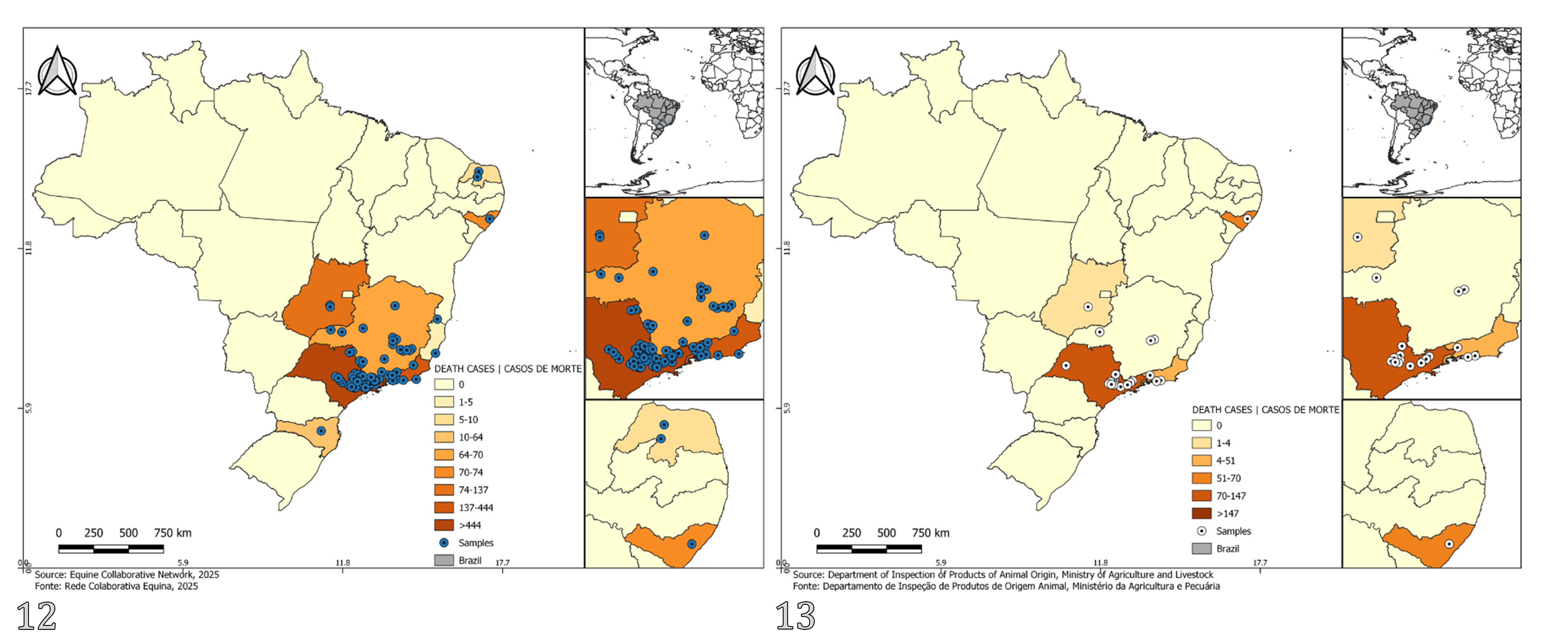
Private information on suspected cases of equine poisoning associated with the consumption of contaminated commercial feed was obtained through a group called Equine Collaborative Network 2025, composed of 345 individuals, including horse owners, veterinarians specializing in equine medicine, and veterinary pathologists directly involved in this epidemic. These individuals shared epidemiological, clinicopathological, and toxicological data. The inclusion criteria for this report were: (1) documented use of Nutratta feed originating from the contaminated batches; (2) provision of photographic or video records of equines exhibiting neurological, hepatic, or multisystemic signs; and (3) submission of biochemical profiles indicating liver injury or necropsy reports demonstrating hepatocellular necrosis. Based on the assessment of this evidence, cases of monocrotaline poisoning were confirmed in the states of Goiás, Espírito Santo, Minas Gerais, Rio de Janeiro, São Paulo, Alagoas, Rio Grande do Norte, and Santa Catarina. According to these supplementary data, 1,053 equine deaths were recorded, including 986 adults, 52 foals, 14 aborted fetuses from mares exposed to contaminated feed, and one adult mule. The most recent update of these data was on November 10, 2025 (Fig. 12). Therefore, these data were considered complementary to the official MAPA reports.

Monocrotaline poi soning in horses. (12) Unofficial geographic distribution, obtained by the “Equine Collaborative Network, 2025”, in which 1053 cases of equines were associated with monocrotaline poisoning in Brazil linked to the consumption of feed contaminated with Crotalaria sp. seeds. (13) Official geographic distribution of those obtained by the Department of Inspection of Products of Animal Origin from the Ministry of Agriculture and Livestock (DIPOA/MAPA) in which 284 equine deaths were associated with monocrotaline poisoning in Brazil, linked to the consumption of feed contaminated with Crotalaria sp. seeds
The epidemiological mapping conducted by MAPA included inspections of affected properties and interviews with professionals, and its purpose was to investigate the causes and origins of the contamination to prevent it from spreading to other animals. MAPA’s service channel, the Ombudsman8, allowed the cataloging of 284 deaths in which the consumption of at least one batch of feed tested and confirmed positive for pyrrolizidine alkaloids by MAPA was verified. The last count of deaths and illnesses conducted by MAPA was on June 27, 2025 (Fig.-13).
Based on hypothetical reference values, total losses were estimated at between R$ 7.2 million (≈ US$1.5 million) and R$ 46 million (≈ US$9.3 million). It must also be considered that, if a significant portion of the affected horses belonged to the elite sports or breeding sector, with high added value, the losses could be even greater. This estimate, however, should be interpreted with caution, since some extremely high-value animals (valued in the millions) cannot be used as an average reference for the entire affected herd. Thus, it is concluded that the intoxication went beyond the animal health sphere and constitutes an economic and social crisis, affecting not only large breeders but also small businesses and self-employed workers who depend on equine production for their livelihood.
The Importance of Pyrrolizidine Alkaloid Poisoning in Horses in Brazil
To date, there are no reports in the specialized literature of pyrrolizidine alkaloid (PA) intoxication in equids directly associated with the consumption of commercial feed. There are, however, reports of contamination of oats used on horse-breeding properties with seeds of Crotalaria spectabilis (Lacerda et al. 2021). In swine, poisoning episodes have been associated with the ingestion of commercial feed contaminated with seeds of the same species (Ubiali et al. 2011).
PA poisoning remains one of the most critical health problems affecting domestic herbivores in Brazil and worldwide. Fifteen years ago, an article published in the journal Pesquisa Veterinária Brasileira, “Intoxication by pyrrolizidine alkaloids in ruminants and equines in Brazil” (Lucena et al. 2010), provided an updated overview of the epidemiology, clinical signs, pathology, and overall impact of PA-containing plants in farm animals. In addition to this work, other fundamental and more recent references include the books “Doenças de Ruminantes e Equídeos” (Riet-Correa et al. 2023) and “Intoxicaciones por Plantas, Micotoxinas y otras Toxinas en Rumiantes y Équidos de Sudamérica” (Riet-Correa et al. 2024), which offer an extensive review of the clinical, toxicological, and pathological aspects associated with PAs.
These works gain fundamental relevance as scientific material on PA poisoning in equids and serve as reference sources for veterinary medicine students, graduate students, field veterinarians, and researchers working at the interface of clinical practice, pathology, and veterinary public health. By revisiting these publications, we reinforce the importance of understanding the pathogenesis and diagnosis of PA intoxications, which remain constant challenges for veterinary practice in Brazil. In this section, we succinctly address the main aspects of PAs, with emphasis on the plant species important to horses, the toxicological mechanisms, and the parameters that support diagnosis.
In Brazil, the plants most frequently associated with PA poisoning in horses belong to the genera Crotalaria (Fabaceae) and Senecio (Asteraceae). Although PA-containing plants remain a significant cause of mortality in cattle in the southern region of the country, with a progressive increase in diagnoses in recent decades (Scheid et al. 2023), intoxication by Senecio spp. is relatively uncommon in horses. This lower occurrence is attributed mainly to the more selective grazing behavior of horses and to the low palatability of these plants (Panziera et al. 2017). Outbreaks of Senecio spp. poisoning has been reported in the states of São Paulo, Paraná, and Rio Grande do Sul, all of them occurring under grazing conditions ( Gava & Barros 1997, Lucena et al. 2010, Panziera et al. 2017). In contrast, intoxications caused by Crotalaria spp. can result both from grazing in pastures infested with these plants (Nobre et al. 2004, Tokarnia et al. 2012) and from the contamination of feeds with Crotalaria seeds (Lacerda et al. 2021).
Poisoning by Crotalaria retusa (“rattlebox”) occurs in the Brazilian semiarid region. It is considered one of the most important poisonous plants for horses in Brazil (Nobre et al. 2004, Assis et al. 2010, Lucena et al. 2010, Pessoa et al. 2013). The high frequency of this intoxication in horses is because C. retusa is more palatable for horses than for cattle (Nobre et al. 2004). The plant is also quite palatable and toxic for sheep and goats (Riet-Correa et al. 2011), but these species develop resistance after ingestion of non-toxic amounts of PA (Anjos et al. 2010, Maia et al. 2014). However, horses are likely much more susceptible to monocrotaline than sheep. Animals of any age may be affected, and the most frequent form of poisoning occurs through grazing in areas invaded by the plant (Nobre et al. 2004, Assis et al. 2010, Riet-Correa et al. 2011, Maia et al. 2013). In these cases, affected animals present a progressive, chronic form characterized by typical hepatic fibrosis lesions (Lucena et al. 2010).
In the semiarid region, C. retusa sprouts during the rainy season, from January to June, in low-lying areas near temporary streams and rivers, being more palatable during the phase of active growth. In the first months of the dry season (July to December), the plant fruits and produces seeds, which contain the highest concentrations of monocrotaline (Nobre et al. 2004, Maia et al. 2013). In November and December, C. retusa becomes scarce; however, in irrigated areas, it may be found in different phenological stages throughout the year. During the dry season, horses often graze in humid, low-lying regions in search of forage, where they may ingest the plant (Nobre et al. 2004). In areas where C. retusa represents a problem, incidence rates in horses range from 13.3% to 22.7%, with lethality reaching 100% (Riet-Correa et al. 2011, Maia et al. 2013).
Cases of poisoning by C. spectabilis (“showy rattlebox”, “showy rattlepod”) have also been reported in horses in the Central-West region of Brazil. Both acute and chronic forms of intoxication may occur. Horses may consume toxic seeds present in feeds or grains contaminated with seeds of C. spectabilis or ingest the plant’s leaves directly when there is a shortage of forage (Lacerda et al. 2021). In the reported outbreaks, C. spectabilis had been used as green manure or fertilizer in oat crops (Lacerda et al. 2021). The contaminated oat grains were supplied to horses from different properties, resulting in severe clinical disease with mortality rates ranging from 18.7% to 60% (Lacerda et al. 2021).
In cases of poisoning in horses by C. retusa and C. spectabilis, the clinical signs are characteristic of hepatic encephalopathy and include apathy, aimless walking, head pressing against objects, and uncoordinated galloping, as previously described. Less frequently, hepatogenous photosensitization may be observed. At necropsy, the liver is the main affected organ; macroscopically, it shows an irregular surface and accentuated lobular pattern. In addition, hemorrhage of the mucosa of the colon and cecum may occur. Resulting skin and muscle injuries from trauma are commonly associated with severe hepatic encephalopaty (Riet-Correa et al. 2024).
Natural cases of intoxication by ingestion of Crotalaria juncea in horses, in grazing conditions, were reported in the State of Pernambuco (Mendonça et al. 2025). However, the primary source of intoxication is contamination of feed with this plant’s seeds; horses may also ingest the plant mixed with pasture, especially when it is in the sprouting stage. The period of disease progression was approximately 30 days (Nobre et al. 1994, Mendonça et al. 2025). Experimentally, pneumotoxic effects were reproduced in donkeys and in sheep (Pessoa et al. 2013).
The clinical signs of poisoning by C. juncea include anorexia, cyanotic mucous membranes, tachypnea, dyspnea, flared nostrils, open-mouth breathing, abdominal breathing, tachycardia, and reluctance to move (Nobre et al. 1994). The main necropsy findings are non-collapsed lungs with diffusely pale or congested parenchyma, along with subpleural and pulmonary edema (Nobre et al. 1994, Mendonça et al. 2025). On the cut surface, small, whitish nodules, multifocal to coalescent, are seen throughout the lung parenchyma. Other findings include hydropericardium, hydroperitoneum, and hydrothorax (Pessoa et al. 2013, Mendonça et al. 2025).
Histologically, the lesions are characterized by thickening of the alveolar septa, interstitial fibrosis, and alveolar, bronchiolar, and perivascular edema, accompanied by proliferation of type II pneumocytes. Proliferation of club cells (formerly called Clara cells) is also observed, occasionally forming aggregates in the terminal bronchioles (Pessoa et al. 2013, Riet-Correa et al. 2024, Mendonça et al. 2025). Histopathological examination further reveals hepatic changes similar to those seen in other intoxications caused by Crotalaria species (Riet-Correa et al. 2024).
The pathogenesis of PA intoxication is based on metabolic bioactivation in the liver, where microsomal enzymes, primarily from the cytochrome P450 system, convert the alkaloids into highly reactive pyrrolic metabolites. These compounds cause an alkylating effect on DNA and proteins, interfering with mitotic processes leading to cellular degeneration, necrosis, and hepatic fibrosis. In chronic cases, the characteristic lesions include hepatomegalocytosis, periportal fibrosis, individual hepatocyte necrosis, and proliferation of bile duct epithelial cells (Riet-Correa et al. 2024).
In the central nervous system, the most notable changes described in horses with neurological signs are swollen, clustered astrocytes (referred to as Alzheimer type II cells), especially adjacent to neuronal perikarya, because of hepatic encephalopathy. These alterations explain the clinical signs observed in intoxicated horses, which include apathy, ataxia, disoriented gait, head pressing, and prolonged recumbency, progressing inexorably to death (Riet-Correa et al. 2024).
The diagnosis of PA poisoning in horses must always be based on the combined evaluation of epidemiological, clinical, and pathological findings. Historically, many outbreaks of intoxication by Crotalaria spp. were mistakenly diagnosed as rabies or viral encephalitis due to the predominance of neurological signs. However, identifying toxic plants in pastures or detecting them in feed, along with hepatic lesions and the characteristic histopathological findings, is essential for establishing a definitive diagnosis. It should be emphasized that integrating epidemiological data, clinical observations, necropsy findings, and histopathology is indispensable for distinguishing this condition from other causes of neurological disorders in horses, highlighting the fundamental role of veterinary diagnostic laboratories in outbreak investigations.
Therefore, PA poisoning in horses in Brazil should be recognized as a disease of major health and economic importance. Given the severity of the outbreaks and the potential for clinical confusion with other conditions, early recognition of these cases is crucial for implementing preventive measures, such as controlling toxic plants on properties and strictly monitoring the quality of commercial feeds, thereby reducing the risk of significant losses to the national equine industry.
Forensic Relevance of Necropsy Reports and Algorithm for the Diagnosis of Neurological and Hepatic Diseases in Horses
The clinical presentation of Crotalaria spp. poisoning in horses is initially nonspecific, manifesting as subtle signs of apathy that gradually progress to severe prostration over approximately 10 days. In the terminal phase, an acute neurological syndrome develops, lasting 12 to 36 hours, and is characterized by behavioral and neurological disturbances consistent with hepatic encephalopathy. From a laboratory standpoint, the most relevant biochemical abnormalities include marked increases in serum gamma-glutamyl transferase (GGT) and aspartate aminotransferase (AST) activities (Santos et al. 2008, Câmara et al. 2022), reinforcing the correlation with hepatic dysfunction.
It is important to emphasize that the clinical spectrum of this condition requires consideration of multiple differential diagnoses. Neurological disorders of various etiologies must be systematically investigated, especially when hepatic encephalopathy is suspected. In this context, the comprehensive review by Carvalho et al. (2025) provides an updated overview of the main clinicopathological manifestations of neurological diseases in horses in Brazil, offering valuable guidance for differential diagnosis. A reliable diagnosis must be based on multiple lines of corroborative evidence, including a history of exposure to toxic plants, clinical signs compatible with intoxication, characteristic histopathological findings, and confirmation of plant ingestion.
In this scenario, field veterinarians must be adequately trained to recognize and distinguish diseases that simultaneously affect the liver and the central nervous system. The integration of clinical findings, laboratory data, and knowledge of regionally prevalent diseases is essential for accurate diagnosis, which in turn supports the implementation of more effective therapeutic and preventive strategies.
Necropsy and histopathology play a fundamental role as the “gold standard” method for determining the cause of death, validating clinical hypotheses, guiding therapeutic decisions, and supporting epidemiological surveillance. When performed systematically and with technical rigor, they provide a robust set of evidence that can be integrated with clinical, complementary, and epidemiological information. This approach significantly increases diagnostic accuracy and offers valuable support for owners, clinicians, and health authorities (Brownlie & Munro 2015).
Although Brazil has made significant advances in necropsy practices for farm animals, we observed - particularly in the context of monocrotaline poisoning in horses - deficiencies in necropsy execution across different regions, despite the commitment and goodwill of field professionals. These shortcomings include inadequate performance of necropsy procedures, incorrect collection and preservation of samples, poor evidence handling, failures in recording and describing lesions, insufficient photographic documentation, and inconsistent use of standardized diagnostic tools. Such deficiencies, often resulting from the well-intentioned efforts of professionals without specific pathology training, may compromise the quality of the information obtained and, consequently, the accuracy of the final diagnosis.
As in any diagnostic system, a detailed clinical-epidemiological history is indispensable for investigating diseases that affect the nervous system (Riet-Correa et al. 2017). When a necropsy is performed, complete descriptions of the macroscopic findings and photographic documentation of the affected organs are essential. Organs intended for histopathological evaluation must be fixed correctly in 10% buffered formalin and sent to the pathologist. In most diagnostic necropsies, complementary tests should be conducted according to the clinical hypothesis (Rissi et al. 2010, Riet-Correa et al. 2017). Unfortunately, it is common for samples to be submitted to diagnostic laboratories without essential contextual information, which compromises diagnostic accuracy. Based on our experience, inadequate tissue fixation is also a recurrent issue, usually associated with an insufficient volume of 10% formalin solution.
Macroscopic evaluation of the brain - and, when indicated, the spinal cord or peripheral nerves - can provide crucial evidence for diagnosing neurological diseases. Field necropsy findings must be carefully assessed, and the pathologist is responsible for detailed evaluation upon receipt of the samples. The morphological description must necessarily include histological assessment. In cases of suspected poisoning, a proper necropsy greatly increases the likelihood of a conclusive diagnosis. Toxicological testing is strongly recommended and requires systematic collection of gastrointestinal contents and segments, liver, kidney, fat, serum or plasma, urine, target organs, cardiac clot, and eyes. Environmental samples, such as feed, water, and forage, should also be collected for potential future analyses. Samples destined for toxicology must be refrigerated (2-8 °C) or frozen, as appropriate, to prevent degradation of active compounds. All samples must be properly documented and labeled and submitted to veterinary toxicology laboratories equipped with adequate infrastructure for chemical and molecular analyses - ideally after prior consultation regarding submission requirements (Brownlie & Munro 2015).
Thus, necropsy, comprehensive data collection, and complementary laboratory examinations, including chemical and molecular analyses, represent an integrated approach to systematically determining the cause of death in animals, regardless of etiology. Specifically in cases of monocrotaline poisoning in horses, the combination of evidence of ingestion of a toxic plant or contaminated feed, development of hepatic or neurological syndromes, alterations in hepatic serum biochemistry, and compatible morphological liver changes (identified by biopsy or necropsy) is essential for establishing a definitive diagnosis.
Similar diseases. The clinical presentation, as well as the macroscopic and histological hepatic lesions observed in Crotalaria spp. poisoning in horses is indistinguishable from that caused by Senecio spp. (Lucena et al. 2010). Senna occidentalis may also produce similar clinical signs and hepatic lesions; however, intoxication can be differentiated by characteristic skeletal muscle necrosis (Oliveira-Filho et al. 2013, Riet-Correa et al. 2024). Intoxication by Trema micrantha may also result in hepatocellular necrosis, accompanied by brain lesions characterized by multifocal yellow to brown areas caused by malacia and hemorrhage. In cases of T. micrantha poisoning, malacia arises because of vascular injury (Pavarini et al. 2013, Lorenzett et al. 2018, Riet-Correa et al. 2023). In these conditions, epidemiological information is also essential for diagnosis.
Distinct diseases. Leukoencephalomalacia, caused by fumonisins produced by Fusarium moniliforme and Fusarium verticillioides, primarily induces necrosis and edema of the cerebral white matter, which is easily observed macroscopically and is often associated with asymmetry due to enlargement of the more severely affected cerebral hemisphere (Barros et al. 1984, Echenique et al. 2019). Gross lesions of leukoencephalomalacia are like those caused by Trypanosoma evansi infection in horses (Rodrigues et al. 2005, 2009). In this mortality event associated with monocrotaline-contaminated feed, several reports suggested a diagnosis of leukoencephalomalacia; however, none of the macroscopic or histopathological findings were convincing.
The histopathological interpretation of the nervous system is complex, and certain pitfalls of histological examination may lead to confusion between artifacts and true lesions (Rech et al. 2018). Based on our evaluation, most of these diagnostic errors result from misinterpreting clear perivascular artifacts as edema (Wohlsein et al. 2013). Microscopically, the edema associated with leukoencephalomalacia is proteinaceous and characterized by eosinophilic perivascular fluid (Barros et al. 1984, Echenique et al. 2019).
Practical considerations for field necropsy. Veterinarians must keep in mind that proper preparation is essential even before traveling to the site for necropsy and sample collection. This includes planning which materials to bring (knives, scissors, sterile containers, jars with fixative, coolers with reusable ice packs, labels, and forms), understanding the appropriate preservation methods for each sample type, and identifying which laboratories are qualified to perform the intended analyses. This organization ensures the systematic collection and proper preservation of samples, thereby increasing the likelihood of reliable, relevant laboratory results. Ultimately, the success of a diagnosis largely depends on the quality of the necropsy and the samples collected. Therefore, planning, technique, and logistics must be considered essential pillars. To assist with this organization, we present a practical guide.
Preparation and sampling guide for necropsies with suspected intoxication
1. Preliminary preparation
- [ ] Confirm the clinical and epidemiological history before going into the field.
- [ ] Identify in advance the laboratories that can receive and process the samples (toxicology, histopathology, microbiology, among others).
- [ ] Plan the sampling based on the diagnostic hypotheses and bring a sufficient number of containers for each type of sample.
- [ ] Prepare the documentation: submission forms, identification labels, requisition sheets.
2. Necessary materials
- [ ] Knives, scalpels, scissors, forceps, portable saw.
- [ ] Sterile jars (rigid plastic or glass with screw-cap lids).
- [ ] Containers with 10% buffered formalin for tissues destined for histopathology.
- [ ] Coolers with reusable ice packs or dry ice for fresh samples.
- [ ] High-strength, double-sealed plastic bags.
- [ ] Moisture-resistant labels and permanent markers.
- [ ] Personal protective equipment (gloves, mask, goggles, coveralls/apron).
3. Systematic sampling
- [ ] Liver tissue (multiple fragments from different areas).
- [ ] Kidney, heart, lung, spleen (representative fragments).
- [ ] Central nervous system (preferably whole brain and spinal cord).
- [ ] Rumen/stomach contents and intestinal segments.
- [ ] Blood (serum/plasma) and urine.
- [ ] Adipose tissue and skeletal muscle (important in cases of intoxication by liposoluble substances).
- [ ] Environmental samples: feed, forage, silage, water.
4. Correct storage
- [ ] Tissues for histopathology: fix in 10% buffered formalin, 10:1 ratio, thickness ≤ 1 cm.
- [ ] Samples for toxicology: refrigerate at 2-8 °C; if not shipped immediately, freeze.
- [ ] Gastrointestinal contents: collect in a sterile, sealed jar and refrigerate or freeze.
- [ ] Feed, forage, and water: place in clean, well-sealed bags or containers.
5. Shipping
- [ ] Separate samples according to the type of test (histopathology, toxicology, microbiology).
- [ ] Fill out submission forms with complete data: animal ID, clinical history, suspected diagnosis, and type of sample.
- [ ] Ensure safe transport (cooler or triple packaging, according to biosafety regulations).
- [ ] Send as soon as possible to the previously contacted reference laboratory.
Final Considerations
The mortality caused by monocrotaline in equids recorded in 2025, although catastrophic, proved instructive for Brazilian veterinary medicine. The magnitude of the event - reflected in hundreds of horse deaths, intense animal and human suffering, and significant economic losses - exposed structural vulnerabilities in the animal feed production chain, while highlighting the importance of cooperative work among universities, diagnostic laboratories, and regulatory agencies. From a scientific standpoint, the rapid elucidation of etiology was only possible thanks to the integration of epidemiological, clinical, pathological, and laboratory data, demonstrating the strength of a collaborative diagnostic model.
From an economic and social perspective, the losses extend far beyond animal mortality, affecting entire production chains within the horse industry and severely impacting small and medium enterprises associated with the sector. The experience reinforces the urgency of stronger mechanisms for input traceability, inspection of feed factories, and standardization of good agricultural practices, especially in soybean cultivation and the management of Crotalaria spp. plantations, to reduce the risk of contamination of farm products with toxic plants.
Finally, this episode demonstrates that tragedies of this magnitude should not be interpreted as isolated events, but as catalysts for structural change. It is imperative to transform pain into learning, strengthen public policies for agricultural surveillance and defense, expand the diagnostic culture in the field, and consolidate prevention protocols that safeguard animal health, public health, the economy, and societal well-being. The authors emphasize the need for technical and quality-control personnel to effectively assume leadership in managing manufacturing processes for products intended for animal feed.
Acknowledgments
We thank all veterinarians who submitted samples and essential information for the elucidation of this case, as well as the owners, farm workers, stud farm staff, riding center personnel, and stable workers who, with dedication and tireless effort, fought to save the lives of the horses affected by this tragedy. We also extend our recognition to the technical staff of the Ministry of Agriculture and Livestock, whose work was fundamental for conducting investigations and implementing control measures. We thank the attorney Alessandra Agarussi for providing complementary tests and epidemiological data from the monocrotaline intoxication cases (ale.agarussi@gmail.com). We thank the agronomist engineer Niriele Rodrigues for preparing the epidemiological maps. We also thank the National Council for Scientific and Technological Development (CNPq) for financial support under grants numbers 304804/2018-5 and 409116/2021-1.
Aknowledgements to the Secretariat of Agricultural Defense of the Ministry of Agriculture and Livestock, represented by the Secretary Carlos Goulart and Deputy Secretary Allan Rogério de Alvarenga. The following MAPA technicians participated in the investigations: Juliana Satie Becker de Carvalho Chino, Adriana Cavalcanti de Souza, Daniela Pieroti Ferreira, João Heleno Moreira Pimentel, Miguel Soriani Neto, Luís Marcelo Kodawara, Rebeca Dantas Xavier Ribeiro, Ornã Teles da Silva, Robério Alves Machado, Iones José Marques, Rodrigo Di Giovannantonio Graziani, Rogério dos Santos Lopes, Robério Machado, Sérgio Luiz Silva Rezende, Alexandre Gomes Fernandes, Alírio Henrique Duarte, Daniele Aparecida Miranda, José Anselmo Brandão Bastos, Daniel Felipe Filgueira Vianna, Everton de Lima Romão, Livia Uchoa da Silva Almeida, Paula Mattos Sávio de Andrade, Rosane da Conceição Fabiano Mendes, Juliana Aparecida Cerqueira, Marcos Brandão Barletta, Sandra Mara de Andrade, Maria Claudia de Oliveira Pedrilho, Luciana Paes de Macedo Moura, Júlio César Oliveira de Souza, Ricardo Nogueira Lopes, Fabíola Aparecida de Araújo, Tatiana Pereira Cardoso, Fabrício Pedrotti, Marcos Vinícius de Santana Leal, Heitor Daguer, Rodrigo Barcellos Hoff, Aline Torres Venturini, Fabiano Barreto, Mary Ane Gonçalves Lana, Virna Clemente, Mayana Andrea Rodrigues Valinhos Tomaz, Arilson Lehmkul e Josinete Barros de Freitas. The information contained herein was provided to the researchers by the Department of Inspection of Products of Animal Origin, strengthening the partnership between the Secretariat of Agricultural Defense and the academic community.
We thank all veterinarians outside the universities who submitted samples for histopathological examination or requested the veterinary pathology teams to perform the necropsies: Alexandre Cariello Vilela, Ana Carolina Rocha, Ana Paula da Silva Dotoli Agnelo, Fábio Feitosa, Fabricio Turci Pereira, Letícia Moraes Tavares, Maria Augusta Berhiger, Mariana Mansur, Nayara Farias, Roberta Sargo, Thaís Guirelli, Vitor Sousa.
References
-
Adams LG. Clinicopathological aspects of imidocarb dipropionate toxicity in horses. Res Vet Sci. 1981; https://doi.org/10.1016/S0034-5288(18)32521-9
» https://doi.org/10.1016/S0034-5288(18)32521-9 -
Anjos BL, Nobre VMT, Dantas AFM, Medeiros RMT, Oliveira Neto TS, Molyneux RJ, Riet-Correa F. Poisoning of sheep by seeds of Crotalaria retusa: acquired resistance by continuous administration of low doses. Toxicon 2010; https://doi.org/10.1016/j.toxicon.2009.06.028
» https://doi.org/10.1016/j.toxicon.2009.06.028 -
Assis TS, Medeiros RMT, Riet-Correa F, Galiza GJN, Dantas AFM, Oliveira DM. Intoxicações por plantas diagnosticadas em ruminantes e equinos e estimativa das perdas econômicas na Paraíba. Pesq Vet Bras 2010; https://doi.org/10.1590/S0100-736X2010000100003
» https://doi.org/10.1590/S0100-736X2010000100003 -
Bandarra PM, Pavarini SP, Raymundo DL, Corrêa AMR, Pedroso PM, Driemeier D. Trema micrantha toxicity in horses in Brazil. Equine Vet J 2010; https://doi.org/10.1111/j.2042-3306.2010.00035.x
» https://doi.org/10.1111/j.2042-3306.2010.00035.x -
Barbosa IR, Santana RS, Mauad M, Garcia RA. Dry matter production and nitrogen, phosphorus and potassium uptake in Crotalaria juncea and Crotalaria spectabilis Pesq Agropec Trop 2020; https://doi.org/10.1590/1983-40632020v5061011
» https://doi.org/10.1590/1983-40632020v5061011 -
Barros CSL, Barros SS, Santos MN, Souza MA. Leucoencefalomalácia em eqüinos no Rio Grande do Sul. Pesq Vet Bras 1984; https://shre.ink/okvS
» https://shre.ink/okvS - Brazil. Instrução Normativa 110, de 24 de novembro de 2020. Publica a lista de matérias-primas aprovadas como ingredientes, aditivos e veículos para uso na alimentação animal. Serviço Público Federal (SPF), Secretário de Defesa Agropecuária (SDA), Ministério da Agricultura e Pecuária (MAPA), Diário Oficial da União, Brasília; 2020.
-
Brazil. Lei 14.515, de 29 de dezembro de 2022. Dispõe sobre os programas de autocontrole dos agentes privados regulados pela defesa agropecuária e sobre a organização e os procedimentos aplicados pela defesa agropecuária aos agentes das cadeias produtivas do setor agropecuário; institui o Programa de Incentivo à Conformidade em Defesa Agropecuária, a Comissão Especial de Recursos de Defesa Agropecuária e o Programa de Vigilância em Defesa Agropecuária para Fronteiras Internacionais (Vigifronteiras); altera as Leis nºs 13.996, de 5 de maio de 2020, 9.972, de 25 de maio de 2000, e 8.171, de 17 de janeiro de 1991; e revoga dispositivos dos Decretos-Leis nºs 467, de 13 de fevereiro de 1969, e 917, de 7 de outubro de 1969, e das Leis nºs 6.198, de 26 de dezembro de 1974, 6.446, de 5 de outubro de 1977, 6.894, de 16 de dezembro de 1980, 7.678, de 8 de novembro de 1988, 7.889, de 23 de novembro de 1989, 8.918, de 14 de julho de 1994, 9.972, de 25 de maio de 2000, 10.711, de 5 de agosto de 2003, e 10.831, de 23 de dezembro de 2003. Presidência da República, Secretária-Geral, Subchefia para Assuntos Jurídicos, Diário Oficial da União, Brasília; 2022. Accessed on Oct. 15, 2025. https://www.planalto.gov.br/ccivil_03/_ato2019-2022/2022/lei/l14515.htm
» https://www.planalto.gov.br/ccivil_03/_ato2019-2022/2022/lei/l14515.htm -
Brownlie HWB, Munro R. The veterinary forensic necropsy: a review of procedures and protocols. Vet Pathol 2015; https://doi.org/10.1177/030098581665585
» https://doi.org/10.1177/030098581665585 -
Câmara ACL, Argenta VLS, Moraes DDA, Fonseca EF, Fino TCM, Paludo GR, Soto-Blanco B. Hematological and serum biochemical changes and their prognostic value in horses spontaneously poisoned by Crotalaria spectabilis Front Vet Sci 2022; https://doi.org/10.3389/fvets.2021.741530
» https://doi.org/10.3389/fvets.2021.741530 -
Carvalho KS, Barros CSL, Mendonça FS, Machado M, Riet-Correa F. Diseases of the nervous system of equids in Brazil: a review. J Vet Diagn Invest 2025; https://doi.org/10.1177/10406387251325881
» https://doi.org/10.1177/10406387251325881 -
Cavasani JPS, Dias L, Santos ÍG, Garcia DM, Silva WDM, Ferreira DL, Colodel EM, Furlan FH. Crotalaria spectabilis Roth. (Fabaceae, Papilionoideae) seed poisoning in cattle and use of liver biopsy to diagnose subclinical disease. Pesq Vet Bras 2024; https://doi.org/10.1590/1678-5150-PVB-7439
» https://doi.org/10.1590/1678-5150-PVB-7439 - CFMV. Guia Brasileiro de Boas Práticas para a Eutanásia em Animais: conceitos e procedimentos recomendados. Brasília: Conselho Federal de Medicina Veterinária; 2013. 66p.
-
Echenique JVZ, Estima-Silva P, Pereira DB, Marques LS, Ribeiro LS, Schild AL. Leukoencephalomalacia in horses associated with immature corn consumption. Ciência Rural 2019; https://doi.org/10.1590/0103-8478cr20180925
» https://doi.org/10.1590/0103-8478cr20180925 -
Gava A, Barros CSL. Senecio spp. poisoning of horses in southern Brazil. Pesq Vet Bras 1997; https://doi.org/10.1590/S0100-736X1997000100006
» https://doi.org/10.1590/S0100-736X1997000100006 -
Lacerda MSC, Wilson TM, Argenta VLS, Pinto ÉGA, Macêdo JTSA, Soto-Blanco B, Keller KM, Pedroso PMO, Câmara ACL. Crotalaria spectabilis poisoning in horses fed contaminating oats. Toxicon 2021; https://doi.org/10.1016/j.toxicon.2021.04.001
» https://doi.org/10.1016/j.toxicon.2021.04.001 -
Lorenzett MP, Pereira PR, Bassuino DM, Konradt G, Panziera W, Bianchi MV, Argenta FF, Hammerschmitt ME, Caprioli RA, Barros CSL, Pavarini SP, Driemeier D. Neurotoxicosis in horses associated with consumption of Trema micrantha Equine Vet J 2018; https://doi.org/10.1111/evj.12741
» https://doi.org/10.1111/evj.12741 -
Lucena RB, Rissi DR, Maia LA, Flores MM, Dantas AFM, Nobre VMT, Riet-Correa F, Barros CSL. Intoxicação por alcaloides pirrolizidínicos em ruminantes e equinos no Brasil. Pesq Vet Bras 2010; https://doi.org/10.1590/S0100-736X2010000500013
» https://doi.org/10.1590/S0100-736X2010000500013 -
Maia LA, Lucena RB, Nobre VMT, Dantas AFM, Colegate SM, Riet-Correa F. Natural and experimental poisoning of goats with the pyrrolizidine alkaloid-producing plant Crotalaria retusa L. J Vet Diagn Invest 2013; https://doi.org/10.1177/1040638713495544
» https://doi.org/10.1177/1040638713495544 -
Maia LA, Pessoa CRM, Rodrigues AF, Colegate SM, Dantas AFM, Medeiros RMT, Riet-Correa F. Duration of an induced resistance of sheep to acute poisoning by Crotalaria retusa seeds. Ciência Rural 2014; https://doi.org/10.1590/S0103-84782014000600017
» https://doi.org/10.1590/S0103-84782014000600017 -
MAPA. Mapa confirma 284 mortes de equinos e mantém suspensão total da Nutratta Nutrição Animal. Nota Oficial. Ministério da Agricultura e Pecuária, Brasília; 2025a. Accessed on Jul. 23, 2025. https://www.gov.br/agricultura/pt-br/assuntos/noticias/mapa-confirma-284-mortes-de-equinos-e-mantem-suspensao-total-da-nutratta-nutricao-animal
» https://www.gov.br/agricultura/pt-br/assuntos/noticias/mapa-confirma-284-mortes-de-equinos-e-mantem-suspensao-total-da-nutratta-nutricao-animal -
MAPA. Ofício-Circular nº 35/2025, CGI/DIPOA/SDA/MAPA. Alimentação animal. Desdobramentos de ações. Publicidade de produtos irregulares danosos à saúde animal, cuja comercialização e consumo estão proibidos. Secretaria de Defesa Agropecuária, Departamento de Inspeção de Produtos de Origem Animal, Coordenação Geral de Inspeção, Ministério da Agricultura e Pecuária, Brasília; 2025b. Accessed on Oct. 15, 2025. https://www.gov.br/agricultura/pt-br/assuntos/insumos-agropecuarios/insumos-pecuarios/alimentacao-animal/ordens-de-recolhimento/SEI_43036373_Oficio_Circular_35.pdf
» https://www.gov.br/agricultura/pt-br/assuntos/insumos-agropecuarios/insumos-pecuarios/alimentacao-animal/ordens-de-recolhimento/SEI_43036373_Oficio_Circular_35.pdf -
MAPA. Ofício-Circular nº 36/2025, CGI/DIPOA/SDA/MAPA. Alimentação animal. Desdobramentos de ações. Publicidade de produtos irregulares danosos à saúde animal, cuja comercialização e consumo estão proibidos. Continuidade das ações. Secretaria de Defesa Agropecuária, Departamento de Inspeção de Produtos de Origem Animal, Coordenação-Geral de Inspeção, Ministério da Agricultura e Pecuária, Brasília; 2025c. Accessed on Nov. 10, 2025. https://www.gov.br/agricultura/pt-br/assuntos/insumos-agropecuarios/insumos-pecuarios/alimentacao-animal/ordens-de-recolhimento/copy_of_SEI_43118888_Oficio_Circular_362.pdf
» https://www.gov.br/agricultura/pt-br/assuntos/insumos-agropecuarios/insumos-pecuarios/alimentacao-animal/ordens-de-recolhimento/copy_of_SEI_43118888_Oficio_Circular_362.pdf -
MAPA. Ofício-Circular nº 39/2025, CGI/DIPOA/SDA/MAPA. Alimentação animal. Desdobramentos de ações. Publicidade de produtos irregulares danosos à saúde animal, cuja comercialização e consumo estão proibidos. Continuidade das ações. Proibição de Todos os Produtos, Independentemente da Espécie a que se destinam. Secretaria de Defesa Agropecuária, Departamento de Inspeção de Produtos de Origem Animal, Coordenação Geral de Inspeção, Ministério da Agricultura e Pecuária, Brasília; 2025d. Accessed on Oct. 15, 2025. https://www.gov.br/agricultura/pt-br/assuntos/insumos-agropecuarios/insumos-pecuarios/alimentacao-animal/ordens-de-recolhimento/SEI_43525113_Oficio_Circular_391.pdf
» https://www.gov.br/agricultura/pt-br/assuntos/insumos-agropecuarios/insumos-pecuarios/alimentacao-animal/ordens-de-recolhimento/SEI_43525113_Oficio_Circular_391.pdf - Mendonça FS, Andrade AC, Lima TS, Fonseca SMC, Silva Filho GB, Melo ET, Santos JRP, Frota MLSL, Amaral MEB, Duarte JMBS, Silva MLV, Lucena KA, Evêncio-Neto J. Spontaneous intoxication by Crotalaria juncea in horses in Northeastern Brazil. Proceedings of the 11th International Symposium on Poisonous Plants (ISOPP), Salta, Argentina. 2025.
- Nobre D, Dagli MLZ, Haraguchi M. Crotalaria juncea intoxication in horses. Vet Hum Toxicol 1994;36(5):445-448. PMid:7839571.
-
Nobre VMT, Riet-Correa F, Barbosa Filho JM, Dantas AFM, Tabosa IM, Vasconcelos JS. Intoxicação por Crotalaria retusa (Fabaceae) em eqüídeos no semi-árido da Paraíba. Pesq Vet Bras 2004; https://doi.org/10.1590/S0100-736X2004000300004
» https://doi.org/10.1590/S0100-736X2004000300004 -
Oliveira-Filho JP, Cagnini DQ, Badial PR, Pessoa MA, Del Piero F, Borges AS. Hepatoencephalopathy syndrome due to Cassia occidentalis (Leguminosae, Caesalpinioideae) seed ingestion in horses. Equine Vet J 2013; https://doi.org/10.1111/j.2042-3306.2012.00599.x
» https://doi.org/10.1111/j.2042-3306.2012.00599.x -
Panziera W, Bianchi RM, Mazaro RD, Giaretta PR, Silva GB, Silva DRP, Fighera RA. Intoxicação natural por Senecio brasiliensis em equinos. Pesq Vet Bras 2017; https://doi.org/10.1590/S0100-736X2017000400003
» https://doi.org/10.1590/S0100-736X2017000400003 -
Pavarini SP, Bandinelli MB, Bassuino DM, Correa GLF, Bandarra PM, Driemeier D, Hohendorff RV, Both MC. Novos aspectos sobre a intoxicação por Trema micrantha (Cannabaceae) em equídeos. Pesq Vet Bras 2013; https://doi.org/10.1590/S0100-736X2013001100009
» https://doi.org/10.1590/S0100-736X2013001100009 -
Pessoa CRM, Pessoa AFA, Maia LA, Medeiros RMT, Colegate SM, Barros SS, Soares MP, Borges AS, Riet-Correa F. Pulmonary and hepatic lesions caused by the dehydropyrrolizidine alkaloid-producing plants Crotalaria juncea and Crotalaria retusa in donkeys. Toxicon 2013; https://doi.org/10.1016/j.toxicon.2013.05.007
» https://doi.org/10.1016/j.toxicon.2013.05.007 -
Pierezan F, Rissi DR, Rech RR, Fighera RA, Brum JS, Barros CSL. Achados de necropsia relacionados com a morte de 335 eqüinos: 1968-2007. Pesq Vet Bras 2009; https://doi.org/10.1590/S0100-736X2009000300015
» https://doi.org/10.1590/S0100-736X2009000300015 -
Pimentel LA, Oliveira DM, Galiza GJN, Rego RO, Dantas AFM, Riet-Correa F. Doenças do sistema nervoso central de equídeos no semi-árido. Pesq Vet Bras 2009; https://doi.org/10.1590/S0100-736X2009000700015
» https://doi.org/10.1590/S0100-736X2009000700015 -
Rech RR, Giaretta PR, Brown C, Barros CSL. Gross and histopathological pitfalls found in the examination of 3,338 cattle brains submitted to the BSE surveillance program in Brazil. Pesq Vet Bras 2018; https://doi.org/10.1590/1678-5150-PVB-6079
» https://doi.org/10.1590/1678-5150-PVB-6079 -
Ribeiro M, Bianchi IN, Silva WDM, Cavasani JPS, Santos ÍG, Dias L, Colodel EM, Furlan FH. Subacute and chronic toxic hepatopathy in cattle grazing pasture with Crotalaria spectabilis Vet Pathol 2025; https://doi.org/10.1177/03009858241281899
» https://doi.org/10.1177/03009858241281899 -
Riet-Correa F, Carvalho KS, Dantas AFM, Medeiros RMT. Spontaneous acute poisoning by Crotalaria retusa in sheep and biological control of this plant with sheep. Toxicon 2011; https://doi.org/10.1016/j.toxicon.2011.09.002
» https://doi.org/10.1016/j.toxicon.2011.09.002 -
Riet-Correa F, Lemos RAA, Guizelini CC. The importance of veterinary diagnostic laboratories for disease surveillance, research, and postgraduate studies in animal health in Brazil. Pesq Vet Bras 2025; https://doi.org/10.1590/1678-5150-PVB-7633
» https://doi.org/10.1590/1678-5150-PVB-7633 -
Riet-Correa F, Medeiros RMT, Pfister JA, Mendonça FS. Toxic plants affecting the nervous system of ruminants and horses in Brazil. Pesq Vet Bras 2017; https://doi.org/10.1590/S0100-736X2017001200001
» https://doi.org/10.1590/S0100-736X2017001200001 - Riet-Correa F, Micheloud JF, Machado M, Mendonça FS, Schild AL, Lemos RAA. Intoxicaciones por Plantas, Micotoxinas y Otras Toxinas en Rumiantes y Équidos de Sudamérica. Davis-Thompson Foundation; 2024.
- Riet-Correa F, Schild AL, Lemos RAA, Borges JRJ. Doenças de Ruminantes e Equídeos. 4ª ed. Vols. 1 e 2. Santa Maria: MedVet; 2023.
-
Rissi DR, Pierezan F, Oliveira-Filho JC, Lucena RB, Carmo PMS, Barros CSL. Abordagem diagnóstica das principais doenças do sistema nervoso de ruminantes e equinos no Brasil. Pesq Vet Bras 2010; https://doi.org/10.1590/S0100-736X2010001100010
» https://doi.org/10.1590/S0100-736X2010001100010 -
Rodrigues A, Fighera RA, Souza TA, Schild AL, Soares MP, Milano J, Barros CSL. Surtos de tripanossomíase por Trypanosoma evansi em eqüinos no Rio Grande do Sul: aspectos epidemiológicos, clínicos, hematológicos e patológicos. Pesq Vet Bras 2005; https://doi.org/10.1590/S0100-736X2005000400010
» https://doi.org/10.1590/S0100-736X2005000400010 -
Rodrigues A, Fighera RA, Souza TM, Schild AL, Barros CSL. Neuropathology of naturally occurring Trypanosoma evansi infection of horses. Vet Pathol 2009; https://doi.org/10.1354/vp.46-2-251
» https://doi.org/10.1354/vp.46-2-251 -
Santos JCA, Riet-Correa F, Simões SVD, Barros CSL. Patogênese, sinais clínicos e patologia das doenças causadas por plantas hepatotóxicas em ruminantes e eqüinos no Brasil. Pesq Vet Bras 2008; https://doi.org/10.1590/S0100-736X2008000100001
» https://doi.org/10.1590/S0100-736X2008000100001 -
Scheid HV, Ribeiro LS, Venâncio FR, Bohm BC, Engelmann TM, Brum FRP, Sallis ESV, Schild AL. Evolution of cattle intoxications in southern Rio Grande do Sul: Spatial distribution and trends over 42 years. Pesq Vet Bras 2023; https://doi.org/10.1590/1678-5150-PVB-7395
» https://doi.org/10.1590/1678-5150-PVB-7395 - Tokarnia CH, Brito MF, Barbosa JD, Peixoto PV, Döbereiner J. Plantas Tóxicas do Brasil para Animais de Produção. 2ª ed. Rio de Janeiro: Helianthus; 2012.
-
Ubiali DG, Boabaid FM, Borges NA, Caldeira FHB, Lodi LR, Pescador CA, Souza MA, Colodel EM. Intoxicação aguda com sementes de Crotalaria spectabilis (Leg. Papilionoideae) em suínos. Pesq Vet Bras 2011; https://doi.org/10.1590/S0100-736X2011000400007
» https://doi.org/10.1590/S0100-736X2011000400007 -
Vesonder R, Haliburton J, Stubblefield R, Gilmore W, Peterson S. Aspergillus flavus and aflatoxins B1, B2, and M1 in corn associated with equine death. Arch Environ Contam Toxicol 1991; https://doi.org/10.1007/BF01065342
» https://doi.org/10.1007/BF01065342 -
Wohlsein P, Deschl U, Baumgärtner W. Nonlesions, unusual cell types, and postmortem artifacts in the central nervous system of domestic animals. Vet Pathol 2013; https://doi.org/10.1177/0300985812450719
» https://doi.org/10.1177/0300985812450719
-
8
Accessed on Oct.15, 2025. https://www.gov.br/agricultura/pt-br/canais_atendimento/ouvidoria
-
Ethical approval
The present scientific communication is in accordance with Law 11,794/2008, which regulates the Ethics Committees on the Use of Animals (CEUA) and the scientific use of non-human animals in teaching and research. The equine cases that were subjected to euthanasia followed the recommendations of Federal Law 14,228/2021, which addresses euthanasia procedures according to the regulations of the Federal Council of Veterinary Medicine (CFMV 2013). No animal experiments were performed for the present study.
-
Data Availability Statement
The data supporting this study consist of diagnostic records in veterinary pathology and toxicology and are not publicly available; they remain under the authors’ responsibility.
Edited by
-
Editor-in-Chief
Fabiano José Ferreira de Sant’Ana
The data supporting this study consist of diagnostic records in veterinary pathology and toxicology and are not publicly available; they remain under the authors’ responsibility.