 Influence of Different Immersion Solutions and Polishing Protocols on the Roughness of Conventional and CAD/CAM Restorative Materials
ABSTRACT
Objective: To evaluate the effects of immersion solutions and polishing protocols on the surface roughness of different restorative materials.
Material and Methods: Specimens from composite resin (CR) (Filtek Z350 XT) and CAD-CAM blocks of resin nanoceramic (NC) (Lava Ultimate Restorative), hybrid ceramic (HC) (Enamic), and zirconia-reinforced lithium silicate (ZL) (Celtra Duo) were assigned to two protocols: only polishing rubbers (PR) (Ceramisté rubbers®) or PR + paste (Porcelize®) (PR+P). Surface roughness was measured before (T0), after 30 days (T1), and 60 days (T2) of immersion in solutions of artificial saliva (SA), coffee (CF), and Coca-Cola® (CO). Roughness changes were compared using ANOVA and Tukey test (α=0.05).
Results: Time (p≤0.003) and the interaction of time and immersion solution (p≤0.03) significantly affected all materials. The interaction of time, immersion solution, and polishing significantly affected ZL (p=0.003) and NC (p=0.013). The highest surface roughness values were observed with CF solution at T2.
Conclusion: Different polishing protocols did not significantly affect the restorative materials tested. The CF solution affected the surface roughness of composite resin and feldspathic-composite hybrid ceramic after 60 days, regardless of the polishing protocol. The effects of immersion solutions and polishing protocols vary and depend on the properties of each restorative material.
Keywords:
Ceramics; Composite Resins; Surface Properties; Dental Polishing; Computer-Aided Design
Introduction
Ceramic prostheses fabricated by laboratory technicians require skills during condensation, the firing process, and the appropriate powder/liquid mixing ratio [1]. Problems in these processes can result in porosities, which may affect the ceramic structure's texture, surface roughness, and shade [2-4].
The current technology of computer-aided design/computer-aided manufacturing [CAD/CAM] not only leads to fast procedures and high-quality indirect restorations but also avoids problems associated with the materials due to the high pressure and temperature used to produce them in blocks [5,6]. Compared to ceramic materials, composite materials cause lesser wear of the natural antagonist teeth [5]. However, the problems with color stability and wear limit the use of composite resins [5]. Some CAD/CAM materials have been developed to balance the advantages and disadvantages of ceramic and composite materials. These materials are CAD/CAM blocks of composites and polymer-infiltrated ceramics that exhibit high flexural strength, low brittleness, and easy milling [7].
Regardless of their composition, restorations should have a smooth external surface for high esthetic quality and maintenance of periodontal health. Rough surfaces facilitate plaque formation and retention, resulting in gingivitis, periodontitis, and dental caries [8]. Other consequences of surface roughness include a decrease in the flexural strength of the restorative material, an increase in the wear of the antagonist tooth, and a decrease in the longevity of both the restored tooth and the antagonist tooth [9].
Adjustments may be necessary during laboratory procedures and intraorally in the dental clinics. This must be followed by polishing or re-glazing to avoid a decrease in the longevity of the restoration and wear of the antagonist tooth [9,10]. If an appropriate polishing procedure is not performed in ceramics, microcracks may also appear, leading to future catastrophic fractures [9]. Some materials do not need a two-step work process to reach the required strength, which includes design and machining as the first step and another step for additional heat treatment [10,11].
The materials that can be processed by one-step CAD/CAM are manually polished and performed in the same clinical session as the restorative treatment. Several polishing systems and protocols are recommended for ceramic and composite restorations [12,13]. However, it is unclear which polishing system and protocol should be used or if all systems have the same effect on every material. Polishing rubbers [PR], diamond discs, and polishing brushes used along with diamond pastes are the most prevalent clinical polishing techniques [14].
Acidic and staining beverages are consumed daily, exposing the teeth and restorative materials to this environment. Acidic environments can degrade the surfaces of some restorative materials, affecting their surface roughness [15]. The performance of restorative materials under such conditions depends on their physical properties [16]. Nanohybrid composites blend composite and ceramic resins' physical and mechanical properties; however, their performance when exposed to critical situations such as immersion solutions has not been studied [17]. There is limited evidence on the behavior of these hybrid materials - whether they are closer to ceramics or composite resins, especially regarding the most appropriate surface treatment protocol to prevent surface damage in these materials.
Thus, this study investigated the effects of different immersion solutions and polishing protocols on the surface roughness of various CAD/CAM materials and a composite resin (RC) at different time points. The null hypotheses of this in vitro study were that the investigated CAD/CAM materials and composite resin do not show differences in surface roughness after immersion in different solutions (H1) and that the polishing protocols have no effect on the surface roughness of the CAD/CAM materials and composite resin evaluated (H2).
Material and Methods
Experimental Design
The materials used were composite resin (CR) (Filtek Z350), resin nanoceramic (NC) (Lava Ultimate Restorative), feldspathic-composite hybrid ceramic (HC) (Enamic), and zirconia-reinforced lithium-silicate (ZL) (Celtra Duo). The description and composition of the restorative materials are shown in Table 1.
The sample size calculation was done using the G Power software, considering the Analysis of Variance test (ANOVA) two-way for repeated measures, effect size = 0.168 [18], alpha = 0.05, and power of 80%. The calculus indicated that nine samples/groups were minimally necessary. Considering other similar studies in the area, the size of 10 samples per group was defined. Thus, 60 specimens for each material were obtained.
The NC, HC, and ZL specimens were obtained from CAD/CAM blocks, which were cut using a water-cooled low-speed diamond saw (Isomet, Buehler Ltd, Lake Bluff, IL, USA) to obtain rectangular specimens that were 6 mm in length 6 mm in width, and 1.5 mm in thickness. The CR specimens of Filtek Z350 XT were created using a Zetalabor (Zhermack SpA, Badia Polesine, RO, Italy) condensation silicone matrix with dimensions of 6 × 6 × 1.5 mm. The resin was inserted in a single increment into the silicon matrix, and a polyester strip and a weight of 1 kg were placed on it for surface standardization.
Subsequently, the specimens were included in a circular matrix with a diameter of 10 mm and a height of 1.5 mm filled with polyester resin, exposing the restorative material surface. After 24 hours of inclusion in the matrix with polyester resin, the specimens were standardized in a polishing machine (DP-10 Panambra, Struers ApS, Ballerup, Denmark) under refrigeration with silicon carbide abrasive papers (600 and 800 grit). The final thickness (1.5 mm) was measured using a digital caliper.
Polishing Protocols
Then, the specimens were washed in water, dried with a paper towel, and randomly allocated to two polishing protocols:
-
1) Only polishing rubbers (PR): polishing rubbers (Ceramisté [Standard, Ultra, and Ultra II]) were used for 20 seconds in both directions of movement at a low speed.
-
2) Polishing rubbers + paste (PR+P): polishing rubbers (Ceramisté [Standard, Ultra, and Ultra II]) were used for 20 seconds in both directions of movement at a low speed, followed by the application of a granulation paste (Porcelize 1 μm) using a felt disc (FlexiBuff, Cosmedent Inc., Chicago, IL, USA) for another 20 seconds.
After polishing, the specimens were ultrasonically washed in distilled water for 2 minutes and stored in artificial saliva for 24 hours in an oven at 37 ± 1°C (EBC1, Odontobrás Equipamentos Médicos e Odontológicos, Ribeirão Preto, SP, Brazil) for rehydration before starting immersion in the pigment solutions.
Immersion Solutions
After rehydrating for 24 hours, all specimens were removed from the artificial saliva storage, ultrasonically washed with distilled water, and dried. They were then immersed in solutions of new artificial saliva (SA), Nespresso® Arpeggio coffee (CF), or Coca-Cola® (CO) and stored in an incubator at 37 ± 1°C for 60 days, renewing the solutions every 5 days to avoid contamination.
Surface Roughness Analysis
Three readings of surface roughness were recorded using a digital profilometer SJ 400 (Mitutoyo Corporation, Tokyo, Japan), and the mean value was determined as the “Ra” (µm) value. The reading accuracy of the profilometer was 0.01 m, with a reading length of 2.4 mm, an active tip velocity of 0.5 mm/s, and a radius of the active tip of 5 m. The roughness readings were performed before (baseline - T0) the first immersion in the solutions, after 30 days (T1), and after 60 days (T2) of immersion.
Scanning Electron Microscopy
The samples were randomly selected to examine the surface topography using scanning electron microscope JEOL 6060 (JEOL Ltd., Tokyo, Japan) images at T0 and T2. Before the reading, the selected specimens were dried with air jets for 60 seconds, and an impression of the surface was taken with the additional silicone and replicated with epoxy resin. The identical specimens were placed in a desiccator with silica gel for 24 hours before visualization under the SEM. The surface roughness was evaluated under 500x magnification using the SEM operating at 20 kV.
Data Analysis
The normality of data distribution and sphericity were verified using the Shapiro-Wilk (p=0.052-0.282) and Mauchly (p<0.001) tests, respectively. The Greenhouse-Geisser correction factor was used because the assumption of sphericity was not considered. Data were analyzed using PASW Statistics software version 25.0 (SPSS Inc., Chicago, IL, USA), with a confidence interval set at 95%. Repeated measures analysis of variance (ANOVA) and Tukey’s test were used to evaluate the effect of the immersion solutions (SA, CF, and CO), polishing protocols (PR and PR+P), and evaluation times (T0, T1, and T2) on the dependent factor (surface roughness) for each material tested (ZL, HC, NC, and CR).
Results
For composite resin, a significant difference was noted for the factor of time (p<0.001) and the interactions of time and solution (p=0.030) and of time and polishing (p=0.030). However, no significant difference was identified for the interaction of time, solution, and polishing (p=0.128). A significant difference was also observed for the factor of solution (p=0.002) but not for polishing (p=0.848) or the interaction of solution and polishing (p=0.492). The specimens of CR immersed in CF showed the highest roughness values at T2, independent of the polishing protocol, with no statistically significant difference between them. However, the interaction of immersion in the CF solution and PR+P protocol did not show an important difference when compared with the other immersion solutions and polishing protocols at the other evaluated times. Moreover, the roughness values were similar for all the conditions, without any effect of the type of treatment. The Ra values according to the solution/polishing and evaluation times are shown in Figure 1.
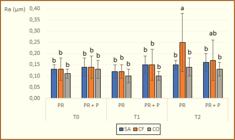
Mean and standard deviation of roughness (Ra) according to solution/polishing and evaluation times for composite resin (RC).
Regarding nanoceramic resin, the repeated measures ANOVA revealed significant differences for the factor of time (p=0.003) and the interactions of time and solution (p=0.014) and of time, solution, and polishing (p=0.013). No significant difference was observed between time and polishing (p=0.16). A significant difference was observed for the factor of solution (p=0.001) but not for polishing (p=0.209) or the interaction of solution and polishing (p=0.962). All solutions elicited similar roughness values for the different evaluation times, regardless of the polishing protocol. At T2, the highest roughness values were observed for specimens immersed in the CF solution. However, the roughness values of the specimens did not show a significant difference for different immersion solutions, regardless of the protocol used. Notably, SA associated with the PR+P protocol at T1 showed the lowest roughness value, statistically different from CF associated with the PR+P protocol at T2. The Ra values according to the solution/polishing and evaluation times are shown in Figure 2.
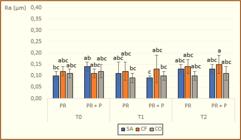
Mean and standard deviation of roughness (Ra) according to solution/polishing and resin nanoceramic (NC) evaluation times.
Regarding hybrid ceramic, a significant difference was found for the factor of time (p<0.001) and the interaction of time and solution (p<0.001). There was no significant difference between the interaction of time and polishing (p=0.675) and time, solution, and polishing (p=0.425). Additionally, the ANOVA revealed a significant difference for the factor of solution (p<0.001) but not for the factors of polishing (p=0.207) or the interaction of solution and polishing (p=0.879). Regardless of the polishing protocol, the specimens immersed in CF showed the highest roughness values at T2. The values for immersion in CF at T2 were statistically different from those of all other conditions, which showed similar roughness values without any effect of the type of treatment. The Ra values according to the solution/polishing and evaluation times are shown in Figure 3.
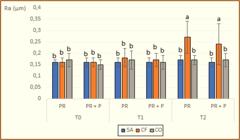
Mean and standard deviation of roughness (Ra) according to solution/polishing and evaluation times for hybrid ceramic (HC).
Finally, for zirconia-reinforced lithium-silicate a significant difference was noted for the factor of time (p<0.001) and the interactions of time and solution (p=0.001) and of time, solution, and polishing (p=0.003); however, repeated measures ANOVA did not show a difference for the interaction of time and polishing (p=0.969). Furthermore, no significant difference was observed for solution (p=0.050) and polishing (p=0.895), but there was a substantial difference for the interaction of solution and polishing (p=0.021). Specimens immersed in SA had the highest increase in roughness values at T1 and T2 when associated with PR protocol, and it showed a statistical significance when compared to the baseline. There was a significant difference between the immersion in the CF solution associated with the PR protocol at T2 and immersion in the same solution related to the PR+P protocol at T1. The roughness values for ZL specimens immersed in CO associated with the PR+P protocol were lower than those of ZL specimens immersed in CF associated with the same polishing protocol at T1. Immersion in SA solution associated with PR protocol showed significantly higher roughness values at T2 when compared with immersions in CF and CO solutions related to the same polishing protocol. The Ra values according to the solution/polishing and evaluation times are shown in Figure 4.
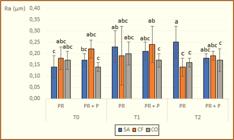
Mean and standard deviation of roughness (Ra) according to solution/polishing and evaluation times for zirconia-reinforced lithium-silicate (ZL).
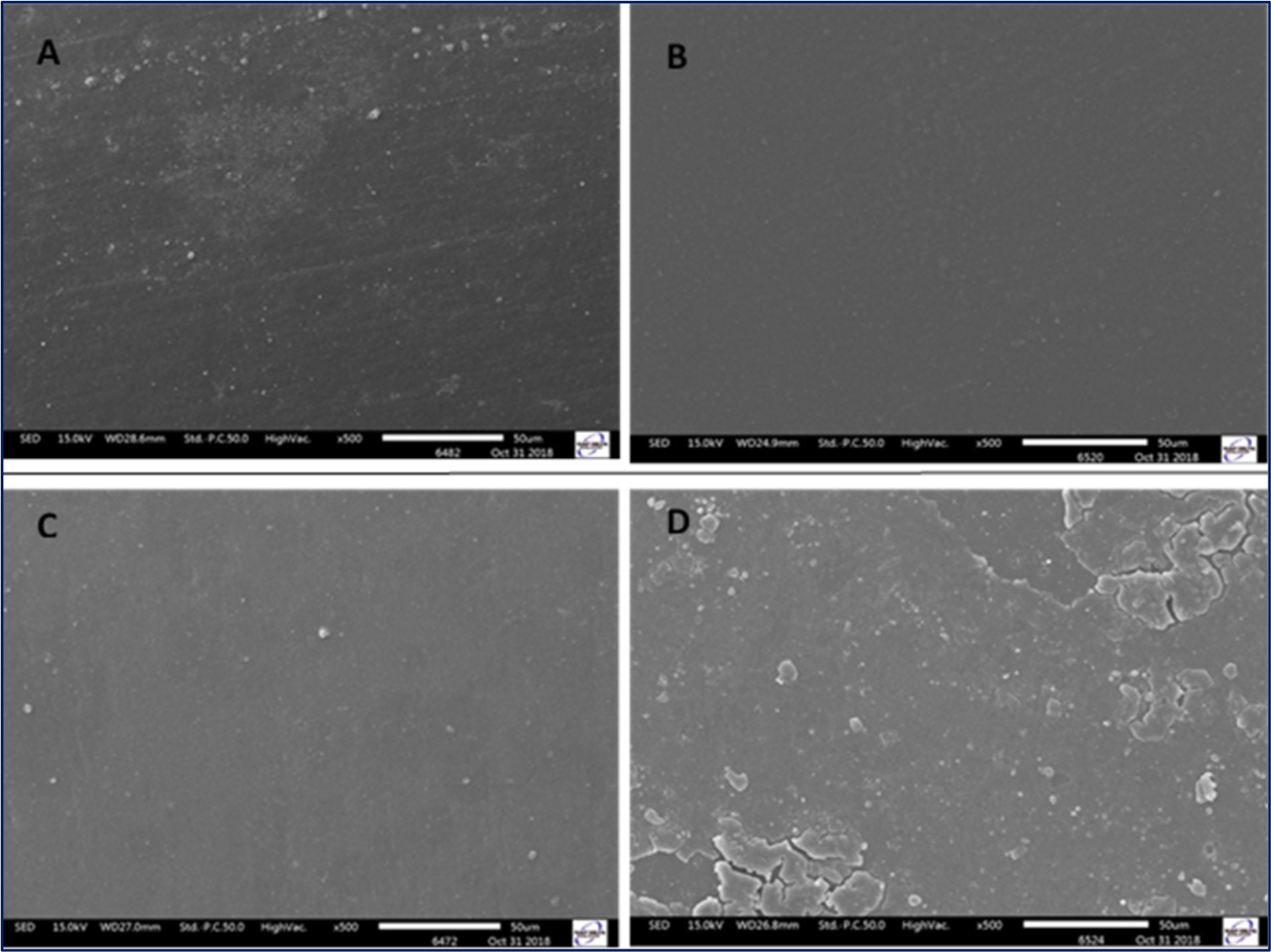
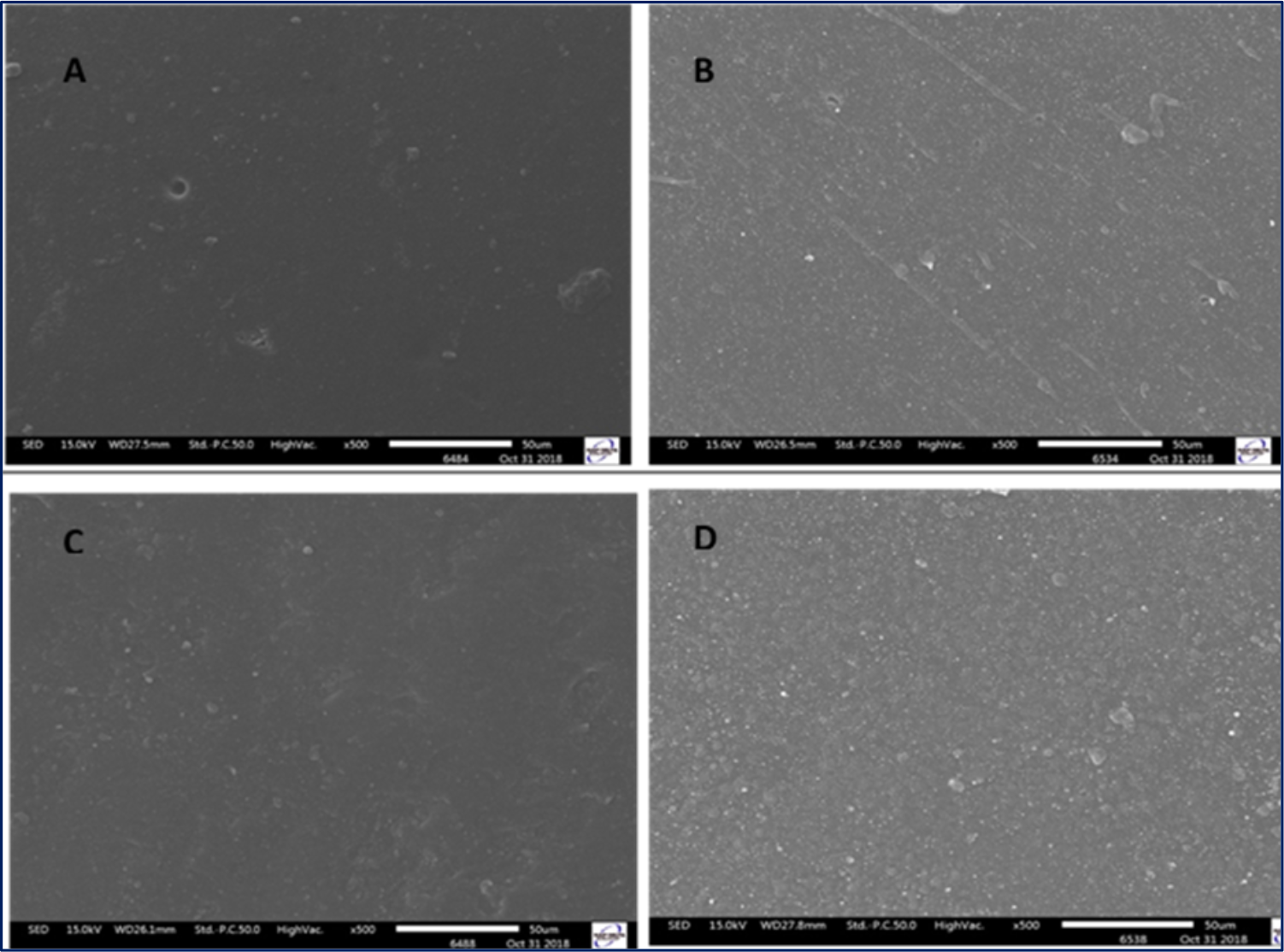
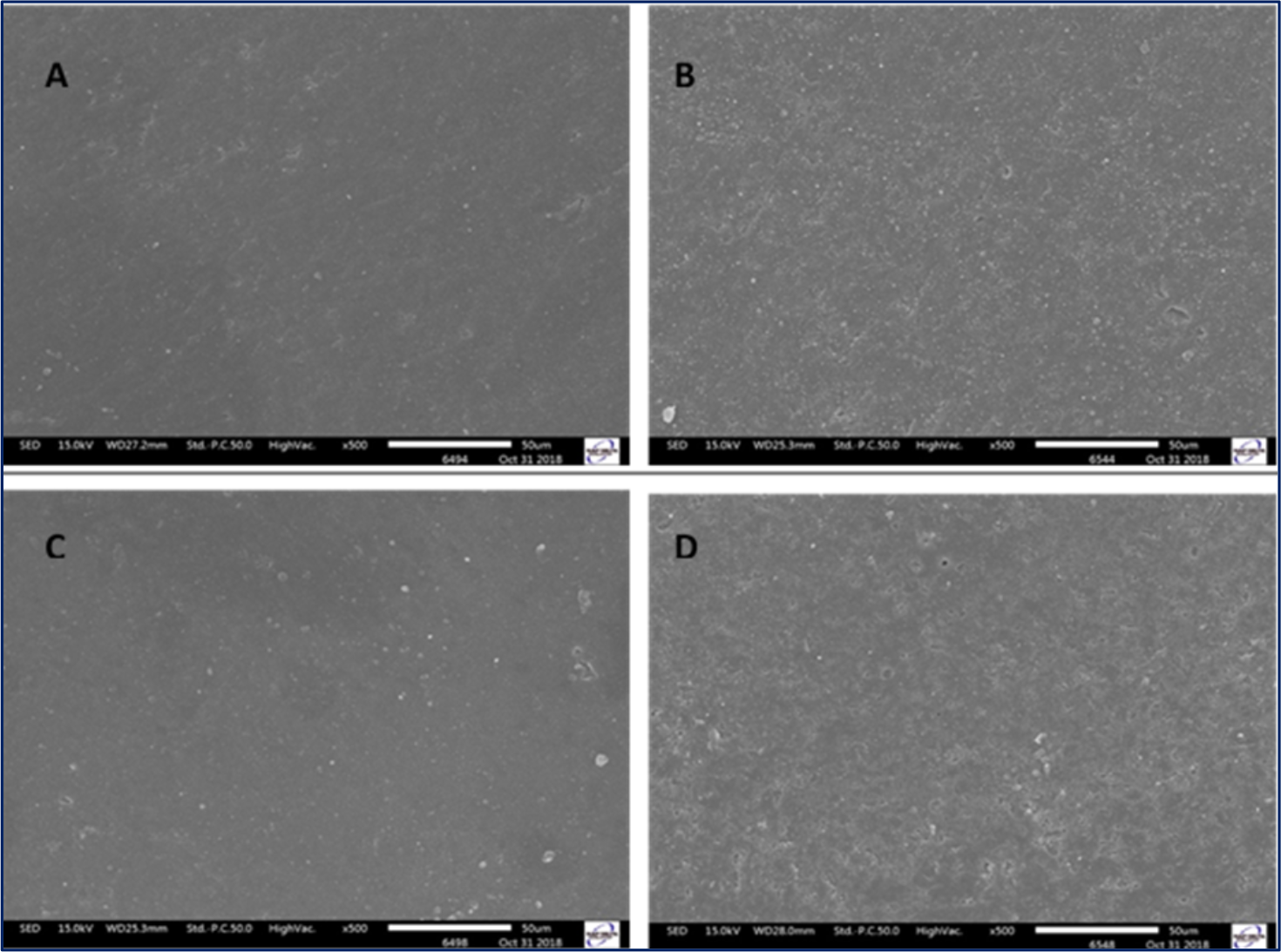
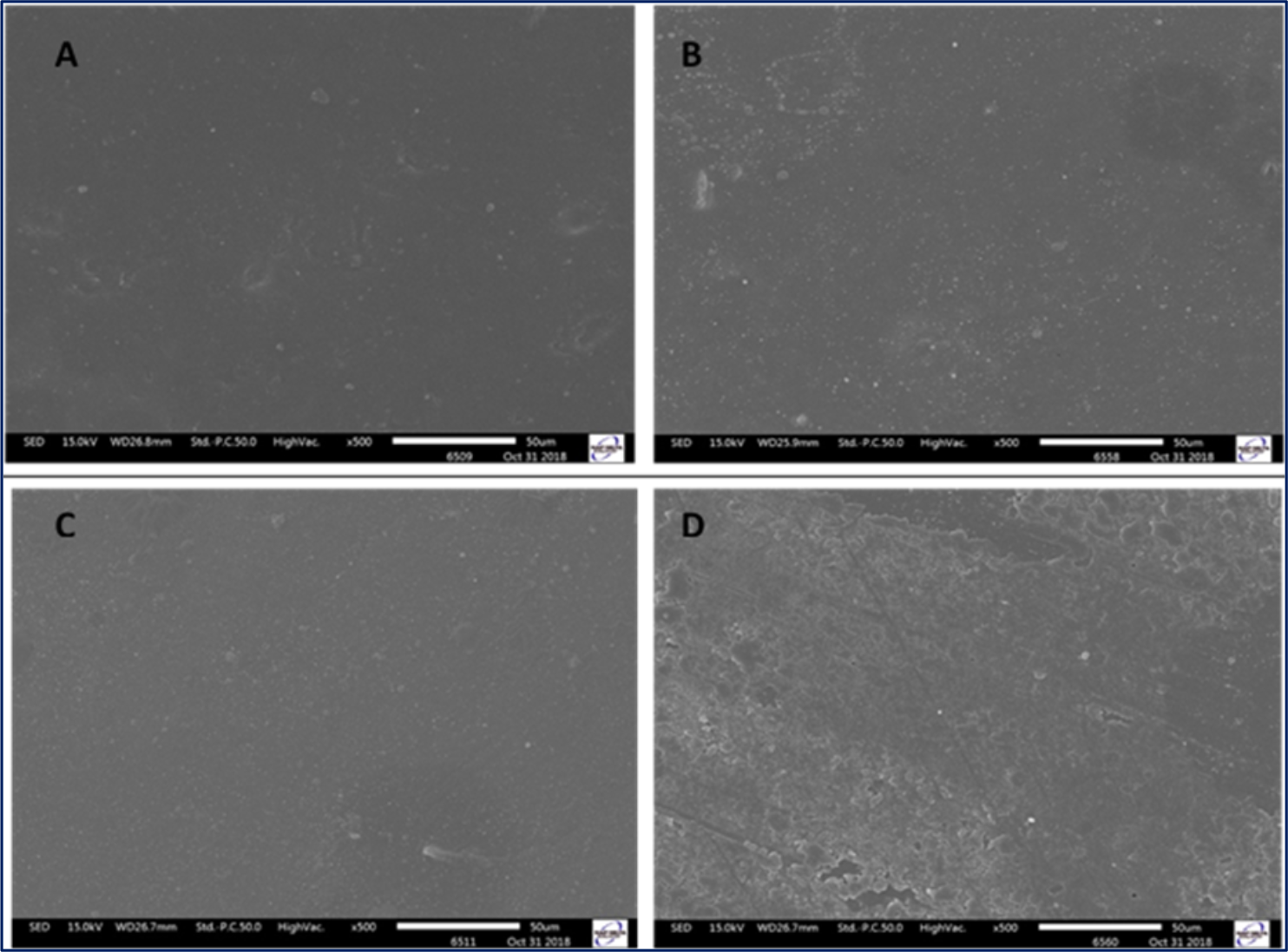
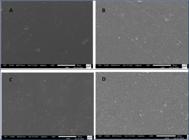
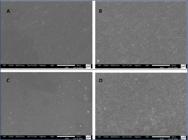
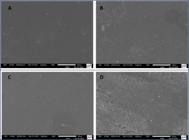
The SEM images of the surface roughness of each material immersed in the control solution, i.e., SA, and the solution showing the highest roughness values, i.e., CF, are shown in Figures 5 to 8 for T0 and T2 evaluation times.

Scanning electron microscope images (500x) of composite resin (Filtek Z350 XT) surfaces immersed in artificial saliva solution at baseline (A) and after 60 days (B) and in coffee solution at baseline (C) and after 60 days (D).
Scanning electron microscope images (500x) of resin nanoceramic (Lava Ultimate Restorative) surfaces immersed in artificial saliva at baseline (A) and after 60 days (B) and in coffee solution at baseline (C) and after 60 days (D).
Scanning electron microscope images (500x) of hybrid ceramic (Enamic) surfaces immersed in artificial saliva at baseline (A) and after 60 days (B) and in coffee solution at baseline (C) and after 60 days (D).
Scanning electron microscope images (500x) of zirconia-reinforced lithium-silicate (Celtra Duo) surfaces immersed in artificial saliva at baseline (A) and after 60 days (B) and in coffee solution at baseline (C) and after 60 days (D).
Discussion
This in vitro study compared the surface roughness of a composite resin and different CAD-CAM restorative dental materials that were polished with various protocols and exposed to different immersion solutions. The CR and HC specimens immersed in CF solution showed the highest roughness values in the evaluation at T2 when compared with the other solutions, regardless of the polishing protocol used. Thus, the H1 hypothesis was rejected.
Resin-based materials show water diffusion through the polymer chains and, consequently, a hydrolytic deterioration of these chains [19,20]. Therefore, this material shows a structural decline after aging in solutions, which can justify the significant difference observed only at T2 with immersion in CF solution. CF immersion showed the highest surface roughness values, exhibiting a considerable difference between RC and HC at T2. The most significant changes in roughness after immersion in CF compared with the other solutions could be attributed to the low pH and high temperature.
In ceramics and hybrid materials, the silica content is directly proportional to the polishing ability; hence, a higher crystalline phase content decreases the smoothness and polishing capacity of the restorations [21-23]. In this study, where the specimens were immersed in CF solution immediately after preparation, the high temperature may have caused silica to dissolve partially, degraded the surface, and increased roughness. NC has mechanical and surface properties that are more similar to composite resins than ceramic materials [23], with some zirconium dioxide fillers, which can reduce the maximum surface roughness [12]. This may justify the non-significant effect of the polishing procedures evaluated in the NC roughness changes.
The polishing protocols evaluated in this study did not significantly affect the surface roughness; thus, the H2 hypothesis was accepted. Although there was no difference between the polishing protocols evaluated, polishing is necessary [24,25]. Unpolished specimens of HC caused wear of severe enamel owing to the exposure of the feldspathic ceramic network [10], suggesting that appropriate polishing is essential. The surface smoothness achieved with a polishing procedure using a sequence of three PR cannot be superior to that of a simplified polishing system using a sequence of two PR [26]. Furthermore, mechanical polishing is preferred to glazing for some specific materials, such as ZL [27]. As for lithium disilicate or feldspar ceramic, glazing and chair-side polishing promote similar smoothness, with a preference for the latter due to low cost and limited clinical time [26]. Our results did not show a significant difference in the use and non-use of the diamond paste. However, these polishing pastes provide efficient surface polishing [28]; thus, although there is no evidence using diamond paste guarantees better surface polishing, the absence of reported deleterious effects justifies the professional's preference for this procedure.
ZL Celtra Duo is a ceramic that provides two processing pathways: cementation after milling and polishing, which is a faster procedure, or cementation after milling, glazing, and firing, which is a slower procedure but offers additional strength [29]. This study showed a significant increase in the surface roughness of ZL after aging in the SA immersion solution. This finding suggests that because the firing step was not used, it may have affected the surface roughness, which probably would have shown better behavior after the additional step. During the grinding process, the strength of ceramic materials may be reduced by 50%, whereas resin-based materials are less susceptible to such effects [30]. These failures may affect the material structure reported by these studies, thus explaining the increase in the surface roughness of ZL even in the control group (SA) in our study.
Obtaining polished surfaces in restorations is associated with patient comfort and prevention of biofilm retention. Surfaces with Ra greater than 0.80 µm are more likely to retain biofilm. Moreover, Ra of 0.20 µm is recommended as the minimum limit for the perception of roughness by the patient with their tongue, as well as the minimum threshold for debris accumulation [31]. Our findings demonstrated that the mean Ra values remained below these critical values regardless of the material, immersion solution, polishing protocol, and evaluation time. Patients’ perception of roughness by their tongues can also be possible when there is an increase of 0.25-0.5 µm in the Ra [32]. This suggests that in our findings, even in the groups showing a significant increase in roughness, this would not be clinically perceptible by the patients, nor would it reach the threshold favoring biofilm retention.
Incorporating very hard filler particles in a soft resin matrix makes it challenging to choose the appropriate materials and polishing techniques for today's hybrid restorative materials [17,22]. Materials with a high percentage of filler particles and heat-pressed have a lower polishing ability [23]. Moreover, wearing teeth related to non-carious processes has gained importance, affecting approximately 46.7% of the global population [33]. Among the conditions associated with this wear and tear, changes in eating habits can be attributed to the increased intake of acidic drinks [34]. Two systematic reviews showed no difference in the clinical longevity of direct and indirect resin restorations [35], while ceramic restorations have a longevity rate greater than 90% [36].
Fractures/chipping, secondary caries, and marginal discoloration are factors associated with impairment of the longevity restorations and can also result from incomplete finishing of the restorative procedures [36]. Thus, considering the literature remains inconclusive on the recommended protocols for different types of materials, our findings could help clinicians obtain greater longevity in their treatments. This study's limitations include using only one surface roughness parameter [Ra], and the evaluation of flat specimens cannot closely reproduce what transpires in the oral cavity. Further studies are needed to investigate polishing protocols that could be appropriate for each material and carry out color and gloss analysis. This can help analyze the roughness of these materials after immersion in different solutions and avoid the deleterious effects of pigment and/or acidic solutions in these materials more efficiently.
Conclusion
Overall, the surface roughness of each restorative material evaluated was not affected by the polishing protocols and different evaluation times. Immersion in coffee showed the highest roughness values, with a significant difference between the composite resin and feldspathic-composite hybrid ceramic surfaces at 60 days (T2). Using diamond paste with polishing rubbers did not affect the roughness of the materials.
-
Financial Support
None.
Data Availability
The data used to support the findings of this study can be made available upon request to the corresponding author.
References
-
[1] Zhang Y, Griggs JA, Benham AW. Influence of powder/liquid mixing ratio on porosity and translucency of dental porcelains. J Prosthet Dent 2004; 91(2):128-135. https://doi.org/10.1016/j.prosdent.2003.10.014
» https://doi.org/10.1016/j.prosdent.2003.10.014 -
[2] Kara D, Tekçe N, Fidan S, Demirci M, Tuncer S, Balcı S. The effects of various polishing procedures on surface topography of CAD/CAM resin restoratives. J Prosthodont 2021; 30(6):481-489. https://doi.org/10.1111/jopr.13278
» https://doi.org/10.1111/jopr.13278 -
[3] Monaco C, Arena A, Scheda L, Di Fiore A, Zucchelli G. In vitro 2D and 3D roughness and spectrophotometric and gloss analyses of ceramic materials after polishing with different prophylactic pastes. J Prosthet Dent 2020; 124(6):787.e1-787.e8. https://doi.org/10.1016/j.prosdent.2020.05.040
» https://doi.org/10.1016/j.prosdent.2020.05.040 -
[4] Alao AR, Stoll R, Zhang Y, Yin L. Influence of CAD/CAM milling, sintering and surface treatments on the fatigue behavior of lithium disilicate glass ceramic. J Mech Behav Biomed Mater 2021; 113:104133. https://doi.org/10.1016/j.jmbbm.2020.104133
» https://doi.org/10.1016/j.jmbbm.2020.104133 -
[5] Jin C, Deng J, Pan P, Xiong Y, Zhu L, Gao S. Comparative study on the impact-sliding wear behaviour of CAD/CAM resin-ceramic materials and tooth enamel. Dent Mater 2023; 39(1):25-40. https://doi.org/10.1016/j.dental.2022.11.010
» https://doi.org/10.1016/j.dental.2022.11.010 -
[6] Steinmassl O, Dumfahrt H, Grunert I, Steinmassl PA. CAD/CAM produces dentures with improved fit. Clin Oral Investig 2018; 22(8):2829-2835. https://doi.org/10.1007/s00784-018-2369-2
» https://doi.org/10.1007/s00784-018-2369-2 -
[7] Ludovichetti FS, Trindade FZ, Werner A, Kleverlaan CJ, Fonseca RG. Wear resistance and abrasiveness of CAD-CAM monolithic materials. J Prosthet Dent 2018; 120(2):318.e1-318.e8. https://doi.org/10.1016/j.prosdent.2018.05.011
» https://doi.org/10.1016/j.prosdent.2018.05.011 -
[8] Pereira GKR, Fraga S, Montagner AF, Soares FZM, Kleverlaan CJ, Valandro LF. The effect of grinding on the mechanical behavior of Y-TZP ceramics: A systematic review and meta-analyses. J Mech Behav Biomed Mater 2016; 63:417-442. https://doi.org/10.1016/j.jmbbm.2016.06.028
» https://doi.org/10.1016/j.jmbbm.2016.06.028 -
[9] Rashid H. The effect of surface roughness on ceramics used in dentistry: A review of literature. Eur J Dent 2014; 8(4):571-579. https://doi.org/10.4103/1305-7456.143646
» https://doi.org/10.4103/1305-7456.143646 -
[10] Reis AF, Giannini M, Lovadino JR, Ambrosano GM. Effects of various finishing systems on the surface roughness and staining susceptibility of packable composite resins. Dent Mater 2003; 19(1):12-18. https://doi.org/10.1016/s0109-5641(02)00014-3
» https://doi.org/10.1016/s0109-5641(02)00014-3 -
[11] Bernardo E, Fiocco L, Parcianello G, Storti E, Colombo P. Advanced ceramics from preceramic polymers modified at the nano-scale: A review. Materials 2014; 7(3):1927-1956. https://doi.org/10.3390/ma7031927
» https://doi.org/10.3390/ma7031927 -
[12] Matzinger M, Hahnel S, Preis V, Rosentritt M. Polishing effects and wear performance of chairside CAD/CAM materials. Clin Oral Investig 2019; 23(2):725-737. https://doi.org/10.1007/s00784-018-2473-3
» https://doi.org/10.1007/s00784-018-2473-3 -
[13] Silva TM, Salvia AC, Carvalho RF, Pagani C, Rocha DM, Silva EG. Polishing for glass ceramics: Which protocol? J Prosthodont Res 2014; 58(3):160-170. https://doi.org/10.1016/j.jpor.2014.02.001
» https://doi.org/10.1016/j.jpor.2014.02.001 -
[14] Sarikaya I, Güler AU. Effects of different polishing techniques on the surface roughness of dental porcelains. J Appl Oral Sci 2010; 18(1):10-16. https://doi.org/10.1590/s1678-77572010000100004
» https://doi.org/10.1590/s1678-77572010000100004 -
[15] Yu P, Xu Z, Arola DD, Min J, Zhao P, Gao S. Effect of acidic agents on the wear behavior of a polymer infiltrated ceramic network (PICN) material. J Mech Behav Biomed Mater 2017; 74:154-163. https://doi.org/10.1016/j.jmbbm.2017.06.001
» https://doi.org/10.1016/j.jmbbm.2017.06.001 -
[16] Rosentritt M, Krifka S, Strasser T, Preis V. Fracture force of CAD/CAM resin composite crowns after in vitro aging. Clin Oral Investig 2020; 24(7):2395-2401. https://doi.org/10.1007/s00784-019-03099-1
» https://doi.org/10.1007/s00784-019-03099-1 -
[17] Peskersoy C, Sahan HM. Finite element analysis and nanomechanical properties of composite and ceramic dental onlays. Comput Methods Biomech Biomed Engin 2022; 25(14):1649-1661. https://doi.org/10.1080/10255842.2022.2032004
» https://doi.org/10.1080/10255842.2022.2032004 -
[18] Alencar-Silva FJ, Barreto JO, Negreiros WA, Silva PGB, Pinto-Fiamengui LMS, Regis RR. Effect of beverage solutions and toothbrushing on the surface roughness, microhardness, and color stainability of a vitreous CAD-CAM lithium disilicate ceramic. J Prosthet Dent 2019; 121(4):711.e1-711.e6. https://doi.org/10.1016/j.prosdent.2019.02.001
» https://doi.org/10.1016/j.prosdent.2019.02.001 -
[19] Ferracane JL. Hygroscopic and hydrolytic effects in dental polymer networks. Dent Mater 2006; 22(3):211-222. https://doi.org/10.1016/j.dental.2005.05.005
» https://doi.org/10.1016/j.dental.2005.05.005 -
[20] Klauer E, Belli R, Petschelt A, Lohbauer U. Mechanical and hydrolytic degradation of an Ormocer®-based Bis-GMA-free resin composite. Clin Oral Investig 2019; 23(5):2113-2121. https://doi.org/10.1007/s00784-018-2651-3
» https://doi.org/10.1007/s00784-018-2651-3 -
[21] Abdalla MM, Ali IAA, Khan K, Mattheos N, Murbay S, Matinlinna JP, et al. The influence of surface roughening and polishing on microbial biofilm development on different ceramic materials. J Prosthodont 2021; 30(5):447-453. https://doi.org/10.1111/jopr.13260
» https://doi.org/10.1111/jopr.13260 -
[22] Dos Santos DM, da Silva EVF, Watanabe D, Bitencourt SB, Guiotti AM, Goiato MC. Effect of different acidic solutions on the optical behavior of lithium disilicate ceramics. J Prosthet Dent 2017; 118(3):430-436. https://doi.org/10.1016/j.prosdent.2016.10.023
» https://doi.org/10.1016/j.prosdent.2016.10.023 -
[23] Flury S, Diebold E, Peutzfeldt A, Lussi A. Effect of artificial toothbrushing and water storage on the surface roughness and micromechanical properties of tooth-colored CAD-CAM materials. J Prosthet Dent 2017; 117(6):767-774. https://doi.org/10.1016/j.prosdent.2016.08.034
» https://doi.org/10.1016/j.prosdent.2016.08.034 - [24] Oliveira-Junior OB, Buso L, Fujiy FH, Lombardo GH, Campos F, Sarmento HR, et al. Influence of polishing procedures on the surface roughness of dental ceramics made by different techniques. Gen Dent 2013; 61(1):e4-8.
-
[25] Fasbinder DJ, Dennison JB, Heys DR, Lampe K. The clinical performance of CAD/CAM-generated composite inlays. J Am Dent Assoc 2005; 136(12):1714-1723. https://doi.org/10.14219/jada.archive.2005.0116
» https://doi.org/10.14219/jada.archive.2005.0116 -
[26] Scherrer D, Bragger U, Ferrari M, Mocker A, Joda T. In-vitro polishing of CAD/CAM ceramic restorations: An evaluation with SEM and confocal profilometry. J Mech Behav Biomed Mater 2020; 107:103761. https://doi.org/10.1016/j.jmbbm.2020.103761
» https://doi.org/10.1016/j.jmbbm.2020.103761 -
[27] Alp G, Subasi MG, Johnston WM, Yilmaz B. Effect of surface treatments and coffee thermocycling on the color and translucency of CAD-CAM monolithic glass-ceramic. J Prosthet Dent 2018; 120(2):263-268. https://doi.org/10.1016/j.prosdent.2017.10.024
» https://doi.org/10.1016/j.prosdent.2017.10.024 -
[28] Camacho GB, Vinha D, Panzeri H, Nonaka T, Gonçalves M. Surface roughness of a dental ceramic after polishing with different vehicles and diamond pastes. Braz Dent J 2006; 17(3):191-194. https://doi.org/10.1590/s0103-64402006000300003
» https://doi.org/10.1590/s0103-64402006000300003 -
[29] D'Arcangelo C, Vanini L, Rondoni GD, De Angelis F. Wear properties of dental ceramics and porcelains compared with human enamel. J Prosthet Dent 2016; 115(3):350-355. https://doi.org/10.1016/j.prosdent.2015.09.010
» https://doi.org/10.1016/j.prosdent.2015.09.010 -
[30] Curran P, Cattani-Lorente M, Anselm Wiskott HW, Durual S, Scherrer SS. Grinding damage assessment for CAD-CAM restorative materials. Dent Mater 2017; 33(3):294-308. https://doi.org/10.1016/j.dental.2016.12.004
» https://doi.org/10.1016/j.dental.2016.12.004 -
[31] Bollen CM, Lambrechts P, Quirynen M. Comparison of surface roughness of oral hard materials to the threshold surface roughness for bacterial plaque retention: A review of the literature. Dent Mater 1997; 13(4):258-269. https://doi.org/10.1016/s0109-5641(97)80038-3
» https://doi.org/10.1016/s0109-5641(97)80038-3 -
[32] Jones CS, Billington RW, Pearson GJ. The in perception of roughness of restorations. Br Dent J 2004; 196(1):42-45; discussion 31. https://doi.org/10.1038/sj.bdj.4810881
» https://doi.org/10.1038/sj.bdj.4810881 -
[33] Teixeira DNR, Thomas RZ, Soares PV, Cune MS, Gresnigt MMM, Slot DE. Prevalence of noncarious cervical lesions among adults: A systematic review. J Dent 2020; 95:103285. https://doi.org/10.1016/j.jdent.2020.103285
» https://doi.org/10.1016/j.jdent.2020.103285 -
[34] Tschammler C, Simon A, Brockmann K, Röbl M, Wiegand A. Erosive tooth wear and caries experience in children and adolescents with obesity. J Dent 2019; 83:77-86. https://doi.org/10.1016/j.jdent.2019.02.005
» https://doi.org/10.1016/j.jdent.2019.02.005 -
[35] da Veiga AM, Cunha AC, Ferreira DM, da Silva Fidalgo TK, Chianca TK, Reis KR et al. Longevity of direct and indirect resin composite restorations in permanent posterior teeth: A systematic review and meta-analysis. J Dent 2016; 54:1-12. https://doi.org/10.1016/j.jdent.2016.08.003
» https://doi.org/10.1016/j.jdent.2016.08.003 -
[36] Morimoto S, Rebello de Sampaio FB, Braga MM, Sesma N, Özcan M. Survival rate of resin and ceramic inlays, onlays, and overlays: A systematic review and meta-analysis. J Dent Res 2016; 95(9):985-994. https://doi.org/10.1177/0022034516652848
» https://doi.org/10.1177/0022034516652848
Edited by
-
Academic Editor:
Alidianne Fábia Cabral Cavalcanti

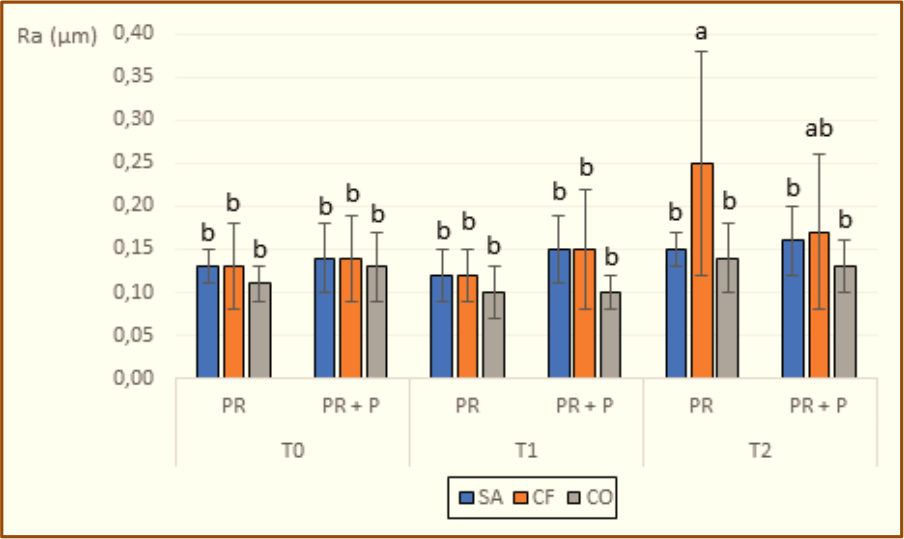 a-bIdentical superscript lowercase letters indicate no significant difference among the groups (α=0.05).
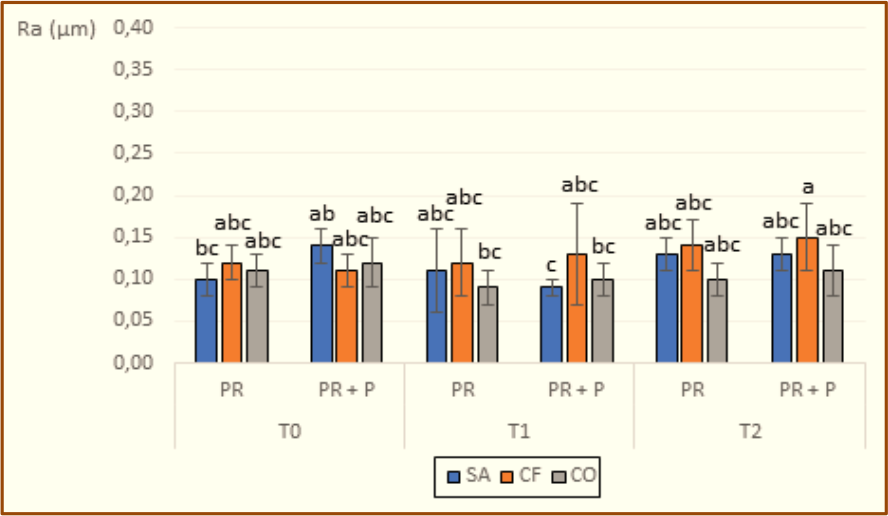 a-bIdentical superscript lowercase letters indicate no significant difference among the groups (α=0.05).
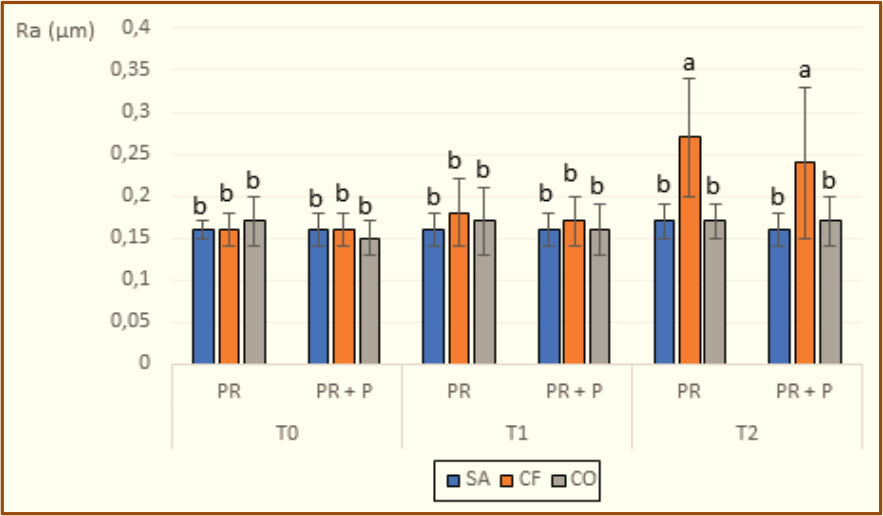 a-bIdentical superscript lowercase letters indicate no significant difference among the groups (α=0.05).
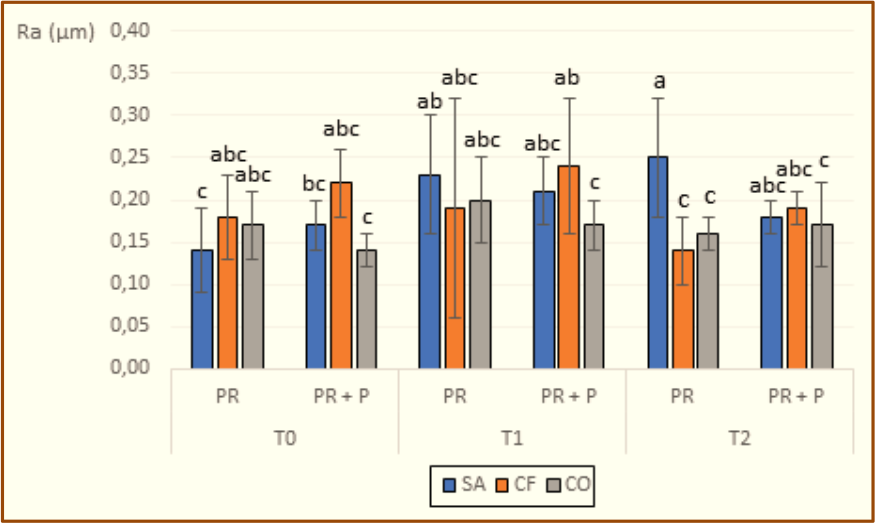 a-bIdentical superscript lowercase letters indicate no significant difference among the groups (α=0.05).