 Sustainable research initiatives focusing on agricultural adaptation to climate change in the Brazilian semiarid region
Abstract
The objective of this review was to describe the research implemented and with potential use in the Brazilian semiarid region for adaptation to climate change. The study covered topics such as climate risk mitigation, phytosanitary responses, crop resilience to heat and water stress, forage species that are native and cultivated in livestock systems, crop-livestock-forestry integration, microbial inputs, soil quality and carbon sequestration, and water technologies. For this, searches were conducted in databases and repositories of government agencies and international organizations. As a strategy, a set of terms, including the cited topics, were associated with the term “Brazilian semiarid”. This review also highlights critical research gaps in these domains. From this analysis, it is notable that ongoing adaptation technologies have often been applied in isolation in rural landscapes, indicating that the main challenge of research lies in developing synergies between these technologies.
Index terms:
bioinputs; Caatinga; technology integration; tolerant genotypes; tropical agriculture; water technologies
Resumo
O objetivo desta revisão foi descrever as pesquisas implementadas e com potencial uso na região semiárida brasileira para adaptação às mudanças climáticas. O estudo abrangeu tópicos como mitigação de riscos climáticos, respostas fitossanitárias, resiliência de culturas ao estresse térmico e hídrico, espécies forrageiras nativas e cultivadas em sistemas pecuários, integração lavoura-pecuária-floresta, insumos microbianos, qualidade do solo e sequestro de carbono, e tecnologias hídricas. Foram realizadas buscas em bases de dados e repositórios de agências governamentais e organizações internacionais. Como estratégia, associou-se um conjunto de termos, incluindo os tópicos citados, com o termo "Semiárido brasileiro". Esta revisão também destaca lacunas críticas de pesquisa nesses domínios. A partir desta análise, percebe-se que as tecnologias de adaptação em curso têm sido frequentemente aplicadas isoladamente em paisagens rurais, o que indica que o principal desafio da pesquisa reside no desenvolvimento de sinergias entre essas tecnologias.
Termos para indexação:
bioinsumos; Caatinga; integração de tecnologias; genótipos tolerantes; agropecuária tropical; tecnologias hídricas
Introduction
Adapting to climate change and mitigating its effects are keystone practices to food security and sustainable development, requiring innovation. Over the past few years, several institutions in the Brazilian semiarid region have carried out research actions aimed at promoting innovation and advancing knowledge for sustainability, considering the complexity of tropical agriculture (Antunes et al., 2019; Freitas et al., 2021; Castro et al., 2024; Araújo et al., 2025).
The Brazilian semiarid region extends across nine states of the Brazilian Northeast region and also northern Minas Gerais state. That region is characterized by a negative water balance, comprising annual rainfall of less than 800 mm, average sunlight of 2800 h year-1, yearly average air temperatures between 23 and 27°C, relative humidity around 50% and evaporation rate of approximately 2000 mm year-1 (Menezes et al., 2012).
The Brazilian semiarid region is highly vulnerable to climate change, showing intensification of water deficits and rising temperatures that exacerbate the desertification process. On the other hand, the region is home to the Caatinga biome, rich in biodiversity, resilience and adaptive capacity inherent to coexistence with consecutive years of drought and high temperatures (Fernandes et al., 2020). Thus, the adaptation strategies already existing in that region will be increasingly relevant for proposing innovations in other Brazilian biomes and other tropical climate locations.
Agriculture is an important socio-economic activity for the Brazilian drylands, with approximately 1.5 million farming households, representing 28.8% of Brazil’s family farming sector (Sudene, 2021). It will require increasing attention in the face of climate change scenarios, which warn that the area could become even drier, due to reduced precipitation and increased air temperature (Avila-Diaz et al., 2023), with consequent intensification and expansion of aridity levels (Silva et al., 2023b). The scenarios of greenhouse gas concentrations on Representative Concentration Pathways RCP2.6 and RCP8.5 predict average increases of 1.3°C and 4.4°C, respectively, by 2100 (Marengo et al., 2017). Furthermore, consecutive days with precipitation below 0.1 mm/day will increase from 100 days in 1901 to 140 days in 2100, with greater frequency/intensity of dry spells and droughts (Marengo et al., 2017).
In this context, adapting production to Brazilian semiarid ecosystems requires technological solutions that mitigate climate risks, enhance the resilience of crops and livestock, and improve soil and water management, thereby guiding systems toward a sustainable and productive agriculture. In the Brazilian semiarid region, several technologies and practices could be adopted as climate change adaptation measures. However, there are varying degrees of technological maturity, ranging from laboratory-level exploration to proven technologies in full use (Table 1).
Broad description of technologies and agricultural practices developed or adapted to the Brazilian semiarid region.
This review presents technologies that have potential use and also those that have been adopted in the Brazilian semiarid region, with emphasis on food production, on the potential for bioproducts and the biotechnological potential related to adaptive mechanisms to high temperatures and water deficits, so that to highlight the actions carried out in the region as well as to serve as support for their use in other dryland regions worldwide.
In addition, this review also identifies the gaps and challenges for scientific advancement, pointing to the integration of technologies as a solution to address climate change.
The objective of this review was to describe the research implemented and its potential use in the Brazilian semiarid region for adaptation to climate change.
Materials and Methods
This review’s focus was to identify technologies in use or under development applicable to Brazil’s semiarid region that contribute to climate adaptation (Table 1). To this end, searches were conducted in databases including Web of Science, Google Scholar, and SciELO (Scientific Electronic Library Online), as well as repositories of government agencies and international organizations (Ministry of Agriculture, Superintendência do Desenvolvimento do Nordeste–SUDENE, IPCC, among others).
A set of terms was used, with keyword combinations including “adaptation,” “resilience,” “climate risk,” “technology,” “intercropping,” “phytosanitary framework,” “integrated crop–livestock–forestry systems,” “water harvesting,” “drought tolerance,” “microbial inoculants,” and “heat stress,” always combined with “Brazilian semiarid,” “Brazilian semi-arid,” “Brazilian drylands,” or “Caatinga”. Priority was given to articles from the last ten years addressing technologies specific to the Brazilian semiarid region, with a focus on adaptation to climate change.
Climate risk to the Brazilian semiarid region and sustainable systems
Adaptation measures to climate change so that to allow the viability of agricultural activity are based on understanding the climate risk to crops. These adaptation measures are related to the occurrence of phytosanitary problems, the need to adopt sustainable practices that promote resilience to agrarian systems – such as the selection of cultivars tolerant to rising temperatures and water deficits –, and the cultivation of native species adapted to the characteristics of the region. Other measures include the use of biological inputs to reduce biotic and abiotic impacts, as well as management practices and technologies for capturing, storing, and using water efficiently (Figure 1).
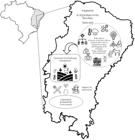
Integrated management of the rural landscape in the Brazilian semiarid region through adaptation measures.
Climate risk refers to the potential negative consequences for human or ecological systems, considering the diverse values and objectives associated with them (IPCC, 2020). The occurrence of climatic extreme events, such as heat waves and water shortages, can negatively affect crop production, causing losses in the production of beans, corn, and cassava in the Brazilian semiarid region (Brasil, 2021). Understanding these risks is the first step towards adopting measures that increase resilience in agriculture.
In order to address these challenges, one of the technologies available is the Agricultural Climate Risk Zoning (ZARC), which has been a fundamental tool in identifying areas suitable for growing various crops in Brazil and optimal planting periods (Brasil, 2023). Through a historical series of climate data, cultivar maturity groups, and soil types, it is possible to indicate the locations and times of the year for planting, aiming to reduce the risks of adverse climate phenomena. Brazil’s Agricultural Climate Risk Zoning system provides a crucial framework for climate risk mitigation in semiarid crop production when combined with proper management of adapted species.
By analyzing soil-climate parameters and plant-specific characteristics, ZARC currently supports important crops including cowpea (Vigna unguiculata (L.) Walp), cassava (Manihot esculenta Crantz), castor beans (Ricinus communis L.), maize (Zea mays L.), sorghum (Sorghum bicolor L.), and pearl millet (Pennisetum glaucum L.), among others (Brasil, 2023). In the Brazilian drylands, where native Caatinga is the primary feed source for economically and nutritionally important ruminants – goats, sheep, and cattle –, especially in low-income farming systems, climate risk assessment becomes essential for developing effective adaptation strategies.
Recent advances in bioclimatic assessment have included cactus (Opuntia and Nopalea spp.), a crucial feed source for regional livestock in the Brazilian drylands (Silva et al., 2017). This zoning system provides vital information to farmers and policymakers, including crop calendars, suitable growing areas, low-risk planting dates, and optimal soil conditions, while also informing agricultural credit and insurance policies.
Research actions for adaptation to climate change
1. Changes in the phytosanitary framework
In addition to causing direct impacts on plants, climate change can modify the occurrence of pests and diseases, with changes in the geographic and temporal distribution of phytosanitary issues (Gullino et al., 2022). In the semiarid region, irrigated as well as rainfed crops are being studied through experimentation and geoprocessing to indicate the geographic and temporal distribution of plant diseases in the face of climate change scenarios. For cassava crop, for example, favorable weather conditions – in terms of temperature, relative humidity and precipitation – could reduce the importance of fungal diseases and increase diseases caused by viruses, such as Cassava Vein Mosaic Virus (Angelotti et al., 2024) due to the increased likelihood of occurrence of insect pests that transmit viruses (Bellotti et al., 2012).
Diseases such as anthracnose and Fusarium rot may be at greater risk for corn and sorghum under climate change scenarios (Angelotti et al., 2024). Concerning melon powdery mildew, although the increase in temperature reduces the severity of the disease and increases the period between infection and the first symptoms, the disease will continue to be important, since the pathogen has high plasticity and resistant melon genotypes are not available so far (Araújo et al., 2019). Concerning powdery mildew and downy mildew of grapevines, important diseases in every single grape-producing region worldwide, the importance of the disease is expected to remain high in the São Francisco River Valley, in the heart of the Brazilian semiarid region (Hamada et al., 2015; Angelotti et al., 2017).
Thus, regionalized studies, considering the adaptation of the pathogen and the host, are relevant for plant protection. Based on these risk analyses, suitable management practices should be technically indicated and adopted. Long-term adaptation measures such as tolerant cultivars, new fungicide molecules, and the selection of effective biological control agents at high temperatures will be necessary. In contrast, preventive measures to reduce the introduction of pathogens into new areas, integration of chemical and biological control, crop rotation and intercropping, including disease warning and prediction systems may contribute as adaptation measures for phytosanitary defense (Angelotti et al., 2024).
In the semiarid region, there are ongoing studies on disease risk. Still, a broader scope in terms of monitored crops is required and the inclusion of studies involving microorganisms such as viruses and bacteria. Beyond risk analysis, there is a need to advance the adoption of sustainable practices aimed at adaptation. A key advance will be the evaluation of the effectiveness of chemical and biological control under climate change scenarios. Because the semiarid region has an average temperature between 23 and 27°C, tests under controlled conditions, comprising scenarios of rising temperatures and water deficits, can be validated in the field, and the results will serve as a baseline for other regions in Brazil.
2. Crop resilience to heat and drought stress
Increased temperature and water deficit are both factors altering plant metabolism and development, with physiological – stomatal conductance, transpiration rate, and photosynthesis –, biochemical – osmoregulatory solutes, antioxidant enzymes –, and molecular – modulation of gene expression – responses. However, each species presents particularities and variation in the degree of manifestation of these responses (Barros et al., 2024a).
Studies under controlled conditions to understand the physiological and biochemical responses of plants to water restriction and increased temperature have been carried out in the Brazilian semiarid region (Barros et al., 2021; Coelho et al., 2024; Silva et al., 2024a). Results have advanced towards the characterization of tolerant cultivars in crops such as cowpea, onion, sorghum, species of the genus Manihot, and forage Macroptilium (Oliveira et al., 2022; Simões et al., 2022; Barros et al., 2024b; Coelho et al., 2024; Silva et al., 2024b). The increase in temperature and water deficit, in addition to the adverse effect on the integrity of photosystem II (Chen et al., 2018), causes a decrease in the rate of carbon assimilation, due to stomatal closure (Hsu et al., 2021), showing a reduction in the net photosynthetic rate (Hussain et al., 2019). Combined stress studies were performed in growth chambers that simulate predicted climate change scenarios or in field conditions, with planting times in contrasting periods, such as summer and winter (Barros et al., 2021; Simões et al., 2022; Silva et al., 2024c).
The abortion of flowers in cowpea due to the reduction in pollen viability caused by an increase in air temperature is one of the important results that have supported the genetic improvement program (Barros et al., 2023, 2024b; Silva et al., 2024a). For cassava – another crop of great socioeconomic importance in the semiarid region –, reductions of 70% in root production may occur due to water deficit (Oliveira et al., 2017). On the other hand, plants such as sorghum may increase biomass with the temperature rise (Nascimento et al., 2025), in addition to being tolerant to water deficit (Silva et al., 2024b). The range of responses of different crops is challenging. It indicates the urgent need for the evaluation of different plant species – and genotypes within a single species – to understand the crop’s behavior under a climate change scenario.
Recent studies integrating genomics and gene expression approaches with the ecophysiological responses of Stylosanthes scabra to drought stress tolerance have indicated that the subfamily of intrinsic plasma membrane proteins (PIPs) plays an important role in the adaptation of the species (Ferreira-Neto et al., 2023). Concerning cowpea, the P5CR (proline) and TPS6 (trehalose) genes were identified as a function of the plants’ response to water and heat stress, suggesting their participation in the species’ adaptation mechanisms to adverse environmental conditions (Barros et al., 2024a).
Studies aimed at elucidating the mechanisms of tolerance to heat and water stress, as well as the selection of resilient crops/cultivars, will be important technological solutions for addressing climate change. Advances in molecular techniques involving gene editing and transgenics for tolerance to abiotic stresses could accelerate the development of new cultivars adapted to conditions of rising temperatures and water deficits. However, this remains a challenge for the scientific community, as tolerance/resistance to multiple stresses is a complex area, and crop resilience will depend on multidisciplinary advances spanning genetic and agronomic factors, with sustainable management practices as described in the following topics.
3. Optimizing native and cultivated species for livestock systems
Genetic and pre-improvement studies of native Caatinga plant species for animal feed, valuing regional biodiversity, have been carried out to select materials with forage potential (Lima et al., 2022; Oliveira et al., 2022; Ferreira-Neto et al., 2023; Nascimento et al., 2023).
While many Caatinga species have forage potential, some remain underutilized due to physical barriers like thorns or the presence of antinutritional or toxic compounds such as cyanogenic glycosides. Research has identified promising native species, including maniçoba (Manihot pseudoglaziovii) and pornunça (Manihot sp.), which are perennials with high crude protein content. Additionally, conservation techniques, such as hay or silage, have been developed to reduce hydrocyanic acid levels, thereby making these forage materials safe for animal feeding. Moreover, studies have focused on crop management and utilization practices to enhance production and efficiency (Gomes et al., 2021; Amorim et al., 2023).
Some native plant species exhibit notable tolerance to water and heat stress, ease of propagation, and suitability for use as hay or silage, making them valuable for maintaining ruminant feed security during drought conditions. Examples include Macroptilium (Borges et al., 2018) and Stylosanthes (Ferreira-Neto et al., 2023), leguminous species that can effectively supplement ruminant diets, particularly under water-limited environments, as high-quality forage options that the growers should adopt in the next few years, when new productive and adapted genotypes will probably be available in the market.
Given the diversity of environmental conditions across the Brazilian semiarid region, a wide range of forage species is utilized, including grasses, cactus, sorghum, millet, as well as leguminous trees, all of which play a critical role in regional livestock systems. In the context of pasture-based systems, climate models based on IPCC (2021) projections under different emission scenarios (SSP2-4.5 and SSP5-8.5) suggest that without adaptation measures, some subregions could experience up to a 30% decline in forage availability by 2050. Moreover, a future scenario modeling for key forage species for Brazilian drylands (Urochloa brizantha, Megathyrsus maximus, Cenchrus ciliaris, and Opuntia ficus-indica) predicts a diminishing of suitable cultivation areas and expansion of zones with restricted growing potential (Santos et al., 2011). This challenge must be faced throughout the upcoming research projects.
Among promising species, cactus stands out due to its foundational role in feeding herds in the principal dairy basins of the semiarid region, as well as being a key component in goat and sheep production systems. An important breakthrough for this crop was the development of genotypes resistant to the carmine cochineal (Dactylopius opuntiae) (Vasconcelos et al., 2009). Scientific studies on carmine cochineal-resistant genotypes of cactus have made significant contributions to improving management practices, including optimization of harvest intensity (Pereira et al., 2020), fertilization strategies, and planting density (Araújo et al., 2025), aiming to increase the crop’s productivity and sustainability.
Forage conservation is also essential to ensure year-round feed availability in dry areas, especially if these future scenarios are confirmed. For millet, for example, Decision Support Systems for Agrotechnological Transfer (DSSAT) have been used to simulate crop performance under different climatic scenarios and for identifying planting periods that align with the most favorable rainfall patterns, thereby reducing risk and increasing planting success (Santos et al., 2017). Additionally, the use of perennial species for forage conservation offers an alternative to annual crops. Despite its traditional use in grazing systems, buffelgrass has demonstrated potential for ensiling due to its adaptive characteristics and dry matter yield (Souza et al., 2013; Silva et al., 2022b). This approach contributes to improved resilience and feed security within production systems.
In Brazil, poor management is considered the primary cause of pasture degradation, particularly due to overgrazing, inadequate weed and pest control, and lack of fertilization (Feltrán-Barbieri & Féres, 2021). Although Brazil’s semiarid region hosts a diverse range of forage species, effective management is essential to ensure their longevity and productive efficiency, especially in light of future projections indicating a decline in forage availability. The studies discussed in this context present significant advances, some of which are already being applied in practice. Notable examples include the conservation of perennial grass as silage, which can increase feed availability for livestock during critical periods. These strategies have the potential to be expanded into public policies that support crop protection and promote feed security.
4. Intercropping and Integrated Crop-Livestock-Forestry Systems
4.1 Intercropping practices
Crop consortium and integrated systems based on diversification (Piedra-Bonilla et al., 2025; Spalevic et al., 2025) play a central role in the context of climate change. The resilience of production systems in the semiarid region lies in the ability to optimize water use, improve soil health, increase functional biodiversity, reduce vulnerability to pests and diseases, and, most importantly, diversify production and income, ensuring food and environmental security. Crops with shorter cycles, intercropped with others with longer cycles, can guarantee some production even in periods of drought, or even crops with similar cycles can make better use of water availability in the short rainy season (Salvador et al., 2024).
A study carried out in Pernambuco state demonstrated the advantages of intercropping cowpea with biomass sorghum, in which the cowpea cultivars BRS Gurguéia, BRS Guariba, and BRS Carijó showed greater efficiency in land use and high productive performance when intercropped with the biomass sorghum genotype BRS 716 (Nascimento et al., 2024b). Another possibility of intercropping recommended for semiarid conditions is the combination of forage cactus with sorghum, as it improves the use of the area, nutrients, and water, providing good yields for both crops (Alves et al., 2022).
Crop rotation as well as association, especially with legumes, improve the physical, chemical, and biological quality of the soil, with increases in carbon stocks, soil structuring, infiltration, and water retention, in addition to reducing compaction and soil susceptibility to water erosion, providing greater economic viability, especially in semiarid regions (Freitas et al., 2021). Furthermore, integrated systems promote more efficient nutrient cycling, such as legumes that fix nitrogen, reducing the need for chemical nitrogen fertilization, and provide a wide diversity of beneficial microorganisms, such as mycorrhizal fungi (Barbosa et al., 2021) that establish symbiotic associations with plant roots, increasing the absorption of nutrients such as phosphorus.
In terms of increasing functional biodiversity, integrated systems also promote the presence of different species that attract a greater variety of beneficial organisms, such as pollinators and natural enemies of pests, contributing to biological regulation and reducing dependence on external inputs (Maitra et al., 2021). This functional biodiversity increases the system’s ability to adapt to new environmental conditions, as it contributes to the establishment of a diversified trophic web and the provision of ecosystem services, favoring nutrient cycling, demonstrating the importance of sustaining soil and functional fauna in semiarid conditions (Silva et al., 2022a).
Caatinga vegetation can be effectively integrated into agricultural systems, offering multiple benefits such as shade and forage. A livestock production model integrating native Caatinga vegetation with buffel-grass (Cenchrus ciliaris), leucaena (Leucaena leucocephala), and other forage resources has been evaluated in Pernambuco State, Brazil. This integrated system demonstrated significantly higher productivity than the traditional model based solely on native Caatinga vegetation (Guimarães Filho & Soares, 1999).
Another silvopastoral system incorporating Caatinga vegetation has been evaluated in Ceará State, Brazil, using the strip thinning technique, which creates corridors or strips where areas of native vegetation alternate with areas designated for crops or forage species (Santos Neto et al., 2023a). A higher density of woody vegetation or grass intercropped with cactus species (46%) improved the thermal environment and enhanced animal thermal comfort, but reduced the photosynthetic activity of inter-row grasses such as Cenchrus ciliaris and Urochloa mosambicensis, decreasing the forage biomass production (Santos Neto et al., 2022). In contrast, in a lower density of woody vegetation (30%-18%), the grasses’ physiological, structural, and productive functions were maintained (Santos Neto et al., 2023b).
Other integrated models, such as silvopastoral systems (SPSs), are key components of integrated crop-livestock-forest (ICLF) systems. In subhumid conditions in Pernambuco State, Brazil, studies evaluating SPSs with leguminous trees have compared monocultures of signalgrass (Urochloa decumbens Stapf.) to SPSs integrating signalgrass with either gliricidia (Gliricidia sepium (Jacq.) Kunth.) or mimosa (Mimosa caesalpiniifolia Benth.). These studies indicated that the choice of leguminous tree species in SPSs can significantly influence grass growth dynamics and nitrogen content in pasture litter (Santos et al., 2024a) enhancing livestock performance compared to signalgrass monocropping (Silva et al., 2021a), thus increasing forage productivity (Izidro et al., 2024), improving nutrient cycling – due to their high nitrogen and lignin content and low carbon-to-nitrogen (C:N) ratios relative to grasses –, and introducing spatial variability in nutrient turnover rates within pastures (Pessoa et al., 2024). M. caesalpiniifolia demonstrated sustained growth and strong potential for nutrient incorporation into the soil, while gliricidia exhibited a greater capacity for biological nitrogen fixation (Herrera et al., 2021). Additional evaluations of eucalyptus intercropped with grasses under varying spatial arrangements revealed that a configuration 6 × 6 m yielded the highest wood volume and forage biomass among the systems tested (Drumond et al., 2022).
Overall, the studies discussed in this topic demonstrate scientific progress, particularly in silvopastoral systems in Brazil’s drylands, which have explored various combinations of forage species such as buffelgrass, Digitaria, and Urochloa intercropped with tree species, including legumes, eucalyptus, and native Caatinga vegetation.
However these studies require longer-term evaluation, offering models including potential perspectives for adoption across the diverse conditions of the Brazilian semiarid region. Furthermore, Caatinga-based silvopastoral systems integrated with other forage resources and managed using stocking rates aligned with local forage availability can reduce pressure on native vegetation and enhance productivity. Maintaining areas as native vegetation also allows for the production of additional goods, such as fruits and timber, thereby diversifying outputs and supporting biodiversity conservation.
5. Microbial bioinputs as plant supporters
Microbial bioinputs are now a reality in Brazilian agriculture. Since the 1970s Bradyrhizobium inoculants and, more recently, Azospirillum brasilense, have been used in soybean (Glycine max Merr.) fields, increasing sustainability and reducing the GEE emissions of this commodity (Telles et al., 2023; Prando et al., 2024).
Recent technology fits croplands’ demands in a climate-changing world. Auras (NOOA Brasil, Patos de Minas, MG, Brazil) is an inoculant that contains a Priestia aryabatthai strain isolated from Cereus jamacaru cactus in the Brazilian drylands that acts as a drought stress reliever for crops such as maize, soybeans, and common beans (Kavamura et al., 2013a). Auras is the first microbial inoculant developed in Brazil for drought stress relief, and its development indicates the potential of the native microbiome from Brazilian Caatinga species for application in crops to endure under low water availability. In July 2025, another drought-relieving inoculant was released in the Brazilian market. Hydratus (Bioma Indústria e Comércio, Paraná, Brazil) contains a Bacillus subtilis strain that relieves drought stress in soybean (Bioma, 2025).
The Brazilian drylands, encompassing both croplands and the pristine Caatinga biome, harbor bacteria with potential applications as microbial inoculants for various crops and native species (Bonatelli et al., 2021). Other Cactaceae native to the Caatinga biome were also assessed regarding their microbiome and potential to promote crop growth and yield, even under harsh conditions. Santos et al. (2020) isolated and characterized cactus-associated Bacillus spp., demonstrating their role in mitigating the effects of drought on maize. These results suggest that research investments in selecting Cactaceae-associated microbes could uncover a genetic resource for innovative product development, addressing climate-affected croplands in Brazil and worldwide.
Plants with peculiar physiology, such as resurrection plants, also harbor promising bacteria that support plant growth and alleviate stress. Resurrection plants can desiccate completely during drought and “come back to life” after a short rehydration period (Aidar et al., 2017). In the Brazilian Caatinga, a collection of diazotrophic bacteria isolated from the roots of the resurrection grass Tripogonella spicata contained bacteria that promote rice plant growth (Fernandes-Júnior et al., 2015). Some of these bacteria were also efficient in promoting the plant’s tolerance to drought when assessed under association with sorghum (Santana et al., 2020).
A Bacillus sp. strain, ESA 402 isolated from roots of field-grown sorghum plants in Petrolina, PE, stood out as a sorghum growth promoter under standard irrigation conditions (Antunes et al., 2019). This bacterium has been assessed under low water availability conditions, improving the drought tolerance of sorghum (Santana et al., 2020) and sesame (Sesamum indicum) (Santos et al., 2024b; Lima et al., 2023). This strain also enhanced the diversity of rhizobia associated with cowpea plants grown in chambers at a temperature 4.8ºC higher than the current average for the Brazilian drylands (Oliveira et al., 2025), indicating its potential role in stress alleviation in different crops through various pathways.
Water availability shapes bacterial diversity and colonization in plant rhizospheres in the Brazilian drylands (Kavamura et al., 2013b). Using bacteria that tolerate abiotic stresses is essential to ensure plant colonization by the inoculant. Bacillus sp. ESA 402 and those in the commercial inoculants are good examples of Bacillota native to drylands that can colonize crops, helping them thrive under adverse conditions.
In addition to bacterial strains, other microbial groups, such as yeasts, are potential plant stimulators, and further efforts should be made so that to obtain and assess them. Results achieved so far have pointed out that the diversity of cultivable yeasts associated with maize in Brazilian drylands was not so high, and the maize rhizosphere is widely colonized by Meyerozyma spp., rather than other taxa. Some of these yeasts are in vitro auxin-producing and phosphate solubilizers, improving potted-maize growth (Targino et al., 2022). Archaea is another underexploited microbial group with potential to promote plant growth and abiotic stress resilience. This prokaryotic Domain harbors species that inhabit extreme environments, but also individuals inhabiting crops and native species’ rhizospheres (Naitam & Kaushik, 2021). In Brazil, there are research groups working to obtain and characterize Archea as agricultural inoculants, the results of which should be available in the coming years.
Brazilian dryland plants are a repository of new microbes showing an outstanding biodiversity and biotechnological potential (Bonatelli et al., 2021). Continuous efforts to select new microbes for the Brazilian drylands must be funded to obtain and characterize new microbes with potential for developing new biotechnological products. Innovation on underexploited microbial groups – such as yeasts and Archaea – and application of modern approaches – genomic editing, for example – could lead to the development of a new generation of Brazilian microbial bioinputs that, under association with several other practices in the field, will move towards resilient agricultural systems in Brazil, especially in this region.
6. Practices to increase soil quality and promote carbon sequestration
Increasing soil carbon stocks is strategic in the context of climate change. Soil can store carbon in inorganic (carbonates) and organic forms as soil organic matter (SOM). Even though SOM is the main form of carbon in the soils on the global scale, the inorganic pool of C in drylands is more than one-third of the global C stock (Naorem et al., 2022). In tropical soils, SOM is an important source of nutrients to crops, increases the retention of water, nutrients, and non-ionic organic compounds and pesticides in the soil, while affecting the microbial activity and emission of CO2 and other greenhouse gases (GHG) to the atmosphere (Batjes & Sombroek, 1997; Bayer & Mielniczuk, 2008).
Soil carbon stocks are determined by the balance between the inputs of organic materials (mainly leaves and root exudates) and the outputs of C due to the decomposition process in the soil. Conservationist management practices with little disturbance and high input of organic material such as well-managed pastures (Signor et al., 2018), the use of cover crops associated with no-tillage (Giongo et al., 2020), and the application of biochar on agricultural soils (Lima et al., 2018) can accumulate carbon in the soil. As highlighted by Qiao et al. (2022), high-quality soils, i.e., mainly with high SOM content and available phosphorus, reduced the sensitivity of crop yield to climate variability and also improved the outcome for yields under climate change by 1.7%, compared to low-quality soils.
In recent years, research has been conducted in the Brazilian semiarid region to follow up and increase soil carbon stocks. Since 2012, two long-term research studies have been conducted in order to evaluate the impact of soil tillage and the mixtures of cover crops in melon and mango agroecosystems (Pereira Filho et al., 2016; Freitas et al., 2019; Giongo et al., 2020). Cover crop mixtures in both experiments comprise 13 species of legumes, grasses, and oilseeds, and a control plot with spontaneous weeds (Salviano et al., 2023). The mixtures of cover crops can produce 7.8 to 8.2 Mg ha-1 of aboveground biomass, while the spontaneous weeds can produce 6.5 Mg ha-1 of dry mass (Freitas et al., 2019).
Aboveground biomass is a source of nutrients that can be available to the next crop more quickly when incorporated into soil (conventional tillage) (Freitas et al., 2019; Pereira Filho et al., 2019). Moreover, no-tillage promotes higher soil water contents in the first 30 cm depth than under conventional plots due to reduced evaporation rates (Pereira Filho et al., 2019). Mathematical modeling predicted the future soil carbon stocks in these experiments, foreseeing that increasing soil carbon stocks until reaching the values initially present in soils under native Caatinga vegetation is only possible with no-tillage adoption (Giongo et al., 2020).
Biochar is another strategy to improve soil carbon stocks in semiarid regions. The pyrolysis of biomass under low-oxygen conditions produces biochar, a carbon-rich material intended for application in soils. Signor et al. (2022) highlighted that high organic inputs are required annually in Brazilian semiarid soil because of the low soil carbon contents in these soils and due to their high decomposition rates. In these situations, biochar has a great potential to improve soil water and nutrient retention, with long-term effects compared to manure or organic fertilizers. Then, the application of biochar with high total phosphorus concentration (≥1.0%), total carbon concentration (≥70%), and specific surface area (≥50 m2 g‒1) boosted crop yields in low fertility soils (Xu et al., 2025). In addition, some soils of the Brazilian drylands have cohesive character that can be minimized with cashew residue biochar (Nascimento et al., 2024a).
The application of biochar can be combined with other organic amendments such as organic compost to improve the forage yield, as highlighted by Silva et al. (2023a), which observed the application of 0.25% compost + 0.75% oxidized biochar increases by 120% the dry biomass production of marandu palisade grass. The combined application of 10 Mg ha−1 of biochar and 5 t ha−1 of poultry manure in an Acrisol can be a viable management practice for smallholder farmers of Brazilian semiarid region, since it increases P concentration, enzymatic activities, and water use efficiency and, particularly, it increases yields compared to the isolated application of biochar or poultry manure (Lima et al., 2021b).
Lima et al. (2021a) studied beans cropped under rainfed field conditions in an Acrisol (58.6% sand) in the Brazilian semiarid region and observed that 20 Mg ha-1 biochar increased both the yield and the water use efficiency by 2-fold.
Biochar from coffee husk and coffee grounds applied to an Entisol with 88% sand from Brazilian semiarid increased the water use efficiency by 50% with the application of 16 Mg ha-1 biochar (Lima et al., 2018). Moreover, biochar improves the use efficiency of nitrogen and phosphorus compared to chemical fertilization with NPK, confirming its potential to enhance the resilience of agricultural fields in semiarid conditions, mainly on low-fertility sandy soils (Lima et al., 2018, 2021b; Silva et al., 2023a).
Although increasing soil carbon content is an important strategy for adapting crops to climate change, management strategies to effectively increase the carbon stocks should be designed on a regional basis and adapted to local soil and climate conditions. In the edaphoclimatic conditions of the Brazilian semiarid, this is even more challenging. In irrigated fields, water availability and high temperatures year-round provide favorable conditions for high rates of soil organic matter decomposition, which can be increased with soil disturbance that farmers widely use. In rainfed fields, crop growing season is limited by the rainy season, and the use of cover crops and crop residues on the soil surface competes with livestock feed demands.
A paradigm shift in soil preparation is still necessary in the region, since lack of soil disturbance is the key factor for C accumulation in agricultural systems in the Brazilian semiarid region, as highlighted by Giongo et al. (2020). Identifying regional raw materials available in the region with the potential to produce high-quality biochar at low cost, without competing with livestock demand for forages, remains a challenge.
7. Water technologies in the Brazilian semiarid region
7.1 Production cistern, underground dam, pond, and dam system
Water technologies are essential for promoting the sustainability of production systems, with substantial benefits for improving farmers’ life quality. Production cisterns, built with cement slabs or masonry (Leal et al., 2016), can accumulate significant volumes of water during rainy periods to boost food production and income generation, and improve the quality of life of rural families (Ferreira et al., 2015).
A study conducted by Cavalcante et al. (2020) looked at family farmers in the semiarid region of the states of Cearáa, Pernambuco, and Bahia and revealed that, after the implementation of production cisterns, production intended for self-consumption and occasional sale increased to 54% of the cases, while production intended for both consumption and sale reached 13%. Dams are water reservoirs built in the Brazilian Semiarid region that play a multifaceted role in climate change. Although their primary function is to store water for various uses, including food production (Melo et al., 2019), this technique creates artificial aquifers, accumulating water underground during rainy periods. Underground dams consist of building a wall inside the soil, in the direction transverse to the flow of water, to intercept and store groundwater flow (Melo et al., 2023).
Another water technology with similar functions to dams is the small dam system. According to Barros & Ribeiro (2017), this system involves excavating the soil in a plate, half-moon, or arrow arch shape to an average depth of up to 1.2 m, aiming to capture water from floods at the end of contour lines in crops or dispersed in pastures. The difference between small and underground dams is that the former interrupt surface water flow, while underground dams interrupt subsurface flow. Small dams contain the advance of soil degradation caused by floods that can compromise the arable layer of the soil (Melo et al., 2019).
The technologies presented allow stored water to be used to irrigate small vegetable gardens (Ferreira et al., 2016), orchards (Brito et al., 2015), and to meet the water demand for forage resources for raising small animals, such as chickens, goats, and sheep (Carvalho et al., 2022). This diversification of production not only ensures a richer and more nutritious diet for families but also enables the commercialization of surplus, strengthening the local economy and the autonomy of farmers, and helping to create more resilient environments that mitigate climate change.
7.2 Water use efficiency
The techniques to increase water use efficiency are as important as the Brazilian semiarid region’s water catch and storage technologies. One of the most critical technologies involves replacing traditional irrigation systems with automated and more precise systems, such as drip irrigation and micro-sprinklers, which significantly reduce water losses due to evaporation and percolation, directing water directly to the root zone of plants (Simões et al., 2019; Pereira et al., 2020).
Techniques using water balance, tensiometers, evapotranspiration monitoring, and based on the crop coefficient (kc) are relevant in a semiarid environment. In cowpea crops, for example, it was observed that tensiometric management provided 55% savings in water use compared to the climatological water balance (Rodrigues et al., 2019). Studies on the application of irrigation depths based on crop evapotranspiration resulted in more precise water replacement recommendations, considering the real needs of the crops and reducing water waste. For example, Simões et al. (2021) observed greater efficiency in water use with 60% of evapotranspiration in irrigating the ‘Kent’ mangoes.
Studies using multivariate and geostatistical analyses allow farmers to identify irrigation management zones in a given crop area, optimizing water use (Oldoni & Bassoi, 2016). The highlight of precision irrigation is the use of moisture sensors that allow analysis of crop water demands in real time, which facilitates irrigation management (Coelho & Simões, 2015).
7.3 Water supply for animals
In addition to irrigation strategies, an adequate water supply is essential to enhance livestock systems’ yield and profitability. Rainwater harvesting systems are designed to collect and store excess rainfall for later use, either for direct animal consumption or forage irrigation (Brito et al., 2007). Thus, a runoff water harvesting system was developed to supply water to livestock and was evaluated in a goat production system. The system consisted of a catchment area, a filtration unit, a storage tank – a cistern with a capacity of 16 m³ –, and a drinking trough. Based on an average water intake of 4.5 liters per animal per day, the system could supply water to 20 goats for 240 days, offering an economical and sustainable solution for water provision in livestock systems (Brito et al., 2007).
Water is provided to animals through three primary sources: drinking, feed, and metabolism. In semiarid environments, supplying water through feed has shown increasing potential as a water source for livestock. In this context, succulent forages, such as cactus, are notable due to their high water content, promoting in-field water storage (Lopes et al., 2021). Forage preservation in silage is also employed to retain more moisture. Diets with higher water content, through the inclusion of succulent forages or silage, can increase water intake via feed (Moreno et al., 2024), reducing free water consumption and decreasing voluntary water intake and a lower water footprint in livestock systems (Silva et al., 2025).
Brackish and saline water (particularly underground water) with high salt levels is common in the Brazilian semiarid region (Lessa et al., 2023). Research conducted in Embrapa Semiárido under feedlot conditions for 60 to 90 days has demonstrated that ruminants can safely consume water with salinity levels up to 8 dS m-1 , without significant adverse effects on health or performance (Alves et al., 2017; Castro et al., 2017). In addition, saline water has been used in agricultural applications to cultivate salt-tolerant forage species such as Atriplex nummularia (old man saltbush) in integrated biosaline systems. In these systems, brine generated from desalination processes is initially used in aquaculture tanks, and later directed to irrigate saltbush crops (Porto et al., 2006). Studies have shown that when mixed with other forages, saltbush silage undergoes adequate fermentation and results in high-quality feed. This practice has not been associated with adverse effects in the productive performance of goats (Tosto et al., 2021).
Although still under investigation, studies have shown the potential of cactus in biosaline systems when irrigated with brackish water and managed with organic fertilizers, particularly manure, along with appropriate crop management and irrigation practices (Nunes et al., 2024), in soils with good drainage and regular water quality monitoring.
While requiring more long-term studies, research on biosaline agriculture in the Brazilian semiarid region indicates promising potential for incorporating this water resource into livestock production systems. When combined with water provision via feed and rainwater harvesting, integrating these technologies can significantly enhance water availability to meet the needs of livestock systems.
Concluding Remarks
Because this is a complex challenge, adaptation actions will require the use of more than one technology. Thus, research will play a fundamental role in developing and applying synergies among these technologies. Achieving the adaptive capacity of agricultural systems will require the integration of the technologies and practices presented, with a focus on landscape-level management.
The rural landscape supports the integration of social, economic, and environmental objectives, increasing adaptive capacity in the face of climate change and playing a vital role in rebuilding livelihoods and promoting sustainable development. The integrated use of practices and technologies will significantly contribute to increasing the resilience of production systems and is a strategic approach to sustainable agriculture and food security, aiming to conserve natural resources as well as improve the income and well-being of producers, by the guidelines of the Food and Agriculture Organization of the United Nations (FAO).
In addition to the integrated adoption of technologies, it will be necessary to develop sustainability metrics and indicators related to production systems in the semiarid region. Many efforts are underway to implement sustainable production systems that ensure profitability while conserving natural resources.
However, metrics for these systems remain scarce, especially in the semiarid region. These indicators will be crucial for demonstrating the effectiveness and efficiency of technological solutions addressing climate change. Furthermore, they can serve as a foundation for public policies and enhance the competitiveness of agriculture in the region, since sustainability indicators are increasingly valued in international markets.
Acknowledgments
To Fundação de Amparo à Ciência e Tecnologia de Pernambuco (FACEPE), for financial support (finance code: BPP 0035-5.04/24); and to Conselho Nacional de Desenvolvimento Científico e Tecnológico (CNPq), for financial support (finance code 313585/2023-7).
Disclaimer/Publisher’s note
The statements, opinions, and data contained in all texts published in Pesquisa Agropecuária Brasileira (PAB) are solely those of the individual author(s) and not of the journal’s publisher, editor, and editorial team, who disclaim responsibility for any injury to people or property resulting from any referred ideas, methods, instructions, or products.
The mention of specific chemical products, machines, and commercial equipment in the texts published in this journal does not imply their recommendation by the publisher.
Data availability statement
Data in article: research data are available in the published article.
-
Declaration of use of AI technologies
No generative artificial intelligence (AI) was used in this study.
References
-
AIDAR, S. de T.; CHAVES, A.R. de M.; FERNANDES JÚNIOR, P.I.; OLIVEIRA, M. de S.; COSTA NETO, B.P. da; CALSA JUNIOR, T.; MORGANTE, C.V. Vegetative desiccation tolerance of Tripogon spicatus (Poaceae) from the tropical semiarid region of northeastern Brazil. Functional Plant Biology, v.44, p.1124-1133, 2017. DOI: https://doi.org/10.1071/FP17066
» https://doi.org/10.1071/FP17066 -
ALVES, C.P.; JARDIM, A.M. da R.F.; ARAÚJO JÚNIOR, G. do N.; SOUZA, L.S.B. de; ARAUJO, G.G.L. de; SOUZA, C.A.A. de; SALVADOR, K.R. da S.; LEITE, R.M.C.; PINHEIRO, A.G.; SILVA, T.G.F. da. How to enhance the agronomic performance of cactus-sorghum intercropped system: planting configurations, density and orientation. Industrial Crops and Products, v.184, art.115059, 2022. DOI: https://doi.org/10.1016/j.indcrop.2022.115059
» https://doi.org/10.1016/j.indcrop.2022.115059 -
ALVES, J.N.; ARAÚJO, G.G.L.; NETO, S.G.; VOLTOLINI, T.V.; SANTOS, R.D.; ROSA, P.R.; GUAN, L.; McALLISTER, T.; NEVES, A.L.A. Effect of increasing concentrations of total dissolved salts in drinking water on digestion, performance and water balance in heifers. The Journal of Agricultural Science, v.155, p.847-856, 2017. DOI: https://doi.org/10.1017/S0021859617000120
» https://doi.org/10.1017/S0021859617000120 -
AMORIM, J.S.; GOIS, G.C.; SILVA, A.F. da; SANTOS, M.A. dos; FIGUÊIREDO, P.I. de; MIRANDA, J.O. de; RODRIGUES, R.T. de S.; ARAÚJO, G.G.L. de; VOLTOLINI, T.V. Nutritional, physiological, hematological, and biochemical responses of lambs fed increasing levels of Pornunça silage. Scientia Agricola, v.80, e20210037, 2023. DOI: https://doi.org/10.1590/1678-992X-2021-0037
» https://doi.org/10.1590/1678-992X-2021-0037 -
ANGELOTTI, F.; HAMADA, E.; BETTIOL, W. A comprehensive review of climate change and plant diseases in Brazil. Plants, v.13, art.2447, 2024. DOI: https://doi.org/10.3390/plants13172447
» https://doi.org/10.3390/plants13172447 -
ANGELOTTI, F.; HAMADA, E.; MAGALHÃES, E.E.; GHINI, R.; GARRIDO, L. da R.; PEDRO JÚNIOR, M.J. Climate change and the occurrence of downy mildew in Brazilian grapevines. Pesquisa Agropecuária Brasileira, v.52, p.426-434, 2017. DOI: https://doi.org/10.1590/S0100-204X2017000600006
» https://doi.org/10.1590/S0100-204X2017000600006 -
ANTUNES, G. dos R.; SANTANA, S.R.A.; ESCOBAR, I.E.C.; BRASIL, M. da S.; ARAÚJO, G.G.L. de; VOLTOLINI, T.V.; FERNANDES-JÚNIOR, P.I. Associative diazotrophic bacteria from forage grasses in the Brazilian semi-arid region are effective plant growth promoters. Crop & Pasture Science, v.70, p.899-907, 2019. DOI: https://doi.org/10.1071/CP19076
» https://doi.org/10.1071/CP19076 -
ARAÚJO, A.L.S.; ANGELOTTI, F.; RIBEIRO JUNIOR, P.M. Severity of melon powdery mildew as a function of increasing temperature and carbon dioxide concentration. Revista Brasileira de Ciências Agrárias, v.14, e6916, 2019. DOI: https://doi.org/10.5039/agraria.v14i4a6916
» https://doi.org/10.5039/agraria.v14i4a6916 -
ARAÚJO, C. de A.; ARAÚJO, G.G.L. de; SILVA, T.G.F. da; VOLTOLINI, T.V.; LIMA, D.O.; GOIS, G.C.; ARAÚJO, K.L.G. de; ARAÚJO, J.S. de; NAGAHAMA, H. de J.; CAMPOS, F.S. Morphological and productive responses of cactus pear cv. Mexican elephant ear under different planting densities. New Zealand Journal of Agricultural Research, v.68, p.1965-1984, 2025. DOI: https://doi.org/10.1080/00288233.2025.2473712
» https://doi.org/10.1080/00288233.2025.2473712 -
AVILA-DIAZ, A.; TORRES, R.R.; ZULUAGA, C.F.; CERÓN, W.L.; OLIVEIRA, L.; BENEZOLI, V.; RIVERA, I.A.; MARENGO, J.A.; WILSON, A.B.; MEDEIROS, F. Current and future climate extremes over Latin America and Caribbean: assessing earth system models from high resolution model intercomparison project (HighResMIP). Earth Systems and Environment, v.7, p.99-130, 2023. DOI: https://doi.org/10.1007/s41748-022-00337-7
» https://doi.org/10.1007/s41748-022-00337-7 -
BARBOSA, L.S.; SOUZA, T.A.F. de; LUCENA, E. de O.; SILVA, L.J.R. da; LAURINDO, L.K.; NASCIMENTO, G.S.; SANTOS, D. Arbuscular mycorrhizal fungi diversity and transpiratory rate in long-term field cover crop systems from tropical ecosystem, northeastern Brazil. Symbiosis, v.85, p.207-216, 2021. DOI: https://doi.org/10.1007/s13199-021-00805-0
» https://doi.org/10.1007/s13199-021-00805-0 -
BARROS, J.R.; GUIMARÃES, M.J.M.; SIMOES, W.L.; MELO, N.F.; ANGELOTTI, F. Temperature: a major climatic determinant of cowpea production. Acta Scientiarum Agronomy, v.45, e56812, 2023. DOI: https://doi.org/10.4025/actasciagron.v45i1.56812
» https://doi.org/10.4025/actasciagron.v45i1.56812 -
BARROS, J.R.A.; GUIMARÃES, M.J.M.; SILVA, R.L. de O.; SILVA, J.B. da; BARROS, A.A.G. de; ANGELOTTI, F.; MELO, N.F. de. The differential expression of the P5CR and αTPS6 genes in cowpea plants increases tolerance to water-deficit and high temperatures. Environmental and Experimental Botany, v.224, art.105821, 2024a. DOI: https://doi.org/10.1016/j.envexpbot.2024.105821
» https://doi.org/10.1016/j.envexpbot.2024.105821 -
BARROS, J.R.A.; GUIMARÃES, M.J.M.; SILVA, R.M.E.; REGO, M.T.C.; MELO, N.F.; CHAVES, A.R.M.; ANGELOTTI, F. Selection of cowpea cultivars for high temperature tolerance: physiological, biochemical and yield aspects. Physiology and Molecular Biology of Plants, v.27, p.1-10, 2021. DOI: https://doi.org/10.1007/s12298-020-00919-7
» https://doi.org/10.1007/s12298-020-00919-7 -
BARROS, J.R.A.; SANTOS, T.C.; SILVA, E.G.F.; SILVA, W.O.; GUIMARÃES, M.J.M.; ANGELOTTI, F. Pollen viability, and the photosynthetic and enzymatic responses of cowpea (Vigna unguiculata (L.) Walp., Fabaceae) in the face of rising air temperature: a problem for food safety. Agronomy, v.14, art.463, 2024b. DOI: https://doi.org/10.3390/agronomy14030463
» https://doi.org/10.3390/agronomy14030463 - BARROS, L.C. de; RIBEIRO, P.E.A. Barraginhas: realimentação de aquíferos. Cadernos do Semiárido: Riquezas & Oportunidades, v.11, p.46-52, 2017.
- BATJES, N.H.; SOMBROEK, W.G. Possibilities for carbon sequestration in tropical and subtropical soils. Global Change Biology, v.3, p.161-173, 1997.
- BAYER, C.; MIELNICZUK, J. Dinâmica e função da matéria orgânica. In: SANTOS, G.A.; SILVA, L.S.; CANELLAS, L.P.; CAMARGO, F.A.O. (Ed.). Fundamentos da matéria orgânica do solo: ecossistemas tropicais e subtropicais. 2.ed. Porto Alegre: Metropole, 2008. p.7-18.
-
BELLOTTI, A.; HERRERA CAMPO, B.V.; HYMAN, G. Cassava production and pest management: present and potential threats in a changing environment. Tropical Plant Biology, v.5, p.39-72, 2012. DOI: https://doi.org/10.1007/s12042-011-9091-4
» https://doi.org/10.1007/s12042-011-9091-4 -
BIOMA. Bioma Hydratus: Inoculante para estresse hídrico. 2025. Available at: <https://bioma.ind.br/bioma-hydratus/>. Accessed on: Aug. 11 2025.
» https://bioma.ind.br/bioma-hydratus/ -
BONATELLI, M.L.; LACERDA-JÚNIOR, G.V.; REIS JUNIOR, F.B. dos; FERNANDES-JÚNIOR, P.I.; MELO, I.S.; QUECINE, M.C. Beneficial plant-associated microorganisms from semiarid regions and seasonally dry environments: a review. Frontiers in Microbiology, v.11, art.553223, 2021. DOI: https://doi.org/10.3389/fmicb.2020.553223
» https://doi.org/10.3389/fmicb.2020.553223 -
BORGES, R.O.; ANTONIO, R.P.; SILVA NETO, J.L.; LIRA, I.C.S. Intra- and interspecific genetic divergence in Macroptilium (Benth.) Urb.: a forage option for Brazilian semiarid. Genetic Resources and Crop Evolution, v.66, p.363-382, 2018. DOI: https://doi.org/10.1007/s10722-018-0713-7
» https://doi.org/10.1007/s10722-018-0713-7 - BRASIL. Ministério da Agricultura, Pecuária e Abastecimento. Plano setorial para adaptação à mudança do clima e baixa emissão de carbono na agropecuária com vistas ao desenvolvimento sustentável (2020-2030): visão estratégica para um novo ciclo. Brasília, 2021. 25p.
-
BRASIL. Ministério da Agricultura, Pecuária e Abastecimento. Zoneamento agrícola de risco climático (ZARC) Brasília, 2023. Available at: <https://www.gov.br/agricultura/pt-br/assuntos/riscos-seguro/programa-nacional-de-zoneamento-agricola-de-risco-climatico/zoneamento-agricola>. Accessed on: Apr. 27 2024.
» https://www.gov.br/agricultura/pt-br/assuntos/riscos-seguro/programa-nacional-de-zoneamento-agricola-de-risco-climatico/zoneamento-agricola - BRITO, L.T.L.; ARAÚJO, J.O.; CAVALCANTI, N.B.; SILVA, M.J. Água de chuva armazenada em cisterna produz frutas e hortaliças para o consumo pelas famílias rurais: estudo de caso. In: SANTOS, D.B.; MEDEIROS, S.S.; BRITO, L.T.L.; GNADLINGER, J.; COHIM, E.; PAZ, V.P.S.; GHEYI, H.R. (Org.). Captação, manejo e uso de água de chuva Campina Grande: INSA: ABCMAC, 2015. p.423-430.
- BRITO, L.T.L.; PORTO, E.R.; SILVA, A.S.; CAVALCANTI, N.B. Cisterna rural: água para o consumo animal. In: BRITO, L.T.L.; MOURA, M.S.B.; GAMA, G.F.B. (Ed.). Potencialidades da água de chuva no semi-árido brasileiro Petrolina: Embrapa Semi-Árido, 2007. cap.5, p.105-116.
- CARVALHO, L.T.F.; BARBOSA, J.E.F.; FARIAS, A.R.B. de; ANDRADE, H.M.L. da S.; ANDRADE, L.P. de. A cisterna calçadão: um meio de convivência em período de estiagem no semiárido brasileiro. Revista Craibeiras de Agroecologia, v.7, p.e12795, 2022.
-
CASTRO, D.P.; YAMAMOTO, S.M.; ARAÚJO, G.G.; PINHEIRO, R.S.; QUEIROZ, M.A.; ALBUQUERQUE, Í.R.; MOURA, J.H. Influence of drinking water salinity on carcass characteristics and meat quality of Santa Inês lambs. Tropical Animal Health and Production, v.49, p.1095-1100, 2017. DOI: https://doi.org/10.1007/s11250-017-1289-5
» https://doi.org/10.1007/s11250-017-1289-5 -
CASTRO, P.P.C.; VACHKOVA, M.; RAVENA, N.; VELOSO, N. The One Million Cisterns Programme-a viability assessment of community rainwater management in Brazil. Frontiers in Sustainability, v.5, art.1401440, 2024. DOI: https://doi.org/10.3389/frsus.2024.1401440
» https://doi.org/10.3389/frsus.2024.1401440 -
CAVALCANTE, L.; MESQUITA, P.S.; RODRIGUES-FILHO, S. 2nd Water Cisterns: Social technologies promoting adaptive capacity to Brazilian family farmers. Desenvolvimento e Meio Ambiente, v.55, p.433-450, 2020. DOI: https://doi.org/10.5380/dma.v55i0.73389
» https://doi.org/10.5380/dma.v55i0.73389 -
CHEN, J.; BURKE, J.J.; XIN, Z. Chlorophyll fluorescence analysis revealed essential roles of FtsH11 protease in regulation of the adaptive responses of photosynthetic systems to high temperature. BMC Plant Biology, v.18, art.11, 2018. DOI: https://doi.org/10.1186/s12870-018-1228-2
» https://doi.org/10.1186/s12870-018-1228-2 - COELHO, E.F.; SIMÕES, W.L. Onde posicionar sensores de umidade e de tensão de água do solo próximo da planta para um manejo mais eficiente da água de irrigação. Revista Brasileira de Engenharia Agrícola e Ambiental, v.19, p.648-654, 2015.
-
COELHO, W.S.S.; OLIVEIRA, G.M.; SANTOS, C.B.; SILVA, W.O.; BARROS, J.R.A.; SIMÕES, W.L.; ANTONIO, R.P.; ANGELOTTI, F. The combination of abiotic stresses influences the physiological responses and production of Macroptilium genotypes. Plant Physiology Reports, v.28, p.1-11, 2024. DOI: https://doi.org/10.1007/s40502-023-00769-x
» https://doi.org/10.1007/s40502-023-00769-x -
DRUMOND, M.A.; RIBASKI, J.; MORAES, S.A.; OLIVEIRA, V.R.; TAVARES, J.A.; VOLTOLINI, T.V. Silvipastoral system of eucalyptus and dedigitaria grass in Chapada do Araripe, Pernambuco, Brazil. South Florida Journal of Environmental and Animal Science, v.2, p.316-325, 2022. DOI: https://doi.org/10.53499/sfjeasv2n4-003
» https://doi.org/10.53499/sfjeasv2n4-003 -
FELTRAN-BARBIERI, R.; FÉRES, J.G. Degraded pastures in Brazil: improving livestock production and forest restoration. Royal Society Open Science, v.8, art.201854, 2021. DOI: https://doi.org/10.1098/rsos.201854
» https://doi.org/10.1098/rsos.201854 -
FERNANDES, M.F.; CARDOSO, D.; QUEIROZ, L.P. An updated plant checklist of the Brazilian Caatinga seasonally dry forests and woodlands reveals high species richness and endemism. Journal of Arid Environments, v.174, art.104079, 2020. DOI: https://doi.org/10.1016/j.jaridenv.2019.104079
» https://doi.org/10.1016/j.jaridenv.2019.104079 -
FERNANDES-JÚNIOR, P.I.; AIDAR, S.T.; MORGANTE, C.V.; GAVA, C.A.T.; ZILLI, J.É.; SOUZA, L.S.B.; MARINHO, R.C.N.; NÓBREGA, R.S.A.; BRASIL, M.S.; SEIDO, S.L.; MARTINS, L.M.V. The resurrection plant Tripogon spicatus (Poaceae) harbors a diversity of plant growth promoting bacteria in northeastern Brazilian Caatinga. Revista Brasileira de Ciência do Solo, v.39, p.993-1002, 2015. DOI: https://doi.org/10.1590/01000683rbcs20140646
» https://doi.org/10.1590/01000683rbcs20140646 -
FERREIRA, E.P.; BRITO, L.T. de L.; NASCIMENTO, T.; ROLIM NETO, F.C.; CAVALCANTI, N.B. de. Uso eficiente da água de chuva armazenada em cisterna para produção de hortaliças no Semiárido pernambucano. Revista Verde de Agroecologia e Desenvolvimento Sustentável, v.11, p.1-7, 2016. DOI: https://doi.org/10.18378/rvads.v11i2.4035
» https://doi.org/10.18378/rvads.v11i2.4035 -
FERREIRA, E.P.; BRITO, L.T.L.; CAVALCANTI, N.B.; ROLIM NETO, F.C. Cisternas de produção para melhoria da qualidade de vida no Semiárido do estado de Pernambuco. Revista Verde de Agroecologia e Desenvolvimento Sustentável, v.10, p.13-19, 2015. DOI: https://doi.org/10.18378/rvads.v10i4.3613
» https://doi.org/10.18378/rvads.v10i4.3613 -
FERREIRA-NETO, J.R.C.; SILVA, M.D. da; BINNECK, E.; MELO, N.F. de; SILVA, R.H. da; MELO, A.L.T.M. de; PANDOLFI, V.; BUSTAMANTE, F. de O.; BRASILEIRO-VIDAL, A.C.; BENKO-ISEPPON, A.M. Bridging the gap: combining genomics and transcriptomics approaches to understand Stylosanthes scabra, an orphan legume from the Brazilian Caatinga. Plants, v.12, art.3246, 2023. DOI: https://doi.org/10.3390/plants12183246
» https://doi.org/10.3390/plants12183246 -
FREITAS, I.C.; FERREIRA, E.A.; ALBUQUERQUE, C.J.B.; ALVES, M.A.; OLIVEIRA, J.C.; PENA, A.N.L.; CABRAL, C.M.; FRAZÃO, L.A. Strategies for increasing carbon and economic return in rainfed areas with crop-livestock-forest integration systems in the semiarid region. Research, Society and Development, v.10, e48710716769, 2021. DOI: https://doi.org/10.33448/rsd-v10i7.16769
» https://doi.org/10.33448/rsd-v10i7.16769 -
FREITAS, M.S.C.; SOUTO, J.S.; GONÇALVES, M.; ALMEIDA, L.E.S.; SALVIANO, A.M.; GIONGO, V. Decomposition and nutrient release of cover crops in mango cultivation in Brazilian semi-arid region. Revista Brasileira de Ciência do Solo, v.43, e0170402, 2019. DOI: https://doi.org/10.1590/18069657rbcs20170402
» https://doi.org/10.1590/18069657rbcs20170402 -
GIONGO, V.; COLEMAN, K.; SANTANA, M.S.; SALVIANO, A.M.; OLSZVESKI, N.; SILVA, D.J.; CUNHA, T.J.F.; PARENTE, A.; WHITMORE, A.P.; RICHTER, G.M. Optimizing multifunctional agroecosystems in irrigated dryland agriculture to restore soil carbon - Experiments and modelling. Science of the Total Environment, v.725, art.138072, 2020. DOI: https://doi.org/0.1016/j.scitotenv.2020.138072
» https://doi.org/0.1016/j.scitotenv.2020.138072 -
GOMES, M.L.R.; ALVES, F.C.; SILVA FILHO, J.R.V.D.; SOUZA, C.M.D.; SILVA, M.N.P.D.; SANTANA JUNIOR, R.A.; VOLTOLINI, T.V. Maniçoba for sheep and goats-forage yield, conservation strategies, animal performance and quality of products. Ciência Rural, v.52, e20201096, 2021. DOI: https://doi.org/10.1590/0103-8478cr20201096
» https://doi.org/10.1590/0103-8478cr20201096 - GUIMARÃES FILHO, C.; SOARES, J.G.G. Avaliação de um modelo físico de produção de bovinos no semi-árido integrando caatinga, capim-buffel e leucena: I. fase de cria. Pesquisa Agropecuária Brasileira, v.34, p.1721-1727, 1999.
-
GULLINO, M.L.; ALBAJES, R.; AL-JBORY, I.; ANGELOTTI, F.; CHAKRABORTY, S.; GARRETT, K.A.; HURLEY, B.P.; JUROSZEK, P.; LOPIAN, R.; MAKKOUK, K.; PAN, X.; PUGLIESE, M.; STEPHENSON, T. Climate change and pathways used by pests as challenges to plant health in agriculture and forestry. Sustainability, v.14, art.12421, 2022. DOI: https://doi.org/10.3390/su141912421
» https://doi.org/10.3390/su141912421 - HAMADA, E.; ANGELOTTI, F.; GARRIDO, L. da R.; GHINI, R. Cenários futuros de epidemia do oídio da videira com as mudanças climáticas para o Brasil. Revista Brasileira de Geografia Física, v.8, p.454-470, 2015.
-
HERRERA, A.M.; MELLO, A.C.L.; APOLINÁRIO, V.X.O.; DUBEUX JR, J.C.B.; CUNHA, M.V.; SANTOS, M.V.F. Potential of Gliricidia sepium, v.95, p.1061-1072, 2021. DOI: https://doi.org/10.1007/s10457-021-00625-7.
» https://doi.org/10.1007/s10457-021-00625-7 -
HSU, P.-K.; DUBEAUX, G.; TAKAHASHI, Y.; SCHROEDER, J.I. Signaling mechanisms in abscisic acid-mediated stomatal closure. The Plant Journal, v.105, p.307-321, 2021. DOI: https://doi.org/10.1111/tpj.15067
» https://doi.org/10.1111/tpj.15067 -
HUSSAIN, H.A.; MEN, S.; HUSSAIN, S.; CHEN, Y.; ALI, S.; ZHANG, S.; ZHANG, K.; LI, Y.; XU, Q.; LIAO, C.; WANG, L. Interactive effects of drought and heat stresses on morpho-physiological attributes, yield, nutrient uptake and oxidative status in maize hybrids. Scientific Reports, v.9, art.3890, 2019. DOI: https://doi.org/10.1038/s41598-019-40362-7
» https://doi.org/10.1038/s41598-019-40362-7 -
IPCC. Intergovernmental Panel on Climate Change. Climate Change 2021: the physical science basis. Contribution of Working Group I to the Sixth Assessment Report. Cambridge: Cambridge University Press, 2021. Edited by Masson-Delmotte, V., P. Zhai, A. Pirani, S.L. Connors, C. Péan, S. Berger, N. Caud, Y. Chen, L. Goldfarb, M.I. Gomis, M. Huang, K. Leitzell, E. Lonnoy, J.B.R. Matthews, T.K. Maycock, T. Waterfield, O. Yelekçi, R. Yu, and B. Zhou. DOI: https://doi.org/10.1017/9781009157896
» https://doi.org/10.1017/9781009157896 - IPCC. Intergovernmental Panel on Climate Change. The concept of risk in the IPCC Sixth Assessment Report: a summary of cross working group discussions. [Geneva], 2020. 15p.
-
IZIDRO, J.L.P.S.; MELLO, A.C.L.; CUNHA, M.V.; SILVA, V.J.; COSTA, S.B.M.; SANTOS, J.R.; CARVALHO, C.B.M.; SANTOS, M.V.F.; COSTA, N.A.; DUBEUX JR, J.C.B. Dendrometry, production, and nutritional value of Mimosa caesalpiniifolia (Leguminosae) under monocrop and silvopastoral system. Agroforestry Systems, v.98, p.2897-2910, 2024. DOI: https://doi.org/10.1007/s10457-024-01059-7
» https://doi.org/10.1007/s10457-024-01059-7 -
KAVAMURA, V.N.; SANTOS, S.N.; SILVA, J.L.; PARMA, M.M.; ÁVILA, L.A.; VISCONTI, A.; ZUCCHI, T.D.; TAKETANI, R.G.; ANDREOTE, F.D.; MELO, I.S. Screening of Brazilian cacti rhizobacteria for plant growth promotion under drought. Microbiological Research, v.168, p.183-191, 2013a. DOI: https://doi.org/10.1016/j.micres.2012.12.002
» https://doi.org/10.1016/j.micres.2012.12.002 -
KAVAMURA, V.N.; TAKETANI, R.G.; LANÇONI, M.D.; ANDREOTE, F.D.; MENDES, R.; MELO, I.S. de. Water regime influences bulk soil and rhizosphere of Cereus jamacaru bacterial communities in the Brazilian Caatinga Biome. PLoS ONE, v.8, e73606, 2013b. DOI: https://doi.org/10.1371/journal.pone.0073606
» https://doi.org/10.1371/journal.pone.0073606 -
LEAL, A.K.T.B.N.; BRANDÃO, S.S.F.; FRUTUOSO, M.N.M. de A.; CARVALHO, R.M.C.M. de O.; ARAÚJO FILHO, J.C. de. As variedades de cisternas de placa utilizadas no semiárido. Revista Brasileira de Geografia Física, v.9, p.1268-1281, 2016. DOI: https://doi.org/10.26848/rbgf.v9.4.p1268-1281
» https://doi.org/10.26848/rbgf.v9.4.p1268-1281 -
LESSA, C.I.N.; LACERDA, C.F. de; CAJAZEIRAS, C.C. de A.; NEVES, A.L.R.; LOPES, F.B.; SILVA, A.O. da; SOUSA, H.C.; GHEYI, H.R.; NOGUEIRA, R. da S.; LIMA, S.C.R.V.; COSTA, R.N.T.; SOUSA, G.G. de. Potential of brackish groundwater for different biosaline agriculture systems in the Brazilian semi-arid region. Agriculture, v.13, art.550, 2023. DOI: https://doi.org/10.3390/agriculture13030550
» https://doi.org/10.3390/agriculture13030550 -
LIMA, A.E.S. de; MOTA, M.O. da; GOIS, G.C.; AMORIM, J.S.; MENEZES, D.R.; ANTONIO, R.P.; VOLTOLINI, T.V. Chemical composition and morphophysiological responses of Manihot plants. Semina: Ciências Agrárias, v.43, p.2237-2252, 2022. DOI: https://doi.org/10.5433/1679-0359.2022v43n6p2237
» https://doi.org/10.5433/1679-0359.2022v43n6p2237 -
LIMA, G.B.P. de; GOMES, E.F.; ROCHA, G.M.G. da; SILVA, F. de A.; FERNANDES, P.D.; MACHADO, A.P.; FERNANDES-JUNIOR, P.I.; MELO, A.S. de; ARRIEL, N.H.C.; GONDIM, T.M. de S.; LIMA, L.M. de. Bacilli rhizobacteria as biostimulants of growth and production of sesame cultivars under water deficit. Plants, v.12, art.1337, 2023. DOI: https://doi.org/10.3390/plants12061337
» https://doi.org/10.3390/plants12061337 -
LIMA, J.R. de S.; GOES, M. da C.C. de; ANTONINO, A.C.D.; MEDEIROS, É.V. de; DUDA, G.P.; LEITE, M.C. de B.S.; SILVA, V.P. da; SOUZA, B.L.L. de; HAMMECKER, C. Biochar enhances Acrisol attributes and yield of bean in Brazilian tropical dry region. Acta Agriculturae Scandinavica, Section B - Soil & Plant Science, v.71, p.674-682, 2021a. DOI: https://doi.org/10.1080/09064710.2021.1937691
» https://doi.org/10.1080/09064710.2021.1937691 -
LIMA, J.R. de S.; GOES, M. da C.C. de; HAMMECKER, C.; ANTONINO, A.C.D.; MEDEIROS, É.V. de; SAMPAIO, E.V. de S.B.; LEITE, M.C. de B.S.; SILVA, V.P. da; SOUZA, E.S. de; SOUZA, R. Effects of poultry manure and biochar on Acrisol soil properties and yield of common bean. A short-term field experiment. Agriculture, v.11, art.290, 2021b. DOI: https://doi.org/10.3390/agriculture11040290
» https://doi.org/10.3390/agriculture11040290 -
LIMA, J.R. de S.; SILVA, W. de M.; MEDEIROS, E.V. de; DUDA, G.P.; CORRÊA, M.M.; MARTINS FILHO, A.P.; CLERMONT-DAUPHIN, C.; ANTONINO, A.C.D.; HAMMECKER, C. Effect of biochar on physicochemical properties of a sandy soil and maize growth in a greenhouse experiment. Geoderma, v.319, p.14-23, 2018. DOI: https://doi.org/10.1016/j.geoderma.2017.12.033
» https://doi.org/10.1016/j.geoderma.2017.12.033 -
LOPES, M.N.; CÂNDIDO, M.J.D.; GOMES, G.M.F.; MARANHÃO, T.D.; GOMES, E. da C.; SOARES, I.; POMPEU, R.C.F.F.; SILVA, R.G. da. Forage biomass and water storage of cactus pear under different managements in semi-arid conditions. Revista Brasileira de Zootecnia, v.50, e20210022, 2021. DOI: https://doi.org/10.37496/rbz5020210022
» https://doi.org/10.37496/rbz5020210022 -
MAITRA, S.; HOSSAIN, A.; BRESTIC, M.; SKALICKY, M.; ONDRISIK, P.; GITARI, H.; BRAHMACHARI, K.; SHANKAR, T.; BHADRA, P.; PALAI, J.B.; JENA, J.; BHATTACHARYA, U.; DUVVADA, S.K.; LALICHETTI, S.; SAIRAM, M. Intercropping-a low input agricultural strategy for food and environmental security. Agronomy, v.11, art.343, 2021. DOI: https://doi.org/10.3390/agronomy11020343
» https://doi.org/10.3390/agronomy11020343 -
MARENGO, J.A.; TORRES, R.R.; ALVES, L.M. Drought in Northeast Brazil-past, present, and future. Theoretical and Applied Climatology, v.129, p.1189-1200, 2017. DOI: https://doi.org/10.1007/s00704-016-1840-8
» https://doi.org/10.1007/s00704-016-1840-8 - MELO, R.F. de; LIMA, P.H.C.; ARAÚJO, E.R.; SILVA, M.S.L. da; OLIVEIRA, A.R. de; ANJOS, J.B. dos. Integração de tecnologias hídricas para sustentabilidade de sistemas agroecológicos no Semiárido brasileiro. In: MELO, R.F. de; CARDOSO, I.M.; LIMA, P.H.C.; FREITAS, H.R. (Ed.). Água e agroecologia. Brasília: Embrapa, 2023. v.7, cap.6, p.249-277. (Coleção Transição Agroecológica, 7).
- MELO, R.F. de; SIMÕES, W.L.; PEREIRA, L.A.; BRITO, L.T. de L.; FERREIRA, E.P.; BARROS, L.C. de; RIBEIRO, P.E. de A. Água para o fortalecimento dos sistemas agrícolas dependentes de chuva. In: MELO, R.F. de; VOLTOLINI, T.V. (Ed.). Agricultura familiar dependente de chuva no Semiárido Brasília: Embrapa, 2019. cap.6, p.187-228.
-
MENEZES, R.S.C.; SAMPAIO, E.V.S.B.; GIONGO, V.; PÉREZ-MARIN, A.M. Biogeochemical cycling in terrestrial ecosystems of the Caatinga Biome. Brazilian Journal of Biology, v.72, p.643-653, 2012. DOI: https://doi.org/10.1590/s1519-69842012000400004
» https://doi.org/10.1590/s1519-69842012000400004 -
MORENO, G.M.B.; ARÁUJO, G.G.L. de; ALMEIDA, V.V.S. de; OLIVEIRA, A.C.; SILVA, M.J.M. dos S.; RIBEIRO, J. do S.; PINA, D. dos S.; BOAVENTURA NETO, O.; SILVA, N.I.S. da; LIMA JÚNIOR, D.M. de. Goats fed with 250 g/kg of cactus do not need drink water. Journal of Arid Environments, v.222, art.105176, 2024. DOI: https://doi.org/10.1016/j.jaridenv.2024.105176
» https://doi.org/10.1016/j.jaridenv.2024.105176 -
NAITAM, M.G.; KAUSHIK, R. Archaea: an agro-ecological perspective. Current Microbiology, v.78, p.2510-2521, 2021. DOI: https://doi.org/10.1007/s00284-021-02537-2
» https://doi.org/10.1007/s00284-021-02537-2 -
NAOREM, A.; JAYARAMAN, S.; DALAL, R.C.; PATRA, A.; RAO, C.S.; LAL, R. Soil inorganic carbon as a potential sink in carbon storage in dryland soils-a review. Agriculture, v.12, art.1256, 2022. DOI: https://doi.org/10.3390/agriculture12081256
» https://doi.org/10.3390/agriculture12081256 -
NASCIMENTO, G.S.; GUIMARÃES, M.J.M.; FALCÃO, H.M.; SILVA, E.G.F.; BARROS, J.R.A.; OLIVEIRA, A.R. de; ANGELOTTI, F. Sorghum cultivars adapted to rising air temperature. Acta Biológica Colombiana, v.30, 2025. DOI: https://doi.org/10.15446/abc.v30n2.109430
» https://doi.org/10.15446/abc.v30n2.109430 -
NASCIMENTO, Í.V. do; SANTOS, E.B. dos; LOPES, A. da S.; QUEIROZ, A. dos S.; TEIXEIRA FILHO, C.D.; ROMERO, R.E.; COSTA, M.C.G.; FERREIRA, O.P.; SOUZA FILHO, A.G.; FREGOLENTE, L.G.; SILVA, F.G. da; PEREIRA, A.P. de A.; SOUSA, H.H. de F.; SOBUCKI, V.; REICHERT, J.M.; MOTA, J.C.A. Biochar from cashew residue enhances silicon adsorption and reduces cohesion and mechanical resistance at meso- and micro-structural scales of soil with cohesive character. Soil and Tillage Research, v.241, art.106101, 2024a. DOI: https://doi.org/10.1016/j.still.2024.106101
» https://doi.org/10.1016/j.still.2024.106101 -
NASCIMENTO, L.A. do; SIMÕES, W.L.; OLIVEIRA, A.R. de; SALVIANO, A.M.; BARROS, J.R.A.; SILVA, W.O. da; BARBOSA, K.V.F.; BARBOSA, I.M.; ANGELOTTI, F. Productive performance of biomass sorghum (Sorghum bicolor (L.) Moench) and cowpea (Vigna unguiculata (L.) Walp) cultivars in different cropping systems and planting times. Agronomy, v.14, art.1970, 2024b. DOI: https://doi.org/10.3390/agronomy14091970
» https://doi.org/10.3390/agronomy14091970 -
NASCIMENTO, T.L. do; BARROS, J.R.A.; OLIVEIRA, G.M.; SANTOS, C.B. dos; VOLTOLINI, T.V.; ANTONIO, R.P.; ANGELOTTI, F. Genetic diversity of Macroptilium accessions considering the increase in air temperature. Bioscience Journal, v.39, e39028, 2023. DOI: https://doi.org/10.14393/BJ-v39n0a2023-65634
» https://doi.org/10.14393/BJ-v39n0a2023-65634 -
NUNES, T.C.M.D.; ARAÚJO, G.G.L. de; SILVA, T.G.F. da; VOLTOLINI, T.V.; GOIS, G.C.; ARAÚJO, C. de A.; ZANINE, A. de M.; FERREIRA, D. de J.; PEREIRA, D.M.; SANTOS, F.N. de S.; PARENTE, H.N.; TURCO, S.H.N.; PARENTE, M. de O.M.; CAMPOS, F.S. Water management interventions, organic fertilization, and harvest time in dry land in the biosaline production of cactus pear. Plants, v.13, art.2540, 2024. DOI: https://doi.org/10.3390/plants13182540
» https://doi.org/10.3390/plants13182540 -
OLDONI, H.; BASSOI, L.H. Delineation of irrigation management zones in a Quartzipsamment of the Brazilian semiarid region. Pesquisa Agropecuária Brasileira, v.51, p.1283-1294, 2016. DOI: https://doi.org/10.1590/s0100-204x2016000900028
» https://doi.org/10.1590/s0100-204x2016000900028 -
OLIVEIRA, C.S.; BARROS, J.R.A.; SILVA, V.S.L.; RIBEIRO, P.R. de A.; ANGELOTTI, F.; FERNANDES-JÚNIOR, P.I. High temperatures and Bacillus inoculation affect the diversity of bradyrhizobia in cowpea root nodules. Journal of Basic Microbiology, v.65, e70058, 2025. DOI: https://doi.org/10.1002/jobm.70058
» https://doi.org/10.1002/jobm.70058 -
OLIVEIRA, E.J. de; MORGANTE, C.V.; AIDAR, S. de T.; CHAVES, A.R. de M.; ANTONIO, R.P.; CRUZ, J.L.; COELHO FILHO, M.A. Evaluation of cassava germplasm for drought tolerance under field conditions. Euphytica, v.213, art.188, 2017. DOI: https://doi.org/10.1007/s10681-017-1972-7
» https://doi.org/10.1007/s10681-017-1972-7 -
OLIVEIRA, G.M. de; SANTOS, J. de O.; SANTOS, C.B.; VOLTOLINI, T.V.; ANTONIO, R.P.; ANGELOTTI, F. Rise in temperature increases growth and yield of Manihot sp. plants. Research, Society and Development, v.11, e15611929891, 2022. DOI: https://doi.org/10.33448/rsd-v11i9.29891
» https://doi.org/10.33448/rsd-v11i9.29891 -
PEREIRA FILHO, A.; TEIXEIRA FILHO, J.; GIONGO, V.; SIMOES, W.L.; LAL, R. Nutrient dynamics in soil solution at the outset of no-till implementation with the use of plant cocktails in Brazilian semi-arid. African Journal of Agricultural Research, v.11, p.234-246, 2016. DOI: https://doi.org/10.5897/AJAR2015.10047
» https://doi.org/10.5897/AJAR2015.10047 -
PEREIRA FILHO, A.; TEIXEIRA FILHO, J.; SALVIANO, A.M.; YURI, J.E.; GIONGO, V. Nutrient cycling in multifunctional agroecosystems with the use of plant cocktail as cover crop and green manure in the semi-arid. African Journal of Agricultural Research, v.14, p.241-251, 2019. DOI: https://doi.org/10.5897/ajar2018.13600
» https://doi.org/10.5897/ajar2018.13600 -
PEREIRA, J. de S.; CAVALCANTE, A.B.; NOGUEIRA, G.H.M. de S.M.F.; CAMPOS, F.S.; ARAÚJO, G.G.L. de; SIMÕES, W.L.; VOLTOLINI, T.V. Morphological and yield responses of spineless cactus Orelha de Elefante Mexicana under different cutting intensities. Revista Brasileira de Saúde e Produção Animal, v.21, e2121142020, 2020. DOI: https://doi.org/10.1590/S1519-99402121142020
» https://doi.org/10.1590/S1519-99402121142020 -
PESSOA, D.V.; CUNHA, M.V.; MELLO, A.C.L.; SANTOS, M.V.F.; SOARES, G.S.C.; CAMELO, D.; APOLINÁRIO, V.X.O.; DUBEUX JR, J.C.B.; COELHO, J.J. Litter deposition and decomposition in a tropical grass-legume silvopastoral system. Journal of Soil Science and Plant Nutrition, v.24, p.3504-3518, 2024. DOI: https://doi.org/10.1007/s42729-024-01771-4
» https://doi.org/10.1007/s42729-024-01771-4 -
PIEDRA-BONILLA, E.B.; CUNHA, D.A.; BRAGA, M.J.; OLIVEIRA, L.R. Extreme weather events and crop diversification: climate change adaptation in Brazil. Mitigation and Adaptation Strategies for Global Change, v.30, art.28, 2025. DOI: https://doi.org/10.1007/s11027-025-10211-2
» https://doi.org/10.1007/s11027-025-10211-2 -
PORTO, E.R.; AMORIM, M.C.; DUTRA, M.T.; PAULINO, R.V.; BRITO, L.T.D.L.; MATOS, A.N. Rendimento da Atriplex nummularia irrigada com efluentes da criação de tilápia em rejeito da dessalinização de água. Revista Brasileira de Engenharia Agrícola e Ambiental, v.10, p.97-103, 2006. DOI: https://doi.org/10.1590/S1415-43662001000100020
» https://doi.org/10.1590/S1415-43662001000100020 -
PRANDO, A.M.; BARBOSA, J.Z.; OLIVEIRA, A.B. de; NOGUEIRA, M.A.; POSSAMAI, E.J.; HUNGRIA, M. Benefits of soybean co-inoculation with Bradyrhizobium spp. and Azospirillum brasilense: large-scale validation with farmers in Brazil. European Journal of Agronomy, v.155, p.127112, 2024. DOI: https://doi.org/10.1016/j.eja.2024.127112
» https://doi.org/10.1016/j.eja.2024.127112 -
QIAO, L.; WANG, X.; SMITH, P.; FAN, J.; LU, Y.; EMMET, B.; LI, R.; DORLING, S.; CHEN, H.; LIU, S.; BENTON, T.G.; WANG, Y.; MA, Y.; JIANG, R.; ZHANG, F.; PIAO, S.; MÜLLER, C.; YANG, H.; HAO, Y.; FAN, M. Soil quality both increases crop production and improves resilience to climate change. Nature Climate Change, v.12, p.574-580, 2022. DOI: https://doi.org/10.1038/s41558-022-01376-8
» https://doi.org/10.1038/s41558-022-01376-8 -
RODRIGUES, J.S.; SILVA, M.G.G.; SOUSA, J.S.C.; SIMÕES, W.L.; LORENZO, V.P. Tensiometria e balanço hídrico climatológico no manejo de irrigação do feijão-caupi “BRS Pujante”. Revista Semiárido De Visu, v.7, p.294-305, 2019. DOI: https://doi.org/10.31416/rsdv.v7i3.79
» https://doi.org/10.31416/rsdv.v7i3.79 -
SALVADOR, K.R.S.; JARDIM, A.M.D.R.F.; ALVES, C.P.; ARAÚJO JÚNIOR, G.N.; SILVA, M.J.; SOUZA, L.F.; QUEIROZ, M.A.A.; CAMPOS, F.S.; GOIS, G.C.; FRANÇA, J.G.E.; NUNES FILHO, J.; STEIDLE NETO, A.J.; SOUZA, L.S.B.; SILVA, T.G.F. Intercropping impacts growth in the forage cactus, but complementarity affords greater productivity, competitive ability, biological efficiency and economic return. Agricultural Systems, v.218, art.103958, 2024. DOI: https://doi.org/10.1016/j.agsy.2024.103958
» https://doi.org/10.1016/j.agsy.2024.103958 -
SALVIANO, A.M.; LIMA, A.M.N.; RAFAEL, M.R.S.; CUNHA, J.C.; SILVA, P.G.; OLSZEVSKI, N.; GIONGO, V. Plantas de cobertura em ambiente semiárido: produção de biomassa, adição de Carbono e de nutrientes ao solo. Revista Delos, v.16, p.835-852, 2023. DOI: https://doi.org/10.55905/rdelosv16.n43-022
» https://doi.org/10.55905/rdelosv16.n43-022 -
SANTANA, S.R.A.; VOLTOLINI, T.V.; ANTUNES, G.D.R.; SILVA, V.M.; SIMÕES, W.L.; MORGANTE, C.V.; FREITAS, A.D.S.; CHAVES, A.R.M.; AIDAR, S.T.; FERNANDES-JÚNIOR, P.I. Inoculation of plant growth-promoting bacteria attenuates the negative effects of drought on sorghum. Archives of Microbiology, v.202, p.1015-1024, 2020. DOI: https://doi.org/10.1007/s00203-020-01810-5
» https://doi.org/10.1007/s00203-020-01810-5 -
SANTOS NETO, C.F. dos; SILVA, R.G. da; MARANHÃO, S.R.; BARRETO, C.M.; LOPES, M.N.; CÂNDIDO, M.J.D. Morphological characteristics and yield of Opuntia stricta and Nopalea cochenillifera in integrated crop systems with caatinga trees. Agroforestry Systems, v.97, p.59-68, 2023a. DOI: https://doi.org/10.1007/s10457-022-00787-y
» https://doi.org/10.1007/s10457-022-00787-y -
SANTOS NETO, C.F. dos; SILVA, R.G. da; MARANHÃO, S.R.; CAVALCANTE, A.C.R.; MACEDO, V.H.M.; CÂNDIDO, M.J.D. Shading effect and forage production of tropical grasses in Brazilian semi-arid silvopastoral systems. Agroforestry Systems, v.97, p.995-1005, 2023b. DOI: https://doi.org/10.1007/s10457-023-00843-1
» https://doi.org/10.1007/s10457-023-00843-1 -
SANTOS NETO, C.F. dos; SILVA, R.G. da; MARANHÃO, S.R.; TORRES, A.F.F.; BARBOSA FILHO, J.A.D.; MACEDO, V.H.M.; CÂNDIDO, M.J.D. Microclimate and animal thermal comfort indexes in different silvopastoral system arrangements in Caatinga. International Journal of Biometeorology, v.66, p.449-456, 2022. DOI: https://doi.org/10.1007/s00484-021-02182-1
» https://doi.org/10.1007/s00484-021-02182-1 -
SANTOS, A.F.J.; MORAIS, J.S. de; MIRANDA, J.S.; MOREIRA, Z.P.M.; FEITOZA, A.F.A.; LEITE, J.; FERNANDES-JÚNIOR, P.I. Cacti-associated rhizobacteria from Brazilian Caatinga biome induce maize growth promotion and alleviate abiotic stress. Revista Brasileira de Ciências Agrárias, v.15, e8221, 2020. DOI: https://doi.org/10.5039/agraria.v15i3a8221
» https://doi.org/10.5039/agraria.v15i3a8221 -
SANTOS, A.M.G. dos; DUBEUX JR, J.C.B.; SANTOS, M.V.F. dos; COSTA, S.B. de M.; COÊLHO, D. de L.; SANTOS, E.R. da S.; SILVA, N.G. de M. e; OLIVEIRA, B.M.M. de; APOLINÁRIO, V.X. de O.; COELHO, J.J. The distance from tree legumes in silvopastoral systems modifies the litter in grass-composed pastures. The Journal of Agricultural Science, v.162, p.59-66, 2024a. DOI: https://doi.org/10.1017/S0021859624000200
» https://doi.org/10.1017/S0021859624000200 -
SANTOS, A.R. dos; ROCHA, G.M.G. da; MACHADO, A.P.; FERNANDES-JUNIOR, P.I.; ARRIEL, N.H.C.; GONDIM, T.M. de S.; LIMA, L.M. de. Molecular and biochemical responses of sesame (Sesamum indicum L.) to rhizobacteria inoculation under water deficit. Frontiers in Plant Science, v.14, art.1324643, 2024b. DOI: https://doi.org/10.3389/fpls.2023.1324643
» https://doi.org/10.3389/fpls.2023.1324643 -
SANTOS, P.M.; VOLTOLINI, T.V.; CAVALCANTE, A.C.R.; PEZZOPANE, J.R.M.; MOURA, M.S.B. de; SILVA, T.G.F. da; BETTIOL, G.M.; CRUZ, P.G. da. Mudanças climáticas globais e a pecuária: cenários futuros para o Semiárido brasileiro. Revista Brasileira de Geografia Física, v.6, p.1176-1196, 2011. DOI: https://doi.org/10.26848/rbgf.v4i6.232765
» https://doi.org/10.26848/rbgf.v4i6.232765 -
SANTOS, R.D.; BOOTE, K.J.; SOLLENBERGER, L.E.; NEVES, A.L.A.; PEREIRA, L.G.R.; SCHERER, C.B.; GONÇALVES, L.C. Simulated optimum sowing date for forage pearl millet cultivars in multilocation trials in Brazilian semi-arid region. Frontiers in Plant Science, v.8, art.2074, 2017. DOI: https://doi.org/10.3389/fpls.2017.02074
» https://doi.org/10.3389/fpls.2017.02074 -
SIGNOR, D.; DEON, M.D.I.; CAMARGO, P.B. de; CERRI, C.E.P. Quantity and quality of soil organic matter as a sustainability index under different land uses in Eastern Amazon. Scientia Agricola, v.75, p.225-232, 2018. DOI: https://doi.org/10.1590/1678-992x-2016-0089
» https://doi.org/10.1590/1678-992x-2016-0089 - SIGNOR, D.; PEREIRA, J.R.C.; OLIVEIRA, R.G. Condicionadores de solo como estratégia tecnológica à preservação: potencialidade do uso de biocarvão em regiões semiáridas. In: GIONGO, V.; ANGELOTTI, F. (Ed.). Agricultura de baixa emissão de carbono em regiões semiáridas: experiência brasileira. Brasília: Embrapa, 2022. cap.14, p.211-221.
-
SILVA, A.E.M. da; FRANCO, A.M.; SOLOMON, J.K.Q.; FREIRIA, L.B. da; MOURA, F.H. de; MAZZA, P.H.S.; BIRKENSTOCK, B.; BEZERRA, L.R.; SHENKORU, T.; FONSECA, M.A. Cactus (Opuntia ficus-indica) diets reduce voluntary water intake, water footprint and enteric methane production improving ruminal fermentation in steers. Journal of Arid Environments, v.227, art.105311, 2025. DOI: https://doi.org/10.1016/j.jaridenv.2024.105311
» https://doi.org/10.1016/j.jaridenv.2024.105311 -
SILVA, I.A.G. da; DUBEUX JR, J.C.B.; MELO, A.C.L. de; CUNHA, M.V. da; SANTOS, M.V.F. dos; APOLINÁRIO, V.X.O.; FREITAS, E.V. de. Tree legume enhances livestock performance in a silvopasture system. Agronomy Journal, v.113, p.358-369, 2021a. DOI: https://doi.org/10.1002/agj2.20491
» https://doi.org/10.1002/agj2.20491 -
SILVA, I.E. da; PIMENTA, A.S.; LACERDA, C.F. de; MIRANDA, N. de O.; LIMA, N. da S.; DIAS, G.C. Biochar, compost, and their mixtures influence the dry mass of the shoot of Marandu palisade grass and soil nutritional status. Arabian Journal of Geosciences, v.16, art.185, 2023a. DOI: https://doi.org/10.1007/s12517-023-11261-z
» https://doi.org/10.1007/s12517-023-11261-z -
SILVA, J.A.; BARROS, J.R.A.; SILVA, E.G.F.; ROCHA, M. de M.; ANGELOTTI, F. Cowpea: prospecting for heat-tolerant genotypes. Agronomy, v.14, art.1969, 2024a. DOI: https://doi.org/10.3390/agronomy14091969
» https://doi.org/10.3390/agronomy14091969 -
SILVA, L.A.P. da; SILVA, C.R. da; SOUZA, C.M.P. de; BOLFE, É.L.; SOUZA, J.P.S.; LEITE, M.E. Mapeamento da aridez e suas conexões com classes do clima e desertificação climática em cenários futuros - Semiárido Brasileiro. Sociedade & Natureza, v.35, e67666, 2023b. DOI: https://doi.org/10.14393/SN-v35-2023-67666
» https://doi.org/10.14393/SN-v35-2023-67666 -
SILVA, S.I.A. da; SOUZA, T.; LUCENA, E.O. de; LAURINDO, L.K.; SANTOS, D. Influência de sistemas de cultivo sobre a comunidade da fauna edáfica no nordeste do Brasil. Ciência Florestal, v.32, p.829-855, 2022a. DOI: https://doi.org/10.5902/1980509855320
» https://doi.org/10.5902/1980509855320 - SILVA, T.G.F. da; ARAÚJO, G.G.L. de; MOURA, M.S.B. de; SOUZA, L.S.B. de. Agrometeorological research on forage cactus and its advances in Brazil. Amazonian Journal of Plant Research, v.2, p.45-68, 2017.
-
SILVA, T.M.B. e; ARAÚJO, G.G.L. de; VOLTOLINI, T.V.; QUEIROZ, M.A.Á.; YAMAMOTO, S.M.; LISTA, F.N.; GOIS, G.C.; MORAES, S.A. de; CAMPOS, F.S.; SANTOS, M.C. da R. Desempeño productivo de ovinos alimentados con ensilaje de pasto buffel en sustitución de ensilaje de maíz. Revista Mexicana de Ciencias Pecuarias, v.13, p.408-421, 2022b. DOI: https://doi.org/10.22319/rmcp.v13i2.5381
» https://doi.org/10.22319/rmcp.v13i2.5381 -
SILVA, W.O. da; BARROS, J.R.A.; SIMÕES, W.L.; OLIVEIRA, A.R. de; NASCIMENTO, L.A. do; ANGELOTTI, F. Water availability and growing season temperature on the performance of sorghum cultivars. Revista Brasileira de Ciências Agrárias, v.19, e3665, 2024b. DOI: https://doi.org/10.5039/agraria.v19i2a3665
» https://doi.org/10.5039/agraria.v19i2a3665 - SILVA, W.O. da; BARROS, J.R.A.; SIMÕES, W.L.; OLIVEIRA, A.R. de; NASCIMENTO, L.A. do; BARBOSA, K.V.F.; ANGELOTTI, F. Impact of cropping season temperature combined with water deficit on sorghum cultivar development. Revista Geama, v.10, p.23-30, 2024c.
-
SIMÕES, W.L.; ANDRADE, V.P.M. de; MOUCO, M.A. do C.; SOUSA, J.S.C. de; LIMA, J.R.F. de. Produção e qualidade da mangueira Kent (Mangifera indica L.) submetida a diferentes lâminas de irrigação no semiárido nordestino. Revista em Agronegócio e Meio Ambiente, v.14, p.305-314, 2021. DOI: https://doi.org/10.17765/2176-9168.2021v14n2e7832
» https://doi.org/10.17765/2176-9168.2021v14n2e7832 -
SIMÕES, W.L.; ANGELOTTI, F.; GUIMARÃES, M.J.M.; SILVA, J.S. da; SILVA, R.M. e; BARROS, J.R.A. Water-use efficiency and onion quality in future climate scenarios. Pesquisa Agropecuária Tropical, v.52, e72212, 2022. DOI: https://doi.org/10.1590/1983-40632022v5272212
» https://doi.org/10.1590/1983-40632022v5272212 -
SIMÕES, W.L.; COELHO, E.F.; COELHO FILHO, M.A.; GUIMARÃES, M.J.M.; SANTOS, M.R.; COSTA, E.L. Transpiration, water extraction, and root distribution of Tahiti lime (Citrus latifolia Tanaka) plant under different micro-sprinkler placements. Agricultural Water Management, v.216, p.457-465, 2019. DOI: https://doi.org/10.5897/AJAR2019.14176
» https://doi.org/10.5897/AJAR2019.14176 -
SOUZA, R.A.; VOLTOLINI, T.V.; ARAÚJO, G.G.L.; PEREIRA, L.G.R.; MORAES, S.A.; MISTURA, C.; BELEM, K.V.J.; MORENO, G.M.B. Consumo, digestibilidade aparente de nutrientes e balanços de nitrogênio e hídrico de ovinos alimentados com silagens de cultivares de capim-búfel. Arquivo Brasileiro de Medicina Veterinária e Zootecnia, v.65, p.526-536, 2013. DOI: https://doi.org/10.1590/S0102-09352013000200032
» https://doi.org/10.1590/S0102-09352013000200032 -
SPALEVIC, V.; JANMOHAMMADI, M.; SABAGHNIA, N.; KADER, S. Adapting to climate change in semiarid regions via conservation measures: climate-smart crop rotations of food legumes in cool seasons. Turkish Journal of Agriculture and Forestry, v.49, p.242-259, 2025. DOI: https://doi.org/10.55730/1300-011X.3262
» https://doi.org/10.55730/1300-011X.3262 -
SUDENE. Delimitação do Semiárido - 2021: relatório final. Recife, 2021. 272p. Available at: <https://www.gov.br/sudene/pt-br/centrais-de-conteudo/8-relatoriometodologia_semiarido2021_v9_versaodefinitiva__1_.pdf>. Accessed on: Aug. 12 2025.
» https://www.gov.br/sudene/pt-br/centrais-de-conteudo/8-relatoriometodologia_semiarido2021_v9_versaodefinitiva__1_.pdf -
TARGINO, H.M.L.; SILVA, V.S.L.; ESCOBAR, I.E.C.; RIBEIRO, P.R.A.; GAVA, C.A.T.; FERNANDES-JÚNIOR, P.I. Maize-associated Meyerozyma from the Brazilian semiarid region are effective plant growth-promoting yeasts. Rhizosphere, v.22, art.100538, 2022. DOI: https://doi.org/10.1016/J.RHISPH.2022.100538
» https://doi.org/10.1016/J.RHISPH.2022.100538 -
TELLES, T.S.; NOGUEIRA, M.A.; HUNGRIA, M. Economic value of biological nitrogen fixation in soybean crops in Brazil. Environmental Technology & Innovation, v.31, art.103158, 2023. DOI: https://doi.org/10.1016/j.eti.2023.103158
» https://doi.org/10.1016/j.eti.2023.103158 -
TOSTO, M.S.L.; ARAÚJO, G.G.L.; PEREIRA, L.G.R.; CARVALHO, G.G.P.; DI MAMBRO RIBEIRO, C.V.; CIRNE, L.G.A. Intake, digestibility, nitrogen balance and performance of crossbreed Boer goats fed with diets containing saltbush (Atriplex nummularia L.) and spineless cactus (Opuntia ficus-indica). Tropical Animal Health and Production, v.53, art.361, 2021. DOI: https://doi.org/10.1007/s11250-021-02783-3
» https://doi.org/10.1007/s11250-021-02783-3 -
VASCONCELOS, A.G.V.; LIRA, M.A.; CAVALCANTI, V.L.B.; SANTOS, M.V.F.; WILLADINO, L. Seleção de clones de palma forrageira resistentes à cochonilha-do-carmim (Dactylopius sp). Revista Brasileira de Zootecnia, v.38, p.827-831, 2009. DOI: https://doi.org/10.1590/S1516-35982009000500007
» https://doi.org/10.1590/S1516-35982009000500007 -
XU, Z.; ZHOU, R.; XU, G. Global analysis on potential effects of biochar on crop yields and soil quality. Soil Ecology Letters, v.7, art.240267, 2025. DOI: https://doi.org/10.1007/s42832-024-0267-x
» https://doi.org/10.1007/s42832-024-0267-x
Edited by
-
Chief editor:
Edemar Corazza
-
Edited by:
Daniel Kinpara