Investigation and Multi-Response Optimization of Friction Stir Welding Process Parameters for Stir Cast AA6092/SiC Composite
Abstract
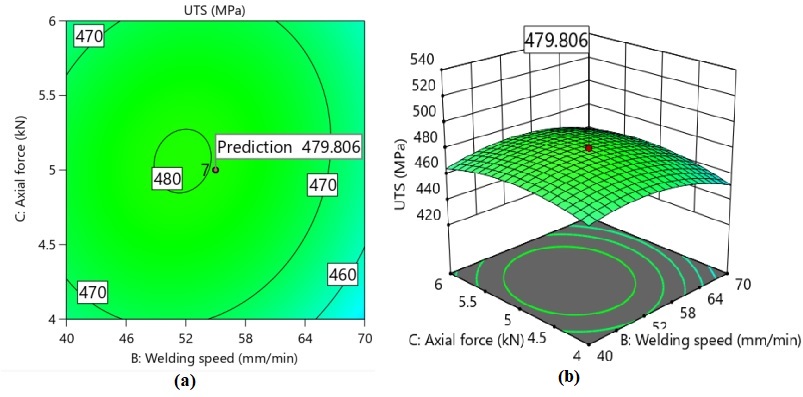
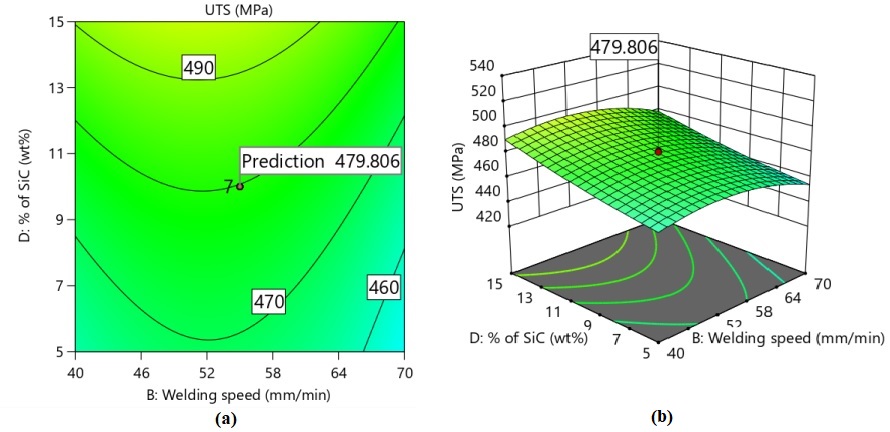
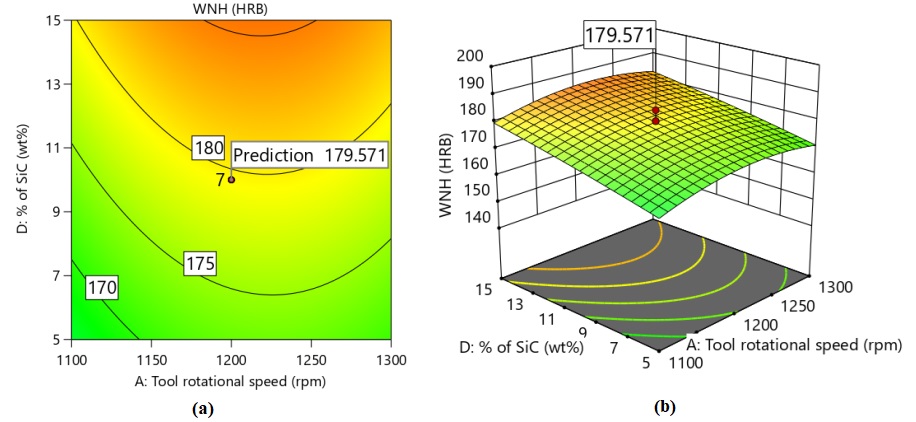
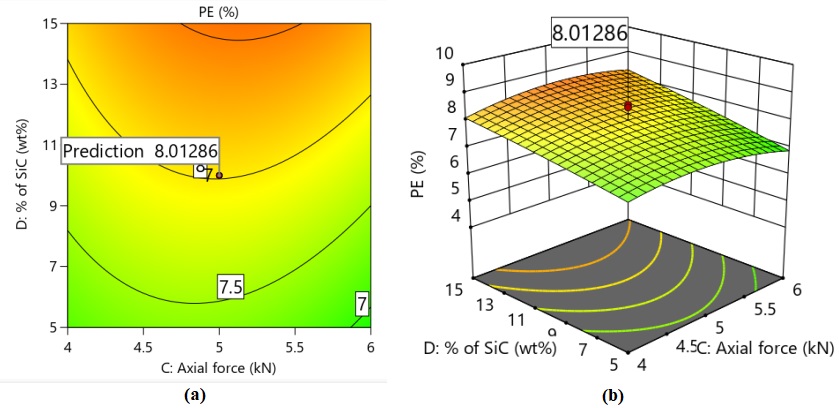
Aluminium Metal Matrix Composites (AMMCs) reinforced with a particulate form of reinforcement have emerged as a replacement for monolithic alloys in various engineering industries due to their superior mechanical properties and customizable thermal and electrical characteristics. Silicon Carbide (SiC), is renowned for its high-temperature strength, hardness, wear resistance, excellent oxidation resistance, chemical resistance, low thermal expansion, high thermal conductivity, and compatibility with aluminium alloy find extensive utilization in Shipbuilding industries. The necessity for joining AMMCs arises in numerous engineering applications. Friction Stir Welding (FSW) emerges as one of the most fitting welding processes for joining AMMCs reinforced with particulate forms of ceramics without compromising their superior mechanical properties. This study endeavours to establish regression models predicting the Ultimate Tensile Strength (UTS), Percent Elongation (PE), and Weld Nugget Hardness (WNH) of friction stir welded AA6092 matrix composite reinforced with Silicon Carbide particles (SiC). The models correlate significant parameters such as tool rotational speed (TRS), welding speed (WS), axial force (AF), and percentage of SiC reinforcement in the AA6092 metal matrix. Statistical software Design Expert, along with analysis of variance (ANOVA) and student’s t-test, is employed to validate the developed models. It is observed from the investigation that these factors independently influence the UTS, PE, and WNH of the friction stir welded composite joints. The developed regression models are optimized to maximize the UTS and WNH of friction stir welded AA6092/SiC composite joints.
Keywords:
Friction stir welding; Aluminium alloy AA6092; Silicon carbide; Hardness; Ultimate tensile strength; Response surface methodology