Performance Analysis of TiAlSiN Coated Tungsten Carbide End Milling Tool Subjected to Shallow and Deep Cryogenic Treatments
Abstract
Cryogenic treatment enhances the properties of cutting tools. This study investigates the effects of shallow and deep cryogenic treatments to TiAlSiN coated tungsten carbide tool used in end milling of maraging steel C300. Experiments are conducted in a three axis CNC vertical milling machine at various spindle speeds using TiAlSiN coated tool without cryogenic treatment (UCT), shallow (SCT) and deep (DCT) cryogenically treated coated tools. The surface finish obtained during milling of slots, built-up edge of tools and the tool wear are investigated and compared. With an increase in spindle speed, SCT tool showed an improvement of 13.3% with UCT and 33.5% with DCT. Formation of built-up edge on the cutting tools are also evaluated and compared. Tool wear is quantified, in which SCT tool showed lowest tool wear in comparison with UCT and DCT tools.
Keywords:
Cryogenic treatment; Micro structure; Tungsten carbide tool; TiAlSiN Coating; Surface roughness; End milling; Tool wear
1. Introduction
Cryogenic treatment involves in exposing materials to temperatures typically below −150 °C, for an extended period of time. This technique improves the overall performance of tool steels by modifying their micro structure. An increase in carbide density and reduction in spherical diameter and inter particle distance are reported due to deep cryogenic treatment of cutting tools resulting in better hardness and wear behavior1. Cutting tools made of Tungsten Carbide (WC-Co) materials are commonly used for machining purposes. This material influences the machining processes and tooling costs positively. However, the tungsten-coated carbide tools wear out rapidly2 resulting in uneven tool wear and poor surface quality. The build-up edge (BUE) on the tool flank and crater face also affects the surface quality of the work3. It is demonstrated that cutting tools subjected to cryogenic treatment produce less heat and have low levels of friction. The reduced friction lowers the cutting tool edges wear out frequency and thereby increases the tool life4.
Cryogenic treatment of cutting tools and workpiece material helps to improve the performance of cutting tools during metal cutting while improving the weldability and machinability of workpiece materials5. The critical cryogenic process parameters studied by researchers includes the influence of duration of soaking, soaking temperature and rate of cooling and warming. The most common cryogenic parameters identified are the soaking duration of 24 hours, soaking temperature of −196 ºC and a tempering temperature of about 200 ºC6. The effects of deep cryogenic temperature on the mechanical properties of AISI 52100 bearing steel were studied, where the effect of varying holding times on the micro structure, fatigue strength, residual austenite volume fraction, and residual stress values are analysed. It is reported that the deep cryogenic treatment reduces unwanted tensile residual stresses in materials and a more homogeneous microstructure and finer carbide precipitation are observed7.
Maraging steel finds extensive applications in aerospace industry and manufacturing. Cryogenic treatment process imparts in maraging steels, a more consistent grain structure improving their durability, improving the wear resistance and reduces fatigue failures by relieving the residual stresses. Cryogenic treatment changed the internal structure of material and thus improved the mechanical properties. Deep cryogenic treatment (DCT) (at-196 ºC) on heat-treated high-speed steel tools is found to have increased the tool hardness thereby reducing the cost of AISI M2 and AISI H13 steel8.
Several studies have been reported on the performance of beneficial coatings in milling of hard materials with better tool life and surface finish. A comparison between the performances of nanocomposite coated AlTiN and AlTiSiN tools are made under different machining parameters of speed, depth of cut and feed. An improvement in surface finish, minimum cutting force and longer tool life are reported9. DCT is found to have a significant effect on wear resistance of TiAlN coated tools during the dry turning of 40Cr steel. It is reported that DCT coated tools significantly reduced the cutting forces and cutting temperature in comparison with the uncoated and no cryogenic treated tools, at higher cutting speeds. Machinability was also improved due to DCT10. Performance of TiCN/Al2O3/TiN-coated tungsten carbide tools subjected to SCT and DCT are evaluated. The DCT tool has shown the best performance in terms of tool wear and with good surface finish11. Investigations were conducted on the effect of cutting conditions on wear performance of cryogenically treated tungsten carbide inserts in dry turning of stainless steel. It is reported that material adhesion causes the formation of built-up edge (BUE) on the cutting edges12. It is found that grain size of carbide inserts increases by 9% due to cryogenic treatment. Reduced flank wear and crater wear are observed. However, the notch wear was reported to have occurred only at lower and medium cutting speeds and feed rates. The wear rate of tungsten carbide inserts subjected to cryogenic treatment with a binder content of 25% reduced significantly due to the martensitic phase transformation of the binder element was reported13.
It is observed that the microstructure and mechanical properties of TiAlSiN nanocomposite coatings were significantly affected due to the presence of Titanium content14. High hardness of 66 GPa was attained through reactive DC magnetron sputtering method. Life of end mill tungsten carbide tools coated by TiCN and TiAlCN are reported15. The presence of coating is identified as a major parameter among the factors including such as feed rate and spindle speed that influenced the tool life. AlCrN and AlTiN coated cemented carbide inserts subjected to cryogenic treatment are used in the end milling of maraging steel under different machining conditions16. For different spindle speeds, the inserts with coating showed better tool life and reductions in cutting forces during milling. It is reported that a soaking time of 24 hours and DCT of WC-Co inserts during dry end milling gives better performance and good wear resistance of maraging steel17.
Studies have been reported on the effect of heat treatment parameters on the tool life and surface roughness of dual phase steel18. The tool life and surface roughness are significantly affected by the depth of cut and cutting speed. Studies have also reported the wear behaviour of PVD coated TiAlSiN and TiAlN tools in milling operations of pre-hardened tool steel19. TiAlSIN coating out performed TiAlN coated tools in milling. TiAlSiN coated tools provided better surface finish of the machined surfaces. Wear behavior and cutting performance of CrAlSiN and TiAlSiN hard coatings deposited by cathodic arc deposition on cemented carbide cutting tools for Ti alloys are reported20. The effects of shallow and deep cryogenic treated carbide tools in C-65 steel turning is reported to be enhanced in preliminary turning experiments with varying cutting speeds21. For relatively longer machining times, it is shown that cryogenic treatment was effective in reducing the surface roughness. The enhanced life of cutting tool inserts is attributed to the cryogenic treatment resulting in crystal structure changes in both the hard and soft binder phase of tungsten carbide and the precipitation of phase carbides21. Both the tools had high hardness after high temperature annealing. It is more beneficial to deposit coatings prior to cryogenic treatment that affects the tool wear and surface finish. However, the commercial adoptability of cryogenic treatment process is still in development stage for the hard tool materials such as tungsten carbide. The surface roughness while machining AISI cold work tool steel using coated and uncoated carbide cutting tools subjected to deep cryogenic treatment is evaluated. It is reported that under the optimum turning conditions, the surface roughness is 0.37 μm and 0.40 μm, respectively22. It is observed that the cryogenic treatment to the cutting tool improved the surface roughness with lower Ra values than the untreated cutting tools. Again, the surface roughness increased with an increase in cutting speed and feed rate23.
The literature reveals that experimental results pertaining to the performance comparison of shallow and deep cryogenic treatment of TiAlSiN coated tools in end milling of maraging steel specimen is sparse. It is vital to investigate effects of spindle speed on surface finish and wear resistance of cryogenically treated tools with hard coatings. Moreover, built-up edge formation in TiAlSiN coated milling tool are also not seen reported in literature.
Hence, this study aims to carry out the end milling of maraging steel using shallow and deep cryogenically treated TiAlSiN coated tool in a vertical CNC milling machine at different spindle speeds. The surface finish, internal structural changes of the cutting tools, formation of built-up edge and the tool wear are studied. The results are compared with the TiAlSiN coated untreated tool to investigate the influence of cryogenic treatment in end milling tool performance.
2. Materials and Methods
2.1. Experimental procedure
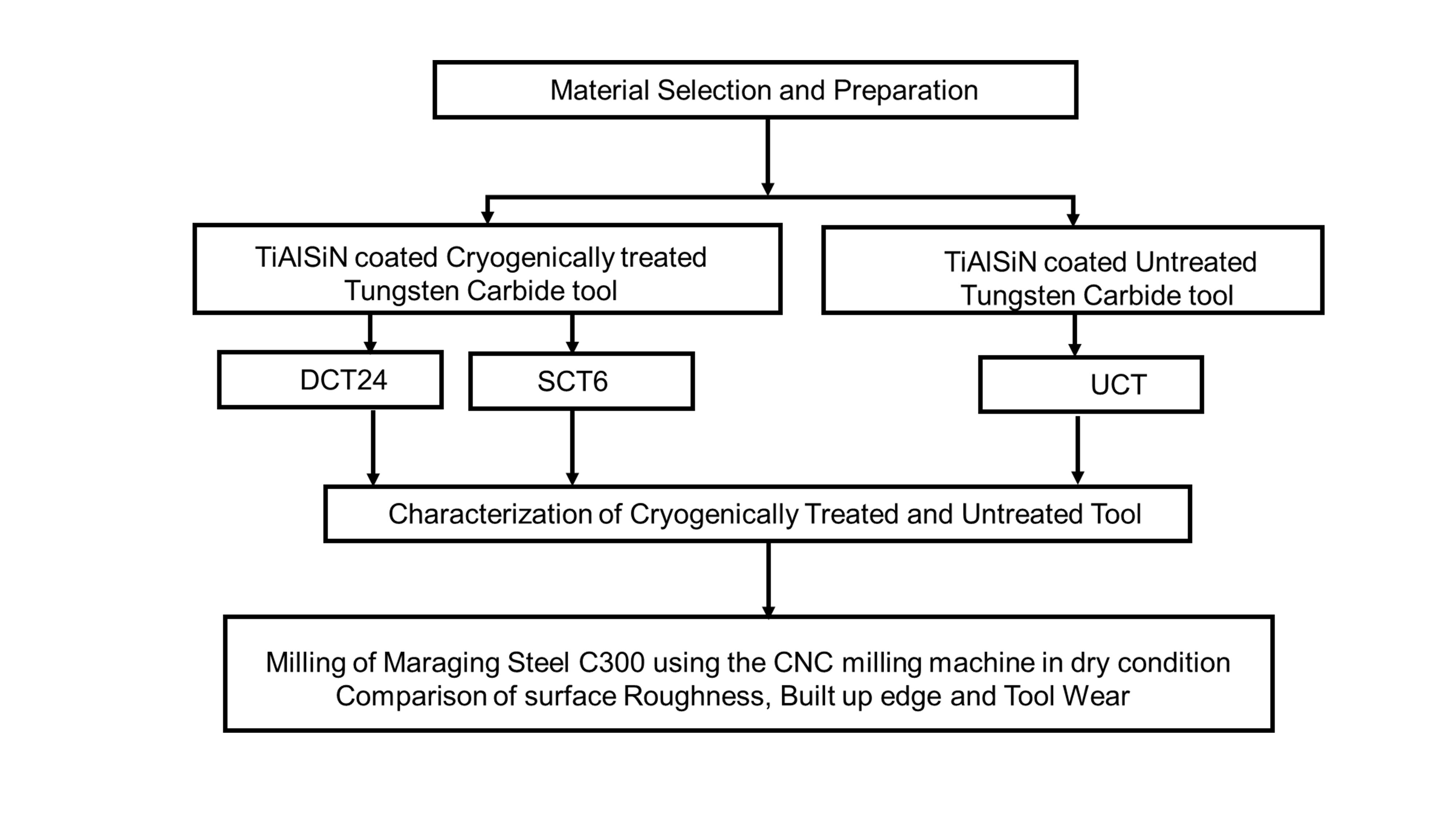
The methodology adopted in this study along with the sequence of operations is graphically shown in Figure 1.

2.2. Work piece and tool materials
In this study, the work material used is a hardened maraging steel C300 conforming to ASTM A538 in the form of plate, which is forged and annealed. The work material has dimensions of length, breadth and thickness as 200 x 100 x 8 mm. Surface of the specimen was ground to a finish of 0.2 mm. Specimen surface is cleaned with acetone in ultrasonic bath and dried in hot air before each set of milling operation. Table 1 shows the composition of the work piece material evaluated through Energy-Dispersive X-ray Spectroscopy (EDS).
The cutting tool used (Kennametal tungsten carbide-cobalt alloy ISO CCMT09T304LF) cutting tool inserts are selected having a diameter of 6mm and four flutes with a total length of 68mm. End-mills have 0.2 mm corner radius and a rake and relief angle of 35o and 10o, respectively. Before milling operation, all tools are ultrasonically cleaned in an acetone bath for 10 min duration. EDS analysis is carried out to obtain the chemical composition of the WC-Co alloy used as the cutting inserts as reported in Table 2.
TiAlSiN coated end milling tools are used in this study for performance evaluation. TiAlSiN coating was commercially deposited using the cathode pulsed arc deposition system. Coating thickness is evaluated using Scanning Electron Microscopy (SEM) and characterized using EDS analysis.
The following three types of cutting tools with nomenclature shown in Table 3 are used in this study for performance analysis in terms of surface finish obtained, built up edge (BUE) and tool wear.
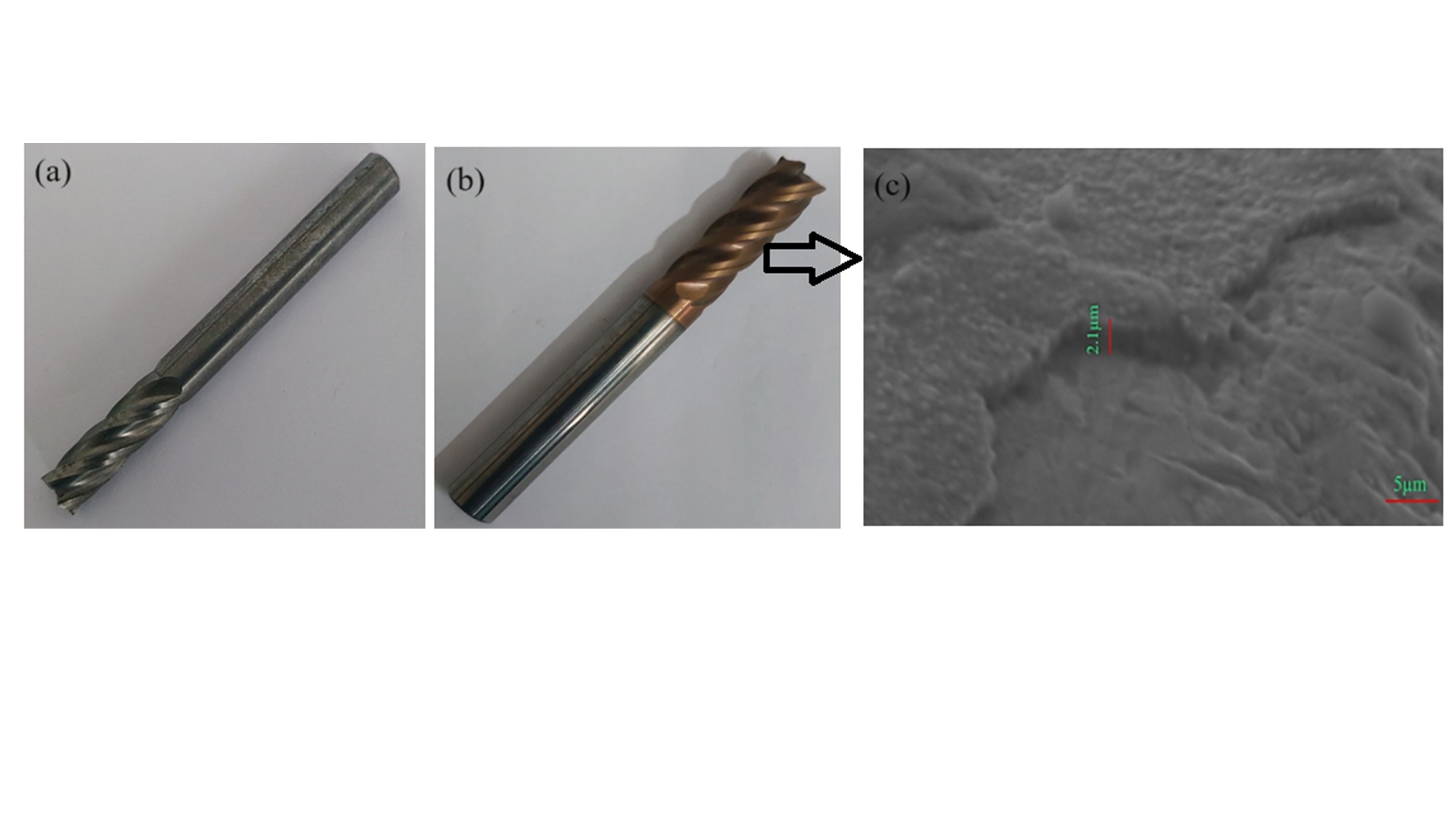
The photograph of uncoated tool, TiAlSiN coated tool and the SEM image of the coating with the measured thickness of 2.1 μm is shown in Figure 2.

a) Uncoated tool, b) TiAlSiN coating deposited on the Tungsten carbide tool c) coating thickness measured using SEM back scattering.
2.3. Cryogenic treatment
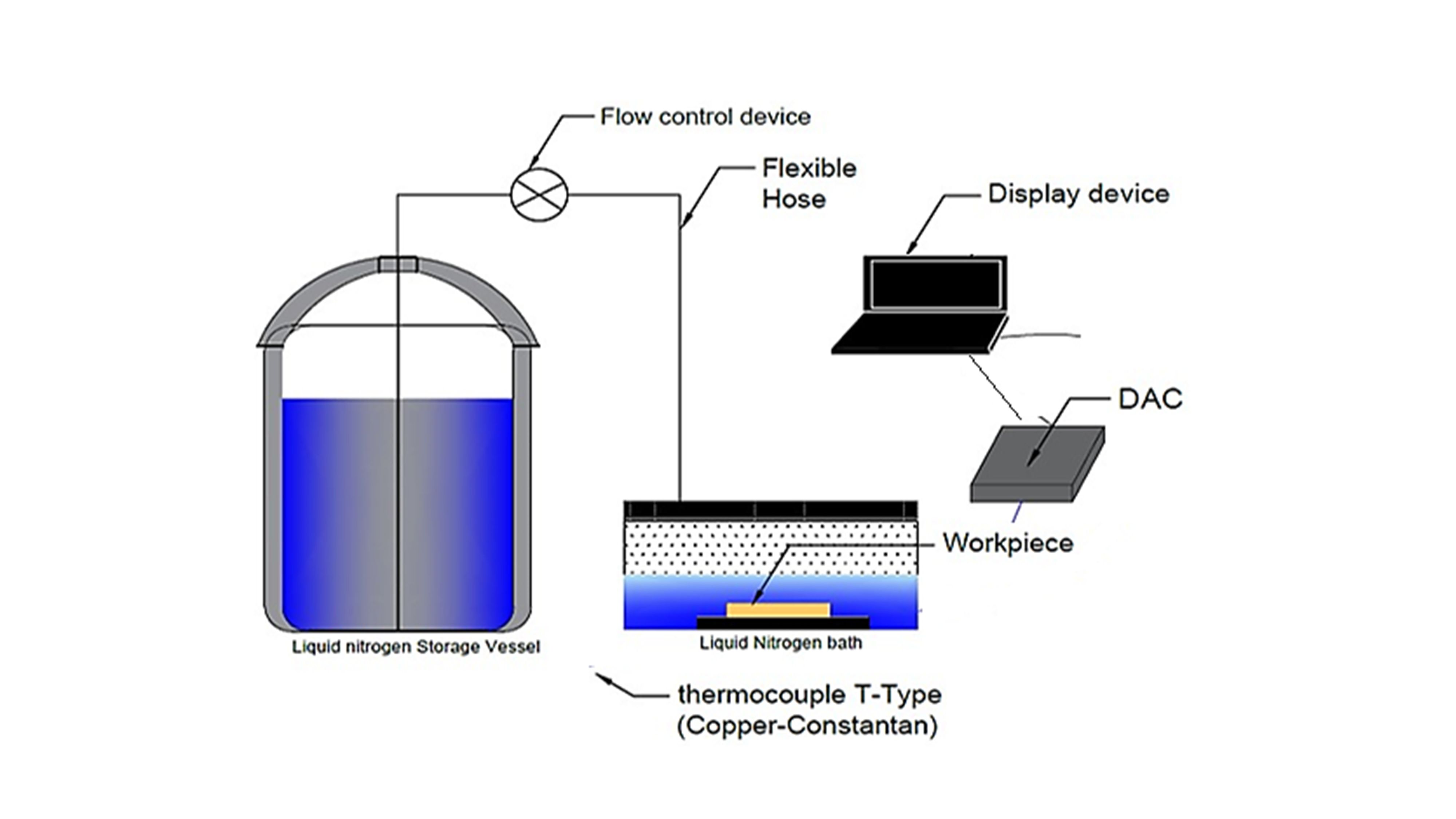
In this study, cryogenic treatment using liquid nitrogen is used to obtain low temperatures. Liquid nitrogen is a colourless, odourless, and non-toxic liquid that is obtained by cooling and compressing air. Liquid nitrogen is used in this study due to its ability to rapidly cool materials to very low temperatures while enhancing the material properties. The cryogenic treatment setup used in this study is shown in Figure 3.

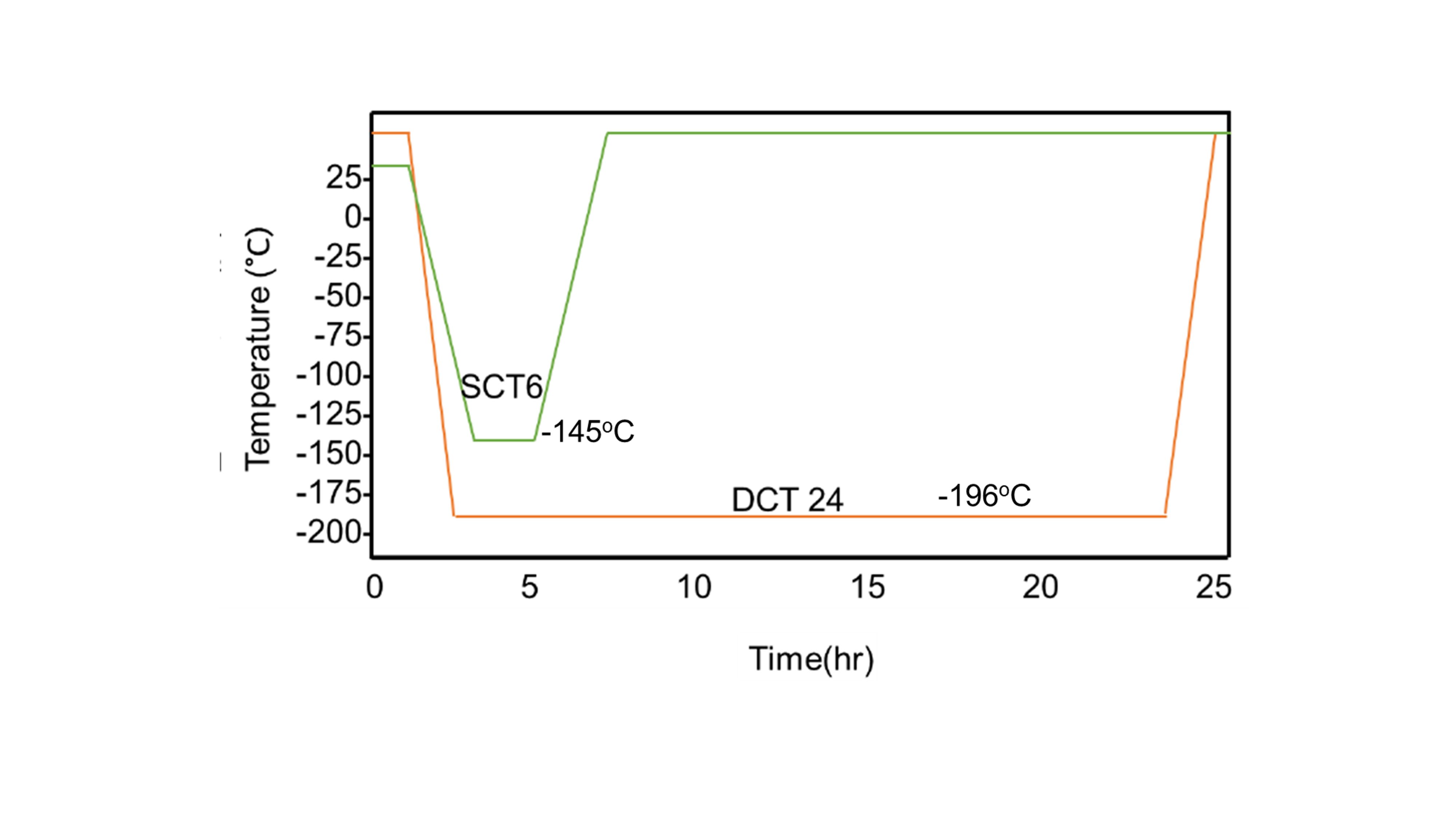
The WC-Co alloy tool coated with TiALSiN is placed in a specially designed cryo-chamber fitted with an atomizer. A controlled flow of liquid nitrogen into the chamber ensures a decrease in inside temperature at a constant rate inside the chamber. The three phases of cryogenic treatment consist of cooling, soaking and reheating. The cryogenic treatment is given at a rate of rate of 1 ºC/min to avoid potential microstructure damage to the cutting tool. In shallow cryogenic treatment (SCT) the material is held at a low temperature of -145 ºC for six hours and for DCT the material is held at a low temperature of -196 ºC for 24 hours, to allow for the molecular transitions to take place. The low temperature treatment changes the material's microstructure causing the transformation of retained austenite to martensite reducing the internal stresses and improve its ability to withstand external stresses without cracking or breaking. The physical and chemical changes in the material, such as the, the precipitation of fine carbides and the reduction of residual stresses result in significant improvements in the mechanical properties of the material such as increased hardness, wear resistance, and fatigue strength.
The temperature is then slowly raised for the material to reach the ambient temperature. The temperature is measured using a T-type thermocouple (0.5% accuracy) connected to the data acquisition system during the process. The temperature profiles of SCT6 and DCT24 treatments are shown in Figure 4.
2.4. Microhardness
Vickers microhardness values are measured on the surface of tools as per the ASTM E92-17 standard. A load of 0.5 kgf is applied for 5 seconds on each sample at 5 different locations and the average hardness values are reported
2.5 Milling experiments
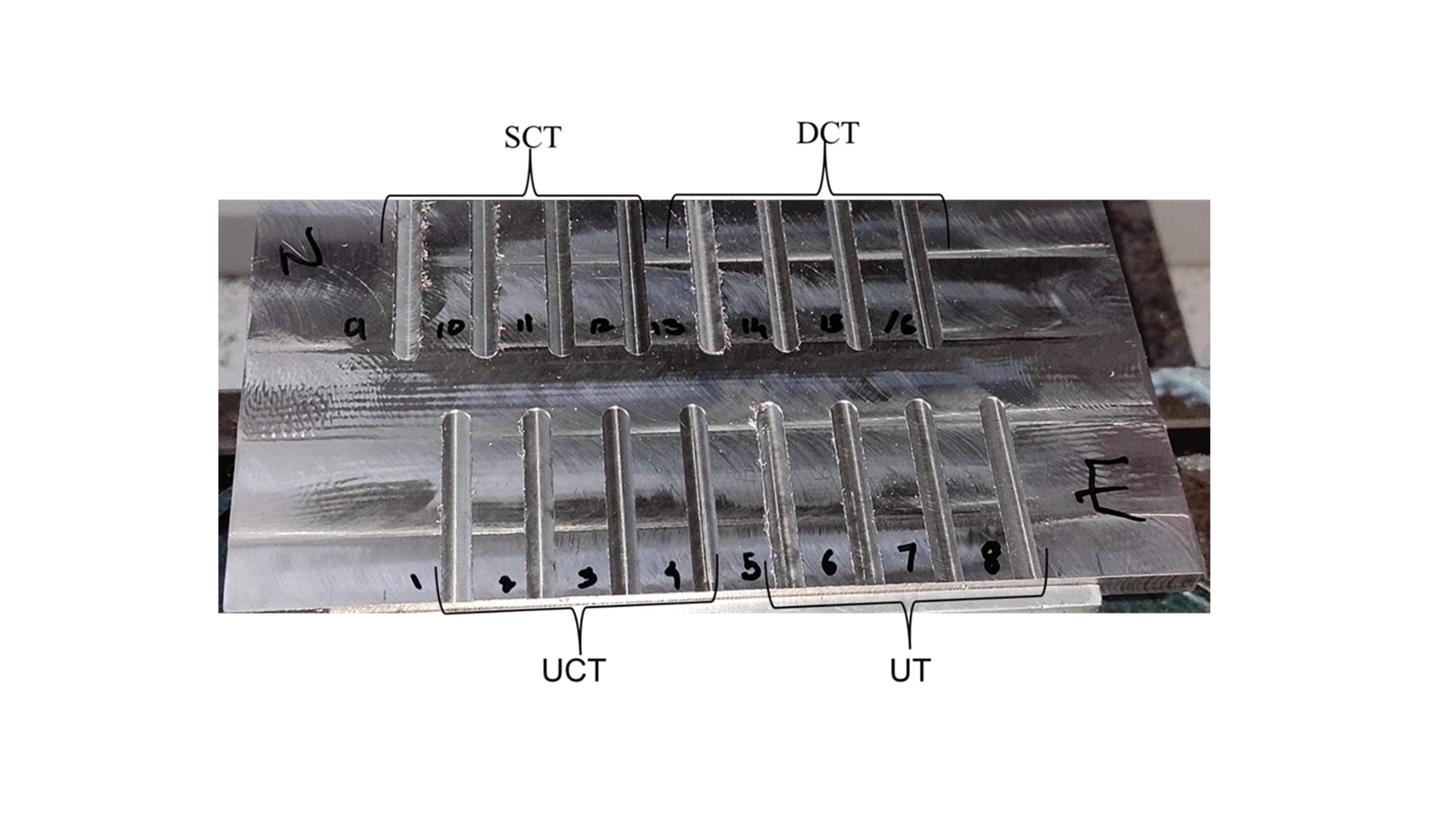
A three-axis vertical CNC milling machine is used for conducting the experiments. The milling operations to prepare the slots of designated depth of 0.2 mm are carried out using a four-flute UCT, SCT and DCT tools respectively. Spindle speeds are kept at 4000, 3000, 2000 and 1000 rpm at a feed rate of 320 mm/min. All the milling operations are carried out in dry condition. Three sets of slots are machined using each type of the tool. One set of slots are machined using untreated and uncoated tool as well. The slots 1,2,3,4 prepared using UCT tool at various speeds 4000, 3000, 2000 and 1000 rpm respectively and slots prepared using DCT and SCT tools are shown in Figure 5.
After the milling experiments, built up edges of the cutting tool are analysed using EDS analysis and the tool wear was observed through surface profilometry and quantified by means of calculating wear volume.
2.6. Surface roughness
The surface roughness values of the machined surface (Ra and Rq) are measured using the Mitutoyo Surftest SJ 210 machine. The cut-off length used was chosen as 4 mm, and the measurements are made at four different locations and the average values are reported.
3. Results and Discussion
3.1. Microhardness
Results of microhardness values of the tools and the work piece material are reported in Table 4
The microhardness on three different TiAlSiN coated tools; UCT, DCT24, and SCT6, are evaluated for their hardness. Comparing these results, it can be seen that the SCT6 tool exhibited the highest hardness with an increase of 2.4% compared to the UCT tool. On the other hand, the DCT24 tool showed a decrease in hardness of 6.1% compared to the UCT tool. cryogenically untreated tool surface had higher microhardness in comparison with deep cryogenically treated tool. However shallow cryogenic ally treated tool had highest hardness value. This is due to the densification of the cobalt binder after the cryogenic treatment which was pronounced for the case of SCT tool. Whereas in the case of DCT tool, compressive stresses in carbide phase and tensile stresses in Cobalt phase has caused residual stresses which reduced the microhardness.
3.2. Surface finish
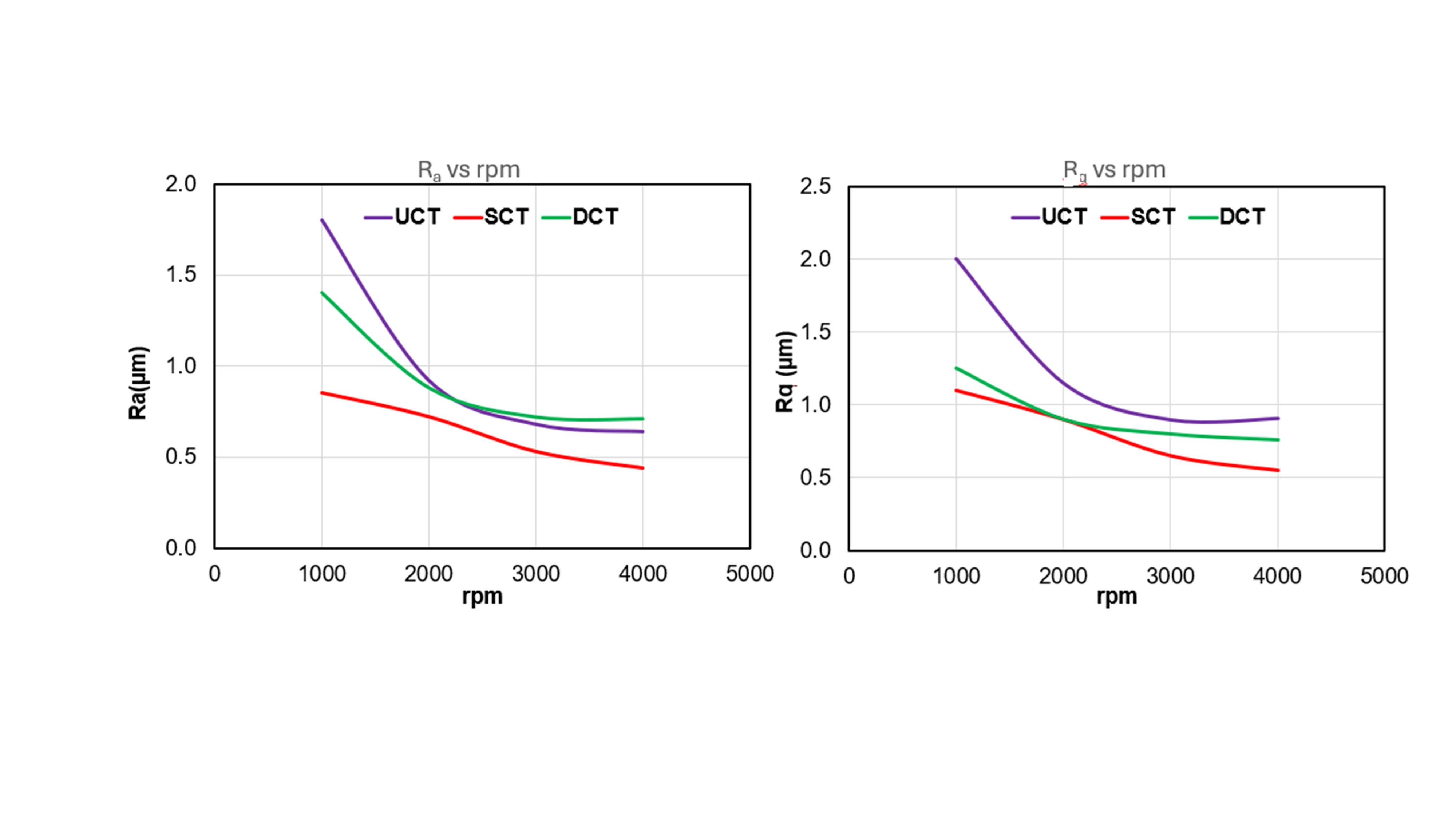
Figure 6 presents the surface roughness values obtained for the case four different specimen studied.
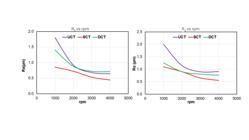
The surface finish improved as the spindle speed increased for all the types of tools, i.e., UCT SCT6, and DCT24. SCT6 tool demonstrated the best improvement in surface finish compared to all other cases, particularly at lower rpm. At lower rpm, the SCT6 tool improved the surface finish by 21.3% compared to the UCT tool, and 15.6% compared to the DCT24 tool. At higher rpm, SCT6 tool still improved the surface finish value by about 13.3% compared to the coated untreated tool, and 33.5% compared to the DCT24 tool respectively. After Cryogenic treatment, changes in crystal structure happens in both the hard and soft binder phase of tungsten carbide. This might have been responsible for the enhanced surface finish in the case of SCT and DCT tools21.
3.3. Characterization of cutting edges of tools
The elemental composition of cutting edges for different tool surfaces are measured and compared using SEM-EDS analysis and reported in Table 5. Moreover, the surface’s microstructures of uncoated Tungsten-carbide tools are shown in Figure 7 a-c.
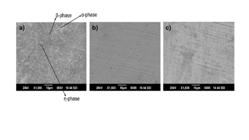
SEM images of the surface microstructure of tools a) WC-Co cutting tool without any coating b) tool subjected to SCT and c) tool subjected to DCT.
Uncoated tools not subjected to cryogenic treatment has microstructure consisting of α [Co], β [W]], and η (Co3W3C and Co6W6C)-phases14,24,25, which can be identified through SEM imaging. Cryogenic treatment refined the coarse, randomly-distributed η phase particles to their stable form and reduced the microscopic surface defects, thereby improving the surface integrity as indicated in Figure 7b and c.
The surface microstructure of TiAlSiN coated cutting tools of cryogenically untreated (UCT), shallow and deep cryogenically treated tools are shown in Figure 8a-c.
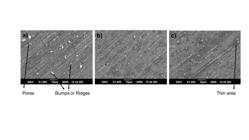
SEM images of the surface microstructure of TiAlSiN coated cutting tools, a) UCT b) SCT and c) DCT.
TiAlSiN coatings have smaller grain size compared to the tungsten carbide, which resulted in higher hardness due to the hindrance to the dislocation movement. Residual stresses are introduced during the deposition process of TiAlSiN coatings and the cryogenic treatment relaxed these stresses, leading to improved tool hardness and performance. Further, the incorporation of Si and Al into TiAlSiN coatings enhanced the mechanical and wear behaviors through the formation of tribo-films of alumina and silica. This has significantly increased the wear resistance of TiAlSiN coated cryogenically treated tool.
During the deposition of TiAlSiN coatings, residual stresses are introduced due to various factors, including differences in the thermal expansion coefficients of the coating and substrate, differences in the crystal structure between the coating and substrate and the ion bombardment during the deposition process. These residual stresses have a significant impact on the performance of the coating and the substrate, including adhesion of coating, wear resistance and fracture resistance.
There is a risk that the stress relaxation process may cause cracking or delamination of the coating. This is because during DCT process, the thermal stresses that are present in the coating are reduced and this relaxation can lead to a mismatch in stress between the coating and the substrate, leading to cracking and delamination, by which coating gets deposited onto the non-cutting edge of the tool.
3.4. Formation of built-up edge
The built-up of edge (BUE) is a common issue during the metal cutting operations that can negatively impact the tool performance and lifespan. Figure 9 depicts the built-up edges of milling tools.

Surface treatments such as SCT and DCT can improve the wear resistance and toughness of cutting tools, reducing the development of BUE and other wear-related issues. However, the DCT process can also induce residual stresses that may lead to cracking of the cutting edges of TiAlSiN coated tools, highlighting the importance of the post-treatment process for cutting tools.
The BUE is a phenomenon that occurs during cutting operations when work material welds onto the edge of the cutting tool due to the high cutting pressure. This welding action can cause a buildup of material on the tool edge, which can negatively impact the cutting performance of the tool. However, the flow of chips generated during the cutting process can help to remove the built-up edge over time. As the chips flow over the surface of the tool, they can gradually remove the material that has accumulated on the tool edge.
EDS analysis of the cutting edges of the tools showed the presence of oxygen, indicating the formation of oxide films. The formation of alumina and silica tribo-films have significantly increased the wear resistance of coated tools. These tribo- films are also responsible for the wear protection of the TiAlSiN coatings which has resulted in a better surface finish on maraging steel. Overall, the incorporation of Si and Al and the formation of tribo-films are found to be the key factors in improving the hardness and wear behavior of TiAlSiN coated tools.
In the case of SCT tool, the BUE removal process is found to be more efficient due to the improved wear resistance of the tool. Additionally, the reduction in BUE helped to mitigate the development of crater wear, chipping, and notch wear, resulting in improved tool life and performance. In the case of DCT, the tool's improved toughness and wear resistance helped to prevent the formation of BUE during cutting.
3.5. Tool wear
The surface topography of the UCT, DCT and SCT tool surfaces before and after milling operations are shown in Figure 10. It is observed that the average roughness of tool surfaces measured at three different locations are 0.82, 0.91 and 0.88, 0.66, 0.52 and 0.38 μm respectively for UCT, DCT and SCT tools respectively.
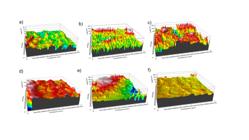
Surface profiles of cutting tools a) UCT, b) SCT and c) DCT tools before and (d-f) after milling experiments.
Tool wear is quantified by computing the volume loss measured using microscopic images of the worn surfaces and the volume is calculated using the 3D surface profile. For this purpose, average surface profile heights are calculated corresponding to each line data which is multiplied by the area under measurement, which is 500 x 500 μm2 as indicated in Figure 8. After each set of experiment, average values are calculated and reported in Table 6.
In the case of the SCT6 tool, it is observed that the tool wear is less compared to the UCT and DCT tools. This is attributed to the improved mechanical and physical properties of the SCT tool resulted due to the cryogenic treatment. In addition to the TiAlSiN coating, cryogenic treatment refined the microstructure of the tool, leading to improvement in wear resistance.
4. Conclusions
Tungsten carbide end milling tools are coated with TiAlSiN and then subjected to shallow and deep cryogenic treatment. Maraging steel has been machined using untreated tool (UCT) shallow and deep cryogenically treated tools (SCT and DCT). Surface finish, built-up edges and tool wear are assessed to evaluate the performance of milling tools with TiAlSiN coating and cryogenic treatment.
Following conclusions are drawn from the studies:
-
The microhardness on three different TiAlSiN coated tools; UCT, DCT24, and SCT6, are evaluated for their hardness. It is observed that the SCT6 tool exhibited the highest hardness with an increase of 2.4% compared to the UCT tool. On the other hand, the DCT24 tool showed a decrease in hardness of 6.1% compared to the UCT tool.
-
It is found that the surface finish improved as the spindle speed increased for all the types of tools, i.e., UCT SCT6, and DCT24. In these, SCT6 tool demonstrated the best improvement in surface finish compared to all other cases, particularly at lower rpm. At lower rpm, the SCT6 tool improved the surface finish by 21.3% compared to the UCT tool, and 15.6% compared to the DCT24 tool. At higher rpm, SCT6 tool improved the surface finish value by about 13.3% compared to the UCT and 33.5% compared to the DCT24 tool respectively.
-
The Formation of Bult-up edge was reduced in the case of SCT tool in comparison with UCT and DCT tools.
-
The formation of alumina and silica tribo-films has been found to have significantly increased the wear resistance of cryogenically treated and TiAlSiN coated tools.
-
Wear rate of SCT tool was lowest in comparison with UCT and DCT tools in that order.
5. References
- 1 Korade D, Ramana KV, Jagtap K. Influence of cryogenic treatment on the tribological behaviour of AISI H21 tool steel. Mater Res. 2018;22:e20170745.
- 2 Guo K, Gou G, Lv H, Shan M. Jointing of CFRP/5083 aluminum alloy by induction brazing: processing, connecting mechanism, and fatigue performance. Coatings. 2022;12(10):1559.
- 3 Ghosh S, Rao PV. Comparison between sustainable cryogenic techniques and nano-MQL cooling mode in turning of nickel-based alloy. J Clean Prod. 2019;231:1036-49.
- 4 Devi C, Mahalingam SK, Cep R, Kouril K. Effect of cryo-treated cutting tool end milling on custom 450 stainless steel. Materials (Basel). 2023;16(13):4744.
- 5 Uygur I, Gerengi H, Arslan Y, Kurtay M. The effects of cryogenic treatment on the corrosion of AISI D3 steel. Mater Res. 2015;18:569-74.
- 6 Padmakumar M, Dinakaran D. A review on cryogenic treatment of tungsten carbide (WC-Co) tool material. Mater Manuf Process. 2021;36(6):637-59.
- 7 Kara F, Çiçek A, Demir H. Effect of deep cryogenic treatment on microstructure, mechanical properties, and residual stress of AISI 52100 bearing steel. Engineered Science. 2023;26:960.
- 8 Molinari A, Pellizzari M, Gialanella S, Straffelini G, Stiasny KH. Effect of deep cryogenic treatment on the mechanical properties of tool steels. J Mater Process Technol. 2001;118(1-3):350-5.
- 9 Das A, Kamal M, Das SR, Patel SK, Panda A, Rafighi M, et al. Comparative assessment between AlTiN and AlTiSiN coated carbide tools towards machinability improvement of AISI D6 steel in dry hard turning. Proc Inst Mech Eng, C J Mech Eng Sci. 2022;236(6):3174-97.
- 10 He HB, Han WQ, Li HY, Li DY, Yang J, Gu T, et al. Effect of deep cryogenic treatment on machinability and wear mechanism of TiAlN coated tools during dry turning. Int J Precis Eng Manuf. 2014;15:655-60.
- 11 Özbek NA. Effects of cryogenic treatment types on the performance of coated tungsten tools in the turning of AISI H11 steel. J Mater Res Technol. 2020;9(4):9442-56.
- 12 Özbek NA, Çiçek A, Gülesin M, Özbek O. Effect of cutting conditions on wear performance of cryogenically treated tungsten carbide inserts in dry turning of stainless steel. Tribol Int. 2016;94:223-33.
- 13 Muthuswamy P, Dinakaran D. Evaluation of mechanical and metallurgical properties of cryo-treated tungsten carbide with 25% cobalt. Mater Today Proc. 2021;43:3463-9.
- 14 Ma Q, Li L, Xu Y, Ma X, Xu Y, Liu H. Effect of Ti content on the microstructure and mechanical properties of TiAlSiN nanocomposite coatings. Int J Refract Met Hard Mater. 2016;59:114-20.
- 15 Chung-Chen T, Hong H. Comparison of the tool life of tungsten carbides coated by multi-layer TiCN and TiAlCN for end mills using the Taguchi method. J Mater Process Technol. 2002;123(1):1-4.
- 16 Varghese V, Akhil K, Ramesh MR, Chakradhar D. Investigation on the performance of AlCrN and AlTiN coated cemented carbide inserts during end milling of maraging steel under dry, wet and cryogenic environments. J Manuf Process. 2019;43:136-44.
- 17 Varghese V, Ramesh MR, Chakradhar D. Influence of deep cryogenic treatment on performance of cemented carbide (WC-Co) inserts during dry end milling of maraging steel. J Manuf Process. 2019;37:242-50.
- 18 BM G, Hindi J, Hegde A, Sharma S, Kini A. Effect of machining parameters on tool life and surface roughness of AISI 1040 dual phase steel. Mater Res. 2022;25:e20210351.
- 19 Sousa VF, Silva FJ, Alexandre R, Fecheira JS, Silva FP. Study of the wear behaviour of TiAlSiN and TiAlN PVD coated tools on milling operations of pre-hardened tool steel. Wear. 2021;476:203695.
- 20 Chang YY, Lai HM. Wear behavior and cutting performance of CrAlSiN and TiAlSiN hard coatings on cemented carbide cutting tools for Ti alloys. Surf Coat Tech. 2014;259:152-8.
- 21 Gill SS, Singh H, Singh R, Singh J. Flank wear and machining performance of cryogenically treated tungsten carbide inserts. Mater Manuf Process. 2011;26(11):1430-41.
- 22 Kara F, Takmaz A. Optimization of cryogenic treatment effects on the surface roughness of cutting tools. Mater Test. 2019;61(11):1101-4.
- 23 Bayraktar F. Investigation of the effect on surface roughness of cryogenic process applied to cutting tool. Int J Anal Exp Finite Elem Anal. 2020;7(2):19-27.
- 24 Chinnasamy M, Rathanasamy R, Samanta B, Pal SK, Palaniappan SK, Muthuswamy P, et al. Implications of cryogenic treatment on microstructure, phase formation, mechanical and tribological properties of tungsten carbide cutting bits with varying cobalt content for mining applications. Int J Refract Met Hard Mater. 2023;117:106421.
- 25 Chinnasamy M, Rathanasamy R, Samanta B, Pal SK, Palaniappan SK, Korrayi RR, et al. Microstructure evolution, phase formation, mechanical and tribological response of deep cryogenically treated hard WC-6% Co cutting bits. J Mater Res Technol. 2023;27:1293-306.