
 INITIATION TO TEACHING IN PHYSICAL EDUCATION: BIBLIOMETRIC REVIEW OF KNOWLEDGE PRODUCTION IN SCIENTIFIC JOURNALS
Abstract
This bibliometric review aims to analyze the production of knowledge on the initiation of teaching in Physical Education conducted through an Institutional Program. The articles were searched in electronic databases and 18 articles were found, published in nine scientific journals. The analysis showed that few journals in Physical Education and other areas of knowledge have published on the topic and the population in focus. The publications on PIBID Physical Education began in 2014, with an increase between 2017 and 2019, followed by a decline from 2020 onwards. There was a shortage of authors who consistently studied the theme as their primary object of research. There was also a predominance of studies developed in the South, especially at the Universidade Federal de Santa Maria. Furthermore, the pedagogical axis and keywords PIBID, training and Physical Education were highlighted, along with a predominance of qualitative methodological design in scientific dissemination.
Keywords
PIBID; Institutional Program; Teacher training; Bibliometrics
Resumo
Esta revisão bibliométrica tem como objetivo analisar a produção de conhecimento sobre a iniciação à docência em Educação Física realizada por meio de um Programa Institucional. Os artigos foram rastreados em bases de dados eletrônicos e foram encontrados 18 artigos, publicados em nove periódicos científicos. A análise evidenciou que poucos periódicos da Educação Física e de outras áreas do conhecimento têm publicado sobre o tema e a população em tela. A publicação sobre o PIBID Educação Física foi iniciada no ano de 2014, com aumento nos anos de 2017 a 2019 e declínio a partir de 2020. Observou-se escassez de autores com continuidade da temática como seu objeto de estudo. Constatou-se ainda predominância de estudos desenvolvidos na região Sul, especialmente na Universidade Federal de Santa Maria. Além disso, evidenciou-se o eixo pedagógico e as palavras-chave PIBID, formação e Educação Física, juntamente com o delineamento metodológico qualitativo como predominante na divulgação científica.
Palavras-chave
PIBID; Programa Institucional; Formação Docente; Bibliometria
Resumen
Esta revisión bibliométrica tiene como objetivo analizar la producción de conocimiento sobre la iniciación a la enseñanza en Educación Física realizada a través de un programa institucional. Los artículos fueron buscados en bases de datos electrónicas y se encontraron 18 artículos, publicados en nueve revistas científicas. El análisis mostró que pocas revistas de Educación Física y otras áreas del conocimiento han publicado sobre el tema y la población en foco. La publicación sobre PIBID en Educación Física comenzó en 2014, con un aumento entre 2017 y 2019, seguido de una disminución a partir de 2020. Faltaron autores que continuaran estudiando el tema como su principal objeto de investigación. También hubo predominio de estudios desarrollados en la región sur, particularmente en la Universidad Federal de Santa María. Además, se destacaron el enfoque pedagógico y las palabras clave PIBID, formación y Educación Física, junto con el diseño metodológico cualitativo, que fue predominante en la divulgación científica.
Palabras clave
PIBID; Programa Institucional; Formación del profesorado; Bibliometría
1 INTRODUCTION
During teacher training, it is necessary to bridge the gap between higher education institutions and schools, as this experience allows undergraduate students to engage with their future work environment while still in their initial training. However, 4challenges are faced in teacher training, including the discrepancies between theory and practice, as well as between universities and schools. Consequently, educational policies emerge intending to overcome these challenges in teacher training (Lima et al., 2019).
In 2007, the Coordination for the Improvement of Higher Education Personnel (CAPES) launched the Institutional Program for Teaching Initiation Scholarships (PIBID), providing paid teaching initiation scholarships to undergraduate students in teacher training programs at federal institutions (CAPES, 2007). Initially, scholarships were primarily awarded to students majoring in Mathematics, Physics, Chemistry, and Biology. Other teaching training programs, including Physical Education, and other administrative spheres (state, municipal, private) began to be included in 2009 (Pinto, 2015).
The teaching initiation scholarship allows undergraduate students in teacher training to start applying theoretical learning to professional practice without having to wait for mandatory internships or actual teaching positions. The scholarship should be offered to students in the early stages of undergraduate programs, and activities must be carried out in public schools (state, municipal, and/or federal). The selection of public schools aims to leverage program experiences to enhance the quality of education offered in these school environments, while also expanding and improving the training of future teachers (CAPES, 2009).
The PIBID program enhances and shapes future professional practice, expanding initial training and providing valuable lessons for aspiring Physical Education teachers. In this regard, the connection between higher education institutions and schools becomes a multifaceted and ongoing relationship, allowing scholarship recipients to experience collaborative teaching, interdisciplinary activities in schools, produce research related to teaching, and participate in national and international academic conferences in the field (Matter et al., 2019).
Since the establishment of PIBID, research has been conducted and published, leading to the systematization of knowledge, particularly in the field of Physical Education. In the current state of research examining knowledge production about PIBID in Physical Education, two notable scientific articles (Santos; Sacardo, 2020; Reis; Simões, 2019) conducted literature reviews of theses and dissertations on this topic available in the CAPES Thesis and Dissertation Database. Santos and Sacardo (2020) examined the period from 2009 to 2016, identifying 14 studies, while Reis and Simões (2019) focused on publications from 2012 to 2017, finding 20 works.
Given the lack of bibliometric studies on PIBID Physical Education that prioritize published articles and the importance of analyses on teacher initiation, this article aims to analyze the knowledge production on teacher initiation in Physical Education through an Institutional Program that provides scholarships to teacher training students in Brazil. It examines the journals and publication years of articles, the main researchers-authors on the topic, the states and higher education institutions where PIBID activities were conducted, the type of study, thematic focus, and keywords of each publication.
2 METHODOLOGICAL PROCEDURES
2.1 RESEARCH DESIGN
This study is characterized as a theoretical investigation with a bibliometric approach. The bibliometric review aims to reveal trends in literature and establish bibliometric indicators used to analyze the frequency of article authorship by field, institutions, authors, locations, citations, and other consistent and relevant information from scientific publications (Okubo, 1997).
The eligibility criteria for selecting the screened studies in this bibliometric review were: a) articles published in scientific journals; b) teaching initiation in PIBID (sociocultural and pedagogical aspects); c) Physical Education Teacher Training programs; d) published from 2009 to 2022 (time frame applied to electronic databases, due to the start of grant allocation to Physical Education Teacher Training programs in 2009). The exclusion criteria were: initiation to teaching outside of PIBID and/or in other fields of knowledge.
2.2 SEARCH STRATEGIES
The electronic database search was conducted on February 15, 2023, covering the research timeframe (2009-2022). The selection of databases is based on the following criteria:
-
Scientific Electronic Library Online (SciELO); Scopus; Web of Science: reference databases used by CAPES Area 21 for evaluating scientific journals in the field of Physical Education, which is the subject of this review.
-
Latin American and Caribbean Health Sciences Literature (LILACS): a comprehensive specialized health database that includes Physical Education and indexes various Brazilian journals in this field, particularly those focused on pedagogical and sociocultural issues.
-
SPORTDiscus: a database focused on Sports Sciences that specifically covers and highlights knowledge produced in the field of Physical Education.
Thus, we sought to cover a variety of databases with different focuses to expand the number of published articles on the topic under consideration.
To operationalize the search for articles, the following descriptors were used in Portuguese: “iniciação à docência” OR PIBID AND “Educação Física”; in Spanish: “Iniciación a la enseñanza” OR PIBID AND “Educación Física”; and in English: “Initiation to teaching” OR PIBID AND “Physical Education”.
Two researchers independently searched for articles. There was no need for a third investigator to reach a consensus, as there was no disagreement. The initial search phase was conducted automatically in electronic databases by entering the descriptors into the search field. The second stage, also automated, involved applying filters (country - Brazil; document types - articles, review articles; time frame - 2009-2022; languages - Portuguese, English, Spanish). The third stage involved exporting the tracked articles to ENDNOTE software after applying the filters.
Following automated searches, a manual search was conducted, beginning with the removal of duplicate articles found across databases. In the second stage, titles were reviewed, followed by abstracts in the third stage, and finally, full articles were read in the fourth stage. During the reading stages, articles were selected based on eligibility criteria.
2.3 DATA ANALYSIS
The data was analyzed using the following categories: scientific journals (Pensar a Prática, Caderno de Educação Física e Esporte, Motrivivência, Revista Contemporânea de Educação, Revista Educación Física y Ciência, Revista Contemporânea de Educação, Motricidade, Holos, Revista Brasileira de Ciência e Movimento, Educação Física em Revista); year of publication (2009-2022); researchers (names); states (Rio Grande do Sul, Santa Catarina, Paraná, São Paulo, Espírito Santo, Mato Grosso, Minas Gerais, Bahia, Ceará); higher education institutions (Universidade Federal de Santa Maria, Universidade Federal do Vale do São Francisco, Universidade do Estado de Mato Grosso, Universidade Estadual Paulista, Universidade Federal do Espírito Santo, Universidade Estadual de Feira de Santana, Universidade Feevale, Universidade Estadual do Oeste do Paraná, Universidade Federal do Rio Grande do Sul, Universidade Estadual de Montes Claros, Universidade do Estado de Santa Catarina, Instituto Federal de Educação, Ciência e Tecnologia do Ceará, Universidade do Estado da Bahia); type of study (quantitative, qualitative); thematic axis (sociocultural, pedagogical); keywords (PIBID, Initial training, School physical education, Career entry, Beginning teachers, Teacher training, Professional training, Education, Beginning teaching, Physical education, Teaching, Training paths, Continuing training, Teachers, Childhood, Public policy, Self-efficacy, Everyday school life, Degree, Ethnology, Culture, Social policy, Dance, Professional training, Planning, Teacher learning, Self-narratives, Curriculum, Policy). The data were analyzed using descriptive statistics (absolute frequency).
3 RESULTS
The initial automated article selection process, using descriptors in the database search fields, yielded 110 publications. The second stage involved applying filters to the databases and identified 93 articles. The manual search began by removing duplicate articles, leaving 61 articles. After reviewing the titles, 22 articles remained, and after reading the abstracts, 21 texts were selected. The final stage of the manual search involved reading the articles in full, resulting in a total of 18 articles selected for analysis.
The analysis of the articles began by identifying the scientific journals that published papers on PIBID in Physical Education (Figure 1), revealing that, out of the seven journals identified, five are in the field of Physical Education, one in Education and Human and Social Sciences, and one is interdisciplinary. The journals that have published the most articles are Pensar a Prática and Caderno de Educação Física e Esporte (four articles each), followed by Motrivivência (three articles).
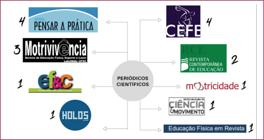
Figure 2 shows the number of publications per year, revealing that although PIBID began in Physical Education in 2009, the first publication in scientific journals in this field only occurred in 2014 (one), with the highest number of publications in 2017 (three), 2018 (four), and 2019 (three).

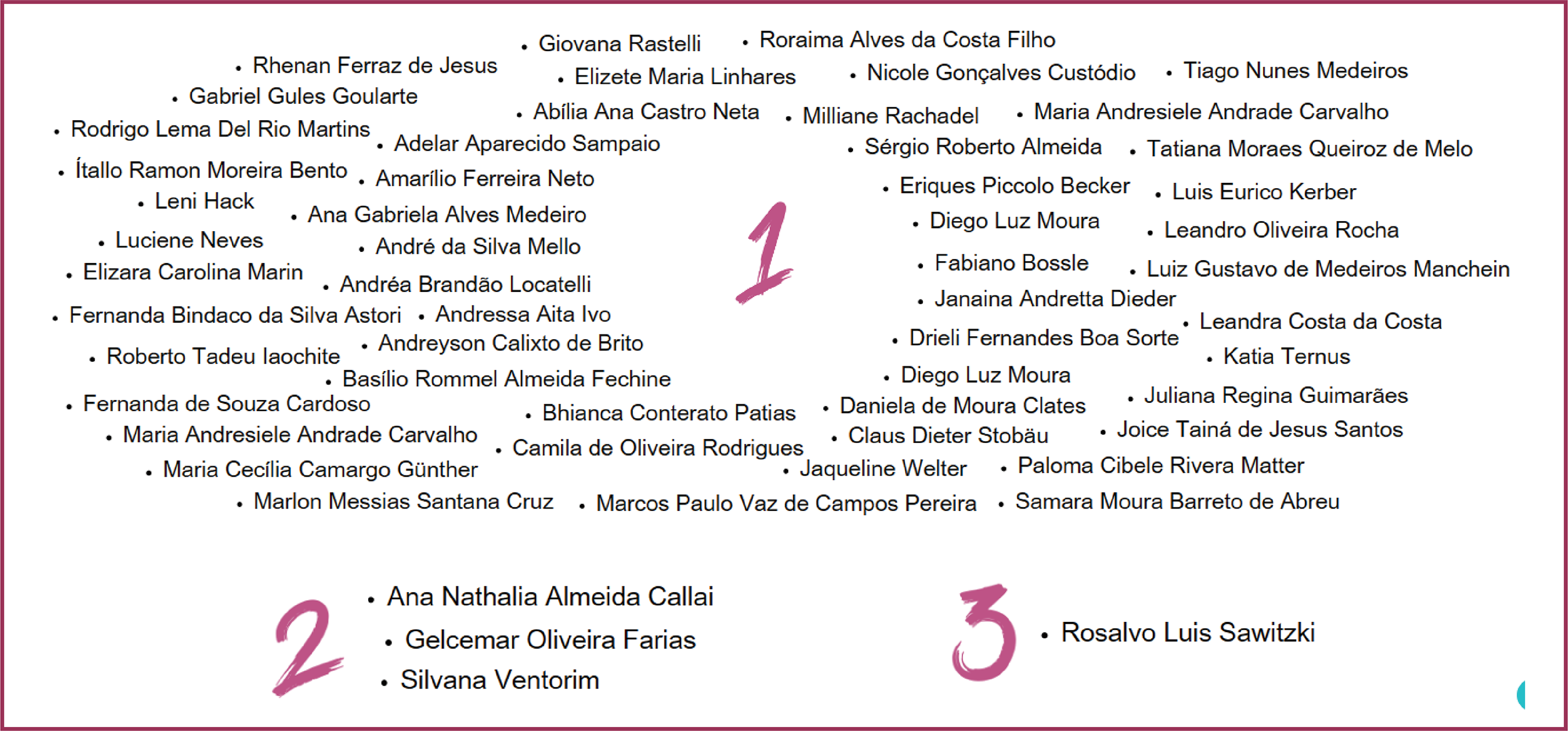
Figure 3 shows a large number of researchers (52) with only one published article on PIBID in Physical Education, as well as three professors with two published studies and only one professor continuing to focus on this topic as a research area, with three publications.

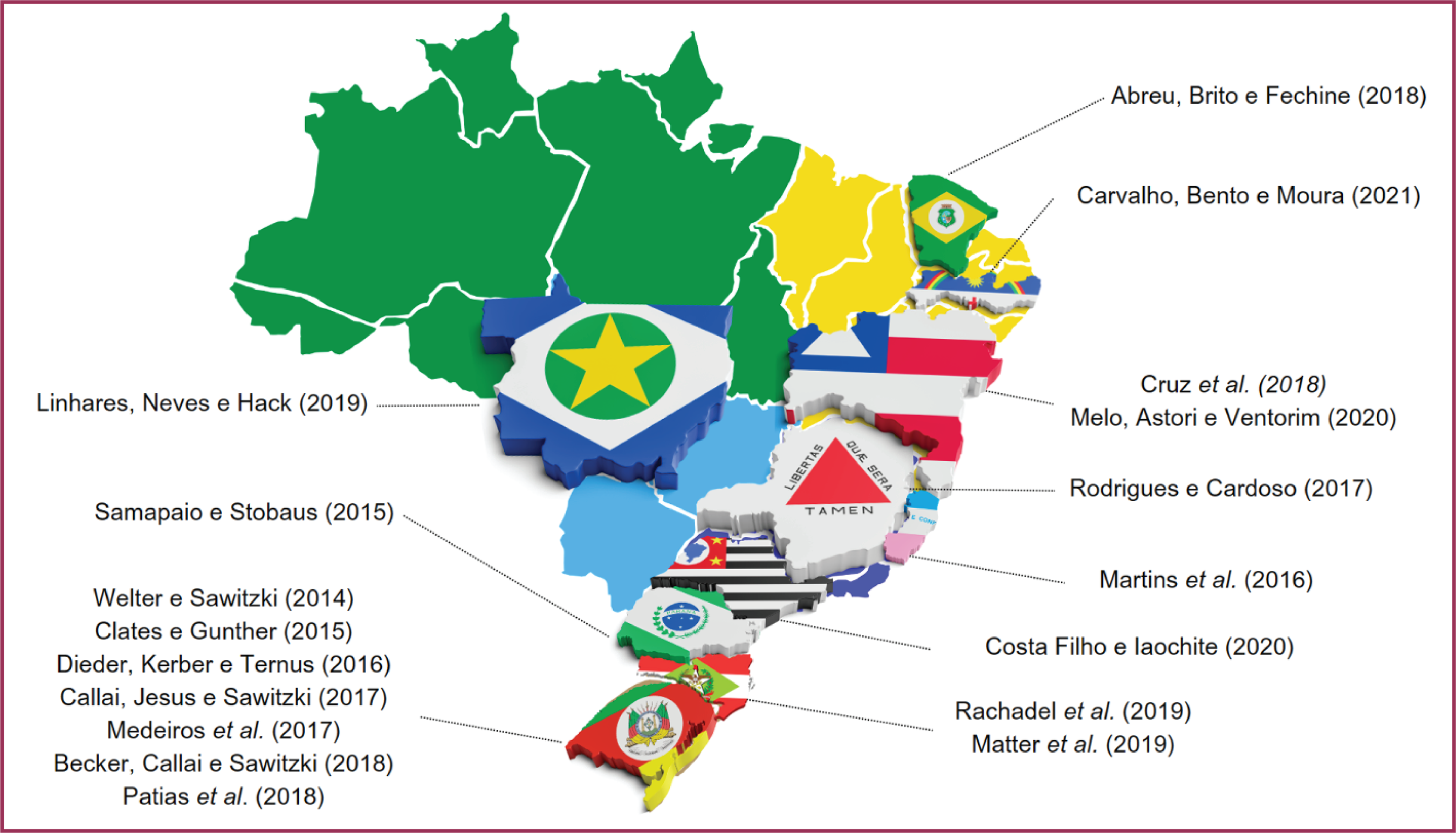
Regarding the state and region where PIBID in Physical Education was studied (Figure 4), research was predominantly conducted in the Southern region (10), with emphasis on the state of Rio Grande do Sul (7). On the other hand, there is a low number of publications in the other regions: Northeast (4), Southeast (2), Midwest (2), and notably, the North region with no publications.
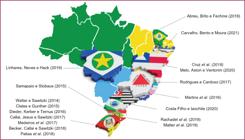
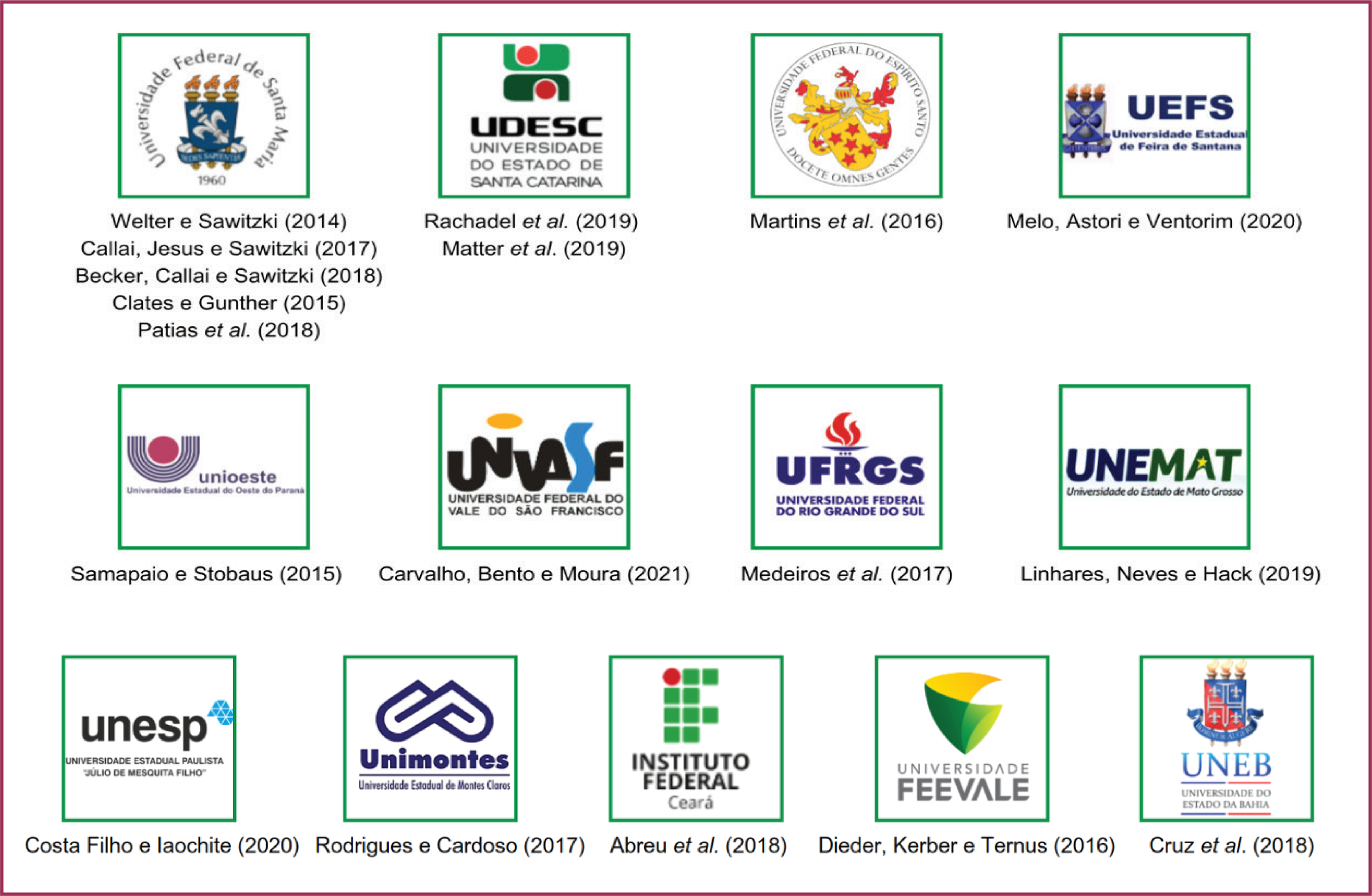
Figure 5 shows the Higher Education Institutions where PIBID was studied. Two universities in the Southern region of the country stand out: the Universidade Federal de Santa Maria (UFSM), with five publications, and the Universidade do Estado de Santa Catarina (UDESC), with two publications.

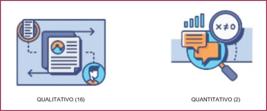
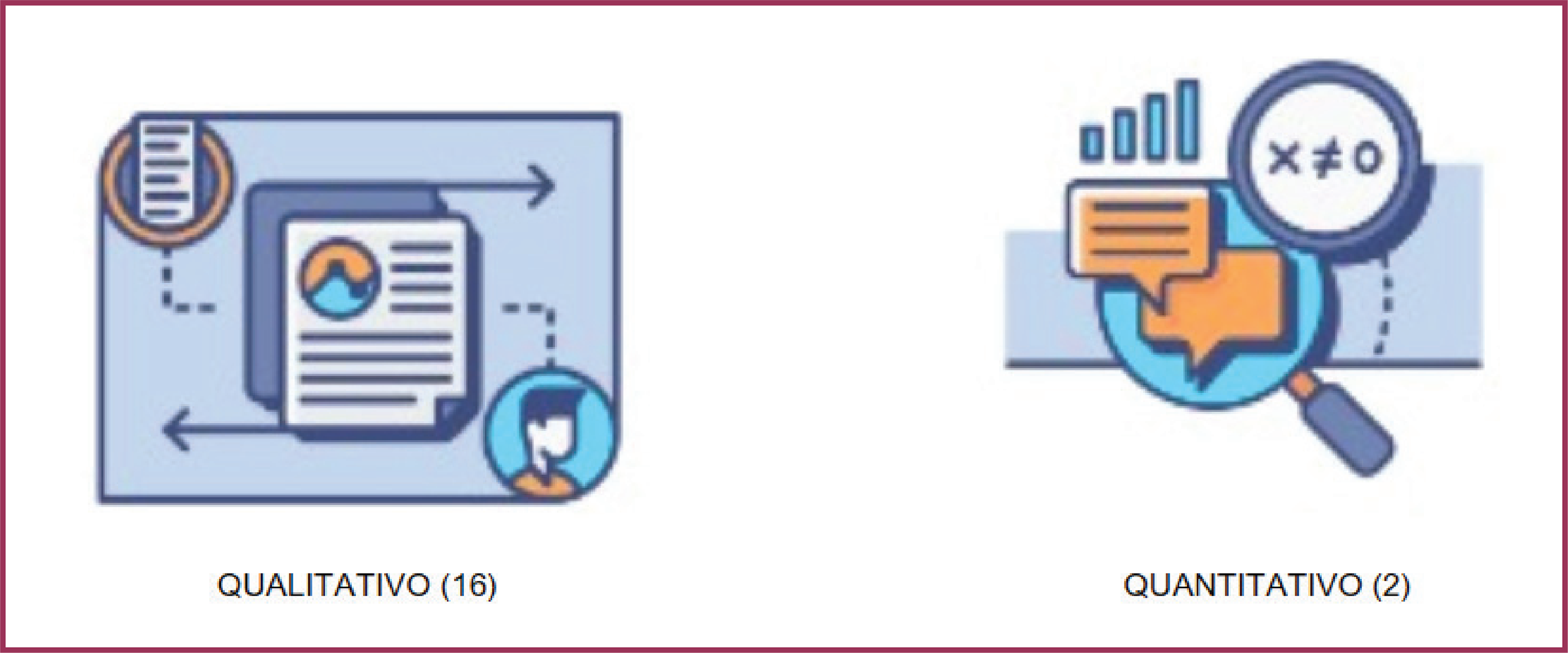
Figure 6 shows the number of articles by study type regarding the research problem, highlighting qualitative articles (16) in the investigative approach to the topic at hand.
The articles showed a higher concentration of studies focused on the pedagogical theme (16 articles), with only two studies addressing the sociocultural aspect (Figure 7).

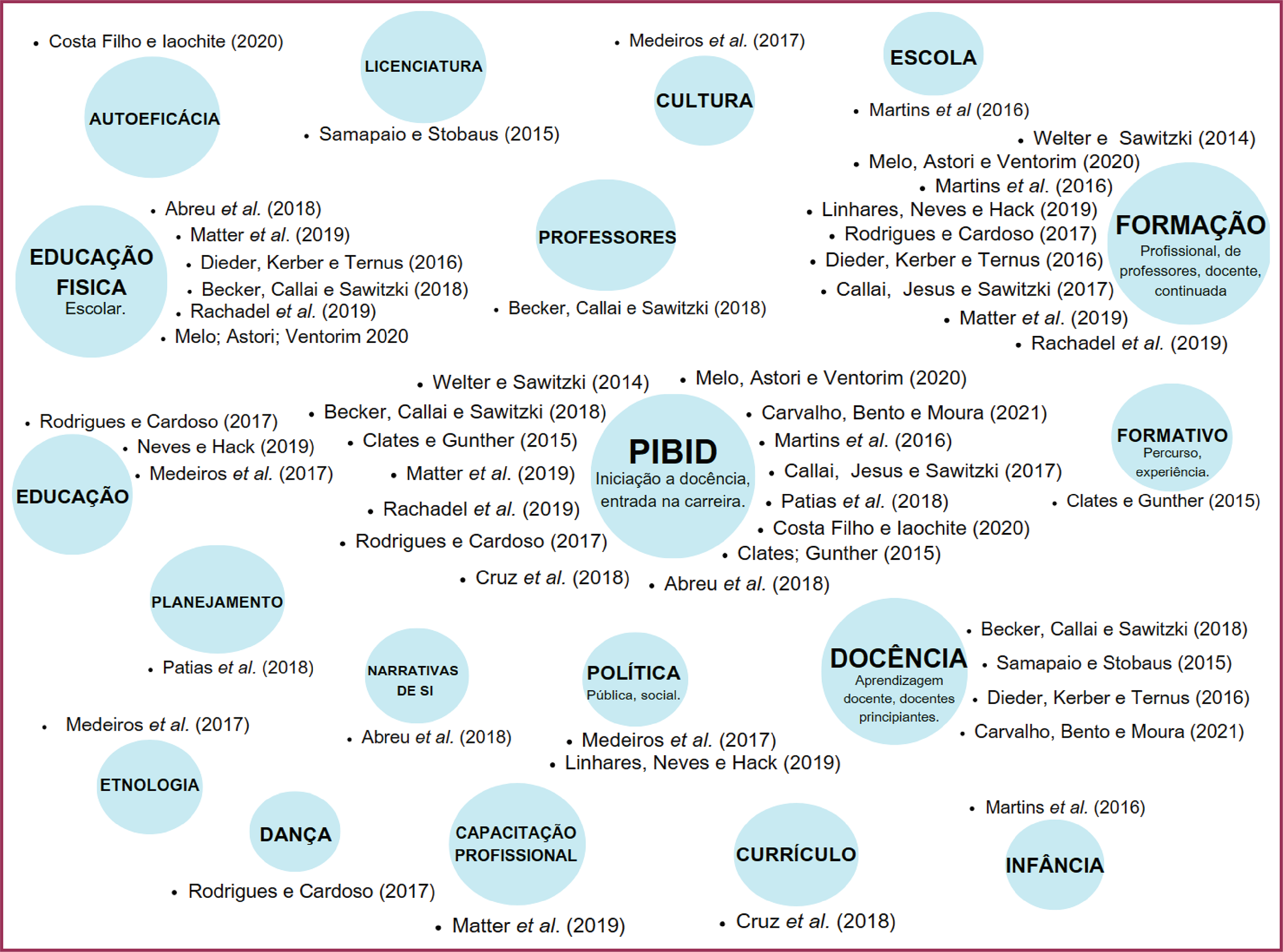
Figure 8 shows 30 key terms identified in the published articles. The group of words associated with the terms stood out. PIBID; Teacher Training; and Physical Education.

4 DISCUSSION
The analysis of scientific literature on teacher training in Physical Education, conducted within a Brazilian Institutional Program, revealed that few scientific journals in this and other fields have published on the subject and target population. In this case, two specific Physical Education journals (Pensar a Prática and Caderno de Educação Física e Esportes) had the highest number of publications, although it was still considerably low (four articles). Only two journals outside the field of Physical Education published articles on this topic, with one in Holos and two in Revista Contemporânea da Educação.
The journal Pensar a Prática aims to publish works related to the field of Physical Education, emphasizing sociocultural, philosophical, historical, and pedagogical aspects (Pensar a Prática, n.d.). The Caderno de Educação Física e Esportes aims to publish studies that contribute to pedagogical and professional interventions in the field (CEFE, n.d.). Thus, the aspects highlighted in the dissemination of the field by these journals may be one of the criteria used by researchers when selecting these publications for their studies on the initiation into Physical Education teaching.
The first publication on teacher training through the Institutional Program in Physical Education appeared in 2014, with a slight increase in publications between 2017 and 2019. The PIBID was established in Brazil in 2007 through a call notice from the Ministry of Education, with its first public announcement for all teaching degree programs, including Physical Education, released in late 2009 (CAPES, 2009). Thus, it took nearly half a decade from the program’s launch and the start of the first classes for the first study on the subject to be published in scientific journals.
These findings align with a literature review of theses and dissertations from Brazil’s Midwest region, which revealed that the first academic works in Education about the program were only defended in 2013 (Santos; Sacardo, 2018). Moreover, this aligns with findings from bibliographic-documentary research in Physical Education and Education postgraduate programs (Santos; Sacardo, 2020) and specific Physical Education postgraduate programs (Reis; Simões, 2019) that focused on the PIBID Physical Education program nationwide. These studies revealed that the first master’s thesis on this topic was only defended in 2014. Finally, a review of PIBID’s scientific production in Physical Education at a scientific initiation event at a Southern Brazilian university revealed that the first abstracts on this topic were published in 2013 (Oliveira et al., 2017).
Thus, the analysis of reviews of articles published in scientific initiation proceedings and defended in graduate programs showed that the first studies in events and in stricto sensu graduate programs had the same initial period of dissemination as the articles in scientific journals surveyed in this bibliometric review. The relevance of analyzing knowledge production surrounding PIBID is emphasized, as the program introduces student teachers to the school environment, providing opportunities for teaching, pedagogical experiences, and contact with their future field of work (Matter et al., 2019; Rachadel et al., 2019). Moreover, it is considered a crucial policy for teacher training in basic education (Gariglio; Santos, 2023).
Regarding article authorship, Professor Rosalvo Luis Sawitzki stood out with the publication of three articles on PIBID in Physical Education. The researcher served as PIBID coordinator at the Universidade Federal de Santa Maria from 2016 to 2018, during which time he published three articles. Professor Ana Nathalia Almeida from the Universidade Federal de Santa Maria co-authored two articles with Professor Rosalvo. Furthermore, Professor Gelcemar Oliveira Farias from the Universidade do Estado de Santa Catarina, who coordinated PIBID from 2014 to 2018, and Silvana Ventorim from the Universidade Federal do Espírito Santo, presented two publications related to PIBID.
Based on an examination of the Lattes curriculum, it was found that the authors who focused their research on the PIBID Physical Education program were, in part, coordinators, scholarship recipients, or former scholarship recipients of the program. It was also noted that research on teacher initiation in this program lacks continuity among scholars in the field, given that 52 researchers have only one publication on the subject. Similarly, Santos and Sacardo (2020) also found that authors publishing about PIBID are affiliated with the program, and this involvement influences the research topics and publications of Physical Education researchers.
Regarding the location of the articles, the Southern region had the highest number of studies on the topic published in scientific journals, while no published articles came from research in the Northern region of Brazil. Similarly, reviews of theses and dissertations also showed the Southern region as the main producer of knowledge and the Northern region with no research on the subject (Santos; Sacardo, 2020; Reis; Simões, 2019). This information is similar to that presented in reviews of the field of Physical Education teaching, covering various themes such as professional development (Folle; Nascimento, 2009) and job satisfaction (Nascimento et al., 2019).
The information about the regions and higher education institutions with the highest number of studies showed that, out of the 10 articles conducted in the Southern region, seven were carried out at just two public universities, one in the state of Rio Grande do Sul and another in the state of Santa Catarina. A bibliometric review of theses and dissertations in stricto sensu Physical Education programs between 2012 and 2017 also found that a university in Rio Grande do Sul was the one that most studied PIBID in Physical Education. However, the university in Santa Catarina, despite having published articles, has not presented any thesis or dissertation on the subject (Reis; Simões, 2019).
The low number of articles resulting from research in the Northern region may be linked to the scarcity of graduate programs in Physical Education in the region, with currently only one master’s degree course and no approved doctoral programs. Reis and Simões (2019) strengthen this observation by showing in their review that no scientific work on PIBID Physical Education came from research in that region of the country, emphasizing that the North and Midwest regions, in particular, have shown an unequal distribution of research, often due to the lack of graduate programs in their states. In the latest CAPES call for proposals No. 2/2020, 598 teaching initiation scholarships were allocated to Physical Education subprojects, with 196 for the Southeast region, 162 for the South region, 141 for the Northeast region, 60 for the Midwest region, and 39 for the North region (CAPES, 2020). In this case, the limited number of scholarship recipients in the Northern region may contribute to the lack of studies and publications on this topic in the area.
Of the articles analyzed in this review, most used a qualitative approach to data, with a total of 16 qualitative studies and only two studies using a quantitative approach. Similarly, in studies conducted by Santos and Sacardo (2018; 2020), qualitative research emerged as the primary methodology used in studies related to PIBID. This may be linked to the nature of qualitative research, which often seeks to explore social issues by focusing on how people interpret and view their experiences within their specific context (Sparkes; Smith, 2013). Moreover, qualitative data analysis enables us to understand the complex and multifaceted nature of educational phenomena and is able to capture the diverse meanings of lived experiences and provide assistance in understanding the relationships between individuals, their environments, and actions (André, 1983).
The pedagogical thematic area had the highest number of studies. This thematic area covers issues related to teacher training, curriculum development, teaching methods, sports pedagogy, and various methodological, social, political, and philosophical aspects of education (Manoel; Carvalho, 2011). This thematic area is closely linked to the act of teaching and directly relates to PIBID’s objectives, which emphasize providing pedagogical experiences for students in teacher training programs, both in school settings and in higher education institutions (CAPES, 2009). Thus, by bringing the university closer to the school reality, teaching induction programs enable student teachers to engage with the actual needs of public schools and experience teaching practice, which is seen as a positive aspect of PIBID, providing a meaningful and relevant experience for initial teacher education (Gimenes, 2021; Freitas; Freitas; Almeida, 2020).
The participation of scholarship recipients in the program fosters engagement with the school environment and facilitates experience exchanges with teachers, enhancing pedagogical practices (Dalla Nora, 2015). Beyond its benefits for undergraduates, PIBID serves as ongoing professional development for supervising teachers, who, according to Santos (2016), can improve their teaching practices through the program. Furthermore, Becker, Callai, and Sawitzki (2018) note that supervising teachers are presented with new knowledge and ideas, which can become relevant to their teaching practices, aligning publications on this topic with pedagogical approaches.
Regarding the keywords, it was observed that they are related to the Program’s scope. The most prominent terms were PIBID, Teacher Training, and Physical Education. It should be noted that the terms found are linked to teacher initiation, as PIBID is a project with this focus, aiming to contribute to the improvement of teacher training at the higher education level by integrating undergraduate students into the school routine (CAPES, 2009).
Regarding training, this category is linked to the school context and pedagogical practices experienced there, aiming to strengthen ties between university and school, by expanding moments of reflection on teaching practices that promote “[...] the mobilization of knowledge that academics have built in their formative processes” (Oliveira et al., 2017, p. 251). Therefore, PIBID experiences become closely linked to the pursuit of improving initial teacher training, which is why this keyword is so prevalent in studies. Reis and Simões (2019) add that, in most studies on PIBID, the high number of publications using the term “Teacher Training” is due to this being a crucial topic for education quality.
Finally, it is emphasized that PIBID aims to promote the integration of theory and practice and is one way to enhance the value of Physical Education as a curricular component in schools, positioning Physical Education teachers as professionals capable of enriching student learning and growth (Lima et al., 2019).
5 CONCLUDING REMARKS
Based on the analysis of scientific literature on teacher initiation in Physical Education, conducted within a Brazilian Institutional Program, it can be concluded that few scientific journals in Physical Education and other fields have published on this topic and the population under study. Among the analyzed articles, the first publication occurred in 2014, with the highest concentration of studies published between 2017 and 2019. Furthermore, there was a lack of authors who consistently focused on this topic as their main area of research.
Studies conducted in Southern Brazil were predominant, with researchers showing greater interest in qualitative research approaches. Similarly, the pedagogical thematic area and keywords PIBID, Training, and Physical Education were predominant in the scientific dissemination of the topic.
The main contributions of this bibliometric review to deepening the debate on knowledge production about the process of initiation into Physical Education teaching through a government program involve:
-
Periodicity of production: indicates that the field took five years after Physical Education was included in PIBID calls, to establish research on the topic through publications in scientific journals, while also showing a decrease in these publications after the Covid-19 pandemic began, which may reflect the impacts of this period on both scientific research and the implementation of area subprojects in Brazilian schools and universities.
-
Authorship: revealed that the authors were not established researchers on the topic, with most being associated with the period when they were program scholarship recipients. This information raises concerns for both the scientific and academic communities, as the program’s own guidelines set time limits on how long faculty members can serve as subproject coordinators.
-
Regionality: The lack of studies on this topic in the Northern region allows for proposing research on the program in its constituent states, delving into the analysis of how this absence relates to the number of subprojects funded by the program’s calls in the area or the interest of researchers and project coordinators in investigating their field of work.
For future research, we suggest expanding bibliometric and systematic reviews on the production of knowledge surrounding the PIBID theme in Physical Education, including theses and dissertations, with in-depth analysis of the results of published studies, thus revealing an overview of the Program’s contribution to the training of future Physical Education teachers.
ACKNOWLEDGMENTS
This work was supported by the Coordination for the Improvement of Higher Education Personnel (CAPES) - Brazil - Finance Code 001 and the Santa Catarina University Scholarship Program (UNIEDU) of the Support Fund for the Maintenance and Development of Higher Education (FUMDES).
-
FUNDING
This study was supported by the Coordination for the Improvement of Higher Education Personnel (CAPES) - Brazil - Finance Code 001.
-
HOW TO CITE
SILVEIRA, Isabella Soares da; ARALDI, Franciane Maria; MARTINS, Alessandra Catarina; NASCIMENTO, Raquel Krapp do; FOLLE, Alexandra. Initiation to teaching in Physical Education: bibliometric review of knowledge production in scientific journals. Movimento, v. 30, p. e30039, Jan./Dec. 2024. DOI: https://doi.org/10.22456/1982-8918.137541
References
-
ABREU, Samara Barreto; BRITO, Andreyson Calixto; FECHINE, Basílio Almeida. Experiências autoformadoras de Licenciados em Educação Física no PIBID: aprendizagens de si para docência. Motricidade, v. 14, n. S1, p. 60-65, 2018. http://dx.doi.org/10.6063/MOTRICIDADE.16238
» https://doi.org/10.6063/MOTRICIDADE.16238 -
ANDRÉ, Marli Eliza Dalmazo Afonso. Texto, contexto e significados: algumas questões na análise de dados qualitativos. Cadernos de pesquisa, n. 45, p. 66-71, 1983. Disponível em: https://publicacoes.fcc.org.br/cp/article/view/1491/1485 Acesso em: 25 out. 2023.
» https://publicacoes.fcc.org.br/cp/article/view/1491/1485 -
BECKER, Eriques Piccolo; CALLAI, Ana Nathalia Almeida; SAWITZKI, Rosalvo Luis. Formação continuada em serviço de professores de Educação Física e o Programa Institucional de Bolsas de Iniciação à Docência. Educação Física em Revista, v. 12, n. 1, p. 51-63, 2018. Disponível em: https://portalrevistas.ucb.br/index.php/efr/article/view/10825 Acesso em: 2 nov. 2023.
» https://portalrevistas.ucb.br/index.php/efr/article/view/10825 -
CALLAI, Ana Nathalia Almeida; JESUS, Rhenan Ferraz; SAWITZKI, Rosalvo Luis. Formação inicial e iniciação à docência: uma análise a partir do subprojeto PIBID educação física. Educación Física y Ciencia, v. 19, n. 2, p. e031, 2017. DOI: http://dx.doi.org/10.24215/23142561e031
» https://doi.org/10.24215/23142561e031 -
CARVALHO, Maria Andresiele Andrade; MOURA, Diego Luz; BENTO, Itallo Ramon Moreira. Entrada na carreira: professores de educação física participantes do pibid. Revista Contemporânea de Educação, v. 16, n. 36, p. 58-75, 2021. DOI: http://dx.doi.org/10.20500/rce.v16i36.45199
» https://doi.org/10.20500/rce.v16i36.45199 -
CLATES, Daniela de Moura; GÜNTHER, Maria Cecília Camargo. O PIBID e o percurso formativo de professores de Educação Física. Motrivivência, v. 27, n. 46, p. 53, 2015. DOI: http://dx.doi.org/10.5007/2175-8042.2015v27n46p53
» https://doi.org/10.5007/2175-8042.2015v27n46p53 -
COORDENAÇÃO DE APERFEIÇOAMENTO DE PESSOAL DE NÍVEL SUPERIOR (CAPES). Programa institucional de bolsas de iniciação à docência - PIBID Edital Nº 2/2020, 2020. Disponível em: https://www.gov.br/capes/pt-br/centrais-de-conteudo/06012019-edital-2-2020-pibid-pdf Acesso em: 13 jun. 2024.
» https://www.gov.br/capes/pt-br/centrais-de-conteudo/06012019-edital-2-2020-pibid-pdf -
COORDENAÇÃO DE APERFEIÇOAMENTO DE PESSOAL DE NÍVEL SUPERIOR (CAPES). Programa de bolsa institucional de iniciação à docência – PIBID, Portaria Normativa Nº 38, de 12 de dezembro de 2007. Disponível em: http://portal.mec.gov.br/arquivos/pdf/portaria_pibid.pdf Acesso em: 09 nov. 2023.
» http://portal.mec.gov.br/arquivos/pdf/portaria_pibid.pdf -
COORDENAÇÃO DE APERFEIÇOAMENTO DE PESSOAL DE NÍVEL SUPERIOR (CAPES). Portaria Capes Nº 122, de 16 de setembro 2009, institui o PIBID no âmbito da CAPES. Disponível em: https://www.gov.br/capes/pt-br/centrais-de-conteudo/edital02-pibid2009-pdf Acesso em: 8 nov. 2023.
» https://www.gov.br/capes/pt-br/centrais-de-conteudo/edital02-pibid2009-pdf -
COSTA FILHO, Roraima Alves; IAOCHITE, Roberto Tadeu. Desenvolvimento da capacidade de ensinar durante o PIBID na área de Educação Física. Pensar a Prática, v. 23, e59355, 2020. DOI: http://dx.doi.org/10.5216/rpp.v23.59355
» https://doi.org/10.5216/rpp.v23.59355 -
CRUZ, Marlom Messias Santana et al Tematizando as lutas na educação física escolar: relato de uma prática pedagógica no contexto do pibid. Caderno de Educação Física e Esporte, v. 16, n. 1, p. 109-115, 2018. DOI: http://dx.doi.org/10.36453/2318-5104.2018.v16.n1.p109
» https://doi.org/10.36453/2318-5104.2018.v16.n1.p109 -
DALLA NORA, Daiane. O trabalho pedagógico no PIBID: cultura esportiva na escola” e suas repercussões para a formação inicial em Educação Física. 2015. Dissertação (Mestrado em Educação Física) - Centro de Educação Física, Universidade Federal de Santa Maria, Santa Maria, 2015. Disponível em: https://repositorio.ufsm.br/handle/1/6729 Acesso em: 2 nov. 2023.
» https://repositorio.ufsm.br/handle/1/6729 -
DIEDER, Janaína Andretta; KERBER, Luís Eurico; TERNUS, Kátia. A percepção dos docentes do curso de educação física em relação às contribuições do PIBID na formação dos acadêmicos bolsistas do subprojeto Educação Física. Pensar a Prática, v. 19, n. 3, p. 545-556, 2016. DOI: http://dx.doi.org/10.5216/rpp.v19i3.38403
» https://doi.org/10.5216/rpp.v19i3.38403 -
FOLLE, Alexandra; NASCIMENTO, Juarez Vieira. Momentos marcantes da trajetória docente em Educação Física. Motriz, v. 15, n. 1, p. 92-103, 2009. Disponível em: https://www.periodicos.rc.biblioteca.unesp.br/index.php/motriz/article/view/2114 Acesso em: 8 nov. 2023.
» https://www.periodicos.rc.biblioteca.unesp.br/index.php/motriz/article/view/2114 -
FREITAS, Mônica Cavalcante; FREITAS, Bruno Miranda; ALMEIDA, Danusa Mendes. Residência pedagógica e sua contribuição na formação docente. Ensino em Perspectivas, v. 1, n. 2, p. 1-12, 2020. Disponível em: https://revistas.uece.br/index.php/ensinoemperspectivas/article/view/4540 Acesso em: 17 jun. 2024.
» https://revistas.uece.br/index.php/ensinoemperspectivas/article/view/4540 -
GARIGLIO, José Ângelo; SANTOS, Lorene dos. A inserção na docência por egressos do PIBID: da formação aos desafios da vida profissional. Revista Eletrônica de Educação, v. 17, p. 1-23, 2023. DOI: http://dx.doi.org/10.14244/198271994343
» https://doi.org/10.14244/198271994343 -
GIMENES, Camila Itikawa. O PIBID e a licenciatura: veredas de uma mesma formação. Pro-Posições, v. 32, p. 00-25, 2021. DOI: https://doi.org/10.1590/1980-6248-2018-0096
» https://doi.org/10.1590/1980-6248-2018-0096 -
LIMA, Eliaquim de Sousa et al Benefícios do PIBID na formação de estudantes do curso de licenciatura em Educação Física: uma revisão bibliográfica. Conexões - Ciência e Tecnologia, v. 13, n. 1, p. 15-22, 2019. Disponível em: https://conexoes.ifce.edu.br/index.php/conexoes/article/view/1526/1312 Acesso em: 8 mai. 2023.
» https://conexoes.ifce.edu.br/index.php/conexoes/article/view/1526/1312 -
LINHARES, Elizete Maria; NEVES, Luciene; HACK, Leni. Concepções de ex-bolsistas sobre o PIBID-EF e a Educação de Jovens e Adultos. Pensar A Prática, v. 22, p. e-56277, 2019. DOI: http://dx.doi.org/10.5216/rpp.v22.56277
» https://doi.org/10.5216/rpp.v22.56277 -
MANOEL, Edison de Jesus; CARVALHO, Yara Maria. Pós-Graduação na Educação Física brasileira: a atração (fatal) para a biodinâmica. Educação e Pesquisa, v. 37, n. 2, p. 389-406, 2011. DOI: https://doi.org/10.1590/S1517-97022011000200012
» https://doi.org/10.1590/S1517-97022011000200012 -
MARTINS, Lema Del Rio et al. Experiências formativas da Educação Física com a Educação Infantil desenvolvidas no PIBID. Ciência e Movimento, p. 85-99, 2016. Disponível em: https://portalrevistas.ucb.br/index.php/RBCM/article/view/6656 Acesso em: 9 nov. 2023.
» https://portalrevistas.ucb.br/index.php/RBCM/article/view/6656 -
MATTER, Paloma Cibele Rivera et al PIBID Educação Física: experiências na formação de professores. Motrivivência, v. 31, n. 60, p. 01-18, 2019. DOI: http://dx.doi.org/10.5007/2175-8042.2019e59669
» https://doi.org/10.5007/2175-8042.2019e59669 -
MEDEIROS, Tiago Nunes et al. PIBID e formação para a Educação Física escolar: notas de uma etnografia. Pensar a Prática, v. 20, n. 4, p. 687-697, 2017. DOI: http://dx.doi.org/10.5216/rpp.v20i4.40409
» https://doi.org/10.5216/rpp.v20i4.40409 -
MELO, Tatiana Moraes Queiroz de; ASTORI, Fernanda Bindaco da Silva; VENTORIM, Silvana. Iniciação à docência em Educação Física: experiências formativas pelo PIBID. Revista Contemporânea de Educação, v. 15, n. 32, p. 122-139, 2020. DOI: http://dx.doi.org/10.20500/rce.v15i32.25885
» https://doi.org/10.20500/rce.v15i32.25885 -
NASCIMENTO, Raquel Krapp et al Satisfação no Trabalho de Docentes de Educação Física: uma revisão sistemática. Movimento, v. 25, p. e25004, 2019. DOI: http://dx.doi.org/10.22456/1982-8918.82573
» https://doi.org/10.22456/1982-8918.82573 -
OKUBO, Yoshiko. Bibliometric indicators and analysis of research Systems: methods and examples. Paris: Organization for Economic Cooperation and Development, 1997. DOI: https://dx.doi.org/10.1787/208277770603
» https://doi.org/10.1787/208277770603 -
OLIVEIRA, Ivan Bremm de et al Produção acadêmica na iniciação científica: o Programa Institucional de Bolsas de Iniciação à Docência como lócus de produção do conhecimento. Motrivivência, v. 29, n. 52, p. 245-261, 2017. DOI: https://doi.org/10.5007/2175-8042.2017v29n52p245
» https://doi.org/10.5007/2175-8042.2017v29n52p245 -
PATIAS, Bhianca Conterato et al Planejamento para a atuação com a Educação Física escolar: reflexões a partir do programa institucional de bolsa de Iniciação à docência- PIBID- CEFD/UFSM. Holos, v. 3, n. 34, p. 228-239, 2018. DOI: http://dx.doi.org/10.15628/holos.2018.4834
» https://doi.org/10.15628/holos.2018.4834 -
PINTO, Cesar Augusto Sadalla. A formação do professor crítico-reflexivo na Educação Física: realidades e possibilidades no âmbito do PIBID IFCE. 2015. Dissertação (Mestrado Acadêmico em Educação) - Centro de Educação, Universidade Estadual do Ceará, Fortaleza, 2015. Disponível em: https://siduece.uece.br/siduece/trabalhoAcademicoPublico.jsf?id=84249 Acesso em: 8 nov. 2023.
» https://siduece.uece.br/siduece/trabalhoAcademicoPublico.jsf?id=84249 -
RACHADEL, Milliane et al. PIBID na Educação Física: formação e intervenção de professores. Caderno de Educação Física e Esporte, v. 17, n. 1, p. 77-85, 2019. DOI: https://doi.org/10.36453/2318-5104.2019.v17.n1.p77
» https://doi.org/10.36453/2318-5104.2019.v17.n1.p77 -
REIS, Luna Gonçalves dos; SIMOES, Regina. PIBID: análise das teses e dissertações nos programas stricto sensu de educação física. Pensar a prática, v. 22, n. 1, p. 1-15, 2019. DOI: https://doi.org/10.5216/rpp.v22.53259
» https://doi.org/10.5216/rpp.v22.53259 -
RODRIGUES, Camila Oliveira; CARDOSO, Fernanda Souza. PIBID e o fazer docente na formação inicial de educação física e artes. Caderno de Educação Física e Esporte, v. 15, n. 2, p. 87-96, 2017. DOI: https://doi.org/10.36453/2318-5104.2017.v15.n2.p87
» https://doi.org/10.36453/2318-5104.2017.v15.n2.p87 -
SAMPAIO, Adelar Aparecido; STOBÄUS, Claus Dieter. Perspectivas para o bem-estar docente: uma formação com alunos do PIBID/Educação Física. Caderno de Educação Física e Esporte, v. 13, n. 2, p. 27-37, 2015. Disponível em: https://dialnet.unirioja.es/servlet/articulo?codigo=7956771 Acesso em: 9 nov. 2023.
» https://dialnet.unirioja.es/servlet/articulo?codigo=7956771 -
SANTOS, Halisson Keliton Ramos; SACARDO, Michele Silva. A política de formação de professores: o estado da arte sobre o PIBID na pós-graduação em educação. Revista de Política e Gestão Educacional, v. 22, n. 22, p. 1168-1181, 2018. Disponível em: https://www.redalyc.org/journal/6377/637766218013/html/ Acesso em: 8 nov. 2023.
» https://www.redalyc.org/journal/6377/637766218013/html/ -
SANTOS, Halisson Keliton Ramos; SACARDO, Michele Silva. A produção do conhecimento sobre pibid educação física na pós-graduação stricto sensu em educação e Educação Física. Revista de Letras e Humanidades, v. 8, n. 1, p. 237-255, 2020. DOI: https://doi.org/10.29327/210932.8.1-11
» https://doi.org/10.29327/210932.8.1-11 -
SANTOS, Maria Adriana Borges. Experiência formativa do professor supervisor: estudo de caso do PIBID/Educação Física/UECE. 2016. Dissertação (Mestrado em Educação) - Centro de Educação, Universidade Estadual do Ceará, Fortaleza, 2016. Disponível em: https://siduece.uece.br/siduece/trabalhoAcademicoPublico.jsf?id=84153 Acesso em: 2 nov. 2023.
» https://siduece.uece.br/siduece/trabalhoAcademicoPublico.jsf?id=84153 - SPARKES, Andrew C.; SMITH, Brett Smith. Qualitative research methods in sport, exercise and health: from process to product. Londres: Routledge, 2013.
-
WELTER, Jaqueline; SAWITZKI, Rosalvo Luis. As implicações do subprojeto cultura esportiva da escola-PIBID/EDF para a formação inicial em educação física. Motrivivência, v. 26, n. 43, p. 262-276, 2014. DOI: http://dx.doi.org/10.5007/2175-8042.2014v26n43p262
» https://doi.org/10.5007/2175-8042.2014v26n43p262
Edited by
-
EDITOR RESPONSIBILITY
Alex Branco Fraga*, Elisandro Schultz Wittizorecki*, Mauro Myskiw*, Raquel da Silveira**Universidade Federal do Rio Grande do Sul, Escola de Educação Física, Fisioterapia e Dança, Porto Alegre, Rio Grande do Sul, Brazil.

 Source: Developed by the authors (2023).
 Source: Developed by the authors (2023).
 Source: Developed by the authors (2023).
 Source: Developed by the authors (2023).
 Source: Developed by the authors (2023).
 Source: Prepared by the author (2023).
 Source: Prepared by the author (2023).
 Source: Prepared by the author (2023).