 Evaluation of the in vitro activity of synthetic derivatives of N-cyclohexyl-3-(3-methylphenyl)-1,2,4-oxadiazole-5-amine on the strain y of Trypanosoma cruzi and an in vivo toxicity study
Abstract
BACKGROUND Chagas disease (CD) is caused by Trypanosoma cruzi. Treatment is based on benznidazole (Bz), although it has significant limitations, such as low efficacy in the chronic phase. Therefore, the search for new therapies with greater selectivity and antiparasitic activity is necessary. In this context, 1,2,4-oxadiazole stands out for its biological properties, including antiparasitic activities.
OBJECTIVE To evaluate the in vitro activity of N-cyclohexyl 3-(3-methylphenyl)-1,2,4-oxadiazol-5-amine derivatives against the Y strain of T. cruzi and an in vivo toxicity study.
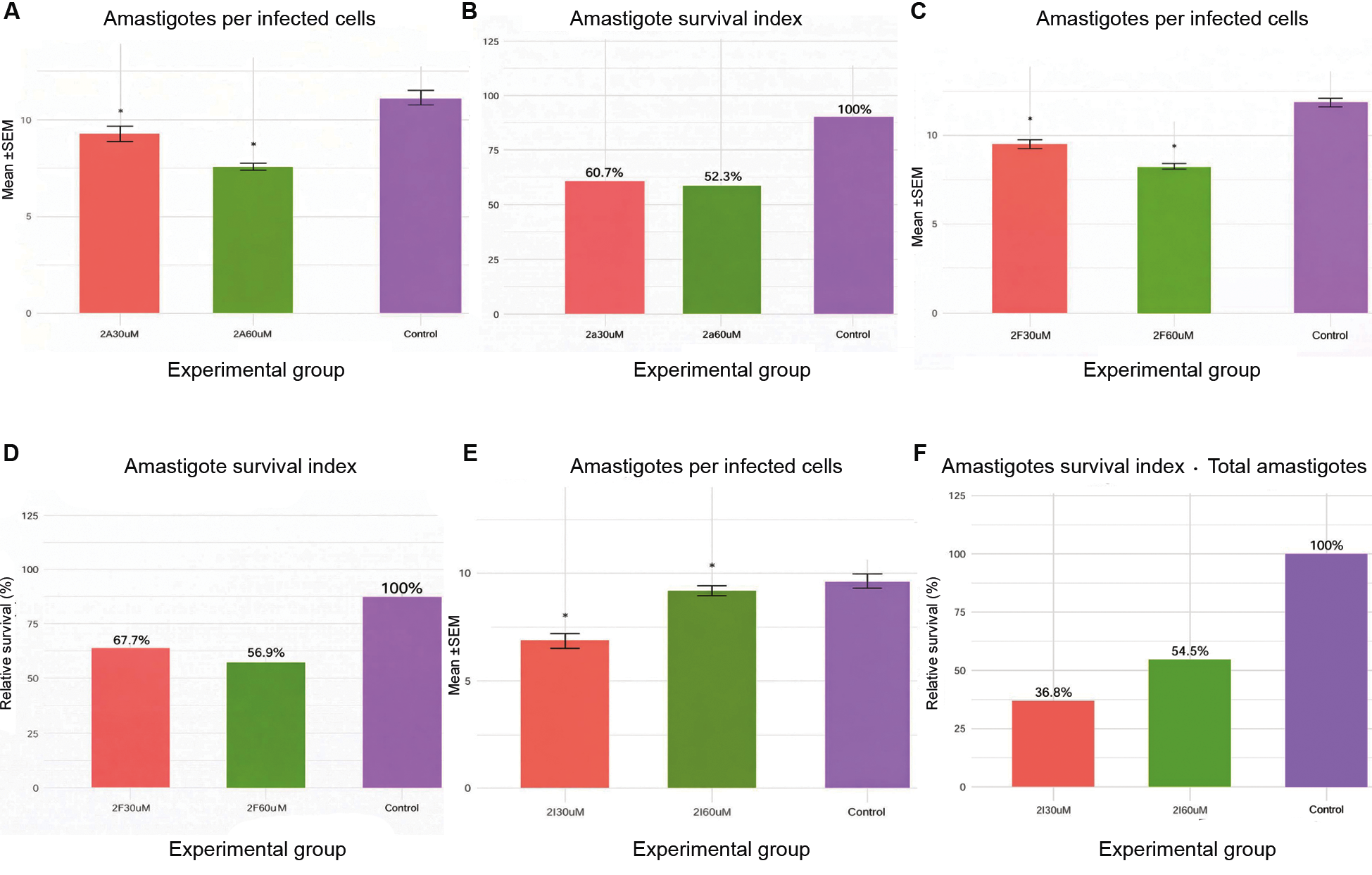
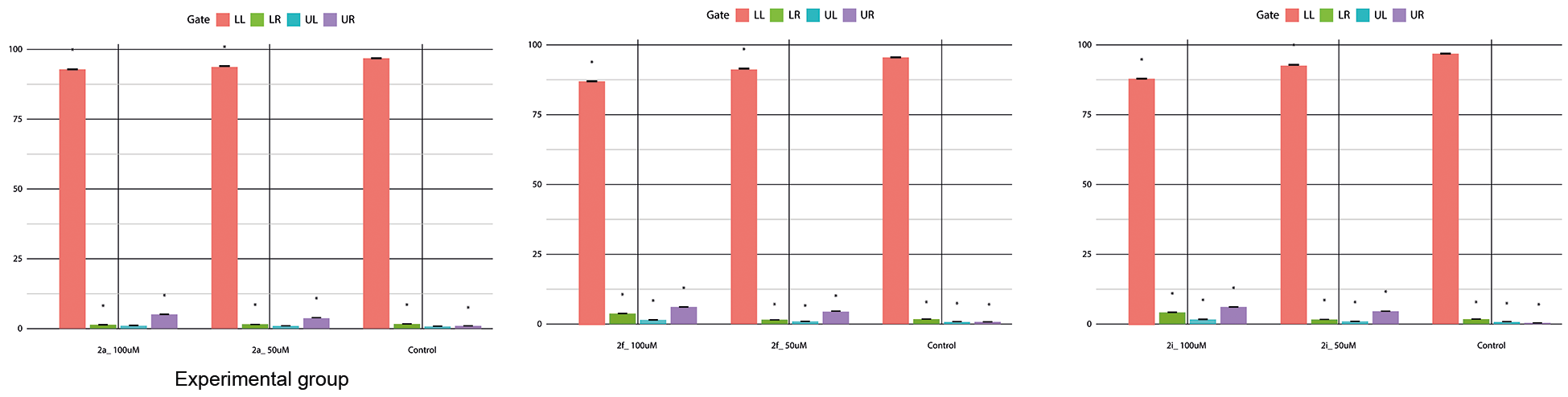
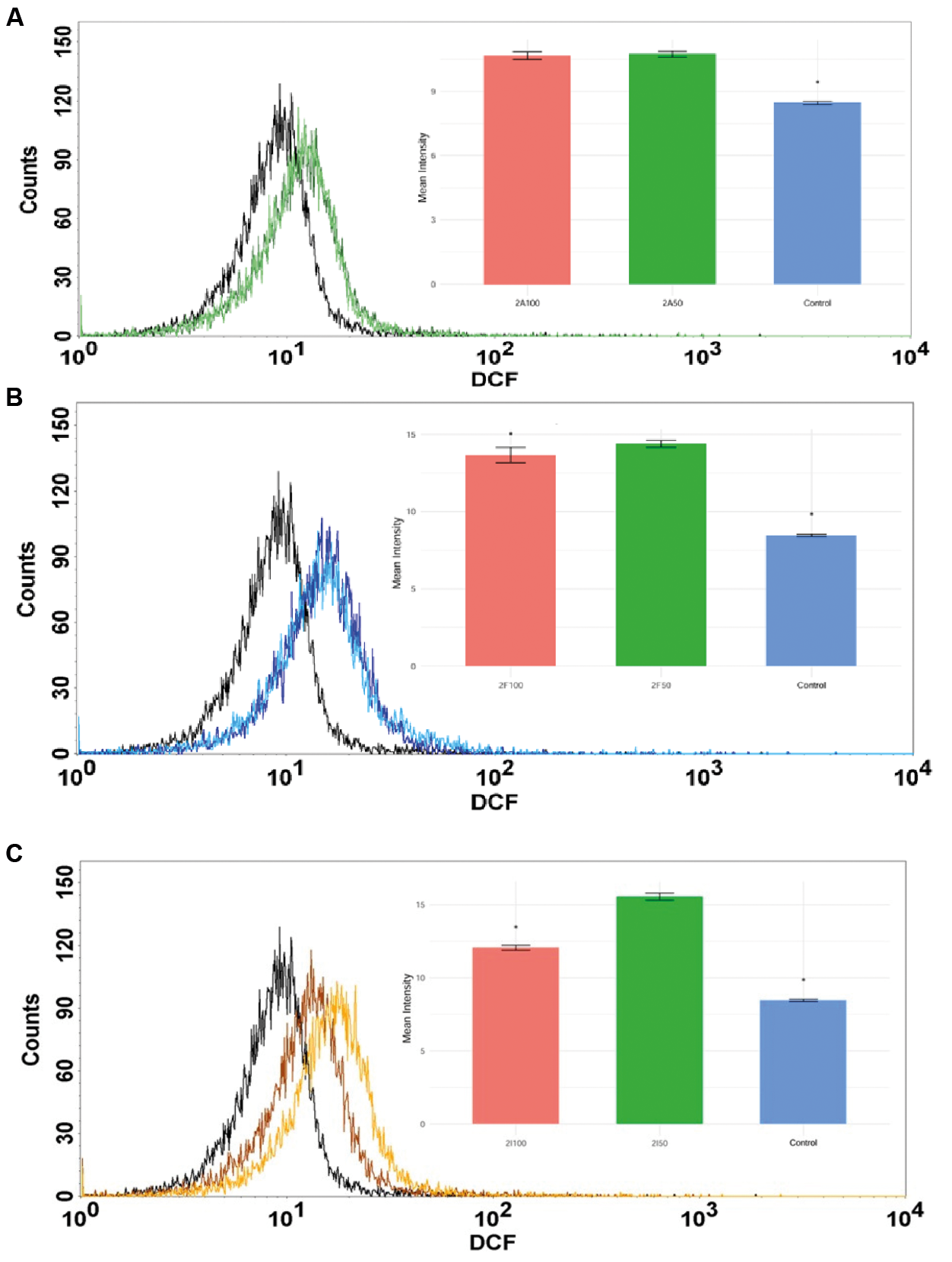
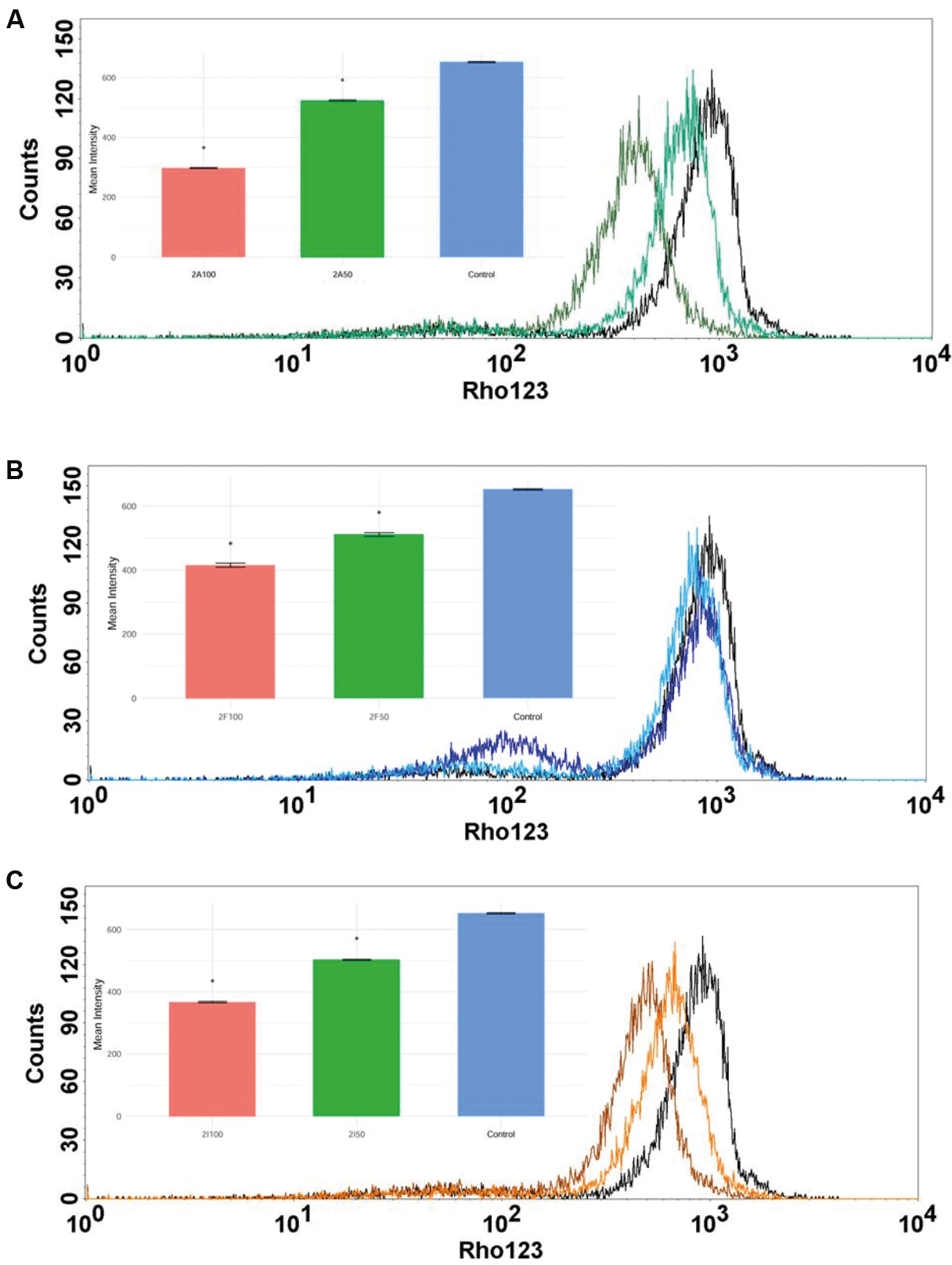
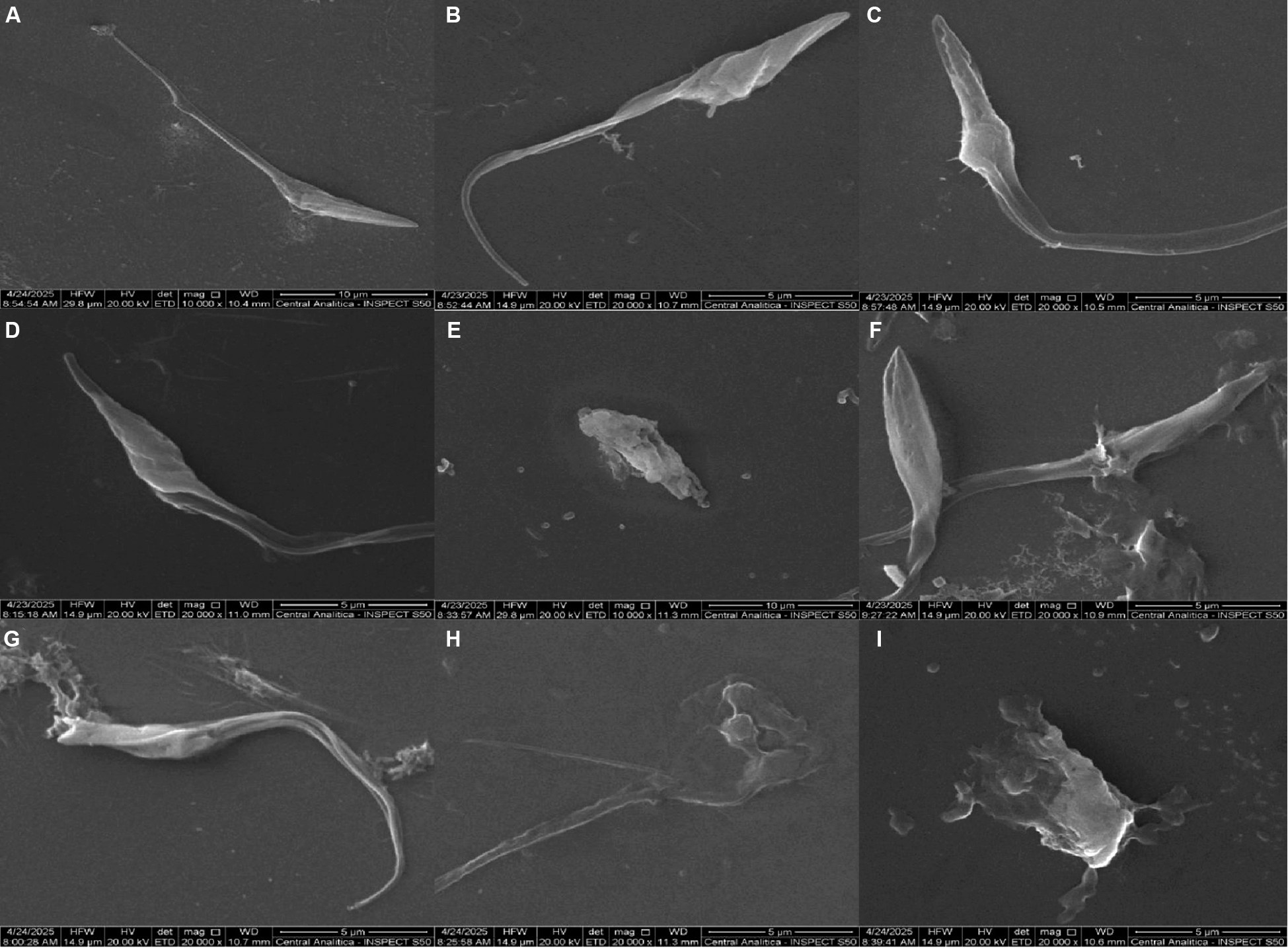
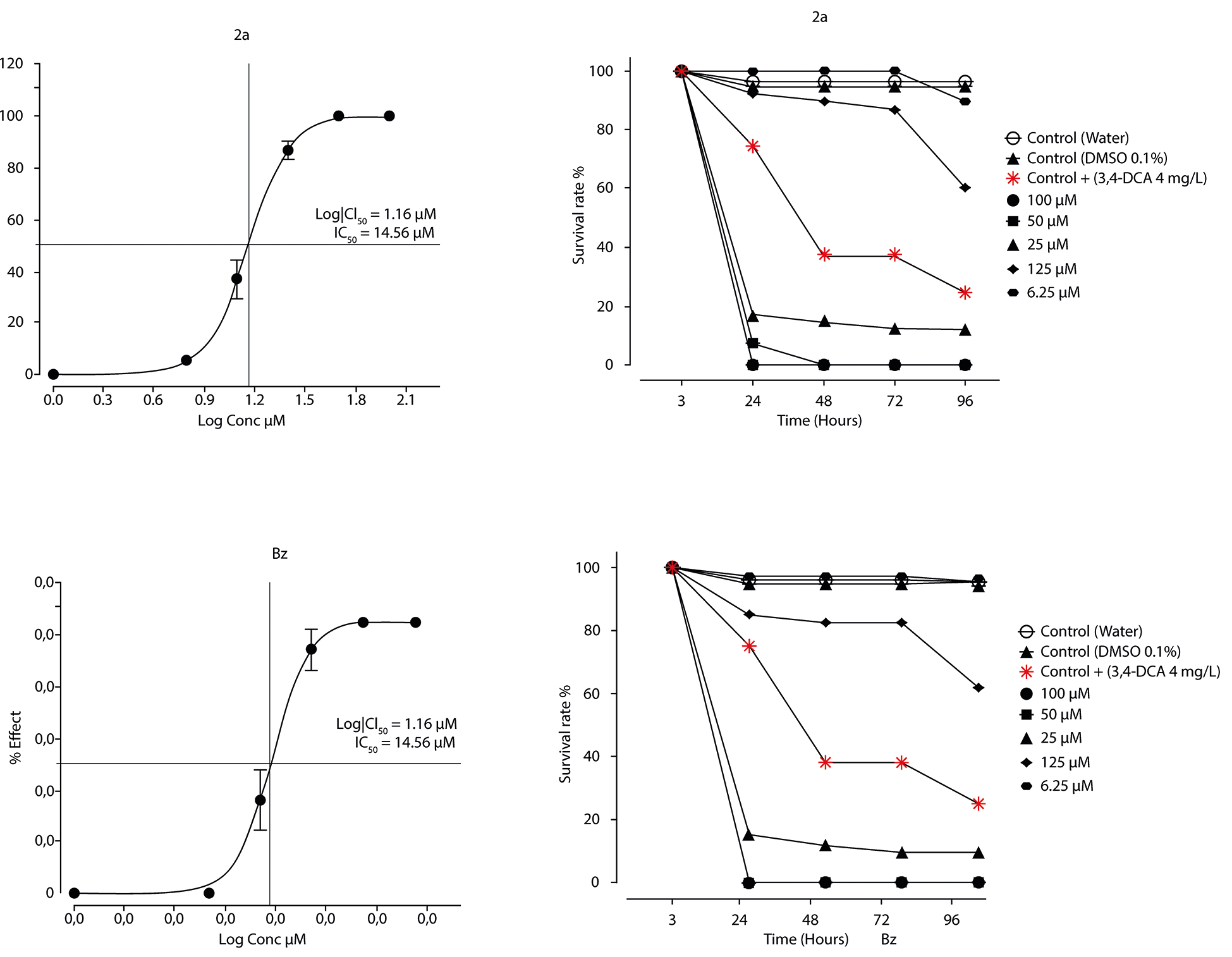
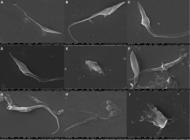
METHODS Cytotoxicity was evaluated in LLC-MK2 cells by the MTT assay, while the antiparasitic effect on the three T. cruzi life forms was determined by counting. Flow cytometry analyses were then conducted to investigate possible death pathway mechanisms and antioxidant and antiacetylcholinesterase activities. Scanning electron microscopy (SEM) was also performed to observe morphological changes caused by the compounds. Finally, in vivo acute toxicity tests were performed on ZebraFish embryos.
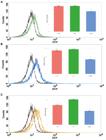
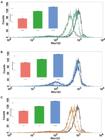
RESULTS The results presented show distinct cellular toxicity profiles in LLC-MK2 cells, in addition to demonstrating antiparasitic activity at different concentrations. In amastigotes, cytotoxic effects were stimulated. The molecules also induced an increase in reactive oxygen species and membrane damage, in addition to loss of integrity and morphological changes. The antioxidant activity revealed a high capacity for scavenging free radicals, suggesting an alteration of the redox balance of the parasite, in addition to showing inhibition of acetylcholinesterase, an important enzyme present in the formation of parasites, which choline is a constituent. In the ZebraFish model, molecule 2a showed dose-dependent embryonic toxicity, with an LC50 of 14-15 µM.
MAIN CONCLUSIONS The calculated conclusions appear to indicate an antiparasitic effect associated with cell death mechanisms. However, further studies are needed to reduce toxicity in the animal model and increase delivery to the site of action.
Key words:
Trypanosoma cruzi
; Chagas disease; oxadiazoles; antiproliferative effect
 Thumbnail
 Thumbnail
 Thumbnail
 Thumbnail
 Thumbnail
 Thumbnail
 Thumbnail