
 Connected stories: Colonial Jujuy in the Bioceanic Corridor
The topic developed in this article is the conjecture that existed from colonial times, a significant political, economical, social and cultural connection between present Argentine North West region and the South of Brazil. Aided by Social History and Cultural History's historiographic perspectives and with a historical comparative way, the hypothesis is proved analyzing the role of the city of Jujuy in the links through the Gran Chaco, established between Colonial Tucumán and the captaincies of the South of Brazil. The results are exhibited with original historical cartography, identifying books in Portuguese language, religious similarities and analyzing dances and popular eating habits. The conclusions of this historiographic study are that there was a dynamic and fluent constitution of historical colonial identities among both regions. It is a contribution for local development analysis associated to tourism, since it exposes the local histories, relates them with the continental ones, and, given the documentary evidences, provides data to establish the necessary historical background of the present Bioceanic Corridor.
Keywords
history; colonial; Gran Chaco; Jujuy; Southern Brazil
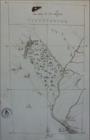 Thumbnail
 Thumbnail
 Thumbnail
 Fuente:
  Fuente:
  Fuente: Museo de Arte Sacro del Convento de San Francisco de Jujuy.