
 Negligence and global health: the case of the 2018 ebola outbreak in the Democratic Republic of the Congo
Abstract
The article seeks to understand why the Ebola outbreak that originated in the provinces of North Kivu and Ituri, Democratic Republic of the Congo (DRC), in 2018, was not considered a threat to international peace and security by the United Nations Security Council—unlike the 2014 Ebola outbreak in West Africa. The transformation of a health problem into a security issue (securitization) is not inherently good or bad; it can bring benefits such as increased human and financial resources for the response. From the perspective of critical security studies and global health and based on a literature review and document analysis to characterize a case, the article concludes that the “non-securitization” of the studied Ebola outbreak occurred mainly because it remained confined to Africa. This constitutes an example of the international community’s systematic neglect of health in the region.
Keywords
Health security; Ebola; Neglect; Democratic Republic of Congo; Vaccines
Resumo
O artigo busca entender por que o surto de ebola originado em Kivu do Norte e Ituri, República Democrática do Congo, em 2018, não foi considerado uma ameaça à paz e segurança internacionais pelo Conselho de Segurança da Organização das Nações Unidas, diferentemente do surto de ebola na África Ocidental em 2014. A transformação de um problema de saúde em um problema de segurança (securitização) não é algo bom ou ruim per se, podendo trazer benefícios como o aumento de recursos humanos e financeiros. Sob o prisma dos estudos críticos de segurança e de saúde global, por meio de revisão da literatura e pesquisa documental para caracterização de um caso, o artigo conclui que a “não securitização” do surto de ebola estudado ocorreu principalmente porque ele permaneceu confinado à África, constituindo um exemplo da negligência sistemática da comunidade internacional em relação à saúde nesta região.
Palavras-chave
Segurança sanitária; Ebola; Negligência; República Democrática do Congo; Vacinas
Resumen
El artículo busca entender por qué el brote de ébola originado en Kivu del Norte e Ituri, República Democrática del Congo (RDC), en 2018, no fue considerado una amenaza a la paz y a la seguridad internacionales por el Consejo de Seguridad/ONU, diferentemente del brote de ébola en el África Occidental (2014). La transformación de un problema de salud en un problema de seguridad (securitización) no es algo bueno o malo per se, pudiendo traer beneficios como el aumento de recursos humanos y financieros. Bajo el prisma de los estudios críticos de seguridad y de salud global, por medio de revisión de la literatura e investigación documental para caracterización de un caso, el artículo concluye que la “no securitización” del brote de ébola estudiado se debió principalmente a haber permanecido confinado en África, constituyendo un ejemplo de la negligencia sistemática de la comunidad internacional con relación a la salud en esa región.
Palabras clave
Seguridad sanitaria; Ébola; Negligencia; República Democrática del Congo; Vacunas
Introduction
Ebola virus disease, hereinafter referred to as Ebola, has afflicted Africa for decades. The first recognized outbreaks of the disease occurred in 1976 in the Democratic Republic of Congo (DRC) and South Sudan. Between 1976 and 2022, 35 Ebola outbreaks were identified, 15 originating in the DRC, six in Uganda, four in the Republic of Congo, four in Gabon, three in South Sudan, two in Guinea, and one in Côte d’Ivoire1. Depending on the virus strain and circumstances, the mortality rate can be as high as 90%. Found in human secretions in the acute phase (such as blood, saliva, feces, semen, breast milk, and tears), Ebola is transmitted by contact with infected people or animals, or by consumption of meat of wild animals2.
Although there are already treatments and vaccines, these inputs remain in the United States, with a high level of intellectual property protection, while outbreaks occur in Africa3. A vaccine was rapidly produced4 after seven cases of Ebola were reported in the global North, with only one death, the repercussions of which were greater than the thousands of deaths in West Africa5. Given the inequities in global health, it is essential to foster critical studies on health emergencies and research on Africa conducted by researchers from the Global South. Thus, this article seeks to expand Africa’s presence on Brazil’s research agenda in global health.
In the form of a case study, the research specifically addresses the Ebola outbreak that occurred between 2018 and 2020 in the provinces of North Kivu and Ituri, in northeastern DRC. Based on the International Health Regulations (IHR), the World Health Organization (WHO) declared a Public Health Emergency of International Concern (PHEIC) in July 2019. The outbreak began in August 2018, affecting 3,470 people and causing 2,287 deaths until June 25, 2020, when the end of the PHEIC was declared, being considered the second largest in history, only behind the one in West Africa between 2014 and 2016, which was also considered a PHEIC that reached 28,646 cases and 11,323 deaths6. In the DRC, the action of militias hampered the international response, including the identification and monitoring of those infected, with twice as many new cases between March and June 20196.
Unlike the PHEIC about Ebola in West Africa (especially Liberia, Sierra Leone, and Guinea), the emergency in the DRC was not addressed by the UN Security Council (SC) as an international security issue, whereas the former was considered a threat to international peace and security. By Resolution No. 2,177, the UNSC endorsed the creation, by the General Secretariat, of the United Nations Mission for Ebola Emergency Response (UNMEER)7, enabling extraordinary mobilization of financial resources and potential use of military force when framing the outbreak as a security problem. According to the Copenhagen School, a central reference of critical studies on international security, securitization occurs when a topic is presented as an existential threat, the containment of which requires exceptional measures8.
This article seeks to understand why Ebola in the DRC in 2018 was not securitized. At first glance, there seems to be a contradiction, as conflicted regions could facilitate the international spread of the disease. The UNSC was aware of the conflicts in the DRC, as they were the subject of decisions by that council that established the United Nations Stabilization Mission in the DRC (MONUSCO) in 2010.
To achieve this objective, we used the approach of negligence proposed by João Nunes, elaborated within the specific scope of critical studies on global security and health9-12. According to this approach, neglect in global health is manifested by invisibility (disregard of issues); apathy (recognition without attribution of importance); inaction (recognition without decisive action); or incompetence (inappropriate actions)10. We understand that such an approach satisfactorily explains the absence of securitization of Ebola in the DRC.
Neglect of Africa is not a historical novelty, which is explained, among other factors, by the low representation of African countries in global health governance, partially modified after decolonization in the mid-20th century13. In the early years of the WHO, created in Geneva in 1948, most African countries were still a colony or territory dominated by European powers, which assumed their representation. The African Region, created only in 1951, was the last one established by the WHO, although the continent was the main stage of colonial medicine14. Colonization left as a legacy economic and military domination, elites linked to former colonizers, and political fragmentation in the context of the Cold War15. Even so, African countries acted at crucial moments in global health, such as in the negotiation of the Declaration of Alma-Ata (1978) on the implementation and development of “Primary Health Care” on a global scale—a historical landmark of public health in the 20th century16. More recently, the African Group, composed of the 55 African Union Member States, has been working at the WHO in defense of equity as a center for multilateral norms17.
In the case of Ebola, which has been identified for fifty years, factors persist, such as the lack of medical-hospital infrastructure and transport that compromise the capacity to respond to emergencies, especially in remote regions18. The declaration of PHEIC was not able to modify this framework, as we will demonstrate below.
Methodology
The research is based on literature review and document research.
A systematic literature search was carried out on the PubMed platform, published between 2018 and 2024 regarding the Ebola outbreak in the DRC.
The descriptors used in the search were “Ebola”, “Democratic Republic of the Congo”, and “Public Health Emergency of International Concern”.
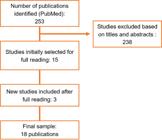
The search found 253 results, including scientific articles, editorials, comments, and newspaper articles in specialized magazines.
The exclusion criteria of articles used were the following: exclusively biomedical texts, Ebola outbreaks in other regions, reference merely alluding to the descriptors.
After reading the titles and abstracts, 15 publications were found that addressed the PHEIC, the subject of this article. These publications were selected for full reading. Three additional studies were identified in the references and included in the final sample (Figure 1).
The document research was carried out in the WHO Institutional Repository for Information Sharing and the United Nations Digital Library. Documents about PHEIC in the DRC between 2018 and 2024 were selected, especially: i) the documentation produced by the IHR Emergency Committee that subsidized the declaration of PHEIC by the WHO and ii) the statements and resolutions of the UNSC on the Ebola outbreak in the provinces of North Kivu and Ituri.
Results
UN assessment on risk of international contagion by the outbreak in Ituri and North Kivu
The WHO assessed that the risk of international contagion from the epicenter in North Kivu and Ituri was very high at the national and regional level, but globally low, according to statements by the IHR Emergency Committee on Ebola Virus Disease in the DRC (provinces of Kivu and Ituri)19.
At the third meeting of this committee (June 14, 2019), a group of cases in Uganda was confirmed, with a risk of spreading to neighboring countries. However, it was understood that the risk of dissemination beyond the regional surroundings of the DRC remained low, and the PHEIC was not declared.
At the fourth meeting (July 17, 2019), the first case was confirmed in Goma, a city of almost two million inhabitants on the border with Rwanda. According to the committee’s recommendations, the WHO’s Director-General, Tedros Ghebreyesus, finally declared the PHEIC.
Comparatively, the IHR Emergency Committee for Ebola in West Africa (2014-2016) considered the potential for international spread to be greater, as the transmission of the virus reached the United States and Europe, not limited to the regional environment20.
The UNSC also assessed the risk of international Ebola contagion. In the DRC, Resolution No. 2439 (2018) classified the outbreak in North Kivu and Ituri as only a regional threat, taking note of the WHO assessment of the risk of regional spread and expressing concern about possible spread to Uganda, Rwanda, South Sudan, and Burundi21. Although there was a threat to the regional environment, the UNSC did not consider the outbreak in the DRC a threat to international peace and security, as it did with the outbreak in West Africa through Resolution No. 2177. This resolution expressly linked securitization to the geographic scope of the epidemic, stating, in item 5 of the preamble, that “the unprecedented extent of the Ebola outbreak in Africa constitutes a threat to international peace and security”22.
WHO’s response to the Ebola outbreak
Within weeks of the first cases, WHO and the DRC Ministry of Health began a major response program, with laboratory support and dispatch of personnel and supplies by international agencies23.
WHO sent around 700 staff to Ebola-affected cities and towns in 2019. In contrast, the U.S. Centers for Disease Control and Prevention (CDC) had only twelve epidemiologists in the DRC, allocated outside the most affected zones24.
In June 2019, WHO requested help from other UN agencies to deal with humanitarian aspects of the crisis. About 3,000 MONUSCO soldiers were mobilized for humanitarian aid and to ensure the safety of medical teams24.
In addition, WHO used its contingency fund to send epidemiologists and supplies to DRC early in the outbreak. The Director-General always treated the situation as an emergency, but took long to formally declare the PHEIC, as he was concerned about possible negative repercussions such as the closure of borders. The declaration of the PHEIC, on July 17, 2019, sought, among other objectives, to increase the financing of the response, since funding in the first half of 2019 was less than half of the US$98 million requested by WHO, with a cost projection of almost US$300 million for the following semester24.
WHO’s initial decision not to declare a PHEIC generated controversy. The respective Emergency Committee, chaired by Robert Steffen, argued that declaring an emergency to raise funds would not be appropriate, despite publicly acknowledging WHO’s difficulty in obtaining funding25.
Experts widely criticized this justification, pointing out the risk of losing credibility in the PHEIC figure and raising questions about the usefulness of this governance tool26. The criticism was not restricted to the decision itself, but also to the way the IHR criteria for verifying an emergency were interpreted. The Committee was not restricted to the provisions of the IHR but noted political and economic considerations not provided for in the regulation.
The situation in the DRC exemplifies the criticism of the PHEIC declaration process, which has occurred since the first H1N1 emergency in 200927, mainly focused on the lack of transparency of deliberations and means of holding members of the Emergency Committee accountable.
Medications and vaccines
There are two drugs to treat Ebola—Inmazeb (Regeneron Pharmaceuticals) and Ebanga (Ridgeback Biotherapeutics)—in addition to the Ervebo vaccine (Merck). They were tested during the outbreak in North Kivu and Ituri in a clinical trial conducted by WHO. The use of both reduced the mortality rate to about 30%, compared to an overall rate of 66%23,28.
The Ervebo vaccine, based on the Zaire ebolavirus, was initially tested in the Ebola outbreak in West Africa. In 2017, the WHO Strategic Advisory Group of Experts on Immunization recommended its use for individuals at risk of exposure, being applied for the first time in the small outbreak in Equateur province, DRC, in 201829.
Subsequently, WHO-led teams largely administered the vaccine in the North Kivu and Ituri outbreak through the ring vaccination strategy aimed at protecting contacts from symptomatic cases and breaking the chain of transmission30. Starting on 08/08/2018, vaccination reached more than 300,000 people. A single dose offers high protection after 10 days, with 84% efficacy30.
Despite the approval of these treatments, access remains limited due to high prices, an insufficient supply and issues that allow intellectual property pharmaceutical companies to form monopolies. There is a concentration of production and stock of these products in the United States, headquarters of manufacturing companies3. In this context, governments should potentially consider using the flexibilities provided for in international law to overcome these monopolies. Finally, there is little transparency in prices and little capacity for pharmaceutical companies to supply Ebola treatments3.
Violent incidents against professionals involved in the international response to Ebola and mistrust of the population
Despite the use of vaccines and drugs, the mortality rate remained high, reaching 67%, partially because the drugs and vaccines did not reach everyone in need. In addition to armed groups, WHO faced discredit from part of the local population. This deep skepticism of outsiders stems from more than a century of conflict, exploitation, and corruption in the region24.
For decades, violence has plagued North Kivu and Ituri, where there are dozens of armed groups and anti-government communities. Political tensions escalated in late 2018, when the government banned more than one million people from North Kivu from voting, citing public health reasons due to Ebola, leading to the belief that the outbreak was a political invention to marginalize the opposition31.
WHO-led teams faced death threats and attacks with stones, bullets and grenades. In February 2019, attacks partially destroyed Ebola treatment units in the cities of Butembo and Katwa (North Kivu). On April 19, 2019, Richard Mouzoko, a WHO epidemiologist, was shot dead in Butembo by men shouting, “Ebola doesn’t exist!”. Director-General Tedros Adhanom attended the funeral in May; in the following months, dozens of health workers were attacked32.
In July and August 2019, armed groups killed and kidnapped civilians in the epicenter region of the outbreak. In response, residents of Beni protested against UN troops and local authorities, accusing them of failing to protect them24.
According to the WHO’s Director-General, in the weeks after episodes of violence, there was an increase in cases, as health professionals needed to retreat for safety reasons33.
Securitization of Ebola: comparison between 2014 and 2018 PHEICs
Considering the eight PHEICs declared by WHO since the reform of the IHR (2005), indicating whether the UNSC equally discussed the disease object of the health emergency, we found that the UNSC addressed three of them: Ebola in West Africa; Ebola in the DRC; and Covid-19.
Ebola in West Africa was the most discussed health emergency in meetings of the UNSC, with four exclusive meetings between 2014 and 2015, under the agenda item “Peace and Security in Africa”. The outbreak in the DRC and covid-19 deserved only an exclusive meeting in the UNSC.
Of the three diseases covered by PHEIC, only Ebola in West Africa was considered a threat to international peace and security by the UNSC. The UNSC, by literally securitizing that Ebola outbreak through Resolution No. 2,177, took over the conduct of the international response to Ebola, then directed exclusively by WHO.
In the DRC, Ebola was mostly addressed together with other topics, under the item “the situation regarding the DRC” on the Council’s agenda, except for the meeting exclusively for the topic in 2019. In this agenda item, all political and security issues in the DRC were discussed under the purview of the UNSC. Consequently, the documents dealing with Ebola in the DRC21,23,34 do not include the fight against the disease in their list of obligations, merely expressing concern for the country’s security, aggravated by Ebola.
Therefore, the UNSC chose not to invoke the leadership in coping with the outbreak in the DRC, as evidenced by a statement of August 2, 2019, in which it merely says that it “became aware” of PHEIC declaration35.
Role of the Africa Centres for Disease Control and Prevention (Africa CDC)
Founded in 2016 following the Ebola outbreak in West Africa, Africa CDC is the African Union’s technical body responsible for disease prevention and control on the continent. In the DRC, it supported the response to the outbreak from the outset by deploying specialists and activating, in August 2018, its Emergency Operations Center. This center recruited, trained, and mobilized an “Epidemic Response Team” composed of specialists in epidemiology, laboratory testing, logistics, communication, anthropology, and environmental and animal health6.
This team trained at least 8,000 health professionals and local volunteers in epidemiological surveillance, laboratory diagnostics, risk communication, patient screening, and infection prevention and control. Together with the DRC government and WHO, it screened more than 70 million people at border spots and supported home visits for health education and vaccination6.
The creation of Africa CDC represents a step toward building a new public health order on the continent, by allowing the coordination of responses through the National Public Health Institutions articulated with regional centers36. The model seeks to improve epidemiological surveillance and information exchange37.
The institution operates on the basis of solidarity and cooperation, as demonstrated by the creation of the African Coronavirus Task Force — which facilitated the exchange of information, the mobilization of resources, medical supplies, and workforce across Africa, enabling early detection of epidemics and rapid response — and the African Health Volunteer Corps, which provides specialists in health emergencies. These initiatives operationalize the fundamental principles of solidarity and cooperation to address public health threats on the continent38.
As for intercontinental cooperation, Africa CDC maintains ties with institutions in the United States and Europe that can offer operational models adapted to the reality of the continent, including the Pan-African Network For Rapid Research, Response, Relief and Preparedness for Infectious Disease Epidemics (PANDORA-ID-NET) consortium and the US Centers for Disease Control and Prevention (CDC). It also maintains a competency-based workforce program, inspired by the Epidemiological Intelligence Service of the North American CDC37.
Discussion
The roles played by the actors involved in the two Ebola-related PHEICs are summarized in the table below.
The results of the research allow us to state that the Ebola outbreak in the DRC was not securitized, unlike the outbreak in West Africa.
In West Africa, Ebola has gone through a process that corresponds to the classic concept of securitization, explained by the Copenhagen School8. Securitization would be an act of speech, practiced by a securitizing agent, which discursively links an object, such as the State, public health, or the economy, to the field of security. This referring object would be facing an existential threat, which could be an epidemic or a war, justifying that the securitizing agent can take exceptional measures to stop the threat8.
Securitization of a disease is not good or bad by itself and may be necessary in certain cases. However, it needs to be analyzed from a critical perspective to ensure the sustainability and effectiveness of the response, in addition to minimizing its negative effects on human rights and the health of the populations involved.
In this sense, we will not assume that the lack of securitization of Ebola in the DRC was positive, in the sense of progress in the international response to Ebola.
We will seek to reflect on the reasons why the Ebola PHEIC in the DRC was not securitized, considering the securitization precedent that occurred with the Ebola PHEIC in West Africa.
First, we assessed that the non-securitization of Ebola in the DRC stemmed from the international community’s perception that the outbreak would not leave Africa.
Circumscribed to the DRC and Uganda, the outbreak was understood as an African regional problem. Therefore, despite being a PHEIC, it was made invisible within the scope of global health governance, as it did not have the same intercontinental reach as the Ebola outbreak in West Africa. Consequently, it did not run the risk of entering developed countries, as occurred during the 2014 outbreak, one of the reasons that led the United States to propose a resolution to the UNSC.
Viewed as a problem confined to Africa, the DRC outbreak was neglected by the international community as a whole, despite the proactive action of WHO on the ground. According to the approach proposed by João Nunes9-12, the neglect of a disease should be understood as a continuous process to make a problem or condition invisible, also involving the denial of the offer of resources necessary to understand a problem or address it. At the core of the production of neglect, it is always possible to identify the combined effect of the actions and omissions of different actors: policymakers, donors, the media, and the general public11.
Beyond rendering a problem invisible, neglect produces the systematic exclusion of certain groups —defined, for example, in terms of gender, age, race, sexual orientation, or class—from the highest health standards available. This exclusion occurs through what the author identifies as abjection—the act of rejecting, demeaning or making despicable something or someone. According to Nunes’ studies on the Ebola outbreak in West Africa (2014-2015), certain groups and practices were represented as strange, exotic, and repugnant, and directly linked to the spread of Ebola, producing emotions that affect the perceptions of the actors about the motives of others, and thus shaping the content of their relationships10.
The neglect of Ebola in the DRC limited the sense of urgency or even severity in the face of that outbreak, resulting in scarce financial resources for the international response and a lack of security for medical teams. It is not surprising that it took WHO about a year, after the first cases, to declare that the Ebola outbreak in the DRC was a PHEIC39.
The neglect of the international community with Ebola in the DRC is associated with abjection, and the disease was framed as a racialized African problem, as was the outbreak in West Africa10. Abjection produced different results in West Africa and the DRC. The 2014 Ebola outbreak, by threatening the integrity of developed countries (health and economically), was securitized by the UNSC. The 2018 Ebola outbreak, circumscribed to the DRC and Uganda, was not prioritized by global health governance. The discussions of the international community on Ebola outbreaks were marked by horror, incomprehension, and impotence, feelings that brought to the imagination of decision-makers an apocalyptic vision of Africa40. This abjection has two faces: that of containment, including military if necessary, and then oblivion, indifferent to its recurrence if it remains in peripheral locations.
Second, the non-securitization of the Ebola outbreak in the DRC also stems from a political context that has already been securitized since 2000, when the UNSC considered the political situation in the DRC a threat to international peace and security through Resolution 129141.
This resolution provided the basis for the deployment of the United Nations Organization Mission in the DRC (MONUC) to monitor the ceasefire following the Second Congo War (1998-1999). MONUC was replaced in 2010 by MONUSCO42, which expanded its operations to include the provision of humanitarian assistance due to the country’s serious socio-political situation. We emphasize that the DRC is a major producer of cobalt and coltan, minerals used in mobile phones and computers, whose exploitation by elites in collusion with multinational companies has involved low wages and forced labor43. The context is one of humanitarian crisis, with millions of internally displaced people and a significant incidence of diseases such as cholera, measles, and mpox.
To understand the apparent contradiction of not securitizing Ebola in a conflicted context, we also used the cyclothymic approach of Ebola, understood as an alternation between moments of intense international mobilization and periods of oblivion and omission5. Phases of “war” against Ebola alternate with “truces,” interpreted as the cessation of the threat. When there is a risk of international spread, media and government attention return, and the disease is again treated as a threat5.
Although the outward forms of imperialism may have changed, its core of racism and colonial mentality has been preserved, with enduring continuities4.
The 2018 outbreak occurred in a “truce” phase, given its restricted scope. With the political situation already securitized by UNSC resolutions since 2000, there has been less propensity to adopt a specific resolution on Ebola. The use of medicines and vaccines contributed to this perception. The DRC has been involved in three PHEICs since 2018, one of Ebola (2019) and two of mpox (2022 and 2024). With the use of vaccines in all, none of them was considered a threat to international peace and security by the UNSC (see frame 1).
The sense of security associated with the availability of treatments shifted attention away from the recurring reliance on the PHEIC as a mechanism for addressing health crises in the DRC. Yet this “truce,” far from indicating that a public health issue is under control, reveals neglect of the structural conditions that allow diseases to recur, such as public distrust toward international medical assistance, armed conflict, and poverty. The existence of vaccines and therapeutics should benefit the affected populations. However, the neglect surrounding Ebola has not ensured these countries equitable access to such treatments.
Conclusion
The neglect of Ebola is linked to its origin in African countries, whose populations are often deprived of adequate health standards and attention to their needs within the scope of global health governance. This marginalization is aggravated because these countries are not part of the decision-making center of international governance, composed of nations with political, economic, and military power, like the permanent members of the UNSC. More than seven decades after its creation, there is no African or Latin American country with a permanent seat in the UNSC, leaving the two regions without real decision-making power.
The lack of relative power of African countries is counterbalanced by the combination of initiatives within the African Group, acting in several instances at the UN. With representation guaranteed by more than 50 States, the African Group, often represented by the African Union, seeks to place its demands at the top of the international agenda. In health, overcoming neglect of diseases originating in Africa requires prioritizing African solutions for global health governance, with financing tailored to the needs identified by local actors.
Although it is an arduous task, it is politically possible to change the status of countries in the Global South, including African countries, within global health governance. A first step could be to build on the political gains derived from the successful technical performance of Global South countries in responding to PHEICs—such as the role played by Africa CDC — to claim a leading role in multilateral forums. In the case of Ebola, such leadership would make it possible to move beyond an excessive focus on short-term containment measures and to avoid the concentration of socioeconomic costs in African countries. Priority could thus be given to actions with the potential to prevent the recurrence of Ebola, such as poverty reduction, conflict resolution, and the self-determined promotion of development in the affected countries.
Data Availability
The contents underlying the research text are non-handwritten contents.
References
- 1 Judson SD, Munster VJ. The multiple origins of Ebola disease outbreaks. J Infect Dis. 2023; 228 Suppl 7:S465-73.
- 2 Alexander KA, Sanderson CE, Marathe M, Lewis BL, Rivers CM, Shaman J, et al. What factors might have led to the emergence of Ebola in West Africa? PLoS Negl Trop Dis. 2015; 9(6):e0003652.
-
3 Medecins Sans Frontieres. Ensuring access to new treatments for Ebola virus disease [Internet]. Geneva: MSF Access; 2023 [citado 2 Jul 2025]. Disponível em: https://msfaccess.org/ensuring-access-new-treatments-ebola-virus-disease
» https://msfaccess.org/ensuring-access-new-treatments-ebola-virus-disease - 4 Andrews K. The New Age of Empire: How Colonialism and Racism Still Rule the World. New York: Penguin Books; 2021.
- 5 Ventura DFL. Do Ebola ao Zika: as emergências internacionais e a securitização da saúde global. Cad Saude Publica. 2016; 32(4):e00033316.
-
6 Guetiya RE, Sevalie WS, Minutolo A. The 2018–2020 Ebola outbreak in the Democratic Republic of Congo: a better response had been achieved through inter-state coordination in Africa. Risk Manag Healthc Policy. 2021; 14:4923-30. doi: 10.2147/RMHP.S327616.
» https://doi.org/10.2147/RMHP.S327616 - 7 Burci GL. Ebola, the Security Council and the securitization of public health. QIL Zoom In. 2014; 10:27-39.
- 8 Buzan B, Wæver O, Wilde J. Security: a new framework for analysis. Boulder: Lynne Renner Publishers; 1998.
- 9 Nunes J. Security, emancipation and the politics of health: a new theoretical perspective. London: Routledge; 2013.
- 10 Nunes J. Ebola and the production of neglect in global health. Third World Q. 2016; 37(3):542-56.
- 11 Nunes J. Neglect in Global Health. In: Parker R, García J, editors. Routledge handbook on the politics of Global Health. Abingdon: Routledge; 2019. p. 44-52.
- 12 Nunes J. Critical security studies and Global Health. In: McInnes C, Lee K, Youde J, editors. The Oxford handbook of Global Health politics. New York: Oxford University Press; 2020. p. 161-77.
- 13 Cueto M. Saúde global: uma breve história. Rio de Janeiro: Editora Fiocruz; 2015.
- 14 Fee E, Cueto M, Brown TM. At the roots of The World Health Organization's challenges: politics and regionalization. Am J Public Health. 2016; 106(11):1912-7.
- 15 Makiadi SL. L’intégration régionale en Afrique: Un processus déjà ancien… pour quels résultats?. Mulemba. 2016; 6(12):51-71.
- 16 Anaemene B. Health and Diseases in Africa. Develop Africa. 2017; 71:207-26.
- 17 Carmo EH, Ventura DFL, Pittas TM, Viegas LL, Aith FMA, Dallari PBA, et al. Nota Técnica n. 5 - Emendas ao Regulamento Sanitário Internacional: Impactos e Oportunidades para o Brasil. São Paulo/Rio de Janeiro: Grupo de Trabalho Acordo sobre Pandemias e Reforma do RSI - Fiocruz/USP; 2024.
- 18 Piot P. No time to lose: a life in pursuit of deadly viruses. New York: W.W. Norton & Company; 2012.
-
19 World Health Organization. Ebola Virus Disease in the Democratic Republic of the Congo (Kivu and Ituri) IHR Emergency Committee [Internet]. Geneva: WHO; 2024 [citado 10 Out 2024]. Disponível em: https://www.who.int/groups/ebola-virus-disease-in-the-democratic-republic-of-the-congo-kivu-and-ituri-ihr-emergency-committee
» https://www.who.int/groups/ebola-virus-disease-in-the-democratic-republic-of-the-congo-kivu-and-ituri-ihr-emergency-committee -
20 World Health Organization. Ebola Virus Disease in West Africa (2014-2015) IHR Emergency Committee [Internet]. Geneva: WHO; 2024 [citado 10 Out 2024]. Disponível em: https://www.who.int/groups/ebola-virus-disease-in-west-africa-(2014-2015)-ihr-emergency-committee
» https://www.who.int/groups/ebola-virus-disease-in-west-africa-(2014-2015)-ihr-emergency-committee - 21 United Nations. Resolution 2439 (2018) - Adopted by the Security Council at its 8385th meeting, on 30 October 2018 S/RES/2439 (2018). New York: United Nations; 2018.
- 22 United Nations. Resolution 2177 (2014) - Adopted by the Security Council at its 7268th meeting, on 18 September 2014 S/RES/2177 (2014). New York: United Nations; 2014.
-
23 Shears P, Garavan C. The 2018/19 Ebola epidemic in the Democratic Republic of the Congo (DRC): epidemiology, outbreak control, and conflict. Infect Prev Pract. 2020; 2(1):100038. doi: 10.1016/j.infpip.2020.100038.
» https://doi.org/10.1016/j.infpip.2020.100038 -
24 Maxmen A. Exclusive: Behind the front lines of the Ebola wars. Nature. 2019; 573(7773):178-83. doi: 10.1038/d41586-019-02673-7.
» https://doi.org/10.1038/d41586-019-02673-7 -
25 Branswell H. Could an emergency declaration over Ebola make a bad situation worse? [Internet]. Boston: STAT News; 2019 [citado 4 Jun 2025]. Disponível em: https://www.statnews.com/2019/05/14/could-an-emergency-declaration-over-ebola-make-a-bad-situation-worse/
» https://www.statnews.com/2019/05/14/could-an-emergency-declaration-over-ebola-make-a-bad-situation-worse/ - 26 Fidler DP. To declare or not to declare: the controversy over declaring a Public Health Emergency of International Concern for the Ebola outbreak in the Democratic Republic of the Congo. Asian J WTO Int Health Law Policy. 2019; 14(2):287-330.
- 27 Pagotto BF, Eccleston-Turner M. The politics of Public Health Emergencies of International Concern. Glob Stud Q. 2024; 4(4):ksae083.
- 28 Torreele E, Boum Y 2nd, Adjaho I, Alé FGB, Issoufou SH, Harczi G, et al. Breakthrough treatments for Ebola virus disease, but no access-what went wrong, and how can we do better? Lancet Infect Dis. 2023; 23(7):e253-8.
- 29 Strategic Advisory Group of Experts on Immunization. Strategic Advisory Group of Experts on Immunization: conclusions and recommendations. Wkly Epidemiol Rec. 2017; 92(22):301-20.
-
30 Meakin S, Nsio J, Camacho A, Kitenge R, Coulborn RM, Gignoux E, et al. Effectiveness of rVSV-ZEBOV vaccination during the 2018-20 ebola virus disease epidemic in the Democratic Republic of the Congo: a retrospective test-negative study. Lancet Infect Dis. 2024; 24(12):1357-65. doi: 10.1016/S1473-3099(24)00419-5.
» https://doi.org/10.1016/S1473-3099(24)00419-5 -
31 Maxmen A. Ebola cases pass 2,000 as crisis escalates. Nature. 2019; doi: 10.1038/d41586-019-01735-0.
» https://doi.org/10.1038/d41586-019-01735-0 - 32 Nguyen V-K. An epidemic of suspicion - Ebola and violence in the DRC. N Engl J Med. 2019; 380(14):1298-9.
-
33 Maxmen A. 'The world has never seen anything like this': WHO chief on battling Ebola in a war zone. Nature. 2019. doi: 10.1038/d41586-019-01432-y.
» https://doi.org/10.1038/d41586-019-01432-y - 34 United Nations. Resolution 2463 (2019) - Adopted by the Security Concil at its 8498th meeting, on 29 March 2019. S/RES/2463 (2019). New York: United Nations; 2019.
- 35 United Nations. Statement by the President of the Security Council S/PRST/2019/6. New York: United Nations; 2019.
- 36 Nkengasong JN, Tessema SK. Africa needs a new public health order to tackle infectious disease threats. Cell. 2020; 183(2):296-300.
- 37 Kapata N, Ihekweazu C, Ntoumi F, Raji T, Chanda-Kapata P, Mwaba P, et al. Is Africa prepared for tackling the COVID-19 (SARS-CoV-2) epidemic. Lessons from past outbreaks, ongoing pan-African public health efforts, and implications for the future. Int J Infect Dis. 2020; 93:233-6.
- 38 Amu H. Africa Centres for Disease Control and Prevention (Africa CDC): Achievements and Challenges in Promoting Health Security. Prev Med Res Rev. 2024; 1(1):60.
- 39 Zarocostas J. Ebola outbreak declared a PHEIC, world waits for next steps. Lancet. 2019; 394(10195):287-8.
- 40 Chabrol F. Ebola et la faillite de la santé publique en Afrique. Rev Int Strateg. 2014; 4(96):18-27.
- 41 United Nations. Resolution 1291 (2000) - Adopted by the Security Council at its 4104th meeting, on 24 February 2000 S/RES/1291 (2000). New York: United Nations; 2000.
- 42 United Nations. Resolution 1952 (2010) - Adopted by the Security Council at its 6432nd meeting, on 29 November 2010 S/RES/1952 (2010). New York: United Nations; 2010.
- 43 Instituto Tricontinental de Pesquisa Social, Centre Culturel Andrée Blouin, Centre for Research on the Congo Kinshasa, Likambo Ya Mabele. Dossiê nº 77: os congoleses lutam por sua própria riqueza. São Paulo: Instituto Tricontinental de Pesquisa Social; 2024.

 Source: Prepared by the authors.