
 Adherence of people diagnosed with mental disorders to services from the Brazilian National Health System: scoping review
Abstract
This scoping review aimed to map scientific knowledge on adherence to public health services among people with mental disorders in Brazil. The search of bibliographic databases resulted in 27 publications, which predominantly evaluated medication adherence using instruments and interviews, the associations between the variables studied, and the participation of users of Psychosocial Care Centers with specific mental disorders. There was no consensus on criteria, definition, or measurement method, except for positive and negative factors for adherence. However, the existing literature does not reflect the multifactorial nature of the phenomenon, nor does it highlight the relevance of non-pharmacological interventions and user participation in follow-up. Considering adherence to be an indicator of quality and a factor in reducing public health costs, the article suggests studies with robust designs consistent with the national context.
Keywords
Cooperation and adherence to treatment; Brazilian National Health System; Mental disorders; Mental health; Review
Resumo
A presente revisão de escopo objetivou mapear o conhecimento científico sobre adesão de pessoas com transtorno mental aos serviços de Saúde Pública do Brasil. A busca em bases bibliográficas resultou em 27 publicações, nas quais predominou a avaliação da adesão a medicamentos por instrumentos e entrevistas, as associações entre as variáveis estudadas e a participação de usuários de Centros de Atenção Psicossocial com transtornos mentais específicos. Não houve consenso sobre critério, definição ou método de mensuração, exceto sobre fatores positivos e negativos à adesão. No entanto, a literatura existente não reflete a multifatorialidade do fenômeno, tampouco evidencia a relevância das intervenções não medicamentosas e da participação do usuário no acompanhamento. Considerando-se a adesão um indicador de qualidade e fator de redução de gastos em Saúde Pública, sugerem-se estudos com delineamentos robustos e condizentes com a realidade nacional.
Palavras-chave
Cooperação e adesão ao tratamento; Sistema único de saúde; Transtornos mentais; Saúde mental; Revisão
Resumen
El objetivo de la presente revisión de alcance fue mapear el conocimiento científico sobre la adhesión de personas con trastorno mental a los servicios de salud pública de Brasil. La búsqueda en bases bibliográficas resultó en 27 publicaciones en las cuales predominó la evaluación de la adhesión a medicamentos por medio de instrumentos y entrevistas, las asociaciones entre las variables estudiadas y la participación de usuarios de Centros de Atención Psicosocial con trastornos mentales específicos. No hubo consenso sobre criterio, definición o método de medición, excepto sobre factores positivos y negativos para la adhesión. No obstante, la literatura existente no refleja la multifactorialidad del fenómeno, ni tampoco evidencia la relevancia de las intervenciones no medicamentosas y de la participación del usuario en el acompañamiento. Considerándose la adhesión como un indicador de calidad y factor de la reducción de gastos en salud pública, se sugieren estudios con delineaciones robustas y adecuadas a la realidad nacional.
Palabras clave
Cooperación y adhesión al tratamiento; Sistema Brasileño de Salud; Trastornos mentales; Salud mental; Revisión
Introduction
Adherence is defined as the active and voluntary acceptance or agreement of a person seeking health care with the proposal developed jointly with the responsible professionals. This context requires cooperation, implementation, persistence, and maintenance of behaviors that correspond to the care plan1,2.
Considered a multifactorial, procedural, dynamic, and collaborative phenomenon, adherence encompasses physical, psychological, social, and cultural aspects. It is influenced by factors related to the health problem and its possible comorbidities, the care provided by the services, the user’s subjective and behavioral issues, the health systems and teams, and the socioeconomic situation3-5. It is therefore recommended to use a multidimensional approach that employs different methods to assess the phenomenon, in addition to developing and improving strategies to overcome identified barriers6.
With regard to adherence among people diagnosed with mental disorders, recent research highlights the importance of aspects that increase adherence, such as: the use of technology and media to demystify drug treatment7; trust in the team and satisfaction with the care provided8; interventions focused on the social determinants of mental disorders9; involving family members in treatment10; considering factors that influence adherence to each specific action11; understanding facilitators and barriers to medication adherence12; and recovering from the implementation of public health actions hampered by the COVID-19 pandemic13. The current biopsychosocial understanding of health-illness and care, in addition to the centralization of the user in the care process, enables the person, through the mediation of professionals, to accept and understand their condition, actively participate in treatment, and develop self-management resources2.
In recent decades, several countries have made significant progress in the area of mental health, promoting evidence-based practices and technologies. Discussions on the topic and recognition of its importance by professionals, political leaders, and the community have expanded. There has been dissemination of knowledge through the media, interest from international agencies, and implementation of national and global policies and programs14.
On the other hand, non-adherence by people diagnosed with mental disorders remains a public health problem. There are numerous gaps, such as underfunding, low availability, and high cost of medications, as well as lack of accessibility, non-pharmacological approaches, and teams trained to perform specific interventions14,15.
Care for people with mental disorders and/or demands arising from the use of psychoactive substances is provided in Brazil by the Psychosocial Care Network (RAPS) of the Brazilian National Health System (SUS). This network offers comprehensive, interprofessional, and intersectoral care, seeking to promote actions for promotion, prevention, assistance, care, rehabilitation, and reintegration in diversified services in an expanded, integrated, coordinated, and effective manner16,17. It consists of services such as: Basic Health Unit (UBS), Street Clinic, Community and Cultural Center (CECO), Psychosocial Care Center (CAPS), Mobile Emergency Care Service (SAMU), Emergency Care Unit (UPA), Residential Care Service, Reception Unit (UA), General Hospital, Residential Therapeutic Service (SRT), “Back Home” Program (PVC), and Psychosocial Rehabilitation Strategies18,19.
Structured in accordance with the doctrinal and organizational principles of the SUS20, significant advances have been observed in public mental health care in Brazil, with the creation of mechanisms such as the Expanded Clinic and the Personalized Therapeutic Project (PTS)21, which are based on the principles of deinstitutionalization, social participation, care in freedom, psychosocial rehabilitation, and the guarantee of human rights of the Psychiatric Reform. However, there has been a notable setback in the last decade22, exacerbated by the impacts of the COVID-19 pandemic23. As in all of Latin America, the biomedical discourse still predominates, limiting mental health care to psychopharmacological prescriptions, to the detriment of other approaches2,24,25.
Adherence to care is an indicator of quality in the evaluation of public health services in Brazil, in addition to reflecting progress toward the goals set by the World Health Organization (WHO)15. This study aims to facilitate access to existing knowledge, enabling new reflections that contribute to assisting professionals in their decision-making, as well as the development and implementation of evidence-informed public policies. Its objective is to map scientific knowledge on adherence to healthcare among people diagnosed with mental disorders in Brazil’s SUS services.
Methods
This scoping review is the result of a Final Project for a Specialization in Public Health, and was conducted in accordance with the guidelines of the Preferred Reporting Items for Systematic reviews and Meta-Analyses (PRISMA)26, Preferred Reporting Items for Systematic reviews and Meta-Analyses - Scoping Review (PRISMA-ScR)27, and the Joanna Briggs Institute Manual for Evidence Synthesis for Scoping Reviews28. The Scoping Review Protocol was developed based on the Preferred Reporting Items for Systematic reviews and Meta-Analyses Protocol (PRISMA-P)29 and registered in the Open Science Framework. The research project was evaluated by the Research Committee of the School of Dentistry at the Federal University of Rio Grande do Sul (UFRGS) and followed the guidelines of CNS Resolutions No. 466/1230 and No. 510/1631, although it did not need to be submitted to the Research Ethics Committee (CEP).
Search strategies
The acronym PCC (Population-Concept-Context) was used to formulate the research question: “What exists in the scientific literature on adherence to healthcare (Concept) by people diagnosed with Mental Disorders (Population) who are monitored by the SUS (Context)?”.
Initially, a search was conducted using Health Sciences Descriptors (DeCS) and Medical Subject Headings (MeSH), which served as the basis for the search strategies used in the electronic bibliographic databases. The search, updated on November 11, 2024, was conducted in the following databases: Latin American and Caribbean Health Sciences Literature (LILACS), Medical Literature Analysis and Retrieval System Online (MEDLINE) via PubMed, Scopus, Embase, and Web of Science.
On the same day, a search for gray literature was conducted on Google Scholar, covering the top 100 publications by relevance; on the Scientific Electronic Library Online (SciELO); the Brazilian Digital Library of Theses and Dissertations (BDTD); and on websites of national government agencies such as the Ministry of Health (MS) and international agencies such as the WHO and the Pan American Health Organization (PAHO). No date or language restrictions were established. To organize the data, Zotero software was used as a bibliographic reference manager32 and Rayyan for the initial selection of abstracts and titles33.
Eligibility criteria
This scoping review included publications that studied adherence to mental health care provided by Brazil’s SUS to people diagnosed with mental disorders. The sources of evidence were: scientific articles, doctoral theses, master’s theses, undergraduate, specialization, or residency course completion papers, and documents published by government agencies and international organizations. The exclusion criteria were: studies involving animals and individuals under 18 years of age, letters to the editor, books, case studies, case series, opinion articles, manuals, abstracts and conference banners, and incomplete articles that were unavailable after three attempts to contact the author over a three-week period.
Duplicate articles in the databases were excluded, according to international guidelines. A careful preliminary check was conducted to identify any errata or retractions in the selected articles. Publications without abstracts, or whose titles were not sufficiently clear, were included for further analysis.
Data extraction
Initially, a pilot test was conducted to align the reviewers and define the eligibility criteria. Next, two reviewers selected the publications with the help of Rayyan software, using blinded decisions and evaluations, in addition to eliminating duplicates not identified by Zotero software. Disagreements were resolved by consensus or by the decision of a third reviewer.
All articles selected for full reading were read by at least one researcher. The extracted variables were recorded in an Excel® spreadsheet for further analysis, namely: year, author(s) name(s), title, type of publication, language, study location, journal, type of study, objectives, methodology, criteria for evaluating the phenomenon, instruments used, population/participants, mental disorder, RAPS service, intervention, definition of the phenomenon, results, and conclusions.
Data analysis and presentation of results
A flowchart was developed to represent the article selection process, including the final number of publications and the reasons for exclusions after reading them in full. A narrative summary was prepared to contextualize the findings. The results were extracted and mapped descriptively, with a simple count of the frequency of the aspects identified, and presented in figures and tables to facilitate the visualization and interpretation of the data.
Results and discussion
During the data search and selection process, described in Figure 1, two partially available studies were excluded because they were in the process of being submitted for publication, as reported by the authors. Two other studies were not found in full, nor was a response obtained by e-mail. Significant similarity was identified between two studies, both unpublished, which led to the decision to exclude them. In addition, two articles were selected to replace a master’s thesis and a doctoral thesis.

Flowchart of the selection process for publications on adherence to mental health services in Brazil. Brazil, 2025.
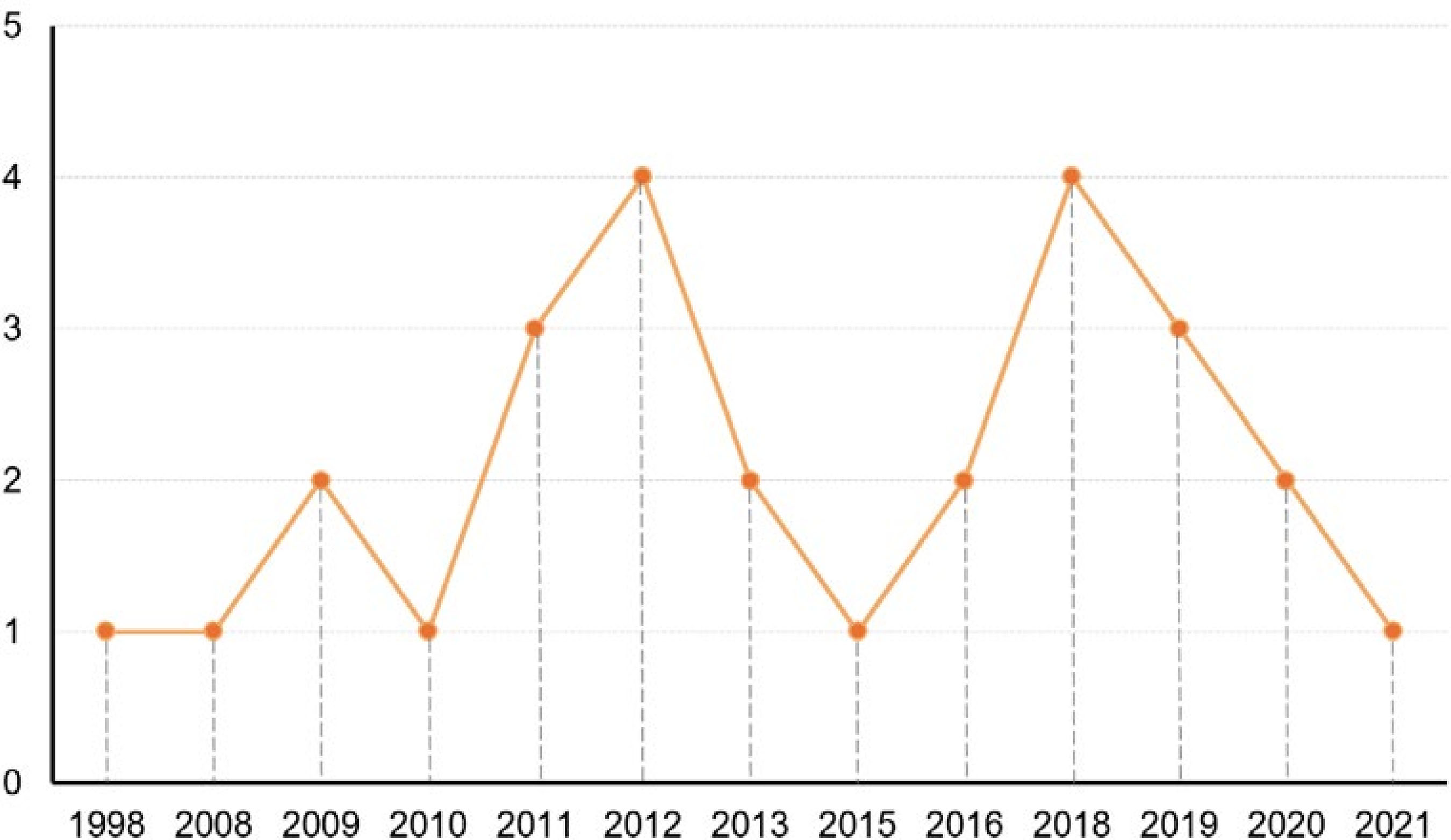
As shown in Figure 2, the oldest study found was published in 1998 and the most recent in 2021.
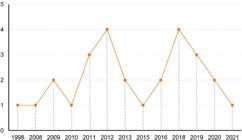
Distribution of studies included in the scope review, according to year of publication. Brazil, 2025.
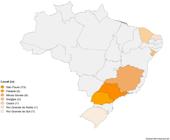
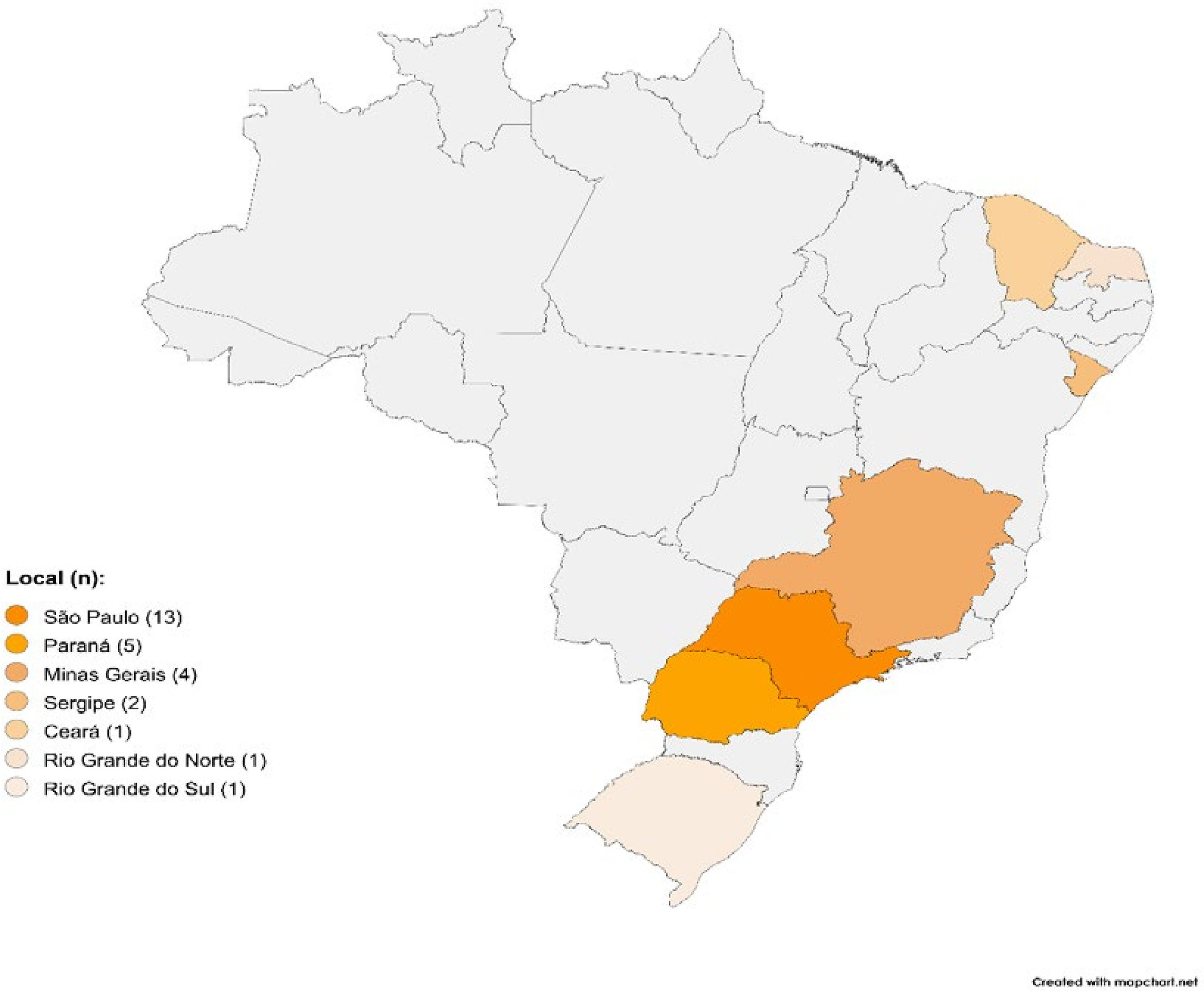
According to Figure 3 and Table 1, which present variables referring to the 27 publications34-60 included in the review, it is noteworthy that 19 were publications from scientific journals, 11 of them in the field of Nursing, with an observational design (n=19), only one of which was a randomized controlled clinical trial55, written in Portuguese (n=19) and conducted in the state of São Paulo (n=13). The results highlight the importance of encouraging studies on the topic61and systematizing productions that promote reflection and encourage researchers to delve deeper into the topic, to rethink the accessibility of scientific production, and to investigate the ramifications of the research question in other regions of Brazil.
Distribution of studies according to type of publication, language, journal and type of study. Brazil, 2025.
All the studies analyzed highlighted the multifactorial nature of adherence, and some authors36,38,41,53,56,60 emphasized the variety of understandings about it. Ten studies used the WHO definition5 and the prevailing understanding was that adherence means understanding, agreeing, participating, adopting, and maintaining the recommendations and instructions of health professionals. For one of the authors54, adherence involves being linked to the institution, beginning at welcoming and ending at discharge or interruption. In three studies41,45,46, adherence to drug treatment is defined as following the prescription at least 80% of the total observation time. The study that examined dropout 43 did not define the phenomenon; two defined non-adherence42,55 as the opposite of adherence; and ten34,35,37,39,40,44,47,51,57,58 did not define the phenomenon studied.
Table 2 shows the objectives, methods, and instruments used in the included studies. It should be noted that only one study evaluated user satisfaction and perception54, despite this being an indispensable aspect for promoting adherence62. Although only two studies identified the impact of an intervention on adherence44,55, as a multifactorial phenomenon that faces challenges in public health, it is essential to encourage research on actions such as Pharmacogenomic Testing63 and Telepharmacy64, which are more appropriate and feasible for the current Brazilian socioeconomic context.
Distribution of included studies according to objectives, methodology and instruments used. Brazil, 2025.
Regarding methods, it was observed that most used structured and/or semi-structured interviews (n=24) with or without questionnaires for data collection and employed other instruments (n=15) such as tests, indices, and scales. It is noteworthy that in 16 studies, the authors used the scores of the instruments as an analysis strategy. However, all of them only measure adherence to the medication(s). In the other five publications, among the 21 that reported the criteria, the authors described them as: weekly attendance at activities according to referrals34; completion of one year of research follow-up57; attendance rate equal to or greater than 50% in activities58; and remaining in treatment for at least 90 days, respecting their PTS59. In another study43, dropout was considered when the user attended the first consultation but missed subsequent ones during the evaluation period.
It is clear that there is no consensus on the definition of the phenomenon, despite its necessity65, nor on the criteria for evaluating it and the method for measuring it. There is also a lack of detailed information on the validity of the instruments, which were originally developed for other populations, contexts, and health problems and may not reflect the reality of mental health in Brazil66. As in projects that sought and seek to standardize health assessment67,68, there is a need to implement a culture of data analysis in the RAPS, especially of the results of interventions in services that lack instrumentation. Similarly, quality indicators should be developed that include adherence and the effectiveness of the care provided69. It should be noted that all the instruments mentioned assess medication adherence by measuring only subjective and behavioral factors, which also prevents them from adequately understanding and contextualizing the results, even though they recognize it as multifactorial.
Table 3 presents the mental disorders, health services, and interventions studied in the included publications. In 16 studies, the focus was on specific mental disorders. It should be noted that only 15 studies reported which classification they referred to, with 1434,35,37-39,43-46,52,53,57,59,60 based on the International Classification of Diseases (ICD-10) and one55 on the Diagnostic and Statistical Manual of Mental Disorders (DSM-V). It is important to report the reference for understanding which diagnostic criteria are considered.
Distribution of studies according to mental disorders, health services and interventions studied. Brazil, 2025.
In 25 studies, the participants were RAPS users, and among these, one studied psychiatric hospital dischargees39, another studied non-adherents44, and two studied users and their families34,38. Only two studies had professionals as participants, one involving nurses50, and the other involving a multidisciplinary team (social worker, nurses, psychologists, general practitioner, psychiatrist, occupational therapist, and nursing technician)48.
Most of the studies took place in specialized services, and only one51 collected information from more than one service (Hospital, CAPS II, Regional Mental Health Clinic, Mental Health Center, and UBS Mental Health Clinic). As for intervention, studies on medication adherence prevailed, and only three evaluated non-medication interventions34,43,58. As mentioned earlier, mental health care needs to be coordinated between RAPS care points, involving multidisciplinary teams, use of the PTS, various care modalities, and intersectoral services.
It is important that research provides an overview of adherence to different services and care actions, such as promotion and prevention in PHC70. The studies investigated the adherence of people who already had access to services, which limits the understanding of this factor in populations such as people living in the streets71. We suggest investing in technologies that enable user monitoring, the integration of intersectoral networks, and coordination between different levels of care, starting with PHC, with the participation of Community Health Workers (CHW), using the territory and the assistance of former hospital inpatients and clinical interventions as allies in enhancing care.
Regarding drug interventions, Table 4 presents the positive and negative factors that influence adherence, found in the results of the studies analyzed. Studies42,45,53,60, which found no statistically significant associations between the phenomenon and the variables studied, were not included. Although the factors identified are in line with the available literature5,6,72, the absence of statistically significant associations limits more robust conclusions.
As for non-pharmacological interventions, the study that evaluated the Home Care Program (PADO) observed that most users and their families adhered to the proposed interventions, which resulted in a reduction in psychiatric hospitalizations by facilitating the maintenance of outpatient follow-up34, something that is expected with the encouragement of RAPS deinstitutionalization proposals73. The study that analyzed the abandonment of Assessment/Counseling, Symbolic Treatment (Psychotherapy), and Medication offered by a Regional Mental Health Reference Center identified a high adherence rate and variables associated with abandonment such as: treatment duration of less than 60 days, income below minimum wage, high impulse control/frustration tolerance, and average level of insight. However, no association was observed between discontinuation and the type of treatment adopted43.
The study on Collective Multidisciplinary Activities (CMPA) identified that most users had low adherence to the intervention, but considered medication treatment important, had good adherence to medication, and attended psychiatric consultations. The reasons for absences attributed by users include: clinical illnesses, medical appointments, lack of motivation, family responsibilities, financial difficulties, psychiatric symptoms, and underlying psychotic diagnosis. The statistically significant factors associated with adherence are: Positive - permanent benefit; Negative - greater number of children, children under 14 years of age, greater number of psychiatric hospitalizations after admission to CAPS, low frequency in group activities, lack of income, and poor medication adherence58.
The two studies that evaluated the Chemical Dependency Care Program (PADQ in the Portuguese acronym), factors positively associated with treatment adherence were identified, such as having children, believing one has psychological problems, persistent desire or efforts to reduce or control substance use, abandonment or reduction of important social, occupational or recreational activities due to substance use, voluntary seeking of treatment at PADQ35,37, knowing why one consumes alcohol, reduction in consumption due to family influence, hospitalization for treatment for irritability35, feeling self-sufficient, expansive, dissatisfied, and unwell when sober37. The two studies that looked at users diagnosed with SUD, followed up at CAPS AD, although they didn’t specify the actions, showed links between non-adherence and, for example, crack use, a history of prison, and worries about interpersonal relationships59, side effects, feeling better or cured, fear of dependence on the medication, lack of commitment, religious fanaticism, and lack of a support network; and between adherence and good socioeconomic conditions, safe housing, connection to health services, adequate service infrastructure, and professional training48.
Regarding the degree of knowledge about the clinical condition and drug treatment, it was observed that in most cases, knowledge of aspects such as the name of the mental disorder, as well as the dose, name, and frequency of the medication(s) in use, in seven studies, in five the participants achieved levels ≤50%38-41,47. The importance of health literacy for treatment adherence is highlighted, as well as understanding the user’s subjective perception and their participation in the creation of the PTS, based on the identification of difficulties in adhering. In addition, mental health promotion should include strategies to reduce prejudice and stigmatization of people with mental disorders74, which also reduces adherence to the psychosocial paradigm to the detriment of the biomedical paradigm75.
Final considerations
This Scoping Review provides an overview of the available literature on the adherence of people diagnosed with mental disorders to public health services in Brazil. The results allow for reflections that encourage researchers and, consequently, other community entities to invest in non-pharmacological actions, as proposed by the SUS. The limitation of the study refers to the impossibility of accessing publications due to the strategies and bibliographic databases used.
It is suggested that future studies understand adherence based on the principles and guidelines of the SUS and Psychiatric Reform, as opposed to the prioritization of drug treatments and user guardianship. Furthermore, they should conduct an in-depth analysis of adherence indicators and instruments to identify methodological quality of development, validation, and psychometric properties for the population; research how an intervention affects adherence to propose projects and policies that favor it; use instruments tailored to the national reality, that are less heterogeneous and consider more robust designs; and enable the creation and use of instruments that assess all dimensions that affect adherence. In this perspective, it is suggested that managers, professionals, family members, and users be listened to in order to identify their perceptions of indicators and factors involved in the process, in addition to their participation in decision-making.
Considering the need to reduce public health spending, adherence is essential for the results of mental health interventions and an indicator of the quality of health services and the effectiveness of treatments, but, as far as we have found, there is no research in this regard. It should be noted that there are studies that do not identify whether the health service studied is part of or affiliated with the SUS. It is important that this does not happen in order to differentiate actions in the country and value public health, which has been so neglected, in order to also maintain respect for the achievements of the Psychiatric Reform.
Acknowledgments
We would like to thank Librarian Raquel Schimitt Domingos for her support in choosing the descriptors and creating the search strategies.
-
Corrêa LM, Mombelli MA, Reis RA. Adherence of people diagnosed with mental disorders to services from the Brazilian National Health System: scoping review. Interface (Botucatu). 2026; 30: e260093 https://doi.org/10.1590/interface.260093
-
Funding
This research did not receive financial support for its completion, either from public or private sources.
-
Translator
Félix Héctor Rigoli Caceres
Data Availability
The dataset supporting the results of this study was made available in SciELO Data and can be accessed in: https://doi.org/10.48331/SCIELODATA.TCMWAS
References
- 1 Camarneiro APF. Adesão terapêutica: contributos para a compreensão e intervenção. Referencia. 2021; 5(7):e20145.
- 2 Laranjeira C, Carvalho D, Valentim O, Moutinho L, Morgado T, Tomás C, et al. Therapeutic adherence of people with mental disorders: an evolutionary concept analysis. Int J Environ Res Public Health. 2023; 20(5):3869.
- 3 Brasil. Ministério da Saúde. Secretaria de Vigilância em Saúde. Programa Nacional de DST e Aids. Diretrizes para o fortalecimento das ações de adesão ao tratamento para pessoas que vivem com HIV e AIDS. Brasília, DF: Ministério da Saúde; 2007.
- 4 Brasil. Ministério da Saúde. Secretaria de Ciência, Tecnologia e Insumos Estratégicos. Departamento de Ciência e Tecnologia. Síntese de evidências para políticas de saúde: adesão ao tratamento medicamentoso por pacientes portadores de doenças crônicas. Brasília, DF: Ministério da Saúde; 2016.
- 5 World Health Organization. Adherence to long-term therapies: evidence for action. Geneva: WHO; 2003.
- 6 Schnorrerova P, Matalova P, Wawruch M. Medication adherence: measurement methods and approaches. Bratisl Lek Listy. 2024; 125(4):264-73.
- 7 Jawed A, Zaim N. Inside the bell jar of social media: a descriptive study assessing YouTube coverage of psychotropic medication adherence. Int J Environ Res Public Health. 2023; 20(16):6578.
- 8 Elgendy H, Shalaby R, Owusu E, Nkire N, Agyapong VIO, Wey Y. A scoping review of adult inpatient satisfaction with mental health services. Healthcare (Basel). 2023; 11(24):3130.
- 9 Oswald TK, Nguyen MT, Mirza L, Lund C, Jones HG, Crowley G, et al. Interventions targeting social determinants of mental disorders and the sustainable development goals: a systematic review of reviews. Psychol Med. 2024; 54(8):1475-99.
- 10 Baptista HP, Bortolon CB, Moreira TC, Barros HMT. Investigation of factors associated with low adherence to treatment of codependency in family members of psychoactive substance users. Estud Psicol. 2021; 38:e200023.
- 11 Schwaiger R, Maurus I, Lembeck M, Papazova I, Greska D, Muenz S, et al. Predictors of adherence to exercise interventions in people with schizophrenia. Eur Arch Psychiatry Clin Neurosci. 2024; 274(6):1265-76.
- 12 Kvarnström K, Westerholm A, Airaksinen M, Liira H. Factors contributing to medication adherence in patients with a chronic condition: a scoping review of qualitative research. Pharmaceutics. 2021; 13(7):1100.
- 13 Campion J, Javed A, Lund C, Sartorius N, Saxena S, Marmot M, et al. Public mental health: required actions to address implementation failure in the context of COVID-19. Lancet Psychiatry. 2022; 9(2):169-82.
- 14 Pan American Health Organization. A new agenda for mental health in the Americas: report of the Pan American Health Organization High-Level Commission on Mental Health and COVID-19. Washington, DC: PAHO; 2023.
- 15 World Health Organization. Comprehensive mental health action plan 2013-2030. Geneva: WHO; 2021.
- 16 Brasil. Ministério da Saúde. Secretaria de Atenção à Saúde. Política Nacional de Humanização da Atenção e Gestão do SUS. Clínica ampliada e compartilhada. Brasília, DF: Ministério da Saúde; 2010.
- 17 Brasil. Ministério da Saúde. Portaria n°3.088/2011. Institui a Rede de Atenção Psicossocial para pessoas com sofrimento ou transtorno mental e com necessidades decorrentes do uso de crack, álcool e outras drogas, no âmbito do Sistema Único de Saúde (SUS). Brasília, DF: Ministério da Saúde; 2011.
- 18 Brasil. Ministério da Saúde. Portaria GM/MS n° 635, de 22 de Maio de 2023. Institui, define e cria incentivo financeiro federal de implantação, custeio e desempenho para as modalidades de equipes multiprofissionais na Atenção Primária à Saúde. Brasília, DF: Ministério da Saúde; 2023.
- 19 Brasil. Ministério da Saúde. Secretaria de Atenção Primária à Saúde. Departamento de Ações Programáticas. Instrutivo Técnico da Rede de Atenção Psicossocial (RAPS) no Sistema Único de Saúde (SUS). Brasília, DF: Ministério da Saúde; 2022.
- 20 Brasil. Ministério da Saúde. Lei n°8.080, de 19 de Setembro de 1990. Dispõe sobre as condições para a promoção, proteção e recuperação da saúde, a organização e o funcionamento dos serviços correspondentes e dá outras providências. Brasília, DF: Congresso Nacional; 1990.
- 21 Oliveira MV, Harmuch C, Paiano M, Salci MA, Goes HLF, França TE, et al. Análise documental da rede de atenção psicossocial brasileira nos últimos 10 anos. Interfaces Cient Hum Soc. 2023; 10(1):584-601.
- 22 Krefer LT, Oliveira WF. Reformulações na política nacional de saúde mental: análise de dados de assistência no período de 2012 a 2022. Cienc Saude Colet. 2025; 30(2):e13372023.
- 23 Pan American Health Organization. A new agenda for mental health in the Americas: report of the Pan American Health Organization High-Level Commission on Mental Health and COVID-19. Washington, DC: PAHO; 2023.
- 24 Leiva-Peña V, Rubí-Gonçález P, Vicente-Parada B. Determinantes sociales de la salud mental: políticas públicas desde el modelo biopsicosocial en países latinoamericanos. Rev Panam Salud Publica. 2021; 45:e158.
- 25 Penaforte TR. O sujeito e seu cuidado: a questão da adesão à medicação. Physis. 2022; 32(3):e320311.
- 26 Page MJ, Mckenzie JE, Bossuyt PM, Boutron I, Hoffmann TC, Mulrow CD, et al. The PRISMA 2020 statement: an updated guideline for reporting systematic reviews. BMJ. 2021; 372(71):1-9.
- 27 Peters MDJ, Marnie C, Tricco AC, Pollock D, Munn Z, Alexander L, et al. Updated methodological guidance for the conduct of scoping reviews. JBI Evid Synth. 2020; 18(10):2119-26.
- 28 Peters MDJ, Godfrey C, McInerney P, Munn Z, Tricco AC, Khalil H. Scoping reviews. In: Aromataris E, Munn Z, organizadores. Joanna Briggs Institute Reviewer's Manual. Philadelphia: JBI; 2020. Chap. 11, p. 406-51.
- 29 Peters MDJ, Godfrey C, McInerney P, Khalil H, Larsen P, Marnie C, et al. Best practice guidance and reporting items for the development of scoping reviews protocols. JBI Evid Synth. 2022; 20(4):953-68.
- 30 Brasil. Ministério da Saúde. Conselho Nacional de Saúde. Resolução nº 466, de 12 de Dezembro de 2012. Aprova as seguintes diretrizes e normas regulamentadoras de pesquisas envolvendo seres humanos; revoga as (RES. 196/96); (RES. 303/00); (RES. 404/08). Diário Oficial da União. 13 Jun 2013; Sec. 1, n. 12, p. 59.
- 31 Brasil. Ministério da Saúde. Conselho Nacional de Saúde. Resolução nº 510, de 7 de Abril de 2016. Dispõe sobre as normas aplicáveis a pesquisas em Ciências Humanas e Sociais cujos procedimentos metodológicos envolvam a utilização de dados diretamente obtidos com os participantes ou de informações identificáveis ou que possam acarretar riscos maiores do que os existentes na vida cotidiana. Diário Oficial da União. 24 Maio 2016; Sec. 1, n. 98, p. 44-46.
- 32 Yamakawa EK, Kubota FI, Beuren FH, Scalvenzi L, Cuchick MPG. Comparativo dos softwares de gerenciamento de referências bibliográficas: Mendeley, EndNote e Zotero. Transinformacao. 2014; 26(2):167-76.
- 33 Ouzzani M, Hammady H, Fedorowicz Z, Elmagarmid A. Rayyan - a web and mobile app for systematic reviews. Syst Rev. 2016; 5(1):210.
- 34 Miskulin KPC. Avaliação de um programa de atendimento domiciliar em saúde mental [dissertação]. Campinas (SP): Universidade Estadual de Campinas; 1998.
- 35 Ribeiro MS, Ribeiro LC, Garcia MA, Souza GF, Sousa KDC, Nogueira RB. Fatores associados à adesão a um programa de tratamento de alcoolistas. J Bras Psiquiatr. 2008; 57(3):203-11.
- 36 Miasso AI, Monteschi M, Giacchero KG. Bipolar affective disorder: medication adherence and satisfaction with treatment and guidance by the health team in a mental health service. Rev Latinoam Enfermagem. 2009; 17(4):548-56.
- 37 Ribeiro MS, Nogueira RB, Souza GF, Garcia MA, Ferreira RA, Ribeiro LC. Identificação de fatores associados à adesão a um programa ambulatorial de tratamento de alcoolistas por meio de regressão logística. HU Rev. 2009; 35(3):209-18.
- 38 Pedrílio LS. Transtorno afetivo bipolar e terapêutica medicamentosa: adesão, conhecimento e dificuldades de pacientes e familiares [dissertação]. Ribeirão Preto (SP): Universidade de São Paulo; 2010.
- 39 Cardoso L, Miasso AI, Galera SAF, Maia BM, Esteves RB. Grau de adesão e conhecimento sobre tratamento psicofarmacológico entre pacientes egressos de internação psiquiátrica. Rev Latinoam Enferm. 2011; 19(5):1146-54.
- 40 Cruz LP, Mirando PM, Vedana KGG, Miasso AI. Terapêutica medicamentosa: adesão, conhecimento e dificuldades de idosos com transtorno bipolar. Rev Latinoam Enferm. 2011; 19(4):1-9.
- 41 Souza TT, Silva WB, Onofre ASC, Quintans SS, Onofre FBM, Quintans LJ Jr. Evaluation of adherence to treatment by patients seen in a psychosocial care center in northeastern Brazil. Braz J Pharm Sci. 2011; 47(4):787-95.
- 42 Miasso AI, Carmo BP, Tirapelli CR. Transtorno afetivo bipolar: perfil farmacoterapêutico e adesão ao medicamento. Rev Esc Enferm USP. 2012; 46(3):689-95.
- 43 Ribeiro MS, Xavier JCC Jr, Mascarenhas TR, Silva PM, Vieira EMM, Ribeiro LC. Treatment dropout at a secondary mental health service. Trends Psychiatry Psychother. 2012; 34(4):207-14.
- 44 Cavelagna MF. Grupo de psicoeducação diretivo e não-diretivo: impacto na adesão, conhecimento e qualidade de vida de portadores de Transtorno Afetivo Bipolar [dissertação]. Ribeirão Preto (SP): Universidade de São Paulo; 2012.
- 45 Oliveira CEA. Estudo de utilização de medicamentos no ambulatório de saúde mental de uma unidade básica de saúde [dissertação]. Aracaju: Universidade Federal de Sergipe; 2012.
- 46 Freire EC, Feijó CFC, Fonteles MMF, Soares JES, Carvalho TMJP. Adesão ao tratamento medicamentoso em usuários com transtorno do humor de centro de atenção psicossocial do nordeste do Brasil. Rev Cienc Farm Basica Apl. 2013; 34(4):565-70.
- 47 Souza C, Vedana KGG, Mercedes BPC, Miasso AI. Bipolar disorder and medication: adherence, patients’ knowledge and serum monitoring of lithium carbonate. Rev Latinoam Enfermagem. 2013; 21(2):624-31.
- 48 Ferreira ACZ, Borba LO, Capistrano FC, Czarnobay J, Maftum MA. Fatores que interferem na adesão ao tratamento de dependência química: percepção de profissionais de saúde. REME. 2015; 19(2):150-6.
- 49 Cruz LP, Vedana KGG, Mercedes BPC, Miasso AI. Dificuldades relacionadas à terapêutica medicamentosa no transtorno de ansiedade. Rev Eletron Enferm. 2016; 18:e1155.
- 50 Borba LO, Maftum MA, Vayego SA, Mantovani MF, Felix JVC, Kalinke LP. Adesão do portador de transtorno mental à terapêutica medicamentosa no tratamento em saúde mental. Rev Esc Enferm USP. 2018; 52:e03341.
- 51 Castro SA, Furegato ARF, Santos JLF. Egressos de internação psiquiátrica acompanhados na rede de serviços de saúde. Rev Enferm Atençao Saude. 2018; 7(1):152-65.
- 52 Czarnobay J, Brusamarello T, Capistrano FC, Marin MJS, Nimtz MA, Maftum MA. Uso de psicofármacos pelo portador de transtorno mental: percepções do enfermeiro. Cogit Enferm. 2018; 23(1):e52149.
- 53 Freitas CP. Adesão ao tratamento medicamentoso dos usuários com transtornos mentais em um centro de atenção psicossocial [dissertação]. Uberaba (MG): Universidade Federal do Triângulo Mineiro; 2018.
- 54 Alvarez PES. Percepciones y expectativas que inciden en la vinculación de los usuarios a los Centros de Atención Psicosocial en Brasil. Interface (Botucatu). 2019; 23:e190117.
- 55 Batista TA. Avaliação da eficácia da psicoeducação domiciliar individual em relação à psicoeducação em grupo para pacientes com transtorno afetivo bipolar [tese]. Ribeirão Preto (SP): Universidade de São Paulo; 2019.
- 56 Capistrano FC. Adesão à terapêutica medicamentosa por pessoas em tratamento em centros de atenção psicossocial de álcool e outras drogas [tese]. Curitiba: Universidade Federal do Paraná; 2019.
- 57 Tergolina LP, Stein AT, Faria ER. Adherence to treatment in collective multiprofessional activities and factors associated with adherence in a specialized center for psychosocial care. Trends Psychiatry Psychother. 2020; 42(4):329-39.
- 58 Viveiros CP, Tatar CR, Santos DVD, Stefanello S, Nisihara R. Evaluation of nonadherence to treatment among patients with schizophrenia attending psychosocial care centers in the south region of Brazil. Trends Psychiatry Psychother. 2020; 42(3):223-29.
- 59 Possato RAM. Fatores associados à adesão ao tratamento em portadores de transtorno por uso de álcool e/ou outras drogas: um estudo longitudinal [tese]. Botucatu (SP): Universidade Estadual Paulista; 2021.
- 60 Sousa LPC, Vedana KGG, Miasso AI. Compliance with medication treatment by people with anxiety disorder. Cogit Enferm. 2016; 21(1):1-11.
- 61 Reiners AAO, Azevedo RCS, Vieira MA, Arruda ALG. Produção bibliográfica sobre adesão/não-adesão de pessoas ao tratamento de saúde. Cienc Saude Colet. 2008; 13 Supl 2:2299-306.
- 62 Barcelos VM, Teixeira ER, Santana PPC. Satisfação com os serviços dos centros de atenção psicossocial: uma revisão integrativa. Saude Colet. 2021; 11(68):7827-36.
- 63 Cerdeira RSP, Hirata MH. Analysis of depression in Brazil and the feasibility of incorporating pharmacogenomics as an auxiliary tool in antidepressant treatment. Braz J Pharm Sci. 2025; 61:e24142.
- 64 Miasso AI, Borges TL, Sousa NTB, Vedana KGG, Souza J, Santos MA, et al. Quality of life and medication therapy adherence in Primary Healthcare: focus on common mental disorders. Salud Mental. 2024; 47(5):219-28.
- 65 Leite SN, Vasconcellos MPC. Adesão à terapêutica medicamentosa: elementos para a discussão de conceitos e pressupostos adotados na literatura. Cienc Saude Colet. 2003; 8(3):775-82.
- 66 Carvalho NCBG, Modesto ACF, Provin MP. The potential of an integrated pharmaceutical care model with telepharmacy in adherence and knowledge about pharmacological treatment in patients with mental disorders: a clinical trial. Braz J Pharm Sci. 2025; 61:e23874.
- 67 American Educational Research Association. American Psychological Association. National Council on Measurement in Education. Standards for educational and psychological testing. Washington, DC: American Educational Research Association; 2014.
-
68 National Institutes of Health. Quality measures to advance suicide prevention and care across health systems [Projeto de pesquisa]. East Lansing: National Institute of Mental Health; 2024 [citado 20 Mar 2025]. Disponível em: https://reporter.nih.gov/project-details/10947106
» https://reporter.nih.gov/project-details/10947106 - 69 Obbarius A, Van Maasakkers L, Baer L, Clark DM, Crocker AG, Beurs E, et al. Standardization of health outcomes assessment for depression and anxiety: recommendations from the ICHOM Depression and Anxiety Working Group. Qual Life Res. 2017; 26(12):3211-25.
- 70 Morais LGA, Araujo RMS, Porto RM, Trajano JA, Sousa MNA. Saúde mental: o papel da atenção primária à saúde. Braz J Health Rev. 2021; 4(3):10475-89.
- 71 Fraga PVR, Araújo MCA, Souza AA, Martins ALJ, Dantas ACMTV, Marinho RA, et al. Entre as ruas e a RAPS: revisão integrativa sobre acesso das pessoas em situação de rua aos serviços de saúde mental. Cienc Saude Colet. 2025; 30(1):1-14.
- 72 Gonçalves AMRF, Campos MSA, Menezes LA, Pereira LRL. Barreiras e facilitadores para adesão à farmacoterapia em doenças crônicas: uma revisão de escopo. Cienc Saude Colet. 2025; 30(2):1-16.
- 73 Brasil. Ministério da Saúde. Saúde mental em dados. 13a ed. Brasília, DF: Ministério da Saúde; 2024.
- 74 Alvarez PES, Rosendo E, Alchieri JC. The applicability of the concept of treatment adherence in the context of the brazilian mental health system. Rev Esc Enferm USP. 2016; 50(Spec No):53-8.
- 75 Sousa PF, Maciel SC, Pimentel CE, Dias CCV, Menezes TSB. Modelo explicativo de não adesão ao paradigma psicossocial da saúde mental. Psico-USF. 2022; 27(4):765-78.
Edited by
-
Editor
Rosana Teresa Onocko-Campos https://orcid.org/0000-0003-0469-5447
-
Associated editor
Alberto Rodolfo Velzi Diaz https://orcid.org/0000-0001-6304-2150

 Source: Authors, adapted from PRISMA
 Source: Authors.
 Source: Authors.