
 Perspective of a Deaf Cochlear Implant User on his Insertion into the Hearing Community
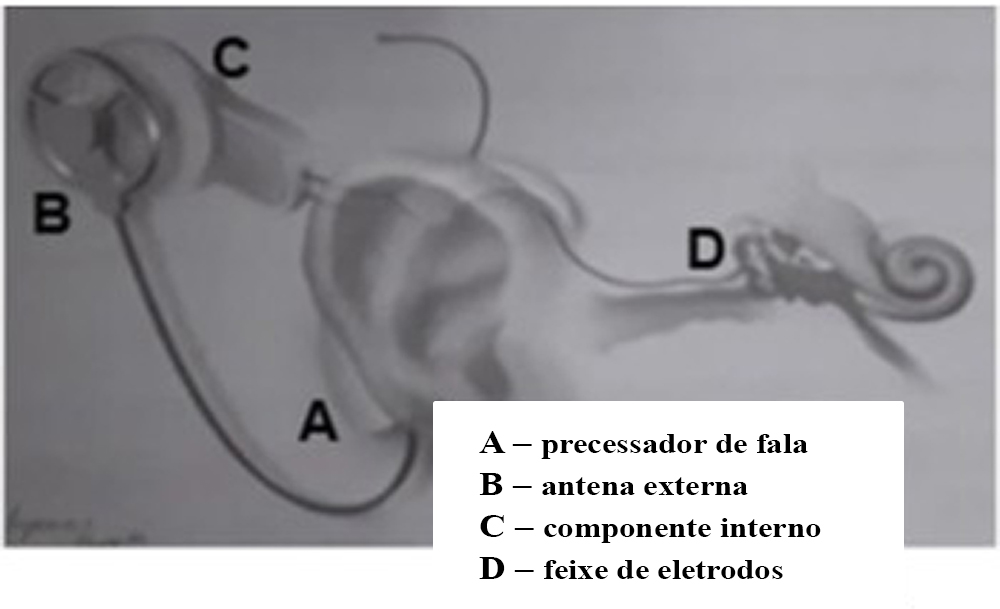
The cochlear implant is an electronic device used by people with congenital or acquired profound sensorineural hearing loss, which enables access to sound. It is often conceived as a technological resource that integrates deaf individuals into a predominantly hearing society, with many of its advocates opposing the use of sign language. Considering this discourse circulating about implanted subjects, this study analyzes the experience of a deaf person who is both a cochlear implant user and a Brazilian Sign Language (Libras) user, focusing on his relationship with the hearing community. The objective is to understand how he perceives his participation and forms of interaction within a predominantly hearing social environment. The theoretical framework combines Deaf Studies and materialist discourse analysis. Methodologically, a semi-structured interview was conducted, which allowed the genuine expression of perceptions and experiences. The results indicate that Libras remains essential in the lives of deaf people, including those with cochlear implants, since in contexts where the device cannot be used (such as bathing, swimming, or sports), sign language emerges as the primary tool for communication.
Keywords:
cochlear implant; deafness; libras
 Thumbnail
 Fonte: